16 Beach Vacation Essentials Before Smartphones
Beach vacations used to require serious preparation and packing strategy, with families loading up on physical items that served purposes now handled by a single device. Every trip meant carefully assembling a collection of analog essentials that would keep everyone entertained, informed, and connected to the outside world.
The ritual of packing for the beach involved checking off items from mental lists that had been refined through years of trial and error. These pre-smartphone beach trips had their own rhythm and charm, demanding more intentional planning yet creating experiences that felt more immersive.
Here is a list of 16 beach vacation essentials that families couldn’t leave home without before smartphones revolutionized travel.
Disposable Cameras
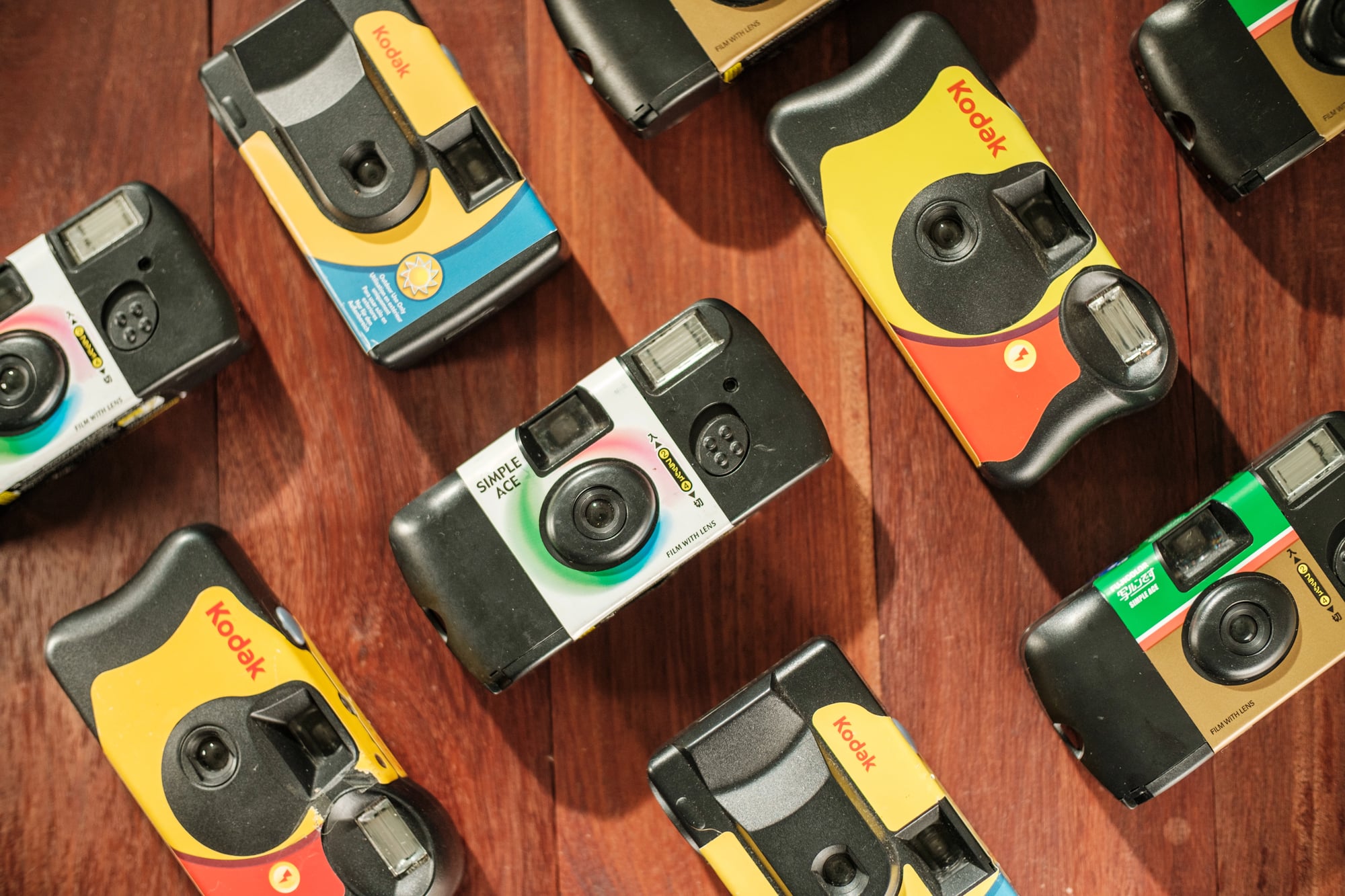
Waterproof disposable cameras were absolute lifesavers for capturing beach memories — since regular cameras couldn’t survive sand and saltwater exposure. Families would buy several of these bright yellow or blue cameras, knowing they’d need plenty of shots to document their entire vacation.
The anticipation of developing film weeks later added mystery to the whole process, though you never knew which beach photos would turn out perfectly until that moment of truth.
Physical Maps and Guidebooks
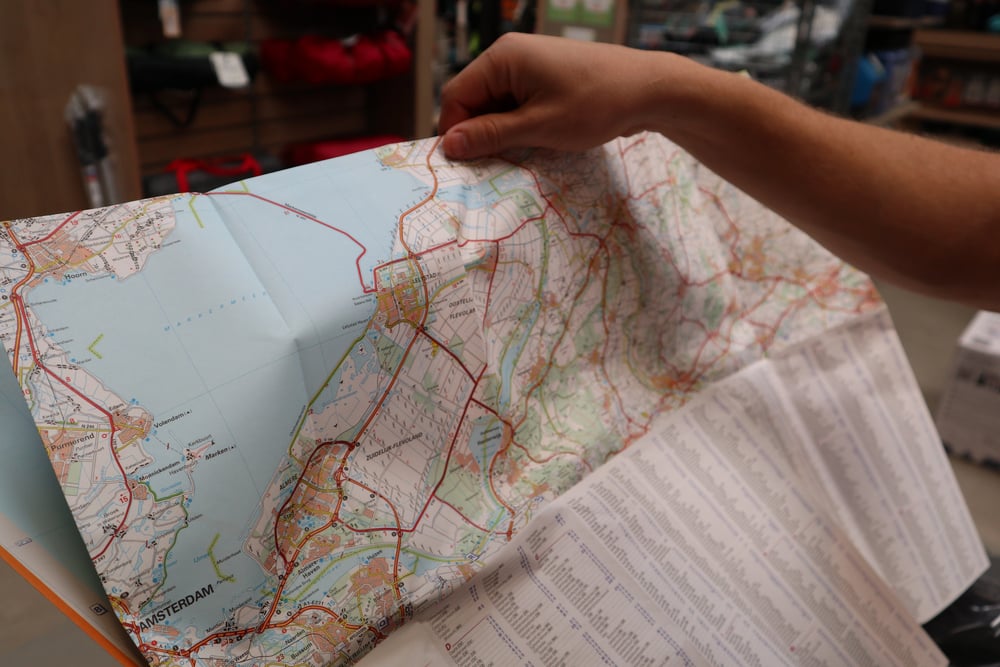
Road atlases and destination guidebooks were essential navigation tools — folded and refolded until the creases became permanent fixtures. These thick books contained detailed maps of coastal areas, restaurant recommendations, and attraction listings that required actual research to find.
Getting lost meant pulling over to study the map together, which often led to discovering hidden gems that GPS navigation might never reveal.
Like Go2Tutors’s content? Follow us on MSN.
Portable Coolers with Ice
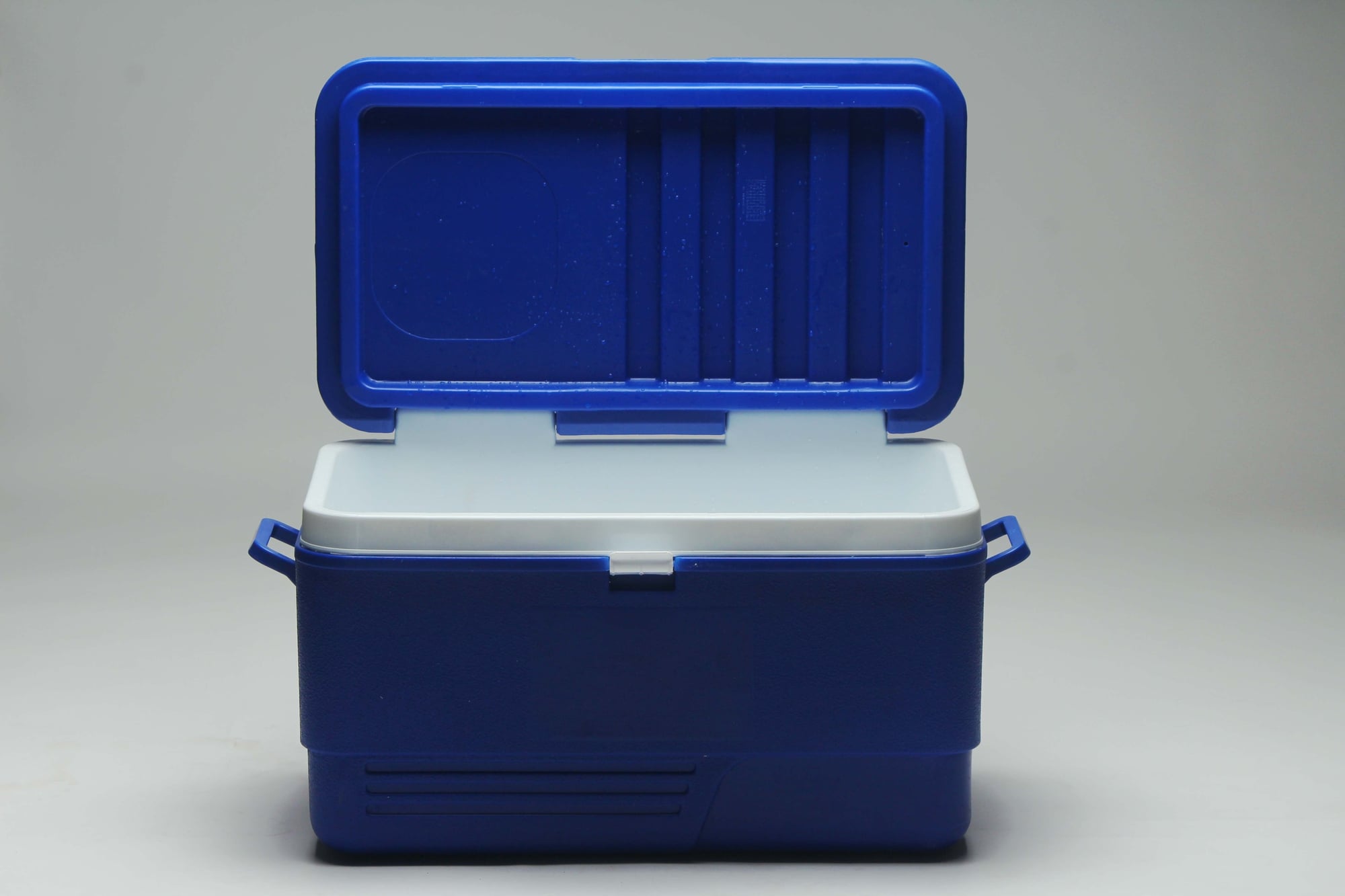
Keeping drinks and snacks cold required strategic ice management — with daily trips to the hotel ice machine or local convenience store becoming part of the vacation routine. Families packed coolers like they were preparing for expeditions, layering ice packs with food in carefully planned arrangements.
The sound of melting ice sloshing around became the soundtrack of beach days, though running out of ice on a hot afternoon felt like a genuine crisis.
Battery-Powered Radio
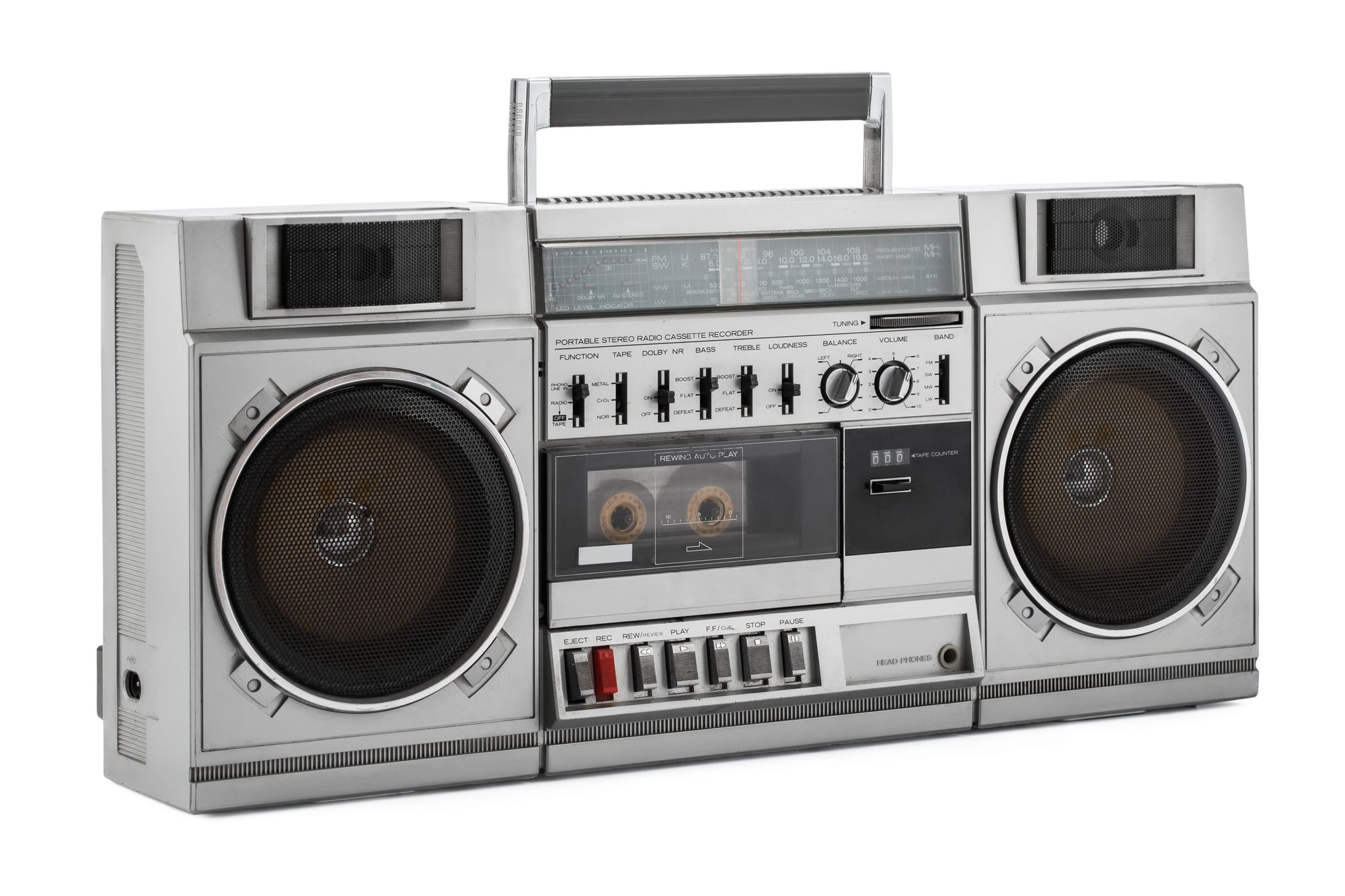
A good radio was crucial for weather updates, local news, and entertainment — especially during those lazy beach afternoons when conversation ran thin. These devices required constant battery monitoring, with smart families packing extra AA batteries to avoid a dead silence mid-vacation.
Tuning in to local stations also provided cultural immersion, introducing visitors to regional music and local advertising that added flavor to the travel experience.
Physical Books and Magazines

Beach reading meant actual books and magazines — selected weeks in advance and carefully packed to provide entertainment for the entire trip duration. Paperback novels were preferred since saltwater and sand could damage them without major financial loss, though bookmark placement became critical for tracking progress.
Magazine subscriptions often aligned with vacation timing, ensuring fresh issues arrived just before departure dates.
Like Go2Tutors’s content? Follow us on MSN.
Film Rolls and Photo Processing

Smart travelers packed multiple rolls of film — calculating roughly how many shots they’d need based on vacation length and family size. Running out of film mid-trip meant emergency shopping expeditions to find camera stores, which weren’t always conveniently located near beach destinations.
The math involved in rationing shots throughout the vacation required careful consideration of which moments deserved permanent documentation.
Paper Travel Games
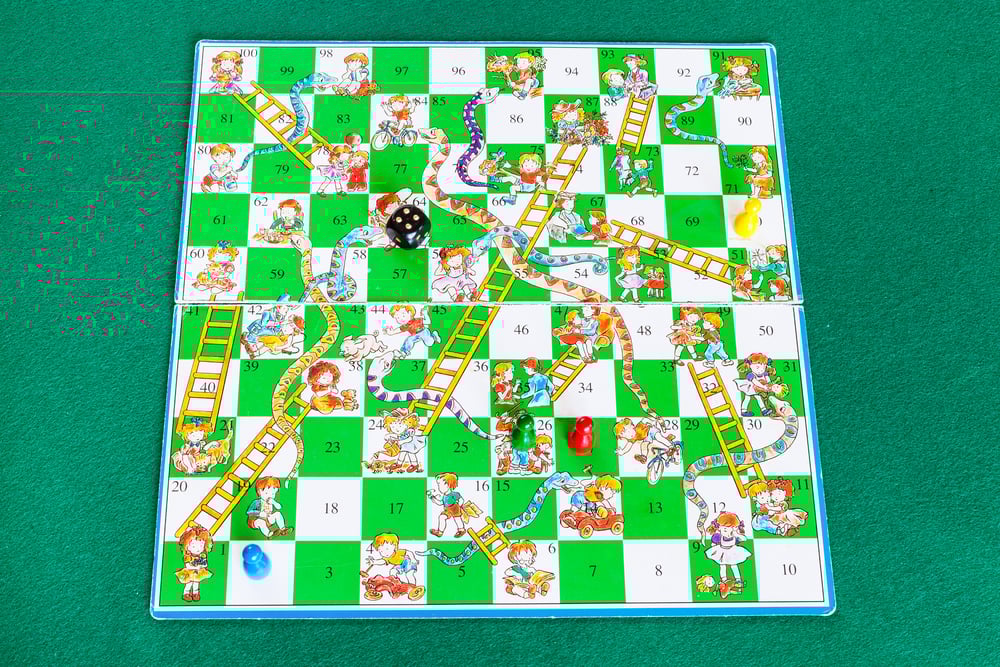
Car rides to beach destinations required entertainment arsenals — filled with crossword puzzle books, word search collections, and travel-sized board games that could withstand cramped quarters. These physical games created shared activities that brought families together during long drives, though they also generated occasional arguments over rules and fair play.
Magnetic travel sets became especially valuable since regular game pieces would scatter with every sharp turn.
Watches for Everyone

Keeping track of time required actual timepieces — since nobody carried clocks in their pockets during pre-smartphone beach vacations. Waterproof watches were premium items that justified their higher cost through reliable service in sandy, salty conditions.
Coordinating family activities meant designating meeting times and locations, with watch synchronization becoming an important pre-beach ritual.
Like Go2Tutors’s content? Follow us on MSN.
Cash and Travelers Checks

Beach towns operated largely on cash transactions — with many small vendors, ice cream stands, and souvenir shops preferring bills over credit cards that required phone line connections. Travelers checks provided security for larger amounts, though they required careful tracking and signature matching that could complicate simple purchases.
ATM availability was limited in smaller beach communities, making cash planning essential for vacation budgeting.
Physical Entertainment Systems
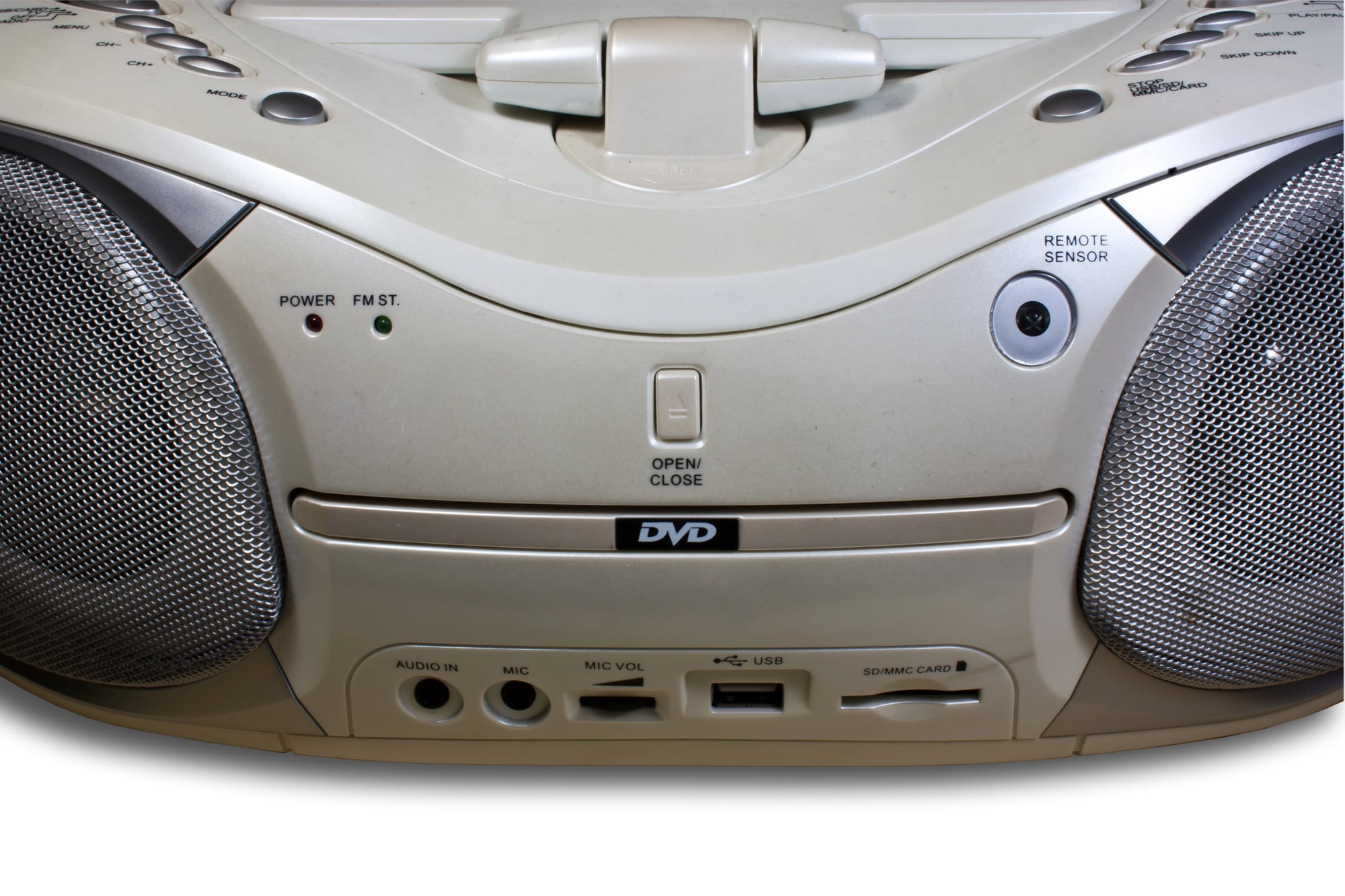
Portable CD players, cassette decks, and small televisions provided entertainment options — though they required careful protection from sand and moisture that could destroy electronic components permanently. Families packed these devices like precious cargo, wrapping them in towels and storing them in sealed bags between uses.
Battery life calculations became important since recharging opportunities weren’t always available in beach house rentals.
Sunscreen Without Expiration Awareness

Sunscreen application was more art than science, with families relying on visual cues and burn history rather than UV index apps or real-time skin damage monitoring. SPF numbers were trusted completely, though reapplication timing depended on personal judgment rather than smartphone reminders that track time and sun exposure.
The ritual of sunscreen application became a family bonding moment, with everyone helping to cover hard-to-reach spots.
Like Go2Tutors’s content? Follow us on MSN.
Weather Radio for Storm Updates

Severe weather information came through dedicated weather radios that provided National Weather Service broadcasts directly from government sources. These devices became lifelines during tropical storm seasons, offering detailed forecasts and emergency information that regular entertainment radios couldn’t match for accuracy.
Battery backup was essential since power outages often accompanied the storms that beach vacationers needed to monitor most carefully.
Physical Address Books
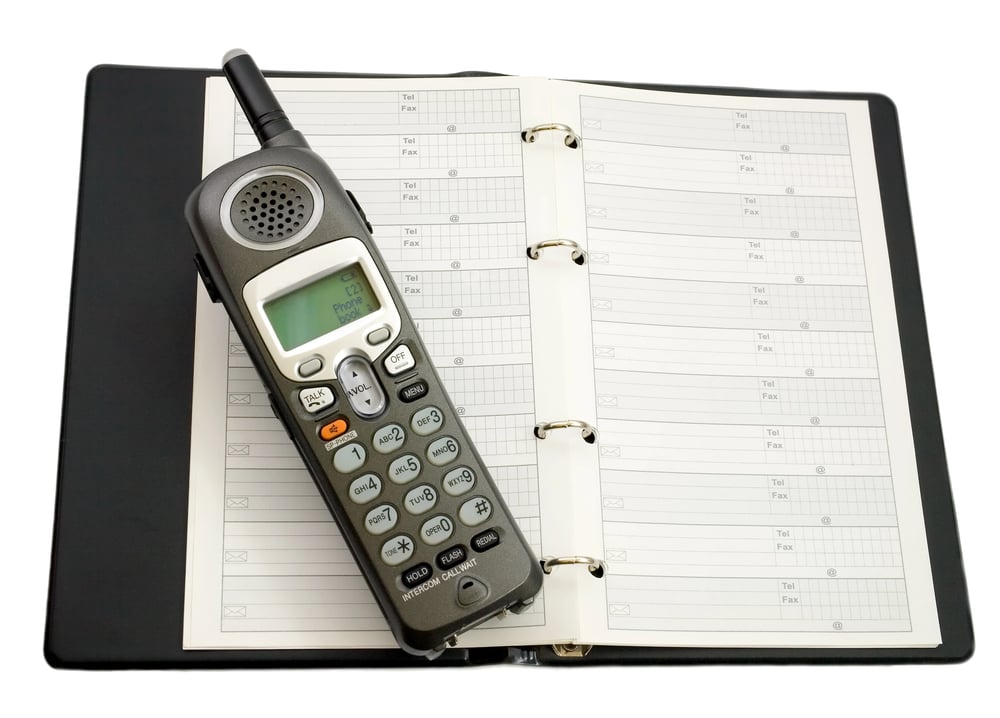
Contact information traveled in small address books filled with handwritten phone numbers and addresses of friends, family, and emergency contacts. Losing this book meant losing connection to everyone back home, making it one of the most carefully guarded vacation items.
Public payphones required exact change and legible handwriting to connect calls, adding complexity to staying in touch with people.
First Aid Supplies

Medical emergencies required well-stocked first aid kits since immediate medical information wasn’t available through web searches or telemedicine consultations. Families packed supplies based on experience and worst-case scenario planning, knowing that remote beach locations might not have immediate access to pharmacies or urgent care facilities.
Knowledge of basic first aid became more important when professional medical advice wasn’t just a video call away.
Like Go2Tutors’s content? Follow us on MSN.
Travel Alarm Clocks

Waking up on time required dedicated alarm devices that didn’t depend on hotel wake-up services or phone alerts that might fail. These small clocks became essential for early morning beach walks, timed restaurant reservations, and checkout deadlines that couldn’t be missed without financial penalties.
Battery-powered models were preferred since electrical outlets weren’t always conveniently located near beds in budget accommodations.
Local Phone Directories

Yellow Pages and white pages provided essential contact information for local services, restaurants, and emergency numbers that couldn’t be googled on demand. These thick books became treasure maps for discovering local businesses and services, though the information wasn’t always current or complete.
Finding specific services required patience and systematic searching through alphabetical listings that tested both organizational skills and persistence.
When Preparation Was Everything

Beach vacations before smartphones demanded careful planning and strategic packing that created more intentional travel experiences. Every item served a specific purpose that couldn’t be replicated by other tools, making the packing process itself part of the vacation ritual that built anticipation for the trip ahead.
While modern technology has simplified travel logistics considerably, these analog essentials created a different kind of vacation rhythm that emphasized presence over connectivity. The weight of a properly packed beach bag represented security and preparedness in ways that cloud storage and wireless signals simply cannot match, connecting travelers more directly to their immediate surroundings and travel companions.
Like Go2Tutors’s content? Follow us on MSN.
More from Go2Tutors!

- 16 Restaurant Chains That Went Too Fast
- 12 Things Sold in the 80s That Are Now Illegal
- 15 Strange Things People Have Tried to Ban (And Failed)
- 16 Collectibles People Tossed Out Too Soon
- 17 Myths from Your Childhood That Were Actually Based on Real Things
Like Go2Tutors’s content? Follow us on MSN.