15 Mountaineering Tragedies That Shook the World
Mountains don’t care about your experience level, your gear, or how careful you think you’re being. They’re massive, unpredictable, and completely indifferent to human ambition. Every climber knows the risks going in, but some disasters hit so hard they changed how the entire mountaineering world thinks about safety and preparation.
These aren’t just climbing accidents – they’re events that made headlines worldwide and forced everyone to confront just how dangerous high-altitude mountaineering really is. Here are 15 mountaineering tragedies that didn’t just claim lives – they shook the climbing community to its core and changed the sport forever.
1996 Mount Everest Disaster

Eight climbers died in a single day when a massive storm hit multiple expedition teams near Everest’s summit. Rob Hall and Scott Fischer, two of the most experienced guides in the business, were among those who never made it down.
Jon Krakauer’s book ‘Into Thin Air’ brought this tragedy into mainstream consciousness and sparked huge debates about commercialized climbing on Everest.
K2 Tragedy (2008)

Eleven climbers from different expeditions died over two days on K2, the world’s second-highest peak. A serac collapse wiped out fixed ropes, stranding teams above 26,000 feet in the ‘death zone.’
K2 already had a reputation as the most dangerous 8,000-meter peak, and this disaster reminded everyone why it’s called the ‘Savage Mountain.’
Dhaulagiri Avalanche (1969)

Seven members of an American expedition were killed when a massive avalanche swept their camp off the mountain. The team was attempting the first American ascent of Dhaulagiri, the world’s seventh-highest peak.
This tragedy highlighted how quickly conditions can change in the Himalayas and how little warning avalanches sometimes give.
Nanga Parbat Expedition (1937)
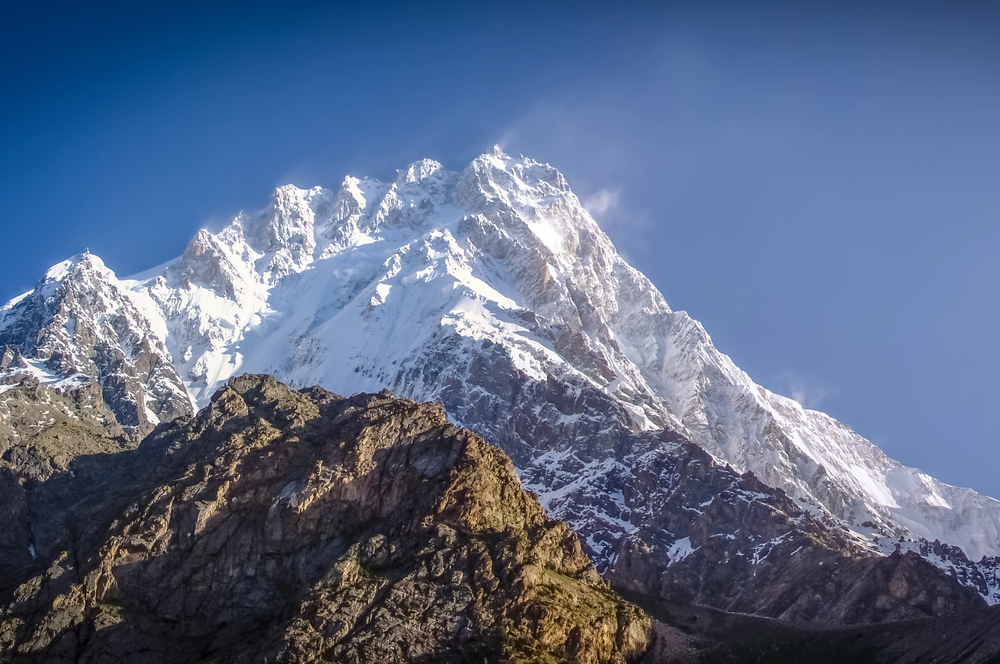
Sixteen climbers and porters died in an avalanche that buried their camp on Nanga Parbat in Pakistan. The German expedition was attempting what they called the ‘German route’ on the mountain they’d nicknamed ‘our mountain.’
This disaster was one of the deadliest single incidents in Himalayan climbing history and showed how political pressures could push expeditions into dangerous decisions.
Mont Blanc Tunnel Disaster Context – Climbing Tragedy (1999)
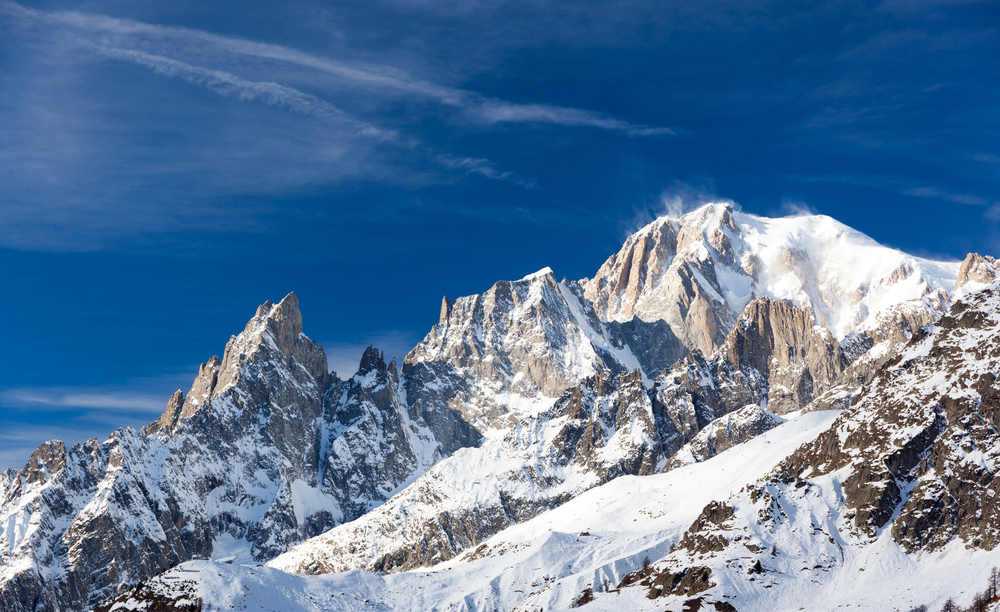
Twelve climbers died in various incidents on Mont Blanc during an unusually deadly season that coincided with increased traffic through the area. The combination of overcrowding, poor weather, and inexperienced climbers created a perfect storm of dangerous conditions.
Mont Blanc might look tame compared to Himalayan peaks, but it kills more climbers annually than any other mountain in the world.
Annapurna South Face Tragedy (1970)
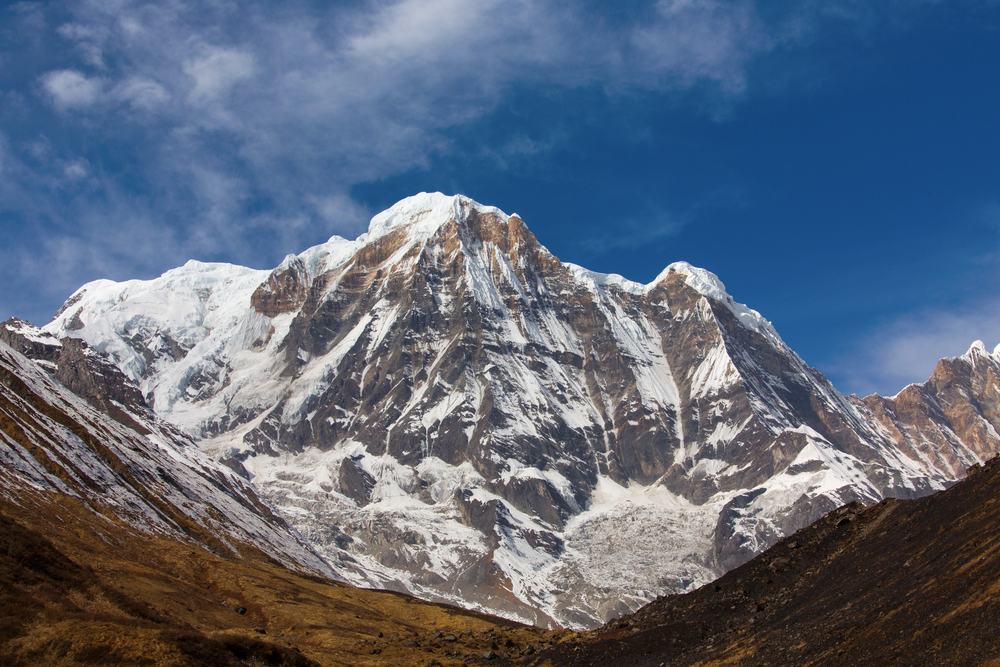
While the British expedition successfully climbed Annapurna’s south face, team member Ian Clough was killed by falling ice during the descent. This expedition was considered a milestone in technical climbing, but Clough’s death reminded everyone that even successful climbs can turn tragic in seconds.
The south face route they pioneered is still considered one of the most technically demanding climbs in the Himalayas.
Matterhorn Disaster (1865)
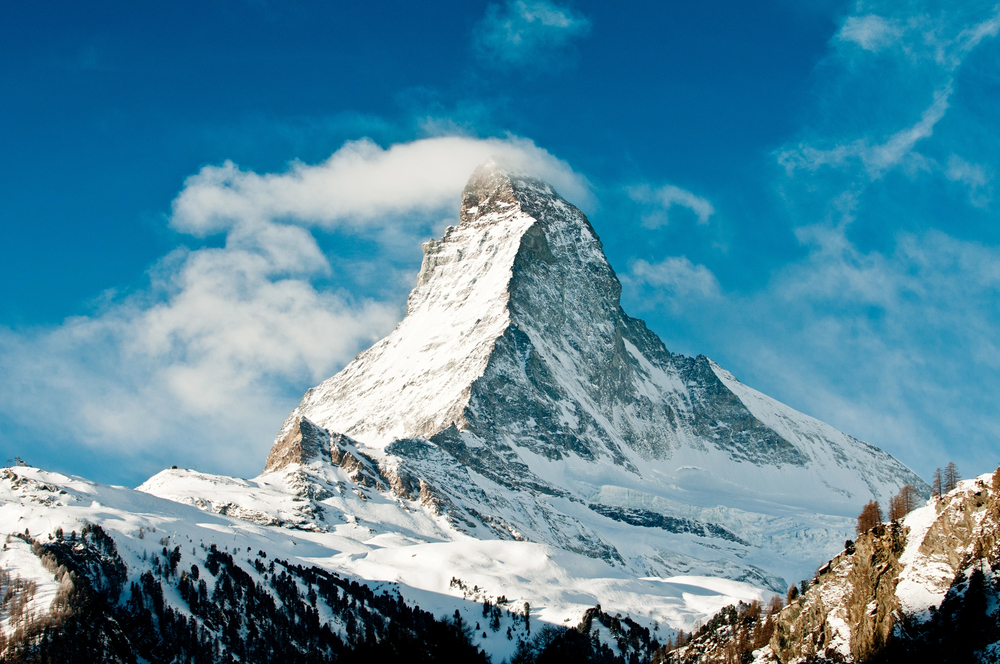
Four climbers died during the first successful ascent of the Matterhorn when their rope broke during the descent. Edward Whymper and his team had finally conquered the iconic pyramid-shaped peak, but celebration turned to horror when four team members fell to their deaths.
This tragedy occurred during the golden age of Alpine climbing and shocked Victorian society.
Chogolisa Expedition Tragedy (1957)

Hermann Buhl, one of the greatest mountaineers of his generation, disappeared on Chogolisa after breaking through a snow cornice. Buhl was famous for his solo first ascent of Nanga Parbat and was attempting another challenging peak when he vanished.
His death marked the end of an era in Himalayan climbing and left the mountaineering world mourning one of its brightest stars.
Everest Avalanche (2014)

Sixteen Sherpa guides were killed when an avalanche swept through the Khumbu Icefall, the most dangerous section of the standard Everest route. This tragedy highlighted the disproportionate risks faced by Sherpa climbers who carry loads through the icefall multiple times per expedition.
The disaster led to major protests and changes in how Sherpa workers are compensated and protected.
Manaslu Avalanche (2012)

Eleven climbers from different expeditions died when an avalanche hit camps on Manaslu, the world’s eighth-highest peak. The victims included experienced climbers from France, Germany, Nepal, Italy, and Spain.
This disaster occurred during what should have been a relatively safe period and reminded everyone that Himalayan peaks are never truly predictable.
Denali Plane Crash and Climbing Tragedy (1981)

Five climbers died in a combination of accidents on Denali, including a plane crash that killed climbers attempting to reach the mountain. The incidents highlighted the multiple dangers of climbing in remote locations where rescue is difficult and weather can change instantly.
Denali’s extreme cold and isolation make it one of the most challenging mountains outside the Himalayas.
Siula Grande Incident (1985)
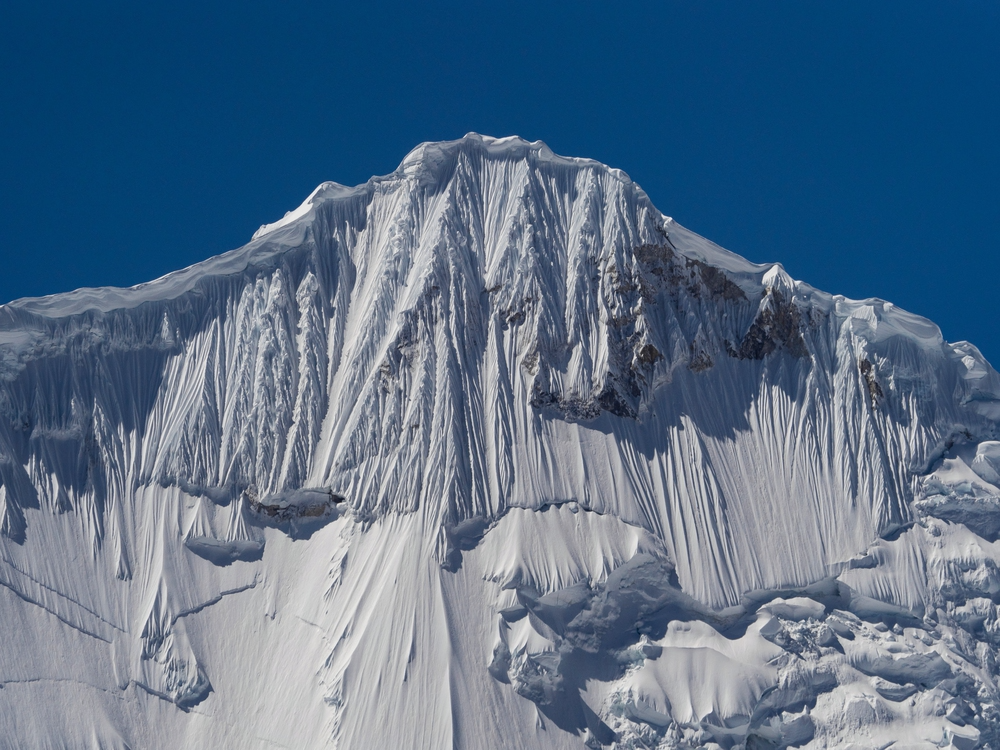
Joe Simpson and Simon Yates’ epic survival story became famous through the book and film ‘Touching the Void,’ but their expedition partner Richard Hawkins died during the climb. The incident in Peru’s Cordillera Huayhuash showed how quickly things can go wrong even on supposedly straightforward climbs.
Simpson’s survival after falling into a crevasse became one of mountaineering’s most famous stories.
Broad Peak Tragedy (2013)

Three Polish climbers died attempting a winter ascent of Broad Peak, one of the 8,000-meter peaks in Pakistan. Maciej Berbeka, Tomasz Kowalski, and Adam Bielecki were part of an expedition trying to complete the first winter ascent of the mountain.
Winter climbing on 8,000-meter peaks represents the absolute cutting edge of mountaineering, where the margin for error is virtually nonexistent.
Ama Dablam Avalanche (2006)
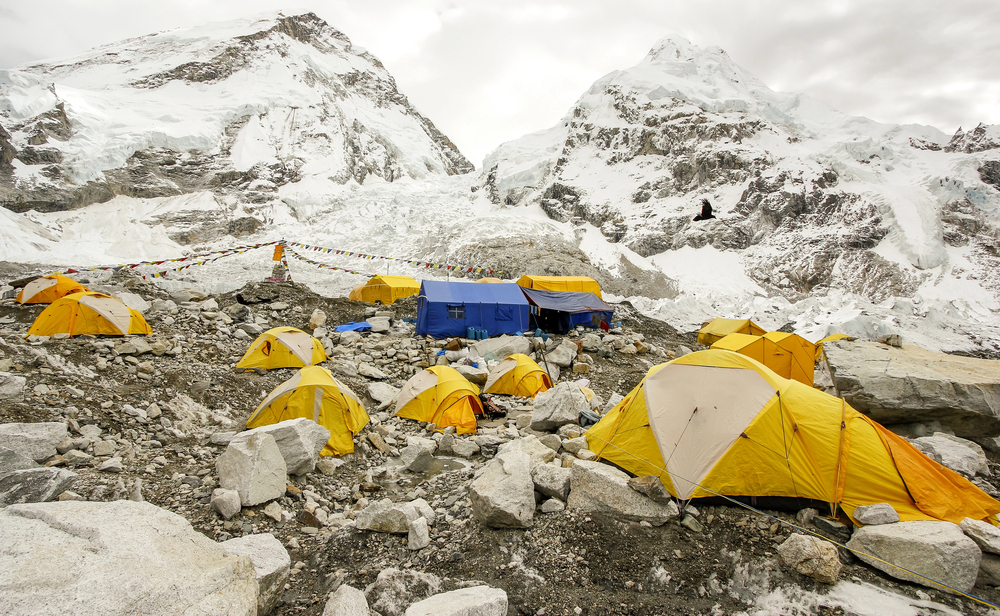
Six climbers were killed when an avalanche struck their camp on Ama Dablam in Nepal. The mountain is considered one of the most beautiful peaks in the Himalayas and attracts many climbers, but this tragedy reminded everyone that beauty doesn’t equal safety.
The incident occurred during what seemed like stable weather conditions, showing how suddenly mountain environments can become deadly.
Lhotse Face Tragedy (1996)

Several climbers died in separate incidents on the Lhotse Face during the same season as the famous Everest disaster. The Lhotse Face is part of the standard Everest route, but its steep ice and exposure to avalanches make it extremely dangerous.
These deaths were overshadowed by the Everest disaster but represented their own significant losses to the climbing community.
When Mountains Win
These tragedies didn’t just take lives – they forced the entire mountaineering community to confront uncomfortable truths about the sport they love. Each disaster led to changes in safety protocols, equipment standards, and climbing practices, but the mountains remain as dangerous as ever.
The 1996 Everest disaster sparked debates about commercialization that still rage today. The 2014 Sherpa deaths led to major changes in worker compensation and safety measures. The K2 tragedy reminded everyone that some mountains will always be savage no matter how much technology advances. These climbers died pursuing their passion in some of the most beautiful and hostile places on Earth. Their deaths serve as constant reminders that mountains demand respect, preparation, and humility from anyone who dares to climb them. The sport continues because climbers accept these risks, but these tragedies ensure that no one forgets the price that mountains sometimes exact for the privilege of standing on their summits.
More from Go2Tutors!

- The Romanov Crown Jewels and Their Tragic Fate
- 13 Historical Mysteries That Science Still Can’t Solve
- Famous Hoaxes That Fooled the World for Years
- 15 Child Stars with Tragic Adult Lives
- 16 Famous Jewelry Pieces in History
Like Go2Tutors’s content? Follow us on MSN.



