Inventions by Kids That Changed Lives
Kids see problems differently than adults do. They haven’t learned to accept inconveniences as permanent, and they haven’t been told enough times that something can’t be done.
This fresh perspective has led to inventions that solved real problems, sometimes in ways that entire industries overlooked. These young inventors didn’t set out to change the world.
They just wanted to fix something that bothered them or help someone they cared about.
Braille (Louis Braille, Age 15)

Louis Braille lost his sight at age three after an accident in his father’s workshop. By age 15, he’d grown frustrated with the existing system for blind people to read, which used raised letters that were slow and difficult to distinguish by touch.
He created a system of raised dots that could represent letters and numbers, making reading by touch faster and more practical. His system spread slowly at first.
The school where he studied resisted it for years. But students kept using it among themselves because it worked so much better than anything else available.
Today, Braille remains the standard system for blind and visually impaired people worldwide, enabling independence and literacy for millions.
Popsicles (Frank Epperson, Age 11)

Frank Epperson left a cup of powdered soda mix and water on his porch overnight in 1905, with the stirring stick still in it. The temperature dropped, and by morning the mixture had frozen solid around the stick.
He’d accidentally created something new. He called them Epsicles at first, combining his name with icicle.
Years later, as an adult, he started selling them at an amusement park, and his own children convinced him to rename them Popsicles. The frozen treat became a staple of childhood summers, spawning countless variations and an entire category of frozen desserts.
That one forgotten cup on a porch turned into a multimillion-dollar industry.
Trampolines (George Nissen, Age 16)

George Nissen watched trapeze artists bounce into safety nets at the circus and thought that bounce could be more than just a safety feature. Working with his gymnastics coach, he built the first modern trampoline in his garage using scrap steel and canvas.
The design lets gymnasts practice aerial maneuvers safely and repeatedly. The military adopted trampolines for pilot training during World War II, helping aviators learn spatial orientation.
NASA later used them to train astronauts. But the biggest impact came in backyards and gyms worldwide, where trampolines became both recreational equipment and serious training tools for athletes.
What started as a teenager’s circus-inspired project became essential equipment across multiple fields.
Earmuffs (Chester Greenwood, Age 15)

Chester Greenwood’s ears hurt when he went ice skating in Maine winters. In 1873, he asked his grandmother to sew fur tufts onto a wire loop he’d bent to fit his head.
The design worked, keeping his ears warm without the bulk and slippage of a hat or scarf. He refined the design and patented it, then manufactured earmuffs for decades.
His factory in Farmington, Maine, supplied earmuffs to soldiers during World War I. The town still celebrates Chester Greenwood Day every December.
His simple solution to cold ears became standard winter gear, proving that the best inventions often address everyday annoyances.
Water Purification System (Deepika Kurup, Age 14)

Deepika Kurup saw children in India drinking visibly contaminated water during a family trip. Back home in Massachusetts, she started experimenting with water purification methods that wouldn’t require electricity or expensive materials.
She developed a system using titanium dioxide and sunlight to break down contaminants. Her invention won multiple science fair awards and attracted attention from researchers and aid organizations.
The system works in areas without reliable power, making clean water accessible to communities that desperately need it. She continued refining the technology through college, turning a middle school science project into a potentially life-saving tool for millions.
Portable Wheelchair Lift (Alissa Chavez, Age 12)
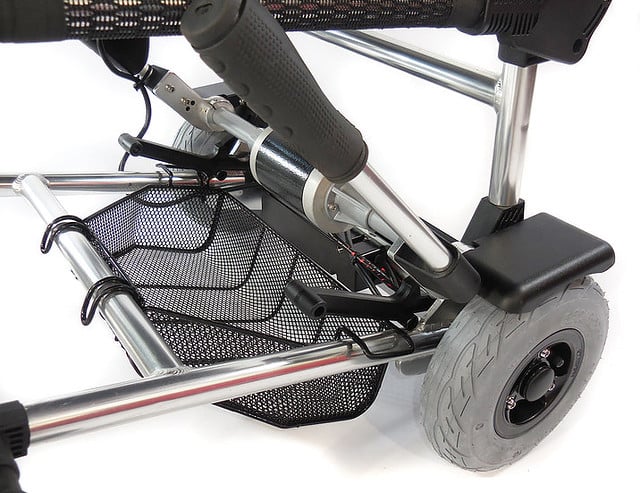
Alissa Chavez’s cousin used a wheelchair, and she noticed how difficult it was for him to navigate places without proper access. She designed a portable wheelchair lift that could be easily transported and set up, unlike the heavy, permanent installations that most buildings use.
The design earned her recognition at science competitions and caught the interest of accessibility advocates. While commercial versions of her concept are still developing, her work highlighted how young people can identify solutions to problems that affect their communities.
She showed that addressing accessibility doesn’t always require massive infrastructure changes.
Crayon Holders (Cassidy Goldstein, Age 11)

Cassidy Goldstein’s younger brother had juvenile arthritis that made it painful for him to grip regular crayons. She created a plastic tube that slipped over crayons, making them easier to hold.
The design worked so well that she patented it and began selling Crayon Holders to schools and therapy programs. Kids with various conditions affecting fine motor control benefited from her invention.
Occupational therapists started recommending them. What began as a way to help her brother draw without pain became a tool that helped thousands of children participate in art and schoolwork more comfortably.
Low-Cost Hearing Aid (Fionn Ferreira, Age 16)

Fionn Ferreira noticed that many people in his community in Ireland couldn’t afford hearing aids, which can cost thousands of dollars. He developed a low-cost alternative using readily available materials and open-source technology, bringing the price down to a fraction of commercial models.
His design won international science competitions and drew interest from medical technology companies. The invention demonstrated that expensive medical devices often cost far more than necessary, and that accessible alternatives can be created when someone questions the status quo.
His work inspired other young inventors to tackle medical device affordability.
Makin Bacon (Abbey Fleck, Age 8)
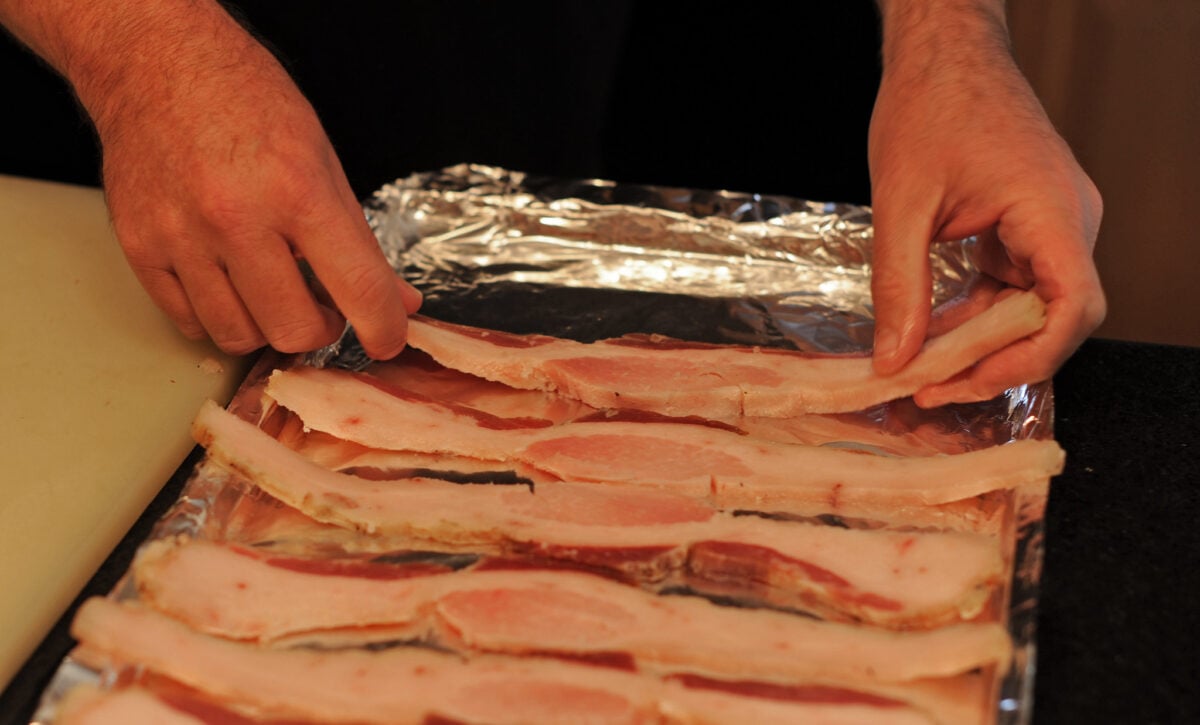
Abbey Fleck got tired of watching her father clean up bacon grease from pans and paper towels. She suggested hanging bacon strips over the microwave rack while cooking, letting the grease drip away into a bowl below.
Her father thought it was clever enough to develop into a product. They created Makin Bacon, a plastic rack designed specifically for microwave bacon cooking.
The product sold millions of units and appeared in stores nationwide. Abbey’s observation about messy bacon led to a solution that made cooking easier and healthier by reducing the grease that stays on the meat.
Super Soaker (Lonnie Johnson, Age Concept From Childhood)
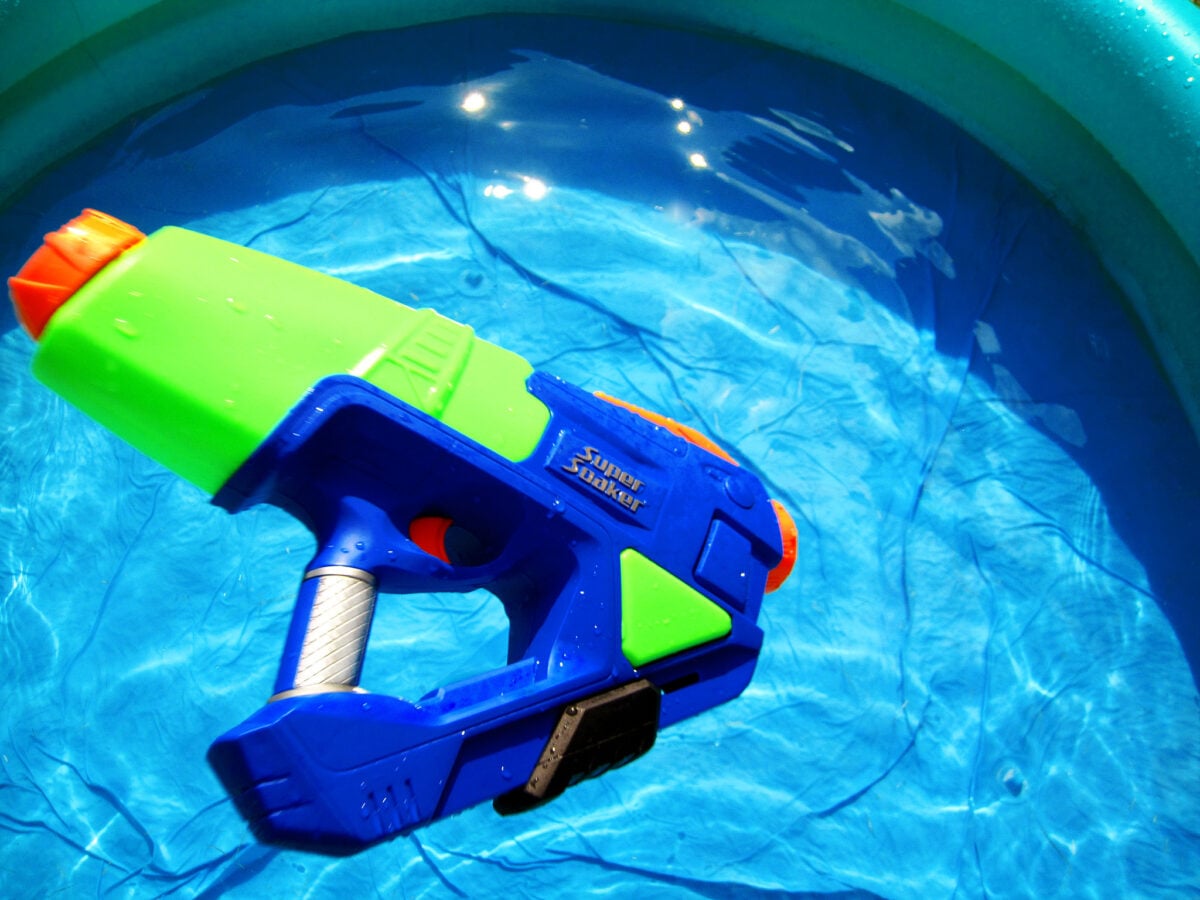
Lonnie Johnson spent his childhood building go-karts and robots. As an adult engineer working for NASA, he was testing a heat pump design in his bathroom when a stream of water shot across the room with impressive force.
The accident reminded him of the water guns from his childhood, and he realized he could create something far more powerful. He developed the Super Soaker, which became one of the best-selling toys in history.
While he invented it as an adult, the design came directly from understanding what kids wanted from water toys, something he’d known since childhood. The toy changed how children played outdoors during summer, and Johnson used the profits to fund further inventions.
Protective Pocket Diaper (Alexia Abernathy, Age 8)

Alexia Abernathy watched her grandmother, who had Alzheimer’s disease, struggle with medical equipment. She noticed that the sensors used to monitor patients often shifted or fell off.
She invented a special pocket built into hospital gowns where monitors could be securely placed without irritating the patient’s skin. Her design won recognition at invention competitions and caught the attention of medical supply companies.
The simple addition of a protective pocket solved a problem that affected countless patients, showing how direct observation of healthcare challenges can lead to practical improvements.
Christmas Lights (Albert Sadacca, Age 15)

After a tragic fire caused by candles on a Christmas tree in 1917, teenager Albert Sadacca convinced his family’s novelty lighting company to create strings of lights as a safer alternative. His family had been making decorative lights for years, but no one had thought to market them specifically for Christmas trees.
The idea spread slowly because electric Christmas lights cost more than candles. But as electrification became more common and people saw how much safer the lights were, they gradually replaced candles.
Sadacca’s lights prevented countless fires and deaths, transforming how people decorated for the holidays while creating an entire industry.
Child Safety Locks (Kyle Kurpinski and Robert Sabia, Ages 14-15)
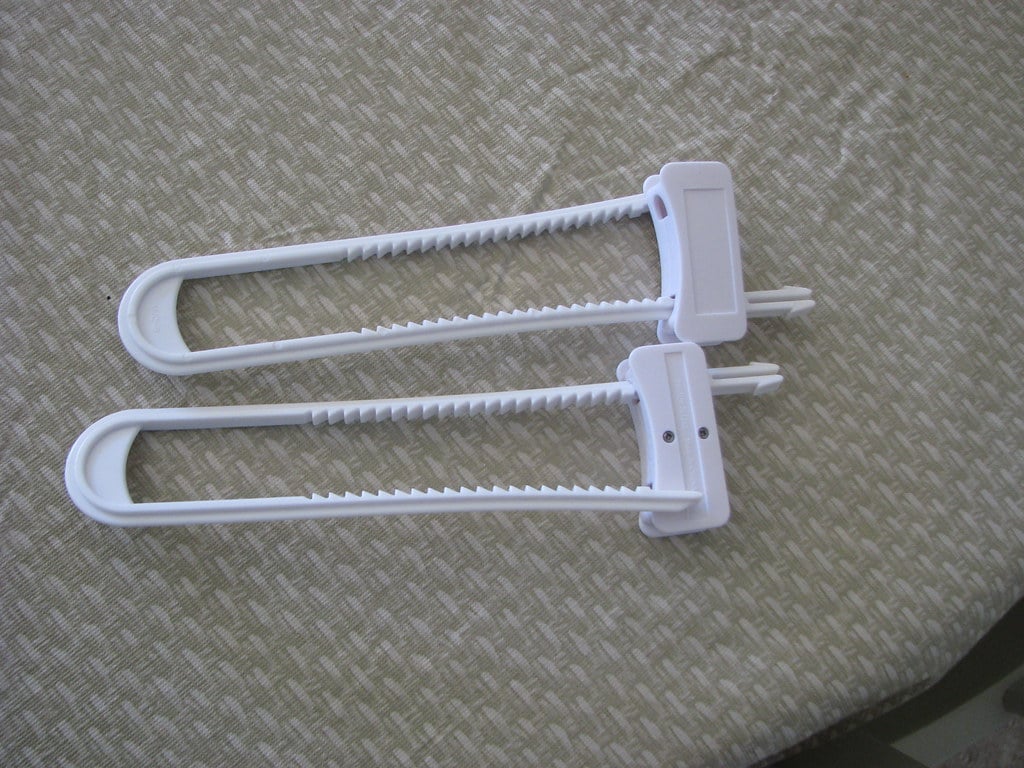
These teenage inventors from California designed an improved medicine cabinet lock after hearing about children poisoned by accidentally accessing medications. Their design made cabinets more secure while still allowing adults easy access in emergencies.
The locks won awards at science fairs and were eventually licensed to manufacturers. Child safety locks have since become standard in homes with young children, preventing thousands of accidental poisonings each year.
The invention showed how teenagers could identify and solve serious public health problems through practical engineering.
Young Minds, Lasting Impact

These inventions have more in common than just how young their inventors were. Each was born out of real-life struggles, not guesses about usefulness.
Since kids aren’t taught to complicate things, they often go straight for the simplest fix – though it doesn’t always work, sometimes that’s exactly what solves the problem. The world thrives on folks who don’t know some challenges “should” be hard.
Kids often act without that doubt, spotting chances grown-ups walk past. New ideas show how beginners catch details experts overlook – also proving the right moment to fix something the second you see it.
More from Go2Tutors!

- The Romanov Crown Jewels and Their Tragic Fate
- 13 Historical Mysteries That Science Still Can’t Solve
- Famous Hoaxes That Fooled the World for Years
- 15 Child Stars with Tragic Adult Lives
- 16 Famous Jewelry Pieces in History
Like Go2Tutors’s content? Follow us on MSN.