16 Restaurant Chains That Went Too Fast
The restaurant industry can be as unforgiving as it is appealing. Many ambitious chains start with a promising concept and initial success, only to stumble when they attempt to scale up rapidly across the country.
Overextension, quality control issues, and changing consumer preferences often catch these expanding businesses off guard. Here is a list of 16 restaurant chains that expanded too quickly for their own good, serving as cautionary tales in the competitive food service landscape.
Chipotle Mexican Grill
Chipotle’s meteoric rise seemed unstoppable until a series of food safety incidents between 2015 and 2018 exposed the dangers of rapid expansion. The company grew from about 500 locations in 2006 to over 2,000 by 2015, making it harder to maintain consistent food handling practices.
Their supply chain couldn’t keep pace with their commitment to fresh, locally-sourced ingredients across so many locations. The chain has since recovered but learned an expensive lesson about scaling too quickly without appropriate infrastructure.
Boston Market
Once known as Boston Chicken, this comfort food chain expanded from 20 restaurants in 1992 to over 1,100 locations by 1998. Their growth strategy relied on massive debt financing that proved unsustainable when sales couldn’t keep up with expansion costs.
The company filed for bankruptcy in 1998, ultimately closing hundreds of locations and selling to McDonald’s. They tried to grow as fast as a tech startup but forgot they were selling physical meals in physical buildings with real estate costs.
Quiznos
Quiznos once boasted 5,000 locations and seemed poised to challenge Subway for sandwich supremacy. Their aggressive franchise model pushed costs onto franchisees while the corporation collected fees, creating an unsustainable situation.
Supply chain markups required by corporate headquarters squeezed franchisee profits, leading to widespread closures. From their peak in the mid-2000s, they’ve shrunk to fewer than 200 locations today, a victim of their own aggressive expansion policy.
Krispy Kreme
The doughnut chain created enormous buzz in the early 2000s, expanding from a regional favorite to a national phenomenon. Their IPO in 2000 fueled rapid growth, but the company couldn’t maintain the excitement or operational excellence across hundreds of new locations.
Overexposure diluted their ‘special occasion’ appeal, and many stores became unprofitable. The chain has since scaled back and refocused on their core strengths, proving that even delicious products need sustainable business models.
Kenny Rogers Roasters
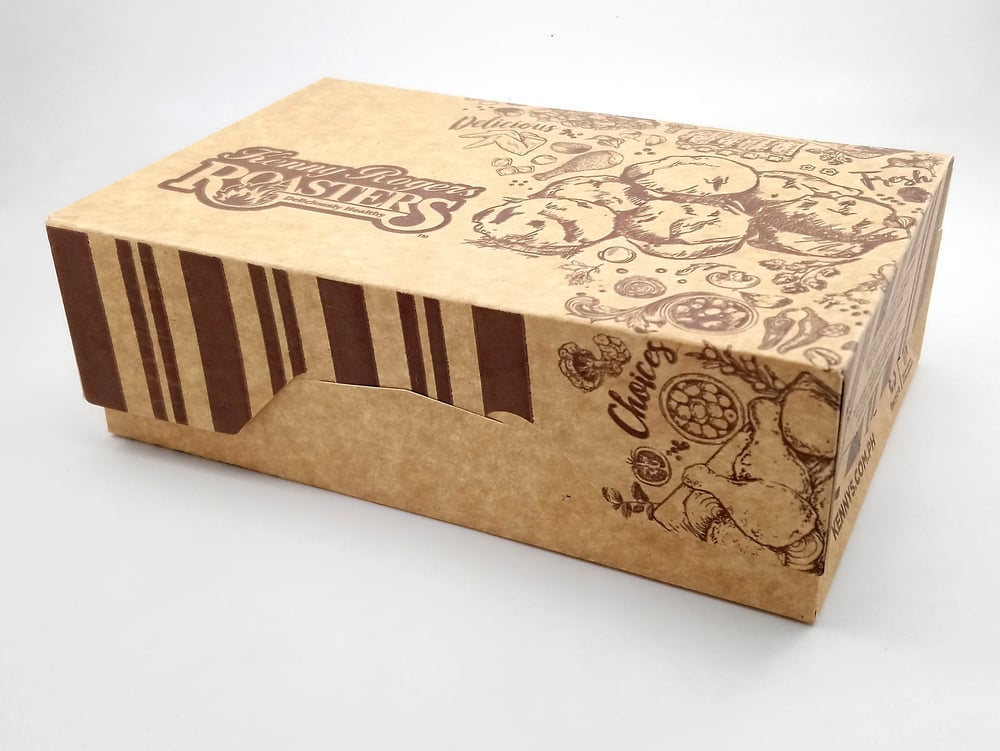
The country singer-branded chicken restaurant grew to over 350 locations worldwide in the 1990s, even featuring in a famous ‘Seinfeld’ episode. However, the chain expanded too rapidly in the competitive chicken market without establishing a distinct enough identity.
They filed for bankruptcy in 1998 and nearly disappeared from America entirely. Ironically, while failing in the US, the brand lives on in Asia, where it maintains a successful presence with a modified menu.
Bennigan’s
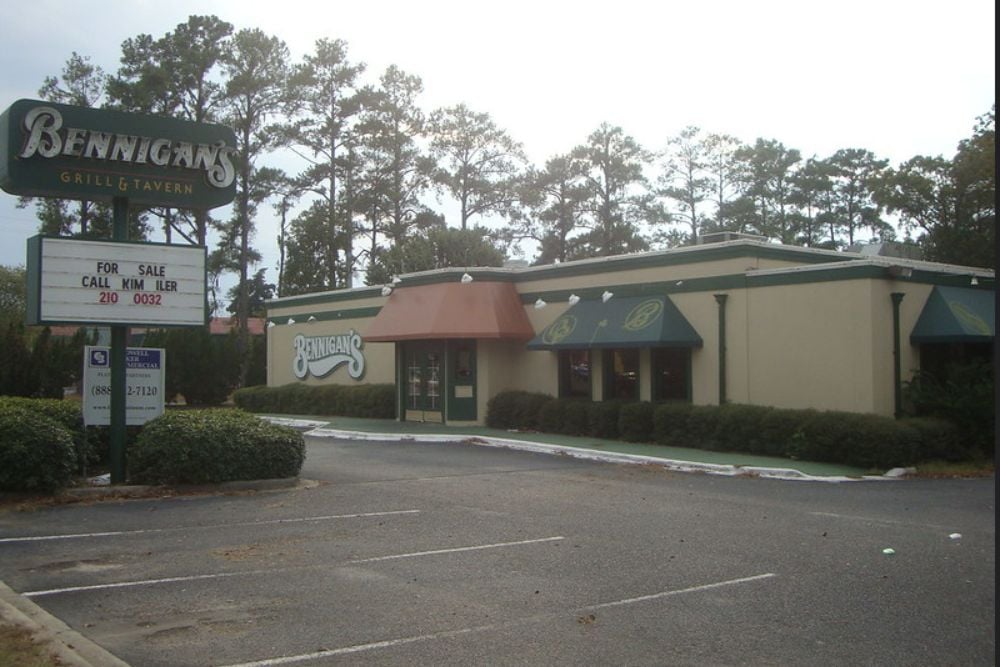
This casual dining chain expanded aggressively throughout the 1990s but couldn’t differentiate itself in an increasingly crowded market segment. Their parent company filed for bankruptcy in 2008, closing all corporate-owned locations overnight.
The rapid expansion left them with too many underperforming stores and not enough unique appeal compared to competitors like Applebee’s and Chili’s. The brand has attempted several comebacks with a smaller footprint but hasn’t recaptured its former prominence.
Così

The fast-casual sandwich and flatbread chain expanded rapidly after its 1996 founding, going public in 2002 with ambitious growth plans. Unfortunately, they prioritized location count over location quality and operational consistency.
Food quality varied widely between stores, and many locations weren’t profitable. After multiple bankruptcy filings, the once-promising chain has been reduced to a fraction of its peak size, a reminder that consistency matters more than store count.
Crumbs Bake Shop

Riding the cupcake craze of the early 2010s, Crumbs expanded from a single New York bakery in 2003 to 79 locations across multiple states by 2013. Their expansion coincided perfectly with peak cupcake mania, but they failed to diversify their offerings as trends shifted.
The company abruptly closed all stores in 2014 after being delisted from NASDAQ, demonstrating the dangers of building a chain around a passing food trend.
Sbarro
The mall food court pizza chain expanded rapidly throughout the 1990s and 2000s, tying their fortunes to shopping malls across America. When mall traffic began declining in the 2010s, Sbarro lacked the standalone restaurant experience to compensate.
They filed for bankruptcy twice in five years, closing hundreds of locations. Their expansion strategy failed to account for changing consumer shopping habits, leaving them overextended in a declining retail environment.
Steak and Ale
Founded by restaurant industry legend Norman Brinker, Steak and Ale pioneered the casual steakhouse concept and grew to over 280 locations. However, they failed to evolve their concept while expanding, eventually seeming dated compared to newer competitors like Outback Steakhouse.
The chain completely disappeared in 2008 when the parent company Metromedia Restaurant Group filed for bankruptcy. Their rapid growth left them with aging locations and an outdated concept.
Freshii

This health-focused fast-casual chain expanded from a single Toronto location in 2005 to hundreds of outlets across 15 countries by 2019. Their aggressive growth strategy included unusual locations like Target stores and even gyms.
The company emphasized store count over perfecting their operational model, leading to quality inconsistencies and many underperforming locations. Recent years have seen numerous closures as the chain attempts to stabilize after expanding too rapidly.
Fuddruckers
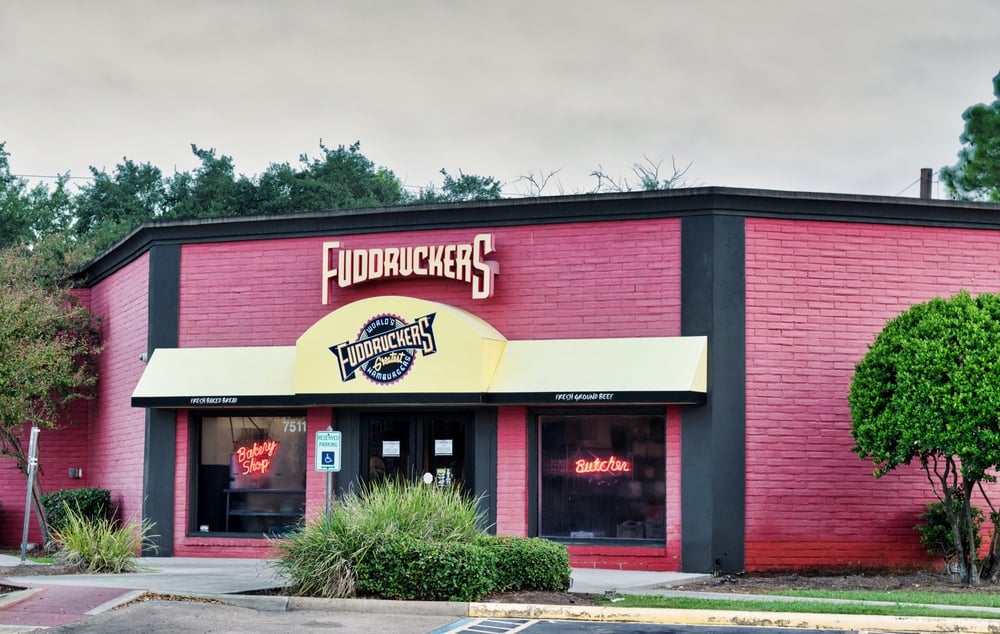
Known for their build-your-own-burger concept, Fuddruckers expanded to over 500 locations during their 1980s heyday. The company struggled to maintain quality control across their growing network, eventually filing for bankruptcy in 2010.
Their parent company, Luby’s, announced plans to liquidate assets in 2020, putting the chain’s future in jeopardy. Their expansion outpaced their ability to train staff consistently in their somewhat complex food preparation model.
Cinnabon
While still operating, Cinnabon’s aggressive mall-based expansion strategy in the 1990s and early 2000s created challenges as shopping habits evolved. The chain opened hundreds of locations, primarily in shopping malls, becoming almost synonymous with mall food courts.
As mall traffic declined, many locations became unprofitable. The company has survived by diversifying into airports, travel plazas, and branded grocery products, effectively admitting their original expansion model was unsustainable.
Roy Rogers

This Western-themed fast food chain named after the famous cowboy grew to nearly 650 locations by the mid-1980s. Their parent company, Marriott, sold the chain to Hardee’s in 1990, triggering a disastrous conversion of many locations to Hardee’s brand.
The rapid expansion followed by equally rapid contraction confused customers and damaged the brand. From hundreds of locations, they shrank to fewer than 50 today, showing how quickly overextension can unravel decades of growth.
Ground Round

Ground Round expanded to over 300 locations with their family-friendly casual dining concept known for free popcorn and old movies. Their unusual pricing model—where adults paid based on their weight—created operational challenges when scaling.
After extending too quickly into unsuitable markets, the chain abruptly closed all company-owned locations on Valentine’s Day weekend in 2004, leaving many diners mid-meal when managers announced immediate closure. This dramatic collapse highlighted the dangers of unsustainable expansion.
Chi-Chi’s
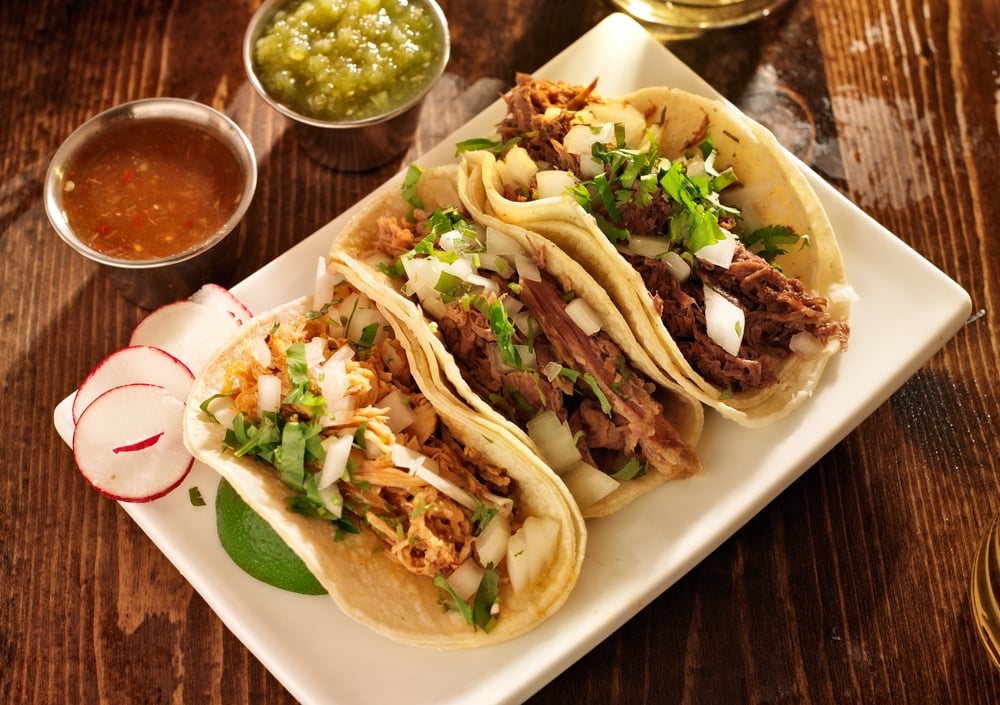
This Mexican restaurant chain grew to over 210 locations throughout the 1980s and 1990s, bringing their version of Mexican cuisine to many American cities. Their rapid expansion outpaced their ability to maintain food safety standards across all locations.
In 2003, a hepatitis A outbreak traced to green onions at a Pennsylvania location sickened over 600 people and killed four. Already struggling financially, the chain never recovered from this incident, closing all US locations by 2004.
A Brand New Direction
The restaurant industry continues to see ambitious chains expand rapidly, often with similar results to their predecessors. Today’s fast-growing concepts face additional challenges from delivery apps, ghost kitchens, and changing consumer preferences.
Smart chains now focus on sustainable growth, strong unit economics, and adaptable business models rather than store count alone. The lessons from these 16 cautionary tales prove that in restaurant expansion, the tortoise approach often beats the hare in the long run.
More from Go2Tutors!

- The Romanov Crown Jewels and Their Tragic Fate
- 13 Historical Mysteries That Science Still Can’t Solve
- Famous Hoaxes That Fooled the World for Years
- 15 Child Stars with Tragic Adult Lives
- 16 Famous Jewelry Pieces in History
Like Go2Tutors’s content? Follow us on MSN.