16 Beer Facts From Ancient Brews To Craft Cans
Beer isn’t just a drink—it’s woven into the fabric of human civilization like few other beverages. From the clay pots of ancient Mesopotamia to today’s sleek craft brewery taprooms, beer has been humanity’s companion through thousands of years of history, innovation, and cultural evolution.
The story of beer spans continents and millennia, revealing surprising connections between ancient brewing techniques and modern craft innovations. Here is a list of 16 fascinating facts that trace beer’s remarkable journey from humble grain porridge to the sophisticated brews filling our refrigerators today.
Beer predates recorded history
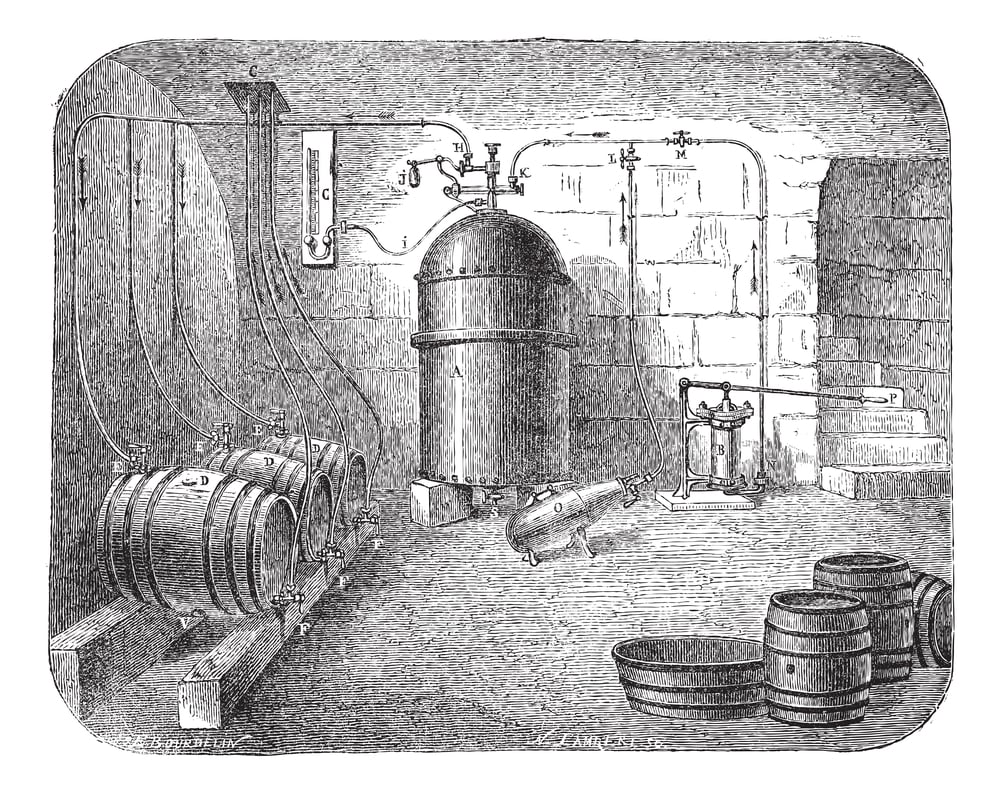
Archaeological evidence shows that beer production began around 7,000 years ago, with some findings suggesting brewing activity as far back as 13,000 years in stone bowls. The earliest chemically confirmed barley beer dates to about 3,500 BCE in what is now Iran. This means our ancestors were perfecting their brewing techniques long before they figured out how to write down recipes.
Ancient beer was thick like porridge
Forget the crystal-clear lagers we know today—ancient beer had the consistency of modern porridge. The brew was thick and contained pieces of bread or herbs, requiring drinkers to use straws to filter out the solids. The straw was invented by the Sumerians or Babylonians specifically for drinking beer. Imagine sipping your morning brew through a reed while trying to avoid chunks of barley bread.
Workers were paid in beer rations
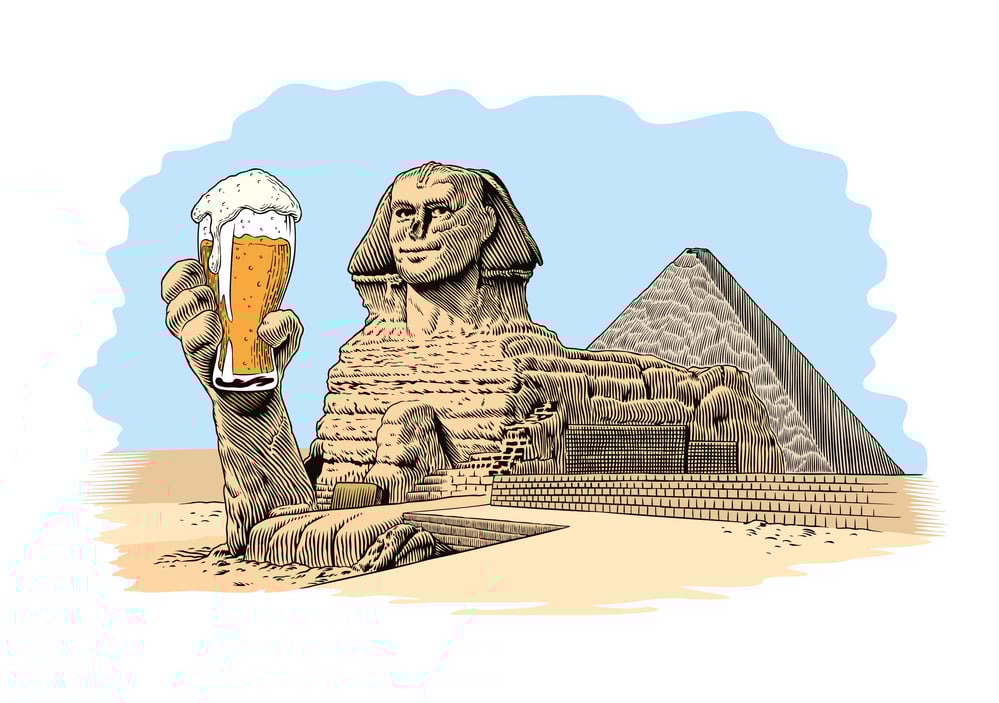
Approximately 5,000 years ago, workers in the city of Uruk (modern-day Iraq) were paid by their employers with volumes of beer. During the building of the Egyptian pyramids, each worker received a daily ration of four to five liters of beer, which served as both nutrition and refreshment. Talk about liquid motivation—these ancient construction crews were literally building monuments one beer at a time.
The Sumerians had a beer goddess
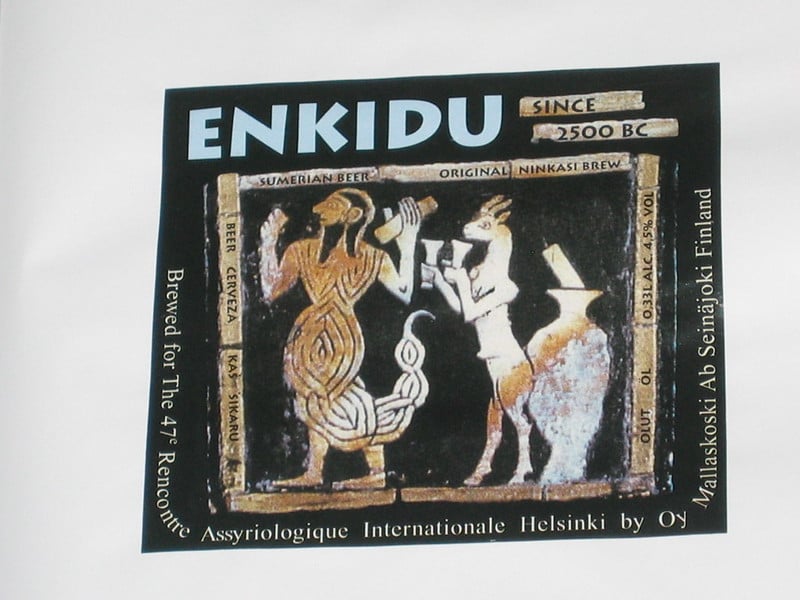
The Sumerian goddess of beer, Ninkasi, was praised with a poem called ‘Hymn to Ninkasi,’ which also contained their early recipe for beer. This 3,900-year-old Sumerian poem is the oldest surviving beer recipe, describing the production of beer from barley bread. The poem served as both worship and a clever way to remember brewing instructions in a largely illiterate society.
Ancient Babylon produced over 20 beer varieties

Babylonians produced over 20 different types of beer around 3,000 BCE. By 2050 BC, beer was being produced commercially, as evidenced by beer trade receipts, with 20 different varieties documented, each with their own set of characteristics. This ancient civilization was essentially running the world’s first craft beer scene, experimenting with different grains, flavoring agents, and brewing methods millennia before anyone coined the term ‘microbrewery.’
Beer laws made it into ancient legal codes

The socio-economic significance of beer is emphasized by laws written specifically about beer in The Code of Hammurabi, one of the oldest known codes of laws in the world. The Code decreed a daily beer ration to citizens, with every citizen receiving their daily dose depending on their wealth. Even ancient lawmakers recognized that beer was serious business worth regulating.
Egyptian pharaohs were buried with miniature breweries

Egyptians buried their royalty with miniature breweries should they have a thirst for it in the afterlife. Beer was often used throughout Egypt as compensation for labor, and archaeologists have found beer buried in the tombs of the Pharaohs. The ancient Egyptians took their beer so seriously they wanted to ensure a steady supply in the next world.
Monks revolutionized medieval brewing
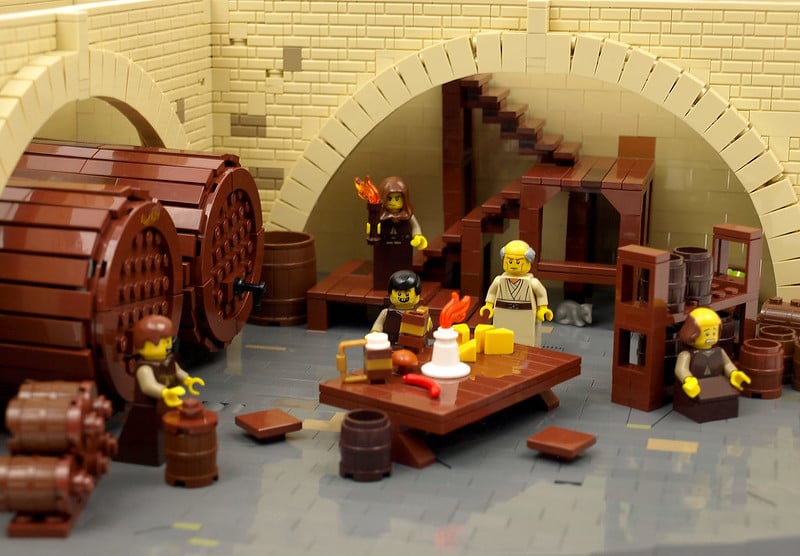
By the 7th century CE beer was being produced and sold by European monasteries. During the Middle Ages the monastic orders preserved brewing as a craft. Monasteries played a crucial role in refining brewing techniques, with monks being meticulous record-keepers and experimentalists. These religious communities essentially became medieval research and development centers for beer technology.
Hops weren’t always used in beer

The first historical mention of the use of hops in beer dates from 822 AD in monastery rules written by Adalard of Corbie, though widespread cultivation of hops for use in beer began in the thirteenth century. Before then, beer was flavored with other plants such as grains of paradise or ‘alehoof,’ and combinations of aromatic herbs, berries, and even wormwood were combined into a flavoring mixture known as gruit. Medieval brewers were basically craft cocktail mixologists, experimenting with whatever grew in their gardens.
Beer helped spark the American Revolution

Focused on taste and driven by consumer demand, the craft beer industry has changed the makeup of the beer market, with Americans now paying more for craft beers as sales of historically popular beers like Coors Light, Bud Light, Budweiser, and Miller Lite are shrinking. But long before craft beer, beer played a role in American independence. Colonial Americans were serious about their brewing rights, and British attempts to tax and control beer production contributed to revolutionary ferment.
Jimmy Carter legalized homebrewing

In 1978, U.S. President Jimmy Carter signed H.R. 1337 into law, which legalized home brewing of beer and wine (up to 100 gallons per adult per year tax free) and helped set off the craft brewing revolution. Homebrewers are often considered the farm system for breweries, with homebrewing guru Charlie Papazian estimating that 90 percent of professional brewers began as homebrewers. This single legislative act transformed basement hobbyists into the foundation of America’s craft beer industry.
The first modern craft brewery lasted only six years
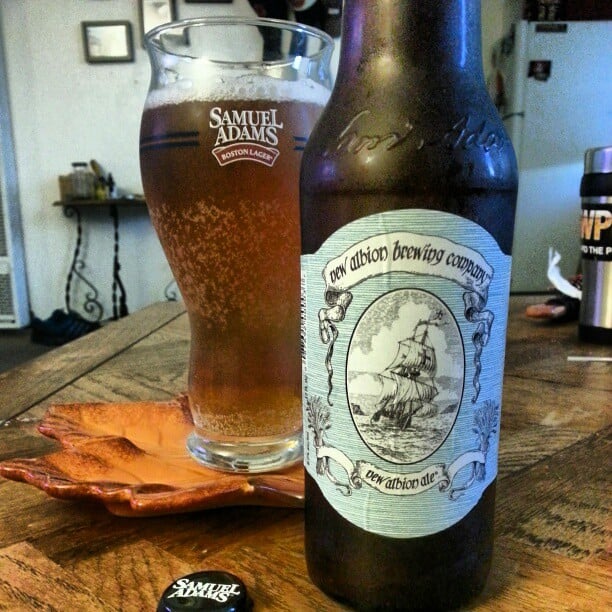
The first craft brewery was founded back in 1976 by an optical engineer and home brewer, Jack McAuliffe. While the New Albion Brewery was only operational for about six years, it served a purpose even more important than brewing beer—it encouraged others to do the same and start a craft brewery. McAuliffe’s short-lived venture proved that small-scale, flavor-focused brewing could work, inspiring countless others to follow his lead.
Fritz Maytag revolutionized American brewing
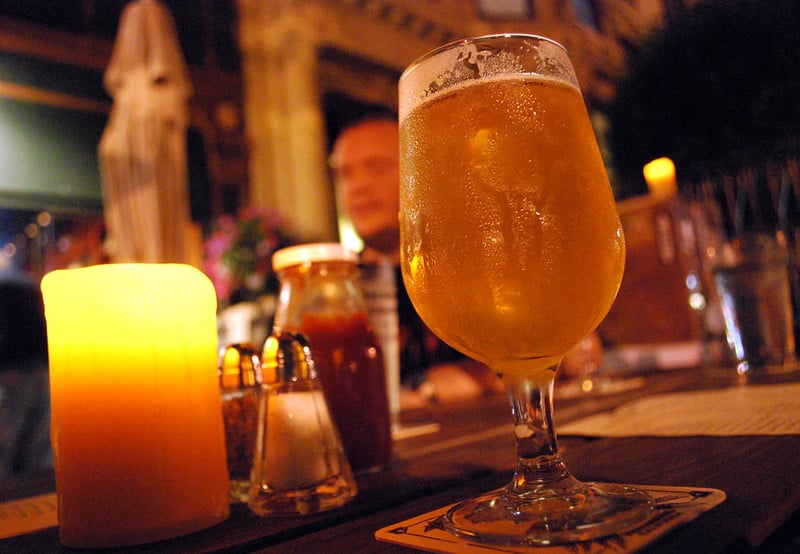
Fritz Maytag, from the washing machine family, bought and rejuvenated a struggling historic San Francisco brewery in 1965 and profitably produced Anchor Steam—a crossover between lager and ale—and other old-style beers. With the goal of selling more beer, Maytag set out to improve the quality and enhance flavor, leading to new flavors and styles including the Liberty Ale, the country’s first modern IPA. This appliance heir essentially jump-started America’s craft beer renaissance.
There are now over 9,000 breweries in America

More than 9,000 brewers operated in the United States in 2017, and as of the 2020s, there are about 10,000 craft breweries in the world, with the majority located in the United States and Europe. The number of breweries nearly tripled from 2012 to 2016, with brewery workers growing by more than 120 percent. This explosive growth represents one of the most dramatic industry transformations in modern American business.
IPAs dominate craft beer sales

IPAs and APAs account for approximately one third of all US craft beer sales. For the first time in 16 years, the American IPA was surpassed by the Juicy/Hazy IPA category in the Great American Beer Festival competition in 2018. The hop-forward style that was once considered too bitter for mainstream palates has become America’s craft beer obsession.
Craft beer generates billions in revenue

Retail dollar sales of craft increased 3%, to $28.8 billion, and now account for 24.7% of the $117 billion U.S. beer market. Despite the increase in the number of craft breweries, craft beer still accounts for only a small percentage of beer sales. This means craft brewers are commanding premium prices for their products, proving that quality and innovation can compete with mass production.
Ancient wisdom in modern cans

Today’s craft brewers are rediscovering techniques that ancient civilizations perfected thousands of years ago, from wild fermentation methods to unusual grain combinations. Craft brewers hoping to satisfy customers’ desire for novelty have turned to resurrecting old, even ancient, recipes. The aluminum can that holds your favorite IPA represents the culmination of humanity’s longest-running beverage experiment. American craft beer has deep roots in the nineteenth century’s variety of beer styles and profusion of small local breweries, combined with modern information technology to create the current golden age of beer. What started in clay pots beside the Euphrates River now flows from stainless steel tanks into refrigerated trucks, connecting us to our ancestors through every carefully crafted sip.
More from Go2Tutors!

- The Romanov Crown Jewels and Their Tragic Fate
- 13 Historical Mysteries That Science Still Can’t Solve
- Famous Hoaxes That Fooled the World for Years
- 15 Child Stars with Tragic Adult Lives
- 16 Famous Jewelry Pieces in History
Like Go2Tutors’s content? Follow us on MSN.