Hidden Psychology Behind Movie Theatre Design
Walking into a movie theatre feels different from entering any other building. The carpets, the lighting, the way the hallway curves toward the auditorium—it all sets a specific mood.
But these features aren’t random choices. Every element you encounter has been planned using psychological principles that influence how you feel, what you buy, and how much you enjoy the film.
Theatre designers have spent decades studying human behavior to create spaces that work on your subconscious. Here’s what they’ve been up to.
The carpet patterns aren’t just ugly by accident
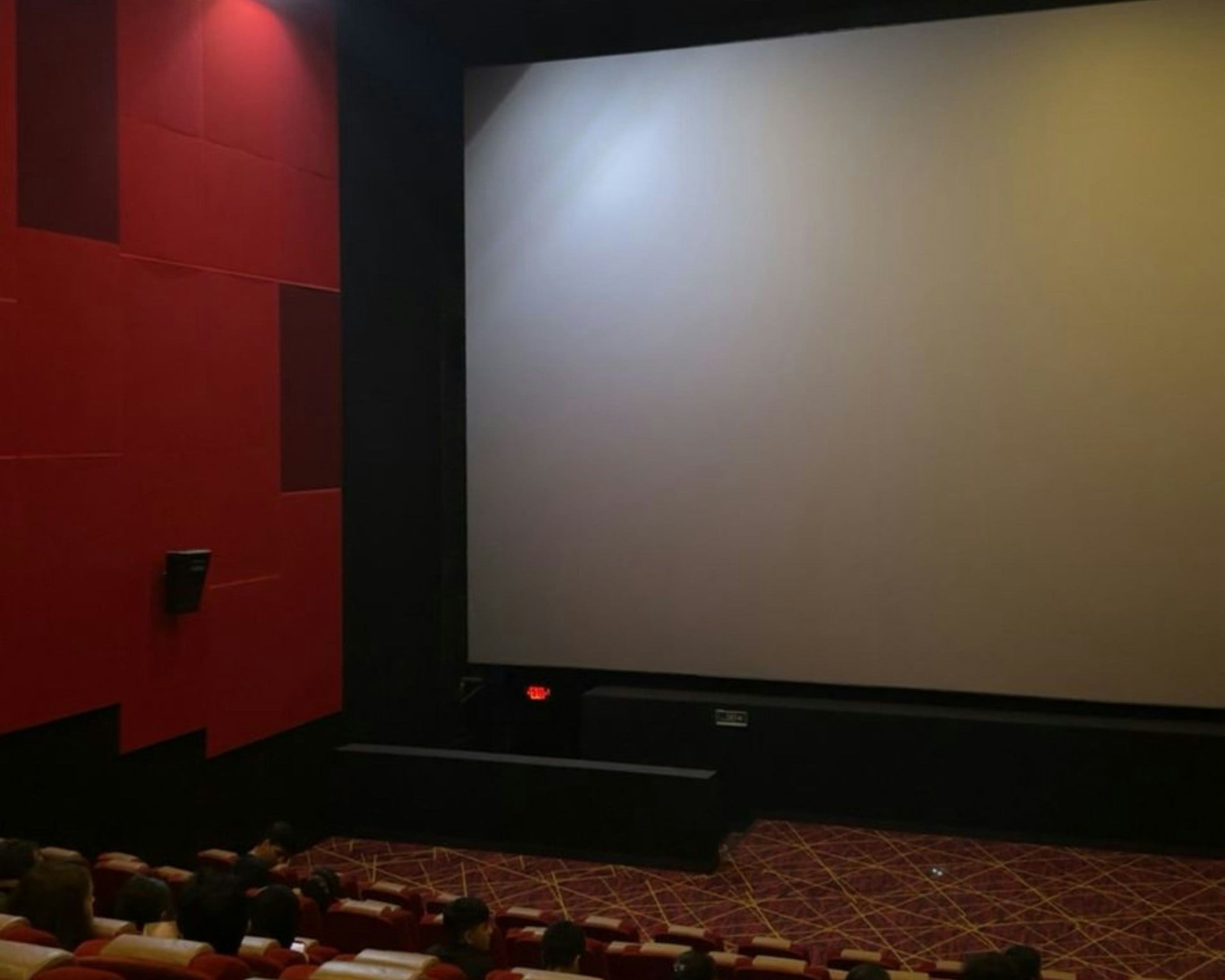
Those wild, chaotic carpet designs with swirling colors and geometric shapes do more than hide stains from spilled soda. The busy patterns get your brain excited the moment you walk in.
Your eyes get drawn downward to all that chaos, which means you miss scuff marks on the walls or that water stain on the ceiling. It works surprisingly well, keeping the place feeling fresh even when it isn’t perfectly maintained.
Dim lighting messes with your sense of time
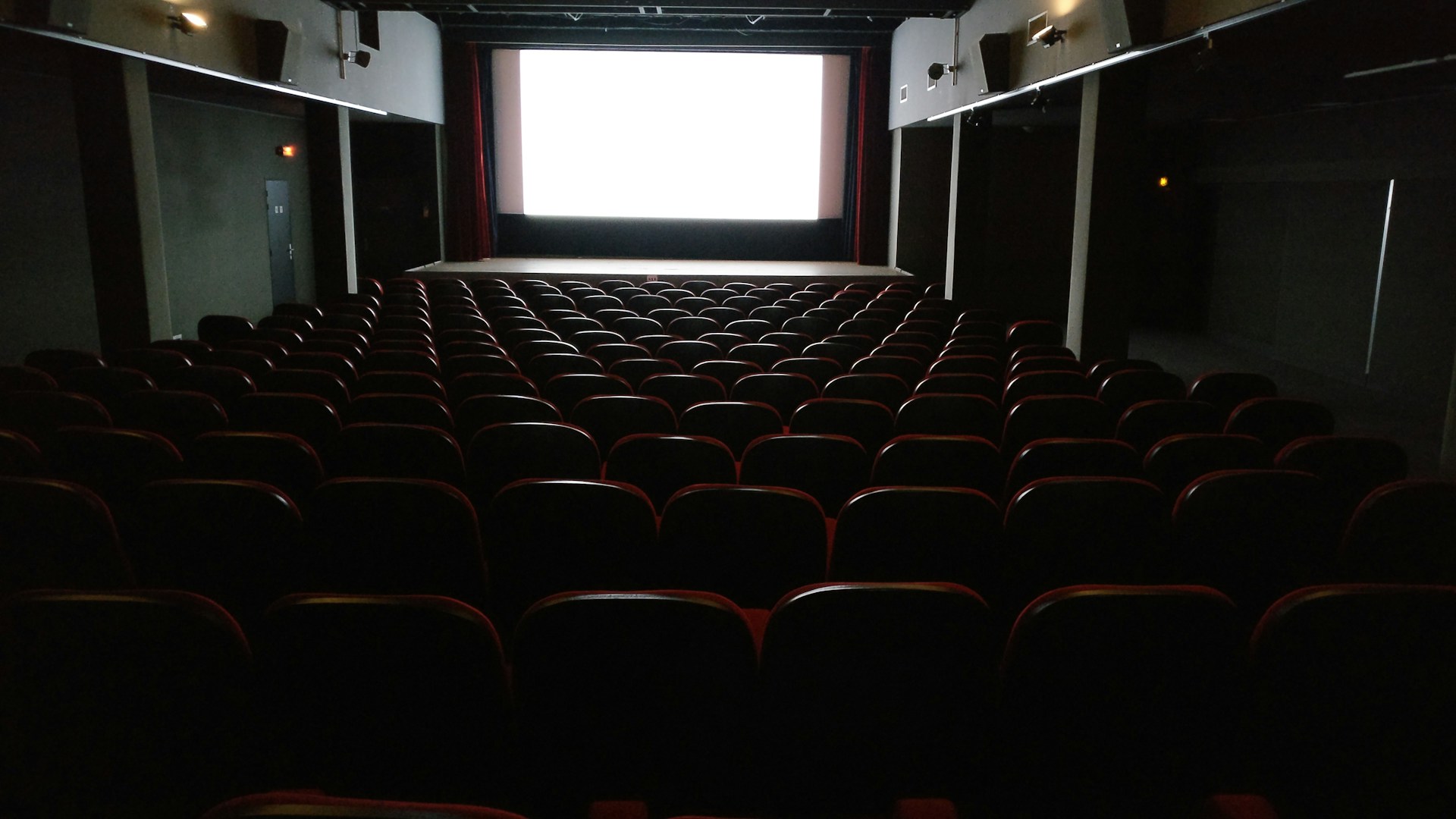
Step inside a theatre lobby and everything feels darker than a normal store. The darkness tricks your internal clock into losing track of time.
You can’t easily glance at your watch, and your phone screen feels too bright to check. Before you know it, you’ve been standing in line way longer than you realized, but you don’t feel annoyed about it.
The popcorn smell follows you everywhere
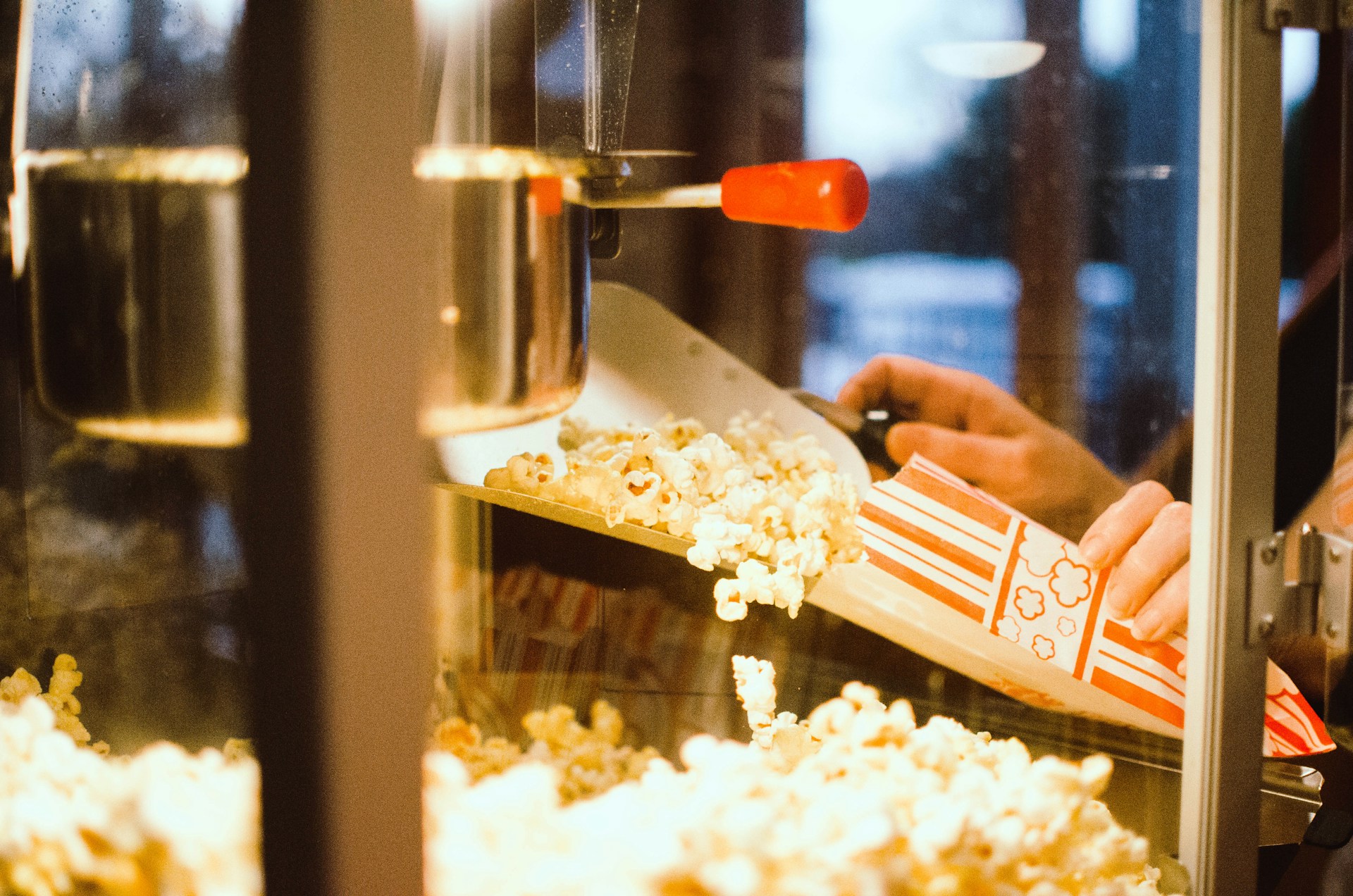
That buttery aroma doesn’t just drift around naturally. Theatres pump it through the ventilation system so it reaches the parking lot, bathrooms, and every corner of the building.
The smell makes you hungry even if you ate an hour ago. Some theatres have gotten so good at this that you smell popcorn before you even open the front door.
You can’t avoid walking past the concession stand
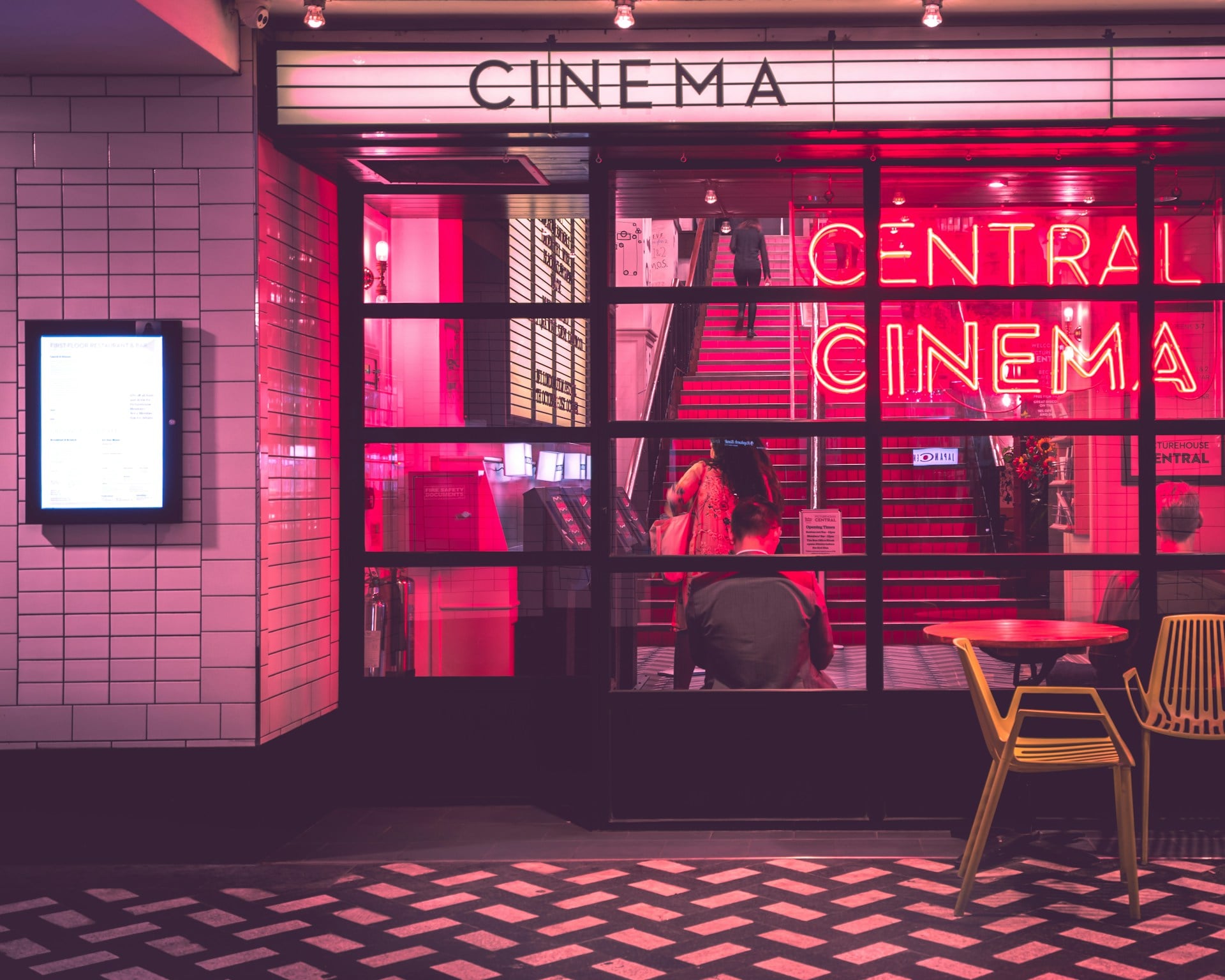
Try finding a theatre where you can go straight from the entrance to your movie without passing the food counter. The layout forces everyone to walk right by the candy, nachos, and enormous sodas.
Even people who swore they wouldn’t buy anything end up reconsidering when they’re stuck in that slow-moving crowd staring at the menu.
Menu boards are intentionally overwhelming
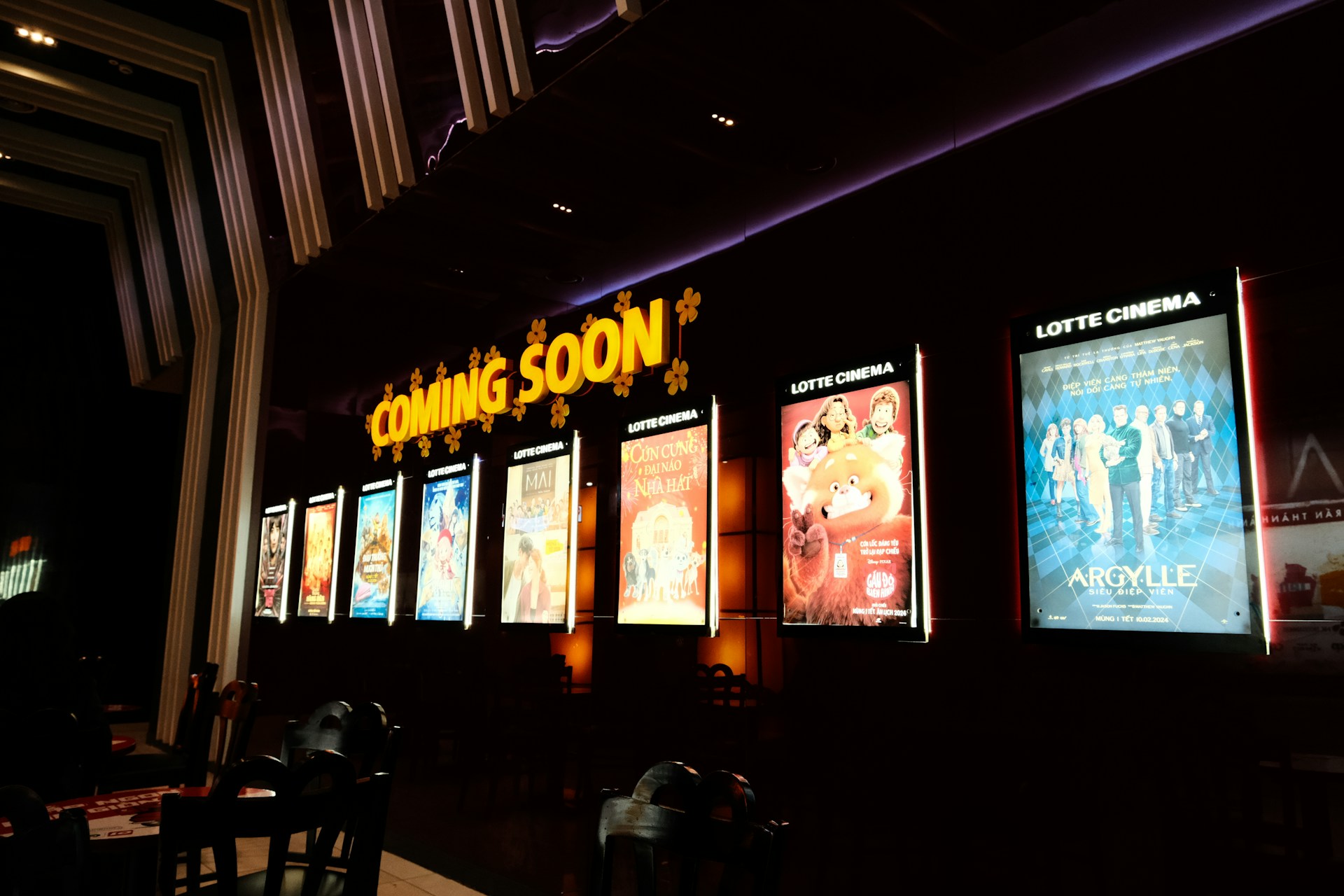
Look up at those massive, glowing menu boards and try to make a quick decision. Combo deals, individual items, different sizes, add-ons, and special promotions all compete for your attention.
Your brain gets tired processing everything, so most people order whatever seems familiar or just point at a combo meal. The profitable items sit right at eye level. Prices don’t have dollar signs because that makes the numbers feel smaller.
The hallway to your screen winds around on purpose
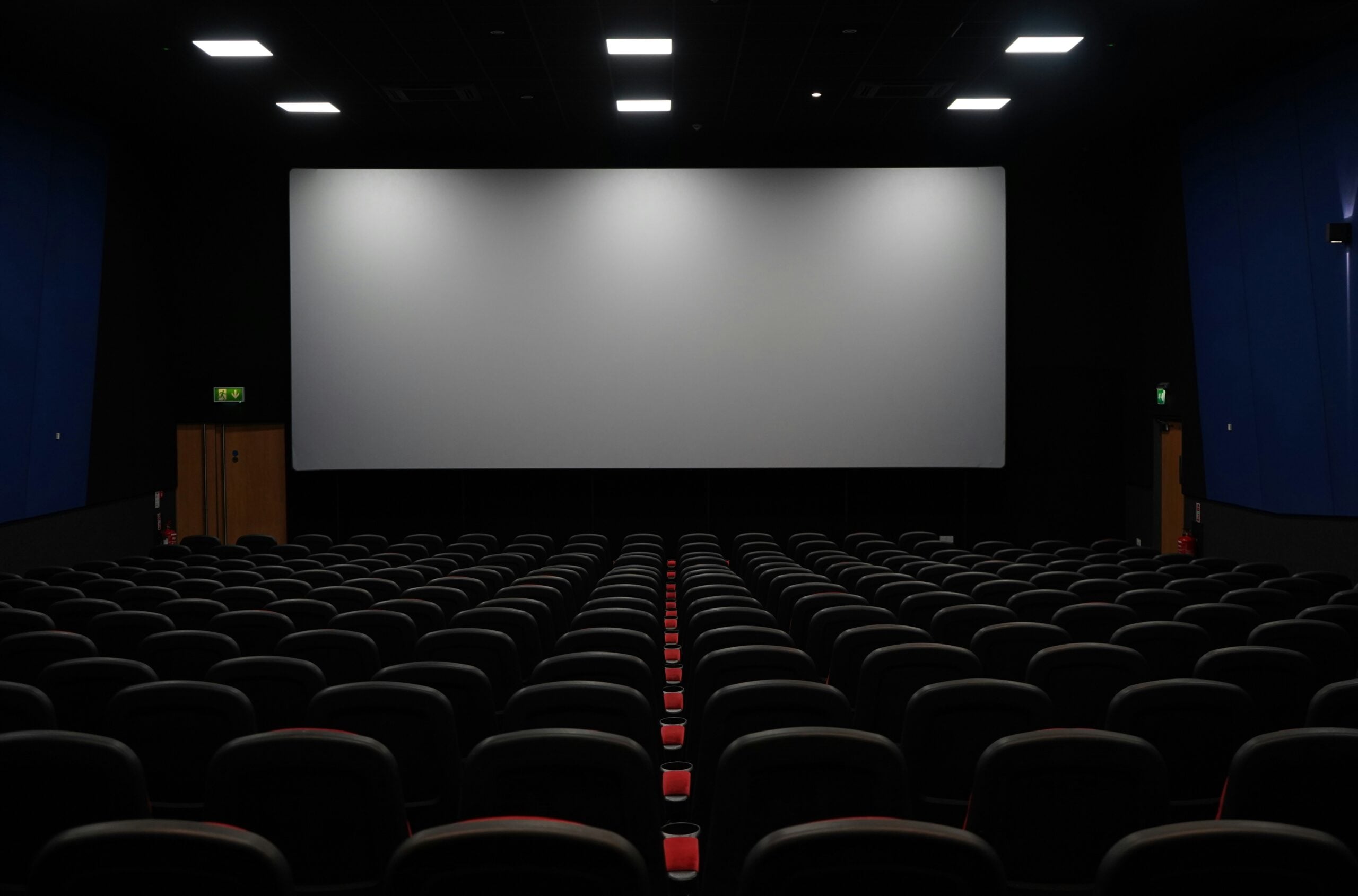
Most theatres could have built straight corridors to the auditoriums, but they chose curves and turns instead. Each bend hides how far you actually have to walk, which keeps people from complaining.
The winding path also builds anticipation because you can’t see your destination yet. All those turns make the building feel bigger and fancier than it really is.
Your seat comfort depends on what you paid
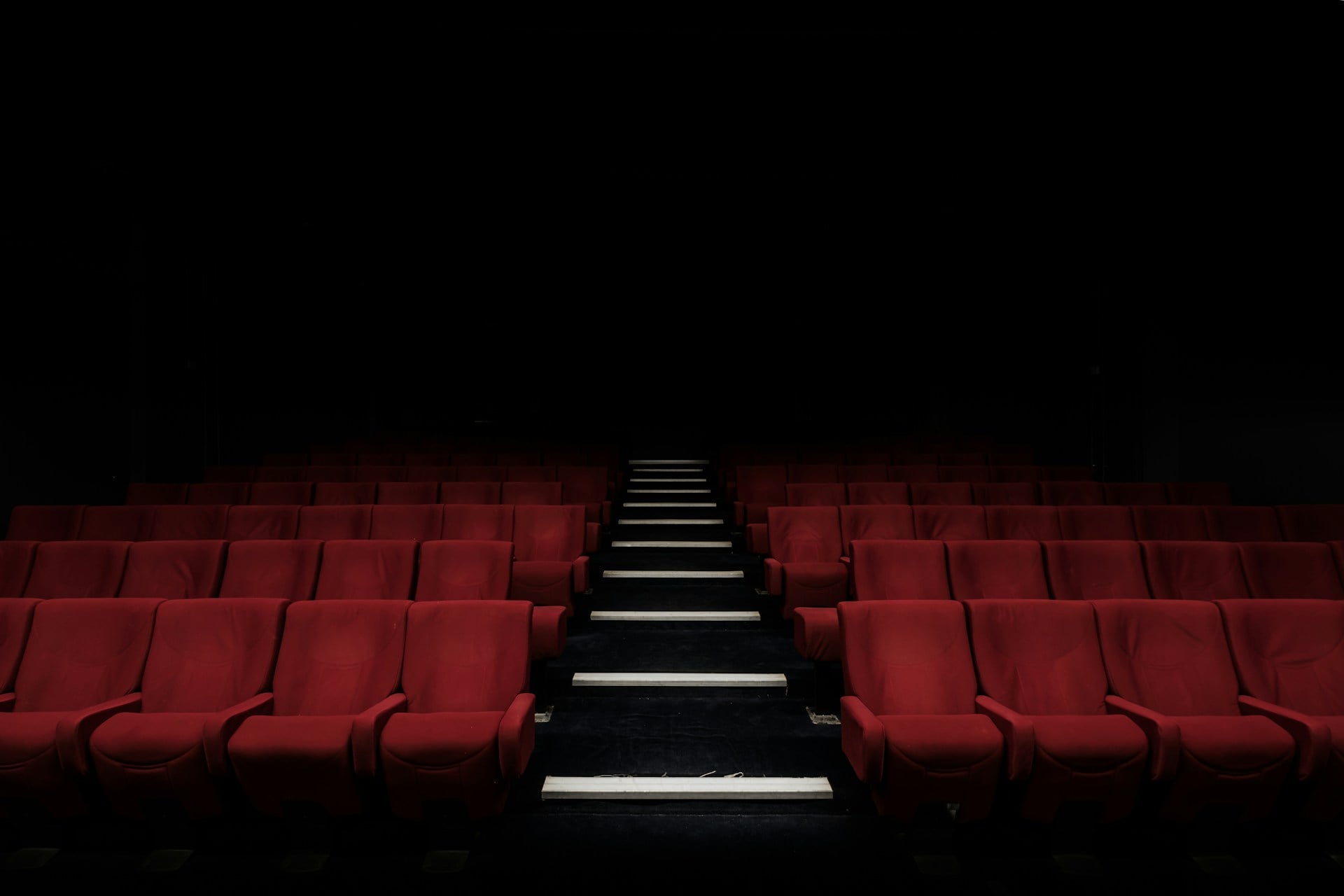
Those fancy recliners in premium auditoriums are deliberately way nicer than standard seats to make the price difference feel justified. Once you’ve tried the good seats, the regular ones feel worse by comparison.
Standard seats are comfortable enough to keep you there for two hours, but not so comfortable that you’ll never feel tempted to upgrade.
The pre-show stuff primes you for the movie
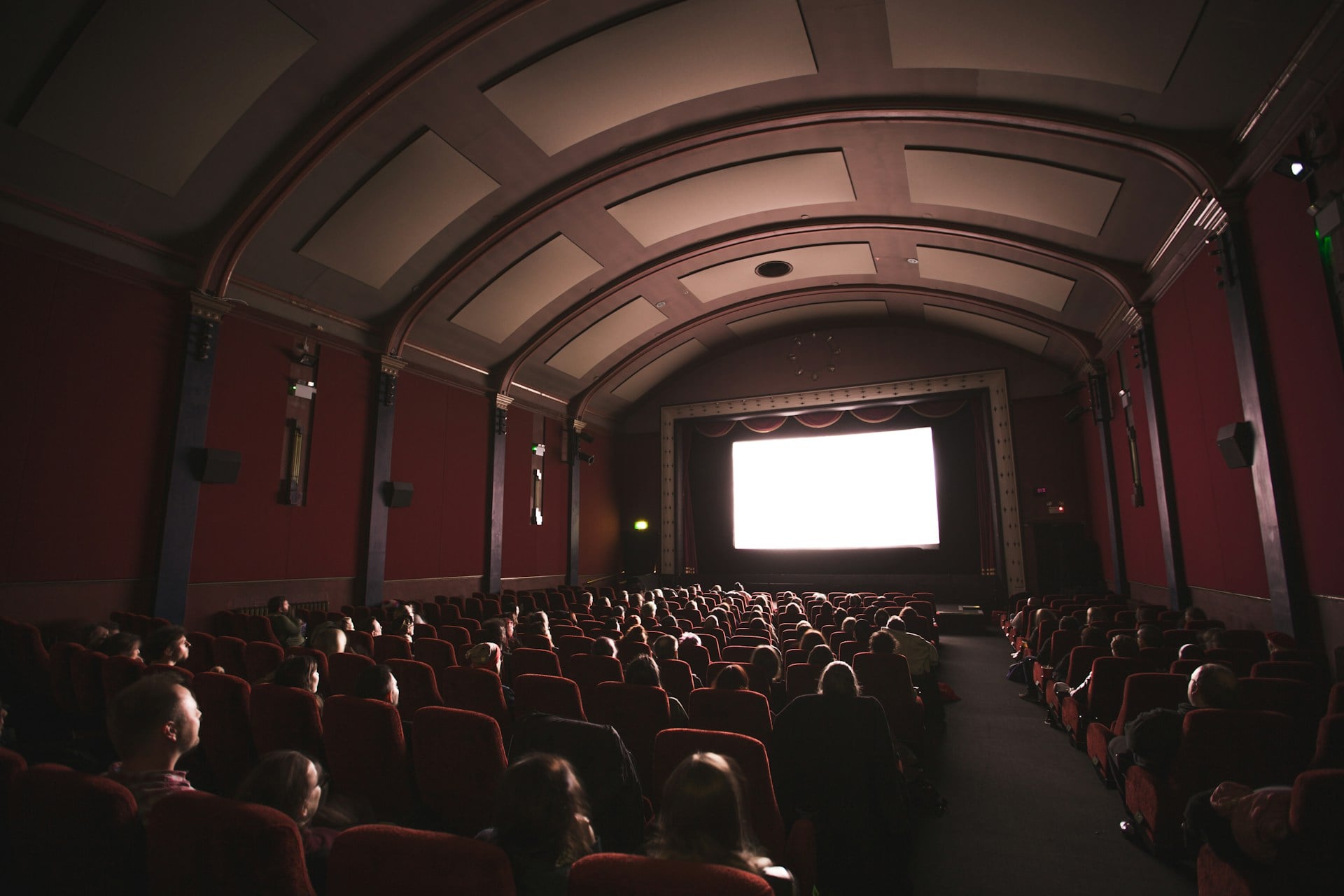
All those trivia questions, movie facts, and commercials playing before the trailers serve a real purpose. They gather everyone into their seats and get the crowd warmed up for reacting together.
The content gradually gets more exciting as showtime approaches. By the time the lights finally dim, you’re mentally ready for something amazing.
You can hear other movies playing nearby
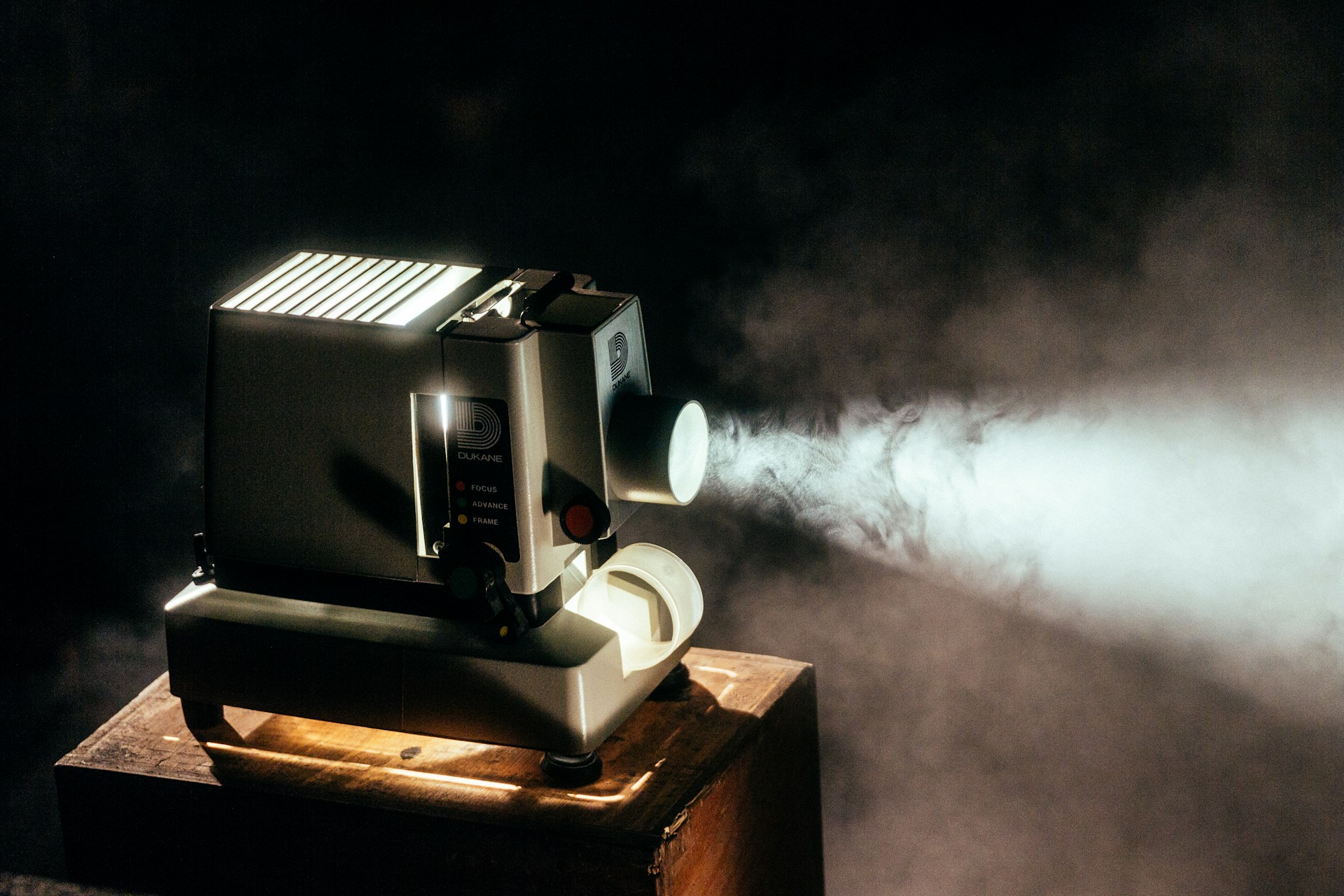
Theatres try to soundproof the walls between auditoriums, but a little noise bleeds through on purpose. Hearing muffled explosions or dramatic music from the next screen makes the whole building feel alive.
It reminds you that you’re part of something bigger. The background noise also covers up awkward sounds like people chewing popcorn during quiet scenes.
The temperature stays on the cool side
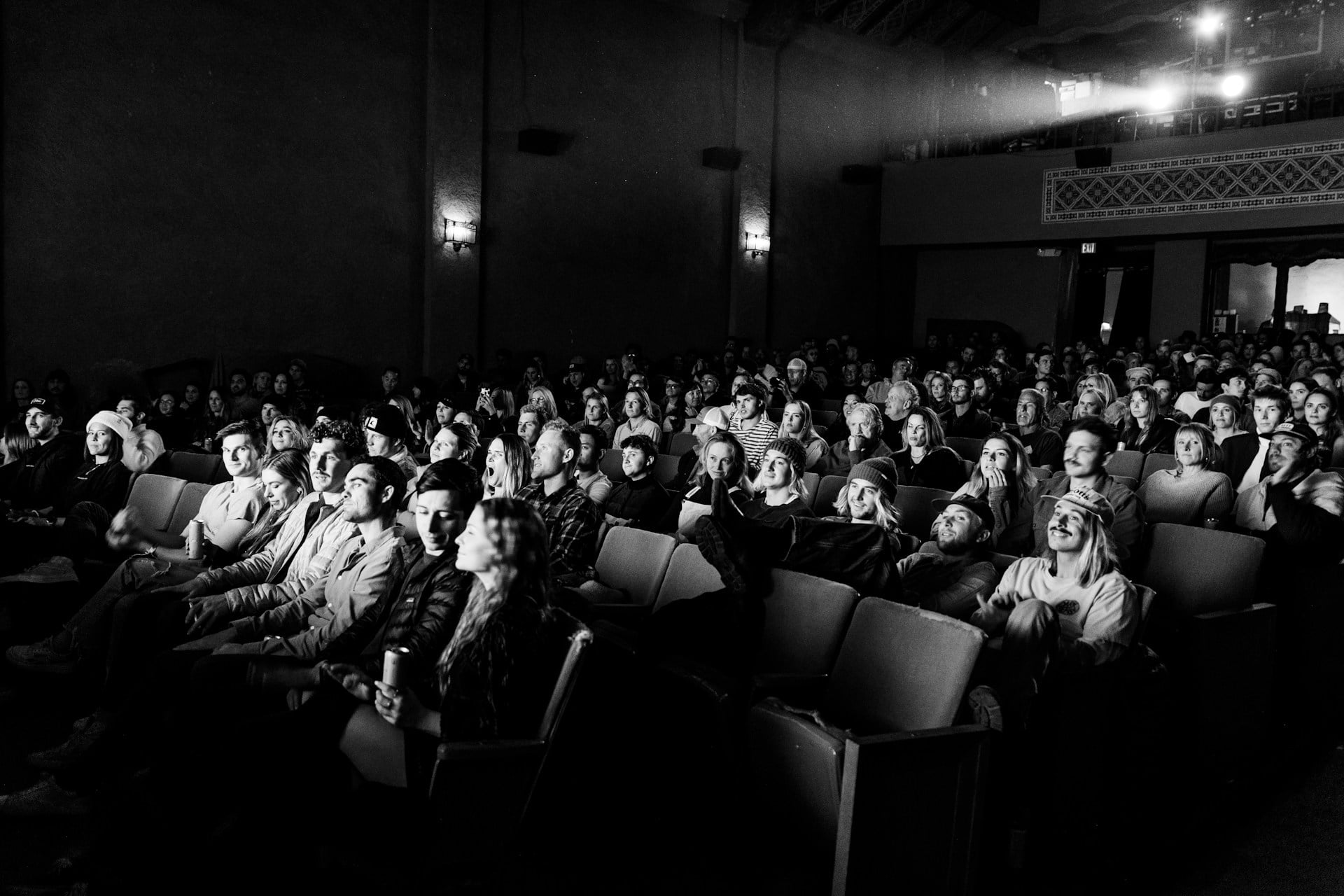
Movie theatres feel slightly chilly for a reason. Cooler air keeps you awake and alert, especially during a long movie.
It also makes hot snacks and drinks seem more appealing. When you’re a little cold, you naturally sit closer to whoever you came with, which makes the social experience better.
Exit signs disappear when the lights go down
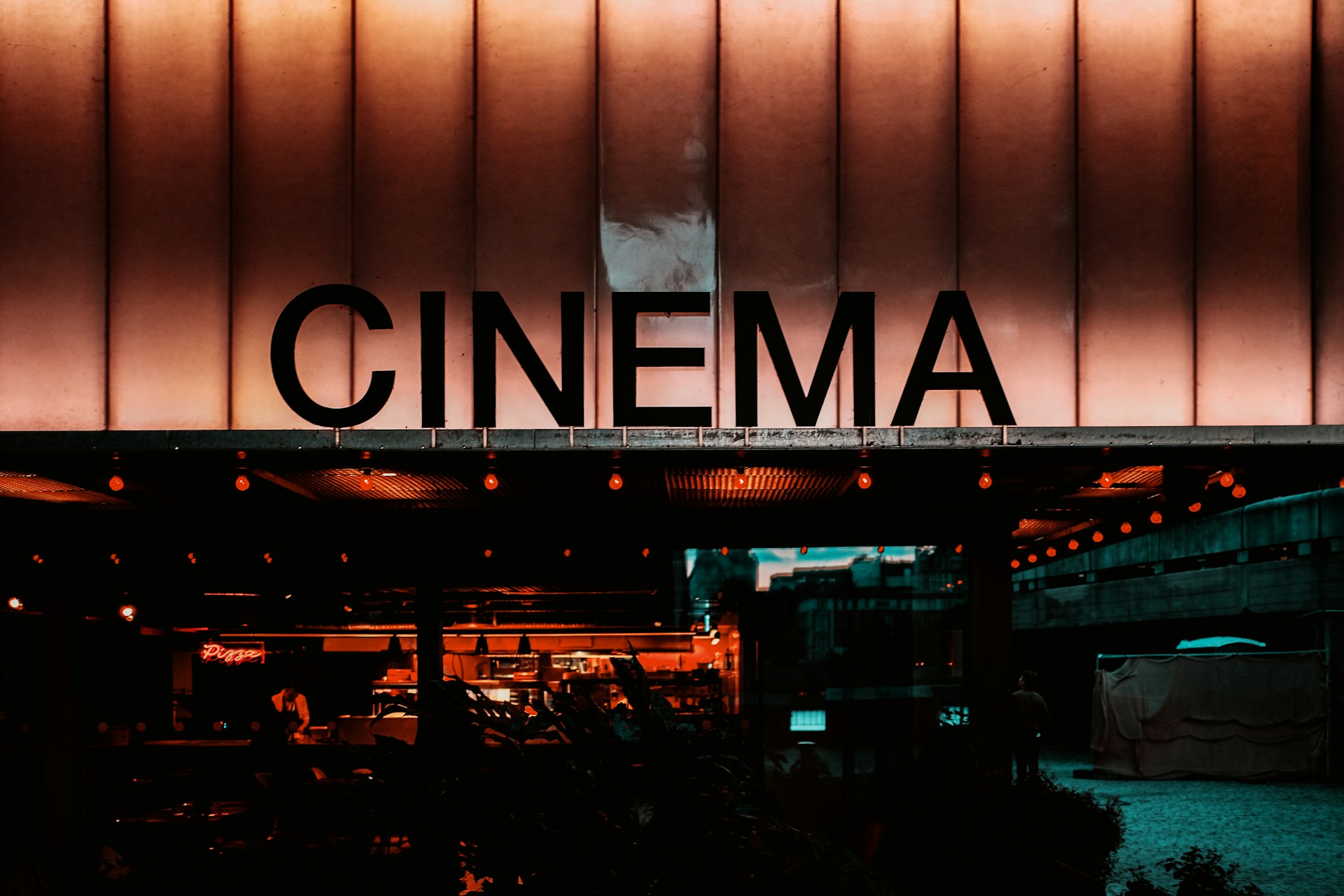
Once your movie starts, the main entrance you walked through becomes almost impossible to spot in the darkness. Only the emergency exits glow softly in the corners, bright enough for safety but dim enough not to distract you.
Feeling slightly enclosed helps you focus on the film. When the credits roll and the lights come up, those exits suddenly appear obvious again.
Stadium seating makes you feel special
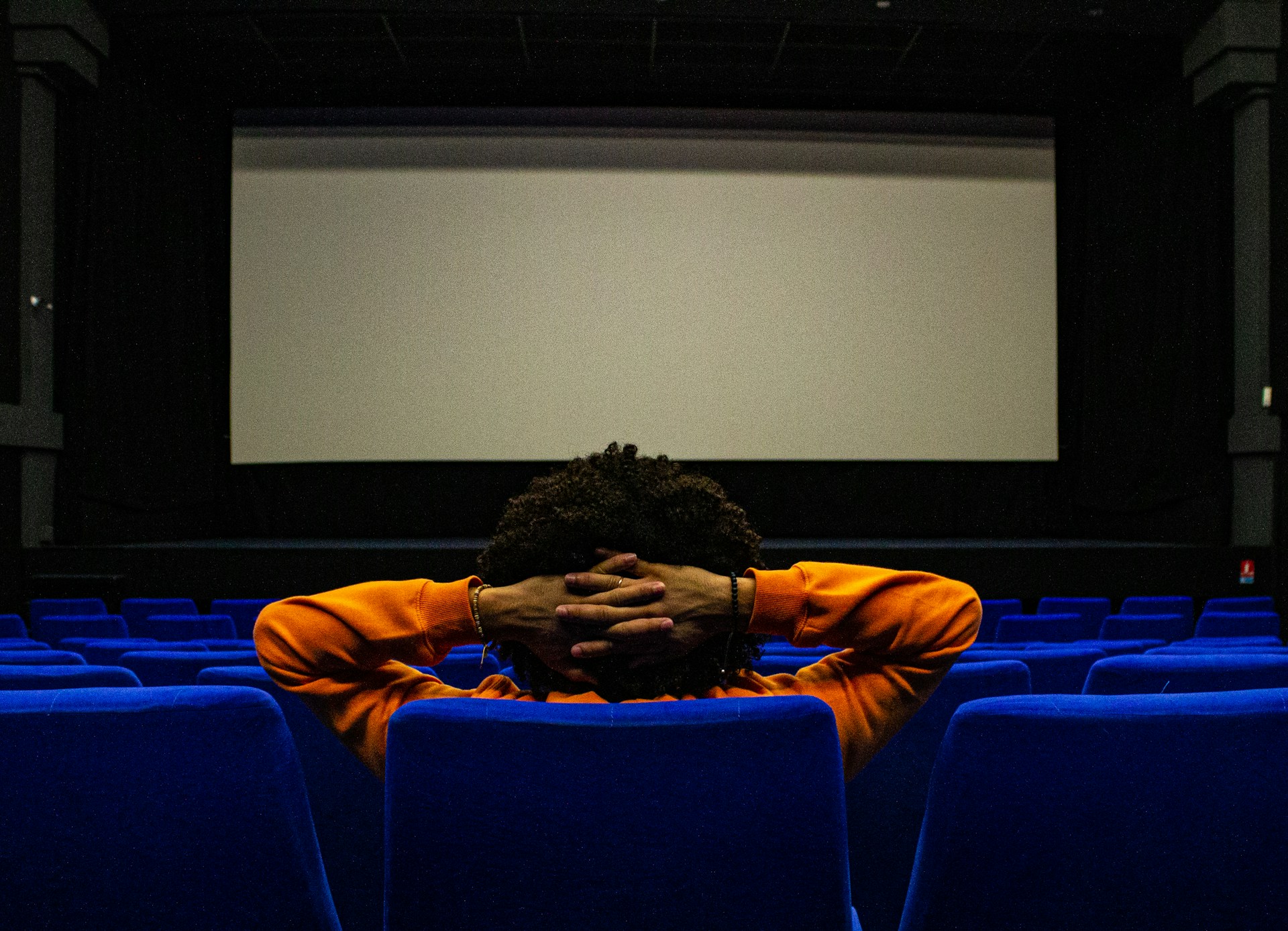
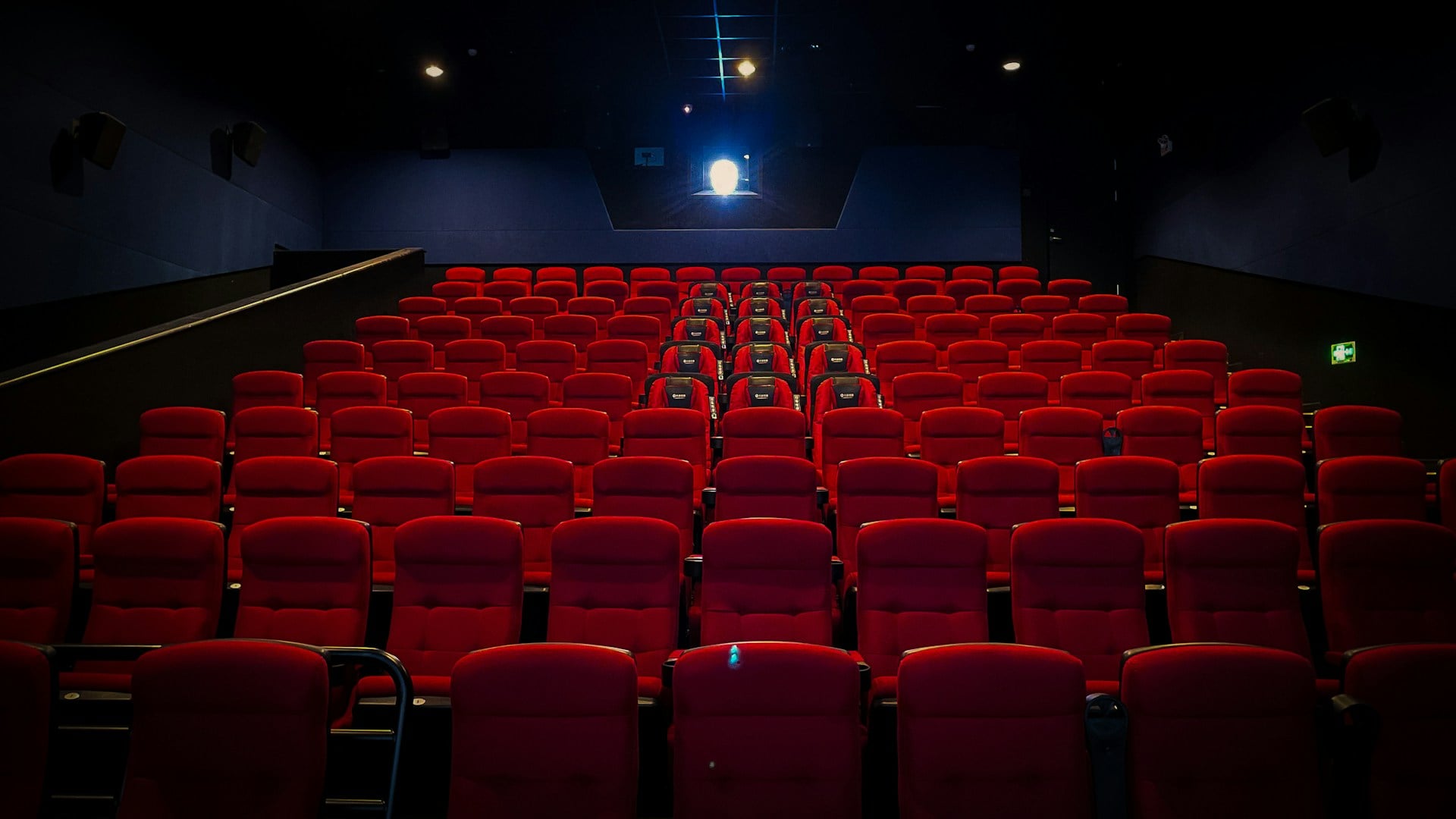
Those tiered rows do improve your view, but they also make you feel like you’re getting a premium experience. Each person gets their own elevated spot with clear personal space.
Nobody sits directly in front of you blocking the screen. The separation between rows means people can leave mid-movie without climbing over you.
Trailers follow a specific energy pattern
The previews before your movie aren’t shown in random order. They start relatively calm, build up to high-energy action or comedy, then pull back slightly before the main feature begins.
This rollercoaster keeps you engaged without wearing you out. The last trailer usually matches the genre of your movie to get your brain in the right mode.
Loyalty programs keep you coming back
Theatre chains know that once you join their rewards program and start earning points, you’ll feel weird about going to a competitor. Those accumulated points create a sense of investment that keeps you loyal.
The rewards themselves don’t cost the theatre much, but they make you feel valued. Even a free popcorn after ten visits builds an emotional connection to that specific chain.
Large drinks seem like the smart choice
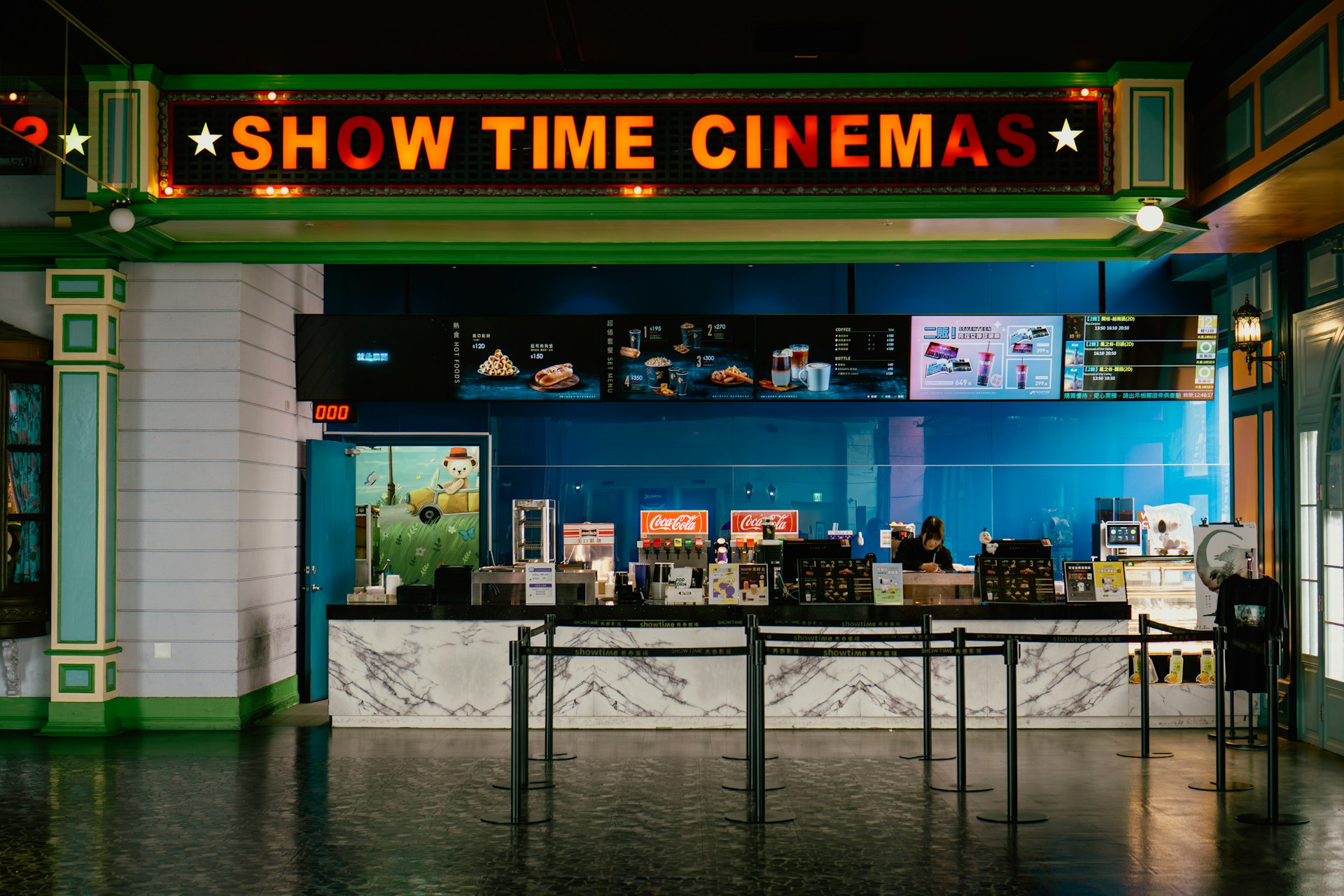
The pricing structure for drinks makes the large size look like an incredible deal compared to the small or medium. The jump from medium to large might only cost fifty cents more, so your brain tells you to go big.
By the time you realize there’s no way you’ll finish 44 ounces of soda, you’ve already paid for it. The actual cost to the theatre for that extra soda? Maybe a few pennies.
The lobby hypes you up before the movie
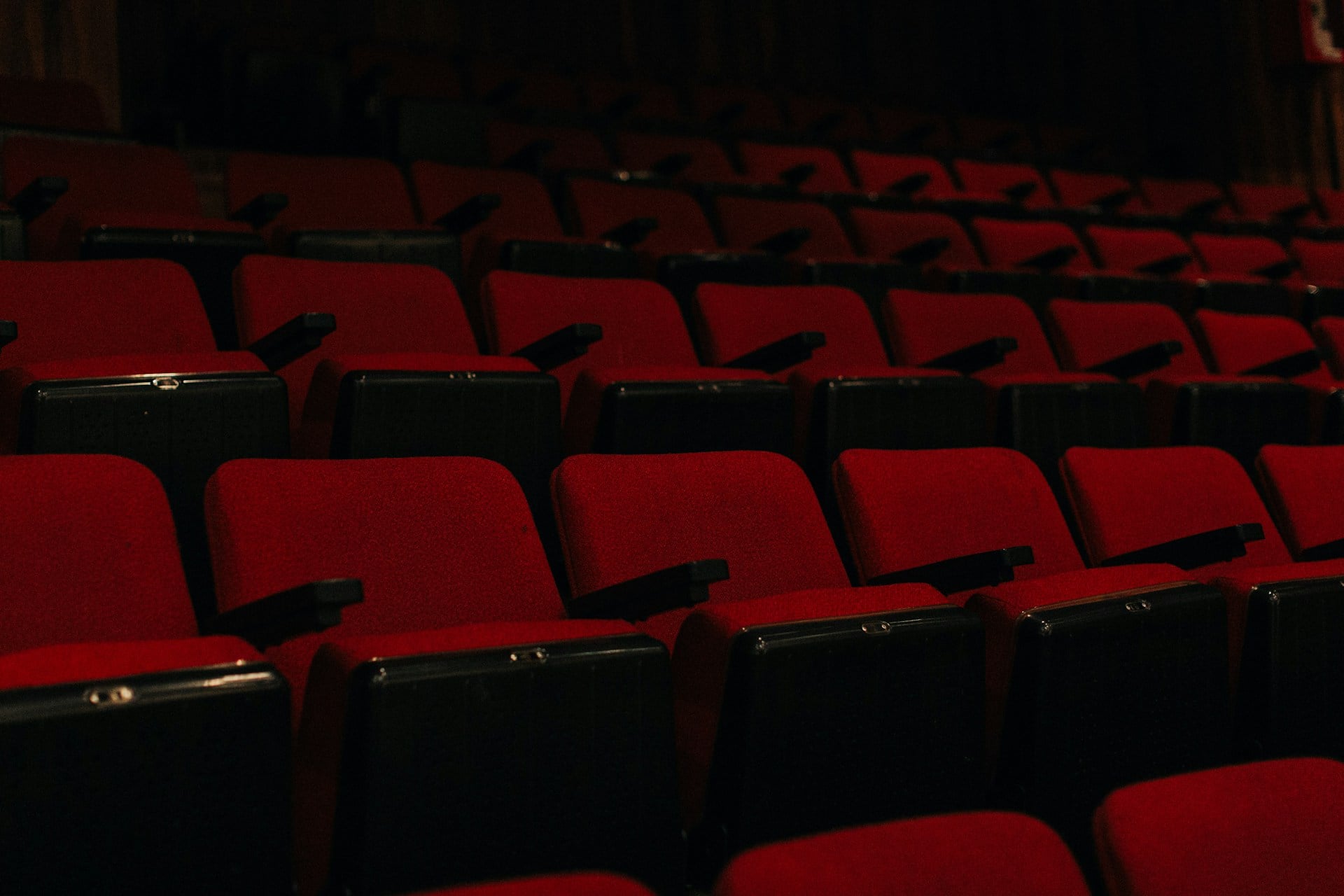
Theatre lobbies burst with bright lights, colorful posters, and constant movement from crowds. Everything feels energetic compared to the dark, quiet auditorium where you’ll eventually sit.
This contrast is deliberate. All that stimulation makes going to the movies feel like a real event rather than just watching a screen. When you finally settle into your seat, the sudden peace feels earned.
Bathrooms are strategically placed far away
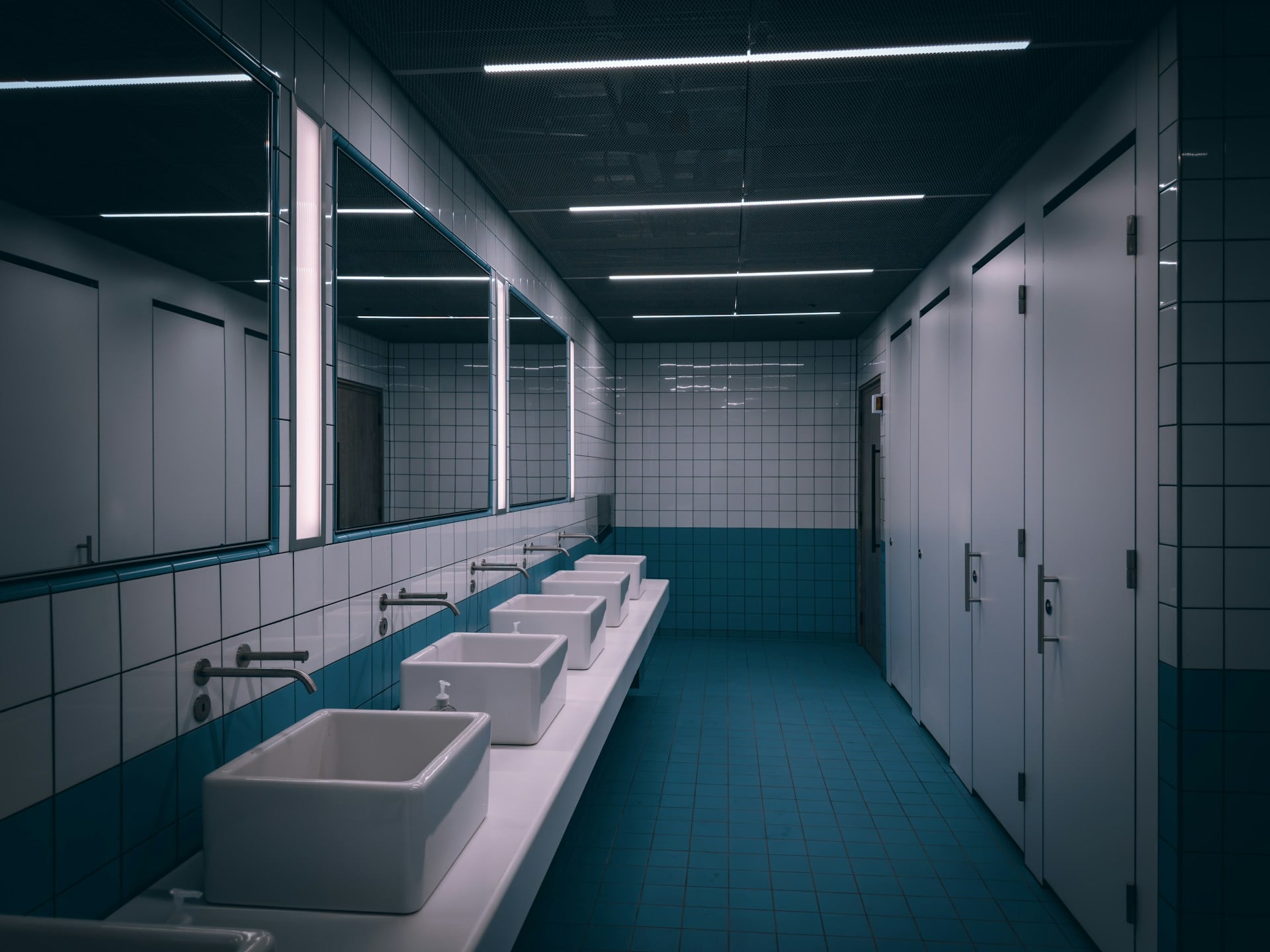
Restrooms never sit near the entrance. You have to walk deeper into the building to find them, usually past or near the concession stands.
This means even if you skipped buying snacks initially, you’ll walk past all that temptation when nature calls. On your return trip, you pass the concessions again.
Seat selection influences buying behavior
When you pick seats online or at a kiosk, the system shows which spots are already taken. Popular center seats often appear unavailable early on, creating urgency to buy tickets now rather than risk bad seats later.
Seeing a filling theatre also provides proof that the movie must be worth watching. For groups, the system suggests seats that keep everyone together even if they’re not the best positions.
Everything comes down to the experience
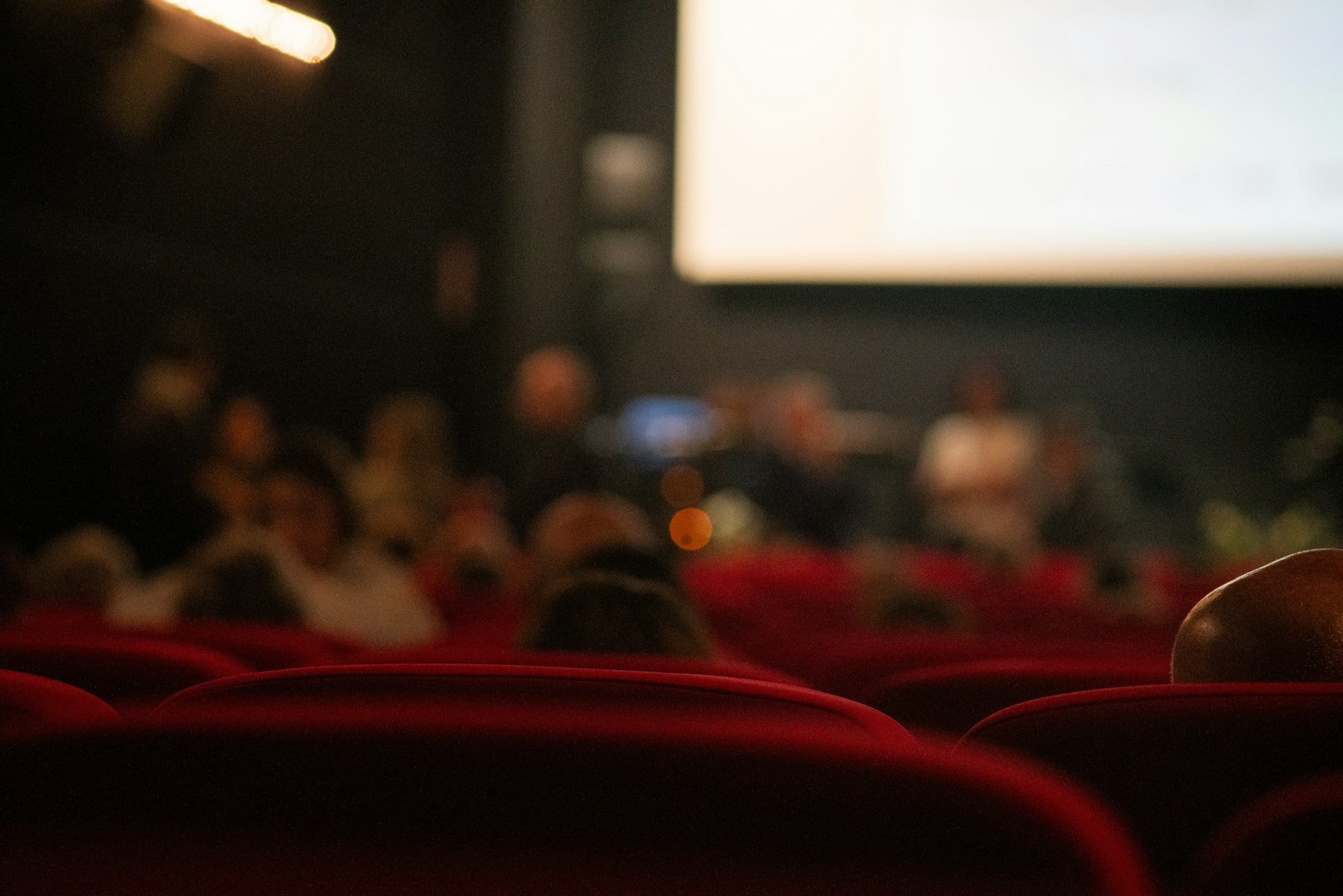
Modern movie theatres are laboratories for human behavior. Every design choice from the carpet to the cup size has been tested and refined.
What seems like a simple night out is actually an experience built on decades of research. Most people now associate the theatre environment itself with the joy of watching movies. While streaming services try to compete, theatres keep leaning into the advantages that only a physical space can create.
More from Go2Tutors!

- The Romanov Crown Jewels and Their Tragic Fate
- 13 Historical Mysteries That Science Still Can’t Solve
- Famous Hoaxes That Fooled the World for Years
- 15 Child Stars with Tragic Adult Lives
- 16 Famous Jewelry Pieces in History
Like Go2Tutors’s content? Follow us on MSN.