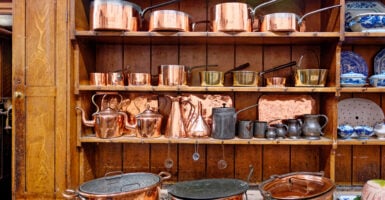
16 Bizarre Cooking Methods from the Past
Long before the convenience of modern kitchens, our ancestors developed some truly ingenious ways to prepare their meals. While today we take gas stoves and electric ovens for granted, people throughout history had to get creative with whatever resources nature provided.
From cooking in animal stomachs to burying food underground for days, these historical cooking methods reveal both the resourcefulness and sometimes questionable judgment of past cultures.
Here’s a list of 16 bizarre cooking methods that would make any modern chef scratch their head in wonder.
Stone Boiling

Stone boiling involves placing heated rocks into a water-filled container to heat the liquid to the point where it can be used to cook. This technique required heating stones in a fire until they glowed red hot, then transferring them with wooden tongs into water-filled baskets or containers.
Heating stones in a hearth and then transferring them into a pot of water has been around for at least 4,000 years, around the advent of livestock agriculture. The process was fuel-intensive but allowed for more controlled cooking temperatures than direct fire.
Cooking in Animal Stomachs

The first true boiling method might have involved using animal stomachs, similar to the Scottish dish haggis, a traditional meat pudding that’s encased and boiled in a sheep’s stomach lining. Stomach cavities or bladders of animals killed during hunting were fashioned into watertight sacks and filled with water into which heated rocks were dropped.
These natural containers were surprisingly effective, though they did shrink by about 50% during cooking and required careful handling to prevent bursting.
Like Go2Tutors’s content? Follow us on MSN.
Underground Pit Cooking

Pit baking is one of the most ancient cooking methods, deeply rooted in human history. This technique involves digging a pit in the ground, heating stones with a fire, and then placing food over them, covering it all to trap the heat.
The Hawaiian imu and New Zealand hangi are famous examples of this method. Food would be wrapped in leaves and buried with hot stones, then covered with earth and left to cook for hours or even days, resulting in incredibly tender and flavorful meals.
Ash Cooking

For tens and thousands of years, the Aboriginals of Australia have been baking bread out of foraged and hand-milled grains in hot ashes. The dough was buried directly in black and gray cinders until ready, then the ash was simply brushed away.
The key is in using wood varieties like wattle that doesn’t leave an unsavoury flavour. This method created a unique smoky taste and acted as a natural preservative.
Clay Wrapping

Temporary ‘cooking pots’ were fashioned by wrapping meat and vegetables in layers of clay and heating them in the embers of a campfire. This technique created an improvised oven that sealed in moisture and flavors.
The clay would harden during cooking and could sometimes be reused, though it often cracked from thermal stress. Indigenous peoples worldwide used variations of this method when proper cooking vessels weren’t available.
Like Go2Tutors’s content? Follow us on MSN.
Bladder Cooking

The bladder fulfilled multiple functions in 17th and 18th century cooking. Animal bladders, usually cow or sheep in origin, became commonplace in food storage.
Meats and seasonings were placed inside cleaned bladders, which were then tied and boiled. This technique is referred to as en vessie and is still used today in traditional French cooking.
The bladder created an airtight seal that preserved flavor and moisture, similar to modern sous vide cooking.
Ice Preservation and Cooking
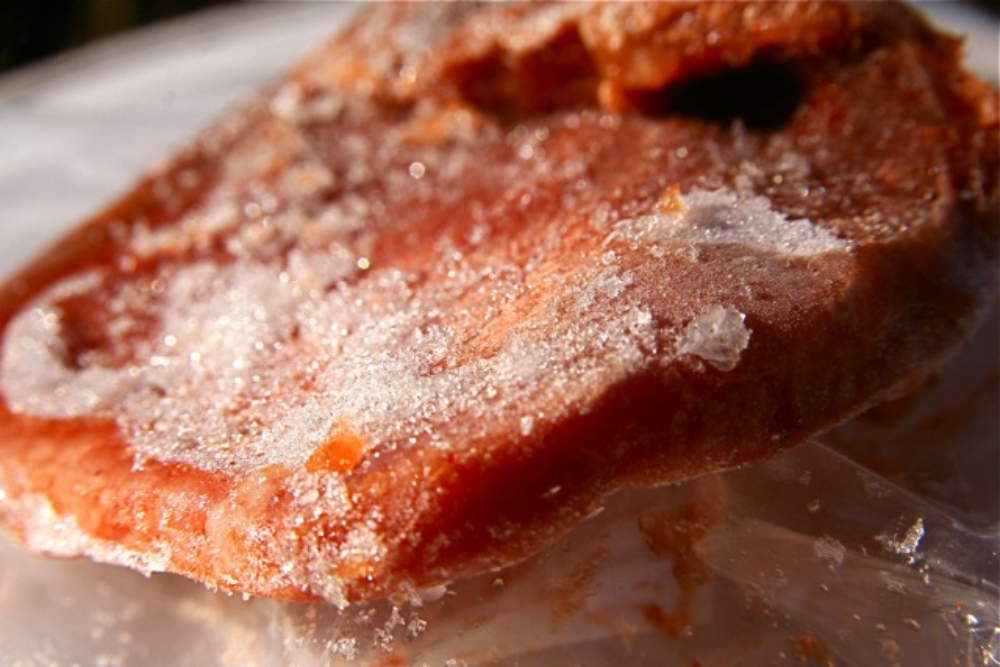
Arctic cultures developed sophisticated ice preservation and cooking methods that maintained food quality for months while actually improving flavors through controlled freezing and thawing cycles. Fish and meat stored in ice developed unique textures as natural enzymes continued working slowly in the cold environment.
Some cultures even used ice blocks as cooking surfaces, allowing controlled thawing and gentle cooking of frozen foods.
Hot Spring Cooking

In the frosty climes of Iceland, Vikings have been harnessing hot springs to slow cook and tenderise meat. This is done by pouring the mix into a cauldron, covering it, and then burying it next to the hot spring to steam for 24 hours.
The consistent temperature of geothermal springs made them perfect natural slow cookers, producing incredibly tender results that modern cooking struggles to replicate.
Like Go2Tutors’s content? Follow us on MSN.
Leaf Wrapping

Cultures worldwide used large leaves as natural cooking wrappers, creating steam pockets that cooked food gently while infusing it with subtle plant flavors. Banana leaves, corn husks, and other natural wrappers provided the perfect cooking environment for delicate foods.
These natural wrappers eliminated the need for added fats while keeping food moist and adding unique botanical flavors to the finished dish.
Fermentation Burial

Ancient cultures discovered that burying food in specially prepared underground chambers created perfect conditions for fermentation, producing foods with enhanced flavors and dramatically improved nutritional profiles. The stable underground temperature and humidity allowed beneficial bacteria to thrive while preventing harmful microorganisms.
This process not only preserved food for months but actually increased vitamin content and made nutrients more bioavailable.
Salt Cave Curing
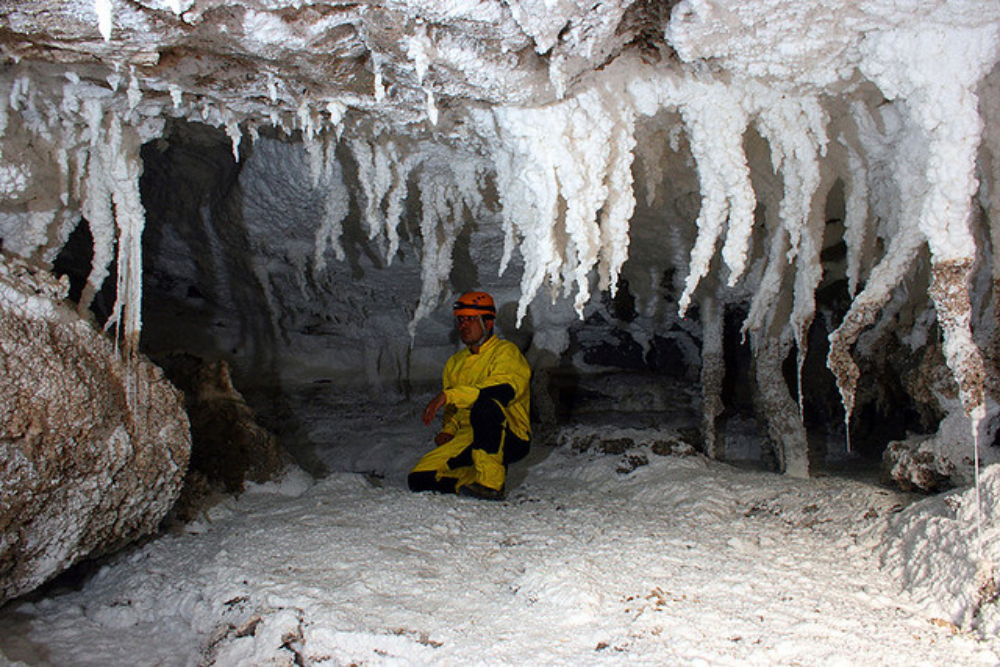
Before refrigeration, people used natural salt caves to cure meats and fish, creating products with incredible depth of flavor and extended shelf life. The consistent temperature and humidity in these caves, combined with natural salt deposits, created ideal conditions for controlled dehydration.
Cave-cured foods developed complex tastes that modern salt-curing processes often fail to replicate due to the unique microclimate of natural caves.
Like Go2Tutors’s content? Follow us on MSN.
Bark Container Cooking
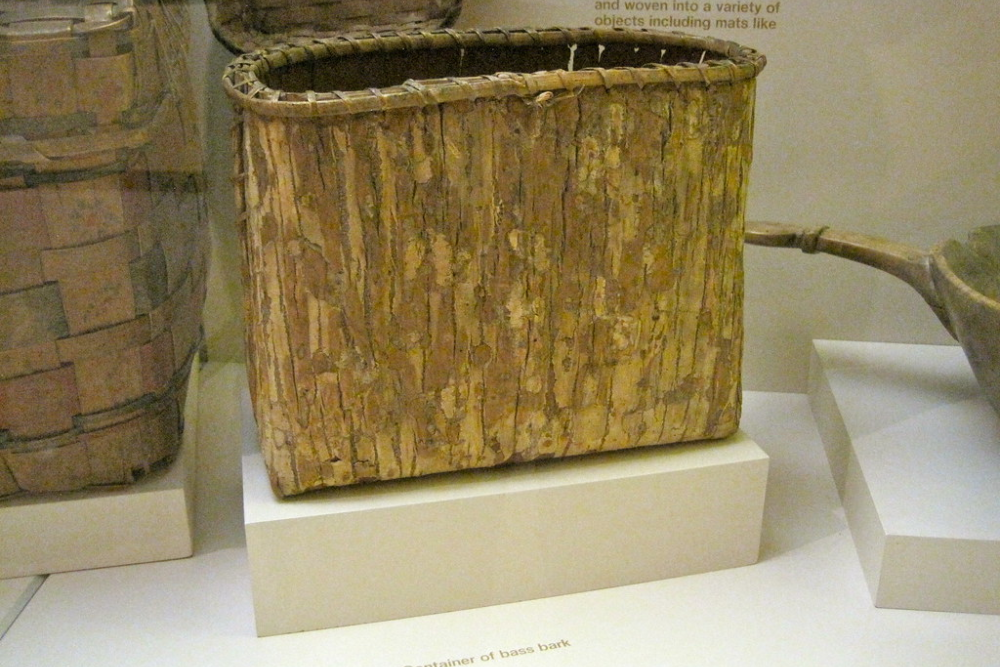
They cooked their meat in a bark kettle, which they made by using a flint axe or chisel to separate the bark from an elm tree. They tied the large pieces of bark together at the ends with strips of inner bark, making a dish large enough to hold the meat, with water enough to boil it.
These bark vessels were suspended over fires and, remarkably, didn’t burn through before the food was cooked. The water inside prevented the bark from reaching combustion temperature.
Turtle Shell Cooking

Carapaces of sea turtles or large molluscs filled with water could also be heated over a campfire. These natural bowls were perfect for coastal cultures who had access to large marine animals.
The shells were durable enough to withstand repeated heating and provided a ready-made cooking vessel that required no manufacturing. Some turtle shells were large enough to cook substantial meals for multiple people.
Sand and Salt Cooking

Ancient cultures discovered that burying food in heated sand or salt created incredibly even cooking temperatures. The sand or salt acted as a heat reservoir, cooking food slowly and evenly from all sides.
This method was particularly popular in desert regions where sand was abundant and fuel was scarce. The technique produced foods with intense, concentrated flavors as moisture was gradually drawn out during the cooking process.
Like Go2Tutors’s content? Follow us on MSN.
Bamboo Cooking
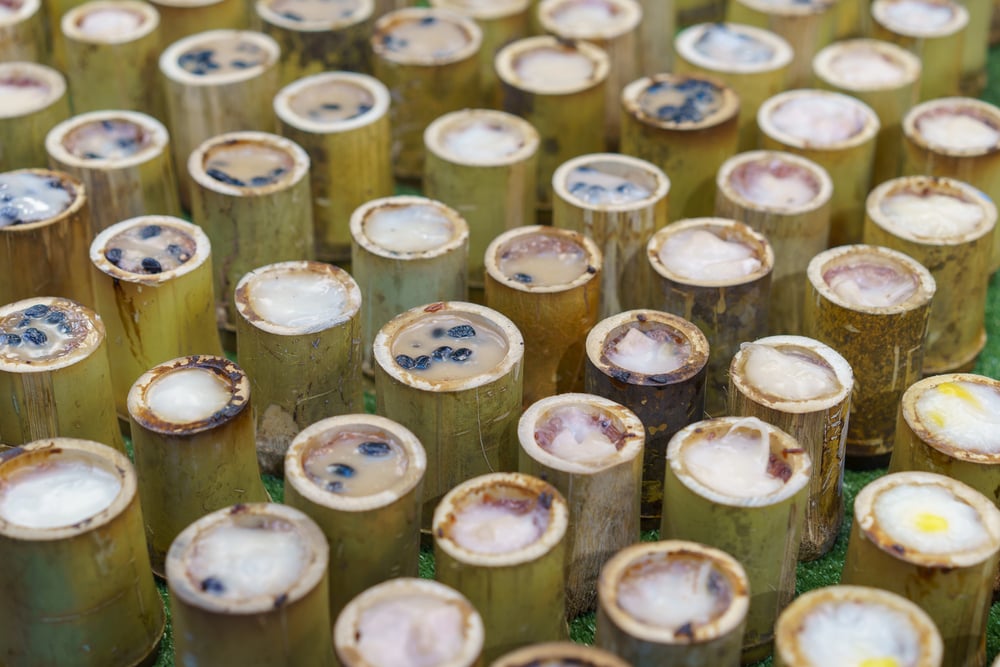
In tropical regions where bamboo grew abundantly, people hollowed out bamboo segments to create natural cooking tubes. Food was placed inside the bamboo with a small amount of liquid, then the ends were sealed with leaves or clay.
The bamboo was then placed over coals or buried in hot ashes. As the bamboo heated, it released moisture and subtle flavors into the food while the natural tube shape ensured even cooking.
Live Coal Cooking

Some cultures developed techniques for cooking directly on live coals without any container at all. Root vegetables and tough cuts of meat were buried directly in glowing embers, protected only by their natural skin or thick leaves.
This method required skill to prevent food from burning while ensuring it cooked through. The intense heat created unique textures and flavors that couldn’t be achieved through other methods.
From Ancient Innovation to Modern Understanding

These bizarre cooking methods weren’t just desperate measures—they were sophisticated techniques developed over thousands of years of experimentation. Many of these ancient methods achieved results that modern cooking struggles to replicate, from the tender textures produced by underground pit cooking to the complex flavors developed through natural fermentation.
While we might find some of these techniques strange or unsanitary by today’s standards, they demonstrate the incredible resourcefulness and culinary wisdom of our ancestors, who turned limitations into innovations that fed civilizations for millennia.
Like Go2Tutors’s content? Follow us on MSN.
More from Go2Tutors!

- 16 Historical Figures Who Were Nothing Like You Think
- 12 Things Sold in the 80s That Are Now Illegal
- 15 VHS Tapes That Could Be Worth Thousands
- 17 Historical “What Ifs” That Would Have Changed Everything
- 18 TV Shows That Vanished Without a Finale
Like Go2Tutors’s content? Follow us on MSN.