Original Book Endings That Were Changed For Film
Hollywood has a complicated relationship with source material. Studios buy the rights to beloved novels, hire talented screenwriters to adapt them, then proceed to change the very thing that made readers fall in love with the story in the first place.
The ending — that carefully crafted conclusion authors spent months perfecting — often becomes the first casualty of the adaptation process. Sometimes these changes work brilliantly, creating moments that feel more cinematic than what appeared on the page.
Other times, they feel like compromises born from focus group feedback and box office anxiety. Either way, the original endings that get left on the cutting room floor tell their own fascinating story about the tension between literature and film.
The Shining
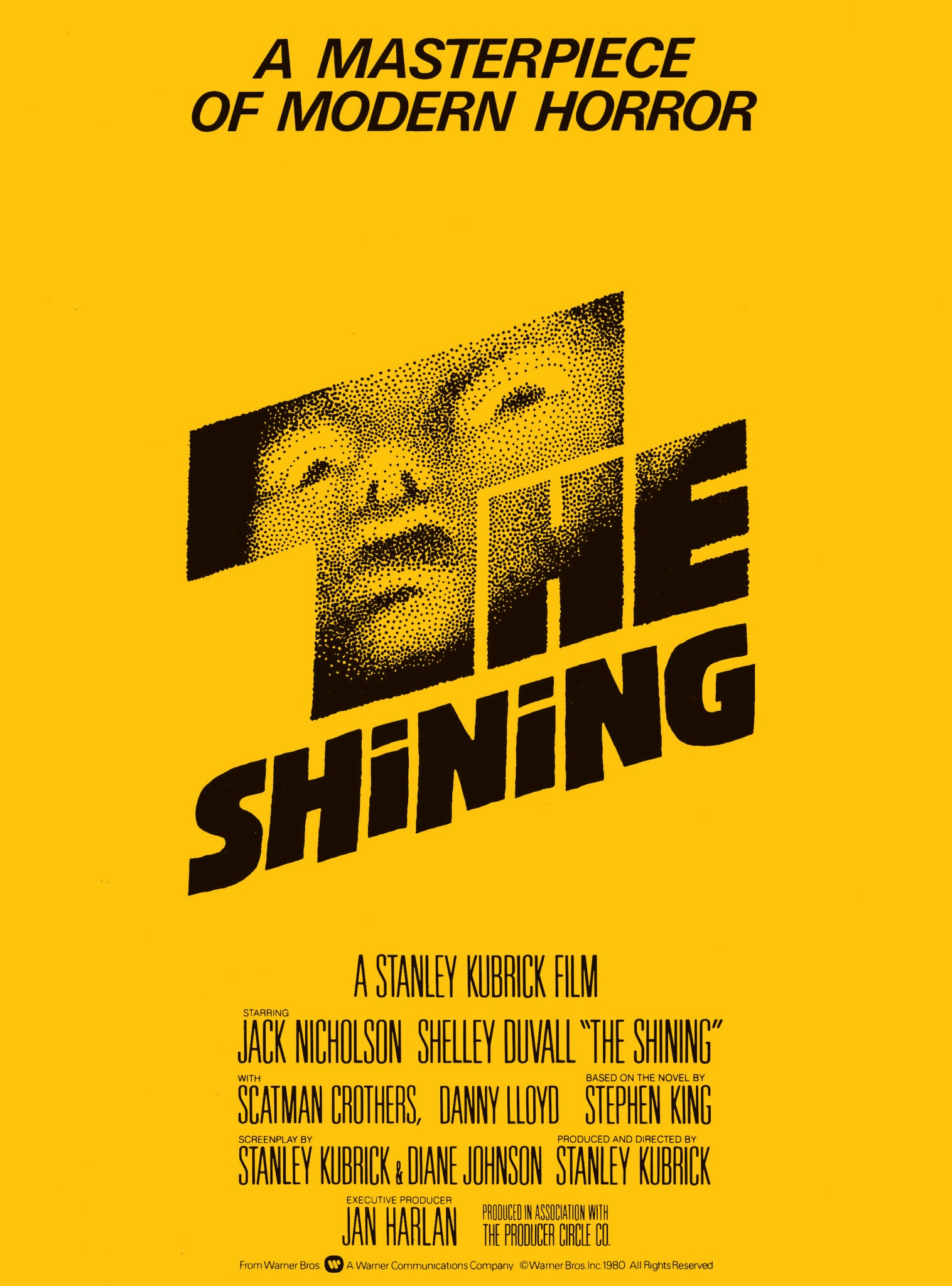
Stephen King never forgave Stanley Kubrick for what happened to his haunted hotel story. The book ends with the Overlook Hotel’s boiler exploding, taking Jack Torrance and the cursed building with it in a fiery conclusion that feels like purification through destruction.
Wendy and Danny escape into the snow, survivors of both supernatural horror and domestic violence, while the hotel that corrupted everything finally burns. Kubrick had different ideas.
His Jack freezes to death in the hedge maze (which doesn’t exist in King’s novel), and the hotel stands eternal and untouched. The final shot of Jack’s face in a 1921 photograph suggests he was always part of the Overlook’s dark history.
King’s ending offered closure through destruction; Kubrick’s suggests the cycle of violence never truly ends.
First Blood
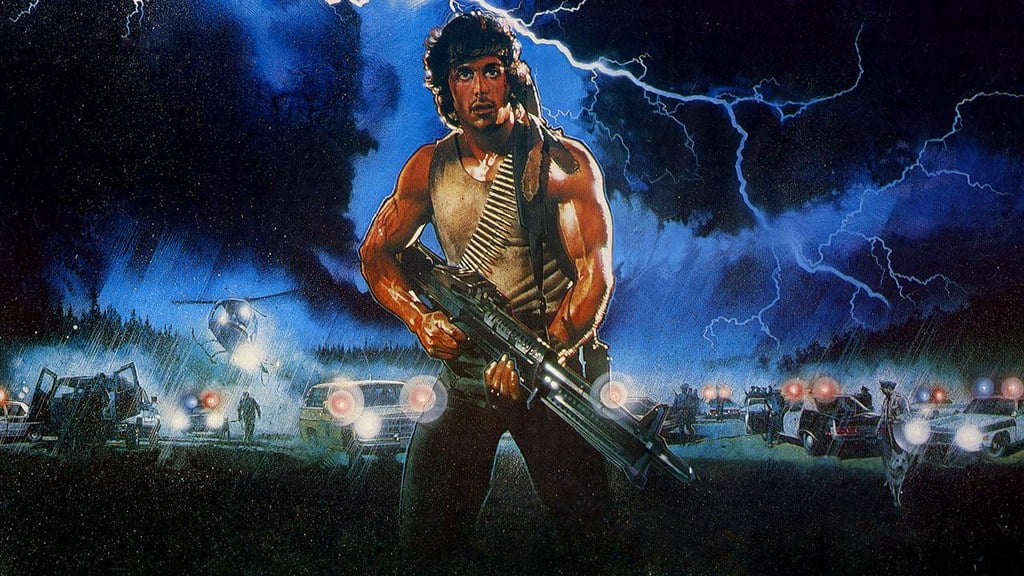
Rambo dies in David Morrell’s original novel, and it’s not a heroic sacrifice. After his violent rampage through the small town, John Rambo realizes what he’s become and essentially forces Colonel Trautman to kill him with a shotgun blast.
The book ends with Trautman holding the body of a man destroyed by a war that followed him home. Sylvester Stallone wasn’t about to kill off a character who could anchor a franchise.
The film version has Rambo surrender peacefully after his emotional breakdown, setting up four sequels and turning a tragic meditation on PTSD into an action hero’s origin story. Sometimes the original ending is too honest for Hollywood to handle.
I Am Legend
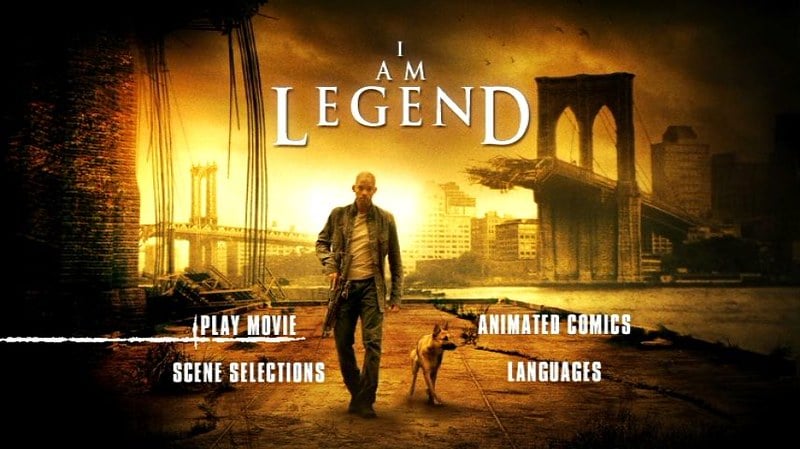
Richard Matheson’s 1954 novel delivers one of science fiction’s most devastating plot twists in its final pages. Robert Neville discovers that the vampire-like creatures hunting him aren’t mindless monsters — they’ve formed their own society, and he’s the boogeyman in their bedtime stories.
The title refers to his realization that he’s become the legendary monster terrorizing the new dominant species. He’s the aberration now.
The Will Smith adaptation (after two other film versions also missed the point) turns this into a standard zombie apocalypse where Neville heroically sacrifices himself to save humanity. The creatures remain mindless threats rather than evolved beings with their own civilization.
Hollywood took one of literature’s most profound role reversals and turned it into another hero’s journey with explosions.
Blade Runner
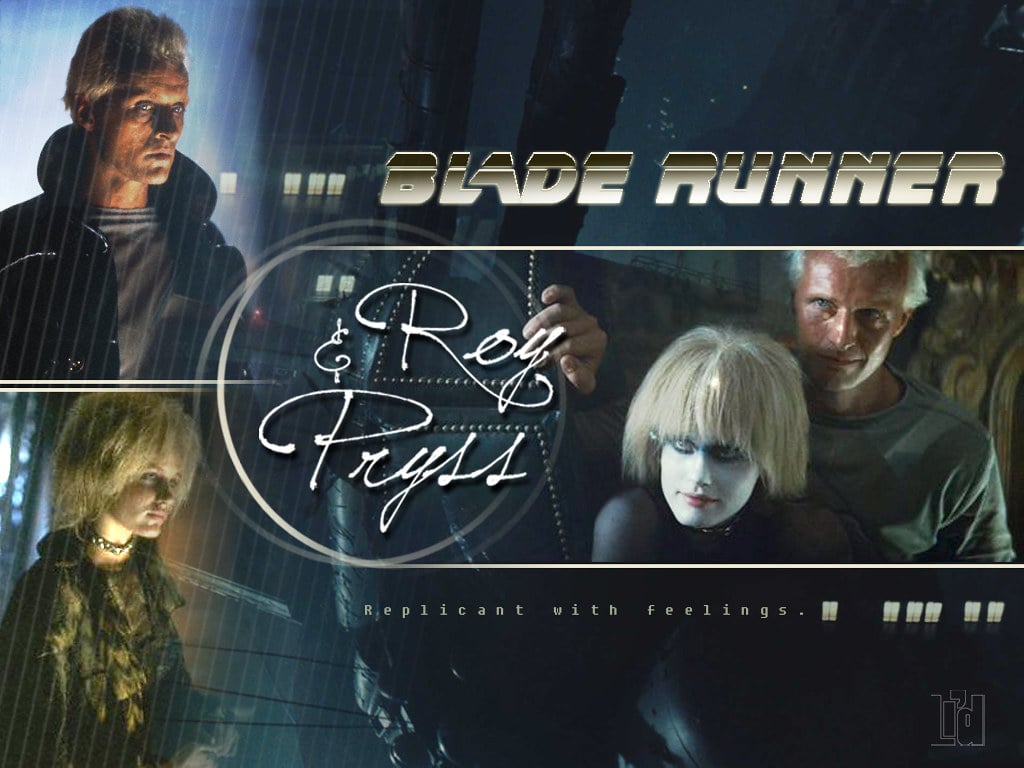
Do Androids Dream of Electric Sheep? ends with Rick Deckard discovering what appears to be a real toad in the post-apocalyptic wasteland — a moment of genuine life in a world where most animals are artificial reproductions. His wife Iran examines the toad and finds the control panel that reveals it’s fake, but she doesn’t tell Rick.
The book closes on her quiet act of mercy, protecting his moment of hope even though she knows it’s built on an illusion. Ridley Scott’s film originally ended with Deckard and Rachael driving into an uncertain future, but the studio demanded a happy ending with voiceover narration and nature footage added to the final scene.
The Director’s Cut removed this forced optimism, ending ambiguously in an elevator. But even Scott’s preferred version lacks the book’s gentle meditation on what makes hope worth protecting, artificial or not.
The Mist

Stephen King’s novella ends with David Drayton and his small group of survivors driving through the mist-covered landscape, their fuel running low, their hope nearly exhausted. They hear a single word through the static on their radio — “Hartford” — suggesting other survivors might exist.
The ending offers the faintest glimmer of possibility in an otherwise hopeless situation, but refuses to promise anything more. Frank Darabont’s film adaptation pushes past this ambiguous conclusion into genuinely horrifying territory.
With their ammunition down to four bullets and five people in the car, Drayton shoots his son and three companions to spare them from the creatures, then steps out expecting to die himself. Military vehicles emerge from the mist moments later — rescue was only minutes away.
King himself called Darabont’s ending better than his own, which says something about the power of going darker than readers expect.
Jaws
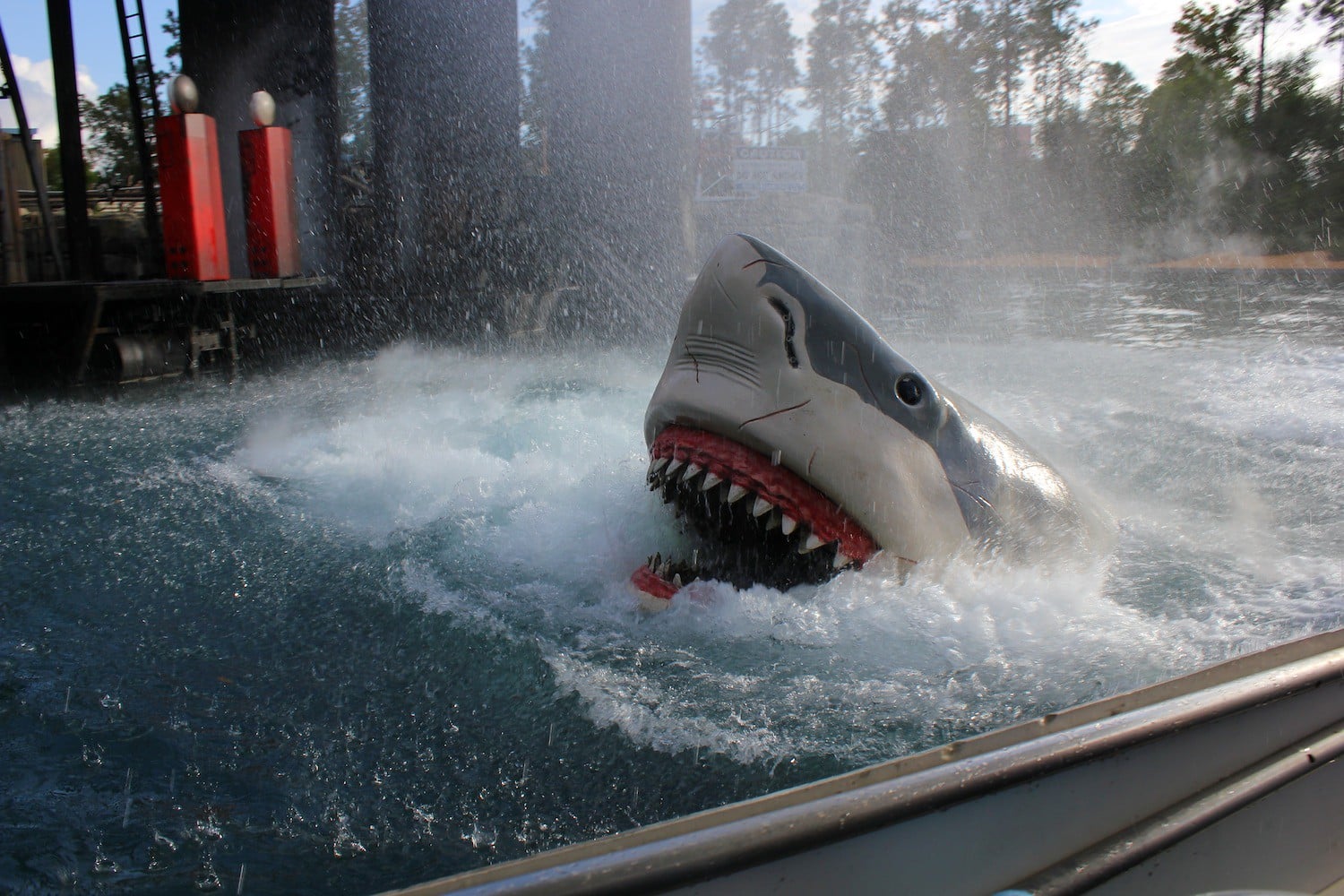
Peter Benchley’s shark doesn’t just die from Brody’s ingenuity and a well-placed oxygen tank. The massive great white, already wounded from its battles with Quint and Hooper, simply rolls over and dies from its injuries as Brody floats nearby.
There’s no explosion, no dramatic victory — just a exhausted man watching an exhausted predator give up the fight. The ocean reclaims both of them quietly.
Steven Spielberg needed something more cinematic than a fish dying of natural causes. His mechanical shark explodes in a fireball that turns the climax into pure movie magic, complete with Brody’s iconic “Smile, you son of a—” one-liner.
Benchley’s ending feels true to nature; Spielberg’s ending feels true to summer blockbuster expectations. Both work, but they’re telling fundamentally different stories about humanity’s relationship with the natural world.
The Firm
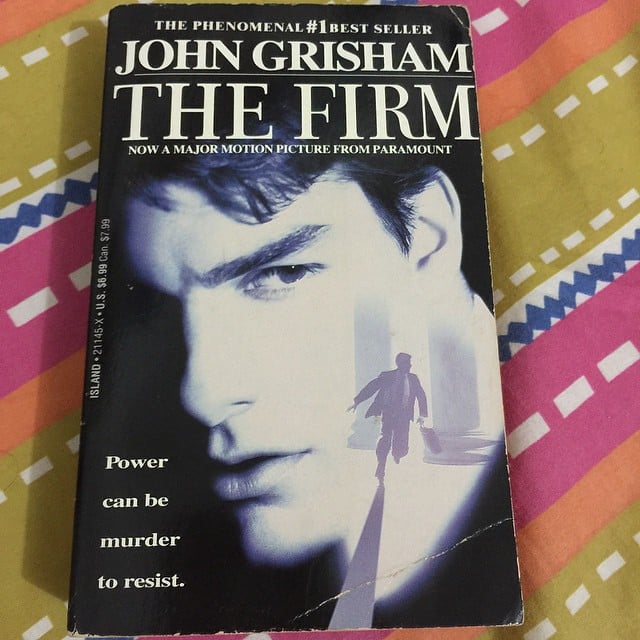
John Grisham’s legal thriller concludes with Mitch McDeere carefully orchestrating the downfall of his corrupt law firm while simultaneously stealing enough money to disappear forever. He and his wife Abby escape to the Caribbean with stolen millions, having outsmarted both the FBI and the mob.
It’s a morally ambiguous ending where the hero wins by becoming a criminal himself. The Tom Cruise adaptation couldn’t have its protagonist stealing money and fleeing justice, so it transforms Mitch into a more traditional hero who brings down the firm through legal channels and moral righteousness.
He testifies, serves his country, and stays within the system. Hollywood turned Grisham’s cynical thriller about corruption into an optimistic story about justice prevailing through proper channels.
World War Z
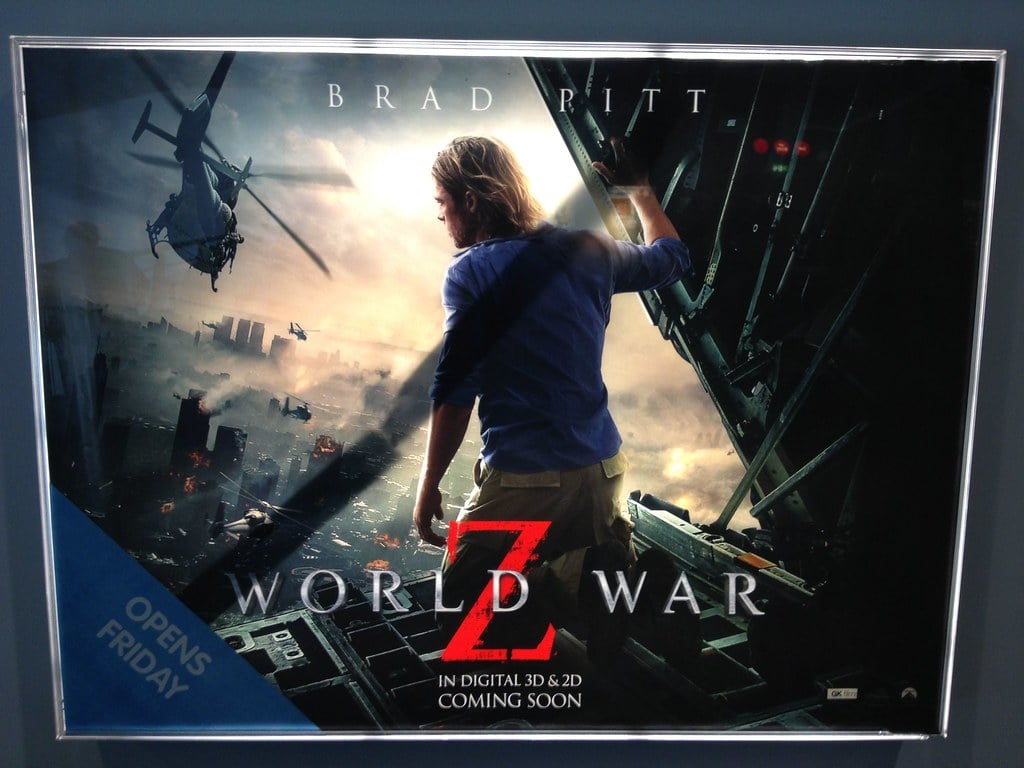
Max Brooks structured his zombie novel as an oral history, collecting testimonies from survivors of a global undead apocalypse that’s already over. The book reads like a documentary about how humanity eventually won through adaptation, sacrifice, and social reorganization.
Different countries found different solutions, and the victory came through collective human ingenuity rather than individual heroism. The Brad Pitt film version turns this into a real-time race against extinction, with Pitt’s UN investigator Gerry Lane discovering that the zombies ignore people who are already sick or dying.
He infects himself with a deadly but curable disease, walks through hordes of undead, and saves the world through personal sacrifice and scientific breakthrough. Brooks’ sociological study becomes another Hollywood hero’s journey with a medical MacGuffin.
The Watchmen
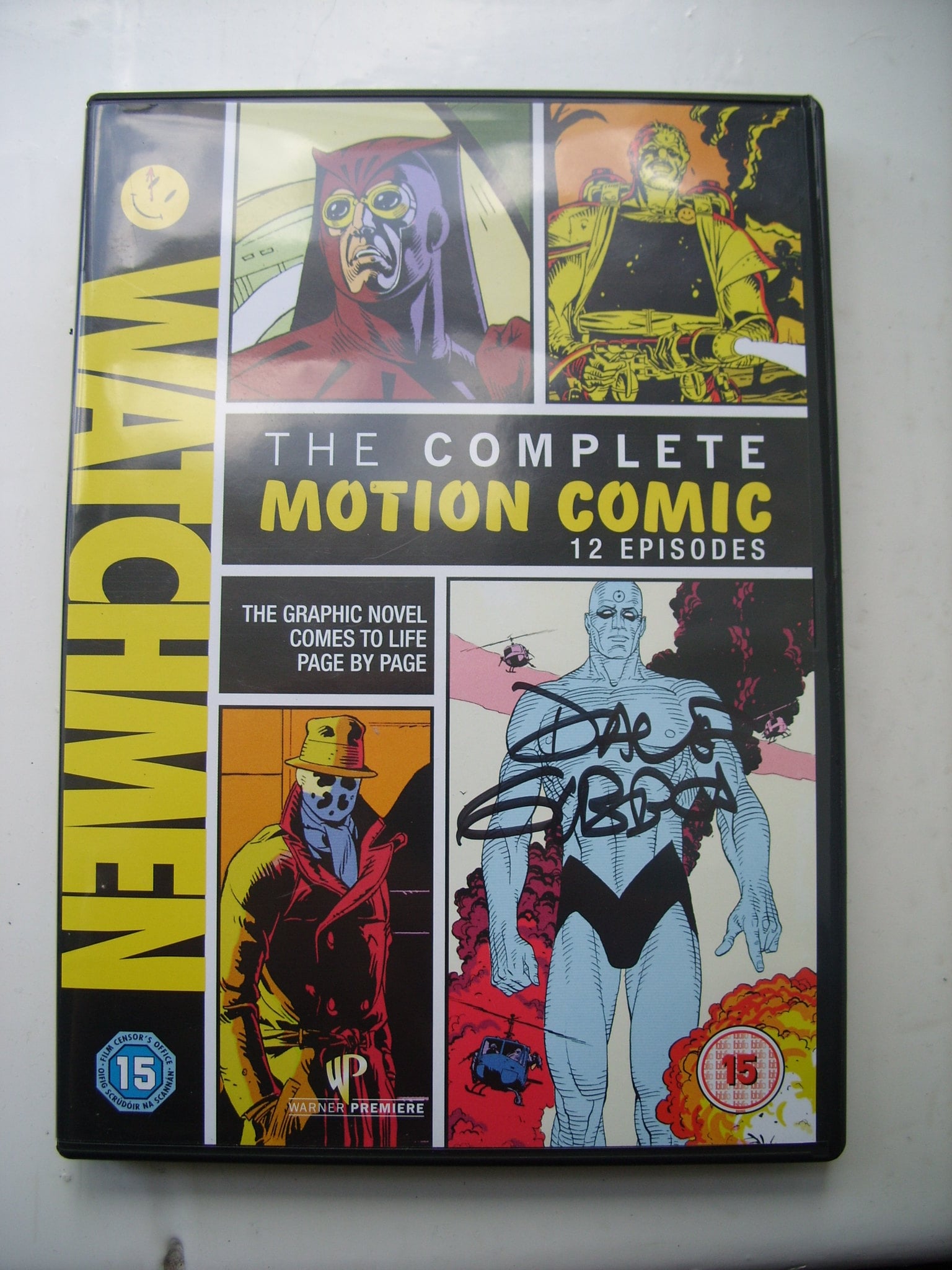
Alan Moore’s graphic novel ends with Adrian Veidt successfully executing his plan to unite humanity against a false alien threat, killing millions in New York but preventing nuclear war. Doctor Manhattan and the other heroes agree to keep Veidt’s secret, understanding that revealing the truth would only restart the cycle toward global destruction.
Rorschach refuses to compromise and dies for his moral absolutism, but not before mailing his journal to a conspiracy publication. Zack Snyder’s adaptation changes Veidt’s plan entirely, framing Doctor Manhattan for attacks on major cities rather than staging an alien invasion.
The change streamlines the plot and eliminates the novel’s elaborate subplot about the fake alien creature, but it also alters the story’s meditation on moral compromise. Moore’s ending asks whether peace built on a lie can ever be justified; Snyder’s asks the same question while making the lie simpler and less elaborate.
Gone Girl
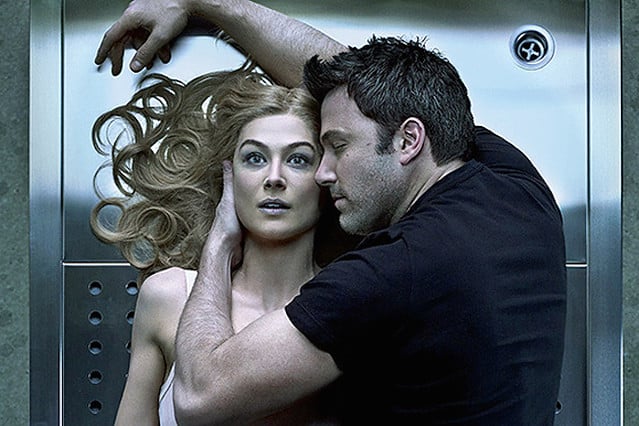
Gillian Flynn’s psychological thriller ends with Nick and Amy Dunne trapped in their toxic marriage, bound together by mutual destruction and Amy’s pregnancy announcement. Nick knows Amy framed him for her murder and killed others to maintain her fiction, but he can’t leave without abandoning his unborn child to a sociopathic mother.
They’ll stay together and destroy each other slowly, smile for the cameras, and pretend to be happy. The film adaptation, with Flynn writing the screenplay, keeps this bleak conclusion almost intact but softens it slightly through visual storytelling and performance.
Rosamund Pike and Ben Affleck’s final scene suggests the same mutual entrapment, but the cinematic treatment makes their dynamic feel slightly less hopeless than Flynn’s unflinching prose version. Sometimes the same ending feels different when you’re watching faces instead of reading thoughts.
The Devil Wears Prada

Lauren Weisberger’s novel ends with Andrea Sachs walking away from her job at Runway magazine after Miranda Priestly’s betrayal in Paris, but the aftermath is far messier than the film suggests. Andrea struggles to find work because Miranda has essentially blacklisted her from fashion journalism.
Her relationship with Alex remains damaged, and her career prospects look grim. She eventually lands a job at a small magazine, but it’s a definite step down from her previous position.
The movie gives Andrea a much more satisfying exit, with her career prospects looking brighter and her relationship with Alex on the mend. She gets hired at The New York Mirror, and Miranda’s final approval — the slight nod and almost-smile when Andrea refuses to get her coffee — suggests a mutual respect that doesn’t exist in the book.
Hollywood preferred empowerment over realistic career consequences.
Forrest Gump
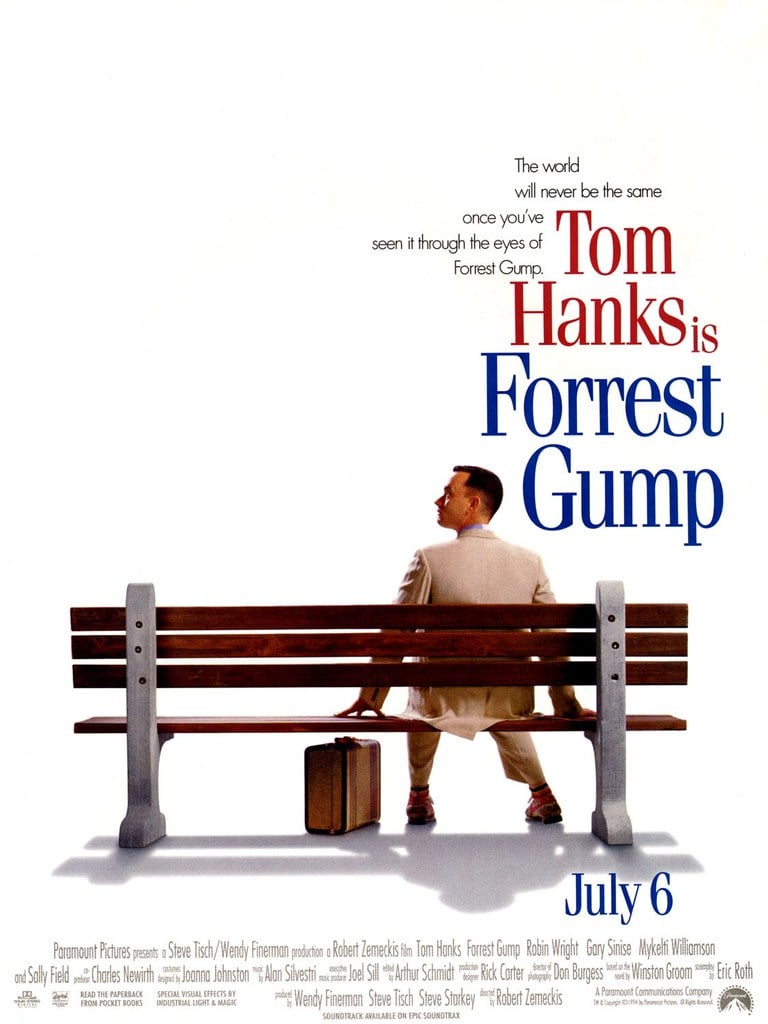
Winston Groom’s novel takes Forrest through even more absurd adventures after his reunion with Jenny, including a brief career as a professional wrestler and an astronaut who crashes on a desert island with a female NASA employee and an orangutan named Sue. Jenny and Forrest do end up together, but she doesn’t die from HIV complications.
Instead, they run a shrimp business together while Forrest occasionally disappears for more ridiculous adventures. Robert Zemeckis streamlined this into a more emotionally coherent story by killing Jenny and focusing on Forrest as a single father.
The film’s ending, with Forrest watching his son board the school bus, provides the circular closure that the book’s episodic structure never attempts. Groom’s Forrest keeps stumbling into history; Zemeckis’s Forrest finds peace in ordinary fatherhood.
The Graduate
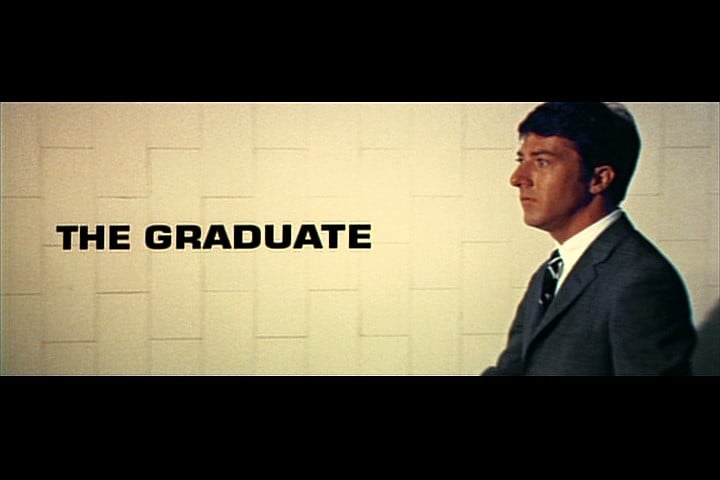
Charles Webb’s novel ends much more ambiguously than Mike Nichols’ film suggests. Benjamin and Elaine do escape her wedding and board a bus together, but the book offers no details about their conversation or emotional state during the ride.
There’s no moment of doubt or realization, no suggestion of what happens next — just two people on a bus, having disrupted everyone’s carefully planned life. The film’s famous final sequence shows Benjamin and Elaine’s expressions shifting from triumph to uncertainty as they sit on the bus, their smiles fading as the reality of their situation sets in.
This visual storytelling adds layers of meaning that Webb’s sparse prose leaves to the reader’s imagination. Nichols turned an ambiguous ending into a profound statement about the gap between romantic fantasy and practical reality.
Fight Club
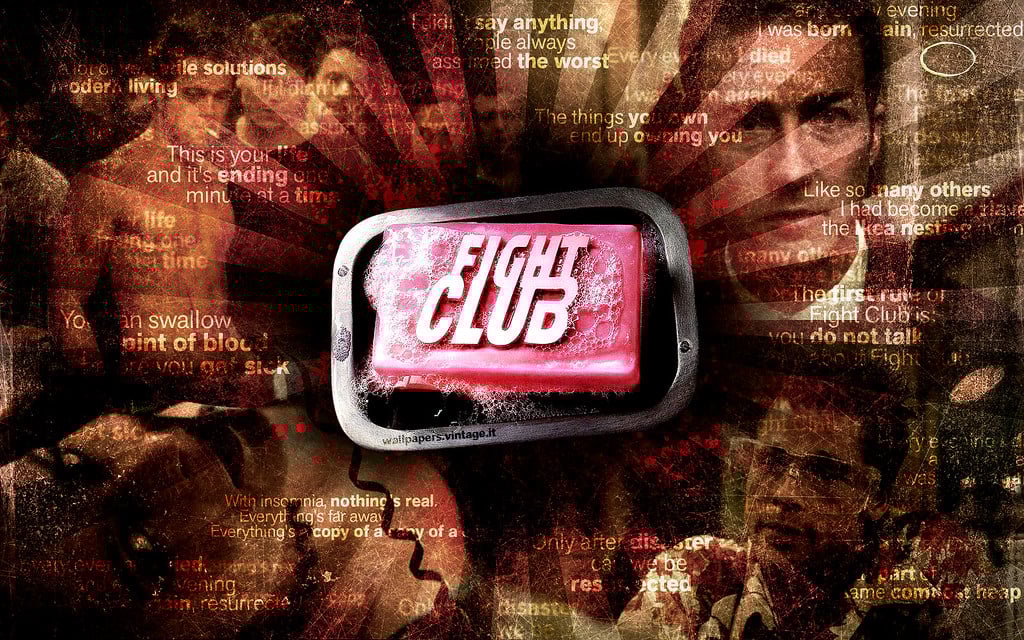
Chuck Palahniuk’s novel ends with the narrator in a mental hospital, having survived his self-harm attempt but failed to stop Tyler Durden’s plan to destroy credit card companies and banks. The explosions didn’t work properly, leaving the financial buildings only partially damaged.
Hospital employees approach him with reverence, calling him “Mr. Durden” and promising that Tyler’s revolution continues without him. He realizes he can’t escape what he created.
David Fincher’s film lets the explosions work perfectly, bringing down the credit card buildings in a spectacular display that the narrator and Marla watch hand-in-hand. The movie ends with Tyler’s plan succeeding and the narrator seemingly free of his alter ego, watching the destruction with his girlfriend as The Pixies’ “Where Is My Mind” plays.
Fincher chose spectacle and romance over Palahniuk’s more disturbing suggestion that some damage can’t be undone.
Something Worth Preserving

The gulf between what authors write and what audiences see reveals something essential about how stories work across different mediums. Books can end in uncomfortable places because readers experience them privately, processing difficult conclusions in their own time and space.
Movies are communal experiences, and communal experiences tend to demand more satisfying resolutions. But the original endings that get changed or abandoned don’t disappear entirely.
They live on in the margins, offering alternate paths that stories might have taken. Sometimes they’re better than what ended up on screen, sometimes worse, but they’re always worth knowing.
They remind us that every story contains multiple possible endings, and the one that makes it to theaters isn’t necessarily the one that makes the most sense.
More from Go2Tutors!

- The Romanov Crown Jewels and Their Tragic Fate
- 13 Historical Mysteries That Science Still Can’t Solve
- Famous Hoaxes That Fooled the World for Years
- 15 Child Stars with Tragic Adult Lives
- 16 Famous Jewelry Pieces in History
Like Go2Tutors’s content? Follow us on MSN.



