15 Empires That Shaped the Modern World
History is filled with empires that left marks so deep, their influence still shapes everyday life. From global trade routes to legal systems, languages, and architecture, the echoes of power and conquest continue to ripple across continents.
Here’s a list of empires whose legacies helped form the modern world we live in today.
Roman Empire
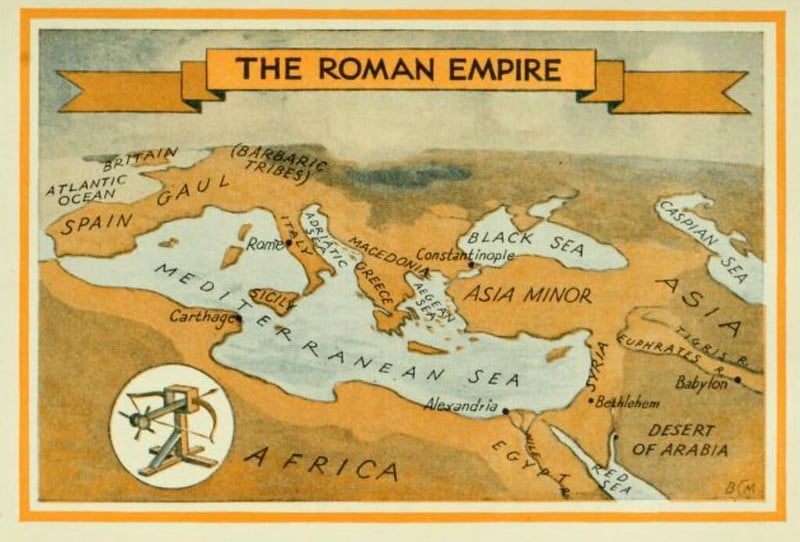
The Roman Empire gave the world roads, aqueducts, and the foundations of civil law. Its cities became blueprints for modern urban planning, while Latin lingered as the root of entire languages. Even the concept of a republic owes much to Rome.
Byzantine Empire
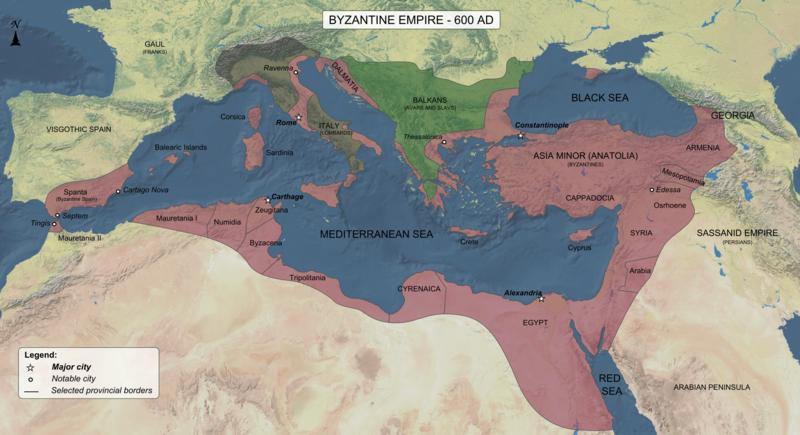
A continuation of Rome in the East, the Byzantine Empire safeguarded classical knowledge while developing Orthodox Christianity. Its domed churches, glittering mosaics, and codified laws shaped both Eastern Europe and the wider Christian world.
Ottoman Empire
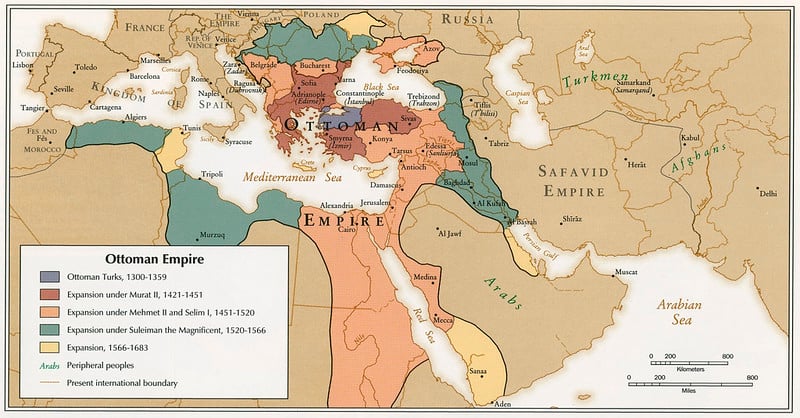
Spanning centuries, the Ottomans blended cultures from three continents. Their control of key trade routes, combined with architectural wonders like the Hagia Sophia’s transformation into a mosque, made Istanbul a meeting point of East and West.
Mongol Empire
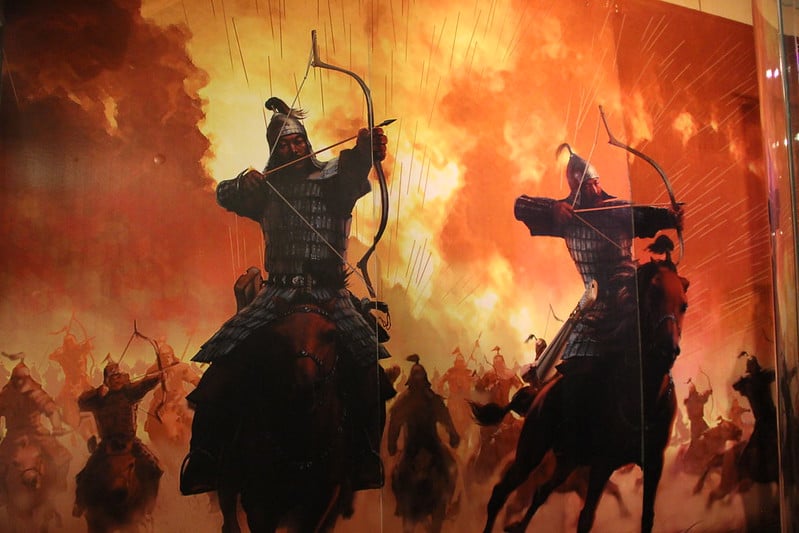
For a brief moment, the Mongols connected nearly all of Eurasia. Their horseback conquests were brutal, yet they opened the Silk Road to unprecedented exchange of goods, technology, and ideas. Paper money, gunpowder, and even noodles travelled farther than ever before.
British Empire

At its height, it stretched across nearly a quarter of the globe. The English language spread with it, as did parliamentary governance and common law. Railways, too—steel veins still threading through former colonies today.
Spanish Empire

Fueled by exploration, the Spanish crown built a transoceanic empire. Silver from the Americas funded global trade, while Catholic missions carried religion to every corner. And yes, new foods—chocolate, tomatoes, potatoes—changed diets forever.
Portuguese Empire
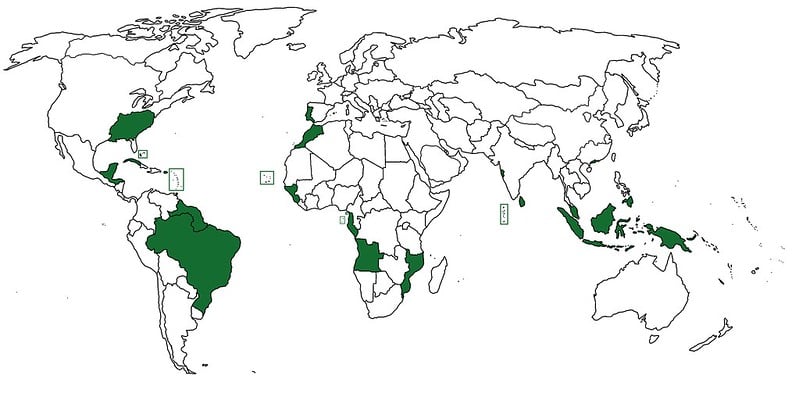
Smaller, but no less significant. Portugal pioneered sea routes around Africa, establishing outposts from Brazil to Goa to Macau. The spread of the Portuguese language, still spoken on four continents, is its enduring footprint.
French Empire
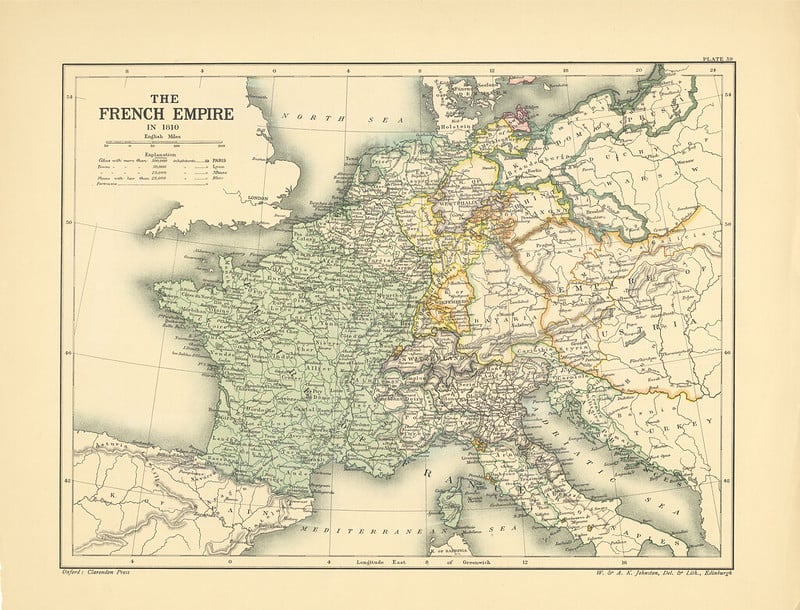
From Paris to Polynesia, French influence extended widely. Revolutionary ideals of liberty and secularism mixed uneasily with colonial ambition. Today, French remains a global language of diplomacy, cuisine, and art.
Dutch Empire

— Photo by harrybeugelink@gmail.com
Though compact, the Dutch empire was a trading giant. The Dutch East India Company set standards for corporate finance. Spices, porcelain, and textiles fueled wealth, while their banking systems became models for the modern stock exchange.
Holy Roman Empire
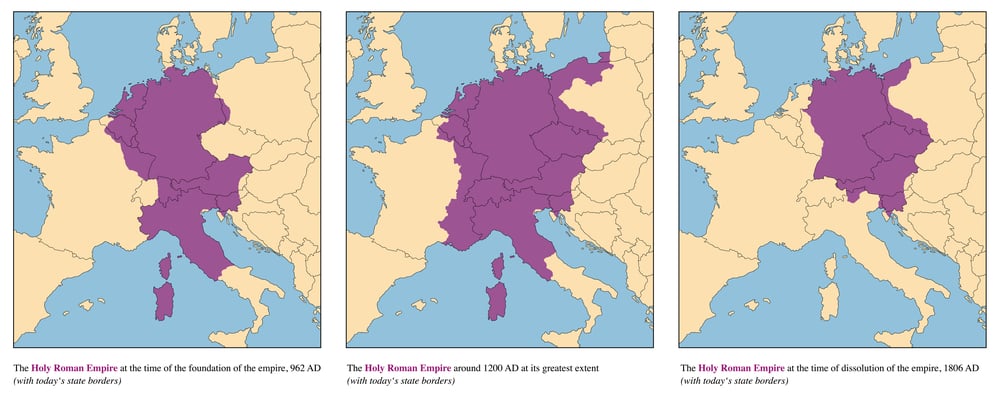
Not entirely holy, nor fully Roman. Still, it mattered. A patchwork of states across Central Europe, it helped define the political map of Germany and beyond. Imperial diets and elections foreshadowed the idea of federations.
Russian Empire
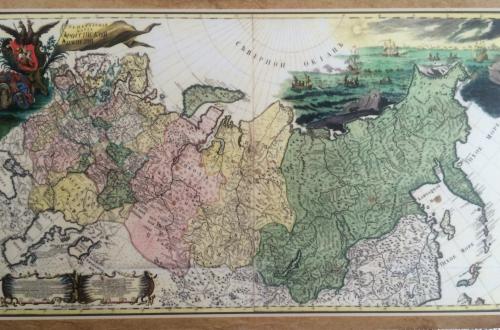
From Siberia to Central Asia, the Russian Empire absorbed diverse peoples under tsarist rule. Its drive for warm-water ports shaped foreign policy, while Orthodox traditions spread across vast distances. Harsh winters didn’t help.
Persian Empire
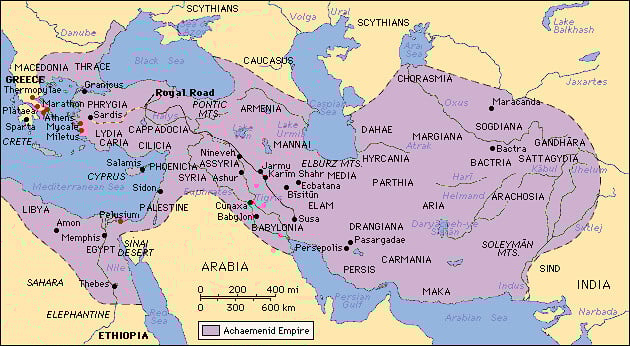
Centuries earlier, the Persians introduced administrative efficiency. Satraps, or provincial governors, oversaw vast territories. Their Royal Road sped communication, while tolerance of local customs set a rare standard in empire-building.
Qing Dynasty
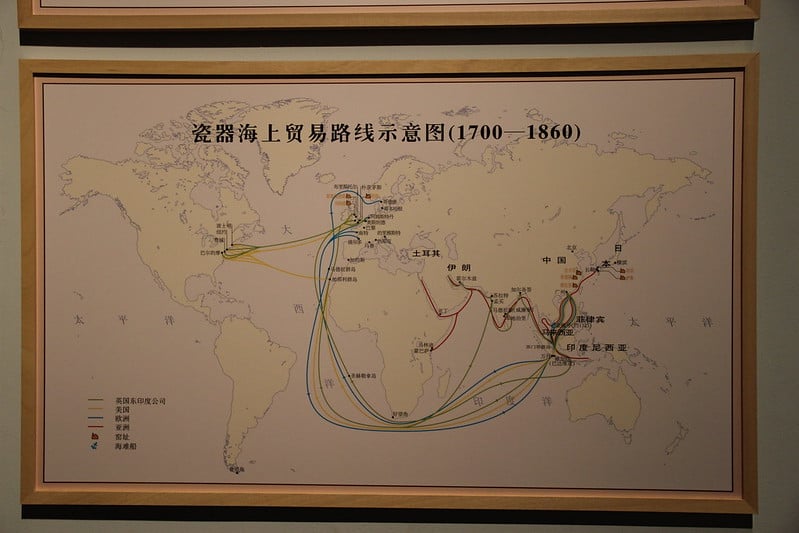
The last imperial dynasty of China oversaw both flourishing trade and internal turmoil. Exports of silk, porcelain, and tea reshaped European tastes. The Great Wall, already ancient, was extended, a visible reminder of China’s reach.
Mughal Empire
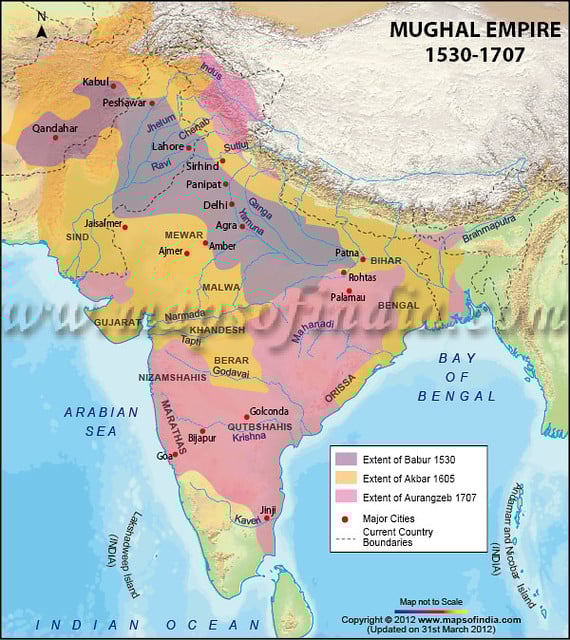
In India, the Mughals fused Persian, Islamic, and local traditions. The Taj Mahal remains its most famous legacy, but equally lasting was its administrative system. And the food—rich curries and biryanis that became staples.
United States as an Emerging Empire

Though different in form, the United States projected influence worldwide from the 20th century onward. Military bases, Hollywood films, blue jeans, and Silicon Valley all became markers of its global reach. A cultural empire, if not always territorial.
Legacies That Still Breathe
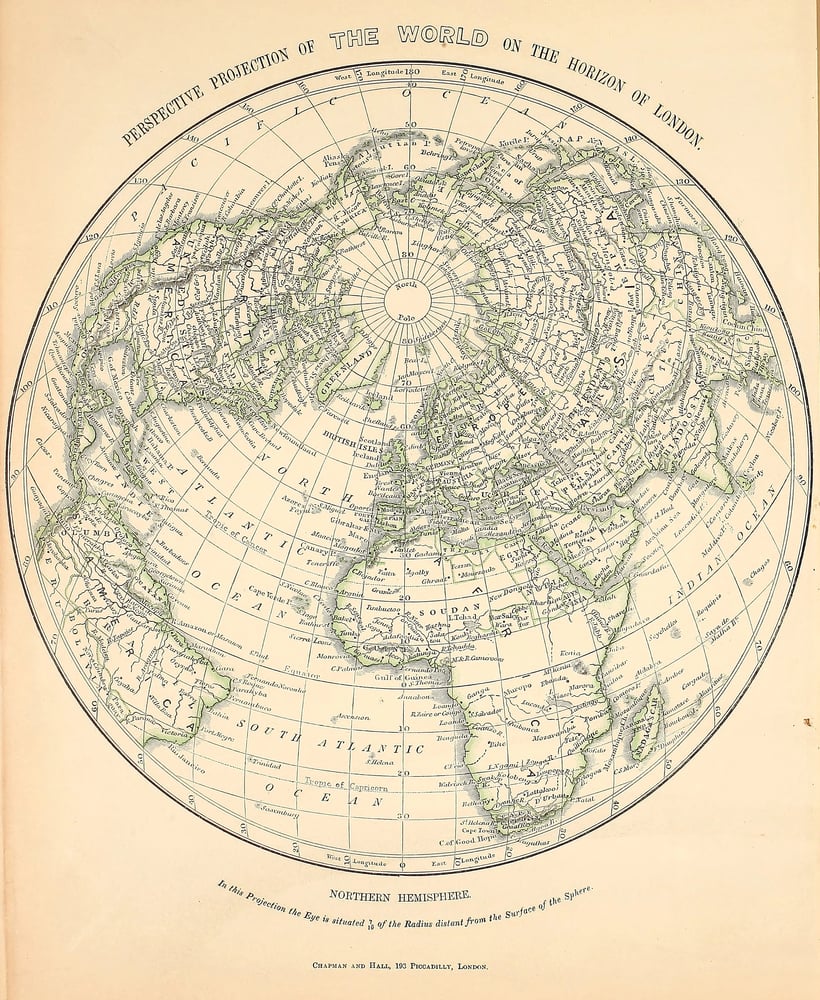
Empires fall, yet their legacies endure. Languages, borders, religions, foods, and even the clothes on our backs often trace back to these powers. The modern world, in so many ways, is their unfinished story.
More from Go2Tutors!

- 16 Historical Figures Who Were Nothing Like You Think
- 12 Things Sold in the 80s That Are Now Illegal
- 15 VHS Tapes That Could Be Worth Thousands
- 17 Historical “What Ifs” That Would Have Changed Everything
- 18 TV Shows That Vanished Without a Finale
Like Go2Tutors’s content? Follow us on MSN.