16 Car Accessories That Defined Youth Culture
Cars aren’t just transportation for young people—they’re canvases for self-expression. Every generation discovers new ways to customize their rides, creating cultural movements that extend far beyond the automotive world. These accessories become symbols of rebellion, identity, and belonging that define entire eras of youth culture.
Some modifications started as practical improvements, while others emerged purely from aesthetic desires or the need to stand out. Yet they all became integral parts of generational identity, marking clear lines between different youth movements throughout automotive history. Here is a list of 16 car accessories that defined youth culture and left lasting impacts on society.
Fuzzy Dice

Hanging fuzzy dice from rearview mirrors became the ultimate symbol of 1950s hot rod culture. The accessory supposedly brought good luck during street races—though it mainly served as a visual declaration that the driver was part of the emerging car culture scene. The simple fabric cubes represented rebellion against conservative post-war society and the desire to inject fun into everyday driving.
Flame Paint Jobs

Hot rod flames painted on hoods and sides transformed ordinary cars into rolling works of art during the 1950s and 60s. The designs suggested speed and danger even when the car was parked—making every grocery store trip feel like a drag race. Flame jobs became so iconic that they transcended car culture entirely, appearing on everything from motorcycles to lunch boxes.
Chrome Exhaust Tips

Oversized chrome exhaust tips emerged in the 1960s as young drivers sought to make their cars look and sound more powerful. The shiny additions promised performance gains that rarely materialized—yet they created the distinctive rumble that announced a car’s arrival from blocks away. Chrome tips became essential accessories for anyone wanting to project an image of automotive sophistication and power.
Aftermarket Spoilers

Rear spoilers exploded in popularity during the 1970s and 80s, when young drivers discovered that aerodynamic-looking accessories made any car appear race-ready. Most spoilers provided zero aerodynamic benefit at normal driving speeds—though they transformed humble economy cars into machines that looked capable of handling professional racetracks. The larger and more dramatic the spoiler, the stronger the statement about the driver’s automotive ambitions.
Tinted Windows

Dark window tinting became the hallmark of 1980s youth culture, offering privacy and an air of mystery that appealed to young drivers. The modification provided practical benefits like UV protection and cooler interiors—while also creating an aura of exclusivity that made ordinary cars feel special. Tinted windows suggested the driver had secrets worth hiding and the confidence to cruise anonymously through their neighborhood.
Neon Underglow Lights

Neon underglow lighting transformed cars into rolling nightclub displays during the 1990s, when young drivers embraced the cyberpunk aesthetic popularized by movies and video games. The colorful lights served no practical purpose—yet they turned parking lots into impromptu car shows where drivers competed for the most eye-catching displays. Underglow represented youth culture’s embrace of technology and the desire to turn everyday objects into entertainment.
Oversized Rims

Spinning rims and increasingly large wheel sizes became status symbols in the 1990s and 2000s hip-hop culture. The accessories often cost more than the cars themselves—yet they communicated wealth, style, and automotive knowledge to anyone who understood the scene. Oversized rims transformed modest vehicles into statements about the driver’s priorities and their connection to urban car culture.
Lowrider Hydraulics

Hydraulic suspension systems allowed Chicano communities to create cars that could dance, transforming vehicles into expressions of cultural pride and mechanical artistry. The systems required significant mechanical knowledge and financial investment—making them symbols of dedication to both automotive excellence and cultural identity. Lowrider hydraulics turned cars into performance art pieces that celebrated heritage while showcasing technical skill.
Sound System Competitions

Massive stereo systems with multiple amplifiers and subwoofers became central to youth car culture in the 1980s and 90s. The installations often exceeded the car’s value—yet they created mobile concert venues where young people could share their musical tastes with entire neighborhoods. Sound system competitions judged volume levels that could literally shake buildings, turning cars into weapons of mass bass.
Racing Stripes

Classic racing stripes gave ordinary cars the appearance of factory race machines, connecting everyday drivers to professional motorsports heritage. The simple vinyl additions suggested performance capabilities that most cars couldn’t deliver—yet they created visual connections to legendary race cars that inspired generations of enthusiasts. Racing stripes became shorthand for automotive passion and the desire to feel connected to racing culture.
Air Fresheners
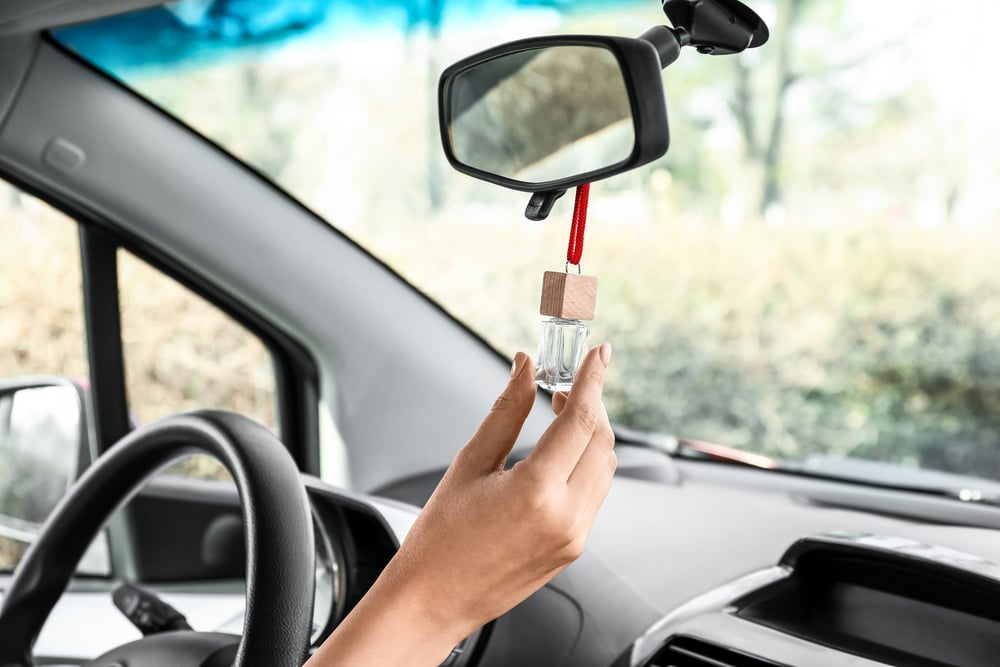
Hanging air fresheners evolved from practical necessities into cultural statements, with different scents and designs communicating specific messages about the driver’s personality. The little trees became canvases for humor, rebellion, and identity expression that cost almost nothing yet provided significant customization opportunities. Air freshener collections turned dashboards into galleries of personal taste and cultural affiliation.
Stick-On Vents

Fake hood vents and side scoops promised performance improvements while delivering pure aesthetic appeal to budget-conscious young drivers. The plastic additions suggested forced induction and racing heritage on cars that possessed neither—yet they satisfied the desire to make vehicles look more aggressive and purposeful. Stick-on vents represented the democratization of performance car styling, allowing anyone to achieve the racing look regardless of their budget.
Mud Flaps

Decorative mud flaps featuring cartoon characters or suggestive silhouettes became expressions of personality and humor in truck culture. The rubber accessories served practical purposes while allowing drivers to communicate their sense of humor and cultural affiliations to following traffic. Custom mud flaps turned functional vehicle components into opportunities for self-expression and mild rebellion against conventional automotive aesthetics.
Custom License Plate Frames

Personalized license plate frames became vehicles for humor, political statements, and cultural identity that cost little but communicated volumes about the driver’s personality. The simple metal or plastic borders transformed legally required plates into opportunities for creative expression and social commentary. Custom frames allowed drivers to inject personality into the most regulated aspect of their vehicles.
Window Decals

Bumper stickers and window decals turned cars into mobile billboards for personal beliefs, musical tastes, and cultural affiliations that defined entire social movements. The adhesive messages created instant connections between like-minded drivers while occasionally sparking confrontations with those who disagreed. Window decals transformed vehicles into statements about identity, politics, and cultural belonging that could be read from significant distances.
Steering Wheel Covers

Decorative steering wheel covers in various materials and patterns allowed drivers to customize their most frequently touched vehicle component while expressing personal style. The accessories provided practical benefits like improved grip and temperature control—while also offering opportunities to inject personality into vehicle interiors. Steering wheel covers became intimate expressions of taste that drivers experienced every time they got behind the wheel.
Rolling Statements of Identity

These car accessories demonstrate how young people have always used vehicles as extensions of their personalities and cultural identities. Each generation discovers new ways to modify their rides, creating visual languages that communicate belonging, rebellion, and aspiration to anyone who understands the codes. Modern youth culture continues this tradition through different accessories and modifications, proving that the desire to customize and personalize vehicles remains as strong as ever. The accessories may change, but the fundamental human need to express identity through automotive modification endures across all generations.
More from Go2Tutors!

- The Romanov Crown Jewels and Their Tragic Fate
- 13 Historical Mysteries That Science Still Can’t Solve
- Famous Hoaxes That Fooled the World for Years
- 15 Child Stars with Tragic Adult Lives
- 16 Famous Jewelry Pieces in History
Like Go2Tutors’s content? Follow us on MSN.