16 Childhood Games That Caused Chaos
Remember when recess was a battlefield? Those seemingly innocent playground games often transformed peaceful schoolyards into scenes of absolute mayhem.
Tears, arguments, and scraped knees became as common as the morning bell. Here’s a list of 16 childhood games that regularly turned playgrounds into chaos zones.
Tag

The simplest game ever created somehow generated endless drama. Kids argued about legitimate tags while developing unauthorized safe zones that definitely weren’t in the rulebook. Someone always claimed they weren’t playing — though they’d been running around for ten minutes.
The real nightmare was that one lightning-fast kid who dominated every round, leaving frustrated classmates plotting elaborate revenge schemes.
Red Rover

This game was essentially an organized collision disguised as entertainment. Two human chains would call opponents over to break through their linked arms — which sounds innocent until you factor in the full-speed impacts.
Broken bones and bloody noses weren’t occasional accidents; they were predictable outcomes of sanctioned playground violence.
Like Go2Tutors’s content? Follow us on MSN.
Musical Chairs

Remove one chair and watch friendships dissolve instantly. Sweet children transformed into ruthless competitors who’d push, shove, and employ strategic positioning worthy of military tacticians.
When the music stopped — chaos erupted as kids dove for seats like their survival depended on it, often resulting in multiple claimants per chair.
Duck Duck Goose

Circle time seemed peaceful until someone got tapped as the goose. Runners would trip over sprawled legs while chasers took illegal shortcuts through the center.
Heated debates erupted over tag legitimacy, though everyone knew that one kid who’d tap gently except when targeting their sworn enemy — who’d receive a full-force smack.
Dodgeball

Schools banned this for excellent reasons. Innocent throwing quickly escalated into targeted harassment campaigns against the weak, unpopular, or anyone who’d caused offense earlier. The whispered strategy “aim for the head” became disturbingly common while gym teachers spent more time mediating conflicts than supervising gameplay.
Like Go2Tutors’s content? Follow us on MSN.
Four Square
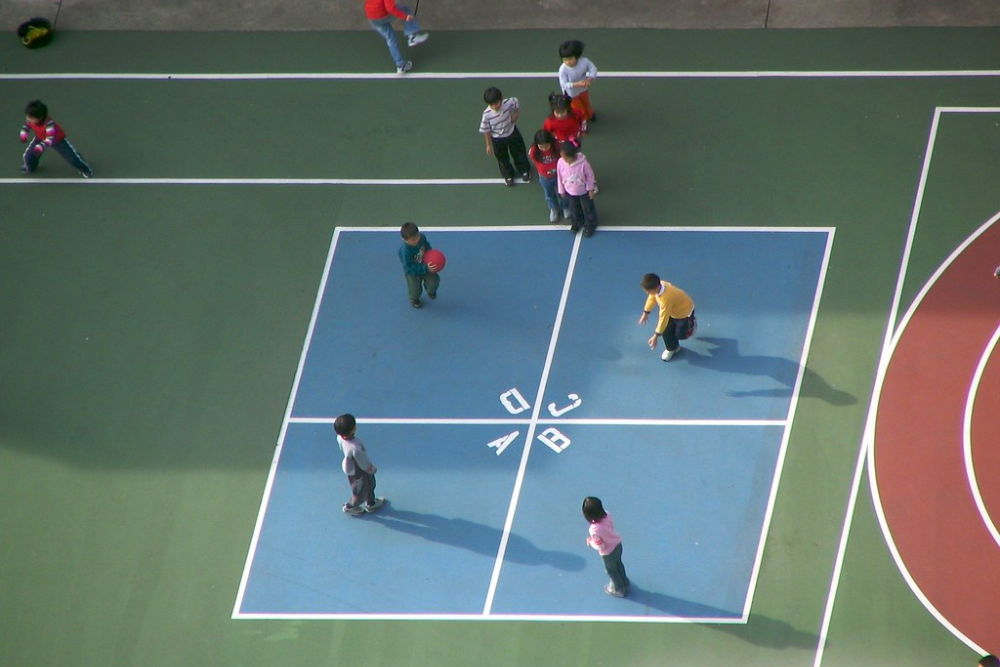
Simple orb bouncing evolved into a complex political hierarchy with constantly changing regulations. The king’s position corrupted even the kindest kids — who’d suddenly implement ridiculous rules like “no babies” or “butterfly touches only.”
Boundary disputes over whether orbs landed in or out could outlast the actual game duration.
Monkey in the Middle

This was institutionalized harassment with a playground toy. Two kids would deliberately throw just out of reach while the middle player jumped desperately for catches.
The throwers enjoyed their power while the monkey grew increasingly frustrated until tears or rage took over. Lord of the Flies with athletic equipment.
Hide and Seek
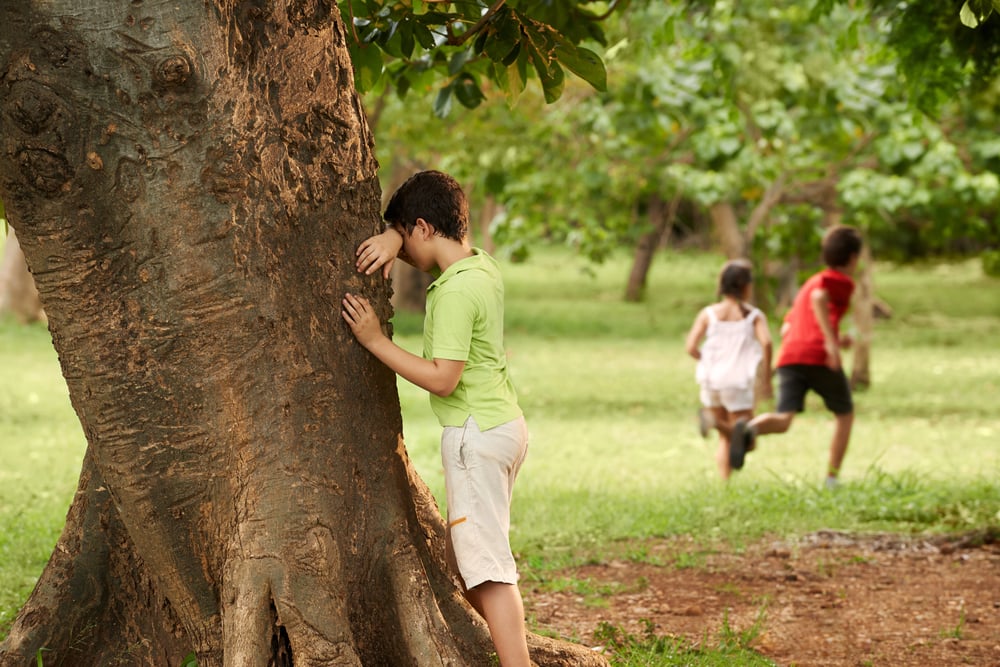
Finding superior hiding spots turned children into tactical geniuses and occasional property trespassers. Real chaos emerged when someone hid too effectively — forcing game cancellation, or when multiple kids squeezed into the same spot in increasingly uncomfortable configurations.
Seekers often surrendered and declared universal discovery, triggering mass protests about fairness.
Like Go2Tutors’s content? Follow us on MSN.
Capture the Flag

Playgrounds became militarized zones with elaborate battle strategies and constantly shifting alliances. Teams developed sophisticated tactics, executed decoy operations, and established territorial boundaries that inevitably sparked diplomatic incidents.
The flag itself frequently got destroyed in combat while victory celebrations devolved into antagonistic displays that ignited fresh conflicts.
Sharks and Minnows

One designated shark attempted to tag passing minnows — sounds straightforward until massive pile-ups occurred when sharks grabbed multiple targets simultaneously. The playground transformed into a human traffic jam while disputes over tagging sequence consumed entire recess periods.
Kickball

Baseball’s playground adaptation imported all the controversy of professional sports into elementary education. Fair versus foul determinations, safe versus out calls, and base-running legitimacy generated more debate than Supreme Court cases.
Pitchers obviously favored friends with easy deliveries while serving impossible kicks to everyone else.
Like Go2Tutors’s content? Follow us on MSN.
Simon Says

Following directions became an exercise in legal technicalities and loophole exploitation. Players argued whether “Simon says touch your nose” differed from “touch your nose, Simon says” while Simon developed increasingly complex commands targeting specific individuals.
Rule negotiations often exceeded actual gameplay duration.
Freeze Dance

Dancing lost its joy when elimination entered the equation. Kids claimed to witness others moving when music stopped, launching investigations and appeals processes.
The definition of “movement” became hotly contested — some argued breathing counted while others insisted only major body shifts warranted elimination.
King of the Hill

Controlling small mounds or playground structures unleashed everyone’s competitive instincts. This was organized physical displacement with the objective being complete opponent removal from designated territory.
Political alliances formed and collapsed within minutes while monarchs rarely maintained power before coordinated overthrows occurred.
Like Go2Tutors’s content? Follow us on MSN.
Tug of War

Simple rope-pulling contests became engineering challenges as teams optimized lineups and developed superior techniques. Ropes would snap unexpectedly or participants would release suddenly, sending teammates tumbling backward.
Victory often depended more on footwear traction than actual strength.
Marco Polo

This aquatic game migrated to dry land with predictably disastrous results. Blindfolded players stumbled around while others avoided contact, creating collisions with equipment, trees, and fellow participants.
Safety concerns multiplied when kids began using obstacles as defensive barriers.
When Playground Politics Ruled

These childhood activities revealed more about human behavior than any psychology textbook. They demonstrated how competition amplifies both noble and problematic traits, that regulations only function with universal compliance, and that disorder frequently emerges from the most basic interactions.
Though many games have been modified or eliminated from contemporary playgrounds due to safety considerations, they remain shared experiences connecting generations of former recess combatants.
Like Go2Tutors’s content? Follow us on MSN.
More from Go2Tutors!

- 16 Historical Figures Who Were Nothing Like You Think
- 12 Things Sold in the 80s That Are Now Illegal
- 15 VHS Tapes That Could Be Worth Thousands
- 17 Historical “What Ifs” That Would Have Changed Everything
- 18 TV Shows That Vanished Without a Finale
Like Go2Tutors’s content? Follow us on MSN.