16 Historic Decisions That Were Made for One Reason—But Changed Everything Else
History often unfolds in unexpected ways. Leaders, inventors, and everyday people make choices with specific goals in mind, yet the ripple effects can dramatically alter the course of human events in ways no one has anticipated. The intended consequences fade into the background while the unintended ones reshape our world.
Here is a list of 16 historic decisions that were made with one clear purpose but ended up changing everything else in profound and unpredictable ways.
The Erie Canal

When New York authorized construction of the Erie Canal in, officials simply wanted a shipping route connecting the Atlantic Ocean to the Great Lakes. Instead, they accidentally transformed America’s economic landscape.
The canal slashed transport costs by %, turned New York City into America’s commercial capital, and accelerated westward expansion. This engineering project meant to move goods ended up moving the entire center of American economic power.
The Printing Press

Johannes Gutenberg developed his printing press around primarily to make money by producing Bibles more efficiently than by hand-copying. His invention did that—and then proceeded to democratize knowledge, fuel the Protestant Reformation, enable the scientific revolution, and create the foundation for mass literacy.
A simple business venture to print religious texts more cheaply became the technology that dismantled the medieval world order.
The Louisiana Purchase

Thomas Jefferson authorized the Louisiana Purchase mainly to secure American navigation rights on the Mississippi River and control the port of New Orleans. For $ million, America unexpectedly gained , square miles—doubling the nation’s size overnight.
This transaction intended to protect trade routes instead created the geographic foundation for America to become a continental power and sparked the massive westward expansion that defined the century.
The Berlin Conference

European powers gathered for the Berlin Conference merely to establish rules for claiming African territories without fighting each other. They ended up redrawing the entire map of Africa, creating arbitrary borders that ignored ethnic and cultural realities.
These artificial boundaries, drawn for European convenience, continue to fuel conflicts and political instability across Africa today, affecting hundreds of millions of lives.
The Chinese Cultural Revolution

When Mao Zedong launched the Cultural Revolution, his stated goal was to preserve Chinese communism by purging capitalist influences. The decade-long campaign devastated China’s education system, destroyed irreplaceable cultural artifacts, and traumatized an entire generation.
A political power move unexpectedly created a cultural rupture so severe that modern China still grapples with its aftermath over fifty years later.
The US Interstate Highway System

The Interstate Highway System was primarily authorized as a defense project, designed to move military equipment efficiently in case of Soviet invasion. Instead, it revolutionized American life by enabling suburbanization, transforming the retail landscape with shopping malls, and cementing car culture into American identity.
A military transportation network accidentally reshaped where and how Americans live, work, and shop.
The Indian Removal Act

President Andrew Jackson pushed the Indian Removal Act to open southeastern lands for white settlement and gold mining. Beyond achieving these immediate goals, the forced relocation created lasting trauma in Native American communities and established legal precedents for government actions against minority populations.
A land grab aimed at immediate economic gain established devastating patterns of displacement that would echo throughout American history.
The Treaty of Versailles

The Treaty of Versailles aimed to permanently weaken Germany and prevent future European wars through harsh penalties. The economic devastation and national humiliation that followed instead created ideal conditions for extremist politics, directly contributing to Adolf Hitler’s rise.
A peace treaty designed to ensure stability inadvertently laid the groundwork for World War II just two decades later.
The Compact Disc

Philips and Sony developed the compact disc simply to offer better audio quality than vinyl records. They couldn’t foresee that the same digital technology would eventually lead to MP3s, file sharing, and the complete restructuring of the music industry.
An attempt to sell premium physical media ultimately created the technological foundation that would make physical media obsolete.
The Three-Field System

Medieval European farmers implemented the three-field crop rotation system merely to improve soil fertility and increase food output. This agricultural technique succeeded spectacularly—creating food surpluses that supported larger populations, enabled urbanization, and freed workers for specialized trades.
A farming technique meant to grow more food helped grow entire civilizations instead.
The Prohibition Amendment

American temperance advocates pushed through Prohibition to reduce alcohol consumption and improve public health. Instead, they inadvertently created a massive illegal market that empowered organized crime syndicates, corrupted law enforcement, and permanently changed American criminal justice.
A moral crusade against drinking helped transform urban crime into big business.
The Computer Mouse

Douglas Engelbart invented the computer mouse simply to make navigating computer screens more intuitive. His humble pointing device became the key that unlocked personal computing for the masses by making computers accessible to non-technical users.
A specialized tool designed for technical professionals became the bridge that would eventually bring computing to billions of ordinary people.
The Soviet Space Program
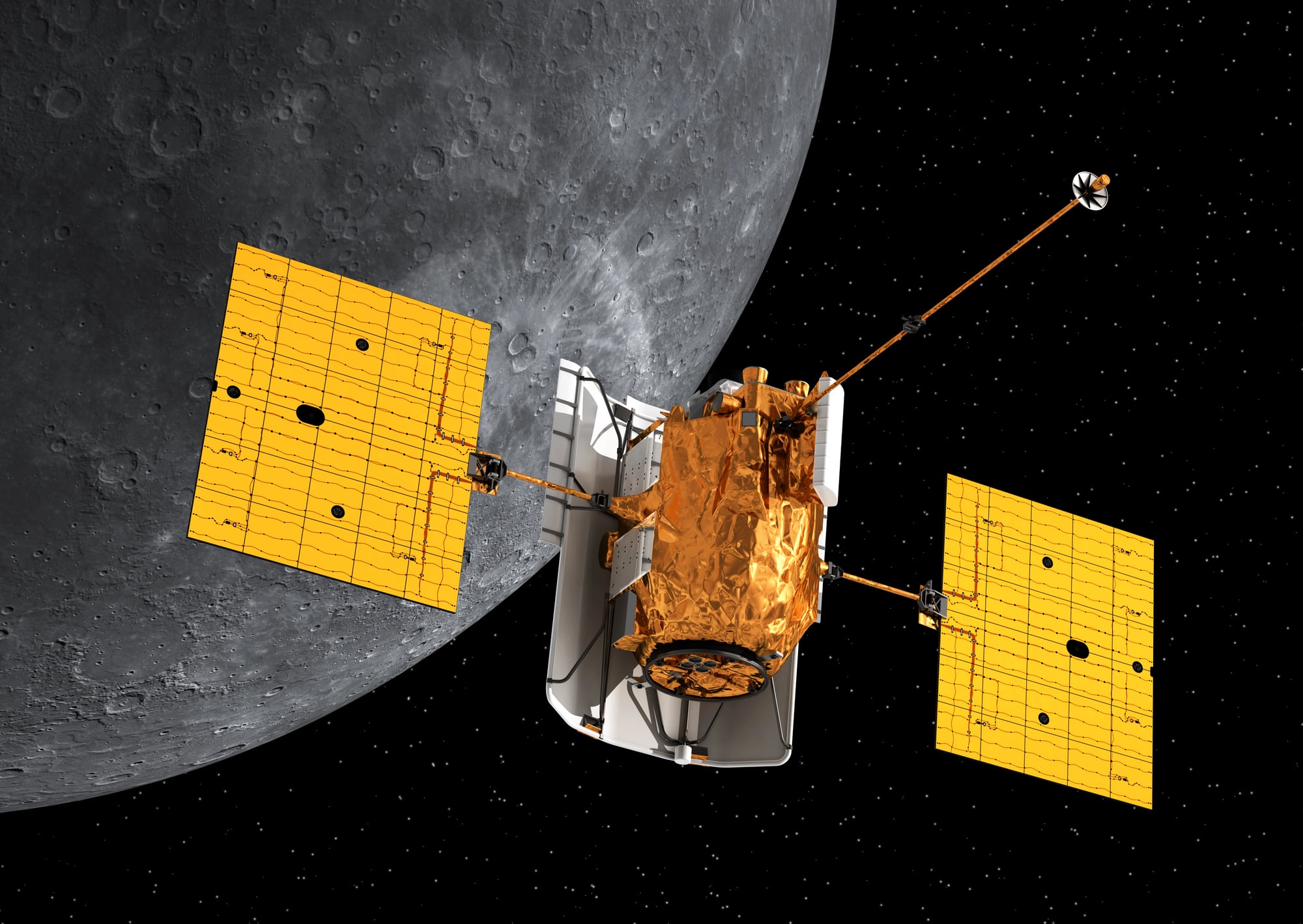
The USSR launched Sputnik primarily as a demonstration of military rocket technology and Communist technological superiority. Beyond these Cold War objectives, it triggered the Space Race, massive American investment in science education, and accelerated development of countless technologies from telecommunications to medicine.
A political statement intended to intimidate rivals accidentally pushed humanity toward the stars.
The Suez Canal

When it opened, the Suez Canal was simply meant to shorten shipping routes between Europe and Asia. It ended up reshaping global trade patterns, accelerating European colonization of Africa, and becoming one of the world’s most strategically important waterways.
A shortcut for ships became a geopolitical linchpin that nations would repeatedly go to war to control.
The Google Search Algorithm

When Larry Page and Sergey Brin developed their PageRank algorithm, they just wanted a better way to find relevant web pages. Their approach to search eventually transformed how information is organized, accessed, and monetized worldwide.
A computer science project designed to index the early internet instead created the foundation for one of the most valuable companies on Earth and changed how humanity interacts with knowledge.
The Roman Roads

Ancient Romans built their famous road network for purely military purposes—to move legions quickly throughout their territories. These roads outlasted the empire itself, becoming the circulatory system for European commerce, communication, and cultural exchange for centuries afterward.
Infrastructure designed for conquest became the skeleton upon which medieval European civilization developed.
A Connected World

History reminds us that human actions rarely stay within their intended boundaries. The most profound changes often come not from what we plan, but from the unexpected consequences that ripple outward from our decisions.
From canals to computers, these momentous choices remind us that our biggest impacts might not be what we intended, but what we set in motion.
More from Go2Tutors!

- The Romanov Crown Jewels and Their Tragic Fate
- 13 Historical Mysteries That Science Still Can’t Solve
- Famous Hoaxes That Fooled the World for Years
- 15 Child Stars with Tragic Adult Lives
- 16 Famous Jewelry Pieces in History
Like Go2Tutors’s content? Follow us on



