16 Common Rocks and What They Tell Us
Most people walk past rocks every day without giving them a second thought, yet these seemingly ordinary stones are actually history books written in mineral form. Each rock carries the story of how it formed—whether from ancient volcanic eruptions, the slow compression of sediments, or the intense heat and pressure deep within the Earth. Learning to read these geological stories can transform a simple walk into a journey through millions of years of Earth’s history.
You don’t need to be a geologist to appreciate what rocks can teach us about our planet’s past. Here’s a list of 16 common rocks and the fascinating stories they tell.
Granite
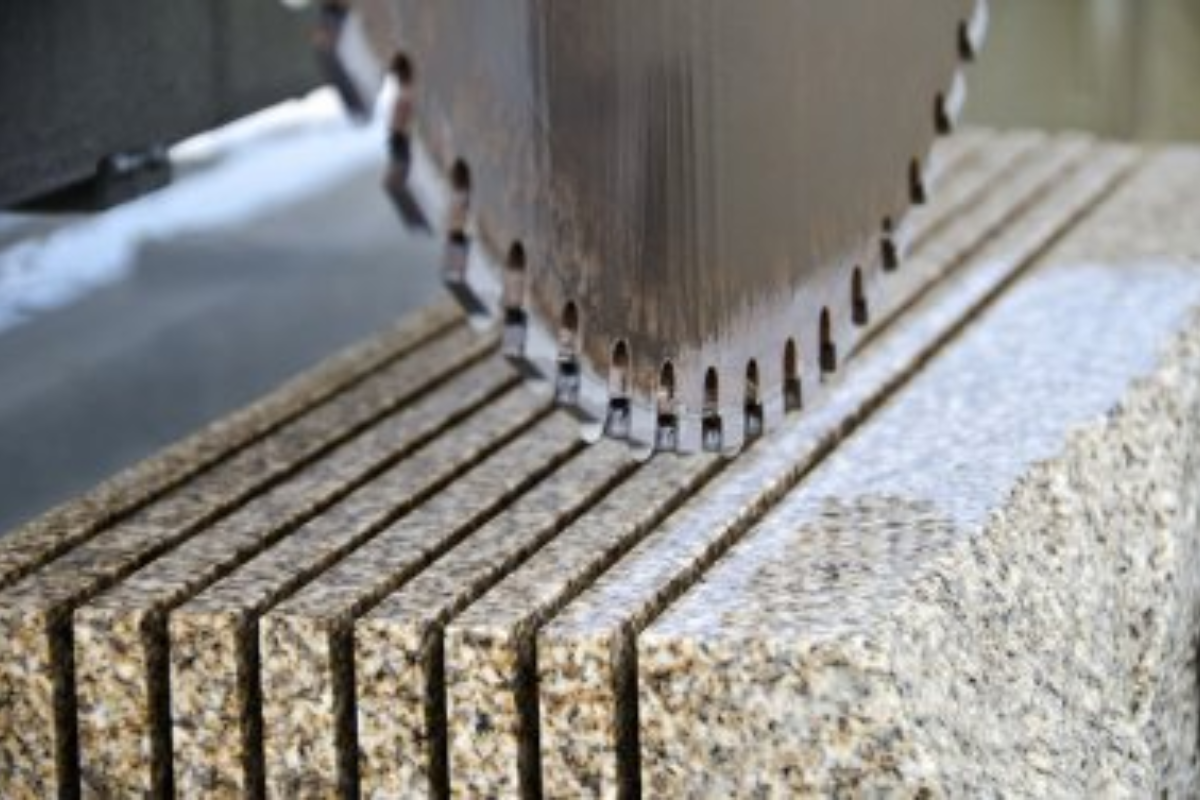
This speckled, coarse-grained rock tells the story of magma that cooled slowly deep underground, giving its crystals time to grow large and visible. You’ll recognize granite by its salt-and-pepper appearance—a mix of light feldspar, dark mica, and glassy quartz crystals.
The slow cooling process means granite formed miles beneath the surface, only exposed after millions of years of erosion wore away the overlying rock.
Limestone

Limestone reveals a watery past filled with ancient marine life—most of it formed from countless tiny shells and coral fragments compressed on ancient ocean floors. You might spot fossils embedded in limestone, direct evidence of creatures that lived in warm, shallow seas millions of years ago.
The rock often fizzes when you drop vinegar on it, a simple test that confirms its calcium carbonate composition.
Like Go2Tutors’s content? Follow us on MSN.
Sandstone
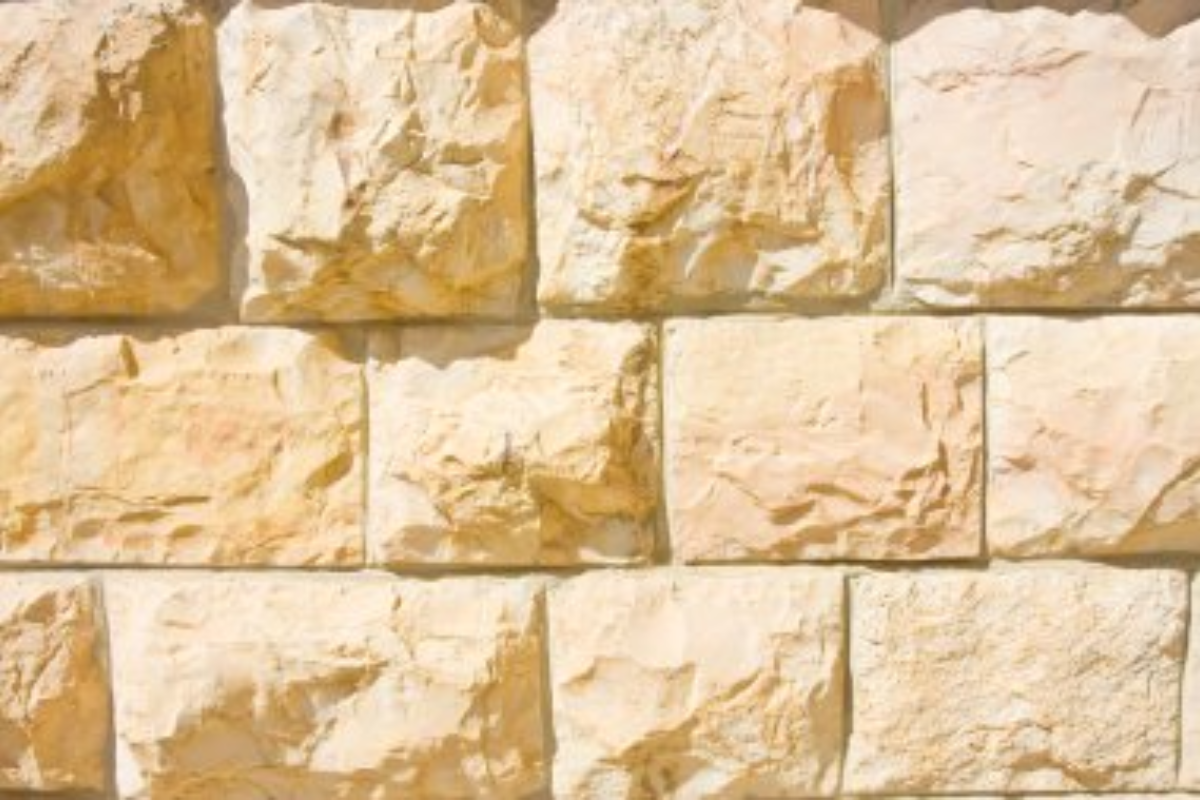
The story sandstone tells is one of ancient beaches, deserts, and riverbeds where sand grains accumulated layer by layer over thousands of years. You can often see these layers as distinct bands of different colors, each representing a different period of deposition.
The size and roundness of the sand grains reveal whether they traveled far (smooth and round) or stayed close to their source (angular and rough).
Slate

Once ordinary shale or mudstone, slate underwent intense pressure and heat that transformed it into something entirely different—a process geologists call metamorphism. The flat, smooth surfaces that split so cleanly made slate perfect for roofing tiles and school chalkboards.
Its formation required just the right amount of heat and pressure; too little and it remains mudstone, too much and it becomes something else entirely.
Marble

Marble began life as limestone but was transformed by heat and pressure into something far more beautiful and durable. The swirling patterns you see are the result of minerals being folded and stretched during this metamorphic process—like puffs being pulled and twisted.
Pure marble is white, though impurities create the stunning colors and patterns that have made it prized by sculptors for centuries.
Like Go2Tutors’s content? Follow us on MSN.
Basalt
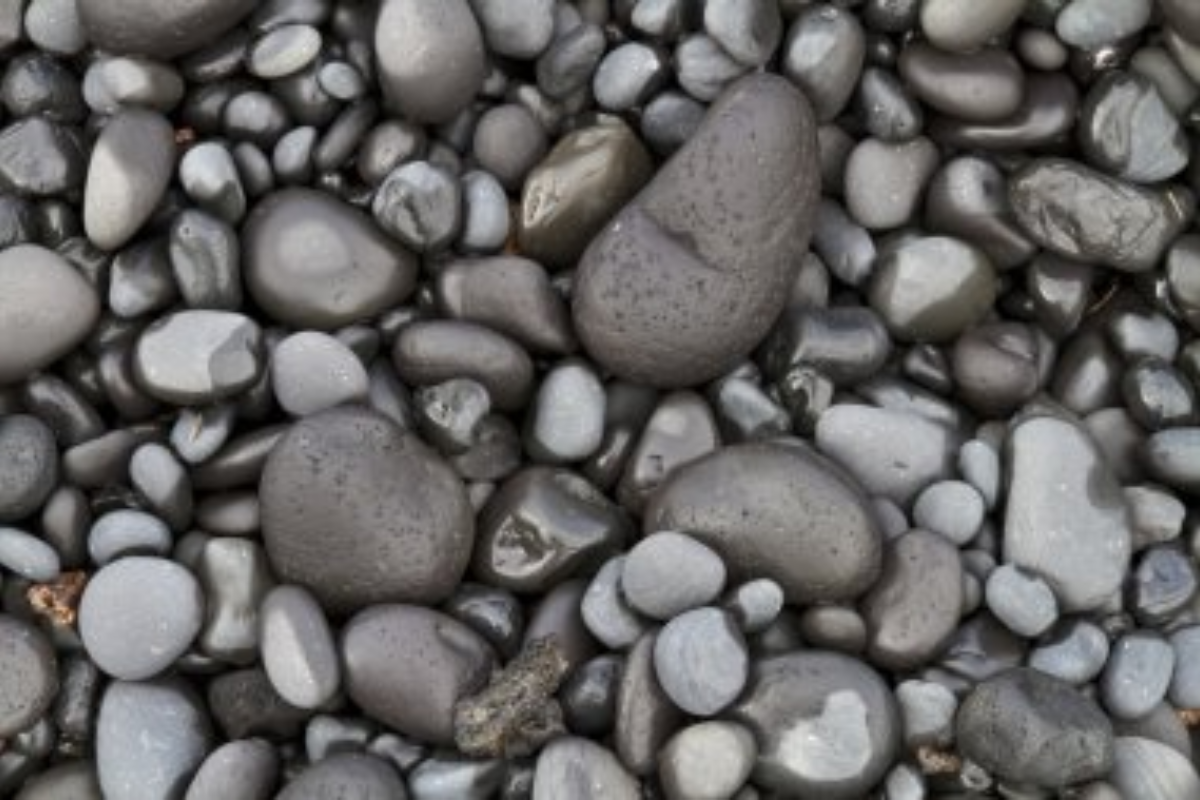
This dark, dense rock tells the story of volcanic eruptions where lava cooled quickly on the Earth’s surface. Basalt makes up most of the ocean floor and forms the foundation of volcanic islands like Hawaii—in fact, it’s the most common volcanic rock on Earth.
The rapid cooling left little time for large crystals to form, giving basalt its fine-grained, almost glassy appearance.
Quartz
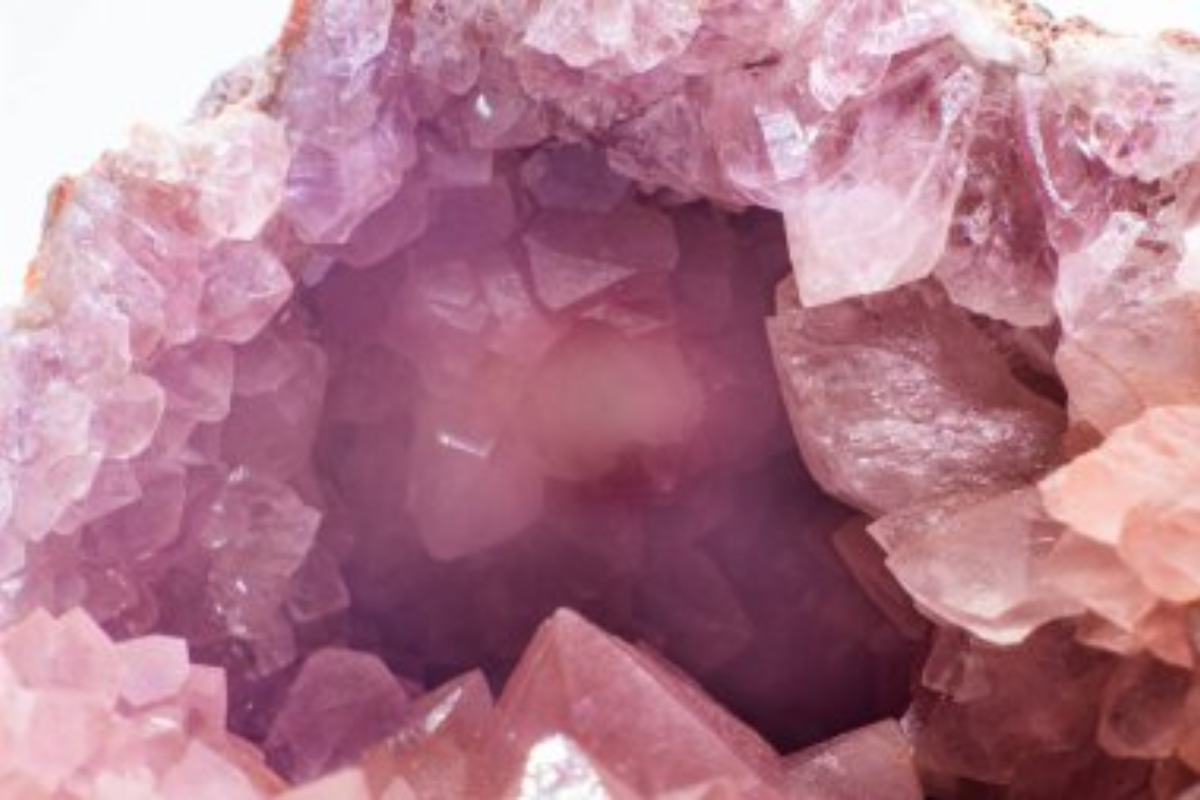
Pure quartz is as clear as glass, though impurities create varieties like smoky quartz, rose quartz, and amethyst that rockhounds prize. This incredibly hard mineral (7 on the hardness scale) resists weathering better than most others, which is why you’ll find quartz pebbles in streams long after softer rocks have crumbled away.
Its durability and abundance make it a key ingredient in concrete and glass manufacturing.
Shale

Shale represents quiet, muddy environments where fine particles settled slowly in ancient lakes, lagoons, or calm ocean waters. The thin layers you can split with your fingernail tell of seasonal changes—perhaps alternating wet and dry periods that deposited different types of sediment.
Oil and natural gas often form within shale layers, making this humble rock economically important despite its soft, crumbly nature.
Like Go2Tutors’s content? Follow us on MSN.
Obsidian
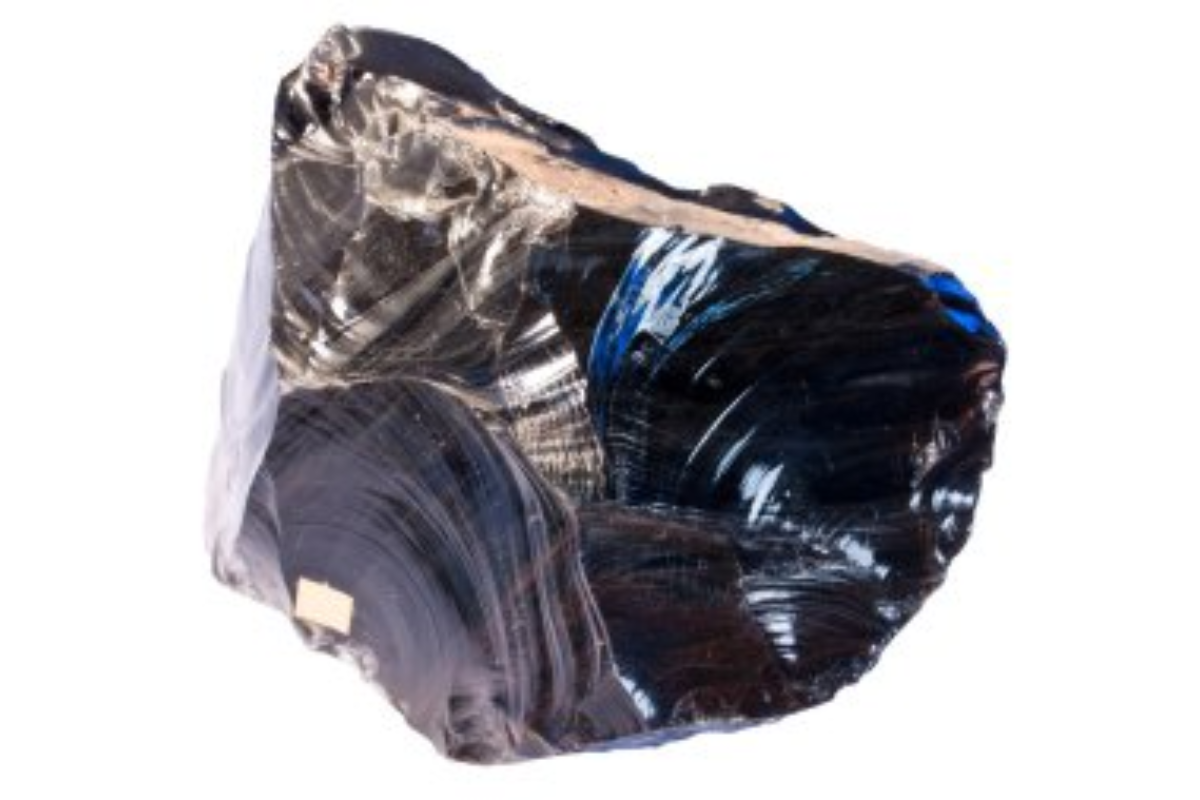
When lava cools so rapidly that crystals don’t have time to form, the result is obsidian—volcanic glass that’s sharper than any steel blade. Ancient peoples prized obsidian for making cutting tools and arrowheads, trading it across vast distances long before metal working developed.
The glossy, mirror-like surface forms because the molten rock froze almost instantly, usually when lava flows into water or air.
Gneiss
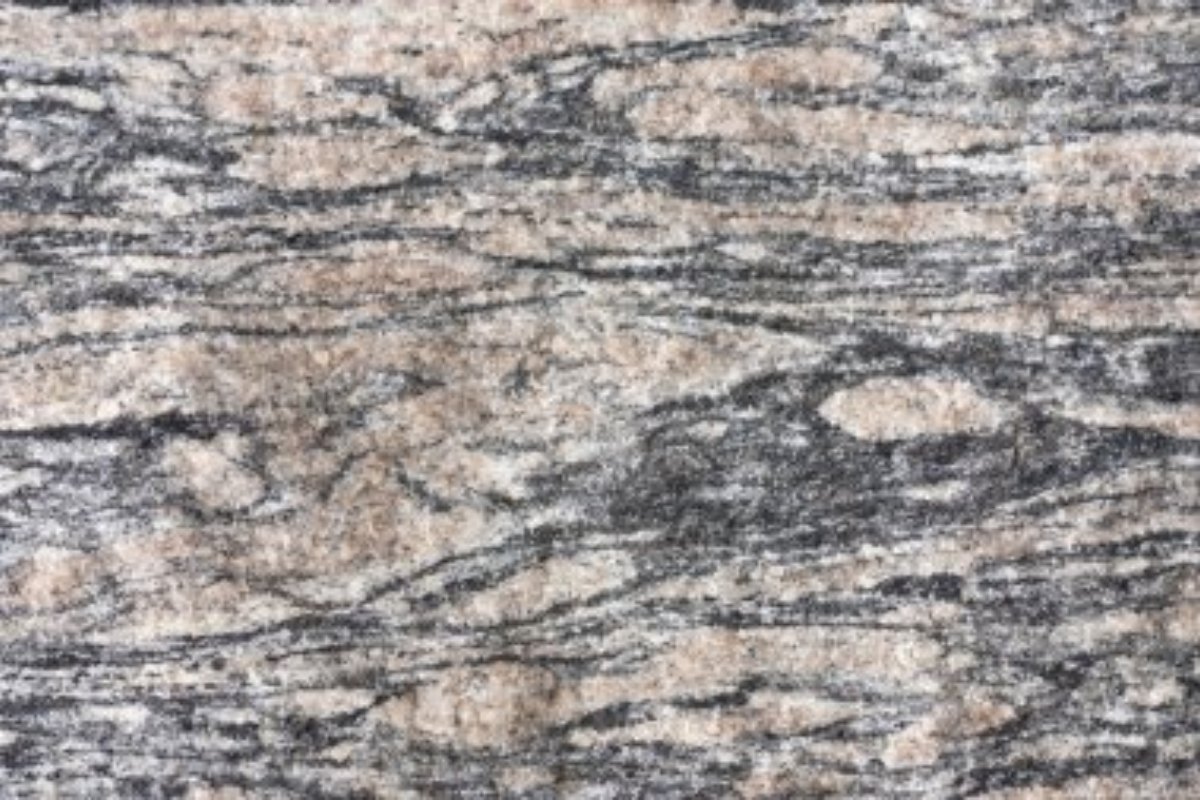
Pronounced ‘nice,’ this banded rock represents extreme metamorphism where heat and pressure were so intense they nearly melted the original rock. The alternating light and dark bands formed as different minerals separated and concentrated into layers—a process that requires temperatures approaching 1,200 degrees Fahrenheit.
Gneiss often forms the ancient cores of mountain ranges, representing some of the oldest rocks on continents.
Conglomerate

Think of conglomerate as nature’s concrete—rounded pebbles and cobbles cemented together by finer material. The rock tells the story of energetic environments like mountain streams or beach shores where water tumbled stones until they became smooth and round.
The variety of rock types within a single conglomerate piece reveals what kinds of rocks were being eroded upstream or along ancient coastlines.
Like Go2Tutors’s content? Follow us on MSN.
Schist
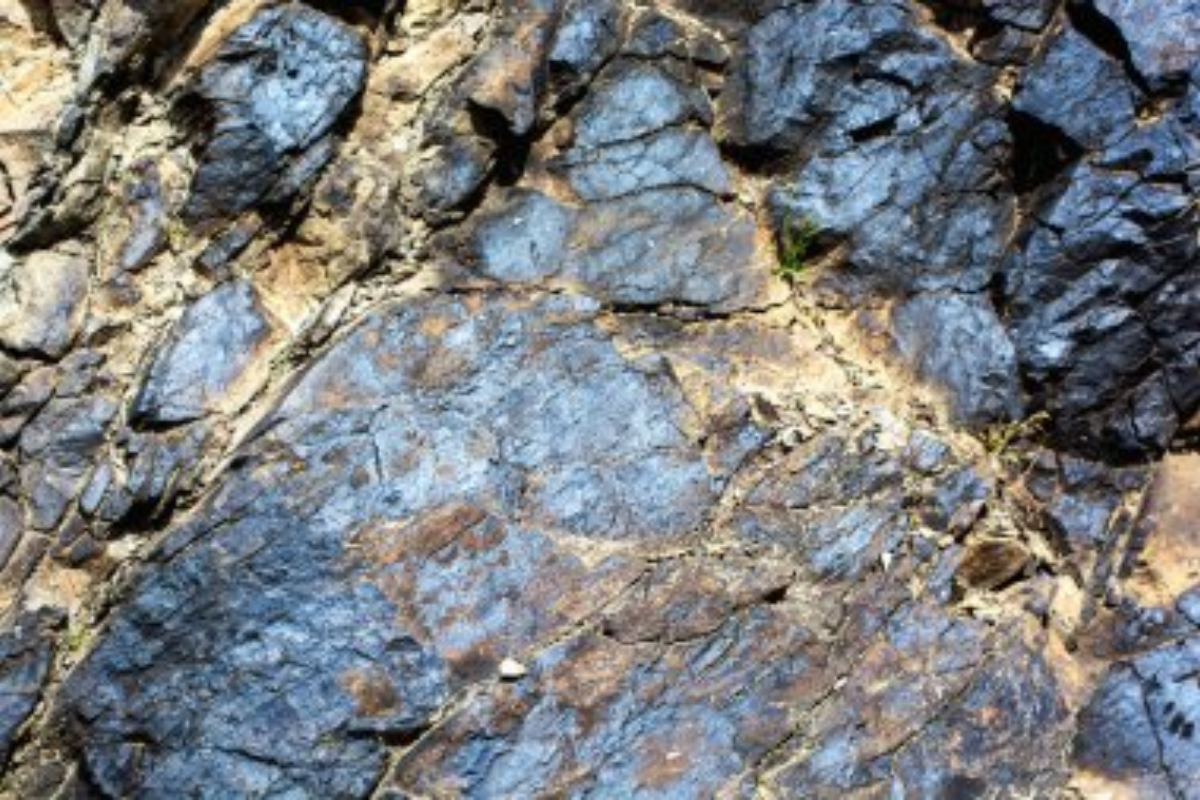
Schist takes its name from the Greek word for ‘split,’ referring to its tendency to break along parallel planes created by aligned mica crystals. This medium-grade metamorphic rock represents conditions more intense than those that create slate but less extreme than those that form gneiss.
The shiny, flaky appearance comes from mica minerals that grew during metamorphism, creating surfaces that catch and reflect light.
Pumice
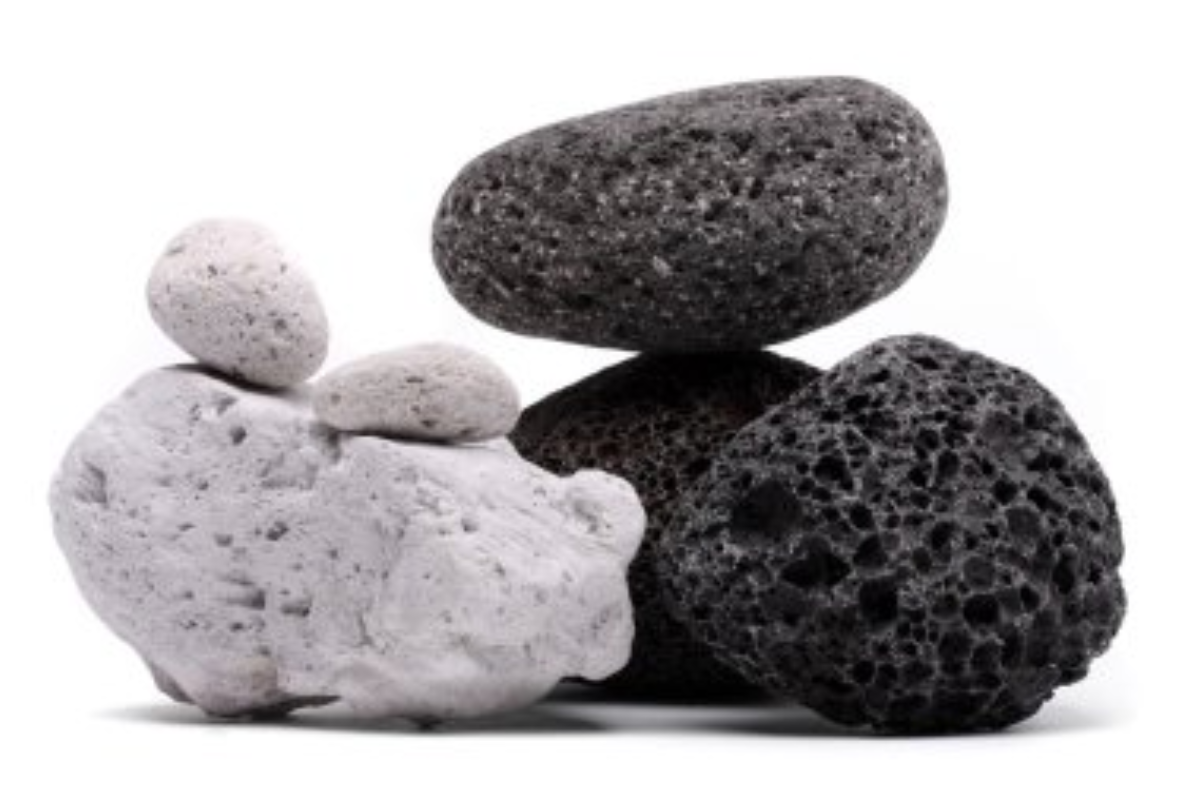
This frothy volcanic rock is so full of gas bubbles that it actually floats on water—the only rock with that distinction. Pumice forms when gas-rich lava is ejected from a volcano and cools rapidly while the gas bubbles are still expanding.
The result is a rock that’s more air than solid material, light enough to be carried hundreds of miles by ocean currents after major volcanic eruptions.
Flint

Also known as chert, flint represents one of humanity’s most important early technologies—a rock hard enough and sharp enough to start fires and make cutting tools. This sedimentary rock formed from the accumulated remains of microscopic marine organisms in ancient seas, concentrating silica into dense, fine-grained deposits.
The way flint fractures creates incredibly sharp edges that were essential for human survival for thousands of years.
Like Go2Tutors’s content? Follow us on MSN.
Serpentine

This green, often mottled rock gets its name from its resemblance to snake skin, formed when water interacts with certain minerals deep in the Earth’s crust. Serpentine often indicates areas where the ancient ocean floor was pushed up onto continents during mountain-building episodes.
The rock feels slippery or soapy to the touch and was once used to make talcum powder before asbestos concerns ended that practice.
Coal
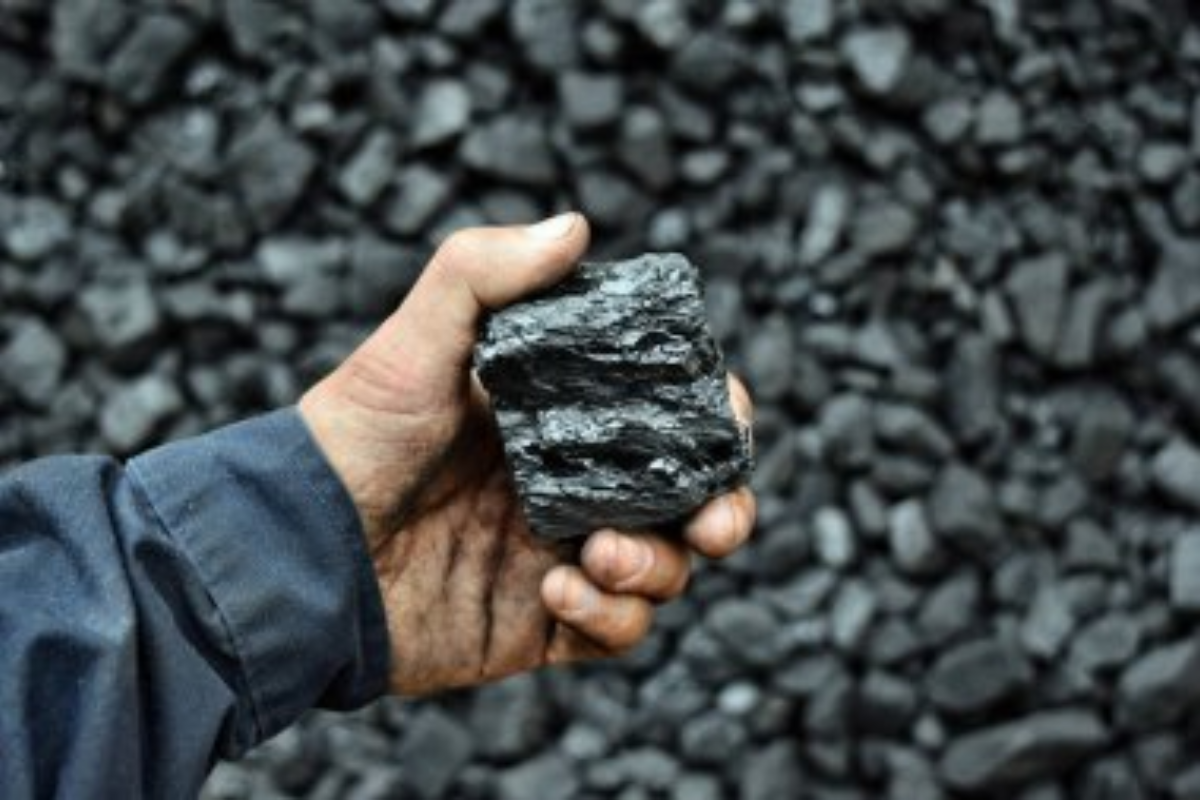
Coal represents the compressed remains of ancient swamp forests that grew hundreds of millions of years ago in warm, humid climates. Layer upon layer of dead vegetation accumulated faster than it could decay, eventually being buried and compressed into this carbon-rich rock.
The quality of coal depends on how much pressure and heat it experiences—from soft lignite to hard anthracite that burns cleanly and hot.
Reading Earth’s Biography
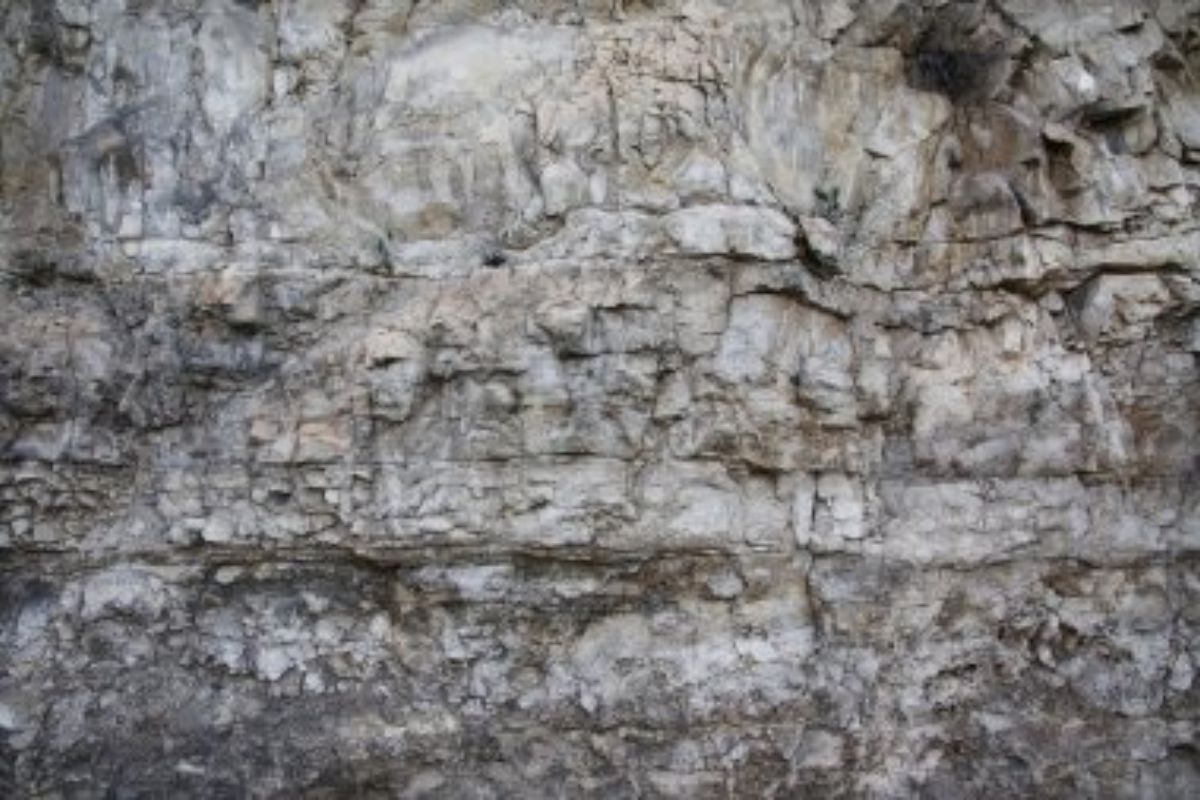
These rocks aren’t just geological curiosities—they’re the pages of Earth’s autobiography, written in stone over billions of years. Each specimen tells part of a larger story about changing climates, shifting continents, and the endless cycle of destruction and creation that shapes our planet.
Understanding what rocks reveal helps us appreciate that the solid ground beneath our feet is anything but permanent, constantly changing through processes that operate on timescales far beyond human experience. The next time you pick up an ordinary-looking stone, remember that you’re holding a piece of Earth’s history that took millions of years to write.
Like Go2Tutors’s content? Follow us on MSN.
More from Go2Tutors!

- 16 Restaurant Chains That Went Too Fast
- 12 Things Sold in the 80s That Are Now Illegal
- 15 Strange Things People Have Tried to Ban (And Failed)
- 16 Collectibles People Tossed Out Too Soon
- 17 Myths from Your Childhood That Were Actually Based on Real Things
Like Go2Tutors’s content? Follow us on MSN.



