18 Plants That Actively Hunt Their Prey
The majority of people believe that plants are calm, immobile creatures that photosynthesize in the corner. However, this benign picture is challenged by the darker side of nature. Some plants have developed into highly skilled predators, with hunting techniques, complex traps, and digestive enzymes that would make any carnivore proud.
These 18 plants aggressively seek out and seize their next food, reversing the animal kingdom’s dominance.
Venus Flytrap

The Venus flytrap stands as nature’s most famous plant predator, and for good reason. This North Carolina native has transformed its leaves into spring-loaded traps that snap shut faster than you can blink.
When an unsuspecting insect touches two trigger hairs within 20 seconds, the trap slams closed with enough force to keep even struggling prey locked inside. The plant then releases digestive juices that slowly break down its victim over the course of several days.
Pitcher Plants
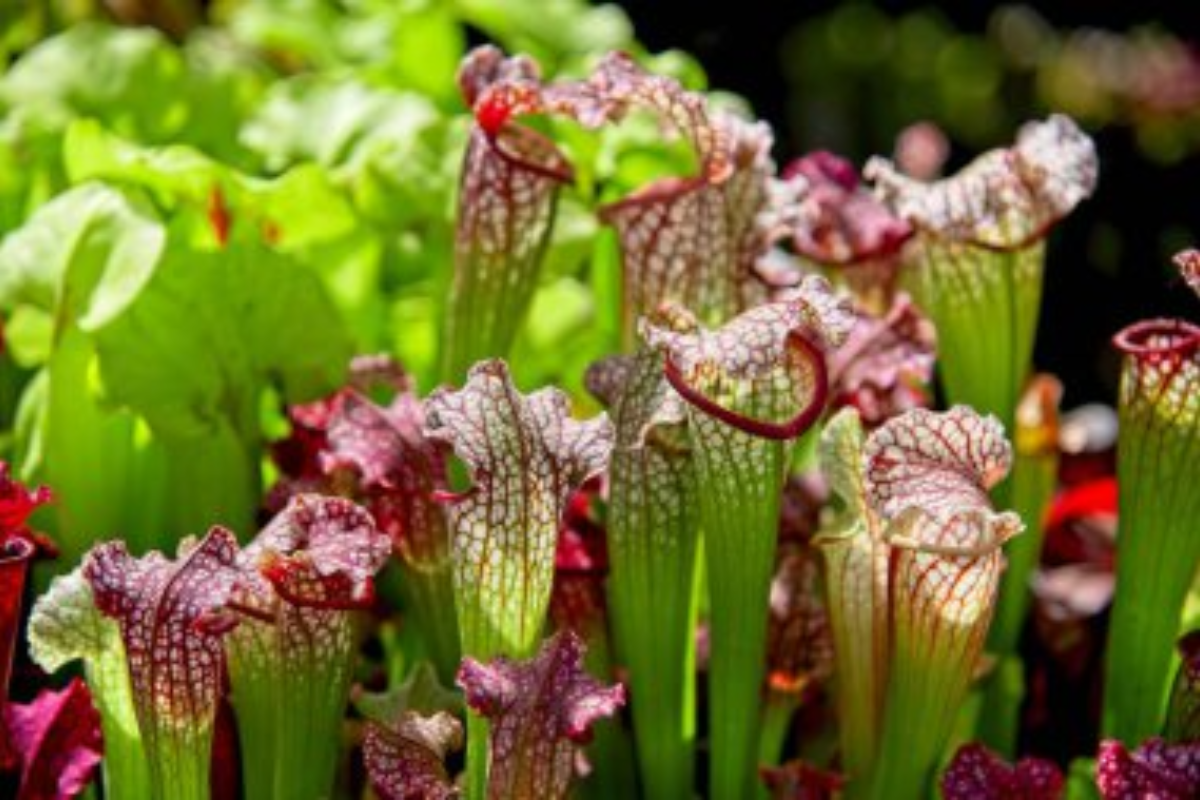
Pitcher plants have mastered the art of the perfect ambush. These botanical assassins create deep, slippery wells filled with digestive fluid that insects simply can’t escape once they fall in.
The rim of each pitcher is coated with a waxy substance that makes climbing out nearly impossible, while downward-pointing hairs ensure that any upward movement becomes a futile struggle. Some species even add a narcotic nectar that drugs their prey into a stupor before the final plunge.
Like Go2Tutors’s content? Follow us on MSN.
Sundews
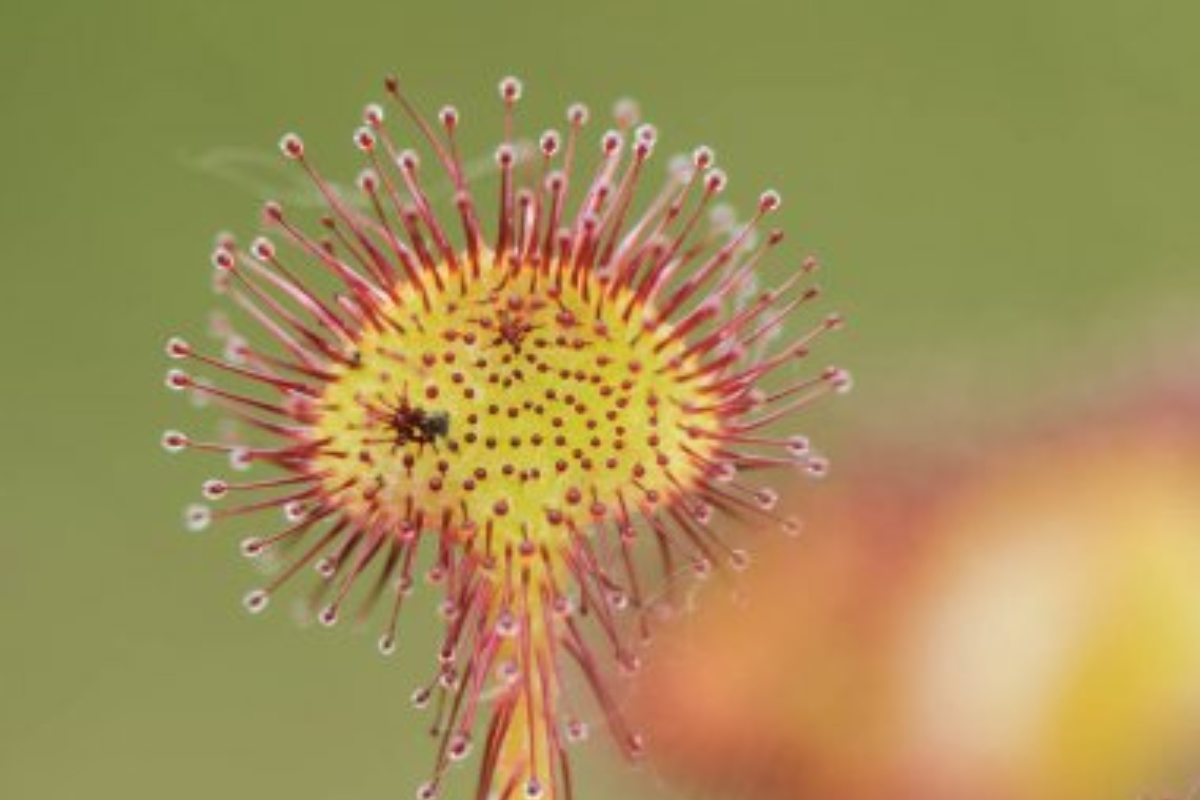
Sundews function similarly to live flypaper, but with a darker twist. Each of the hundreds of tiny tentacles that cover their leaves has a shimmering droplet of sticky mucilage on top that remarkably resembles morning dew.
As more tentacles gradually wrap around them, insects drawn to what looks like water actually become stuck to the plant’s surface and are unable to escape. The caught prey is subsequently digested while still alive by the enzymes secreted by the plant.
Bladderworts
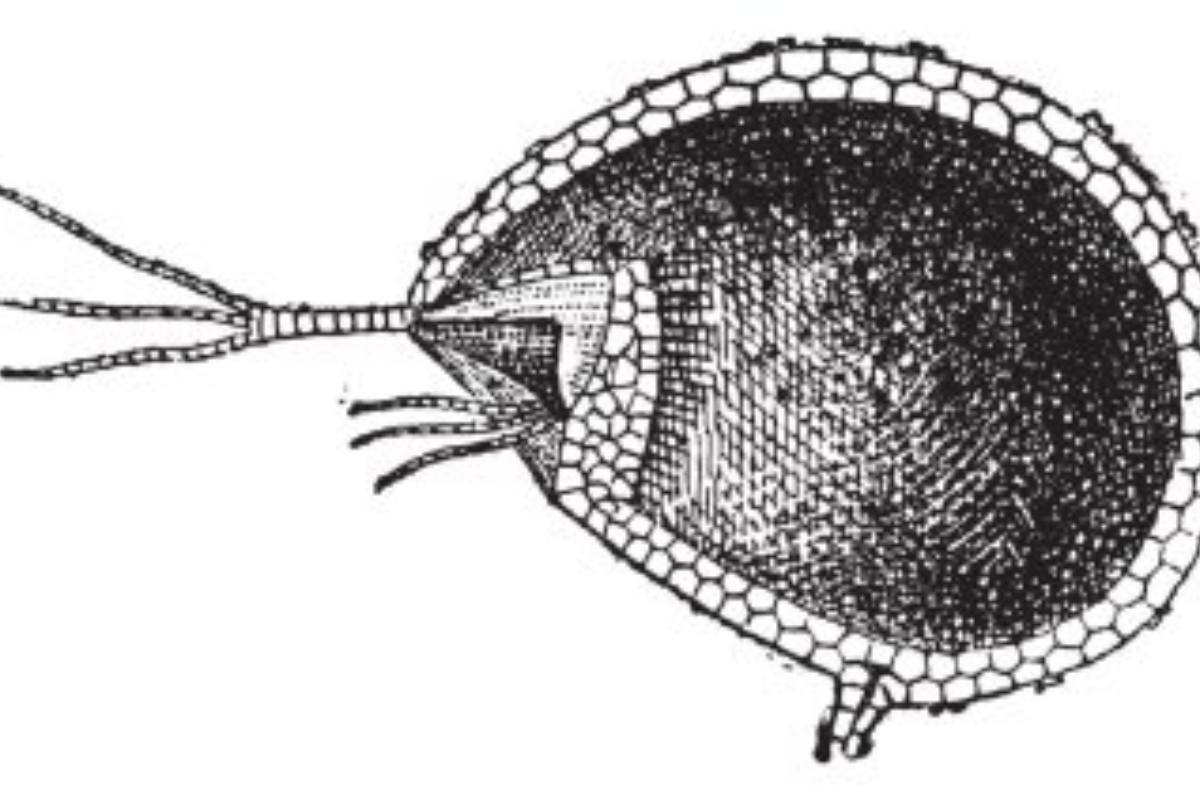
Bladderworts have engineered one of nature’s most sophisticated vacuum traps. These aquatic hunters create tiny bladders with partial vacuums inside, complete with a trapdoor mechanism that’s triggered by microscopic hairs.
When a water flea or other small organism brushes against these hairs, the door springs open and the vacuum sucks the prey inside in less than a millisecond. It’s faster than the blink of an eye and absolutely inescapable.
Cobra Plant
The cobra plant earns its name from its distinctive hooded appearance, but this resemblance to a venomous snake is no coincidence. Native to boggy areas of Northern California and Oregon, this plant creates a twisted, tortuous path that confuses insects can’t navigate.
The hood contains translucent windows that create false exits, leading prey deeper into the trap rather than toward freedom. Once inside, downward-pointing hairs make retreat impossible.
Like Go2Tutors’s content? Follow us on MSN.
Butterworts
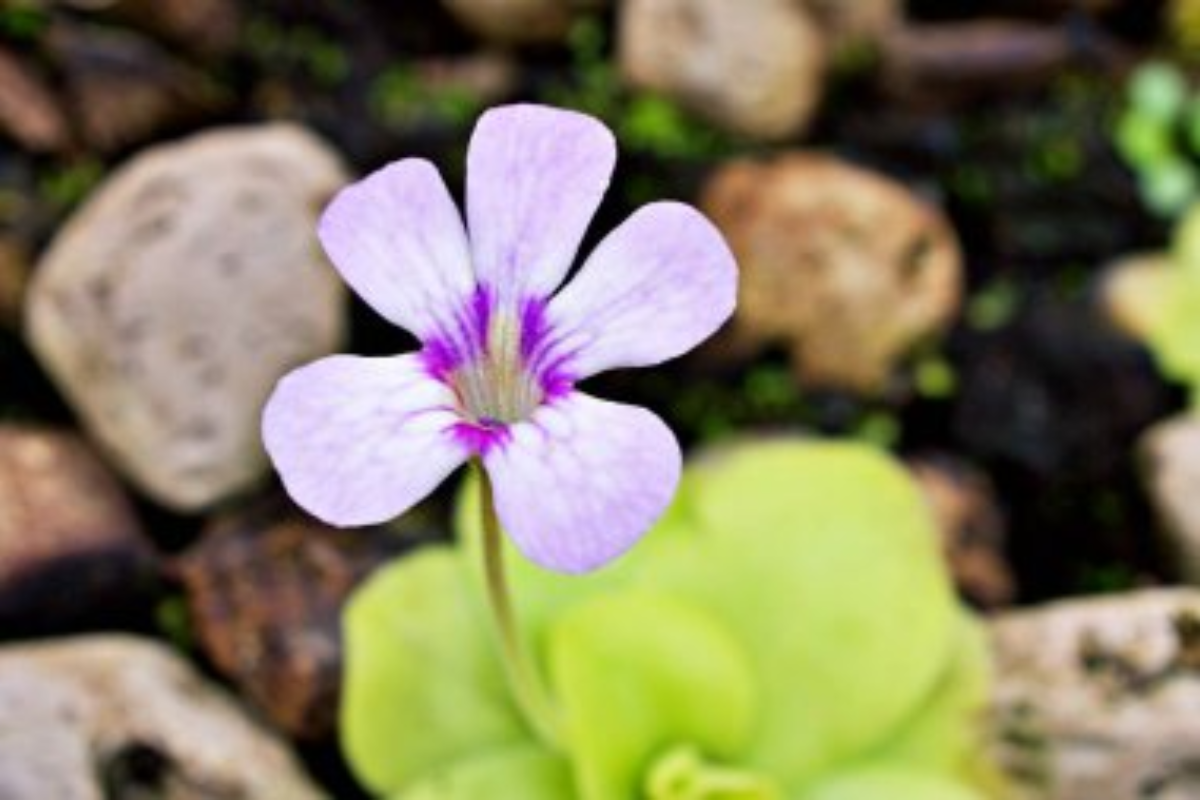
Butterworts might look like innocent violets, but their seemingly delicate leaves hide a greasy secret. The entire surface of each leaf is covered in thousands of tiny glands that secrete a butter-like substance, giving the plant its common name.
Small insects that land on these leaves become mired in the oily coating, much like a fly stuck to a greasy kitchen counter. The plant then slowly digests its catch using specialized enzymes.
Dewy Pine
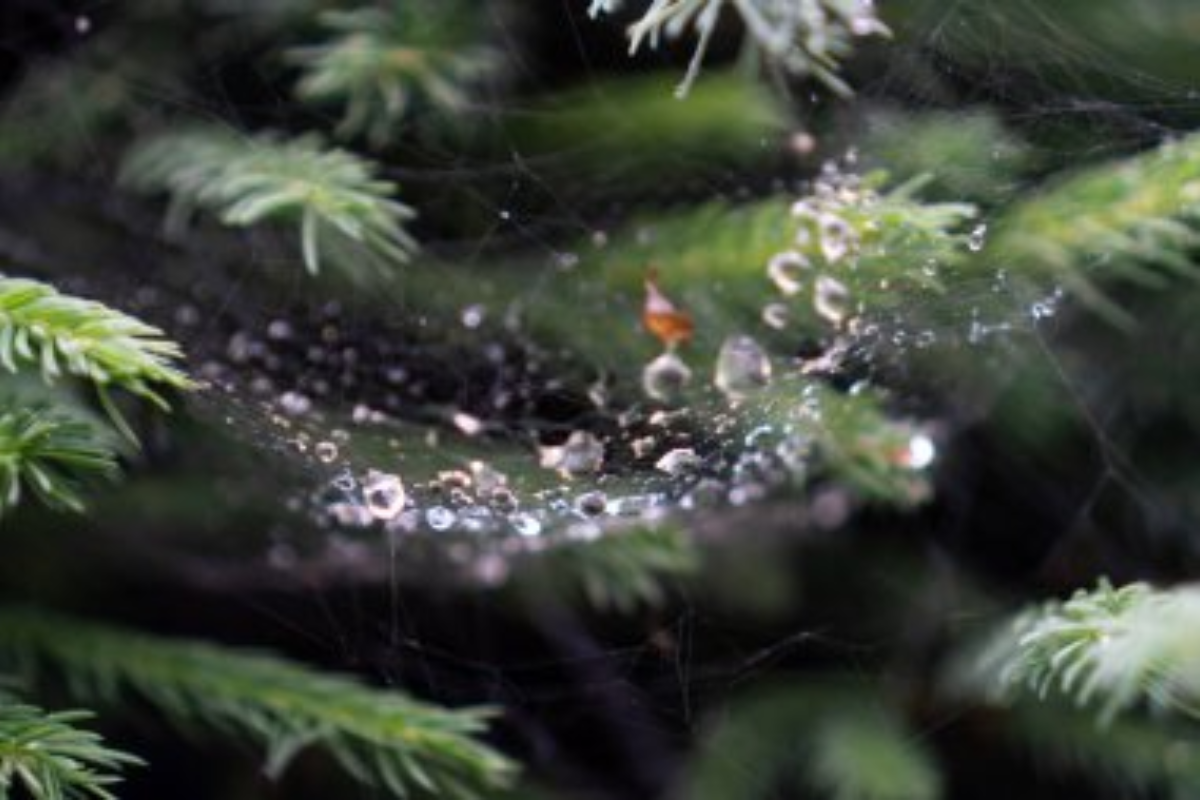
The dewy pine, despite its name, isn’t actually a pine tree but rather a crafty carnivorous plant from South Africa. Its thread-like leaves glisten with what appears to be harmless dew, but this moisture is actually a powerful adhesive that traps small insects.
The plant can even detect struggling prey and slowly curl its leaves to ensure a secure grip. This movement is so gradual that it’s almost imperceptible, making escape nearly impossible.
Waterwheel Plant
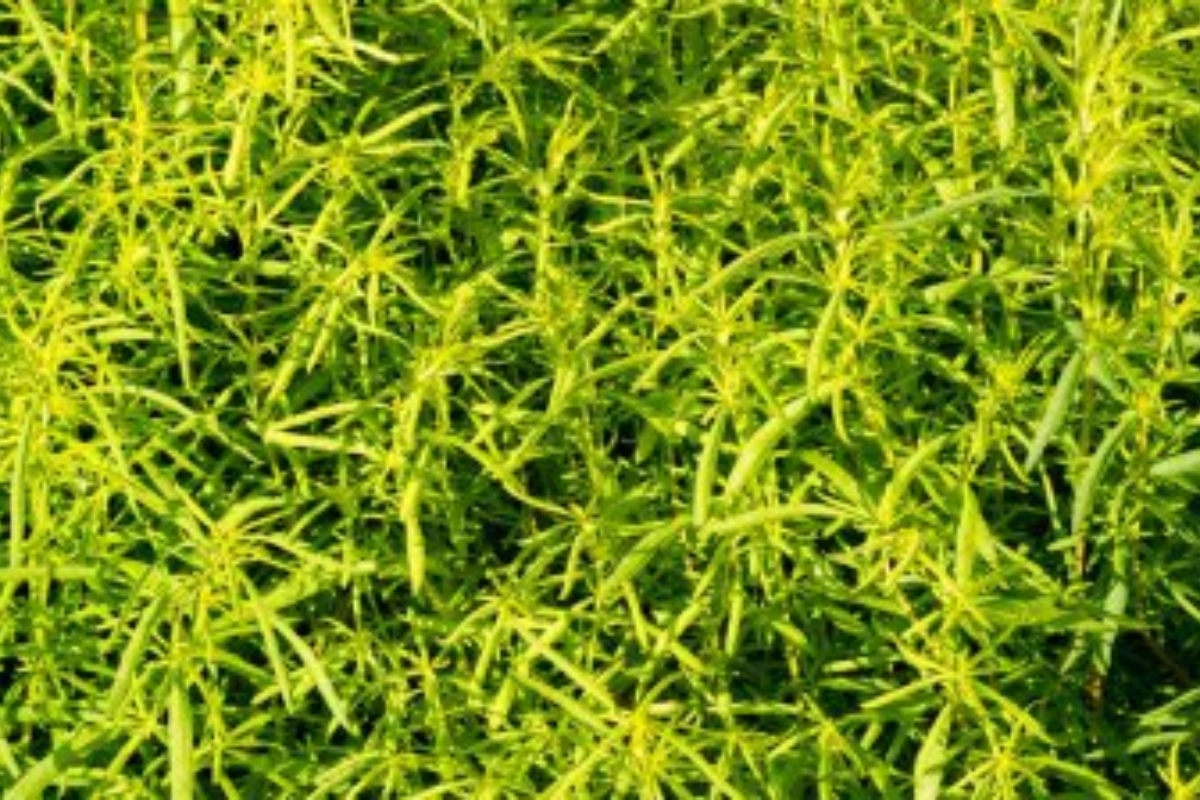
The waterwheel plant represents aquatic carnivory at its finest. This free-floating hunter drifts through ponds and streams with wheel-like arrangements of snap traps that function similarly to Venus flytraps but underwater.
Each trap can snap shut in just a few milliseconds when triggered by tiny aquatic creatures. The plant’s ability to reset and reuse its traps makes it an efficient underwater predator that can capture multiple prey items throughout the day.
Like Go2Tutors’s content? Follow us on MSN.
Albany Pitcher Plant
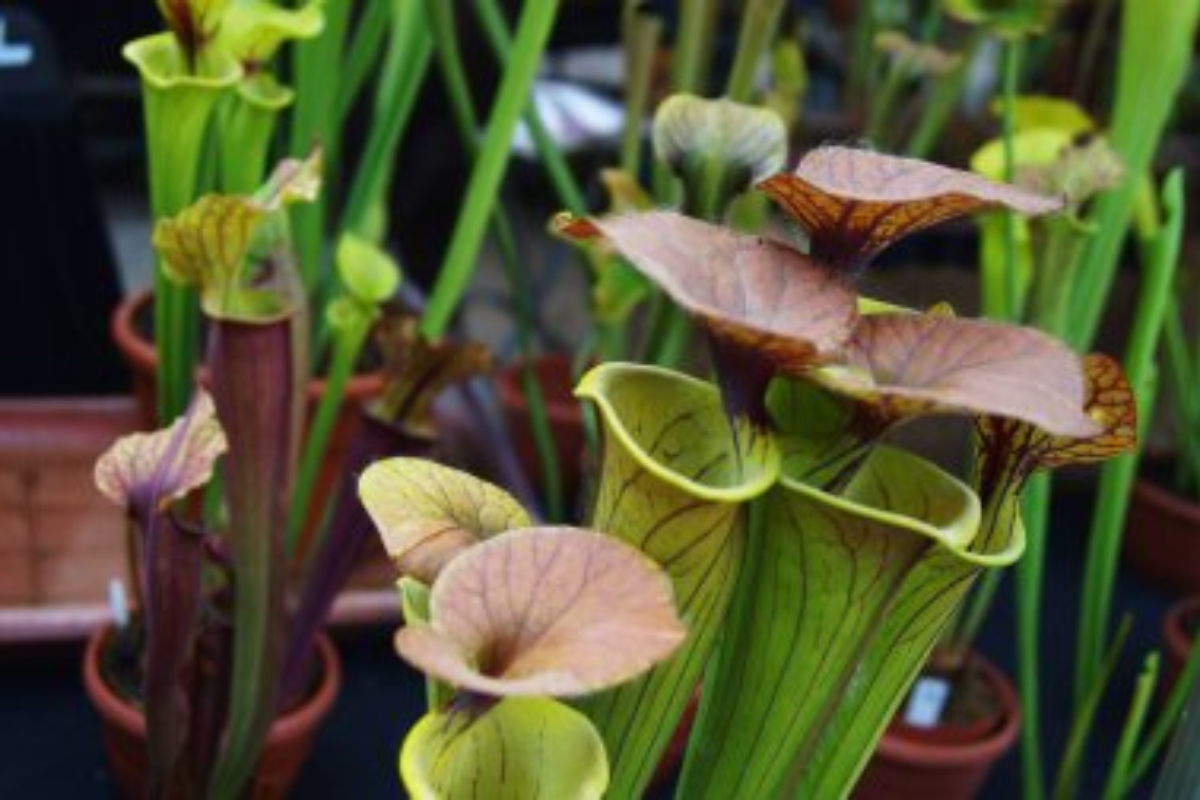
The Albany pitcher plant from Western Australia has developed one of the most elegant trap designs in the plant kingdom. Its pitchers feature a distinctive collar that acts like a lobster trap, allowing insects to enter easily but making exit nearly impossible.
The interior walls are lined with downward-pointing scales that create a one-way path toward the digestive zone. Native populations of this plant have been observed capturing everything from ants to small lizards.
Corkscrew Plant
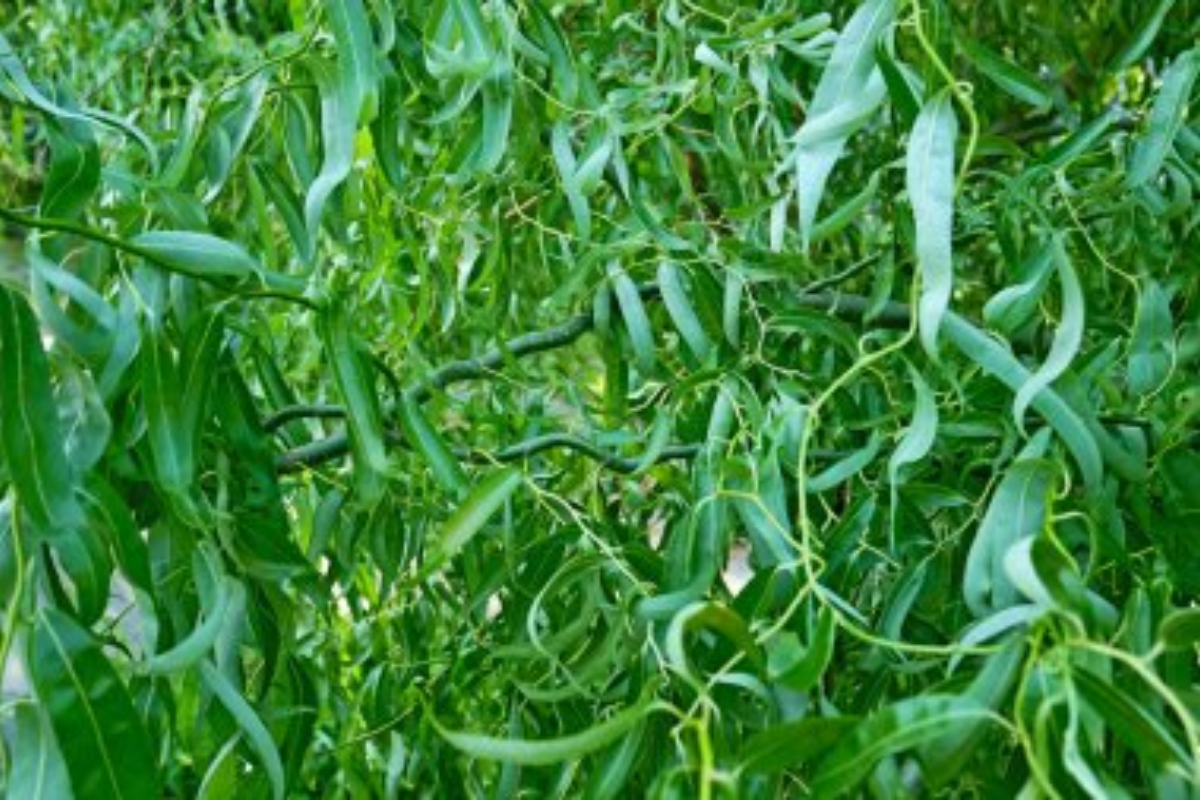
The corkscrew plant lives up to its name with spiral-shaped traps that resemble tiny glass corkscrews. These South African natives create a maze-like entrance that small organisms can navigate going in but become hopelessly lost trying to exit.
The transparent walls of the trap allow light to filter through, creating the illusion of multiple escape routes that actually lead nowhere. This optical confusion ensures that prey remains trapped until digestion is complete.
Trumpet Pitcher
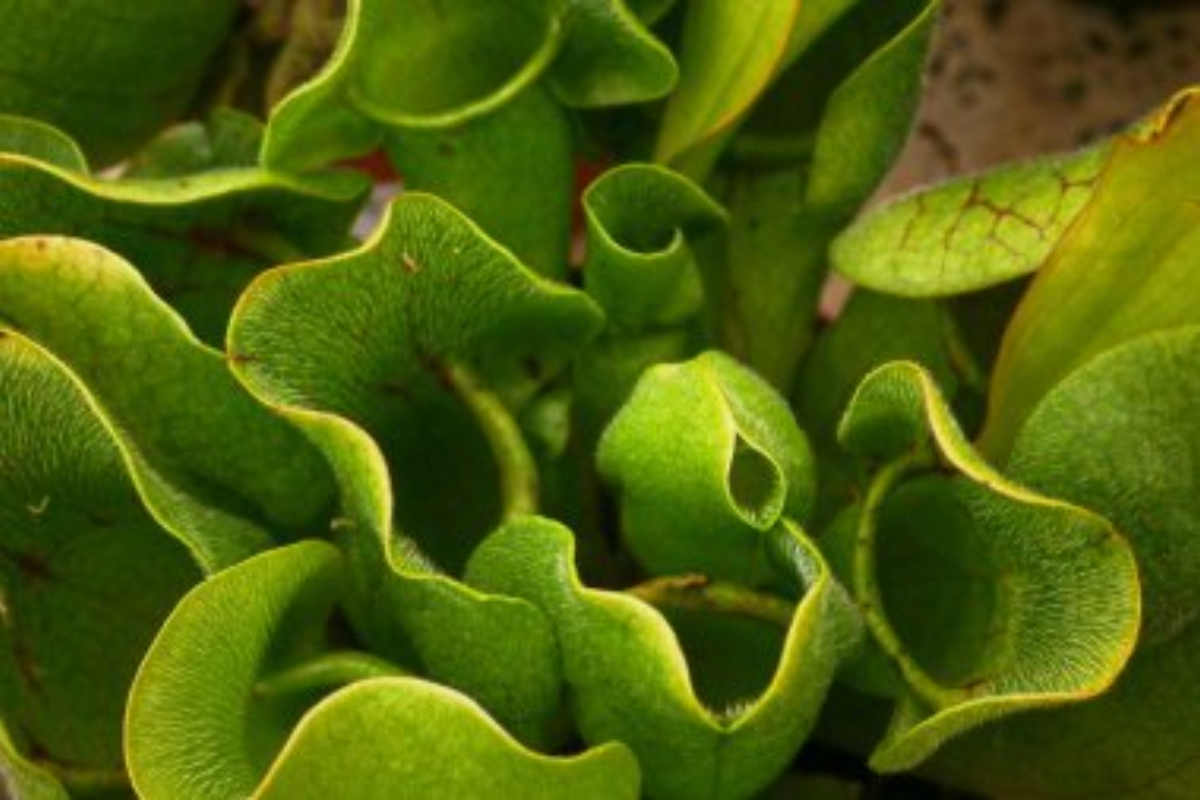
Trumpet pitchers from the southeastern United States have evolved into specialized insect-catching machines. Their tall, elegant pitchers can reach over three feet in height and are designed with a flared rim that acts like a landing pad for flying insects.
The interior features multiple zones of specialized hairs and slippery surfaces that guide prey steadily downward toward the digestive chamber. Some species even produce their own insect-attracting pheromones to lure prey from considerable distances.
Like Go2Tutors’s content? Follow us on MSN.
Rainbow Plant

The rainbow plant from Australia creates some of nature’s most beautiful death traps. Its leaves curve gracefully upward and are covered in droplets that catch sunlight to create rainbow-like prismatic effects.
These colorful displays serve as irresistible lures for insects, which become stuck in the adhesive secretions covering each leaf. The plant’s ability to slowly curl its leaves around captured prey ensures that nothing escapes once the trap is sprung.
Monkey Cup
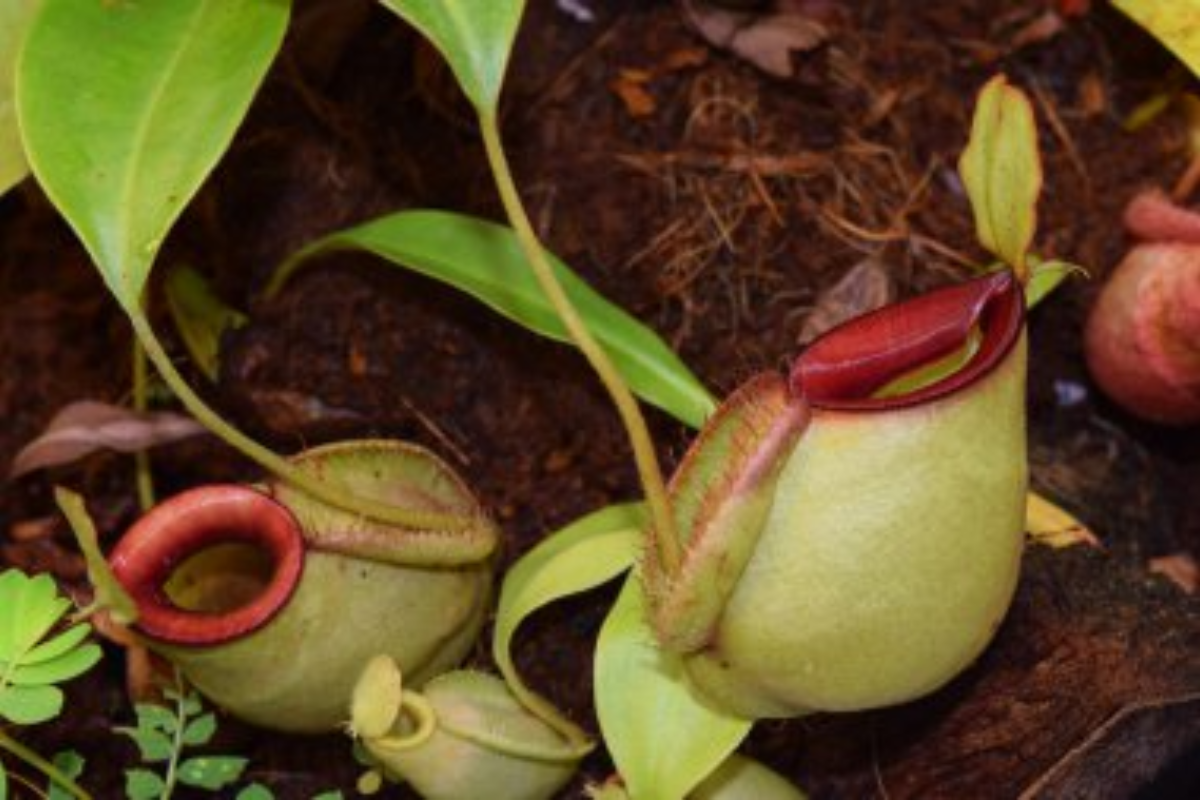
Monkey cups, native to Southeast Asia, have developed some of the largest carnivorous plant traps in the world. These impressive pitchers can hold several cups of fluid and are capable of capturing prey as large as small frogs and even young birds.
The rim of each pitcher is engineered with microscopic ridges that become incredibly slippery when wet, ensuring that anything attempting to drink from the rim will lose its footing and tumble into the digestive soup below.
Lobster Pot Plant

The lobster pot plant from Western Australia has created an underground hunting system that’s as effective as it is invisible. Most of the plant grows beneath the soil surface, with only small white flowers appearing above ground.
Underground, the plant creates a network of lobster pot-style traps that capture soil-dwelling organisms like springtails and mites. These subterranean hunters can remain active year-round, making them incredibly efficient at exploiting their underground ecosystem.
Like Go2Tutors’s content? Follow us on MSN.
Snap Tentacle Sundew
The snap tentacle sundew combines the sticky traps of traditional sundews with the rapid movement of a Venus flytrap. Found in South Africa, this plant features specialized tentacles that can snap forward to grab prey in a fraction of a second.
The tentacles are coated with adhesive droplets, but unlike other sundews, they can actively reach out and capture moving prey rather than waiting for it to become stuck. This active hunting strategy makes them particularly effective at catching quick-moving insects.
Catapult Plant

The catapult plant from South Africa has evolved one of the most unusual hunting mechanisms in the plant kingdom. When small insects land on its modified leaves, trigger hairs detect their presence and launch them toward the plant’s sticky traps using a catapult-like motion.
This projectile system ensures that the prey lands directly on the most adhesive part of the plant, where escape becomes impossible. The accuracy of this launching system is remarkably precise for a plant mechanism.
Thread-Leaf Sundew
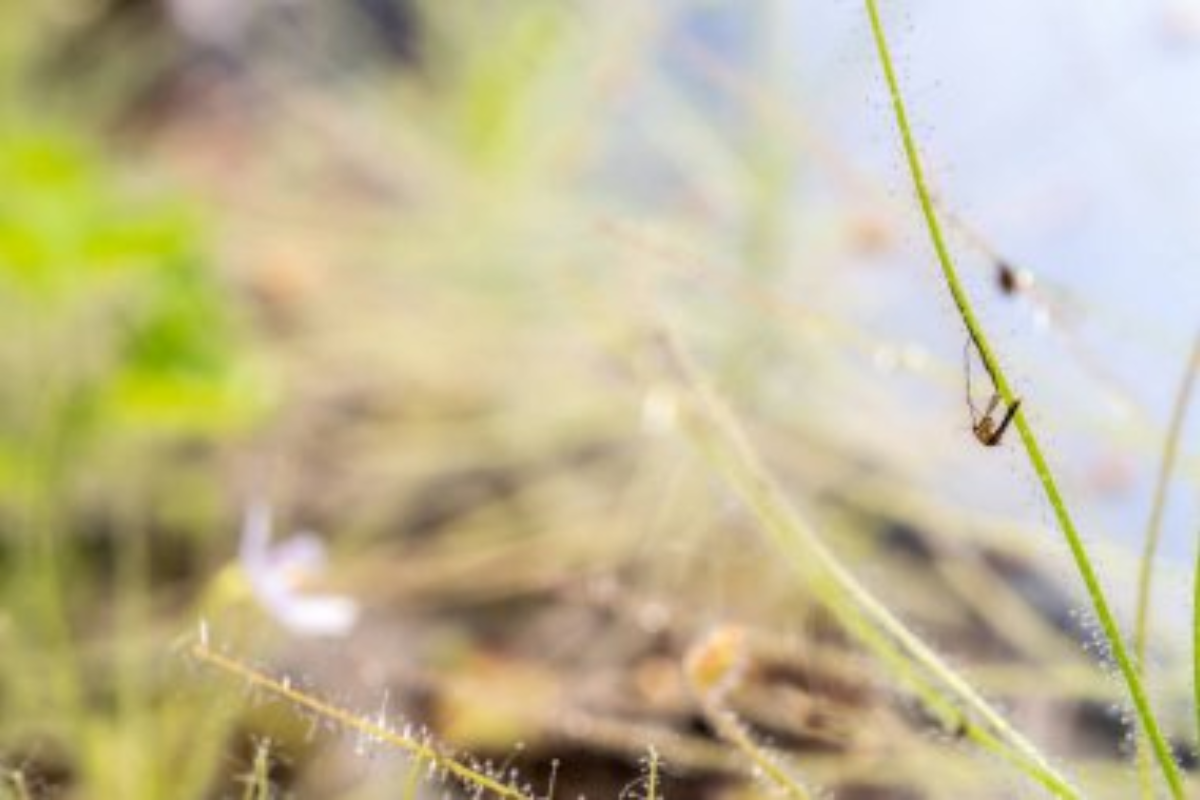
Thread-leaf sundews have taken the concept of mobile trapping to new extremes. These South African plants feature incredibly long, thread-like leaves that can move independently to actively hunt their prey.
When an insect becomes stuck on one part of a leaf, other parts can curl over to help secure the catch. The leaves can even communicate with each other through chemical signals, coordinating their movements to ensure that nothing escapes their collective grip.
Like Go2Tutors’s content? Follow us on MSN.
Portuguese Sundew
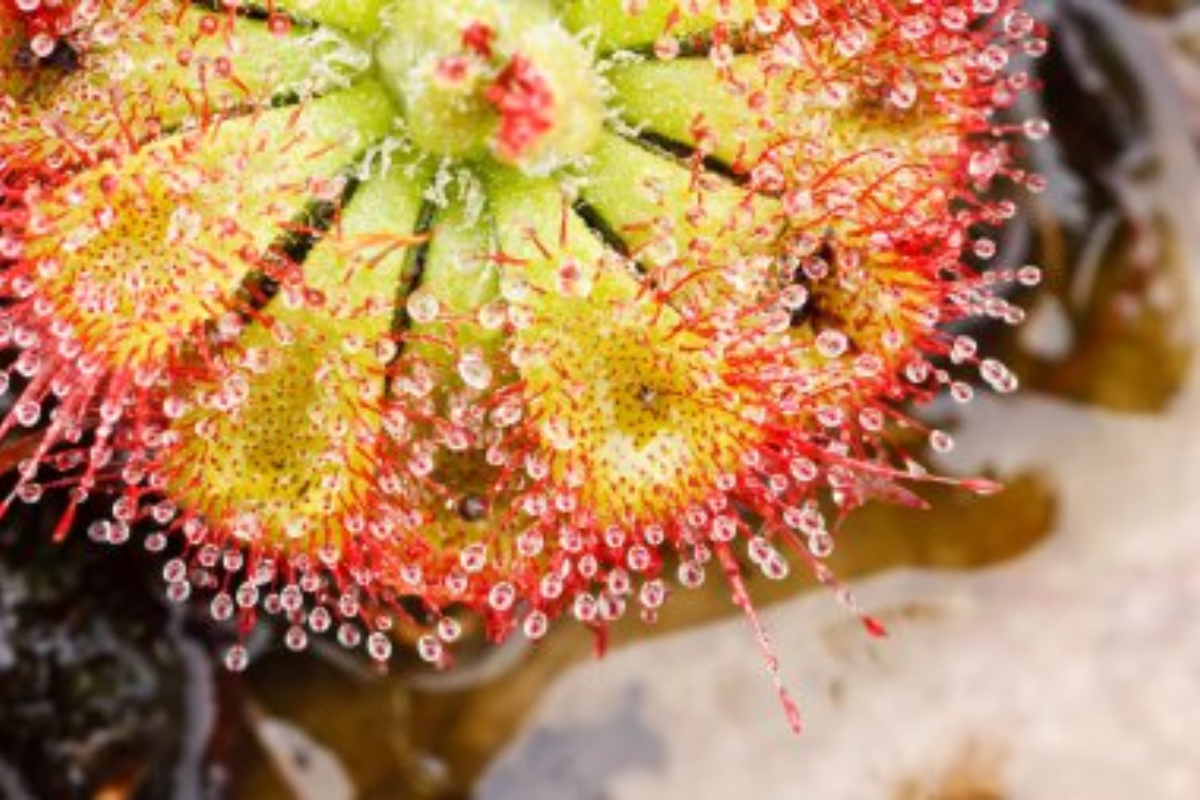
The Portuguese sundew represents the ultimate evolution of the sundew hunting strategy. Found in Spain and Portugal, this plant combines multiple trapping mechanisms into a single, highly effective predator. Its leaves feature both fast-moving snap tentacles and traditional sticky traps, creating a two-stage capture system that’s nearly impossible to escape.
The plant can even digest multiple prey items simultaneously, making it one of the most efficient carnivorous plants in terms of energy conversion.
From Garden Curiosities to Ecosystem Engineers

These remarkable hunters remind us that the natural world rarely fits into the neat categories we create for it. What started as evolutionary responses to nutrient-poor soils has produced some of the most sophisticated biological machinery on Earth. Today, many of these species face threats from habitat destruction and climate change, making their conservation more critical than ever.
Understanding and protecting these botanical predators isn’t just about preserving curiosities—it’s about maintaining the intricate balance of ecosystems where every organism, no matter how unusual, plays a vital role in the web of life.
More from Go2Tutors!

- 16 Restaurant Chains That Went Too Fast
- 12 Things Sold in the 80s That Are Now Illegal
- 15 Strange Things People Have Tried to Ban (And Failed)
- 16 Collectibles People Tossed Out Too Soon
- 17 Myths from Your Childhood That Were Actually Based on Real Things
Like Go2Tutors’s content? Follow us on MSN.