16 Desert Oases That Became Centers of Learning
Throughout history, water has drawn more than just thirsty travelers to desert oases. These verdant refuges in harsh landscapes became magnets for scholars, merchants, and intellectuals who transformed them into thriving centers of knowledge and learning.
From ancient trade routes to medieval universities, oases provided the stability and resources necessary for intellectual pursuits to flourish. Here is a list of 16 desert oases that evolved into remarkable centers of learning, each contributing unique knowledge to human civilization.
Timbuktu
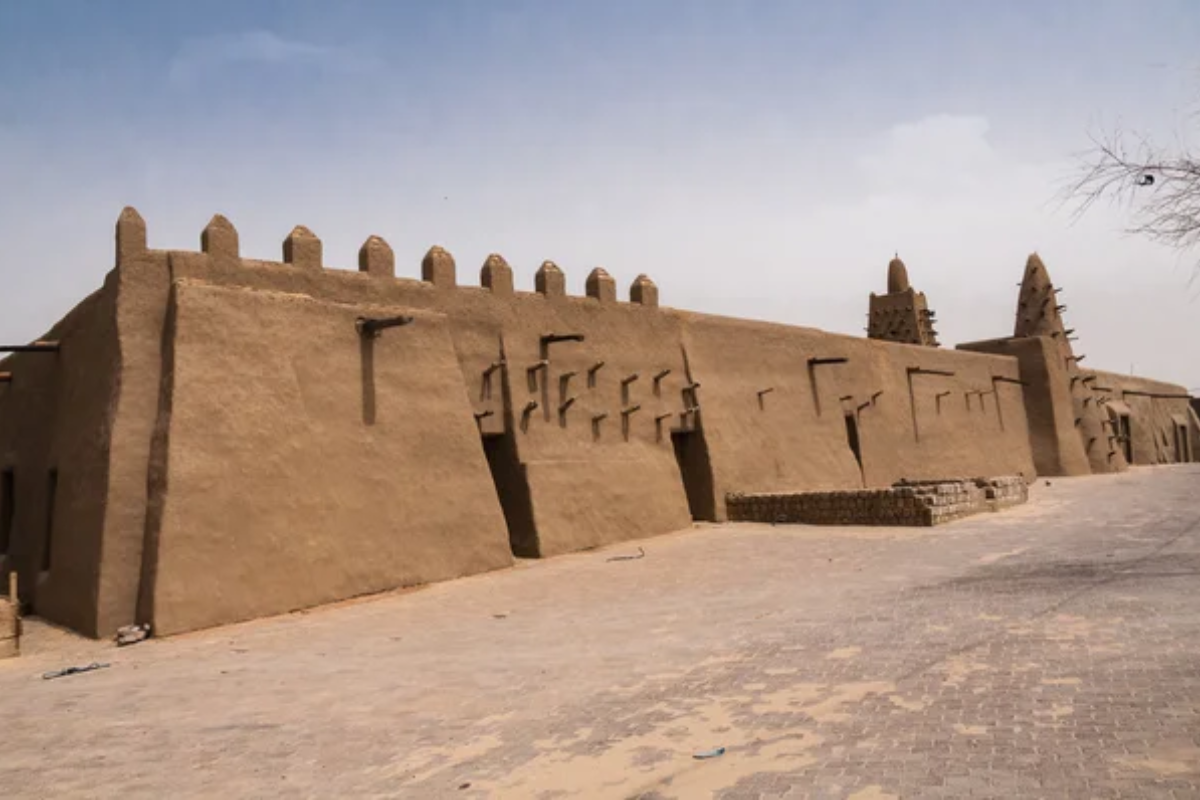
The legendary city of Timbuktu in Mali sits at the edge of the Sahara Desert, where the Niger River creates a natural oasis. During the 15th and 16th centuries, this trading hub housed over 180 schools and the famous University of Sankore, which attracted scholars from across Africa and the Middle East.
The city’s libraries contained hundreds of thousands of manuscripts covering subjects from astronomy to Islamic jurisprudence, making it one of the world’s great intellectual centers.
Damascus

Fed by the waters of the Barada River, Damascus emerged as a crucial oasis along ancient trade routes connecting Asia, Africa, and Europe. The city became home to the Umayyad Mosque’s renowned library and numerous madrasas that preserved and expanded upon Greek, Persian, and Islamic knowledge.
Scholars in Damascus made significant contributions to mathematics, medicine, and philosophy while serving as a bridge between Eastern and Western intellectual traditions.
Samarkand
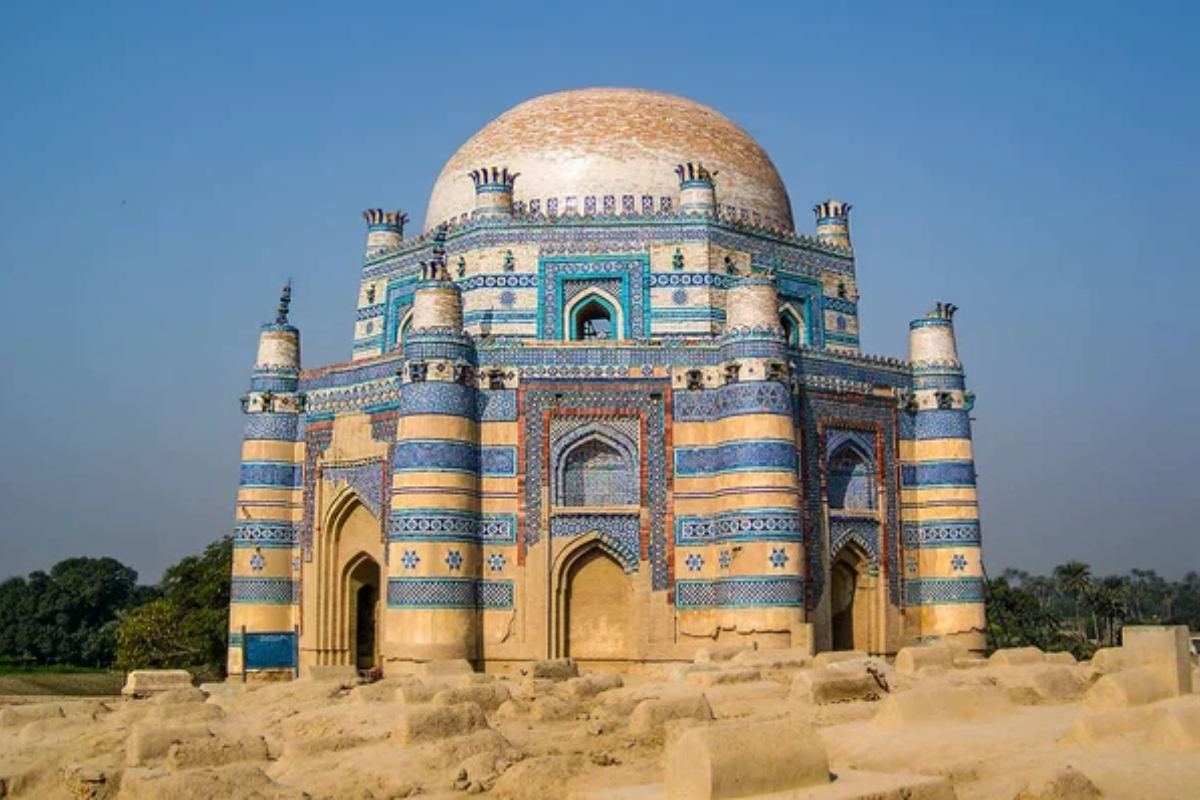
This Uzbek oasis city, nourished by the Zeravshan River, became a jewel of learning under the Timurid dynasty. The Ulugh Beg Observatory, built in the 15th century, produced astronomical calculations so precise they remained unsurpassed for centuries.
Samarkand’s scholars created detailed star catalogs and developed mathematical techniques that influenced scientific thinking across Asia and Europe.
Cairo
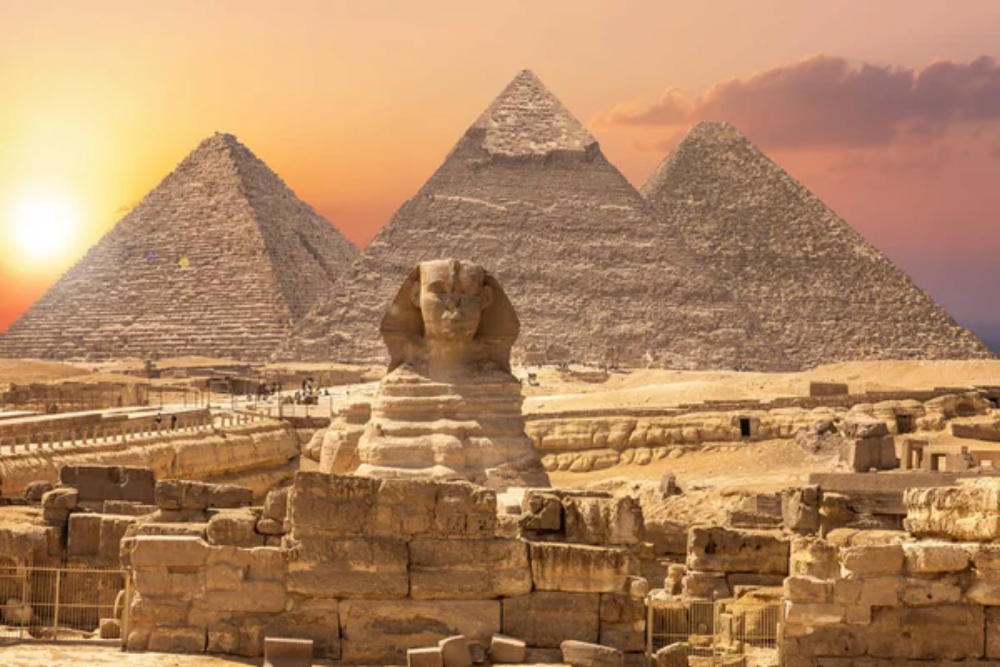
The Nile River creates Egypt’s most famous oasis, and Cairo capitalized on this advantage to become a center of Islamic learning. Al-Azhar University, founded in 970 CE, continues to operate today as one of the world’s oldest continuously functioning universities.
The city’s scholars preserved countless ancient texts while making groundbreaking advances in optics, algebra, and medical science.
Baghdad
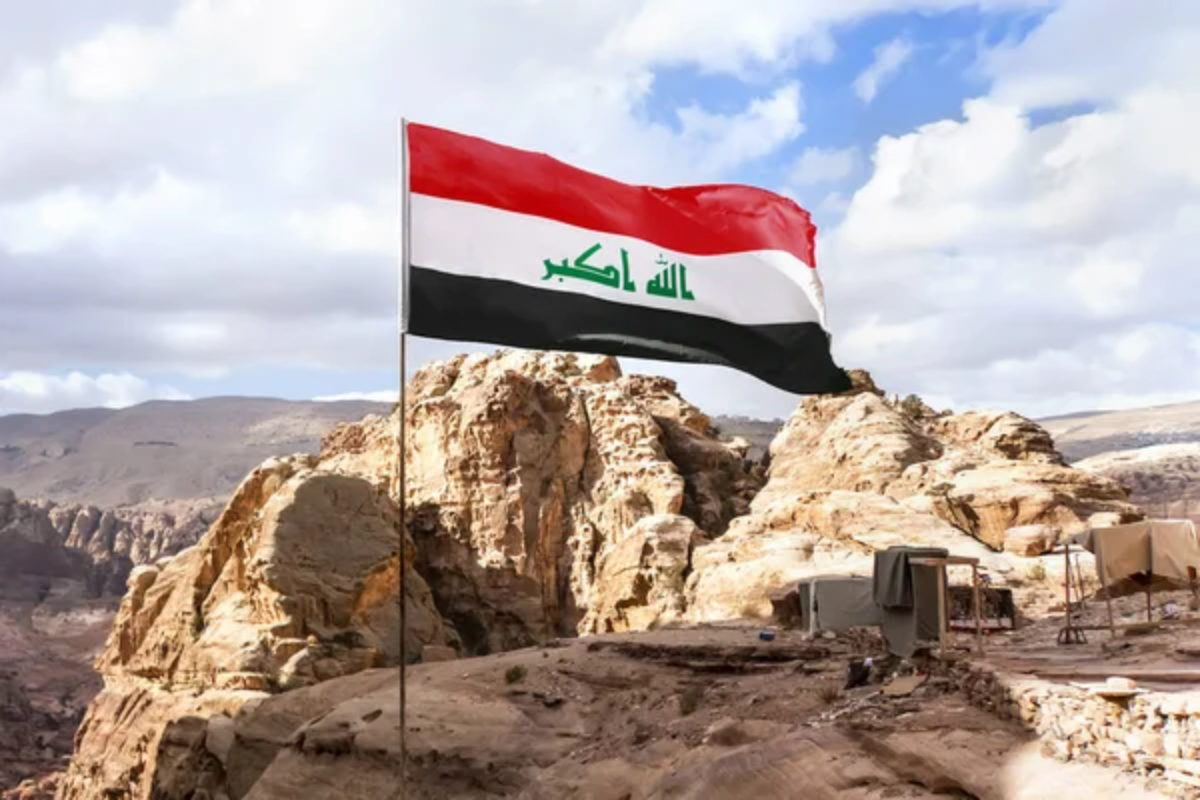
Situated along the Tigris River in modern-day Iraq, Baghdad flourished as the intellectual heart of the Islamic Golden Age. The House of Wisdom, established in the 9th century, served as a massive library, translation center, and research institute where scholars from different cultures collaborated.
This oasis city produced innovations in mathematics, astronomy, and medicine that shaped scientific thinking for centuries.
Cordoba
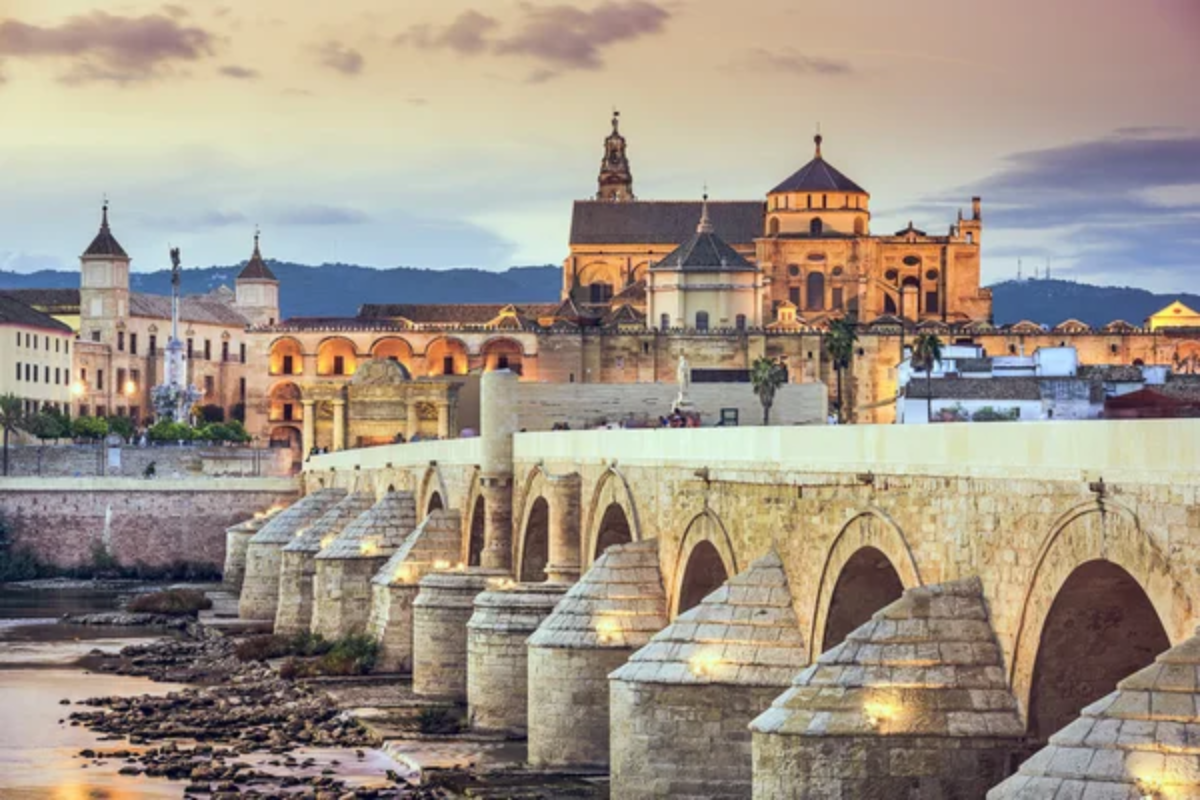
The Guadalquivir River transforms southern Spain into fertile oasis land, and Cordoba took full advantage of this natural blessing. During the Islamic period, the city boasted Europe’s largest library with over 400,000 volumes and numerous schools that attracted students from across the continent.
Cordoba’s scholars made crucial contributions to philosophy, mathematics, and medicine while preserving classical knowledge during Europe’s darker periods.
Kairouan
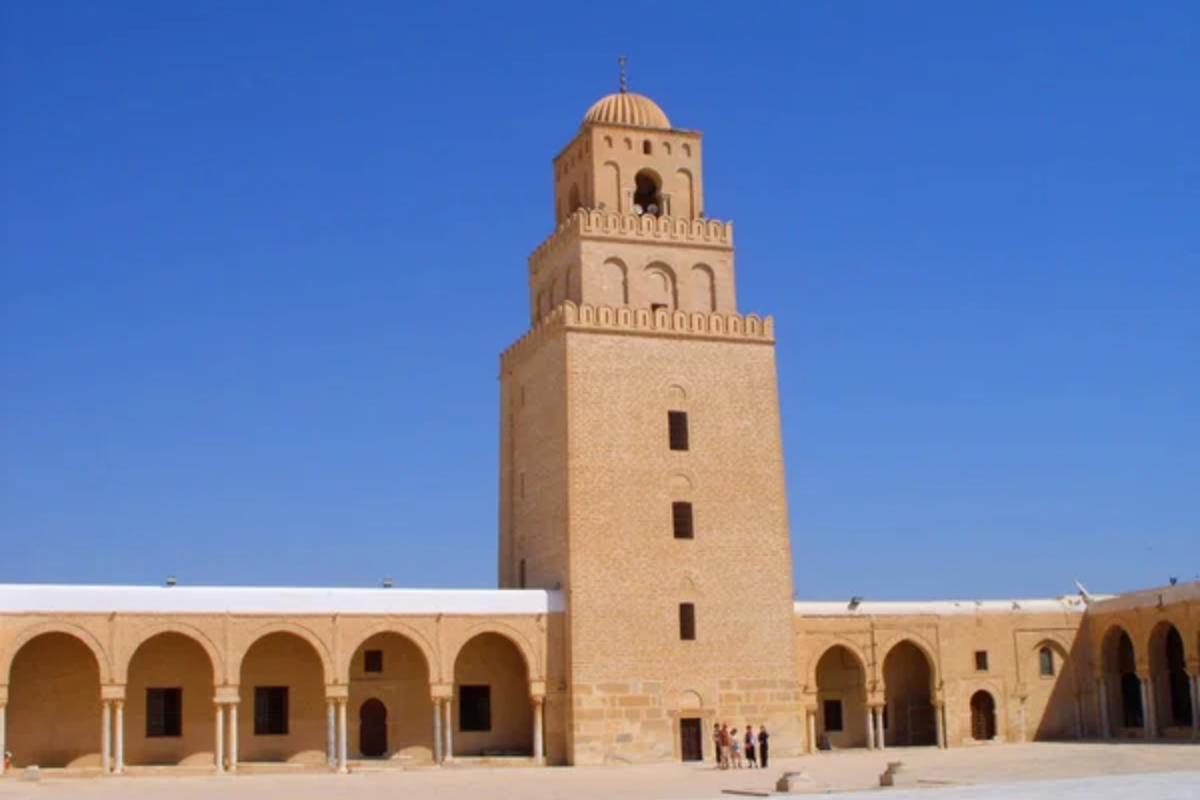
Tunisia’s first Islamic capital emerged around natural springs that created an oasis in the North African desert. The city’s Great Mosque became a center of Islamic jurisprudence and theology, while its scholars developed the Maliki school of Islamic law.
Kairouan’s influence spread across North and West Africa, shaping legal and religious thinking throughout the region.
Nishapur

Located along the Silk Road in present-day Iran, Nishapur flourished thanks to underground water channels called qanats that created an artificial oasis. The city produced remarkable scholars like the mathematician and poet Omar Khayyam, who made significant contributions to algebra and astronomy.
Nishapur’s intellectual culture blended Persian, Arab, and Central Asian traditions into a unique scholarly environment.
Fez

Natural springs in the Atlas Mountains create the oasis that supports Fez, Morocco’s ancient intellectual capital. The University of al-Qarawiyyin, founded in 859 CE, claims to be the world’s oldest continuously operating university and has educated scholars for over a millennium.
Fez became renowned for its preservation of Andalusian culture and knowledge after the Christian reconquest of Spain.
Bukhara

Fed by the Zeravshan River’s waters, Bukhara developed into Central Asia’s most important center of Islamic learning. The city’s madrasas attracted students from across the Islamic world, while local scholars made significant contributions to mathematics, astronomy, and Islamic jurisprudence.
Bukhara’s intellectual tradition influenced education systems throughout Central Asia and beyond.
Ghazni
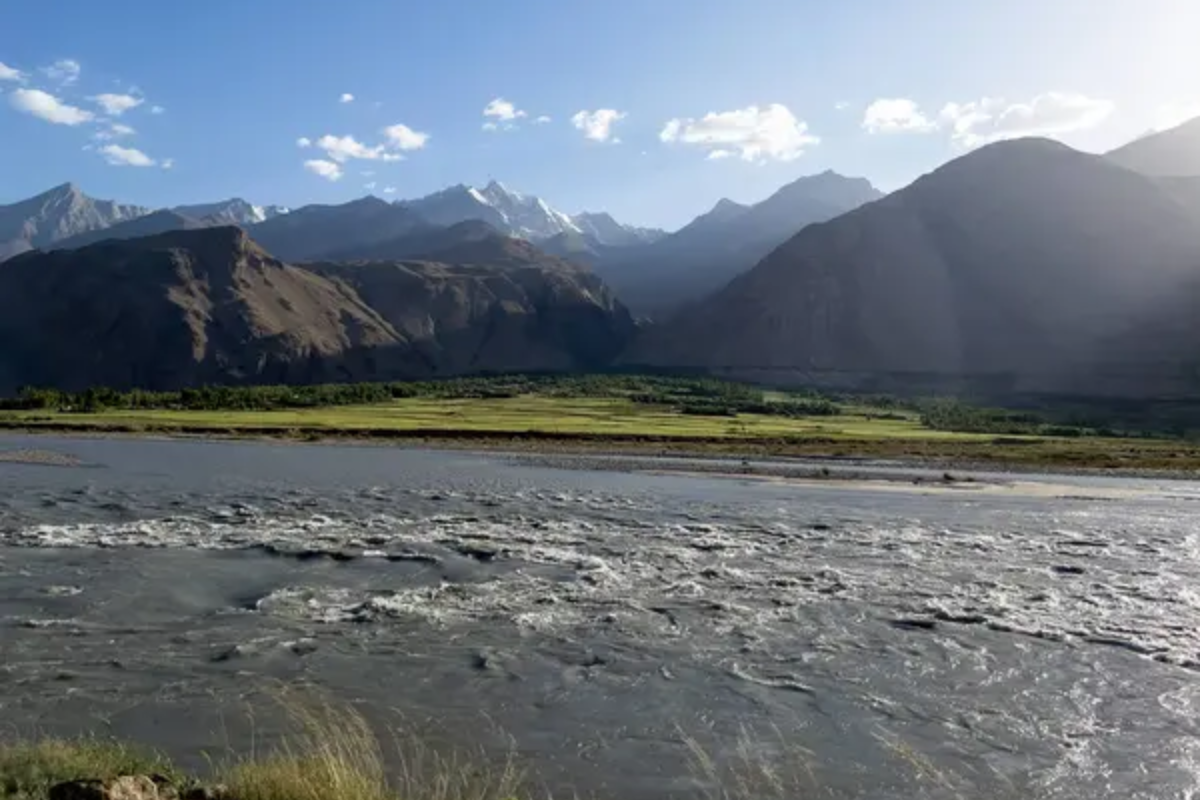
This Afghan oasis city, supported by mountain streams and underground channels, became a major center of Persian literature and Islamic scholarship. Under the Ghaznavid dynasty, Ghazni attracted poets, historians, and scientists who created works that influenced culture across the Persian-speaking world.
The city’s scholars made important advances in mathematics, astronomy, and historical writing.
Isfahan

The Zayandeh River creates an oasis in central Iran that supports Isfahan, once known as ‘half the world’ for its beauty and learning. During the Safavid period, the city became a center of Persian culture and Islamic philosophy, housing numerous madrasas and libraries.
Isfahan’s scholars made significant contributions to Sufi mysticism, Islamic theology, and Persian poetry.
Herat
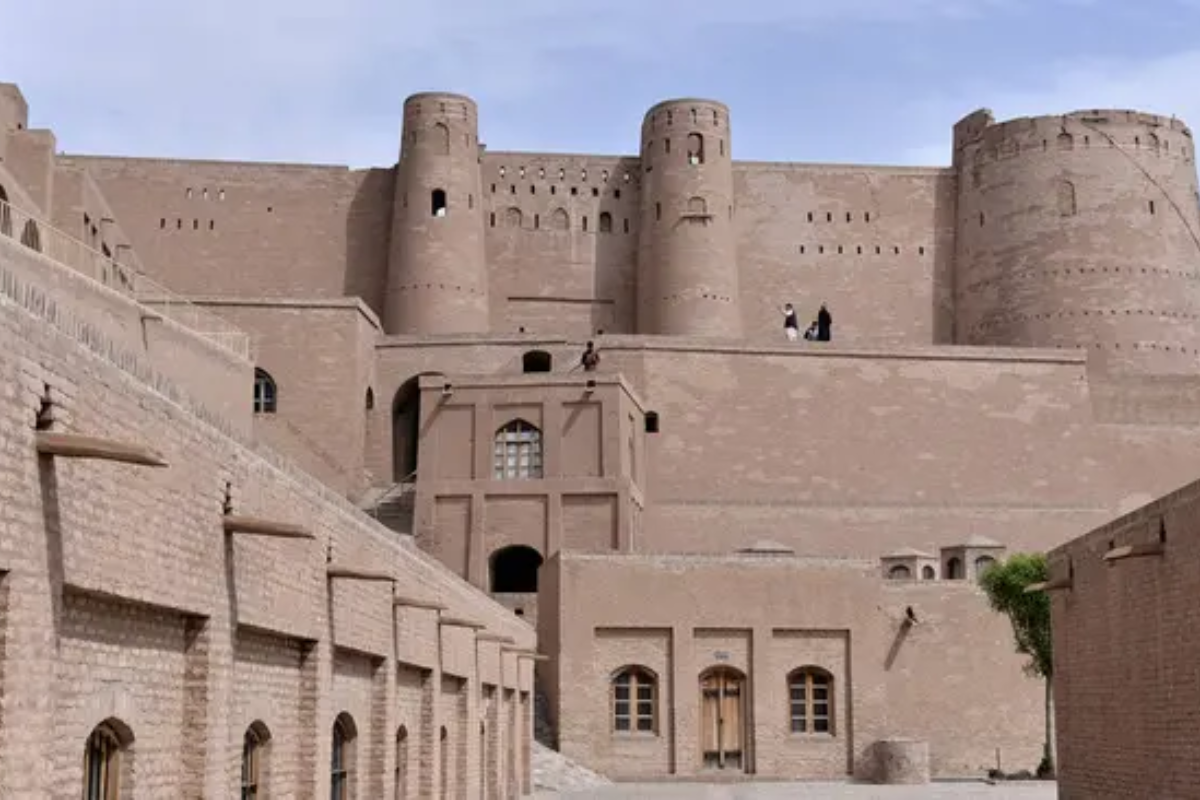
Located in western Afghanistan, Herat thrives thanks to the Hari River’s waters flowing from nearby mountains. The city became a major center of Persian literature and Islamic learning, particularly during the Timurid period when it rivaled Samarkand in intellectual achievement.
Herat’s scholars and artists created masterworks of poetry, calligraphy, and miniature painting that influenced culture across the Islamic world.
Palmyra

Ancient Palmyra in Syria flourished around a natural oasis that supported this crucial Silk Road trading post. The city developed its own unique script and became a center for astronomical studies, with scholars creating detailed star charts and calendars.
Palmyra’s intellectual contributions helped bridge Greek, Roman, and Persian knowledge systems.
Merv
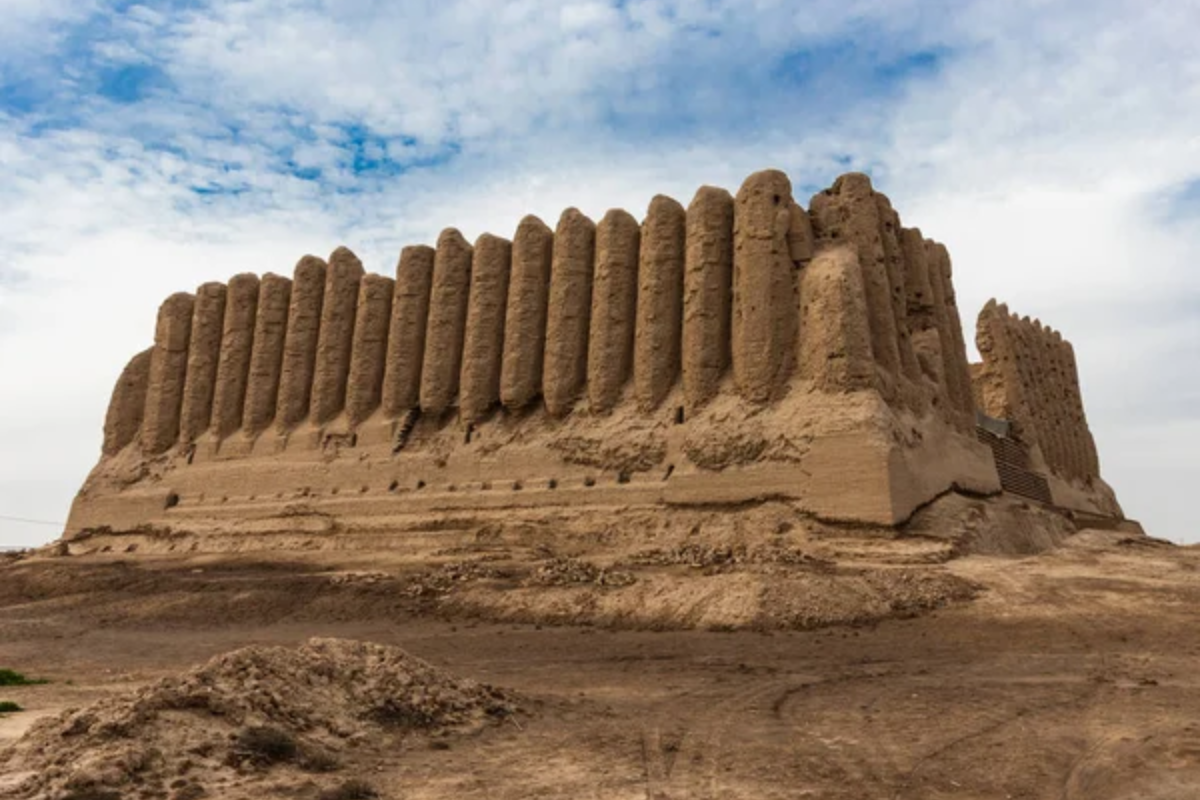
The ancient city of Merv in Turkmenistan grew around the Murghab River’s oasis in the Karakum Desert. During the Islamic Golden Age, Merv became one of the world’s largest cities and a major center of learning, housing numerous libraries and schools.
The city’s scholars made important contributions to mathematics, astronomy, and Islamic theology while serving as a crucial link between Islamic and Central Asian intellectual traditions.
Siwa

Egypt’s remote Siwa Oasis, fed by natural springs deep in the Western Desert, became an unexpected center of astronomical learning in ancient times. The oracle of Amun at Siwa attracted scholars and philosophers from across the Mediterranean world, including Alexander the Great himself.
Local priests developed sophisticated astronomical knowledge and maintained detailed records of celestial events that influenced Egyptian calendar systems.
Where Knowledge Flows Like Water

These desert oases prove that intellectual achievement often flourishes where physical survival seems most challenging. The same water sources that sustained life also nourished libraries, universities, and scholarly traditions that preserved and advanced human knowledge.
Many of these centers declined when trade routes shifted or political upheavals disrupted their stability, yet their contributions continue to influence modern scholarship. Today’s digital age creates new kinds of intellectual oases, but the fundamental truth remains unchanged: knowledge, like water, tends to flow toward places where it can be shared, preserved, and allowed to grow.
More from Go2Tutors!

- The Romanov Crown Jewels and Their Tragic Fate
- 13 Historical Mysteries That Science Still Can’t Solve
- Famous Hoaxes That Fooled the World for Years
- 15 Child Stars with Tragic Adult Lives
- 16 Famous Jewelry Pieces in History
Like Go2Tutors’s content? Follow us on MSN.



