17 Parks Where Nature Acts Unexpectedly
Nature has a way of surprising us when we least expect it. While most parks offer the usual hiking trails and scenic overlooks, some locations showcase phenomena that seem to defy logic or challenge our understanding of the natural world.
Here is a list of 17 parks where nature displays its most peculiar and unexpected behaviors.
Yellowstone National Park
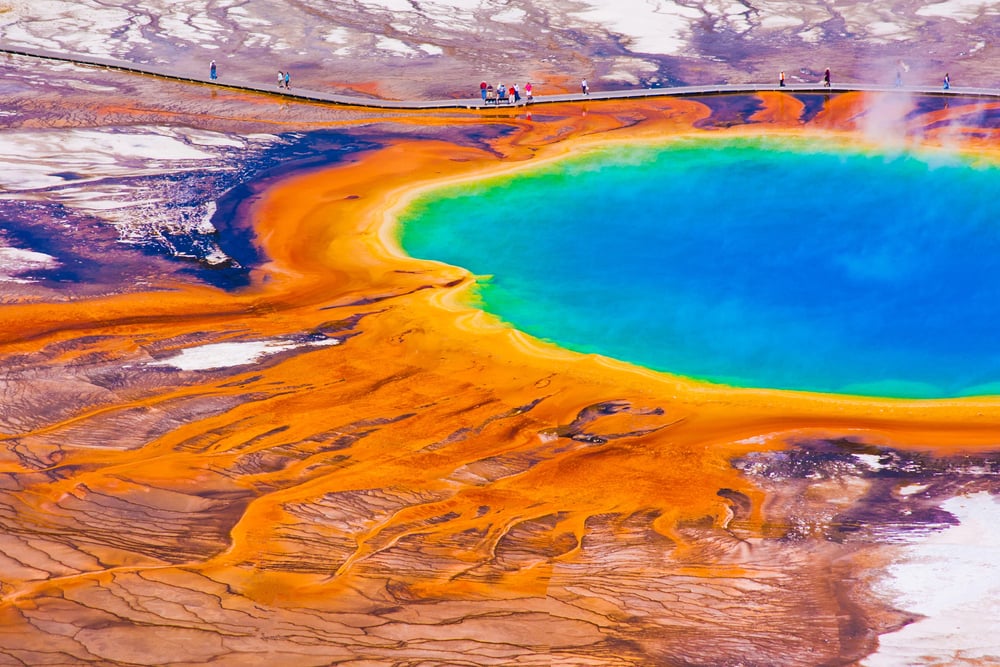
Yellowstone’s geothermal features create a landscape that feels more like an alien planet than Earth. The park sits atop a massive volcanic caldera that heats underground water to create geysers, hot springs, and bubbling mud pots.
Old Faithful erupts roughly every 90 minutes, shooting water up to 180 feet into the air with clockwork precision. The Grand Prismatic Spring displays rainbow colors created by heat-loving bacteria that thrive in temperatures that would cook most living things.
Death Valley National Park
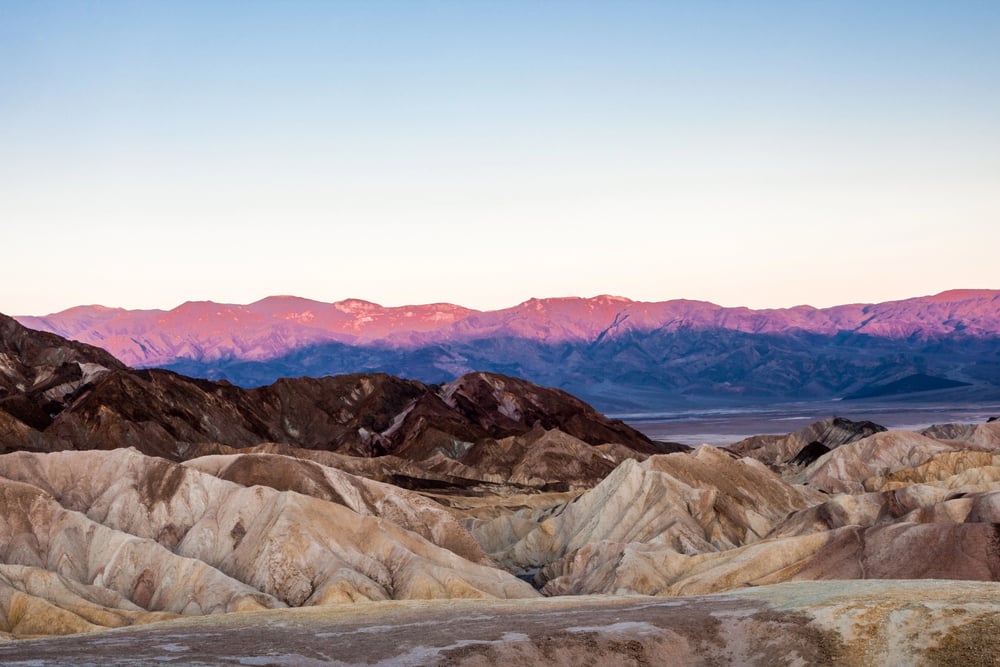
Death Valley holds the record for the hottest air temperature ever recorded on Earth at 134°F, yet it supports a surprising variety of life. The park’s famous sailing stones once baffled scientists for decades as massive boulders appeared to move across the desert floor on their own, leaving long trails behind them.
Researchers eventually discovered that rare combinations of rain, ice, and wind create the perfect conditions for these rocks to glide across the slippery surface.
Mammoth Cave National Park
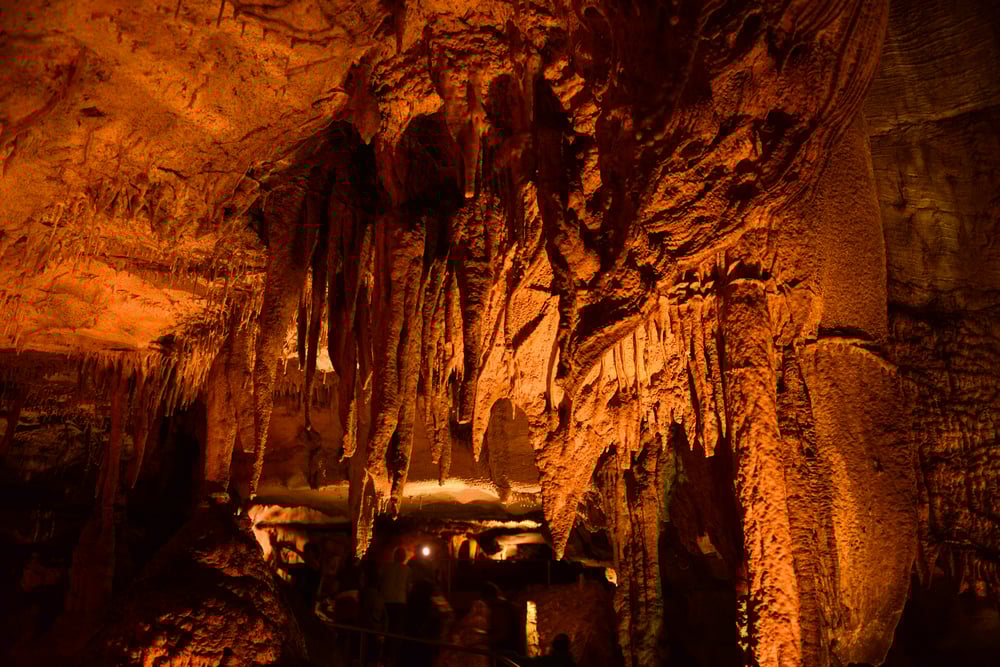
Beneath Kentucky’s rolling hills lies the world’s longest known cave system with over 400 miles of surveyed passageways. The cave maintains a constant temperature of 54°F year-round, creating its own weather system complete with wind currents and underground rivers.
Blind fish and colorless creatures have evolved in the perpetual darkness, developing heightened senses to navigate their lightless world.
Carlsbad Caverns National Park
Every summer evening, hundreds of thousands of bats spiral out of Carlsbad Caverns in a natural phenomenon that looks like a living tornado. These Brazilian free-tailed bats emerge at sunset to hunt insects, creating a spectacle that can last for hours.
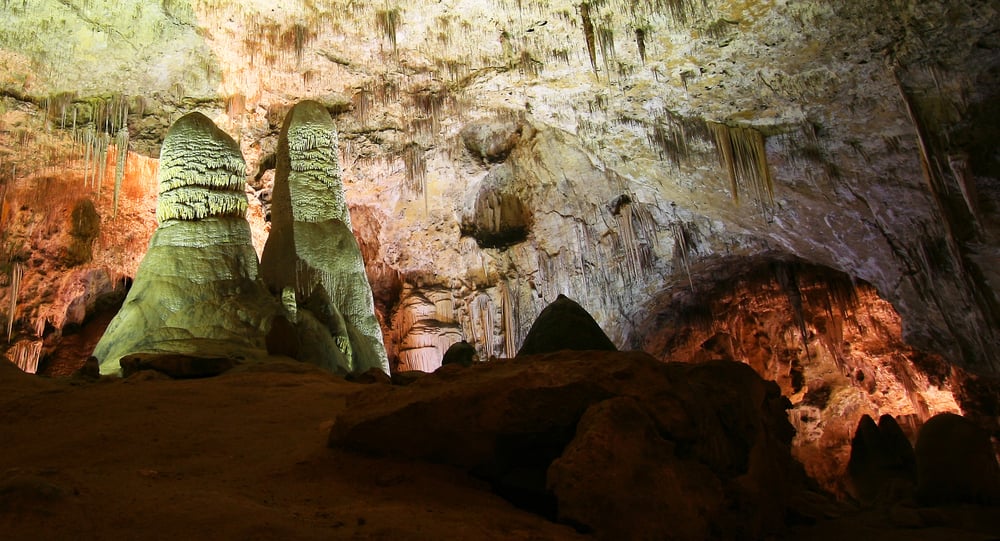
The cave’s Big Room could fit 14 football fields and contains formations that took millions of years to create through the slow drip of mineral-rich water.
Great Smoky Mountains National Park
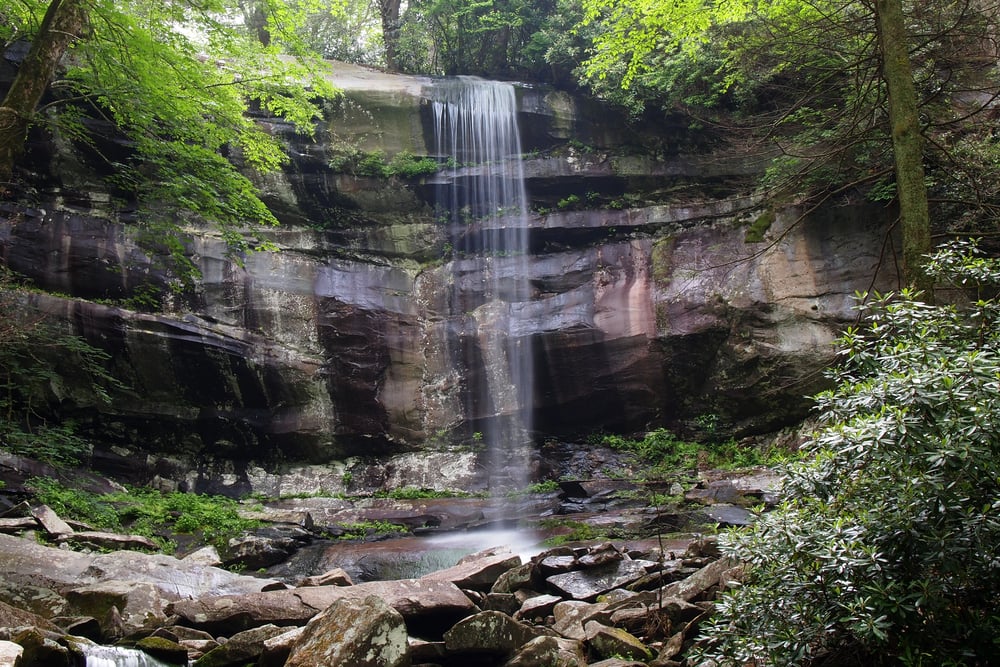
The Smokies earn their name from the natural fog that blankets the mountains, created when plants release organic compounds that react with sunlight and moisture. This park hosts an incredible diversity of life, with more tree species than all of Europe combined.
Synchronous fireflies blink in unison for two weeks each June, creating a natural light show that attracts visitors from around the world.
Antelope Canyon
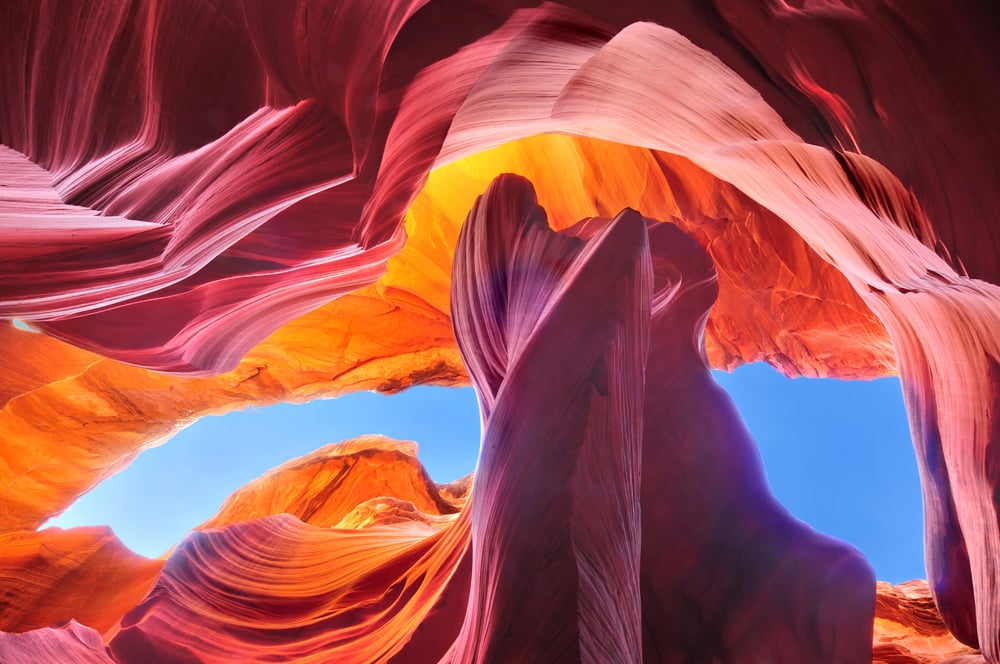
Though technically not a national park, this slot canyon near Page, Arizona demonstrates nature’s artistic abilities through wind and water erosion. Light beams pierce through narrow openings above, creating ethereal columns of illumination that seem to dance across the smooth, wave-like walls.
The canyon’s narrow passages were carved by flash floods over thousands of years, creating sculptures that would be impossible for human hands to craft.
Bryce Canyon National Park

Despite its name, Bryce Canyon isn’t actually a canyon but a series of natural amphitheaters filled with red, orange, and yellow rock formations called hoodoos. These towering spires were created through a process called frost wedging, where water freezes and expands in cracks, gradually breaking the rock apart.
The park experiences over 200 freeze-thaw cycles each year, constantly reshaping these geological sculptures.
Arches National Park
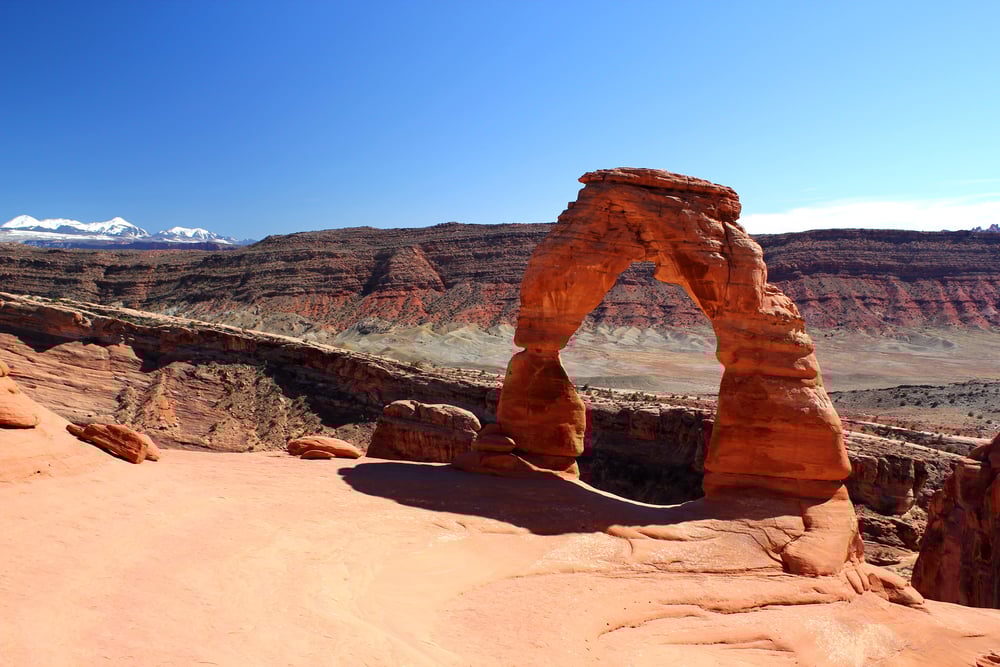
Utah’s red rock country contains over 2,000 natural stone arches, more than anywhere else on Earth. These formations started as underground salt beds that eventually pushed upward and cracked, allowing wind and water to carve away the weaker rock sections.
Delicate Arch, the park’s most famous formation, defies gravity as it balances precariously on a narrow pedestal of stone.
Devils Tower National Monument
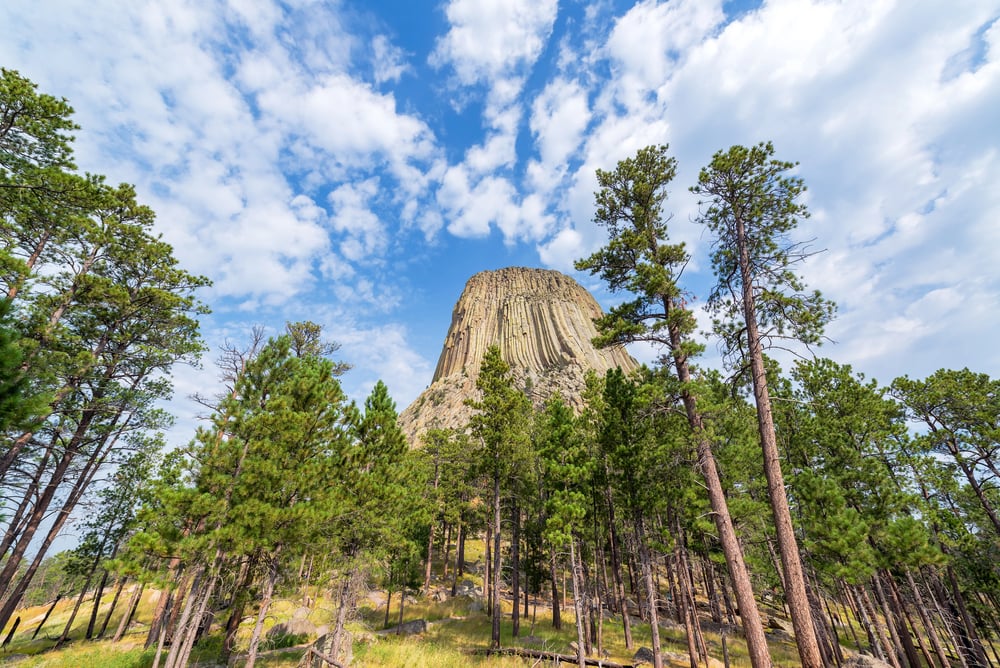
This massive volcanic neck rises 867 feet from the Wyoming prairie like a giant tree stump. Native American legends describe it as a bear’s scratching post, and the vertical grooves in its sides do resemble massive claw marks.
Rock climbers scale its sheer walls year-round, though they voluntarily avoid climbing in June out of respect for Native American ceremonies held at its base.
Crater Lake National Park
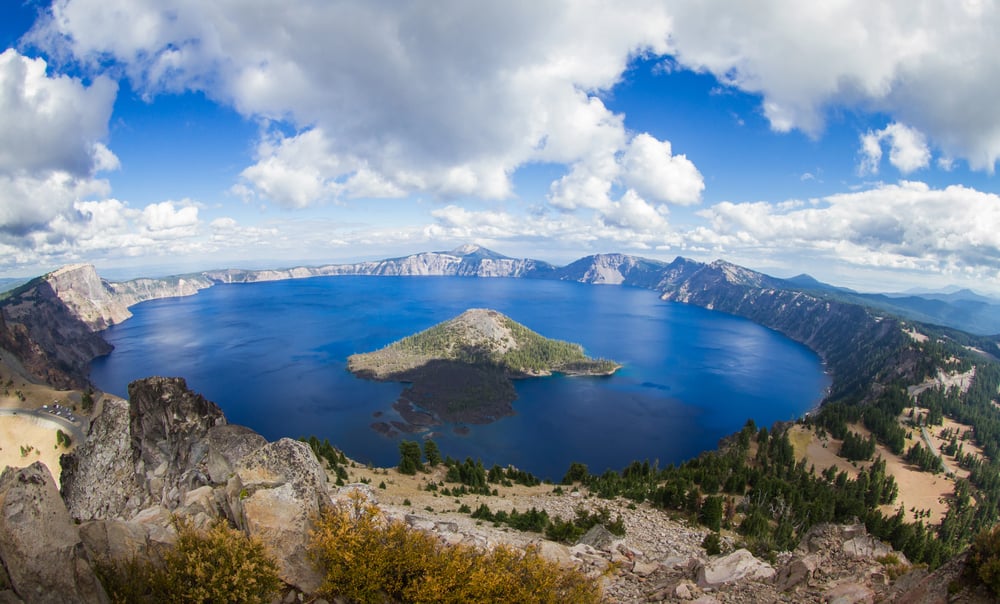
Oregon’s Crater Lake fills the caldera of an ancient volcano that collapsed 7,700 years ago. The lake’s intense blue color comes from its incredible depth—nearly 2,000 feet—and the way it absorbs and reflects sunlight.
No streams flow in or out of the lake; it’s fed entirely by snowmelt and rainfall, making it one of the purest bodies of water in the world.
Joshua Tree National Park

The park’s namesake Joshua trees aren’t actually trees but the world’s largest yucca plants, growing incredibly slowly in the Mojave Desert. These bizarre plants can live for hundreds of years and only bloom when conditions are perfect.
The park sits at the intersection of two desert ecosystems, creating a unique landscape where different climates meet and create unexpected plant communities.
Badlands National Park

South Dakota’s Badlands showcase 75 million years of geological history in layered rock formations that erode at a rate of one inch per year. This rapid erosion constantly reveals new fossils, making it one of the world’s richest fossil beds.
The park’s landscape changes noticeably from year to year as wind and rain carve new formations and expose ancient sea floors.
Petrified Forest National Park
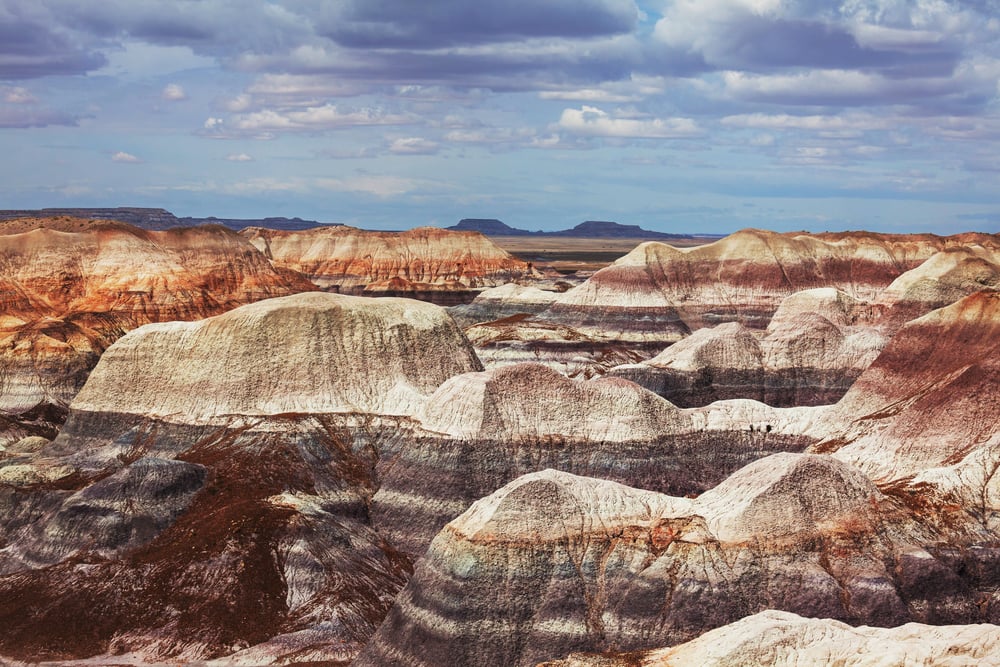
Arizona’s Petrified Forest contains trees that turned to stone over 200 million years ago when volcanic ash buried an ancient forest. Minerals gradually replaced the organic material while preserving every detail of the original wood grain.
These rainbow-colored logs scatter across the desert like fallen giants, some measuring over 100 feet long and weighing several tons.
Sequoia National Park
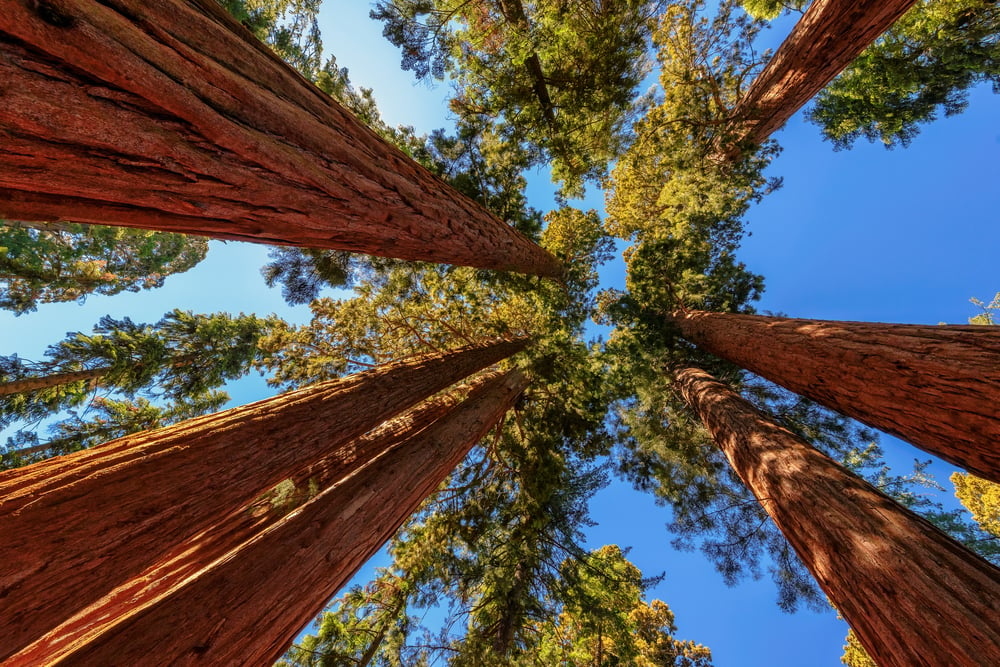
Home to the largest trees on Earth by volume, Sequoia National Park showcases giants that have been growing for over 2,000 years. The General Sherman tree weighs an estimated 2.7 million pounds and continues growing larger each year.
These massive trees survive forest fires by developing thick, fire-resistant bark and shedding their lower branches to prevent flames from reaching their crowns.
Zion National Park
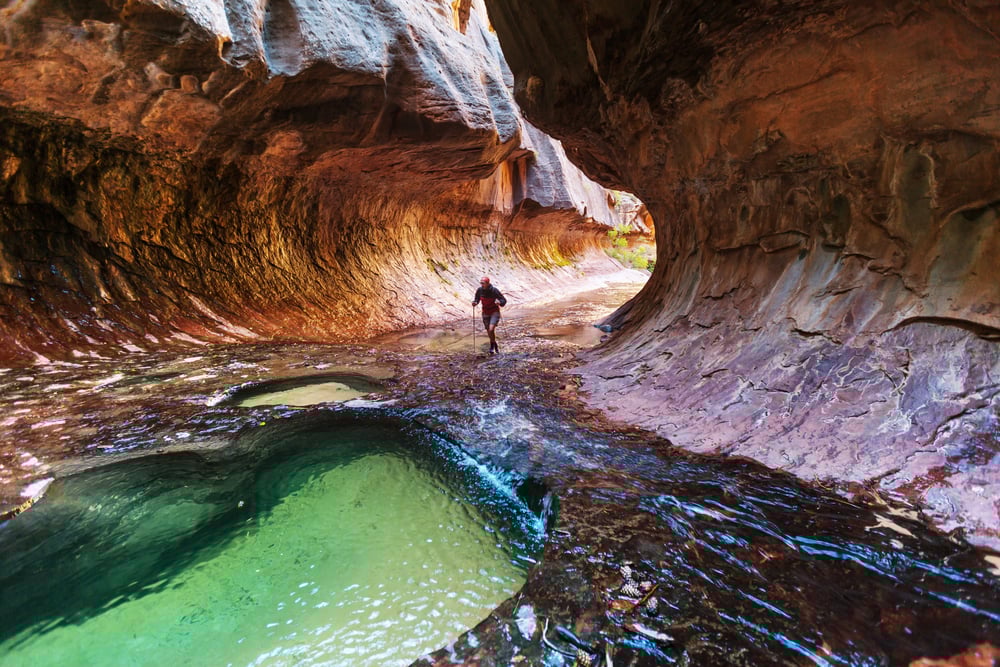
Zion’s towering sandstone cliffs were formed when ancient sand dunes turned to stone, then uplifted and carved by the Virgin River. The park’s famous Narrows canyon is so narrow that hikers wade through the river itself, walking between walls that soar 2,000 feet overhead.
Flash floods can turn this peaceful stream into a raging torrent within minutes, carving the canyon deeper with each surge.
Olympic National Park
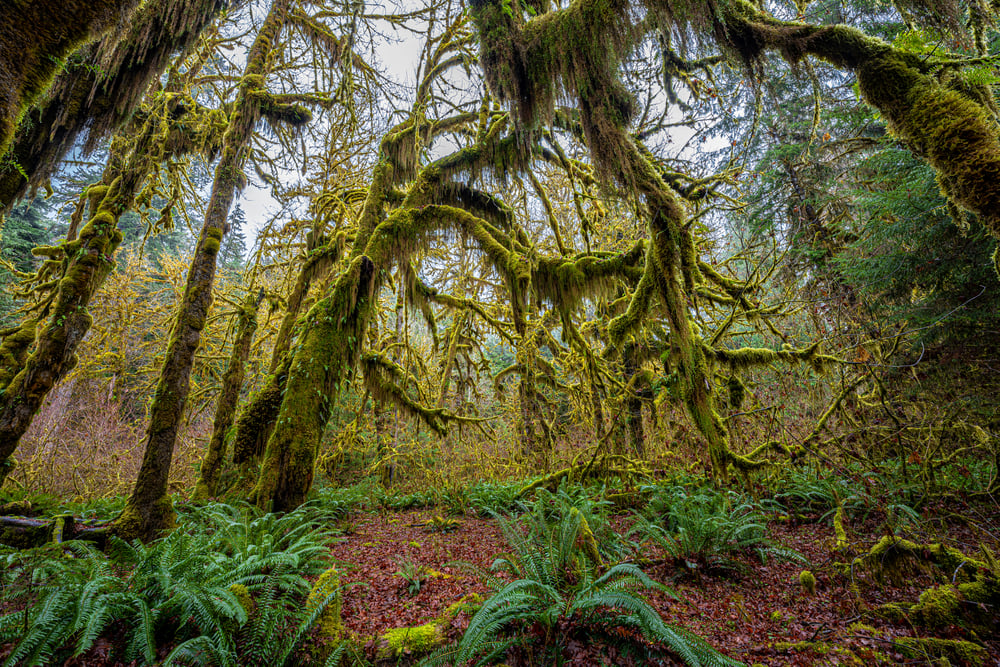
Olympic National Park contains three distinct ecosystems within its boundaries: temperate rainforest, rugged coastline, and alpine mountains. The Hoh Rainforest receives over 140 inches of rain annually, creating a moss-draped wonderland that feels like stepping into a fairy tale.
Meanwhile, the park’s beaches showcase tide pools teeming with colorful sea life just miles away from snow-capped peaks.
Saguenay Fjord National Park
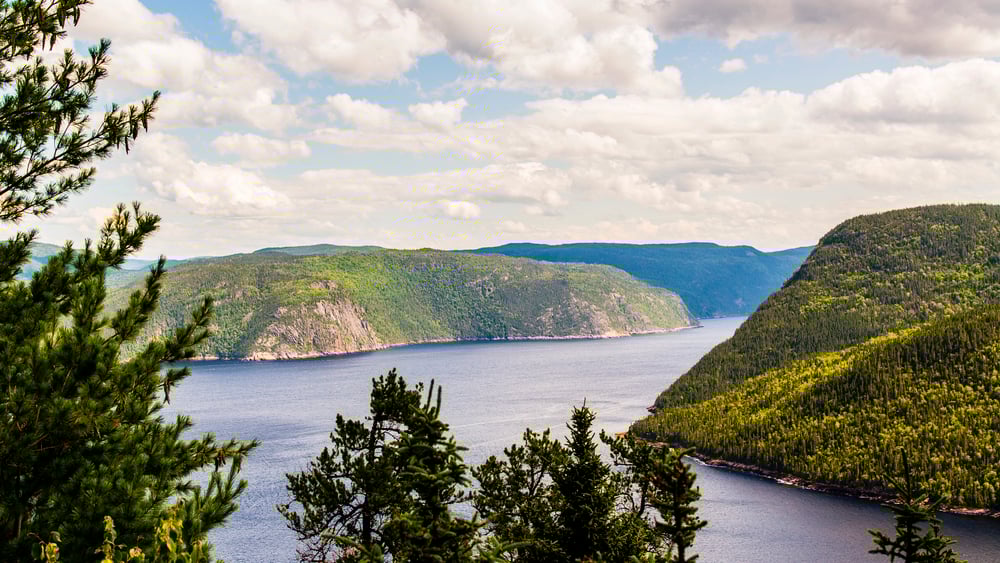
Located in Quebec, this park protects one of the world’s southernmost fjords, carved by glaciers and now home to beluga whales that live year-round in the St. Lawrence River. These white whales navigate the fjord’s deep, cold waters alongside minke, fin, and blue whales.
The dramatic landscape combines boreal forest with marine environment, creating habitat for both Arctic and temperate species.
Where Wonder Meets Reality

These parks remind us that our planet operates by rules far more complex and fascinating than we often realize. Each location showcases natural processes that took millions of years to unfold, creating landscapes and phenomena that continue to evolve before our eyes.
The next time you visit a park, take a moment to consider the incredible forces at work beneath the surface. You might just witness nature pulling off its next unexpected trick.
More from Go2Tutors!

- The Romanov Crown Jewels and Their Tragic Fate
- 13 Historical Mysteries That Science Still Can’t Solve
- Famous Hoaxes That Fooled the World for Years
- 15 Child Stars with Tragic Adult Lives
- 16 Famous Jewelry Pieces in History
Like Go2Tutors’s content? Follow us on MSN.



