16 Creatures With Amazing Camouflage Skills
Camouflage is nature’s way of helping animals stay hidden. Some creatures blend into their surroundings so well, it’s almost like they disappear. This helps them avoid danger or sneak up on their next meal.
Let’s dive into some of the coolest animals that can vanish right before your eyes. You’ll see how different shapes, colors, and patterns work together in the wild to make these creatures nearly invisible.
Leaf-tailed gecko
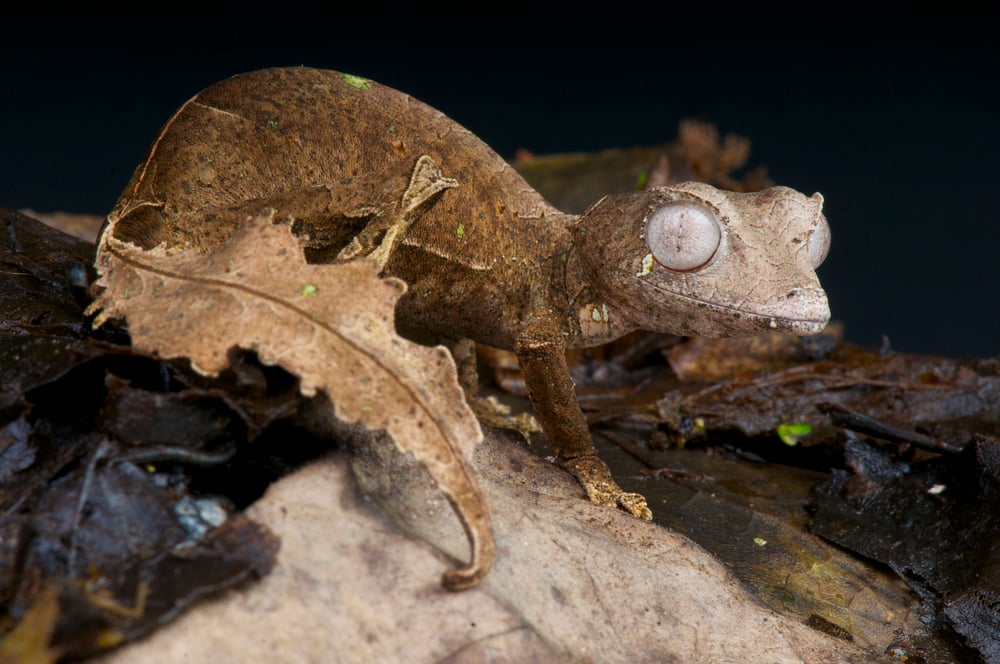
This little lizard looks just like a dead leaf. Its tail even has jagged edges that mimic leaf veins, and its body colors match the bark or leaves where it lives. When it stays perfectly still on a tree, it’s almost impossible to spot, even for keen-eyed birds or snakes.
The gecko also flattens its body against the surface to reduce shadows, making its disguise even better. This skill helps it avoid predators and quietly hunt insects at night.
Stick insect
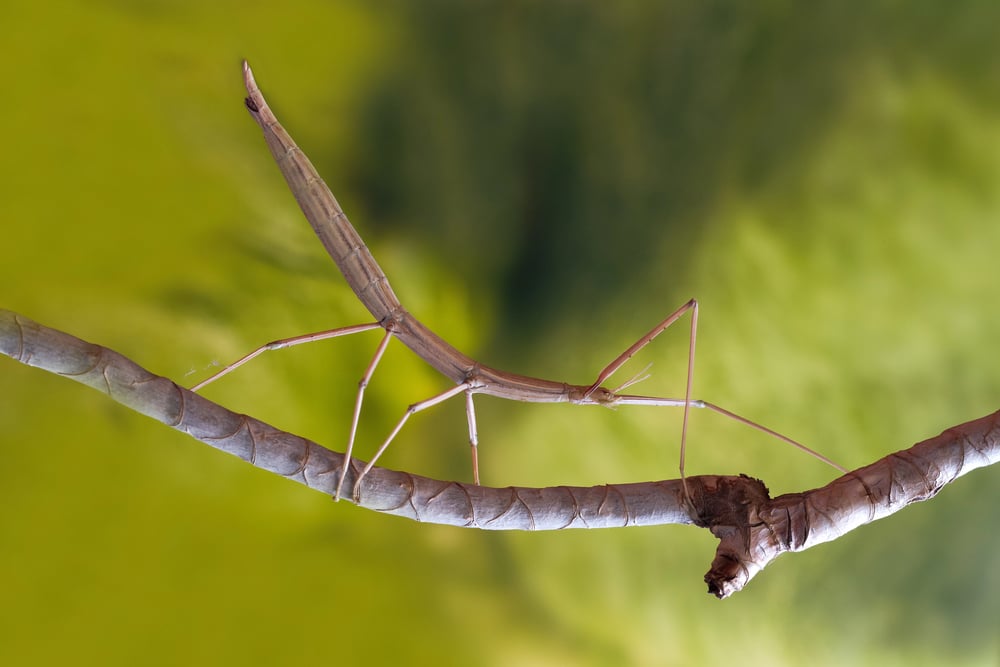
These insects are shaped like twigs and branches, with long, thin bodies that match the color of wood or bark. Some even have tiny bumps or color spots to mimic the rough texture of branches.
When they freeze in place, they look just like part of the plant they are on. If a bird flies by, it’s easy to miss them completely.
Many stick insects also sway gently to imitate leaves moving in the wind, adding to their natural disguise.
Snowshoe hare
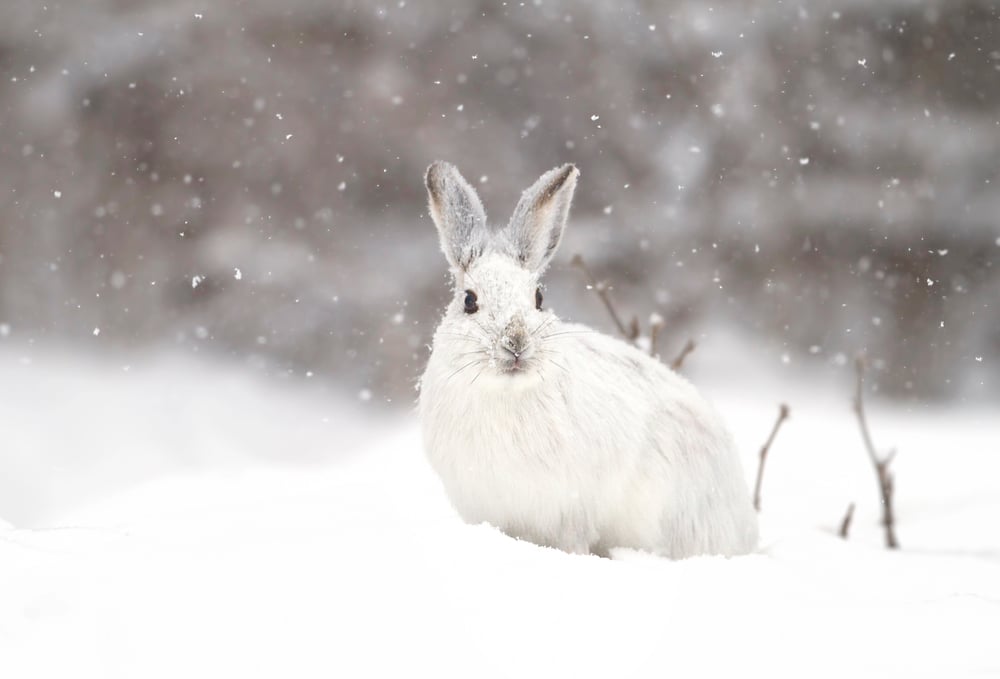
In winter, this hare’s fur turns white to match the snow, helping it disappear in the cold landscape. When the snow melts, its fur changes back to brown or gray to blend in with rocks and dirt.
This seasonal fur color change is a smart way to stay hidden all year. The hare also stays still and uses shadows to hide its shape. This way, it can avoid predators like foxes and owls in different seasons.
Cuttlefish

Cuttlefish can change their skin color and pattern instantly. They have special cells called chromatophores that let them copy the color and texture of whatever is beneath them, like sand, coral, or rocks.
This helps them hide from fish that want to eat them and sneak close to their prey. Sometimes, they even add small dots or lines to match underwater plants. Their camouflage is so good that divers often have a hard time spotting them.
Leaf insect
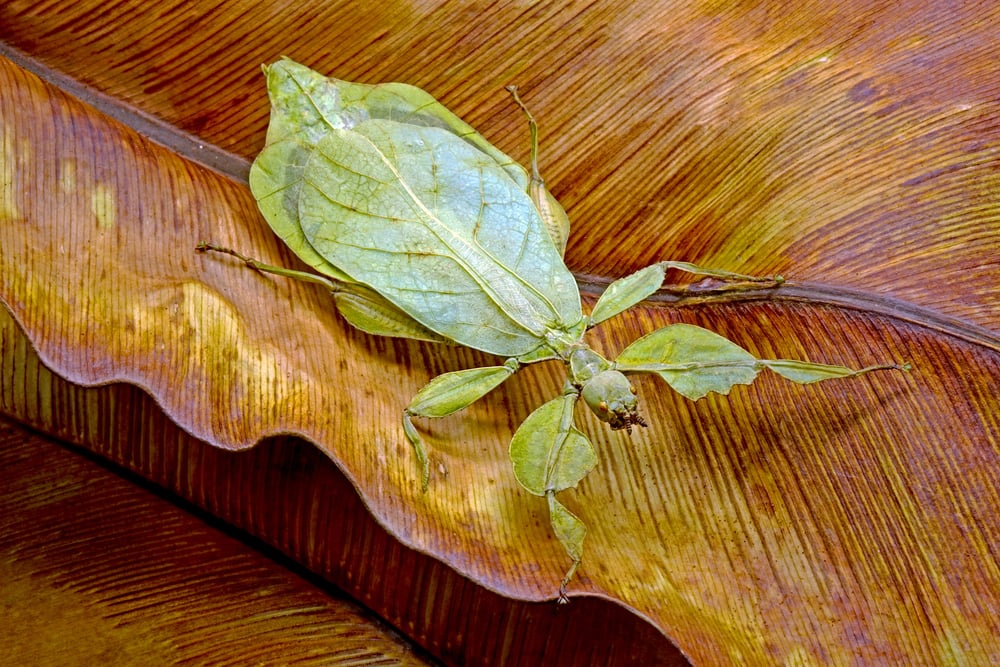
These insects look exactly like green leaves, with bodies shaped to match the veins and edges of a leaf. They even have parts that look like bite marks or spots where the leaf has dried.
They stay very still on plants during the day, making it almost impossible to tell them apart from real leaves. This helps them avoid birds and other predators that rely on sight.
Their slow, gentle movements only add to the leaf-like illusion.
Arctic fox
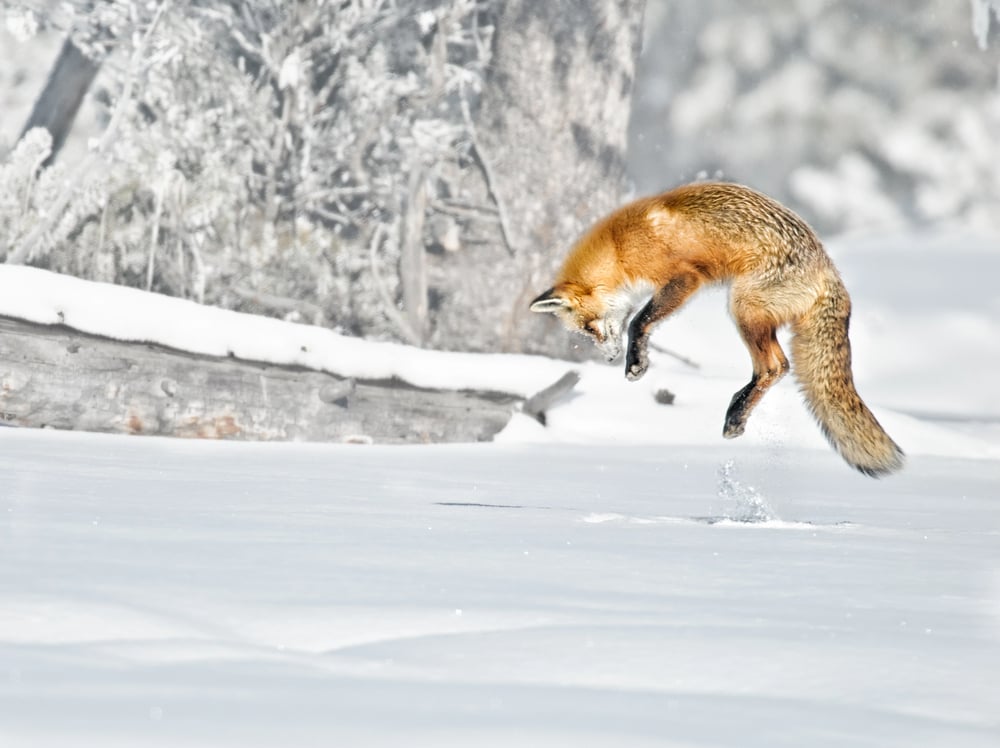
The arctic fox changes its fur color depending on the season. It turns white during winter to blend in with snow and ice.
In summer, the fur becomes brown or gray to match rocks and tundra plants. This change helps it stay hidden in its harsh environment. The fox also uses the terrain and low light to hide from predators and sneak up on prey.
Its thick fur provides warmth while keeping it camouflaged.
Flounder
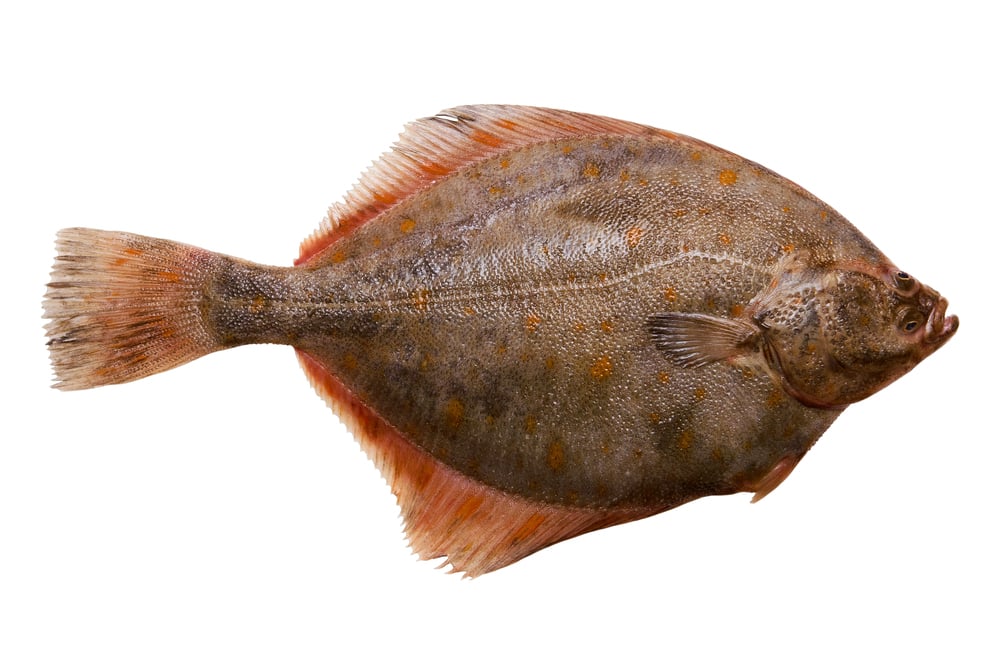
Flounders are flat fish that live on the ocean floor. Their bodies lie flat against the sand or rocks, and they can change their skin color and pattern to match their surroundings.
This helps them stay hidden from bigger fish that hunt them. When danger approaches, the flounder stays still, making it nearly invisible.
This camouflage also helps it surprise smaller fish, which become easy meals.
Walking leaf katydid
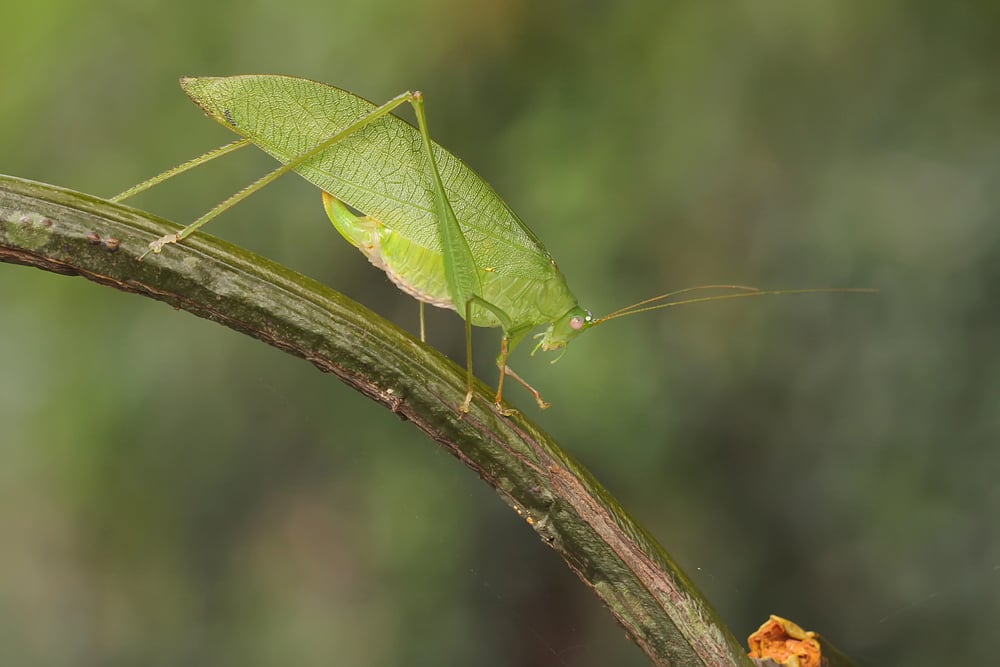
This insect looks just like a dead leaf, with brown spots and even fake pits on its wings. It can also sway gently like a leaf blowing in the wind, which helps it avoid being noticed.
The texture and color of its body are so detailed that birds often fly past without seeing it. Its camouflage works so well that even when it moves slowly, it blends in perfectly with fallen leaves.
Pygmy seahorse
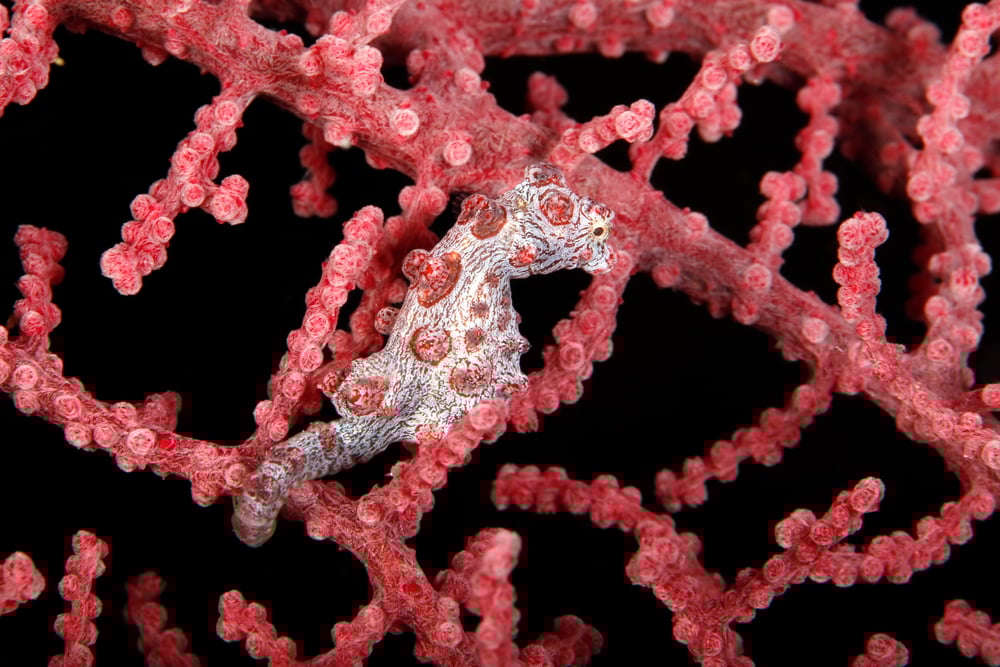
Pygmy seahorses live among coral and have tiny bumps on their bodies that look like coral polyps. Their colors match the pink, orange, or yellow coral where they hide.
This makes it almost impossible to spot them when they cling tightly to coral branches. Their small size and slow movements add to their ability to stay unseen. This camouflage protects them from predators in the busy reef.
Grasshopper
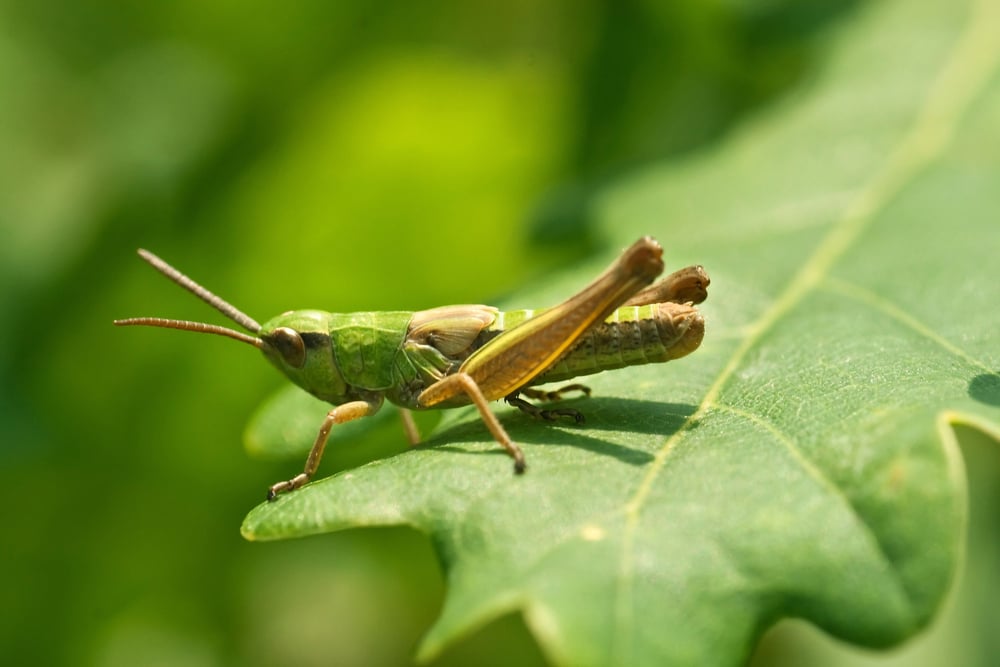
Many grasshoppers can change their color to match their environment. Some are bright green when living in grass, while others turn brown or tan when on dry dirt.
Their bodies often have patterns that help break up their outline, so birds find it hard to focus on them. When a predator approaches, grasshoppers freeze or jump away, but their color helps keep them safe when still.
Stonefish
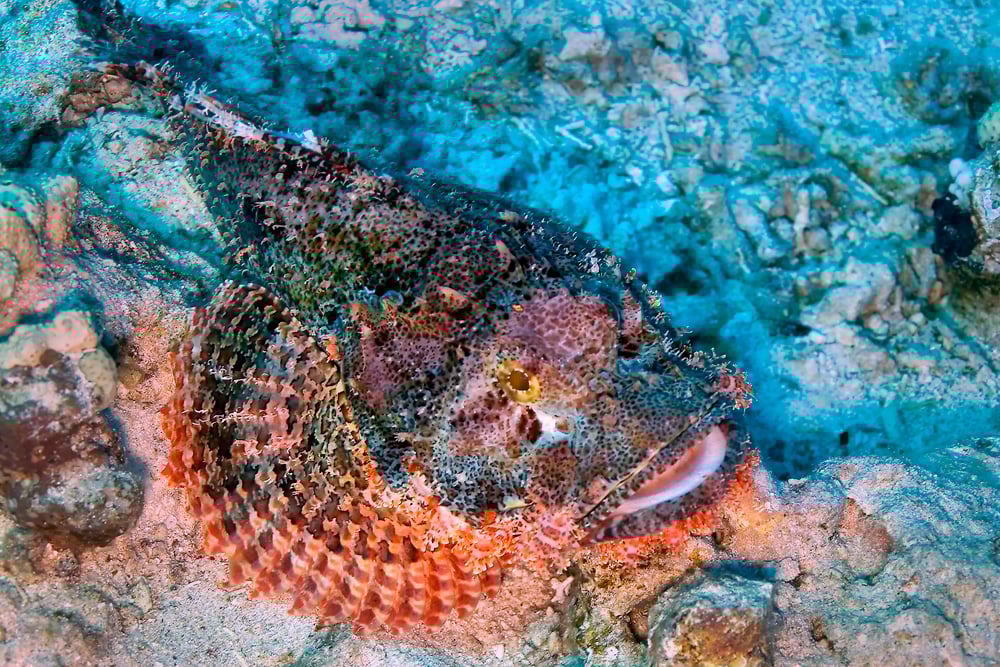
Stonefish look just like rocks on the ocean floor. Their rough, lumpy skin has colors and patterns that match stones and coral.
They often lie very still, waiting for small fish to swim close. Because they blend in so well, divers sometimes don’t notice them and get too close by accident.
This camouflage helps stonefish avoid being eaten while also allowing them to catch prey easily.
Katydid
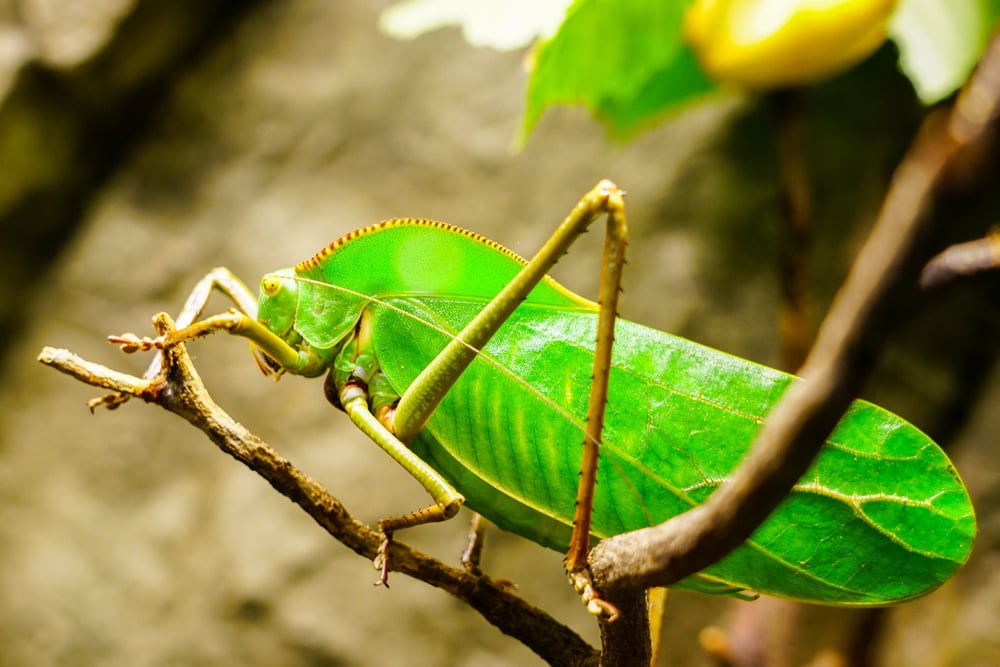
Katydids look like green leaves, complete with tiny veins and edges that mimic real leaves. When they rest on a branch or leaf, it’s hard to tell where the insect ends and the plant begins.
Their green color varies from light to dark, depending on the type of leaves they live among. This makes them invisible to birds and other predators. They also stay very still during the day to avoid attention.
Gray tree frog
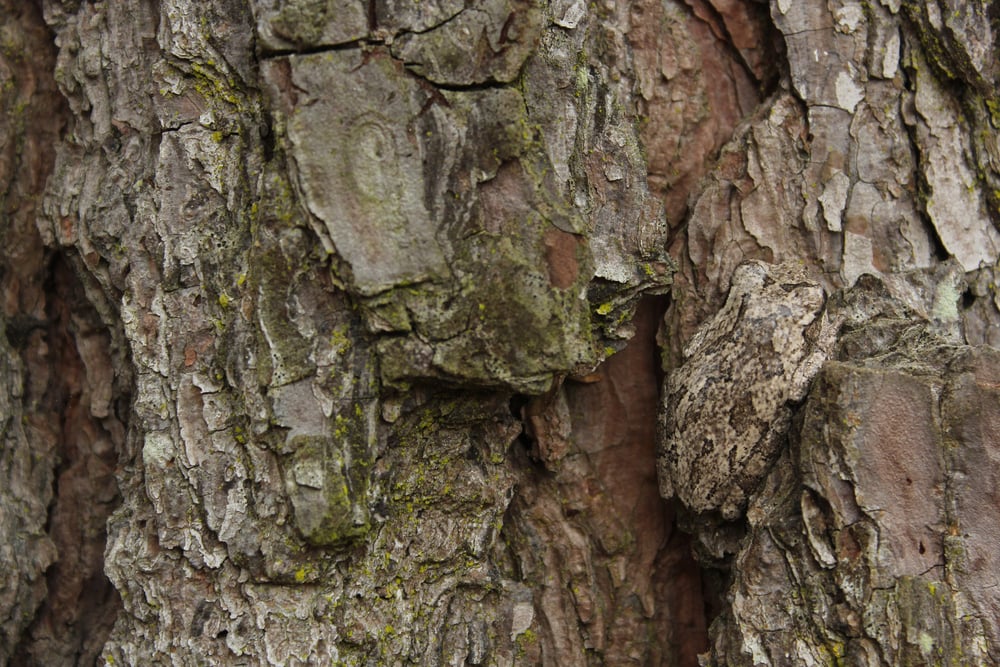
The gray tree frog changes its color from gray to green to match tree bark or leaves. This ability helps it blend in wherever it rests, hiding from snakes and birds.
The frog’s skin can also show blotches and spots that match the texture of bark. During cold weather, the frog can survive freezing, making camouflage even more important to avoid predators when it wakes.
Scorpionfish
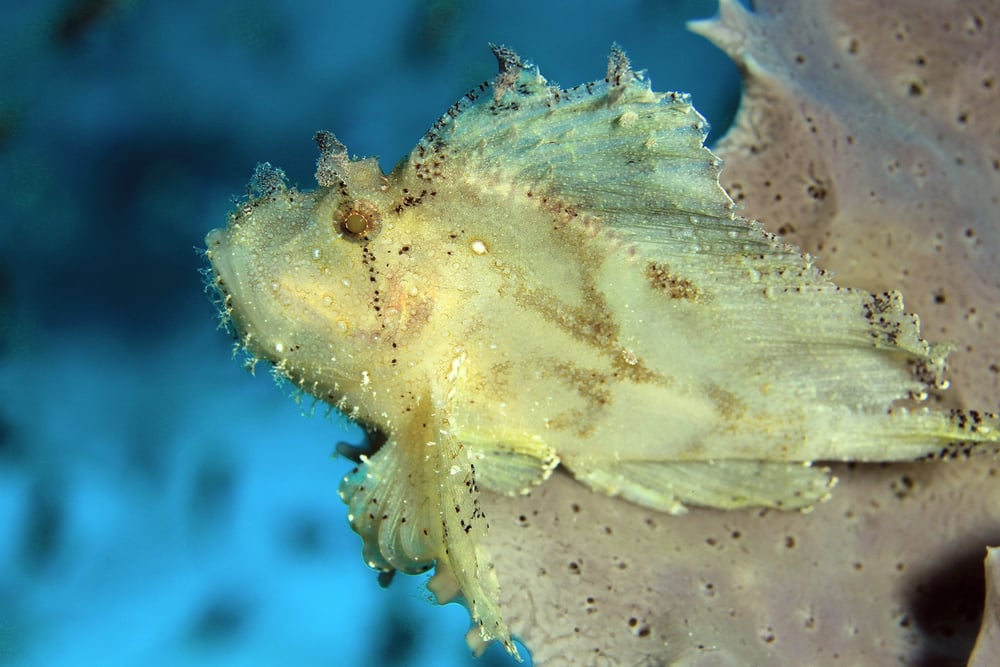
Scorpionfish have rough, spiky skin and colors that look like coral or rocks. They stay very still on the ocean floor, blending in with the environment. Their skin patterns often include reds, browns, and greens, matching the reefs perfectly.
This makes it easy for them to hide from both predators and prey. Their camouflage helps them survive in busy underwater areas.
Common potoo
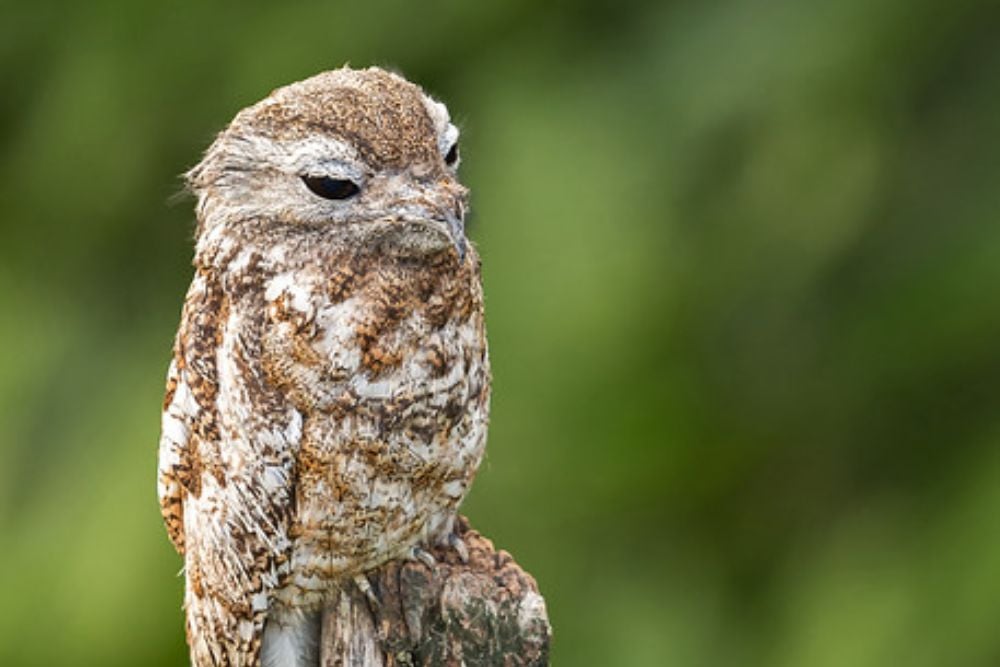
The common potoo is a bird that looks like a broken branch. It perches motionless on tree stumps or branches during the day.
Its feathers match the bark’s color and pattern, making it almost invisible to predators. The bird’s eyes even blend with the bark when closed.
When it flies at night, the potoo can find food while staying hidden during daylight hours.
Owl butterfly
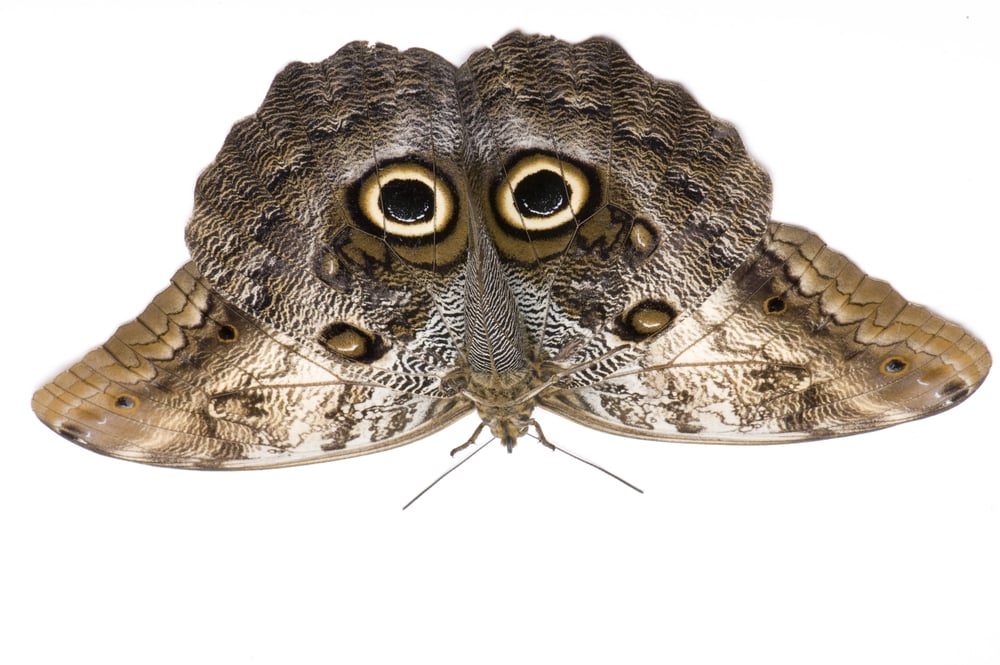
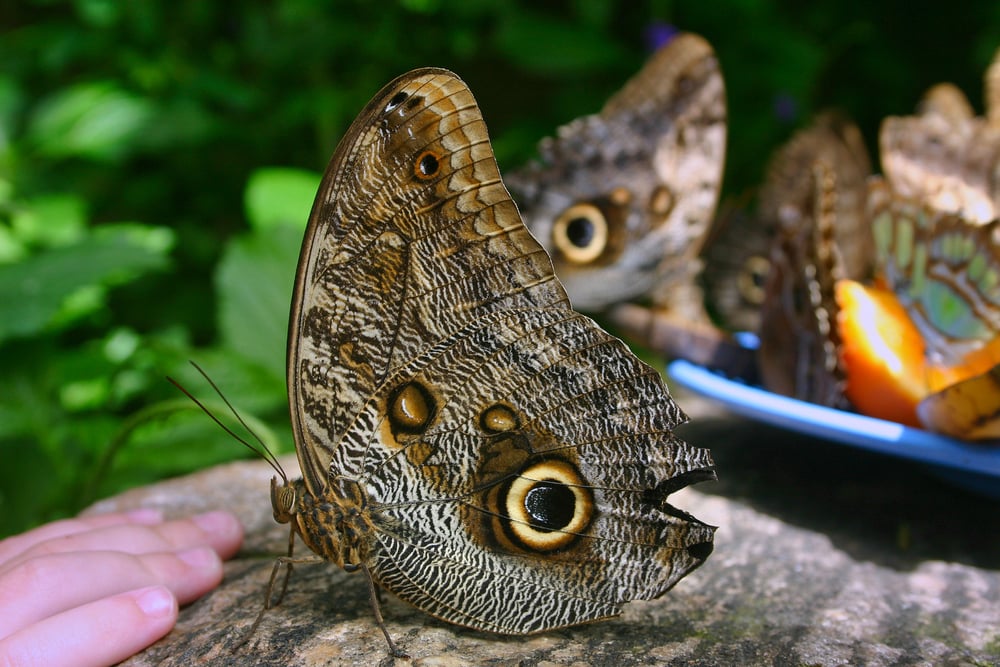
This butterfly has large eyespots on its wings that look like owl eyes. When it rests on tree bark or leaves, the wings fold to hide the bright colors and show the eyespots instead.
These spots confuse or scare away predators by mimicking a bigger animal. Its brown and gray wing colors help it blend into dead leaves or tree bark when still. This clever look helps the butterfly stay safe.
When nature’s design meets survival
Camouflage is a clever trick that shows how animals can adapt to their surroundings. These creatures rely on hiding well to stay alive.
Their skill connects past survival needs with today’s wildlife wonders. Watching them shows the quiet power of nature’s designs at work.
This connection between animals and their homes reminds us how life adjusts over time to protect itself.
More from Go2Tutors!

- The Romanov Crown Jewels and Their Tragic Fate
- 13 Historical Mysteries That Science Still Can’t Solve
- Famous Hoaxes That Fooled the World for Years
- 15 Child Stars with Tragic Adult Lives
- 16 Famous Jewelry Pieces in History
Like Go2Tutors’s content? Follow us on MSN.