15 Celebrities Who Quietly Built Business Empires
Fame is loud. Business is usually quiet.
The celebrities who’ve made the most interesting moves in the commercial world tend not to lead with it — they show up to interviews, promote their projects, and somewhere in the background, a venture is growing that has nothing to do with their original talent. Some of these names you’d expect.
Others are genuinely surprising.
Jay-Z
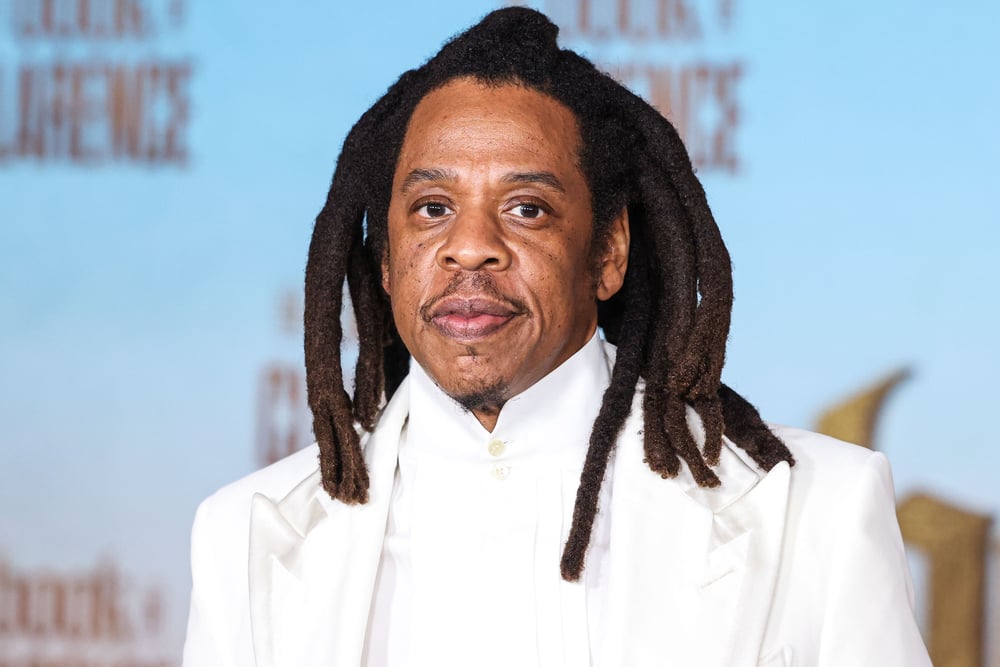
Jay-Z has been building a business portfolio for so long that it barely registers as news anymore. He co-founded Roc-A-Fella Records, launched Rocawear (eventually selling it for $204 million), started Armand de Brignac Champagne, and built Tidal into a serious streaming platform before selling a majority stake to Square.
His entertainment company Roc Nation manages artists and athletes, and handles touring and branding on a major scale. He became hip-hop’s first billionaire not through record sales but through ownership.
Rihanna
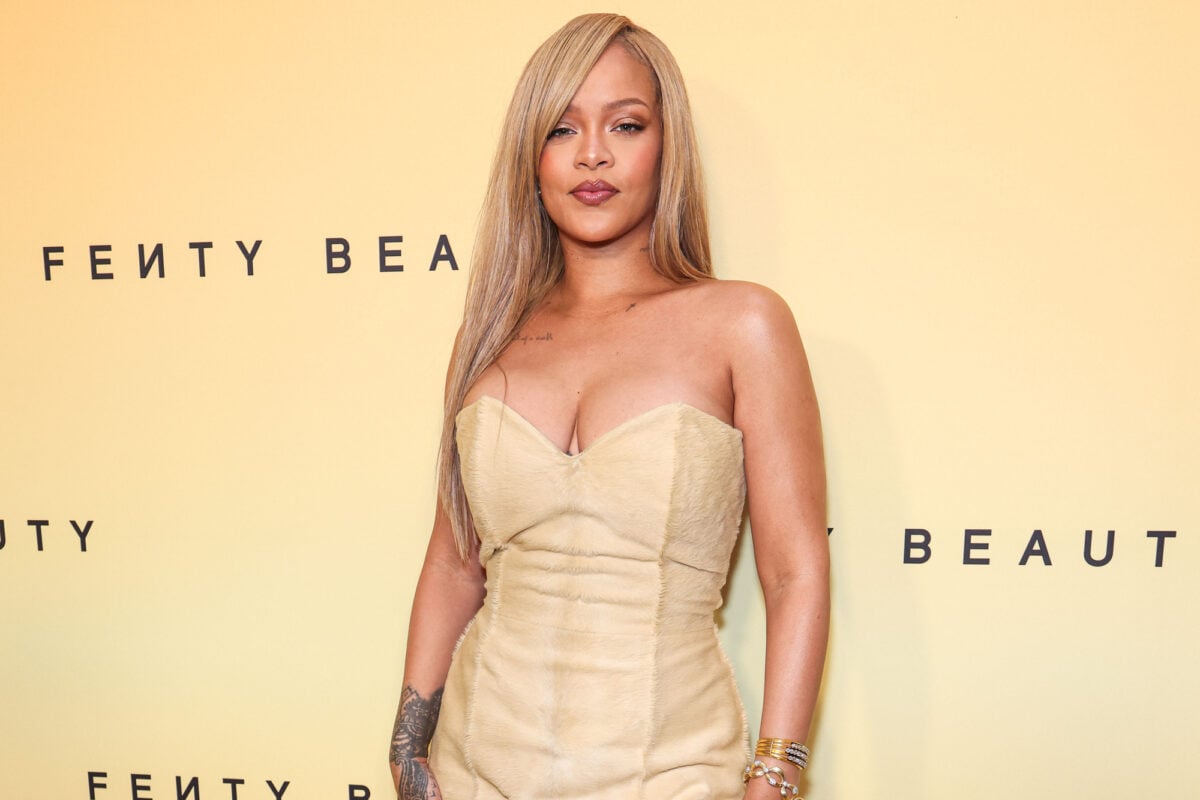
The Fenty story reshaped how the beauty industry works. When Rihanna launched Fenty Beauty in 2017 with 40 foundation shades, it wasn’t just a product launch — it was a correction.
The range sold out almost immediately and made $100 million in its first 40 days. Fenty Skin and Savage X Fenty followed.
LVMH backed the fashion house she briefly ran, which was later put on pause. Her net worth is now estimated well above $1 billion, with the vast majority coming from business rather than music.
Paul Newman
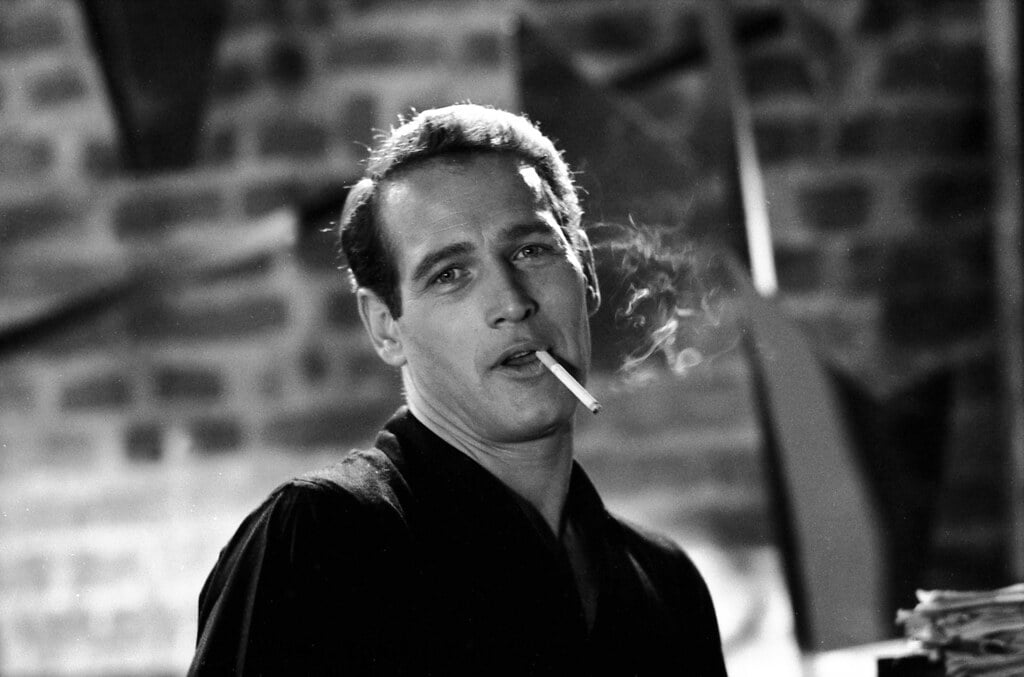
Long before celebrity food brands were common, Paul Newman started Newman’s Own in 1982 as something of a joke — bottling his homemade salad dressing and giving all profits to charity. He never took a cent from it personally.
The company grew into a full food brand covering dozens of products, and by the time of his death in 2008 it had donated over $250 million. That number has continued to climb.
It remains one of the more quietly remarkable business stories in American history.
George Clooney
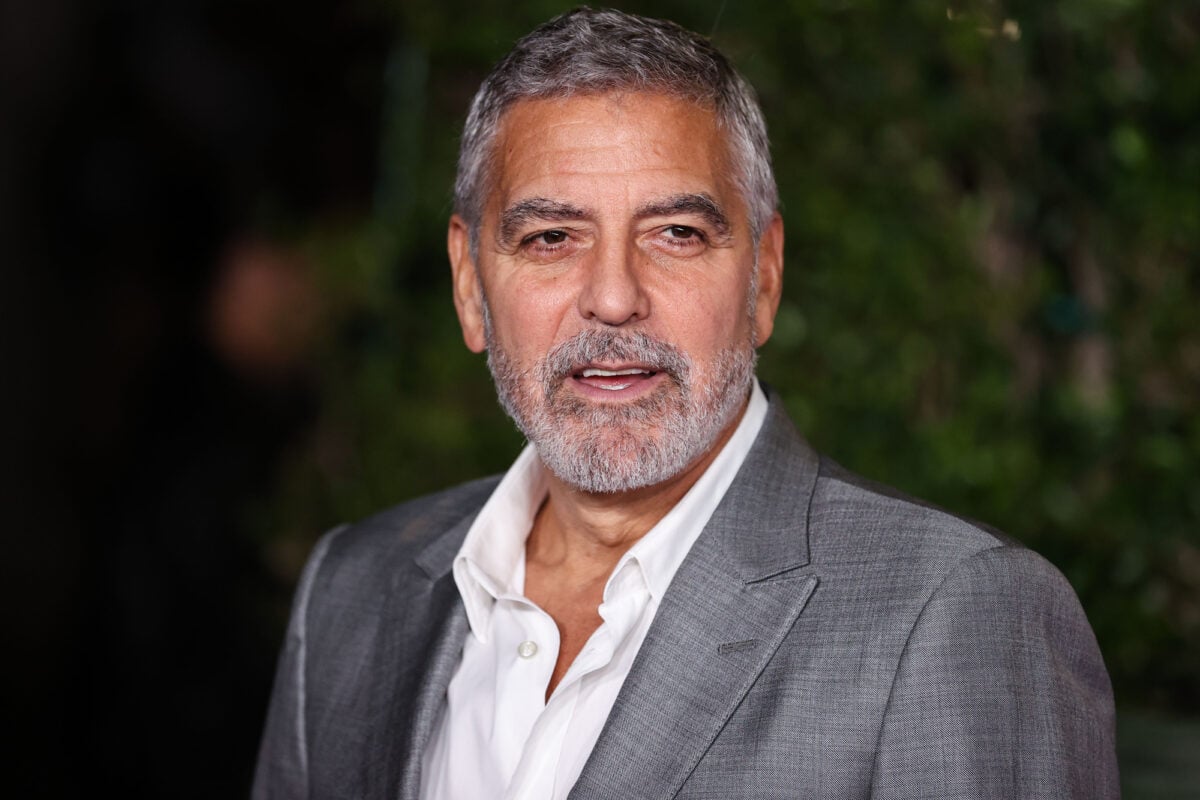
Clooney co-founded Casamigos Tequila in 2013 with two friends, primarily because they were drinking a lot of tequila in Mexico and wanted a brand they actually liked. They didn’t plan to sell it.
Four years later, Diageo bought it for up to $1 billion — $700 million upfront with $300 million tied to performance milestones. Clooney walked away with roughly $233 million from that deal alone.
He’s said in interviews that he still finds the whole thing a bit surreal.
Gwyneth Paltrow
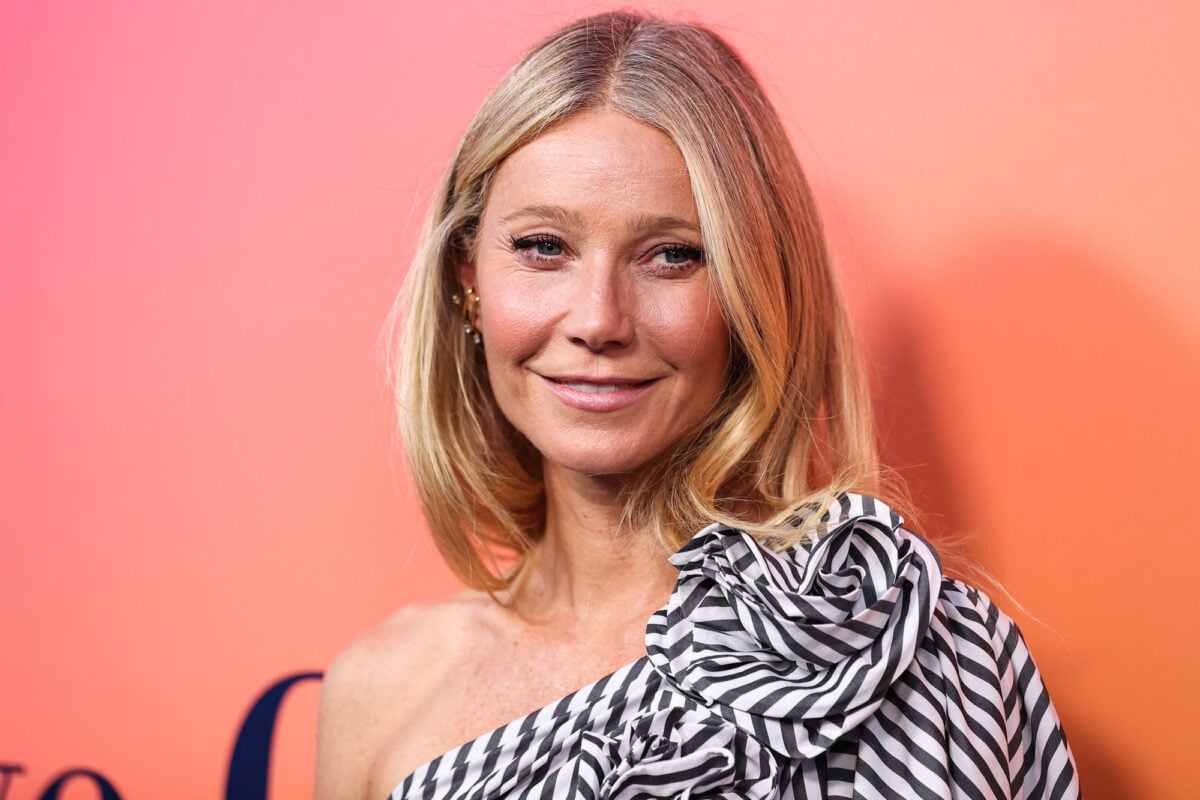
Whatever you think of the products, Goop is a genuine business. Paltrow launched it in 2008 as a newsletter and built it into a wellness and lifestyle brand generating an estimated $250 million in annual revenue.
It has a physical retail presence, a Netflix series, an annual conference, and a product line covering everything from skincare to supplements to home goods. It’s been controversial and it’s been mocked, but it has survived and scaled in a category that many brands have tried and failed to hold.
Dr. Dre
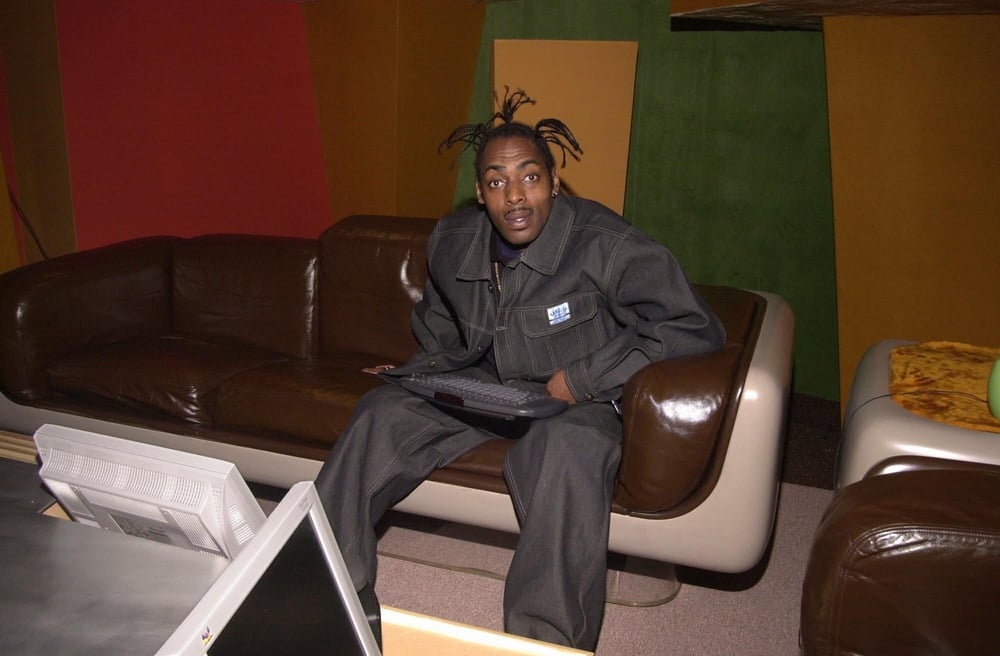
The Beats by Dre story is one of the more extraordinary exits in entertainment history. Dre co-founded Beats Electronics with Jimmy Iovine in 2006.
When Apple acquired the company in 2014 for $3 billion, it was the largest acquisition Apple had ever made. Dre received an estimated $400 million after taxes.
He’d spent years building the brand carefully — the headphones were positioned as premium and aspirational long before they reached mass-market pricing. The deal made him one of the wealthiest figures in hip-hop overnight.
Jessica Alba

Alba founded The Honest Company in 2011 after struggling to find baby products she felt comfortable using. The company focused on non-toxic household and baby goods and grew quickly, going public in 2021 at a valuation of around $1.4 billion.
It’s had its share of controversy and its stock has fluctuated, but the brand remains a serious commercial operation with wide retail distribution. Alba stepped back from an operational role but remains involved and holds a meaningful stake.
Ryan Reynolds

Reynolds has turned deadpan marketing into a business strategy. He acquired a stake in Aviation American Gin in 2018, became the face of it, and then sold it to Diageo in 2020 for up to $610 million — a deal that included an earn-out over a decade.
He also bought a stake in Mint Mobile, a discount wireless carrier, and sold it to T-Mobile in 2023 for $1.35 billion. He’s a co-owner of Wrexham AFC, which has become a global sports media story.
Maximum Effort, his production company, operates as a marketing agency on the side. He approaches most of it with the same energy he brings to press tours, which somehow makes the deals land harder.
Madonna

Madonna’s business instincts predate the era when celebrities were supposed to have them. She co-founded Maverick Records in 1992, giving her ownership over her masters and significant creative control at a time when that was almost unheard of.
The label signed Alanis Morissette and Michelle Branch, among others. She later signed a groundbreaking $120 million deal with Live Nation in 2007, one of the first major 360 deals of its kind, covering touring, albums, merchandise, and film.
Her tours have consistently ranked among the highest-grossing in history.
Pharrell Williams

Pharrell has built a portfolio that crosses fashion, music, and culture in ways that make it hard to categorise. He co-founded Billionaire Boys Club and Ice Cream in 2003, which remain active streetwear brands.
He has a long-running collaboration with Adidas. In 2024 he became Louis Vuitton’s menswear creative director, a position that carries significant commercial weight. His company I am OTHER functions as an umbrella for creative projects, label work, and partnerships.
The business side has always run parallel to the music, rarely overshadowing it.
Ashton Kutcher
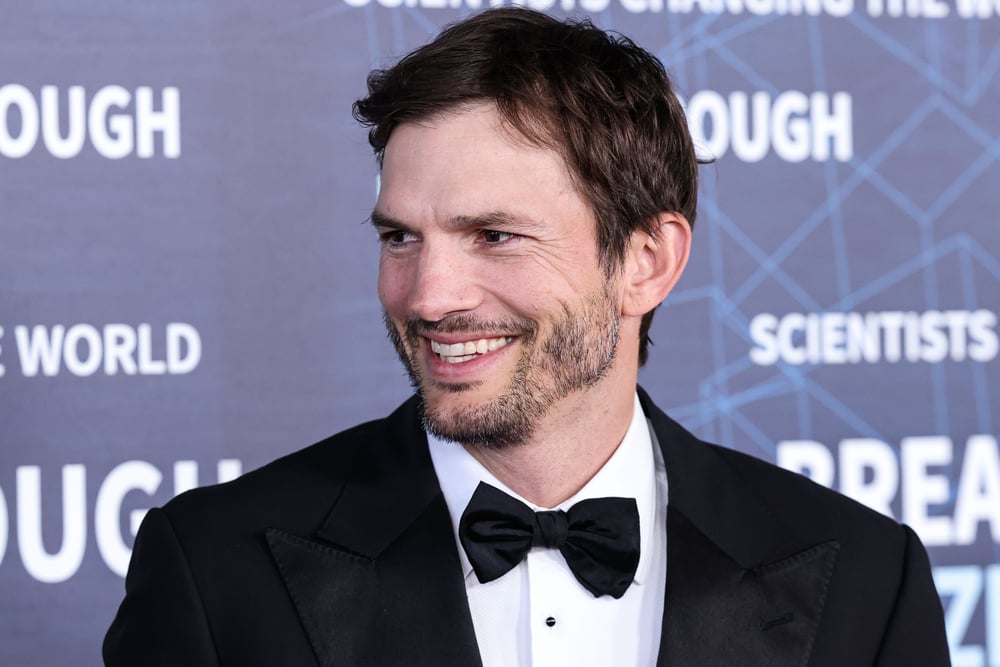
Kutcher became a serious tech investor before most people thought to take that seriously. He co-founded A-Grade Investments in 2010 and made early bets on Airbnb, Spotify, Uber, Duolingo, and dozens of other companies.
He later launched Sound Ventures with former manager Guy Oseary, which has continued the same strategy. His portfolio has returned figures that would be notable even for a professional investor.
He’s spoken openly about approaching investment with the same discipline as studying a script — which either sounds like marketing or like genuine methodology, depending on how the returns look.
Oprah Winfrey
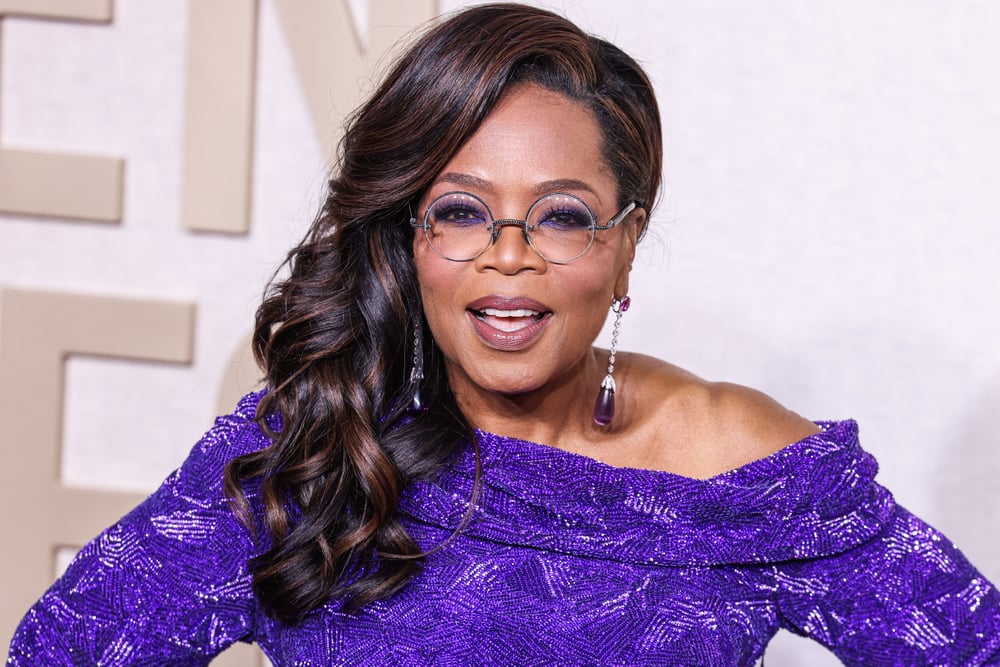
Oprah’s business history is long enough to need its own article. Harpo Productions, which she founded in 1986, gave her ownership over her show and her content at a time when that kind of control was rare for anyone, let alone a Black woman in television.
She co-founded Oxygen Media, launched O Magazine, and became a significant stakeholder in Weight Watchers (now WW International) — her announcement in 2015 that she’d bought a 10% stake sent the company’s stock up 90% in a single day. OWN, her cable network, took years to find its footing but became profitable.
The through-line across all of it is ownership.
LeBron James

James made a decision early in his career to model himself on business owners rather than athletes who endorse products. He took equity instead of fees where possible.
His early investment in Blaze Pizza, made in 2012, grew into a stake worth an estimated $30 million as the chain expanded. SpringHill Company, which he co-founded, is a media and branding operation valued at over $700 million.
He has a stake in Liverpool FC’s parent company Fenway Sports Group. And his 2021 acquisition of a stake in the Boston Red Sox — the rival of the Cleveland Guardians, a team in his home state — was a deliberately aggravating business move that made headlines for exactly the right reasons.
Serena Williams
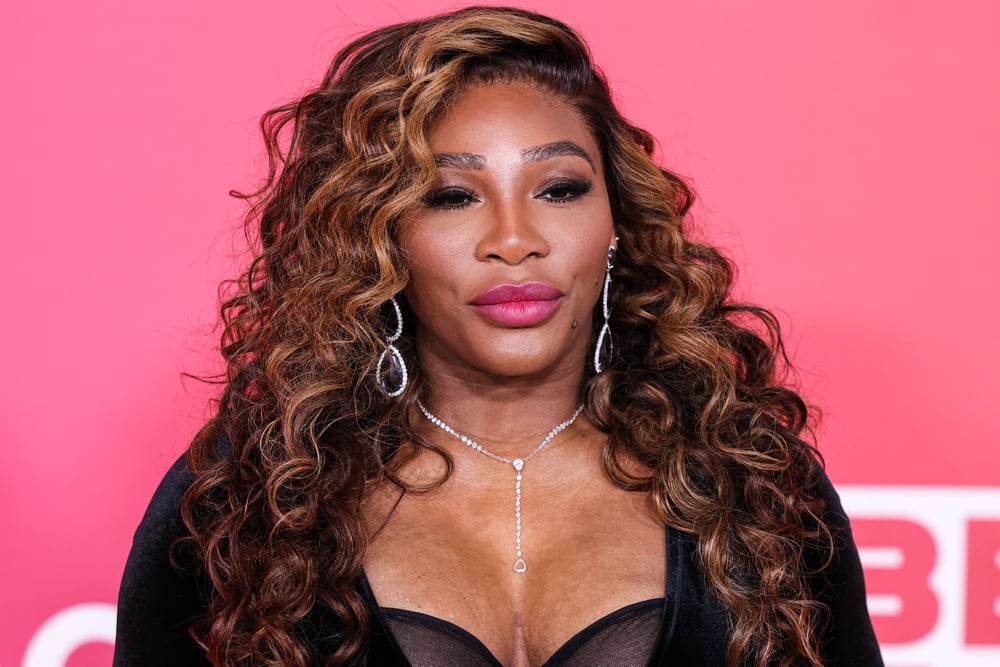
Williams launched Serena Ventures in 2014 and spent years investing quietly before announcing the fund publicly. By 2022 the firm had raised $111 million and backed over 60 companies, with a deliberate focus on founders from underrepresented groups — roughly 78% of portfolio companies are led by women or people of colour.
Her investments span fintech, health, consumer goods, and tech. She’s been methodical about it in a way that separates her from celebrities who attach their names to funds they don’t actively manage.
Bob Marley
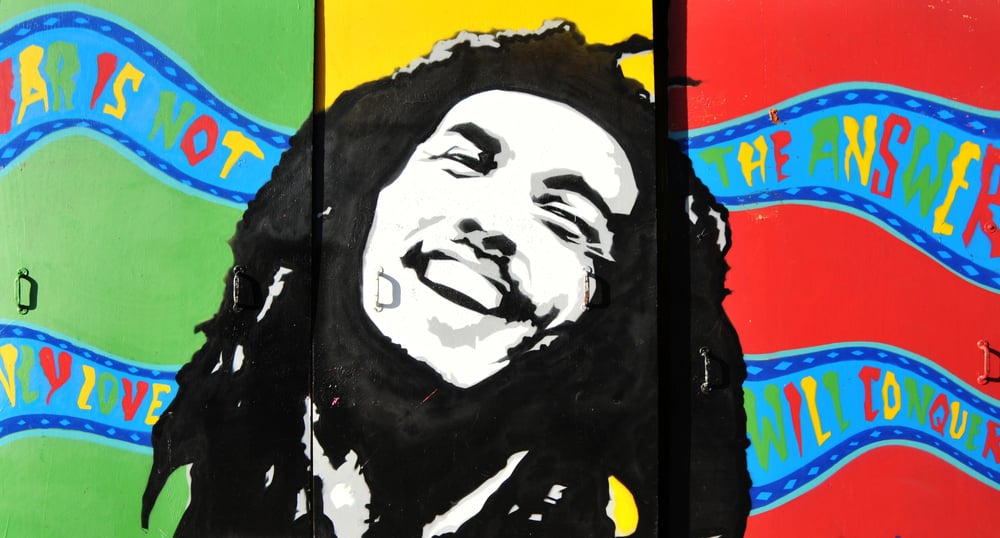
Marley died in 1981, but the business he left behind has grown into something he couldn’t have imagined. His estate has been carefully managed by his family, and Marley Coffee, Marley Headphones (House of Marley), and various licensing operations have made the brand a continuous commercial presence.
But the centrepiece is Marley Natural, a cannabis brand launched in 2014 with backing from private equity. It operates in a market Marley himself was famously associated with and trades on his image with his family’s blessing.
The estate generates tens of millions annually and continues to expand. Legacy, it turns out, is also a business model.
The Part Nobody Really Talks About
Most of these individuals share something deeper than chance or well-known connections, even if those played a role now and then. Crafting their work carefully is what sets them apart – paying attention, learning constantly, sticking close to what they made instead of walking away.
Long-lasting results usually come from people who kept asking questions when others would’ve moved on. Being recognized got them inside the room.
Then came real persistence – the quiet sort nobody applauds.
More from Go2Tutors!

- The Romanov Crown Jewels and Their Tragic Fate
- 13 Historical Mysteries That Science Still Can’t Solve
- Famous Hoaxes That Fooled the World for Years
- 15 Child Stars with Tragic Adult Lives
- 16 Famous Jewelry Pieces in History
Like Go2Tutors’s content? Follow us on MSN.



