16 Deadliest Poisons Found in Common House Plants
Those green companions brightening your living room might be harboring secrets darker than their shadows. House plants bring life indoors, purify air, and create peaceful spaces — but some carry compounds that could turn a quiet afternoon into a medical emergency.
The same botanical chemistry that helps plants survive in nature doesn’t distinguish between garden pests and curious toddlers reaching for colorful berries. Most plant poisonings happen quietly.
A nibbled leaf here, an attractive berry there. The symptoms often masquerade as common illnesses until someone connects the dots between the missing foliage and the sudden nausea.
Oleander
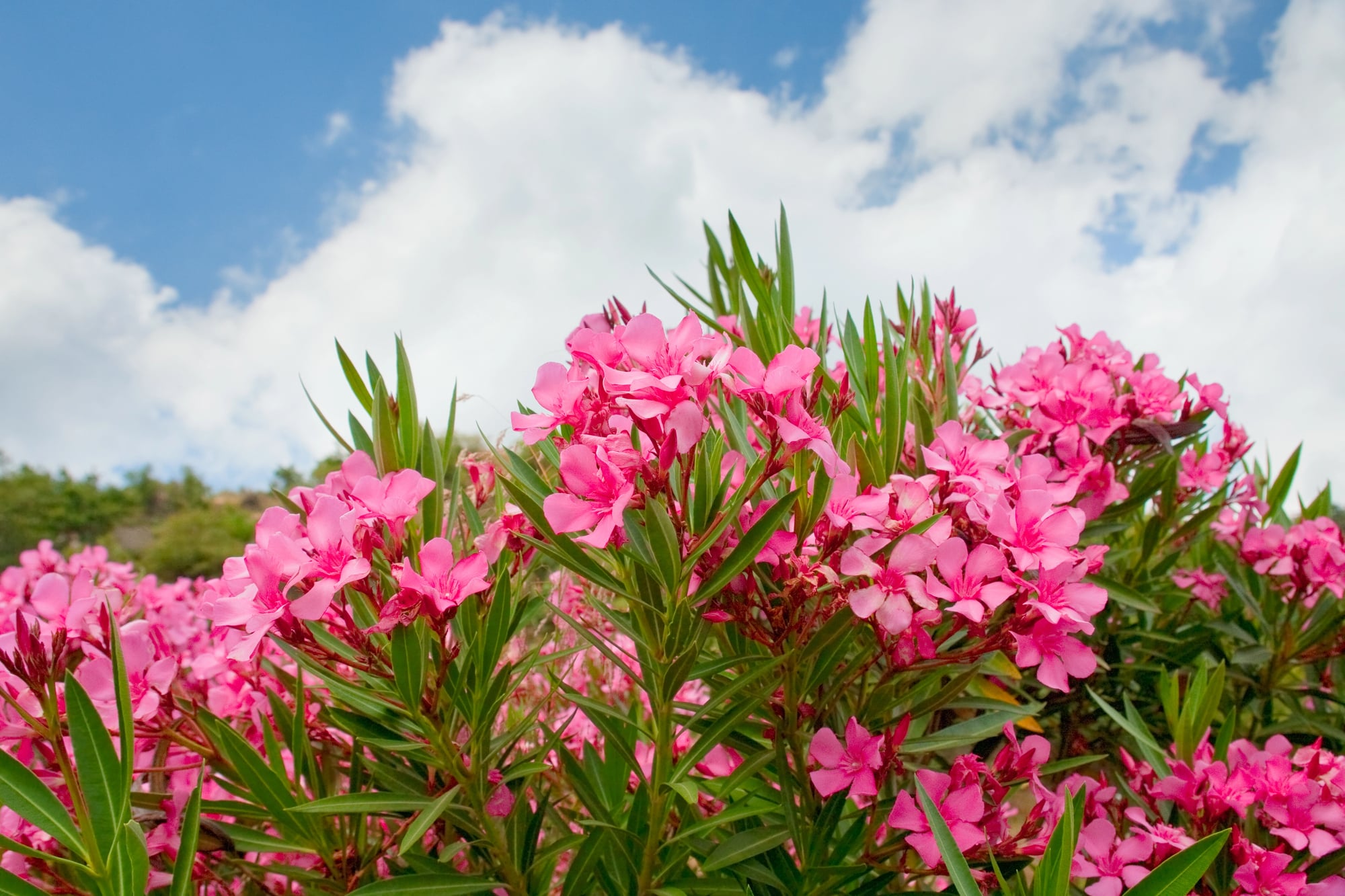
Every part contains cardiac glycosides. The leaves, the stems, the flowers, the roots. Even the smoke from burning oleander can cause problems.
One leaf can kill a child. Two or three leaves can kill an adult. The heart rhythm changes first, then comes the nausea and confusion.
Castor Bean Plant
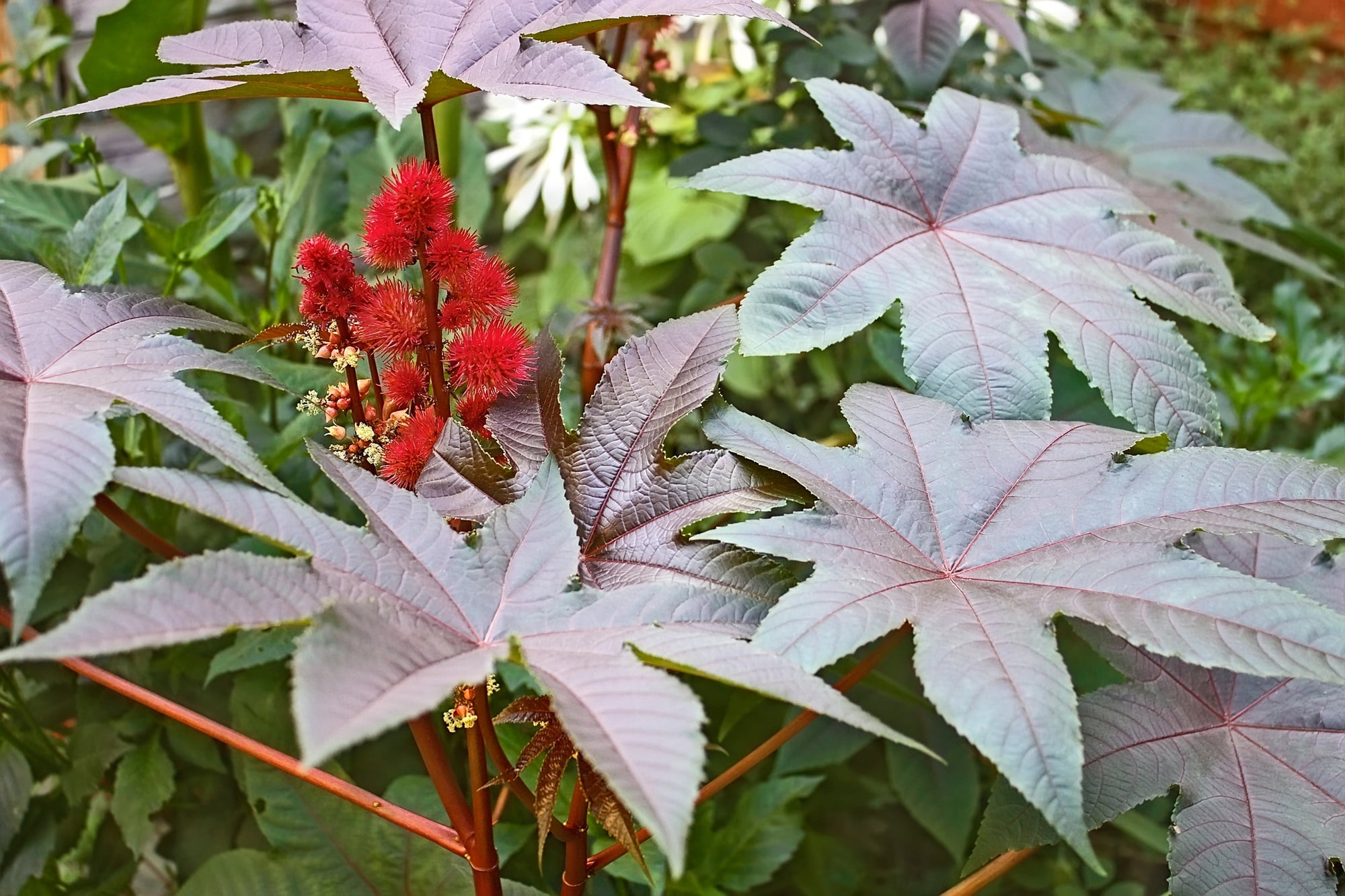
The seeds look harmless enough — mottled brown and white, about the size of a large tick. But ricin lives inside that decorative shell, and ricin doesn’t forgive mistakes.
Chewing releases the poison. Swallowing whole seeds usually passes through without incident (though this gamble seems unnecessarily risky), but any damage to the seed coat during chewing releases enough ricin to cause severe poisoning within hours.
Foxglove
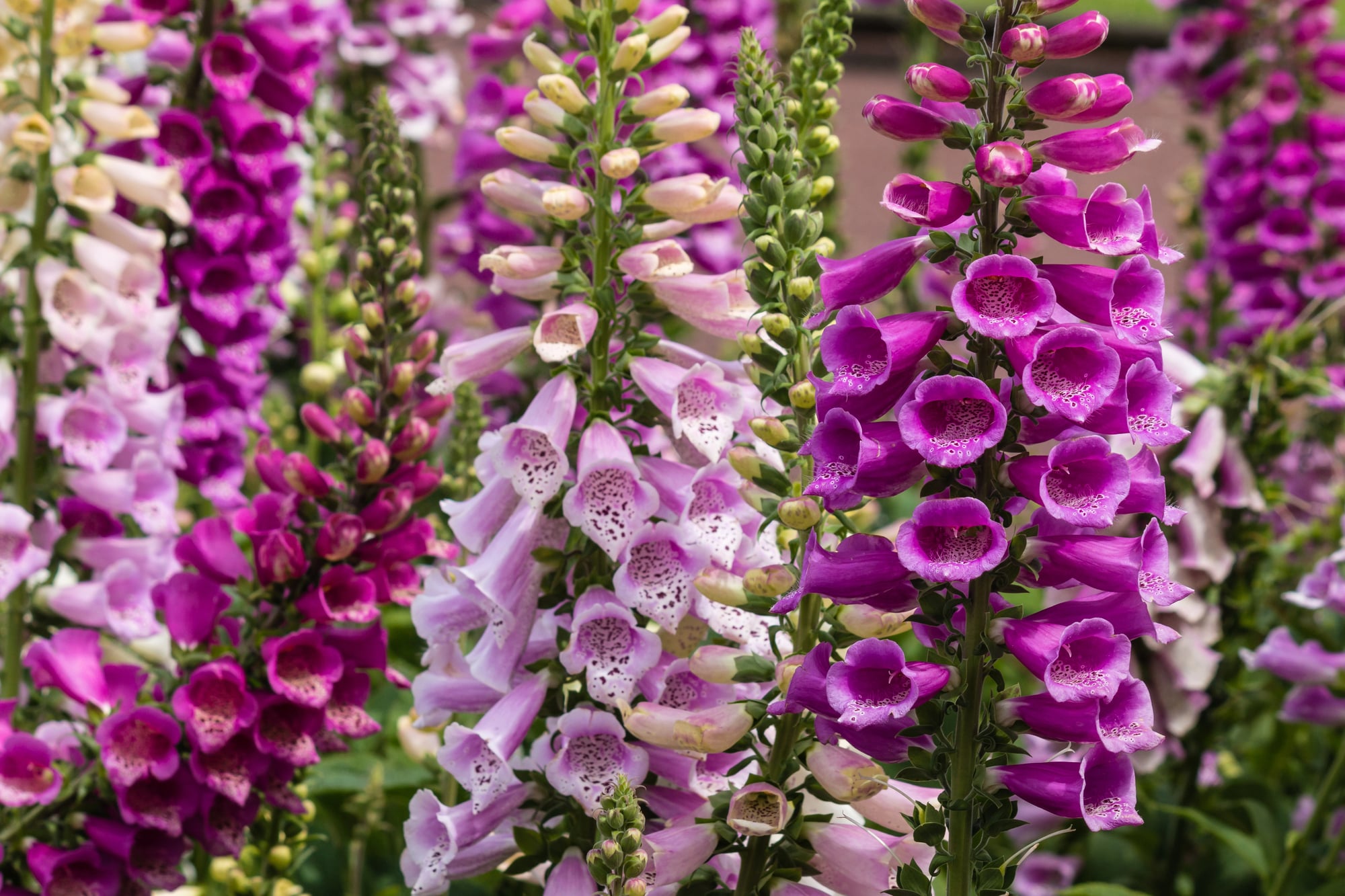
There’s something almost theatrical about foxglove poisoning — the way it mimics the very heart medications derived from the plant itself, except the dosage is completely unpredictable and the margin for error doesn’t exist. The tubular flowers seem designed to catch rainwater (which they are), but they also concentrate digitalis compounds that can stop a heart as easily as regulate one.
Children find those purple and white speckled blooms irresistible, and the leaves have a bitter taste that doesn’t stop determined toddlers. But here’s what makes foxglove particularly treacherous: the active compounds vary wildly between individual plants, seasons, and even different parts of the same plant — so there’s no way to predict how much poison any given bite might contain.
Yew
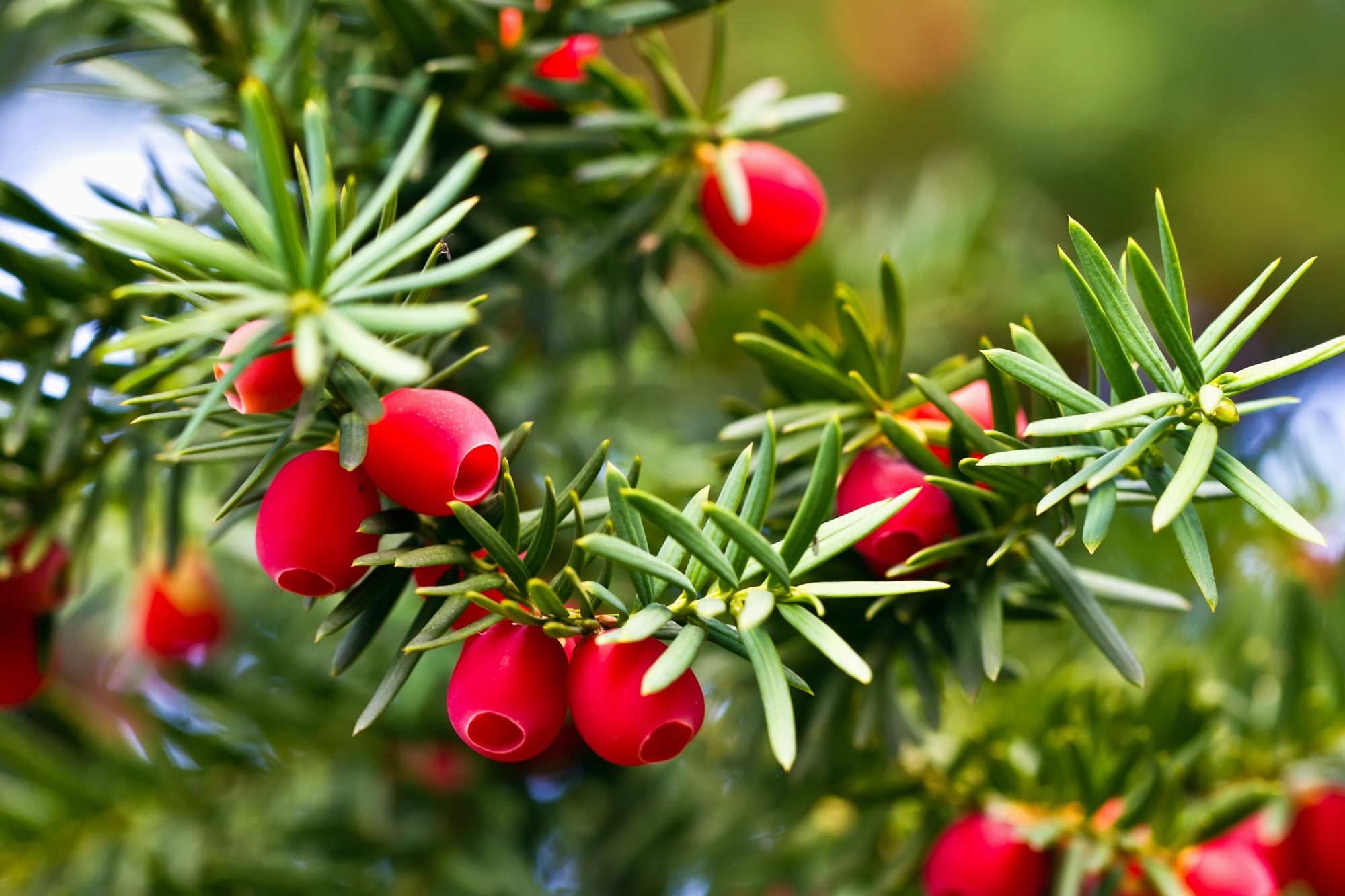
The berries tell lies. Bright red, sweet, and completely safe to eat.
Children learn this and assume the entire plant follows the same rules. The seeds inside those berries contain taxine.
The bark contains taxine. The leaves contain taxine.
Everything except that red flesh wants to kill you.
Angel’s Trumpet
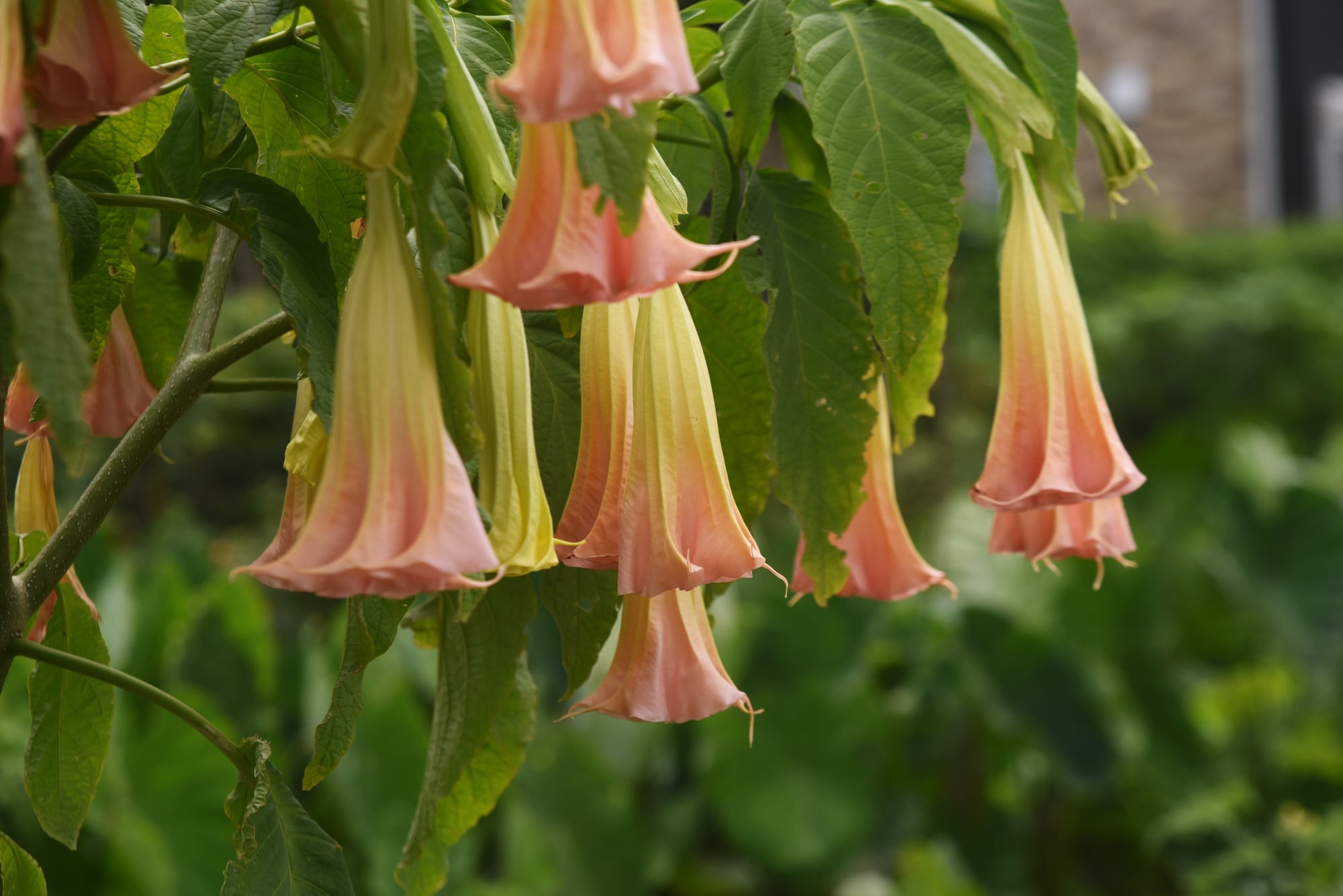
The flowers hang downward like pale yellow bells, releasing their fragrance most strongly at night (which makes sense, since they’re pollinated by night-flying moths), and every part of the plant contains tropane alkaloids — scopolamine, hyoscyamine, atropine — compounds that don’t just poison the body but scramble the mind in ways that make the poisoning itself harder to recognize. People who ingest angel’s trumpet often experience complete breaks from reality, seeing and hearing things that aren’t there, losing all sense of time and place, sometimes for days.
And because the hallucinations feel absolutely real to the person experiencing them, they may not seek help or may actively resist it when others try to provide it. The plant essentially hijacks consciousness while simultaneously shutting down basic bodily functions — breathing becomes shallow, heart rate spikes erratically, body temperature regulation fails.
Autumn Crocus

Spring crocuses emerge with the daffodils and tulips. Autumn crocuses bloom alone in fall, after their leaves have died back completely.
That timing creates confusion. People see purple flowers rising from bare soil and assume they’re looking at a harmless spring bulb that got its seasons mixed up. The bulb contains colchicine, which stops cell division throughout the body.
Water Hemlock
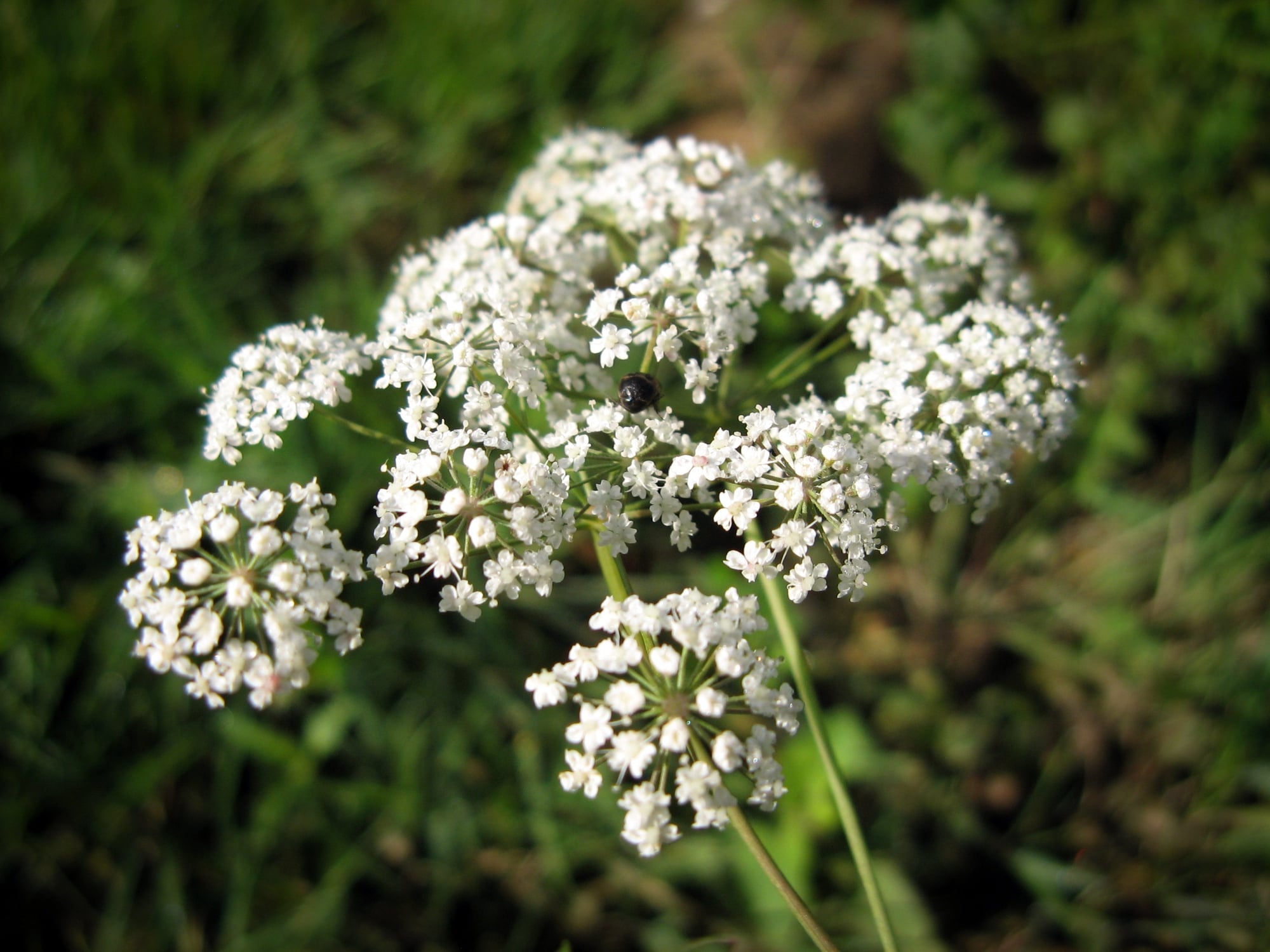
The most poisonous plant in North America grows in wet places where children like to play. The hollow stems whistle when you blow through them.
The roots smell like parsnips when you dig them up. Cicutoxin attacks the central nervous system within minutes.
Seizures start quickly and don’t respond well to treatment. The plant looks enough like edible wild carrots that even experienced foragers make mistakes.
Rosary Pea
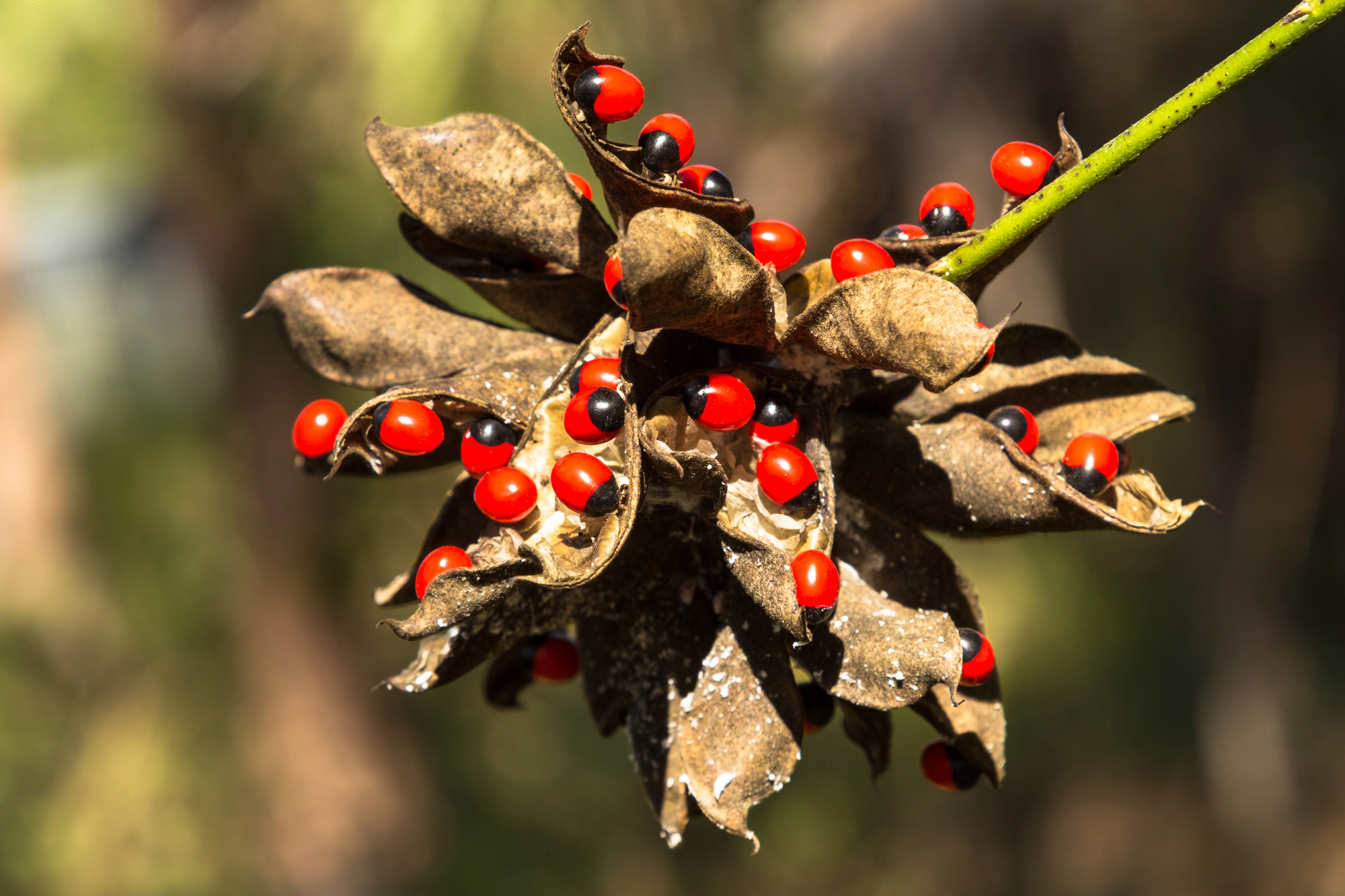
Those seeds want to become jewelry — perfectly round, brilliant scarlet with a black spot at one end, naturally glossy and hard enough to last for decades when strung into necklaces or bracelets. Traditional craftspeople have used them for centuries, and they’re still common in imported jewelry and decorative items.
But abrin, the protein hiding inside that beautiful shell, makes ricin look mild by comparison. The intact seed usually passes through the digestive system without releasing its poison, which explains how the plant species survived despite containing something so deadly.
However, any scratch or crack in that hard coating — from teething, from accidentally biting down, from normal wear on a necklace — releases enough abrin to cause severe poisoning that progresses over several days, often starting with symptoms so mild they’re mistaken for a common cold.
Manchineel Tree
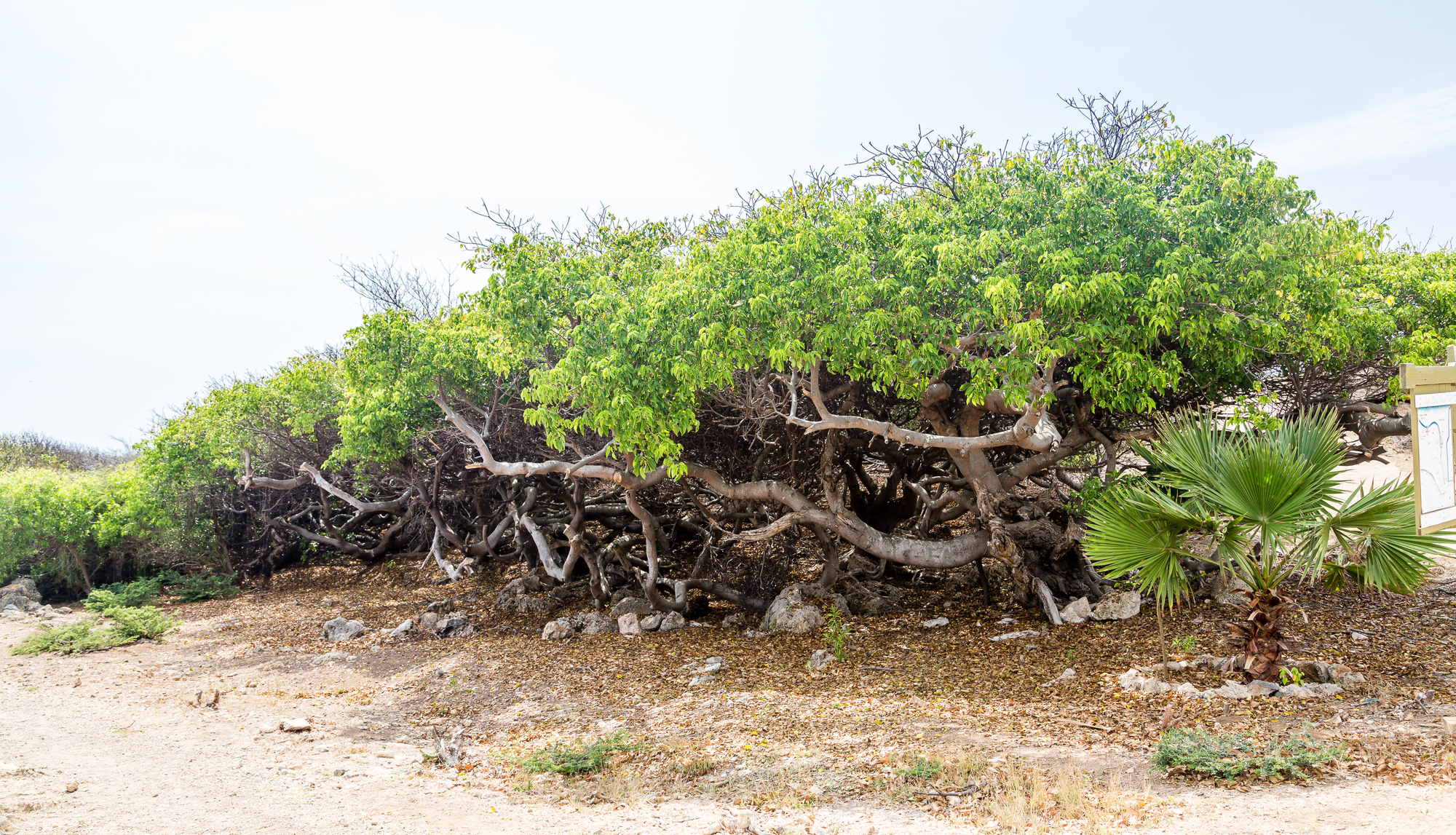
The tree that shouldn’t exist indoors but sometimes does. Bonsai enthusiasts and exotic plant collectors occasionally acquire young specimens without understanding what they’re bringing home.
Standing under this tree during rain can cause burns from the water dripping off the leaves. The sap can blind you if it gets in your eyes.
Every part of the tree is poisonous, and there’s no safe level of exposure.
Monkshood
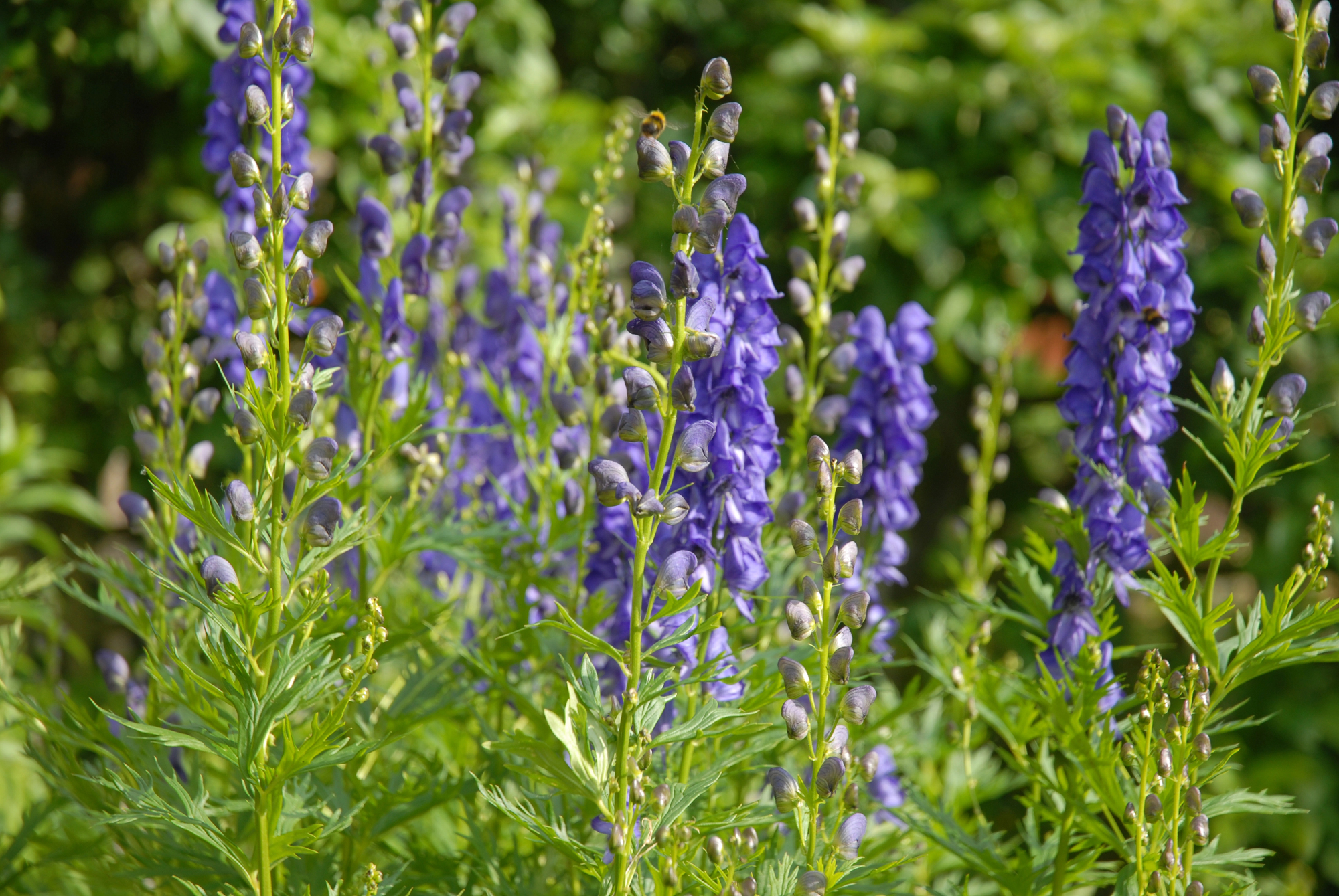
The blue flowers cluster at the top of tall stalks, each bloom shaped like a medieval hood (hence the name), and the entire plant contains aconitine, one of the most potent plant toxins known — concentrated enough in the roots that even experienced herbalists who once used tiny amounts for medicinal purposes have largely abandoned the practice as too dangerous. What makes monkshood particularly insidious is how quickly it works and how difficult it is to treat.
Unlike many plant poisonings that primarily affect the digestive system first, aconitine goes straight for the heart and nervous system. Numbness and tingling start within minutes of contact — just touching the plant can cause symptoms — followed by nausea, difficulty breathing, and irregular heartbeat.
The poison essentially short-circuits the electrical system that keeps the heart beating steadily. But the person often remains conscious throughout, which makes it even more terrifying.
Dumb Cane
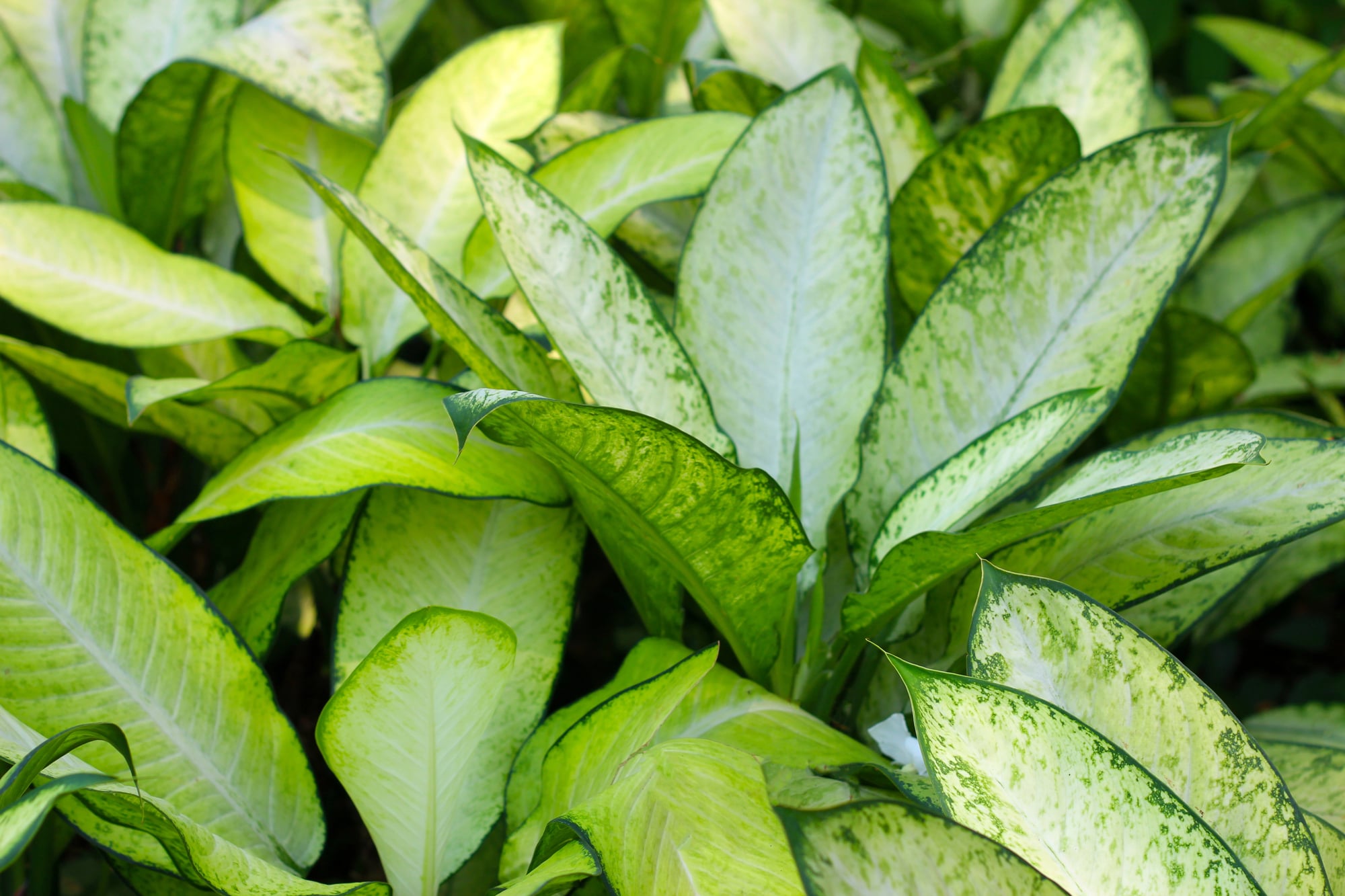
The name comes from what happens when you chew the leaves. Calcium oxalate crystals embed in tongue and throat tissue like microscopic glass shards.
Speech becomes impossible for hours or days. Swallowing becomes difficult.
The throat swells enough to block breathing in severe cases. Children bite the attractive patterned leaves and learn immediately why this plant earned its unfortunate nickname.
Philodendron
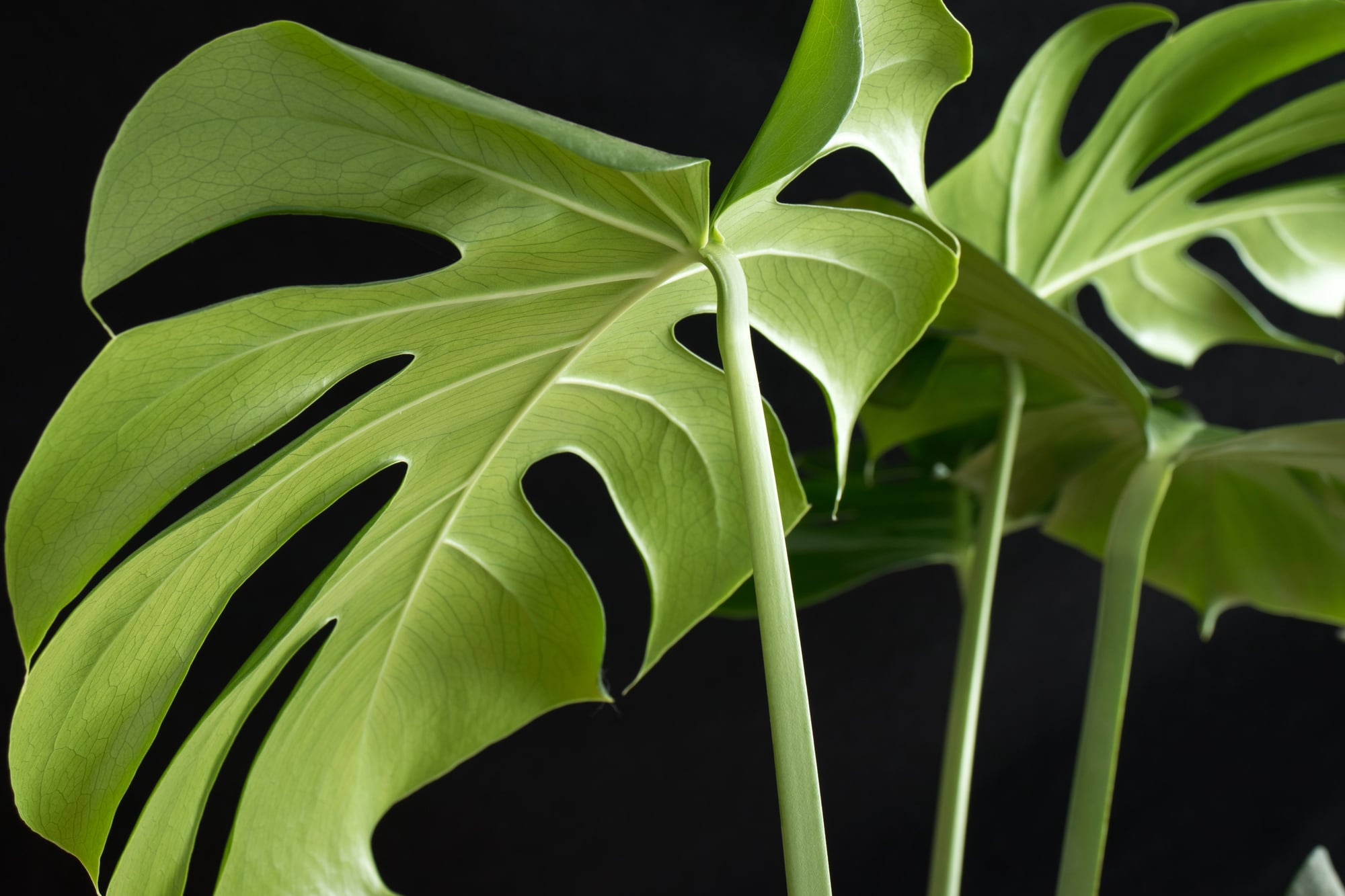
Every office building has them hanging in corners or trailing from bookshelves — those glossy heart-shaped leaves seem almost designed to catch fluorescent light, and they tolerate neglect better than most plants, which explains their popularity in places where no one particularly wants to garden but everyone agrees the space needs something green. The calcium oxalate crystals concentrated in the leaves and stems cause immediate pain when chewed, which usually prevents serious poisoning since most people (and pets) stop after the first bite.
But children who push through the initial discomfort, or pets who swallow pieces whole, can develop serious swelling of the mouth, throat, and digestive tract. The crystals don’t dissolve or break down easily, so they continue causing irritation and damage until the body slowly works them through the system, a process that can take days and sometimes requires medical intervention to prevent the airway from swelling shut.
Lily of the Valley
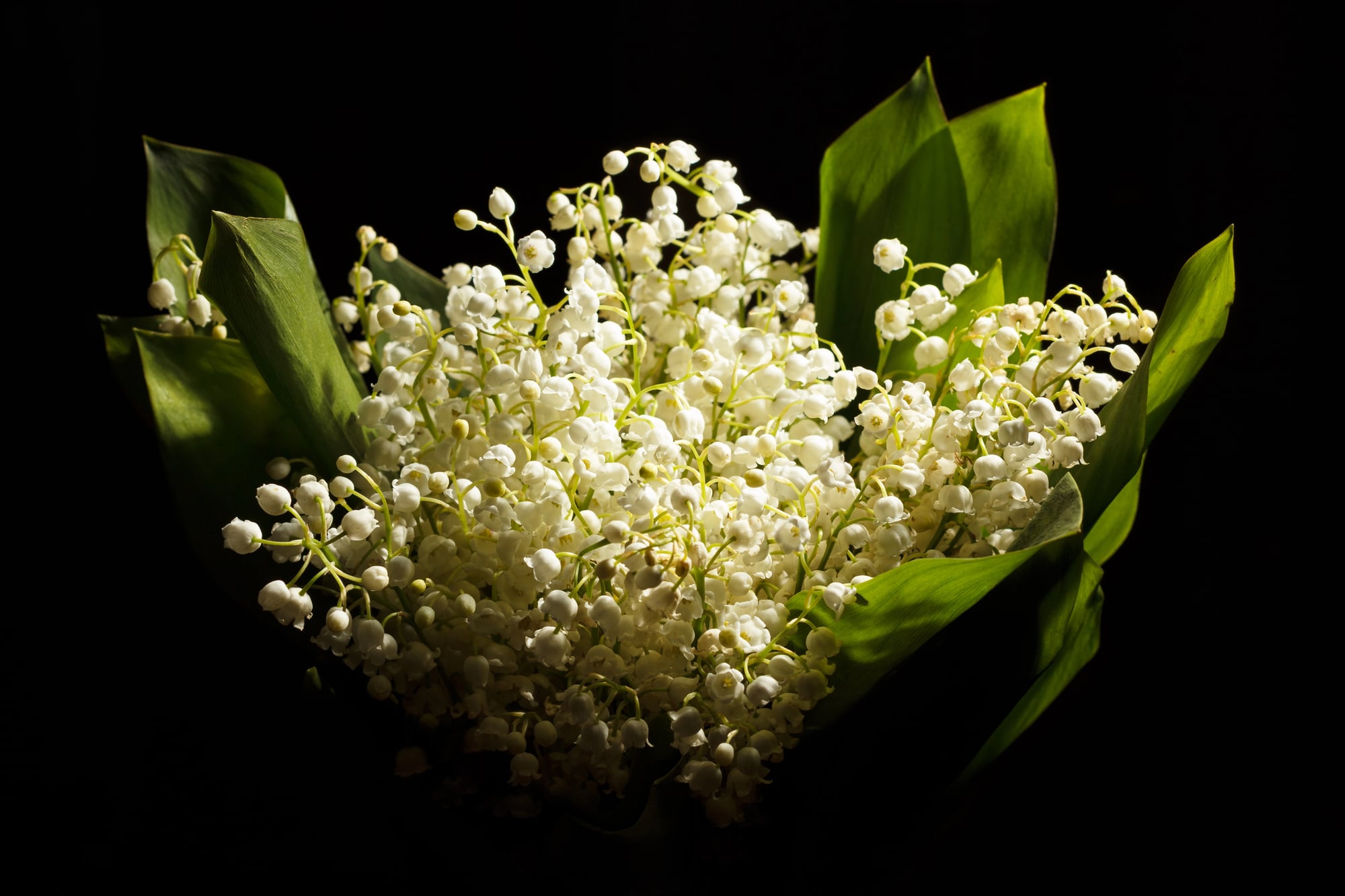
The white bell-shaped flowers dangle from arching stems like tiny lanterns, and the broad leaves stay green long after the blooms fade, making this a favorite for shaded gardens and indoor forcing. Cardiac glycosides concentrate throughout the plant — the same compounds that make oleander deadly, but in different concentrations and combinations.
The berries ripen to bright red in late summer. Children find them irresistible, and the sweet taste doesn’t provide the bitter warning that protects people from many poisonous plants.
Caladium
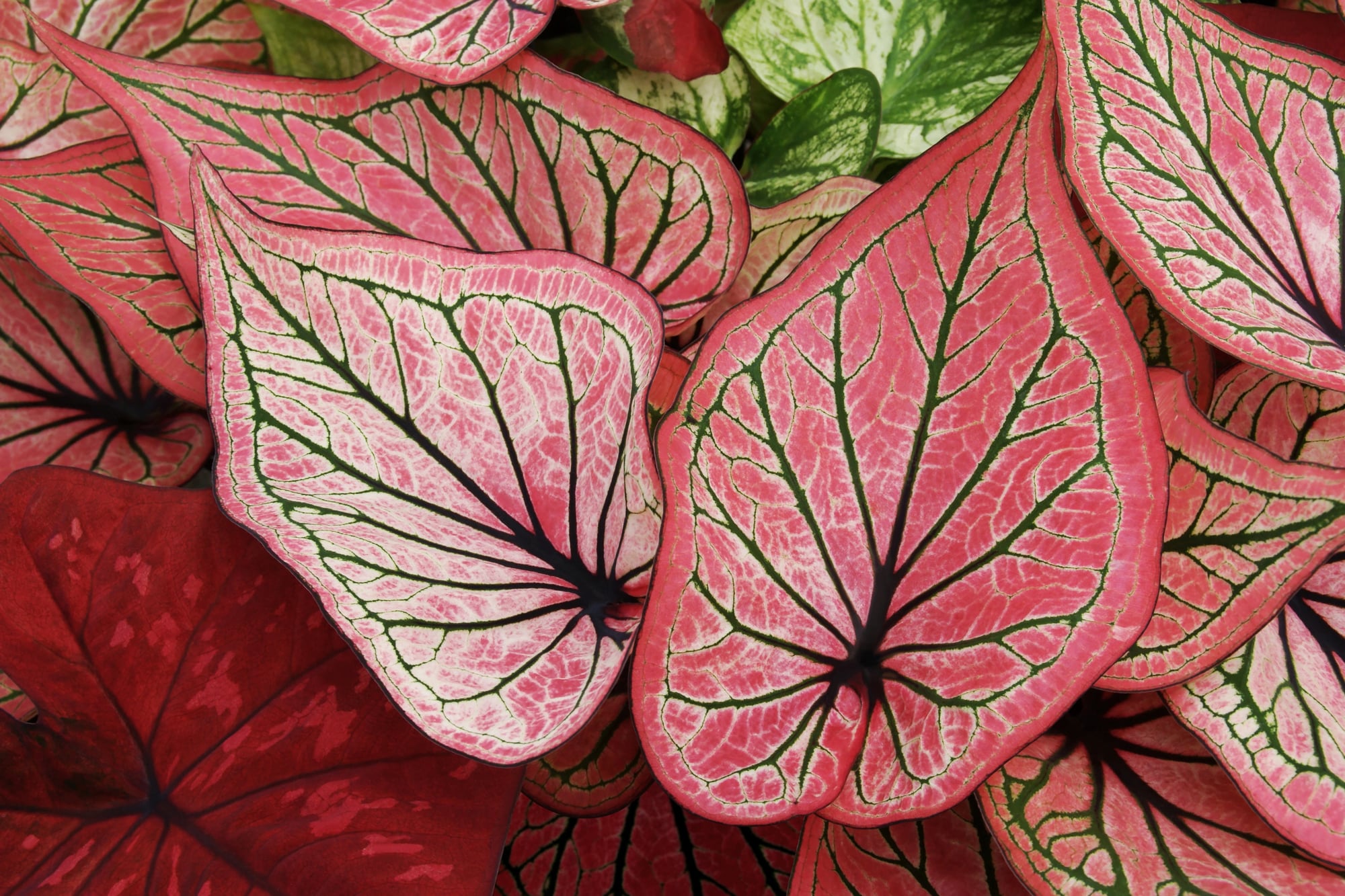
The leaves steal attention like stained glass windows — deep green borders surrounding centers of pink, white, red, or silver, with veining that seems to glow when backlit. People grow caladiums specifically for those colors, often forgetting that such dramatic patterns in plant leaves frequently signal the presence of defensive compounds.
Calcium oxalate crystals pack the tissues densely enough to cause immediate pain when chewed, and the juice can irritate skin on contact. Pets seem particularly attracted to the broad, thin leaves, perhaps because they flutter slightly in air currents, triggering prey drive in cats or curiosity in dogs.
But unlike philodendrons, where the crystals are the main concern, caladiums also contain other alkaloids that can cause digestive upset, irregular heartbeat, and difficulty breathing if enough plant material gets past the initial burning sensation and actually gets swallowed.
Poinsettia
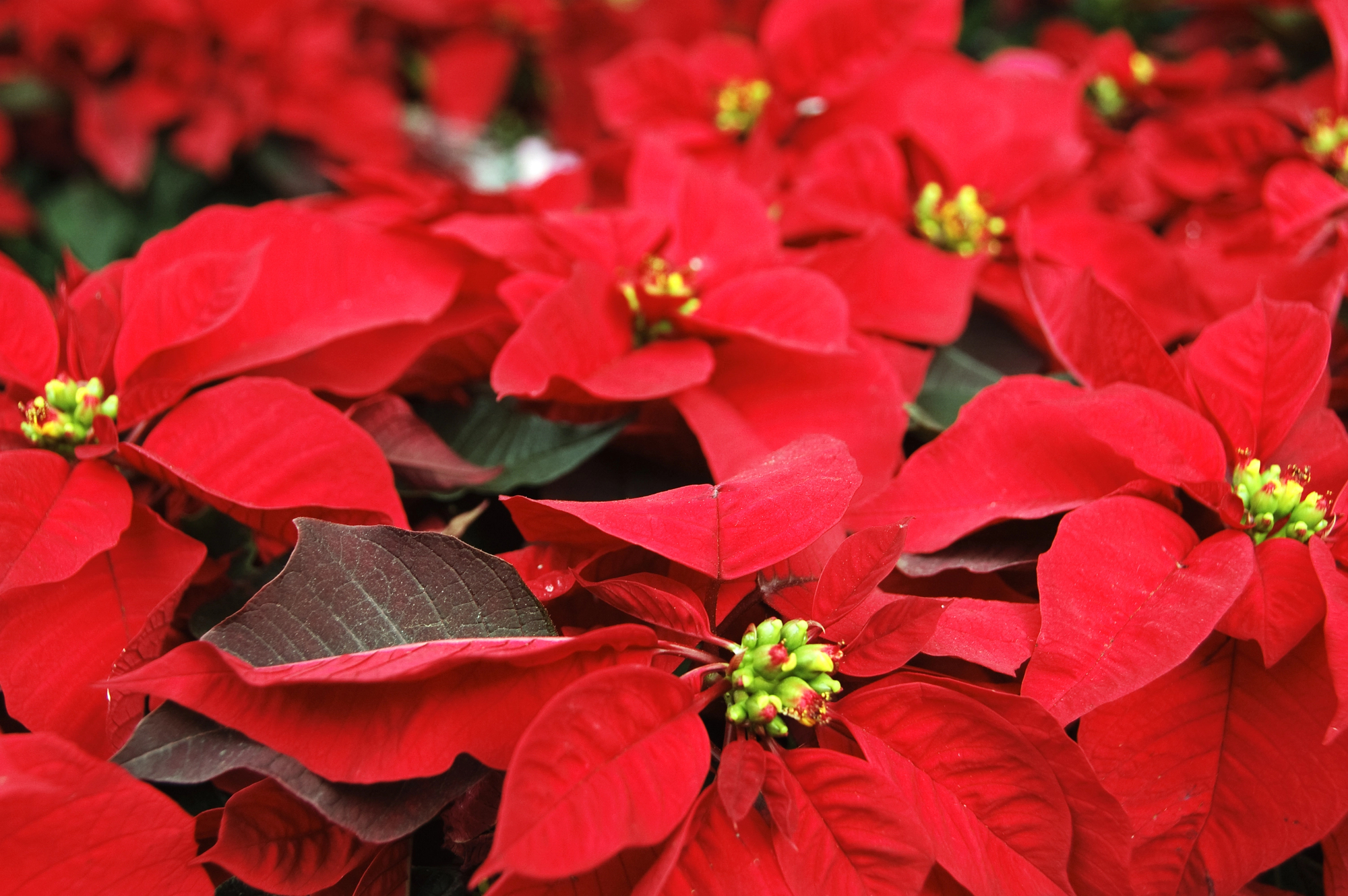
The reputation exceeds the reality, but the reality still matters. Those red bracts aren’t actually flowers — the real flowers are tiny yellow clusters at the center — and the milky sap contains compounds that irritate skin and digestive tract without usually causing serious poisoning.
Children and pets who chew the leaves typically experience nausea and mouth irritation. Skin contact causes rashes in sensitive people.
The plant won’t kill you, but it’s not harmless either.
Azalea
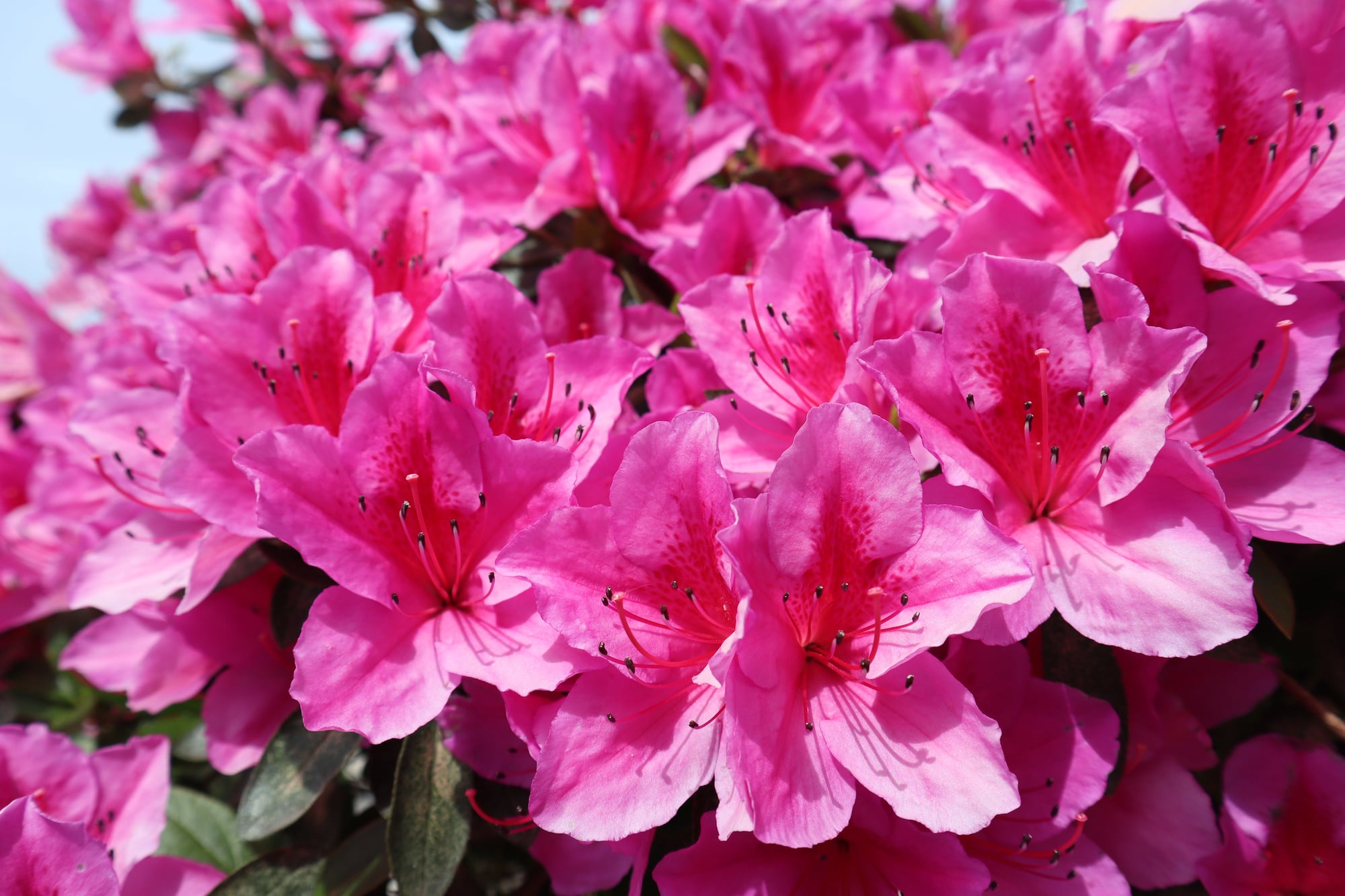
Spring brings clusters of pink, white, or red flowers that seem to glow against dark green foliage, and the indoor varieties bloom reliably with proper care, making them popular gifts that often become permanent houseplants. Grayanotoxins concentrate in all parts of the plant, but especially in the leaves and nectar.
The ancient Greeks knew about “mad honey” — honey made by bees that had visited wild azaleas and rhododendrons — which could cause hallucinations, dizziness, and heart problems in anyone who ate it. Modern cases still occur occasionally in regions where these plants dominate the landscape and beekeepers don’t test their honey.
As houseplants, azaleas pose the greatest risk to pets, who seem drawn to the thick, leathery leaves. The toxins affect heart rate and blood pressure first, often causing dramatic drops that can lead to collapse and coma.
Unlike fast-acting poisons, grayanotoxin poisoning develops gradually over hours, making it harder to connect the symptoms to their source.
A Garden’s Dark Side
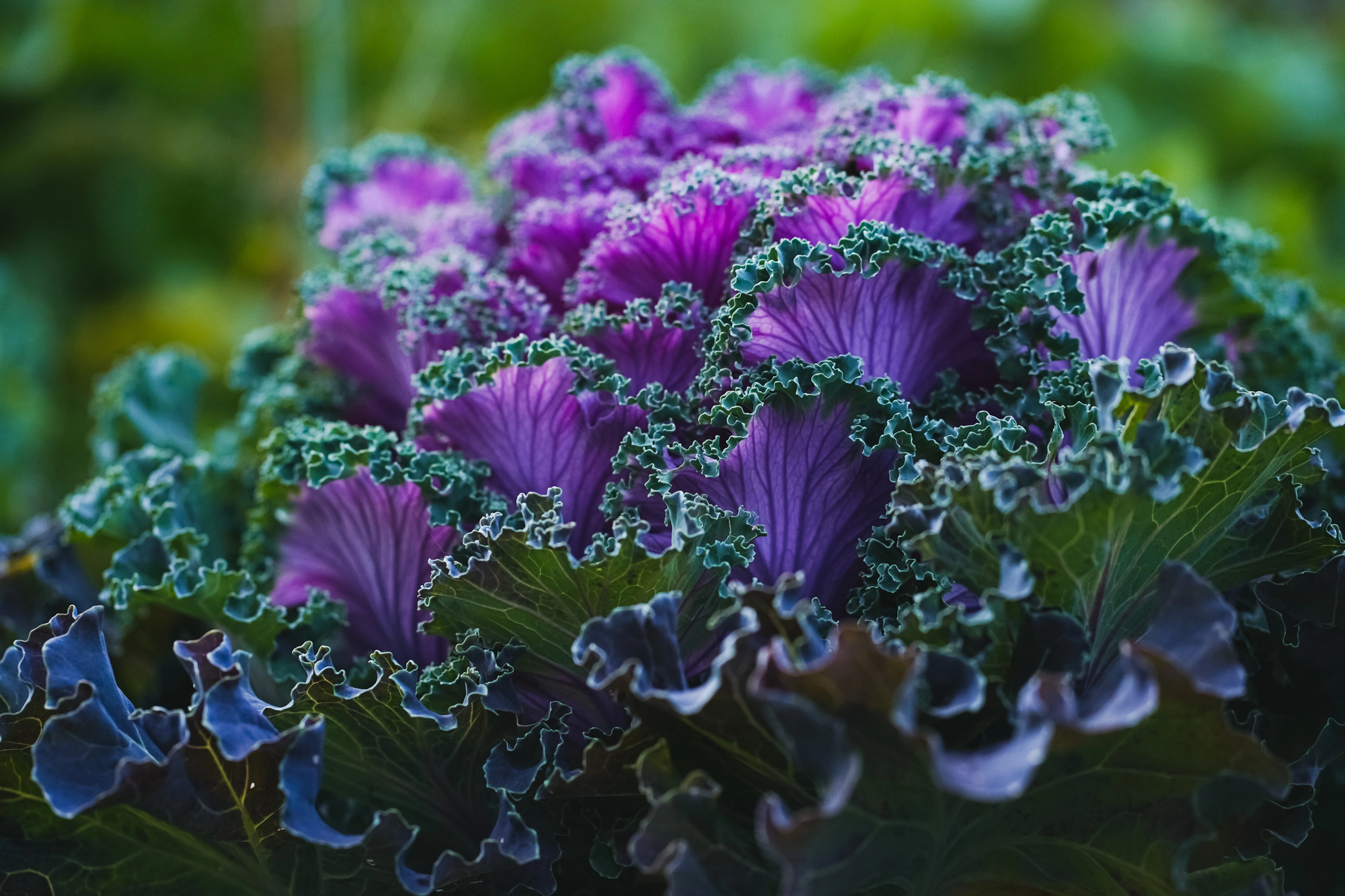
These plants share living spaces with families who chose them for beauty, not danger. The same evolutionary chemistry that helped them survive millions of years of hungry insects and browsing animals continues working indoors, indifferent to the difference between a caterpillar and a curious child.
Understanding the risk doesn’t require eliminating every potentially dangerous plant, but it does require honest acknowledgment that nature’s beauty often comes with a price that isn’t printed on the nursery tag.
More from Go2Tutors!

- The Romanov Crown Jewels and Their Tragic Fate
- 13 Historical Mysteries That Science Still Can’t Solve
- Famous Hoaxes That Fooled the World for Years
- 15 Child Stars with Tragic Adult Lives
- 16 Famous Jewelry Pieces in History
Like Go2Tutors’s content? Follow us on MSN.