18 Ways People Survived Harsh Winters Before Central Heating
Most of us today take for granted staying warm in winter. We just changed the thermostat to appreciate the comfort of uniformly heated houses.
Thousands of years before contemporary heating systems, however, people depended on creative ways to endure cold temperatures that may otherwise be fatal. Here is a list of 18 fascinating ways our ancestors managed to endure harsh winters before the luxury of central heating arrived.
Layered Clothing

People didn’t just wear more clothes; they developed sophisticated layering systems that trapped body heat efficiently. Woolen undergarments formed the base layer against the skin, followed by multiple middle layers of linen or wool, and topped with animal furs or tightly woven wool overcoats.
These layers created insulating air pockets that worked remarkably similarly to modern technical outdoor gear.
Bed Warmers

These clever devices consisted of metal pans with long handles that would be filled with hot coals or embers from the fire. Homemakers would slide these pans between bedsheets before bedtime to take the chill off frigid linens.
The warmth would linger just long enough for someone to climb into bed without the shock of ice-cold sheets, making the difference between comfortable sleep and a miserable night.
Hot Bricks
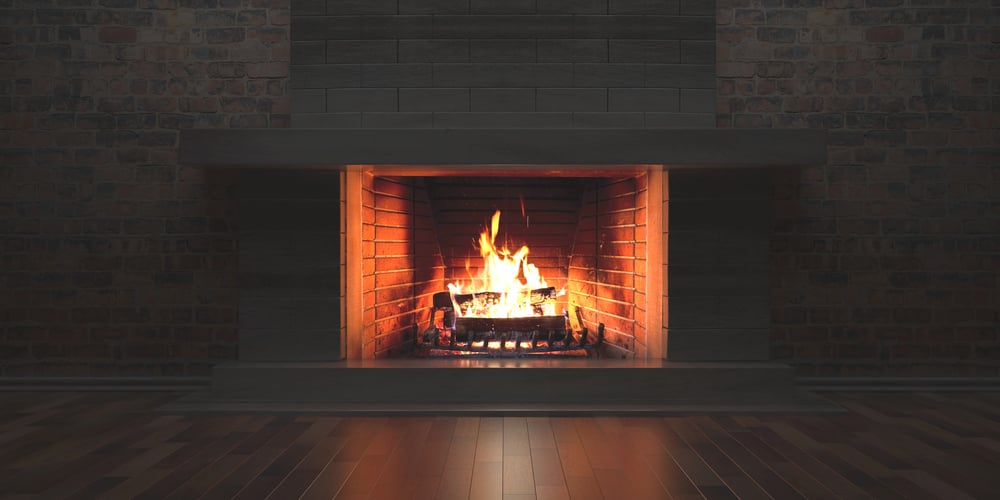
Heated bricks were simple but efficient multipurpose heating devices. After placing bricks close to the hearth until they were completely heated, families would wrap them in cloth and put them in beds, beneath their feet while they sat, or even in their pockets when they traveled.
For hours, these thermal masses would gradually release heat, supplying long-lasting warmth where it was most needed.
Bed Curtains

Four-poster beds weren’t just decorative status symbols; they were practical winter survival tools. Heavy curtains hung around beds created a microclimate by trapping body heat within a smaller space.
These bed enclosures effectively functioned as rooms within rooms, allowing sleepers to maintain body heat in an enclosed space rather than trying to warm an entire drafty bedroom.
Body Heat Sharing

In times before privacy was prioritized as it is today, families often slept together in one bed during winter months. This wasn’t just about economizing space—it was a crucial survival strategy.
Multiple bodies generated significant heat, and sleeping close together conserved warmth that would otherwise dissipate. Even farm animals sometimes shared living quarters with humans during particularly brutal weather.
Strategic Room Use

Families would close off unused rooms and gather in a single heated space, often the kitchen. By concentrating all activities in one room with the cooking fire, they maximized the benefit from a single heat source.
These central living spaces became the heart of the home, where cooking, eating, socializing, and sleeping all took place during the coldest months.
Foot Warmers

Small wooden or metal containers designed to hold hot coals were placed under tables or chairs to warm feet. These foot warmers were especially popular in churches, where congregants would sit for hours in unheated buildings.
Women would often bring their personal foot warmers to services, creating small zones of comfort in otherwise freezing conditions.
Banking Fires
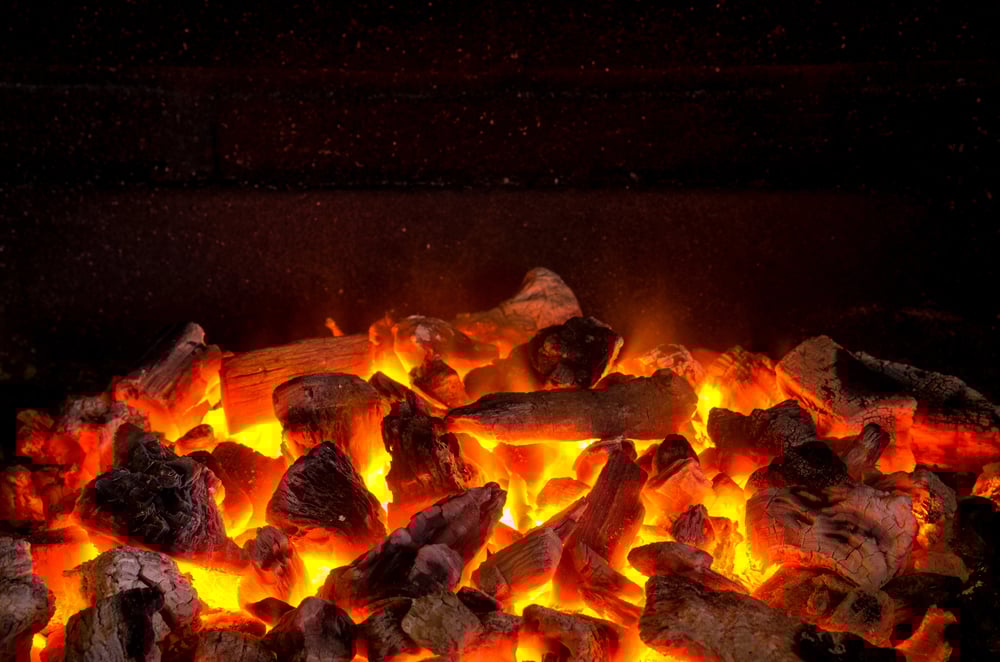
The technique of ‘banking’ a fire involved covering hot coals with ashes before bedtime. This method starved the fire of oxygen, causing it to burn extremely slowly throughout the night without requiring attention.
Come morning, homeowners could simply uncover and stoke the preserved coals rather than starting a new fire from scratch—a significant advantage when fire-starting was labor-intensive.
Thermal Mass Buildings

Clever architectural designs incorporated materials with high thermal mass—stone, brick, or adobe—that would absorb heat during the day and slowly release it at night. Some homes were strategically positioned to maximize southern exposure (in the Northern Hemisphere), allowing winter sunlight to naturally warm interior spaces and the heat-absorbing materials within them.
Rush Mats and Rugs

Bare wooden or stone floors leached heat away from the feet and the room. Households covered floors with woven rush mats, cloth rugs, or even layers of straw to provide insulation against the cold ground.
These floor coverings served as primitive but effective thermal barriers between living spaces and the frozen earth below.
Window Coverings
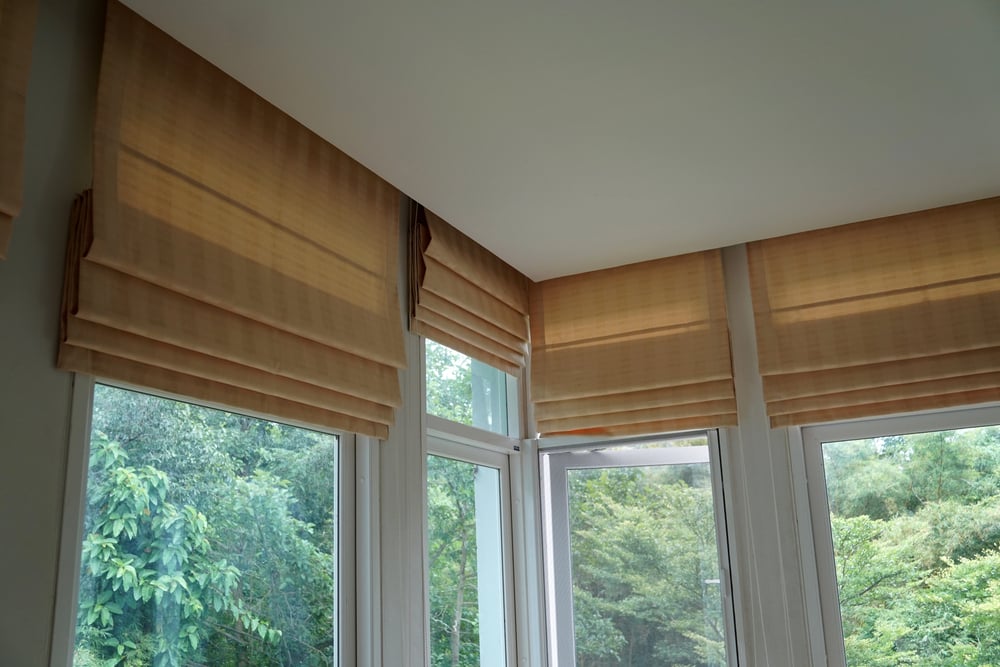
Glass was an expensive luxury for most of history, and early windows did little to prevent heat loss. People hung heavy tapestries, wooden shutters, or oiled paper over windows to block drafts.
When glass became more common, interior wooden shutters or thick curtains would be closed at night to add an extra layer of insulation against the cold radiating from window surfaces.
Heated Stones

Similar to bricks, large stones would be heated in the cooking fire and then wrapped in fabric to warm specific areas. These were particularly useful under dining tables, where they would radiate heat to the feet of those seated for meals.
The thermal retention properties of certain types of stone made them ideal for this purpose, and families often had favorite stones selected specifically for their heat-holding qualities.
Snow Insulation

In some northern regions, people would deliberately pile snow against the exterior walls of their homes. Counterintuitive as it might seem, snow is an excellent insulator due to the air trapped between snowflakes.
These snowbanks created a protective layer that blocked wind and prevented heat from escaping through walls, working much like modern insulation.
Hot Drinks

Warming from the inside out, hot beverages were crucial to winter survival. Mulled wine, cider, or simple herbal teas provided internal warmth that helped raise body temperature.
These drinks were more than just comforting—they were practical tools for raising core temperature when external heating options were limited.
Cooking All Day

Keeping the cooking fire or stove going from dawn until bedtime provided constant heat. Families would plan meals that required long, slow cooking times—stews, soups, and baked goods—to maximize the heating benefits from necessary cooking activities.
The hearth or cookstove became the focal point of daily life during winter months.
Warm Clothing Storage

People would store clothes near heat sources or warm them before dressing. Some homes had special warming closets built next to chimneys where clothing could be kept.
Changing clothes in the bitter cold was a dreaded experience, so having pre-warmed garments ready was both a comfort and a practical health measure to prevent chilling.
Fermentation Heat

Large-scale fermentation processes generate significant heat. Some households, particularly in agricultural areas, would keep fermenting materials like compost, manure for spring fields, or brewing beer in special rooms or adjoining structures.
The heat from these biological processes would help warm connecting living spaces through shared walls.
Strategic Timing

Daily routines were adjusted to match natural light and temperature patterns. People would rise later, after the worst pre-dawn cold had passed, and go to bed earlier to avoid the coldest nighttime hours when awake.
Physical work and activities requiring dexterity were scheduled during the warmest afternoon hours, while sedentary tasks were saved for the coldest parts of the day when staying still near a heat source was preferable.
Winter Wisdom For Modern Times

These ingenious historical methods remind us how adaptable humans can be when faced with environmental challenges. While we may never need to warm bricks for our beds or bank a fire for the night, understanding these techniques connects us to our resilient ancestors and their practical wisdom.
Many of these approaches still offer valuable lessons in energy efficiency and sustainability that remain relevant even in our thermostat-controlled world.
More from Go2Tutors!

- The Romanov Crown Jewels and Their Tragic Fate
- 13 Historical Mysteries That Science Still Can’t Solve
- Famous Hoaxes That Fooled the World for Years
- 15 Child Stars with Tragic Adult Lives
- 16 Famous Jewelry Pieces in History
Like Go2Tutors’s content? Follow us on MSN.



