16 Everyday Objects with Surprisingly Dark Origins
The items we use daily often have histories far more complex than their simple appearances suggest. Behind many common household objects lie unexpected stories of war, disease, and strange cultural practices that rarely cross our minds as we go about our routines.
These ordinary things emerged from circumstances that were anything but ordinary. Here is a list of 16 everyday objects with origins that might surprise you, each with a backstory darker than you’d expect from something so commonplace.
Teddy Bears

This beloved children’s toy has roots in an act of mercy during a hunting trip. In 1902, President Theodore Roosevelt refused to shoot a bear that had been caught and tied to a tree by his hunting party, considering it unsportsmanlike.
Political cartoonists depicted the scene, and toy makers soon created ‘Teddy’s bear.’ The cute stuffed animals we know today originated from an event that would have ended with a captive animal’s death had Roosevelt not intervened.
Chainsaws

The modern tool for cutting trees was originally designed for childbirth procedures. In the 1780s, two Scottish doctors created a hand-cranked chainsaw specifically for symphysiotomy—a surgical procedure to widen the pelvis during complicated childbirths by cutting through cartilage and bone.
The early medical device was much smaller than today’s power tools but operated on the same principle of teeth on a chain removing material in its path.
Like Go2Tutors’s content? Follow us on MSN.
Bubble Wrap

This shipping staple began as a failed attempt at trendy wallpaper. Engineers Alfred Fielding and Marc Chavannes created sealed plastic sheets with air bubbles in 1957, hoping to market it as textured wall covering.
When this flopped, they pivoted to greenhouse insulation with equally disappointing results. IBM’s use of the material to protect computer shipments in 1961 finally revealed its true purpose as protective packaging.
Graham Crackers
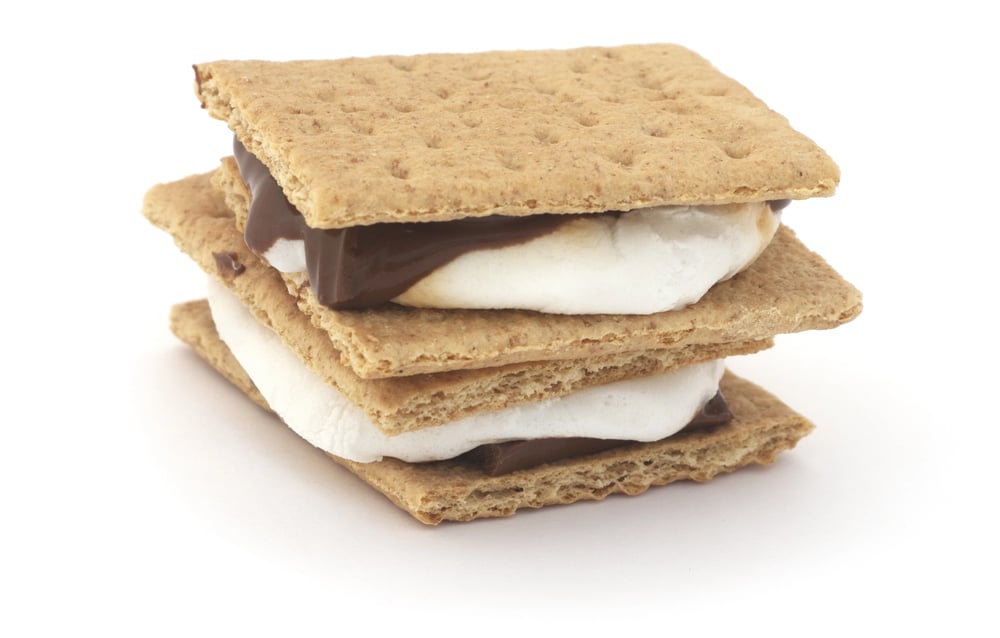
These sweet treats were developed as anti-desire foods by Presbyterian minister Sylvester Graham in the 1830s. Graham believed that consuming bland foods would suppress carnal urges and prevent moral corruption.
His original crackers were unsweetened, made with unprocessed flour, and part of a larger dietary program intended to curb what he considered sinful thoughts and behaviors.
Play-Doh
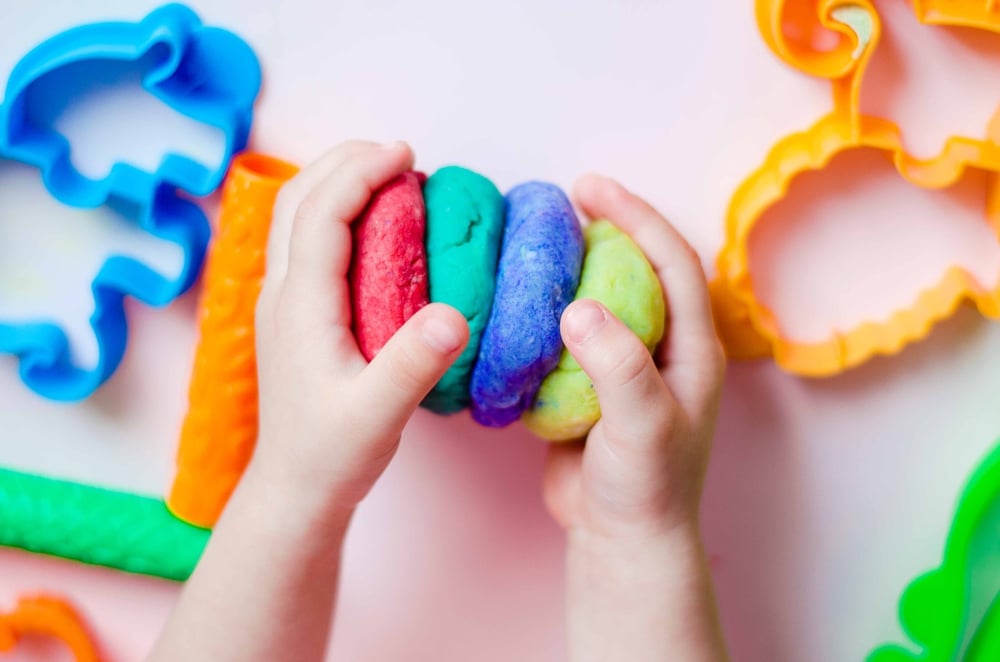
The colorful modeling compound started as a product for cleaning wallpaper. In the 1930s, Kutol Products sold a putty-like substance meant to remove soot from wallpaper in coal-heated homes.
As homes transitioned to cleaner heating methods, the company faced bankruptcy until a relative of the owners noticed children using it for art projects at school. A few modifications to make it more child-friendly transformed the failing cleaner into one of history’s most popular toys.
Like Go2Tutors’s content? Follow us on MSN.
Treadmills

The modern fitness equipment was originally a punishment device in Victorian prisons. Invented in 1818 by English engineer William Cubitt, the ‘treadwheel’ forced prisoners to climb the equivalent of thousands of feet per day on a rotating cylinder.
This exhausting labor served no purpose beyond causing suffering—the power generated was often wasted. Today’s exercise equipment maintains the same basic mechanics but with cushioning, safety features, and voluntary use.
Coca-Cola
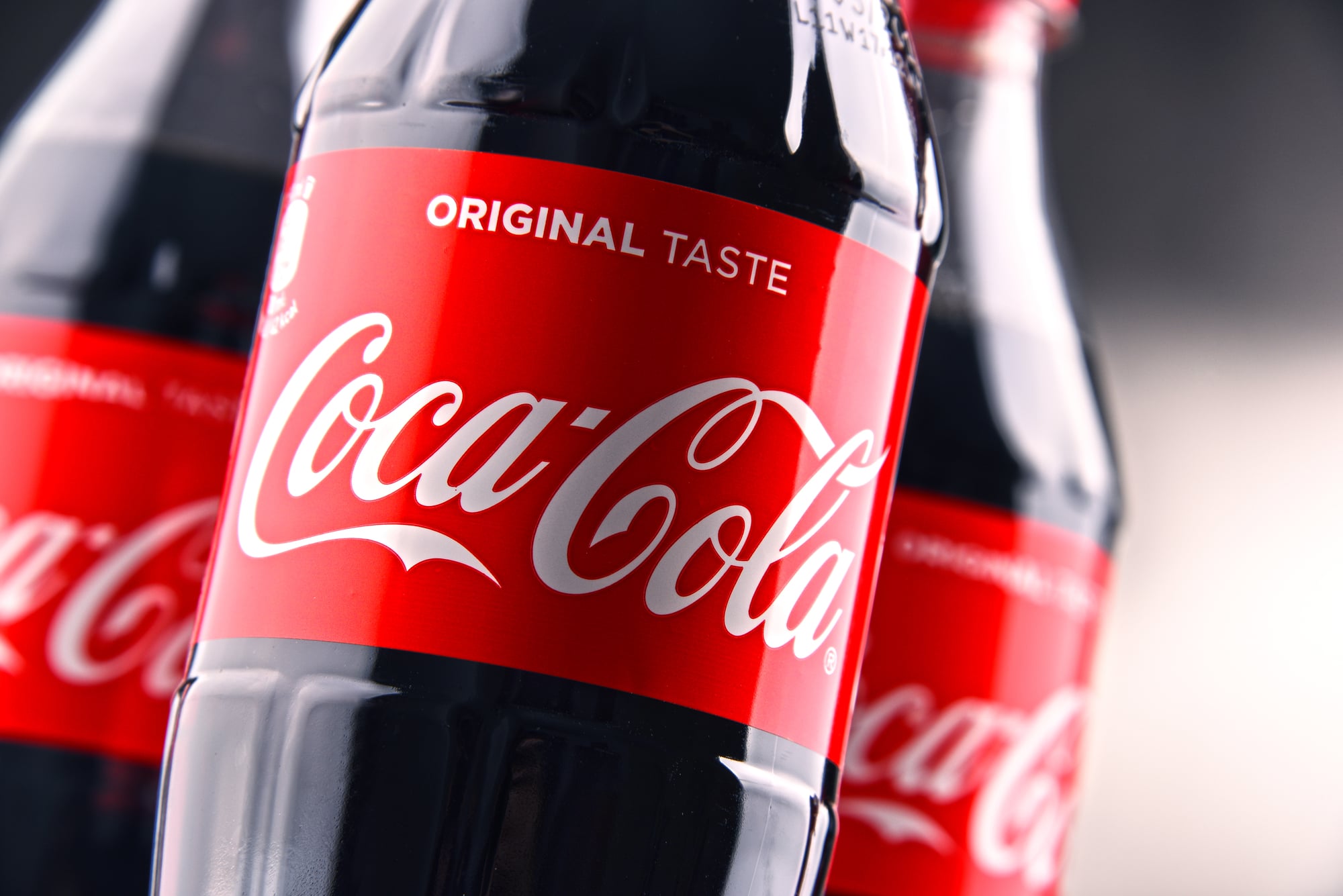
The world’s most recognized beverage began as a medicinal tonic containing cocaine. Pharmacist John Pemberton created the drink in 1886 as a patent medicine claiming to cure various ailments including morphine addiction, indigestion, and headaches.
The original formula included coca leaf extract (which contains cocaine) and kola nuts for caffeine. The company only removed cocaine from the recipe around 1903 as public awareness of its addictive properties grew.
Champagne

The celebratory sparkling wine was considered a problematic failure for decades. Winemakers in the Champagne region of France initially viewed the bubbles as a serious defect and fought desperately to prevent secondary fermentation in their bottles.
The cold winters in northern France would temporarily halt fermentation, which would restart in spring, creating pressure that often caused bottles to explode in cellars. What we now celebrate was once dubbed ‘the devil’s wine’ for its unpredictability.
Like Go2Tutors’s content? Follow us on MSN.
Kleenex
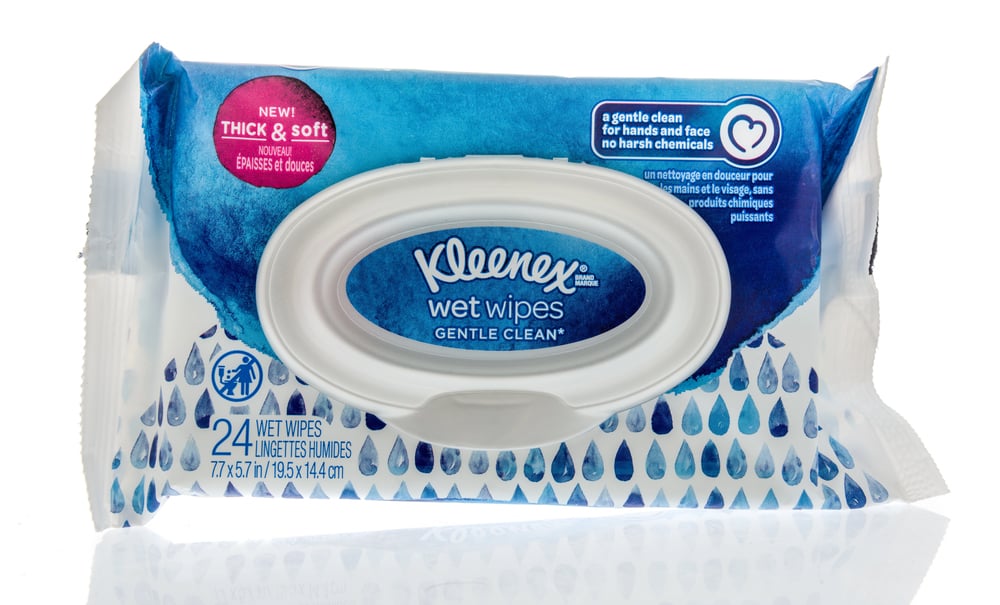
The disposable tissues were first marketed as cold cream removers for women’s makeup. Kimberly-Clark introduced them in 1924 as ‘Kleenex Cold Cream Remover,’ a convenient way to apply and remove cosmetics.
When company researchers noticed people using them for allergy relief and to blow their noses, they pivoted their marketing. The convenient disposal method for bodily fluids has since become so ubiquitous that the brand name is now synonymous with tissues in many regions.
Matches
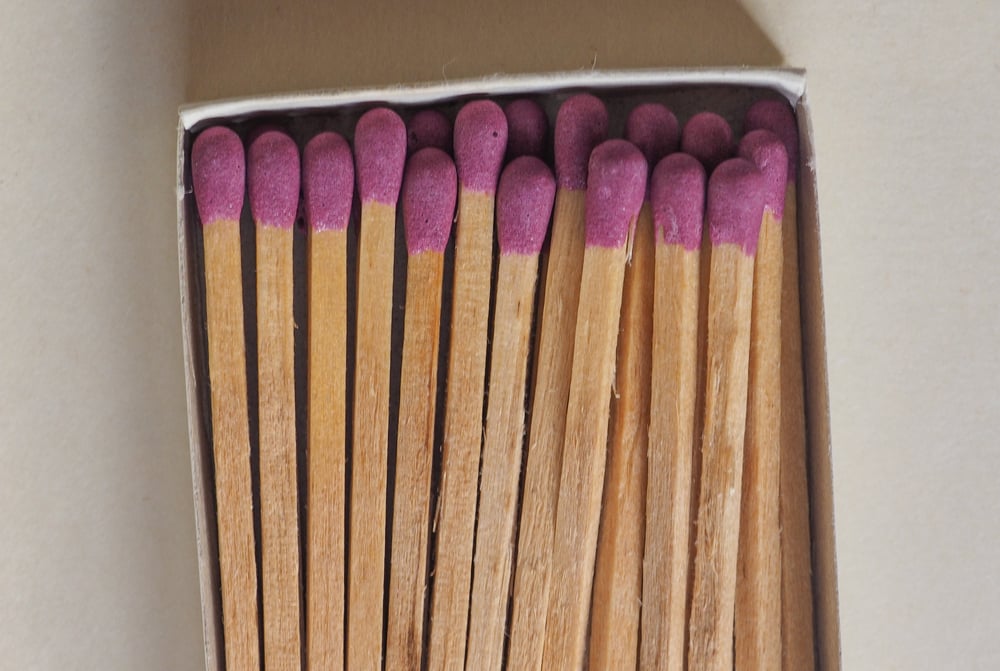
The convenient fire starters contained white phosphorus that caused horrific occupational diseases. Workers in match factories in the 19th century, predominantly young women, suffered from ‘phossy jaw’—a painful, disfiguring condition where the phosphorus caused their jawbones to rot away, sometimes leading to brain damage and death.
The affliction was so common that it drove major labor reforms and eventually led to the prohibition of white phosphorus in matches.
Candles
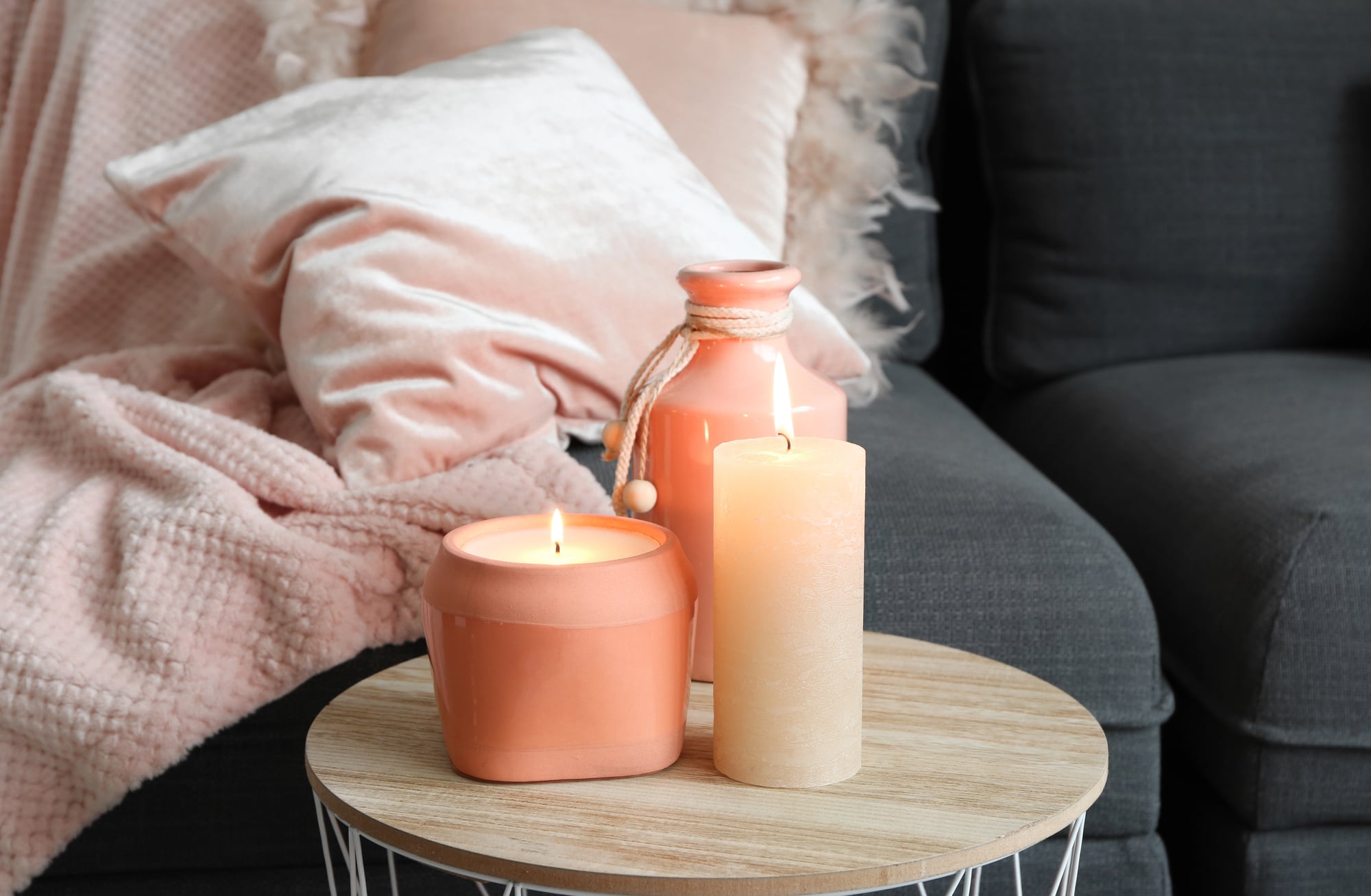
These household illumination sources have origins in ancient funeral rites and animal fat rendering. Early candles were made from tallow—rendered fat from cattle or sheep—creating a putrid smell when burned.
The process of obtaining this fat often occurred in conjunction with slaughterhouse operations, where the least desirable animal parts were collected for rendering. Ancient Romans used candles extensively in funerary practices, placing them around corpses during multi-day funeral ceremonies to mask decomposition odors and guide spirits to the afterlife.
Like Go2Tutors’s content? Follow us on MSN.
Duct Tape
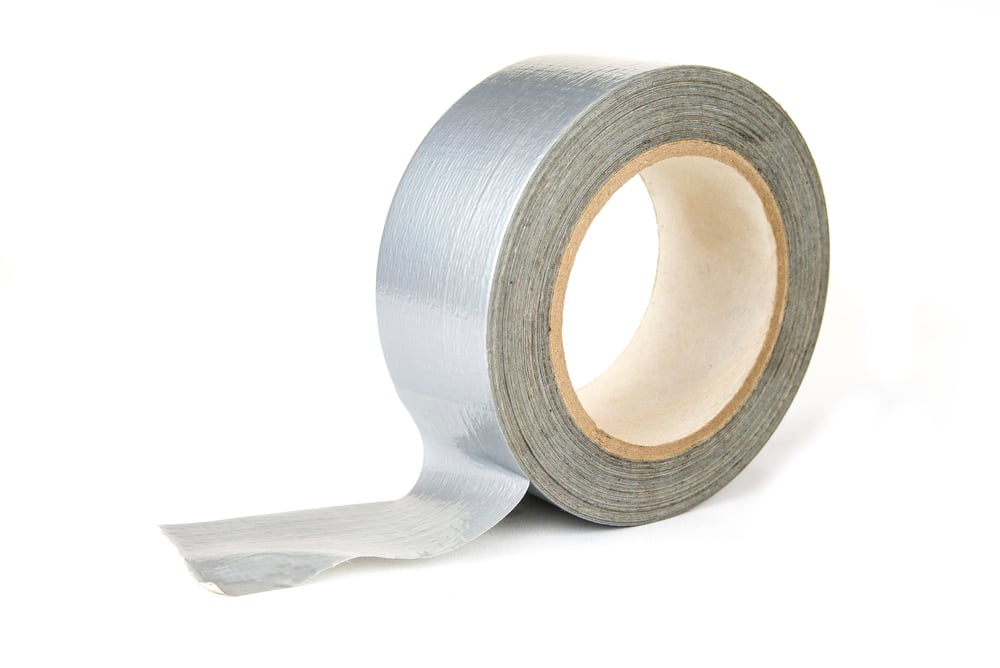
The versatile adhesive was developed for military use during World War II. The U.S. military needed a waterproof tape to keep moisture out of ammunition cases, and the Johnson & Johnson Company created a cloth-backed, rubber-based adhesive tape in response.
Soldiers quickly discovered its utility for emergency repairs on everything from vehicles to weapons. The battlefield necessity transitioned to civilian use after the war, becoming a household fix-all with origins in combat.
Pockets

These everyday clothing features were once separate garments tied around the waist beneath clothing. Independent pouches hung from strings or belts under outer garments throughout much of European history, making them vulnerable to cutpurses (thieves who would cut the strings).
Sewn-in pockets didn’t become standard until relatively recently in clothing history. Women’s fashion notably lost pockets during certain periods, forcing reliance on handbags rather than practical integrated storage.
Wedding Rings

The circular band symbolizing eternal love originated as a sign of ownership. In ancient Rome, wives wore rings made of iron, symbolizing their binding legal contract to husbands who essentially owned them as property.
The circle shape represented eternity, but in a context of perpetual obligation rather than mutual affection. The transition to gold and the addition of diamonds came much later as wealth displays rather than romantic gestures.
Like Go2Tutors’s content? Follow us on MSN.
Superglue
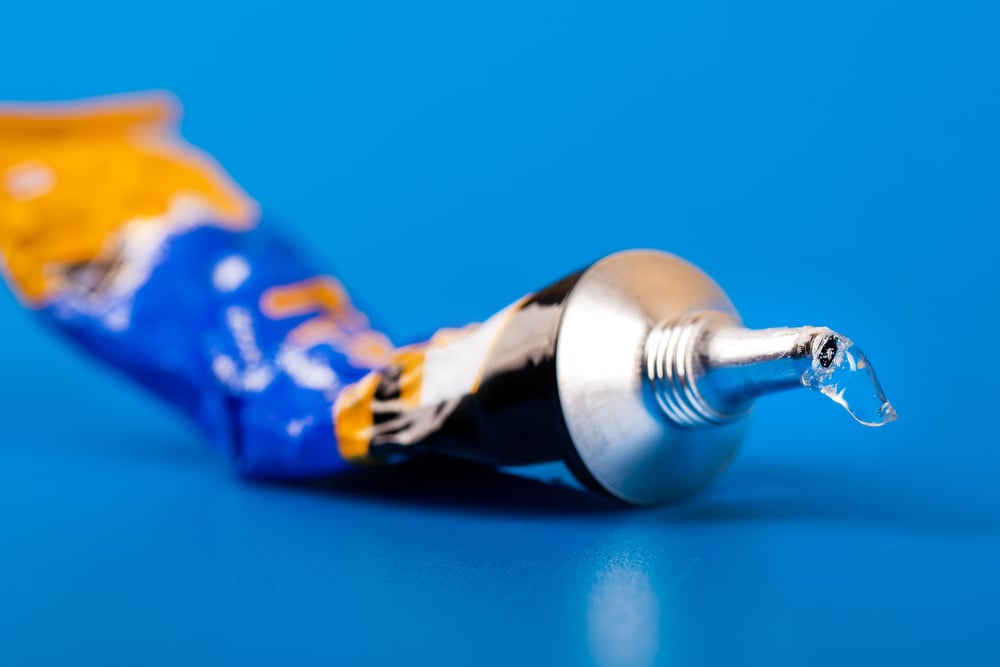
The powerful adhesive was discovered during attempts to make gun sights during World War II. Scientists at Eastman Kodak accidentally created cyanoacrylate while trying to produce clear plastic for weapons.
They initially rejected it as too sticky for practical use. Years later, the compound was redeveloped as an adhesive, with early applications including closing wounds during the Vietnam War before medical approval. What fixes broken objects today was born from efforts to improve killing technology.
Chocolate
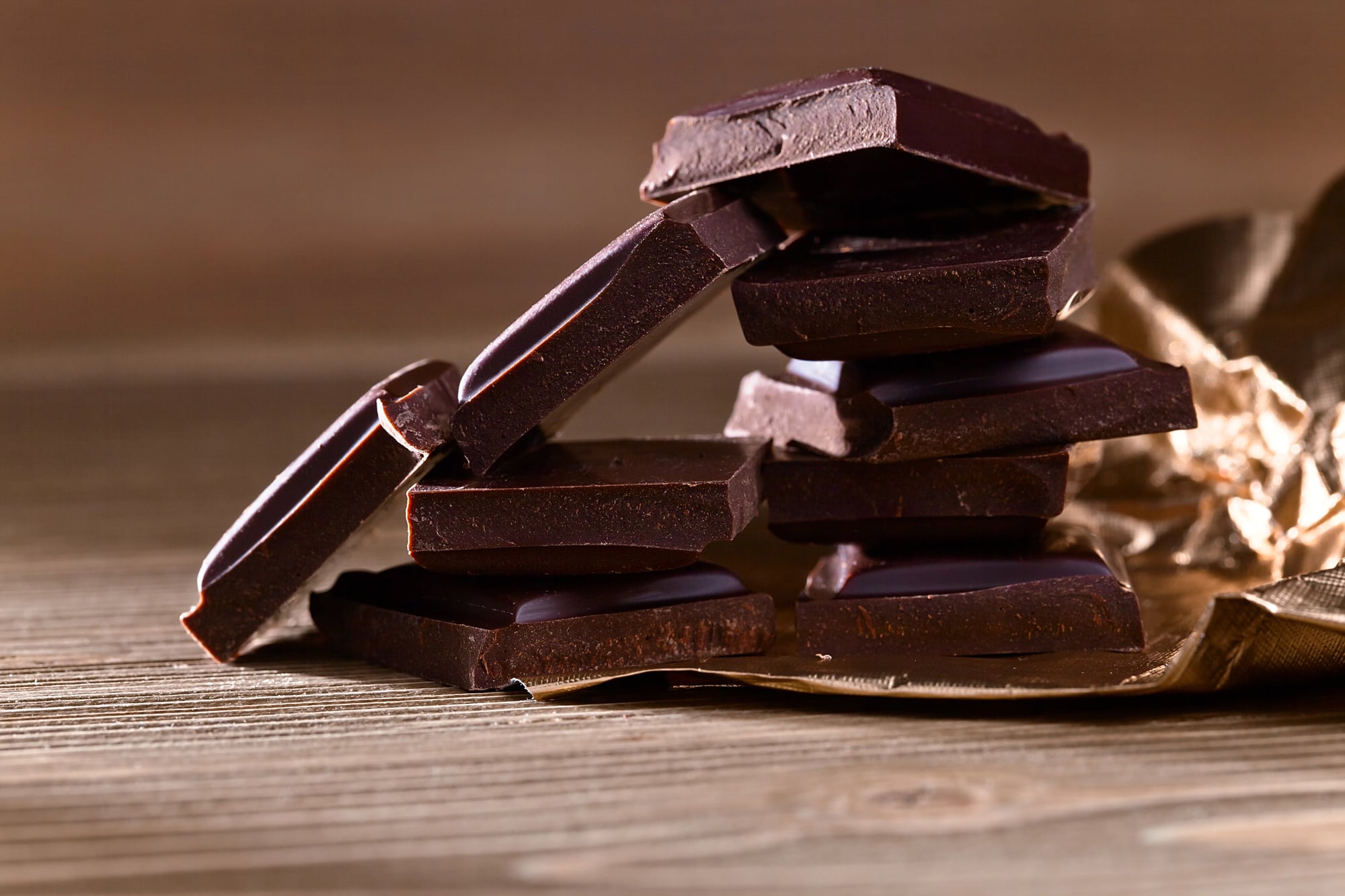
The sweet treat began as an unsweetened, bitter beverage consumed during human sacrifice rituals. Ancient Mesoamerican civilizations considered cacao sacred, using it in religious ceremonies where human hearts were offered to deities.
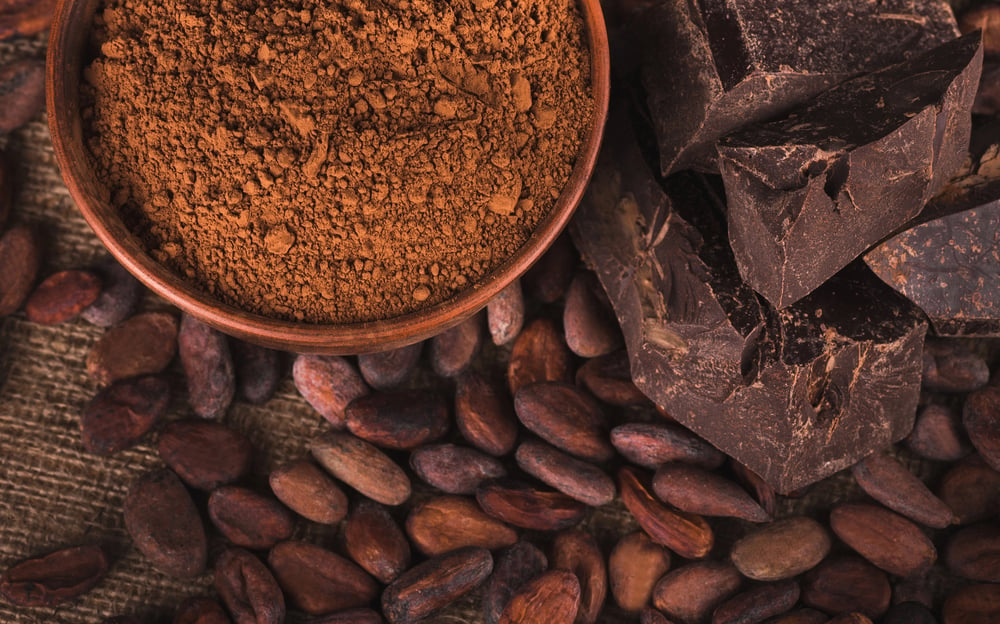
The Aztecs made a drink called xocolātl from cacao beans, often consumed by priests and nobility during sacrificial rites. The transformation into the sweet confection we enjoy today didn’t occur until Europeans added sugar and milk centuries later.
The Persistent Past
The everyday objects surrounding us carry hidden histories that continue to influence our lives in subtle ways. These items evolved from their dark origins to serve new purposes, demonstrating how human innovation often transforms the disturbing into the domestic.
The contrast between original intent and current use reveals how objects take on meanings far beyond their creators’ imaginations.
Like Go2Tutors’s content? Follow us on MSN.
More from Go2Tutors!

- 16 Restaurant Chains That Went Too Fast
- 12 Things Sold in the 80s That Are Now Illegal
- 15 Strange Things People Have Tried to Ban (And Failed)
- 16 Collectibles People Tossed Out Too Soon
- 17 Myths from Your Childhood That Were Actually Based on Real Things
Like Go2Tutors’s content? Follow us on MSN.