15 Celebrity-Endorsed Brands That Quietly Disappeared
Fame doesn’t guarantee business success. Despite the star power behind them, many celebrity-backed products have vanished from store shelves without fanfare. These ventures began with flashy launches, media buzz, and promises of revolution in their respective industries, only to fade into obscurity.
Here is a list of 15 celebrity-endorsed brands that quietly disappeared despite once commanding significant attention from consumers and media alike.
Nyla Restaurant
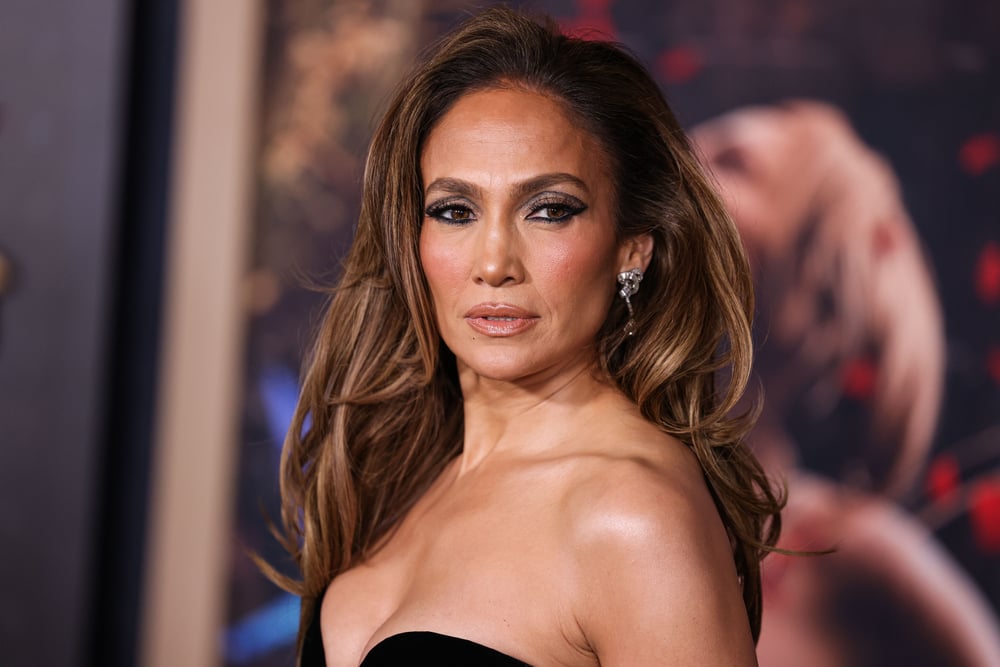
Jennifer Lopez’s foray into the restaurant business came in 2002 with Nyla, named after New York and Los Angeles. The establishment faced health code violations, management issues, and menu identity crises from day one.
Despite J.Lo’s massive star power, the restaurant closed after just six months, becoming another cautionary tale in celebrity restaurant ventures.
Steven Seagal’s Lightning Bolt

The action star launched an energy drink in 2005 that claimed to contain Tibetan herbs and Asian cordyceps. Lightning Bolt promised consumers the same energy that fueled Seagal’s high-octane films.
The market was already crowded with Red Bull and Monster Energy proved too competitive, and the drink disappeared from shelves faster than the villains in Seagal’s movies.
Like Go2Tutors’s content? Follow us on MSN.
Heidiwood
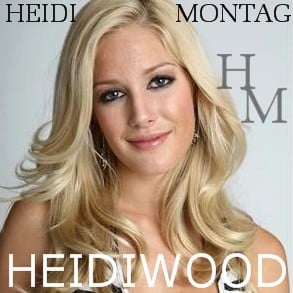
Targeting adolescent customers with affordable fashion, Heidi Montag’s clothing collection started at Anchor Blue stores. The reality television star’s collection first appeared in 2008 at the peak of ‘The Hills’ fame.
Though it only lasted one year before Anchor Blue shut it down, the apparel brand drew criticism for subpar quality and copycat designs despite early excitement.
Kardashian Kard
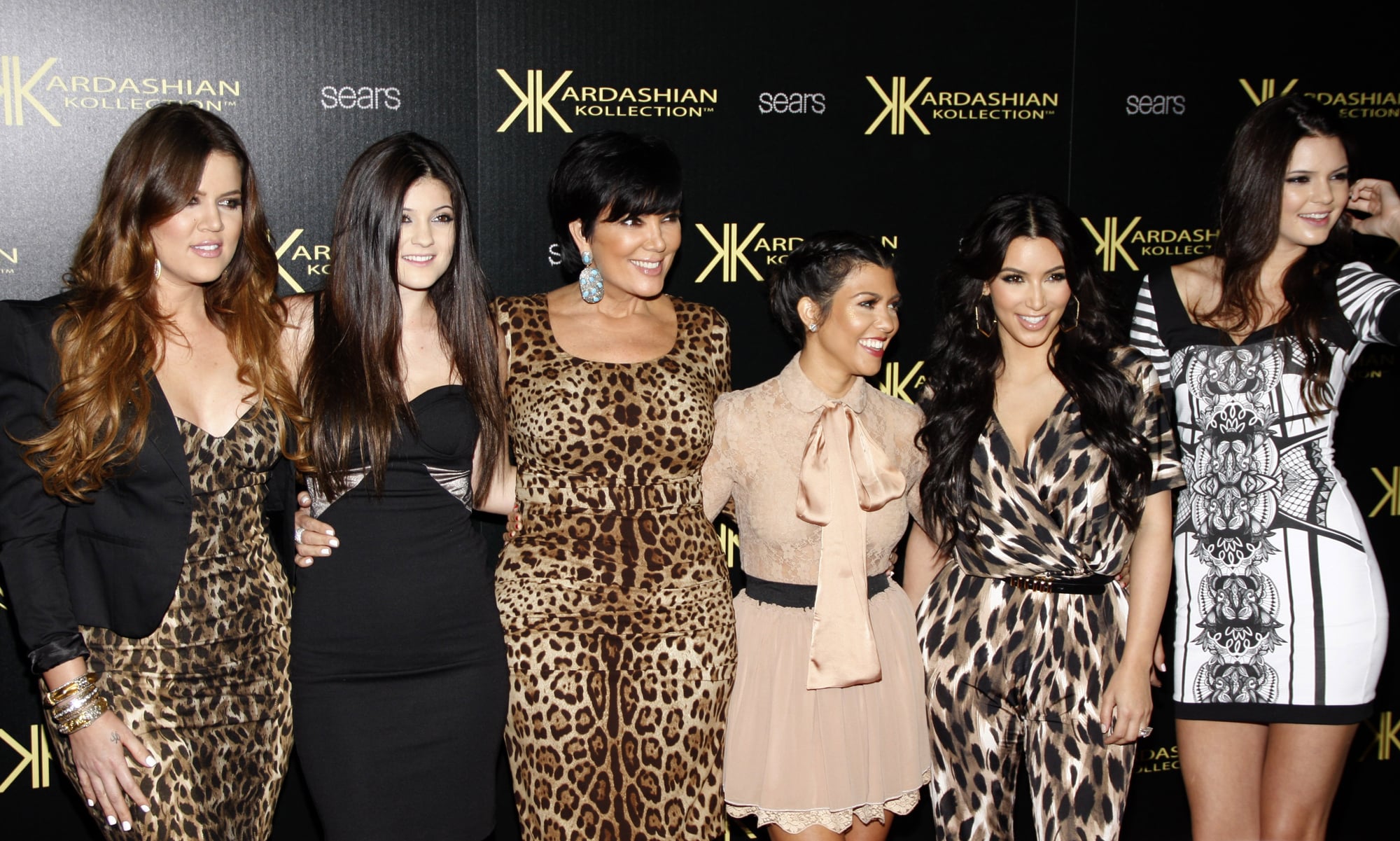
Before becoming business moguls, the Kardashian sisters endorsed a prepaid debit card in 2010 that was quickly pulled from the market. The card came with exorbitant fees: $99.95 for 12 months of use plus charges for ATM withdrawals, customer service calls, and even card cancellation.
The family terminated their partnership with the card just three weeks after launch amid widespread criticism.
Rihanna’s Stylist Collection
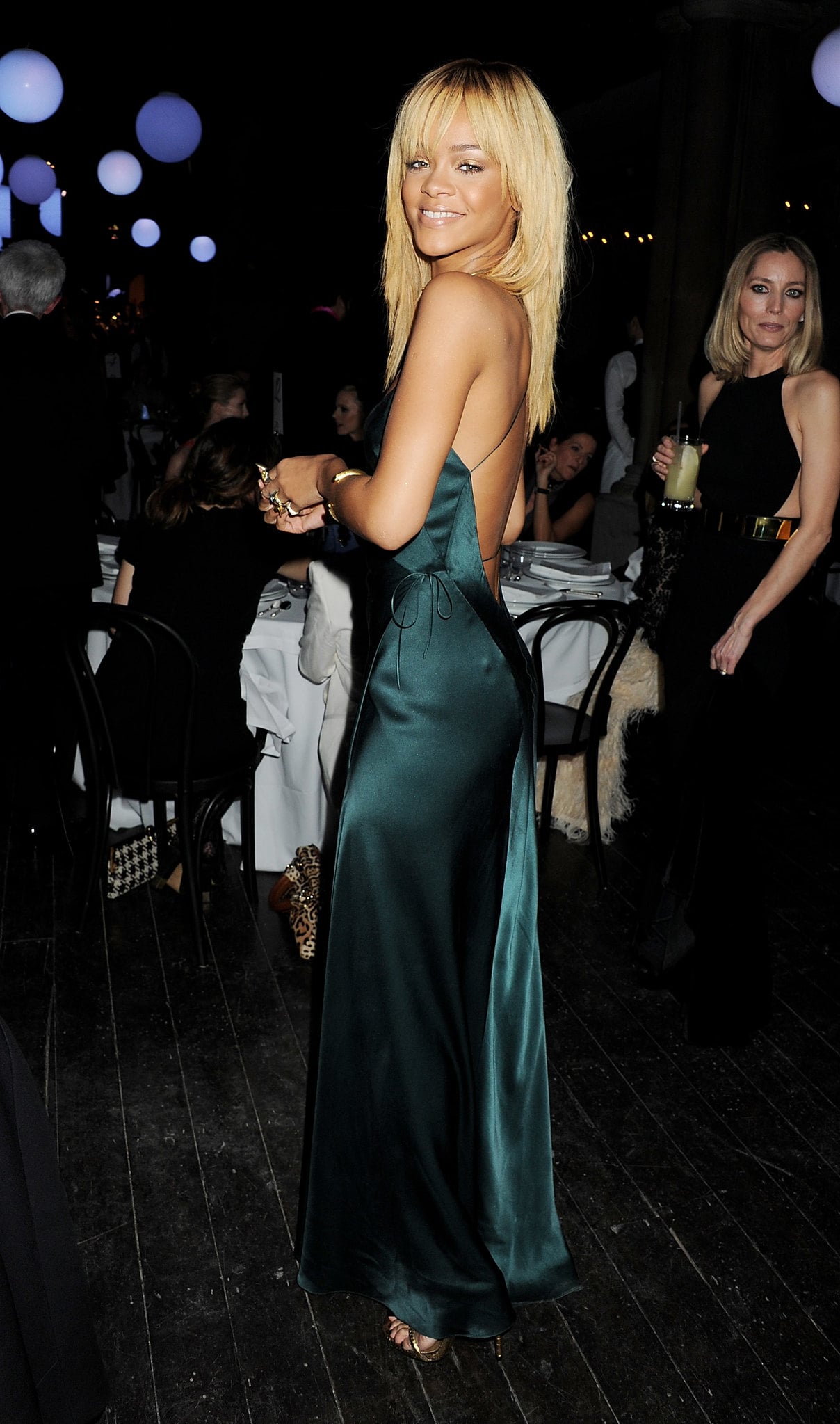
Before Fenty Beauty’s massive success, Rihanna partnered with Styled to Rock, a fashion line and accompanying TV show that failed to gain traction. The 2012 UK show struggled with viewership, and when it was brought to the US market on Bravo, it was quickly canceled after one season.
The associated clothing never materialized in the fashion empire that her later ventures would become.
Like Go2Tutors’s content? Follow us on MSN.
XFL
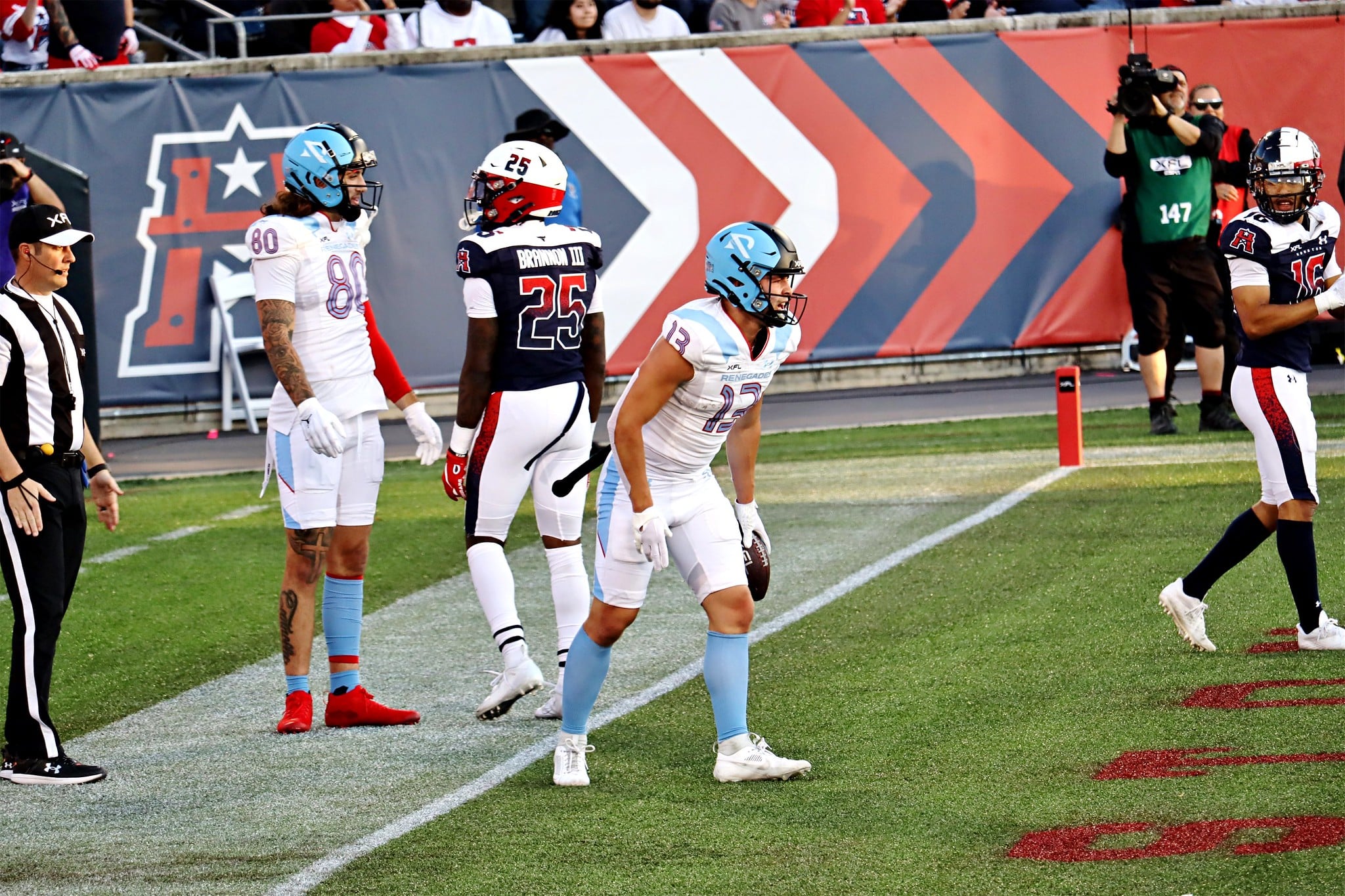
WWE chairman Vince McMahon’s first attempt at creating an alternative football league lasted just one season. The XFL combined the spectacle of professional wrestling with football but failed to attract a sustainable audience.
Television ratings plummeted after strong initial interest, and the league folded in 2001 after losing approximately $35 million.
Sarah Palin Channel
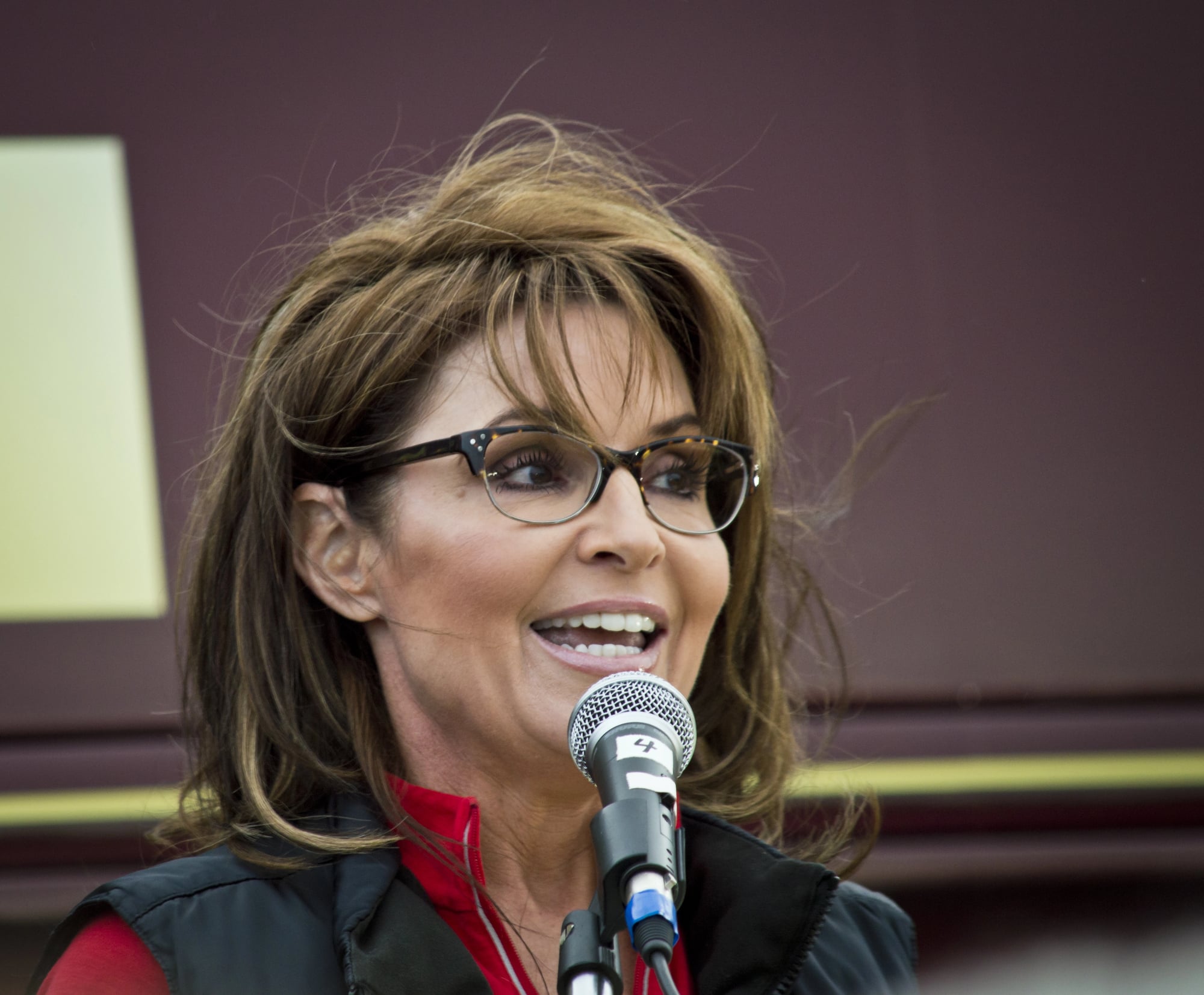
The former vice presidential candidate launched a subscription-based online TV channel in 2014, charging $9.95 monthly for exclusive content. The venture promised unfiltered access to Palin’s political views without mainstream media interference.
After just one year of operation and underwhelming subscriber numbers, the channel was shuttered, and content was made available for free.
Britney Spears’ Nyla Restaurant
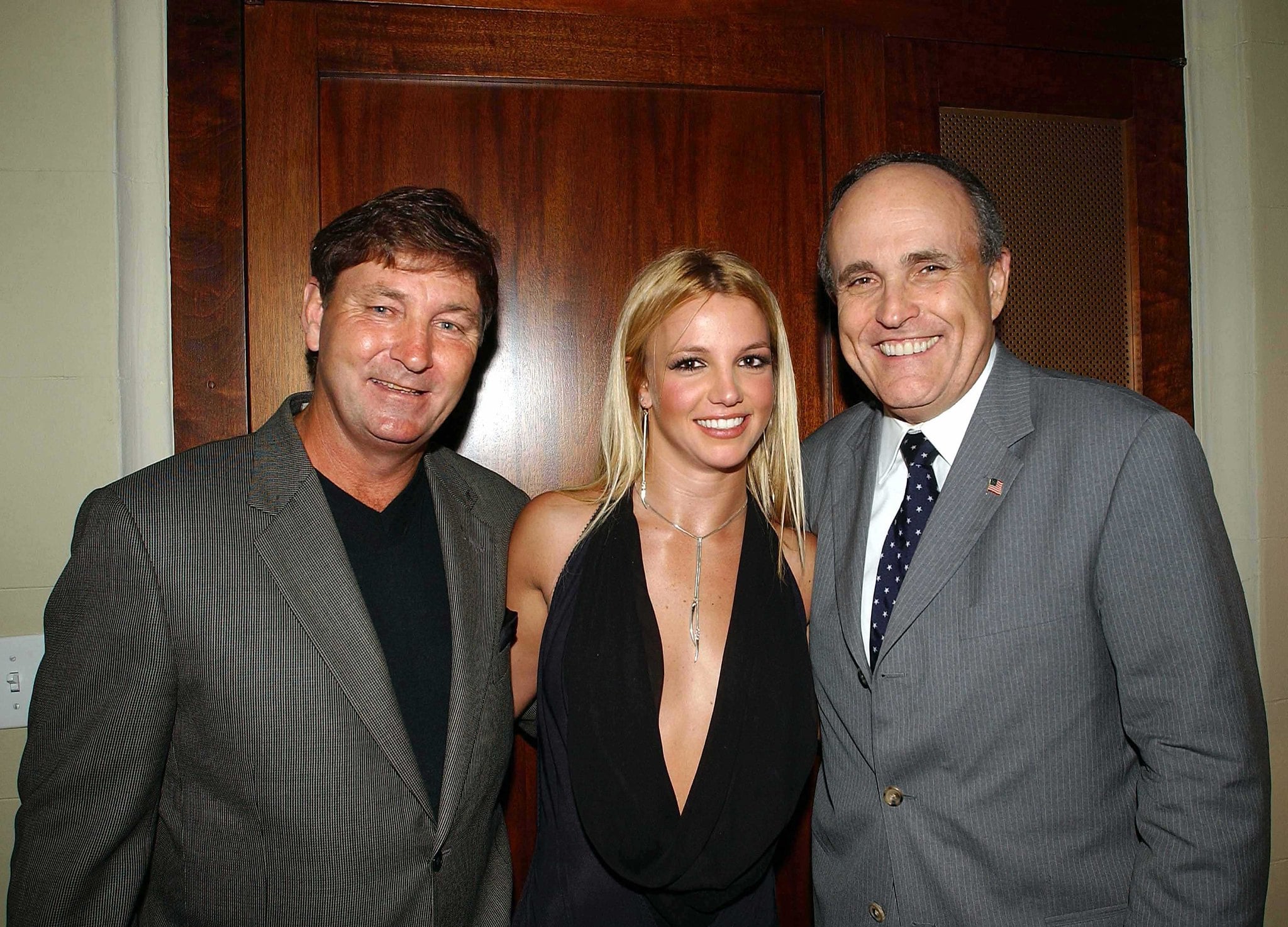
In 2002, Britney started her own restaurant in Manhattan, which coincidentally had the same name as J. Lo’s failing business. After receiving negative reviews, the restaurant shifted from serving Louisiana cuisine to Italian food.
It became yet another famous restaurant to fail, closing after six months due to management issues and health code infractions.
Like Go2Tutors’s content? Follow us on MSN.
Hulk Hogan’s Pastamania
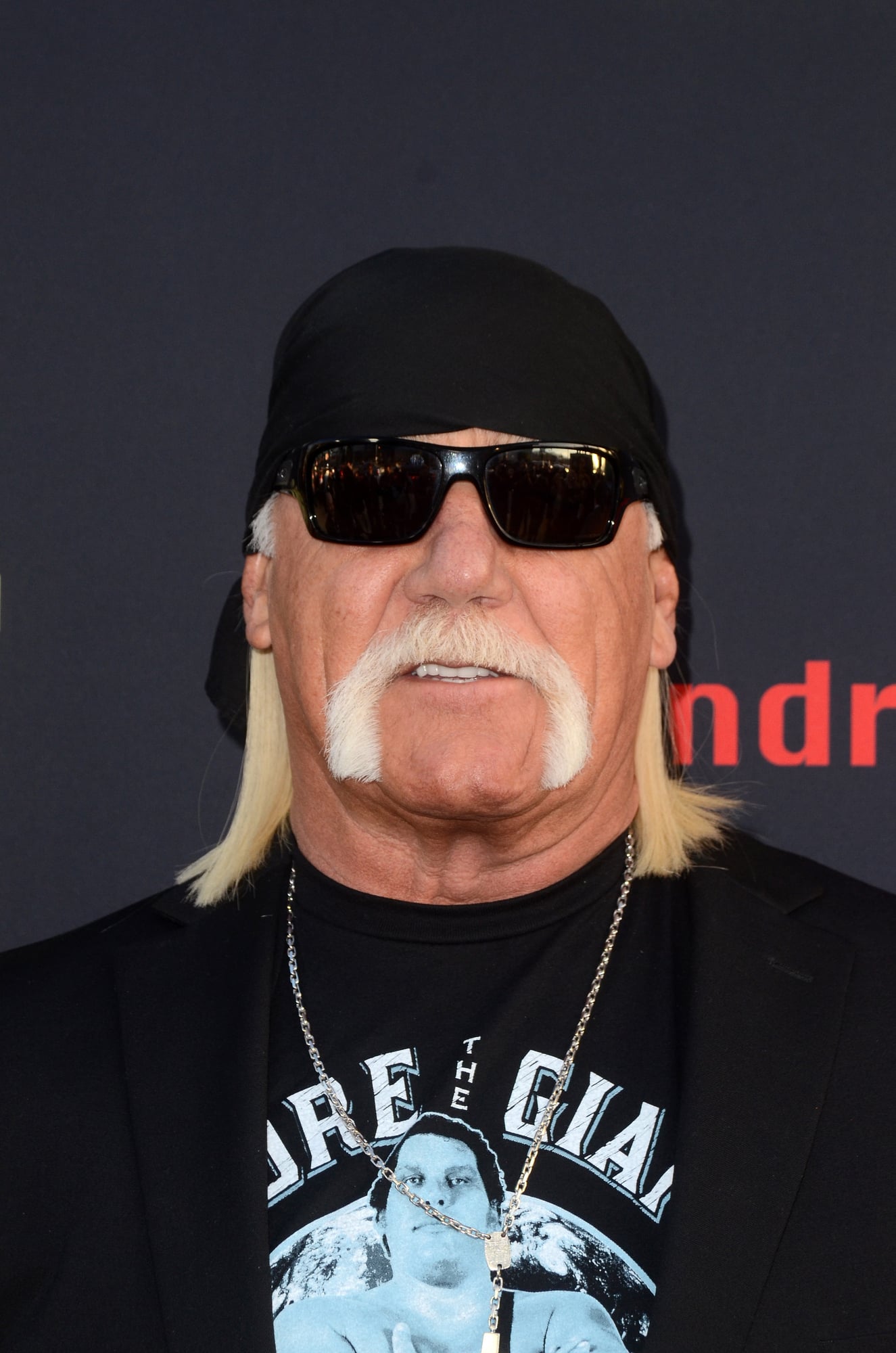
In 1995, the wrestling legend opened a pasta restaurant in the Mall of America. On wrestling shows, Hogan fervently supported the restaurant, urging Hulkamaniacs to sample his unique pasta recipes.
Though he was well-known and had lively ads, the restaurant struggled in the competitive casual dining sector and closed in under a year.
Chloe Sevigny for Opening Ceremony
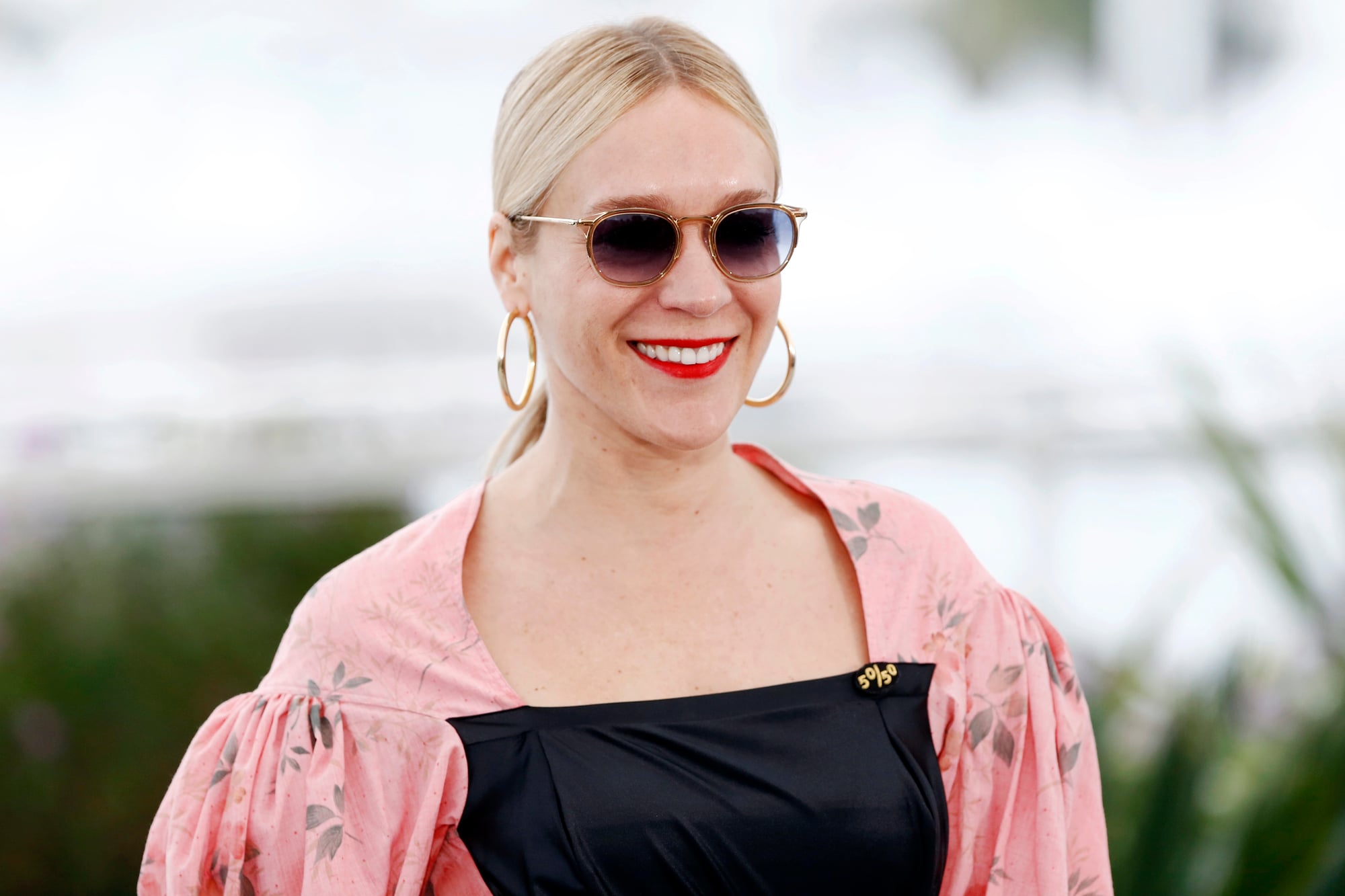
The indie actress collaborated with retailer Opening Ceremony on a clothing line that initially received critical acclaim. The partnership produced several collections between 2009 and 2015, featuring Sevigny’s signature eclectic style.
Despite fashion press approval, the collaboration eventually fizzled out with little fanfare as Opening Ceremony itself was later acquired and transformed.
MC Hammer’s Hammer Pants

The rapper capitalized on his distinctive baggy pants by launching a merchandise line at the height of his fame in the early 1990s. When his popularity waned, so did the demand for the unmistakably bold fashion statement.
The company reportedly earned $33 million at its peak before collapsing alongside Hammer’s financial empire when the performer declared bankruptcy in 1996.
Like Go2Tutors’s content? Follow us on MSN.
Mike Tyson’s Punch-Out Energy Drink
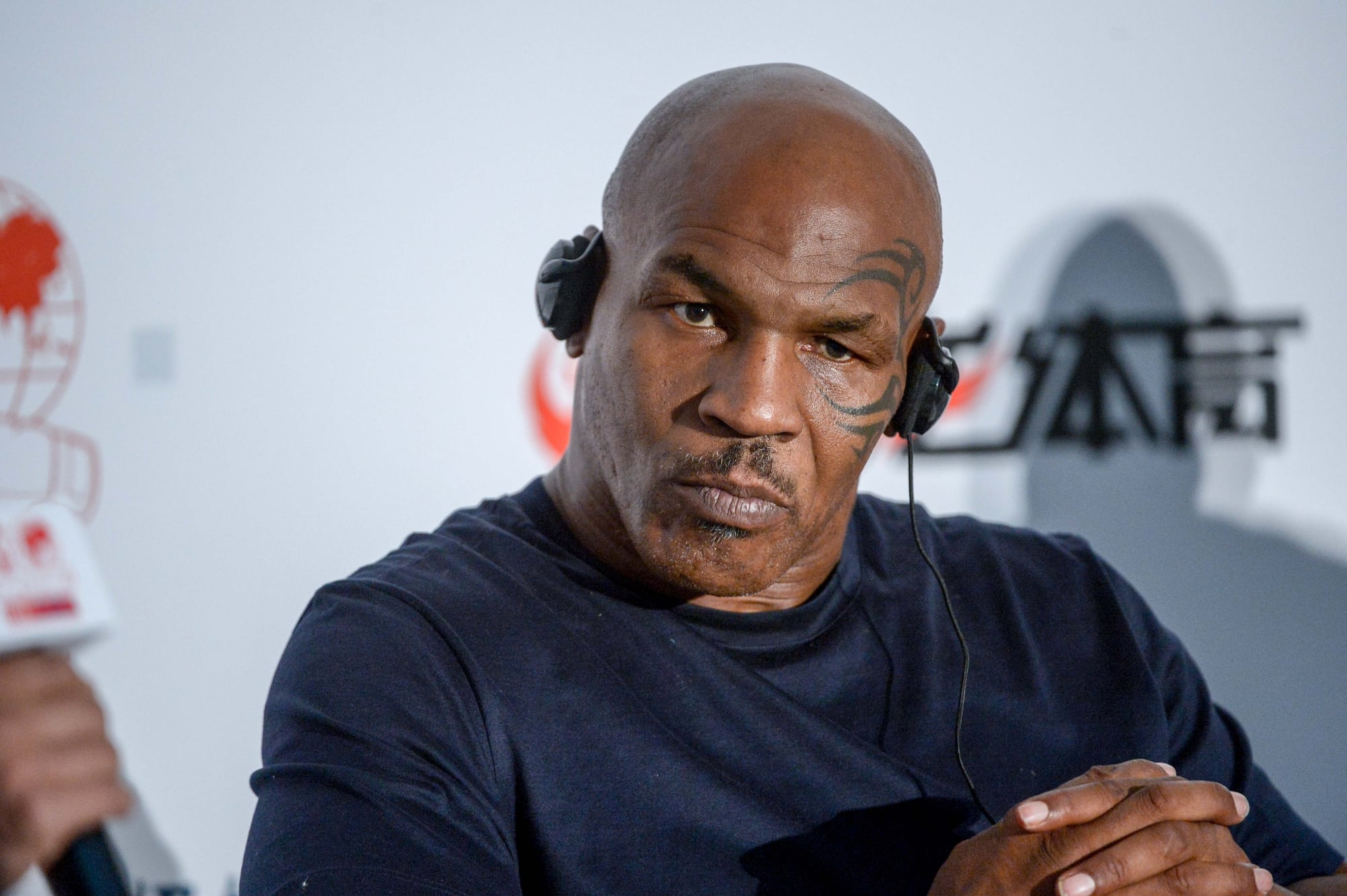
The boxing champion entered the beverage market in 2008 with an energy drink named after the famous Nintendo game. Despite Tyson’s continued cultural relevance, the drink failed to compete with established brands and disappeared from stores within two years.
The product’s name recognition couldn’t overcome the saturated energy drink marketplace.
Natalie Portman’s Vegan Shoe Line
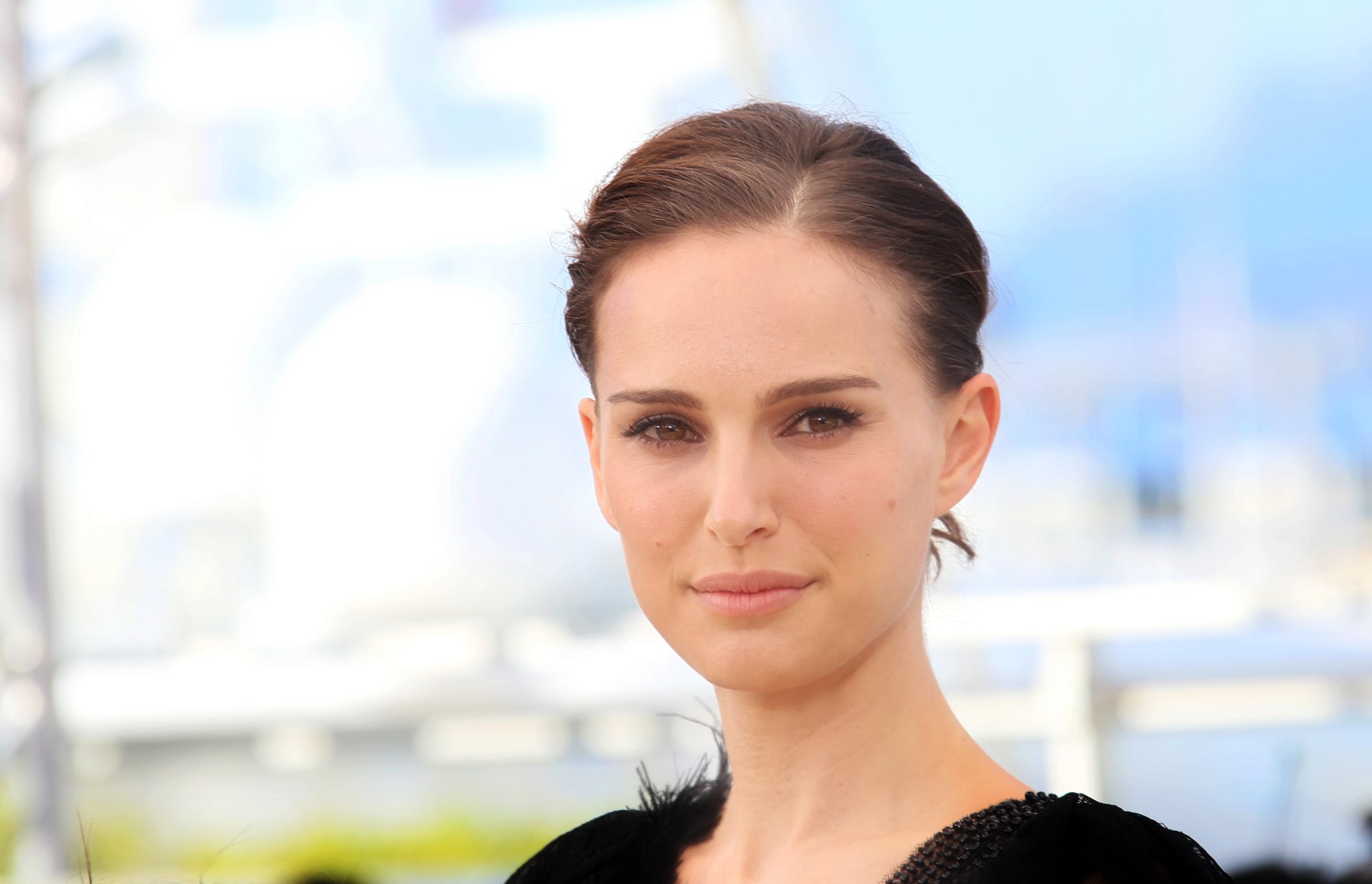
The Oscar-winning actress collaborated with Te Casan in 2008 to create a line of animal-free footwear. While ahead of its time in the sustainable fashion movement, the collection of vegan shoes priced at around $200 per pair struggled to find its market.
Te Casan folded later that year, taking Portman’s compassionate footwear with it.
Sammy Hagar’s Cabo Wabo Tequila
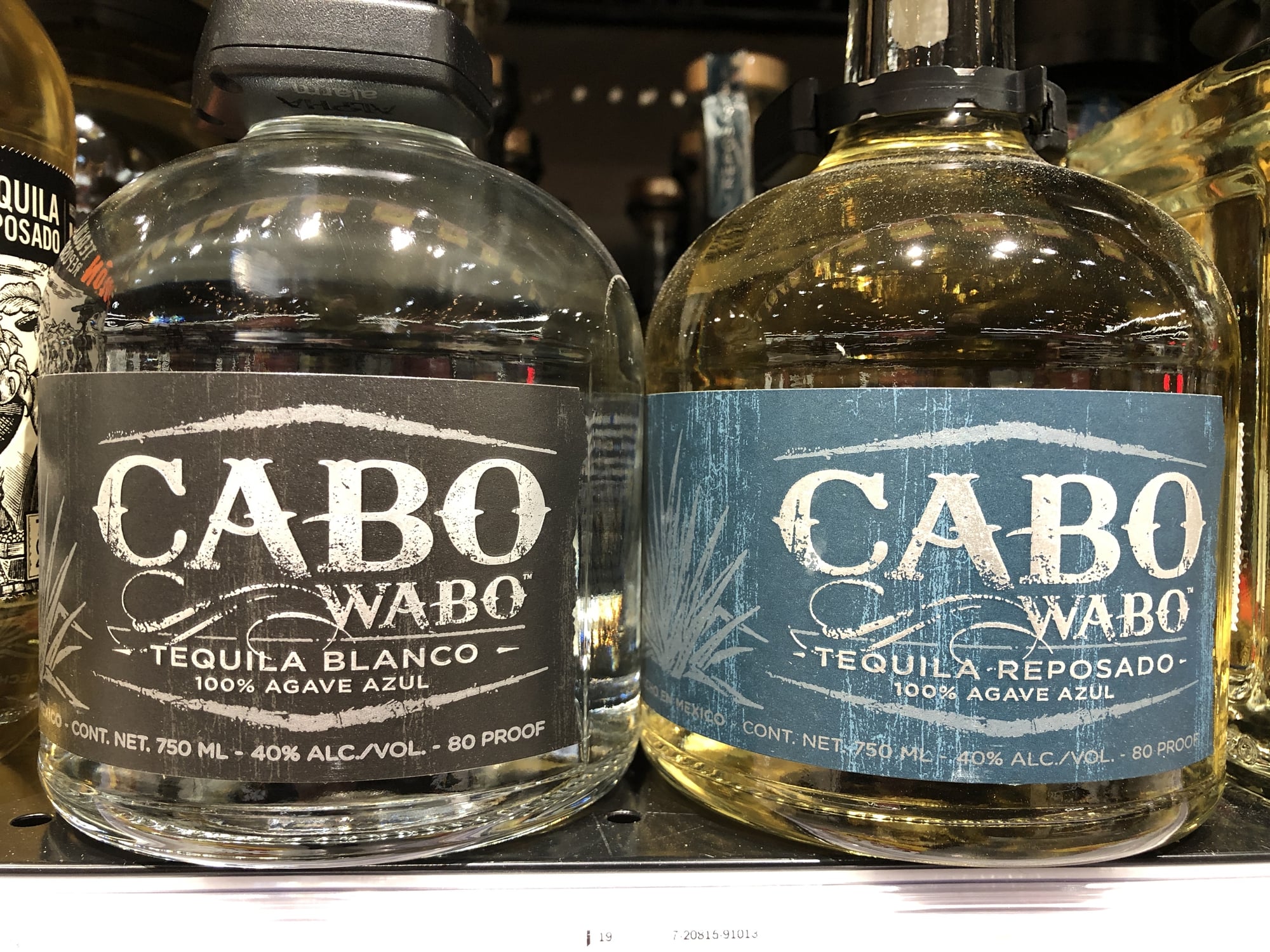
Unlike many entries on this list, the Van Halen singer’s tequila brand was initially successful. Launched in 1996, Cabo Wabo became popular enough that Campari Group purchased a controlling interest for $80 million in 2007.
However, the original celebrity-associated brand effectively disappeared when Hagar sold his remaining stake in 2010, transitioning from a rock star passion project to a corporate spirit.
Like Go2Tutors’s content? Follow us on MSN.
Planet Hollywood
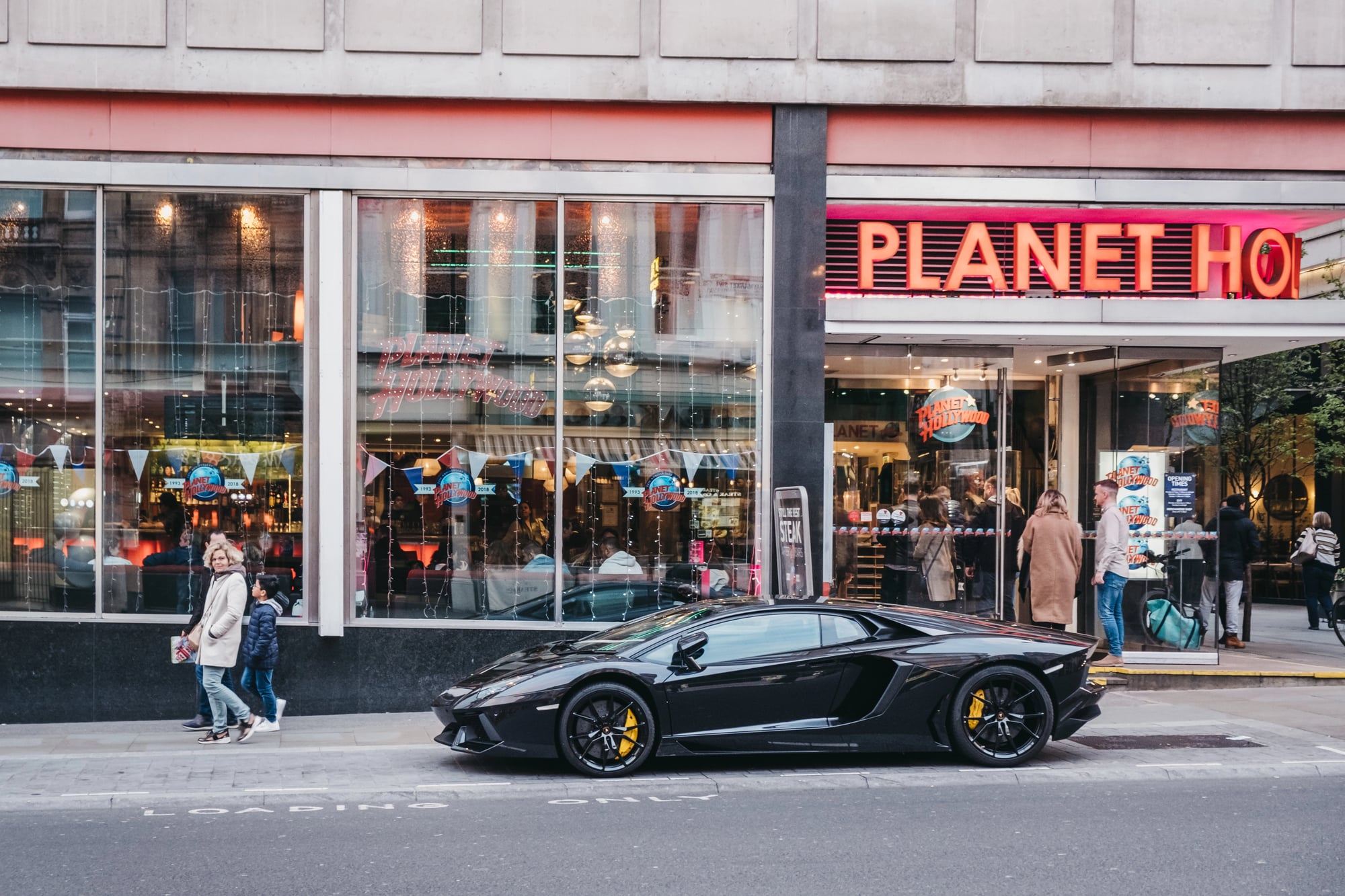
The ultimate celebrity-endorsed business venture, backed by Bruce Willis, Sylvester Stallone, Demi Moore, and Arnold Schwarzenegger, boomed in the 1990s before going bust. The themed restaurant chain expanded too quickly, opening 87 locations worldwide during its peak.
After multiple bankruptcies and restructurings, most locations closed, leaving just a handful of restaurants compared to their once-global presence.
Beyond the Spotlight
Celebrity endorsements continue to shape consumer behavior today, but with greater sophistication and integration. Modern stars have learned from these past failures, often taking equity positions rather than simply lending their names.
The graveyard of celebrity brands serves as a reminder that even the brightest star power can’t sustain a business without solid fundamentals and an authentic connection to consumers.
More from Go2Tutors!

- 18 Unexpectedly Valuable Collectibles You Might Have Lying Around
- 20 Little-Known Historical Battles That Had Huge Consequences
- 20 Historical Artifacts That Scientists Can’t Explain
- 15 Inventions That Were Immediately Banned After Being Created
- 20 Actors Who Were Almost Cast in Iconic Roles
Like Go2Tutors’s content? Follow us on MSN.