How Drive-Thru Culture Transformed Daily American Life
Drive-thru culture is something many people in America interact with almost every day. From grabbing a quick coffee in the morning to picking up dinner on the way home, the drive-thru has become a key part of how people live and move through their day.
It started as a simple convenience but grew into a big part of the country’s way of doing things.Let’s dive into how this culture shaped everyday life in ways that go beyond just food. It’s more than quick service—it’s about speed, habits, and even social change.
Made life faster for busy people

Drive-thrus helped people save time when they needed it most. Instead of parking and going inside, people could stay in their cars and still get what they wanted.
This was especially helpful for parents with kids, workers on tight schedules, and anyone juggling multiple tasks. By cutting out the steps of walking inside and waiting in line, drive-thrus made simple errands much quicker.
Over time, this speed became an expectation, pushing more businesses to follow suit.
Reshaped morning routines

Many Americans now start their day with a quick stop at a drive-thru coffee or breakfast spot. This change made mornings more efficient, allowing people to get caffeine and food on the go, which fits right into the busy, fast-paced lifestyle.
For many, the drive-thru coffee run has replaced sitting down for breakfast at home, saving time and adding a small treat to the daily grind. It also gave rise to popular morning rituals that blend comfort with convenience.
Like Go2Tutors’s content? Follow us on MSN.
Changed how people eat out
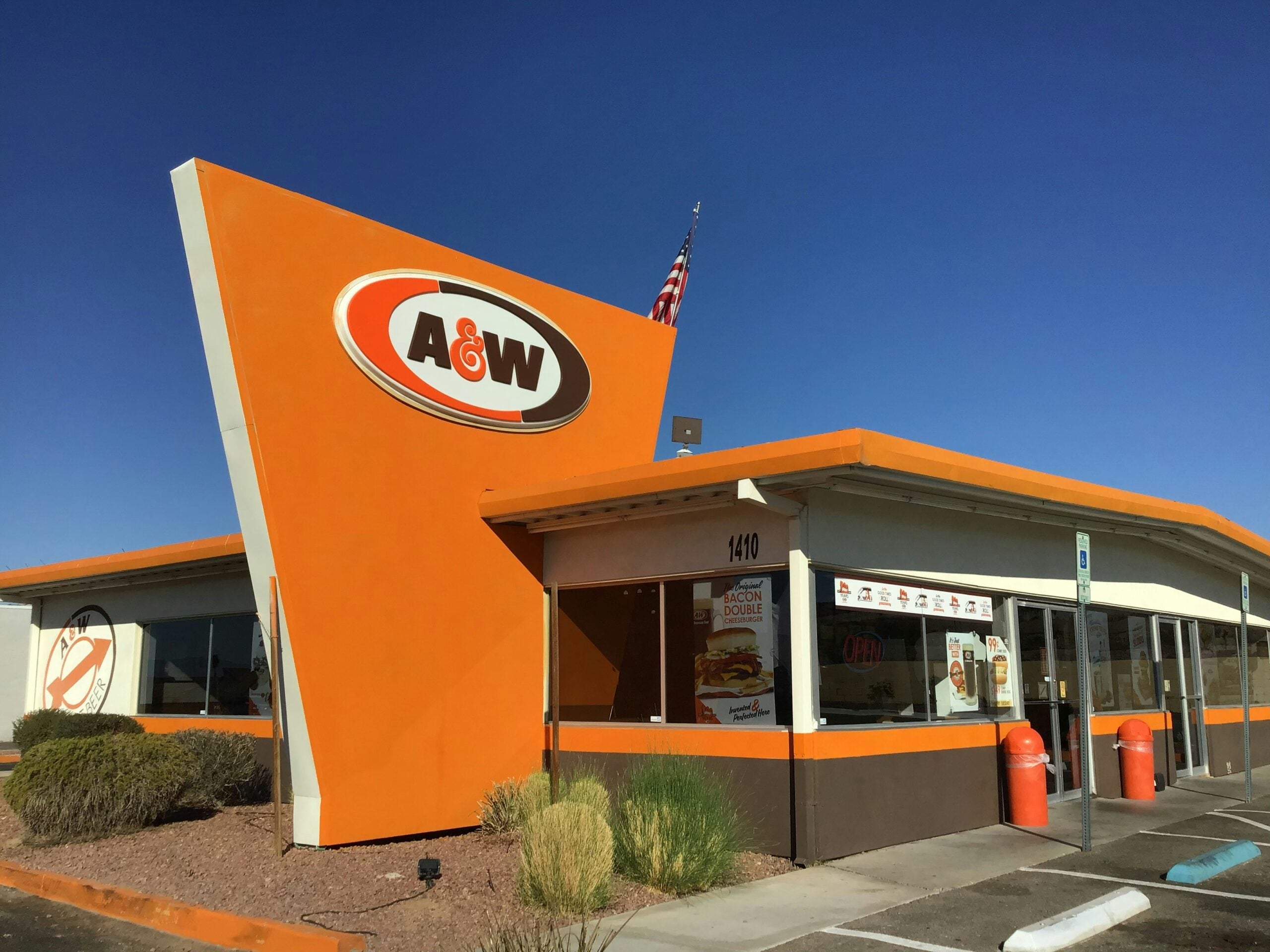
Drive-thrus turned eating out into a faster and more casual experience. No need to wait for a table or servers; food became more accessible and less formal.
This helped fast food chains grow quickly across the country, making popular meals available in minutes rather than hours. It also encouraged a more spontaneous style of dining where people could grab a quick bite without planning ahead or dressing up.
Influenced car design

With drive-thrus becoming popular, cars were designed to be more drive-thru friendly. Features like easy-to-use windows, better speaker systems, and compact sizes helped drivers place orders smoothly without leaving their seats.
Some cars even included built-in technology for ordering or payment. Automakers recognized that the drive-thru wasn’t just a service—it was a new way people used their vehicles daily.
Encouraged multitasking on the road

People started doing more while driving, like eating, drinking, or even talking on the phone through the drive-thru system. This habit shifted how time spent in cars was viewed—from just travel time to multitasking time.
It also made the car feel like an extension of home or work, where multiple activities happened at once. This sometimes led to safety concerns but also showed how busy life had become.
Like Go2Tutors’s content? Follow us on MSN.
Affected urban planning and city layouts

Drive-thrus required space for lanes and parking, influencing how shopping centers and streets were designed. Many suburbs grew with drive-thrus in mind, leading to changes in traffic flow and land use.
Drive-thru lanes often shaped how buildings were placed and how cars moved through neighborhoods. This changed the look and feel of many towns, making cars even more central to daily life.
Helped businesses reach more customers

Restaurants and other shops used drive-thrus to serve more people faster. This boosted sales and made it easier for new businesses to get started without needing large dining areas.
For small businesses, drive-thrus reduced overhead costs by cutting down the need for wait staff or big indoor spaces. The model also helped businesses survive tough times by offering fast, contactless service.
Made food options more accessible
Drive-thrus gave people in all kinds of neighborhoods easier access to food. This helped in places where restaurants were far apart or where people didn’t want to leave their cars, like during bad weather.
It also helped people with limited mobility or those in rural areas reach meals more easily. Drive-thrus turned into a lifeline for many who needed quick, convenient access to everyday essentials.
Like Go2Tutors’s content? Follow us on MSN.
Influenced social habits and gatherings
The convenience of drive-thrus changed how people met and hung out. Quick stops became popular meeting points, and sharing fast food in cars became a common social activity.
Kids and teens often gathered around drive-thru spots after school, and families used them for casual nights out. Drive-thrus offered a space to connect without the formality of dining rooms or restaurants.
Contributed to changes in health habits

With more fast food available through drive-thrus, some people found it harder to maintain healthy eating habits. The quick access to snacks and meals often led to more eating out than cooking at home.
This shift contributed to rising concerns about diet and nutrition, pushing some communities to seek healthier options at drive-thrus. At the same time, it sparked new menu choices focused on balance and wellness.
Impacted the environment
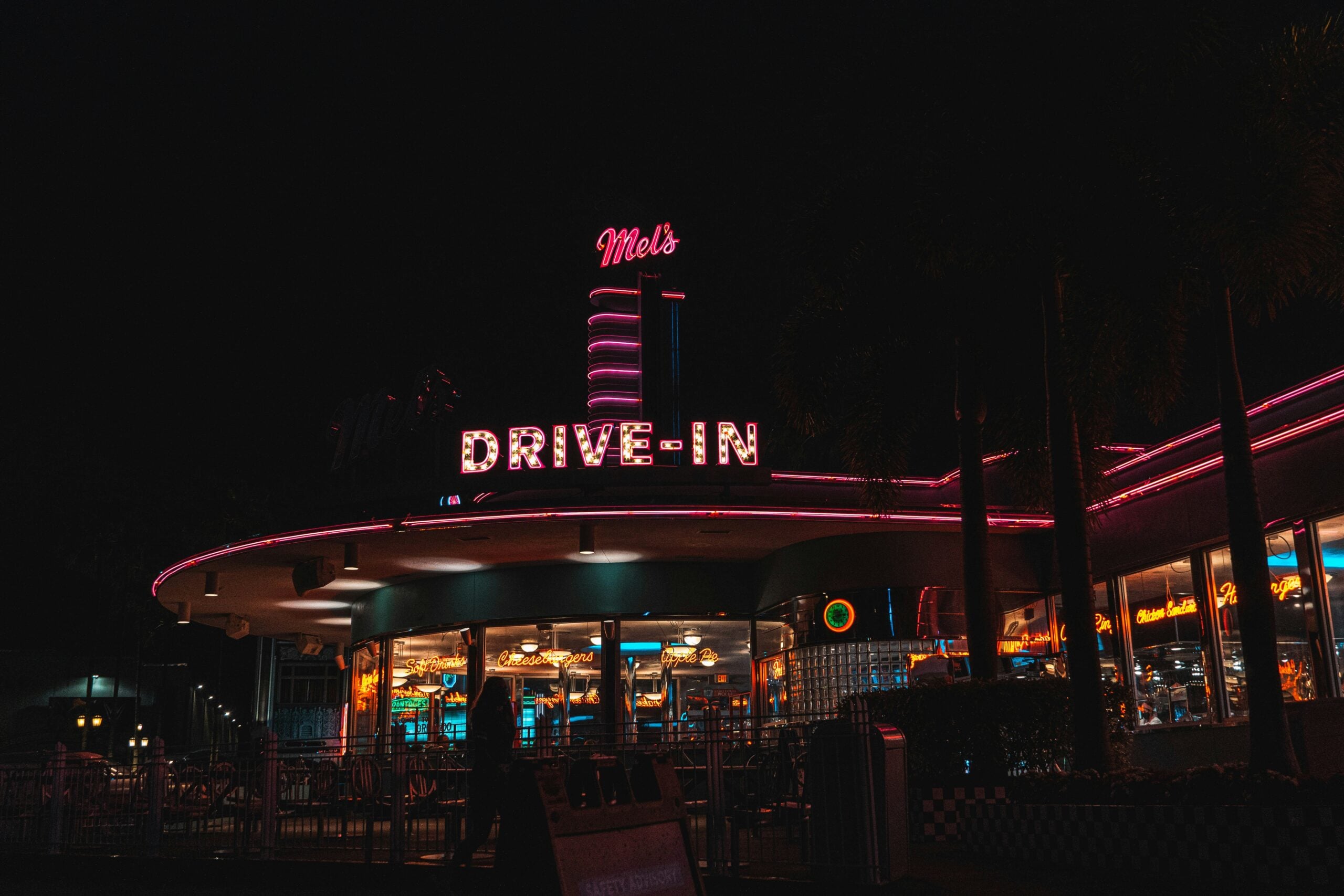
More cars idling in drive-thru lanes added to air pollution and fuel use. This raised questions about the environmental costs of convenience and pushed some places to rethink how drive-thrus operate.
Some businesses responded by encouraging walk-up orders or using electric vehicles to cut emissions. Environmental awareness has started to shape how drive-thru services are designed for the future.
Like Go2Tutors’s content? Follow us on MSN.
Affected family dynamics

Drive-thrus made family outings simpler by cutting down wait times and keeping kids entertained in the car. This convenience allowed more families to enjoy meals together without the stress of traditional dining.
It also gave parents an easy way to handle picky eaters or tight schedules without missing out on shared moments. For busy families, drive-thrus became a small but important part of staying connected.
Adapted during health crises

During times like the recent pandemic, drive-thrus became essential. They allowed businesses to stay open and customers to get food safely without close contact, changing how society managed public health.
Many restaurants quickly shifted to drive-thru only or pickup options, keeping both workers and customers safer. This period showed just how important drive-thru services are in keeping daily life moving through tough times.
Affected traffic patterns

Drive-thru lines sometimes caused traffic jams or delays, especially in busy areas. This forced cities to find solutions for better traffic control and design.
Some places limited drive-thru hours or redesigned lanes to keep traffic moving smoothly. Managing these crowds showed how much drive-thrus had become part of local transportation planning.
Like Go2Tutors’s content? Follow us on MSN.
Bridged rural and urban divides
Drive-thrus helped connect people in rural areas with goods and services usually found in cities. This eased the challenges of distance and made everyday needs easier to meet.
Even small towns gained access to popular chains and essential services through drive-thru windows. This helped reduce isolation and brought rural communities closer to national trends.
A Look Back to Understand Today’s Fast Lane
Drive-thru culture started as a simple idea but grew to affect almost every part of daily life in America. It made things faster, more convenient, and shaped social habits along the way.
While it brought some challenges, like health and environmental concerns, it also opened doors for jobs and new technologies. Understanding how drive-thrus changed life helps explain why speed and ease matter so much in today’s world.
It’s a reminder that small changes can ripple through society in big ways.
More from Go2Tutors!

- 16 Historical Figures Who Were Nothing Like You Think
- 12 Things Sold in the 80s That Are Now Illegal
- 15 VHS Tapes That Could Be Worth Thousands
- 17 Historical “What Ifs” That Would Have Changed Everything
- 18 TV Shows That Vanished Without a Finale
Like Go2Tutors’s content? Follow us on MSN.



