16 Extreme Temperature Records Shattered Across Europe
Europe’s relationship with weather has always been one of gentle predictability. Cool summers, mild winters, and the occasional heatwave that sends everyone scrambling for fans.
But something shifted in recent years — the continent found itself breaking temperature records with an unsettling frequency that left meteorologists checking their instruments twice. From the Arctic reaches of Scandinavia to the sun-baked shores of the Mediterranean, extreme temperatures have rewritten the weather maps across European nations, creating new benchmarks that seemed impossible just decades ago.
Norway’s Arctic Heatwave
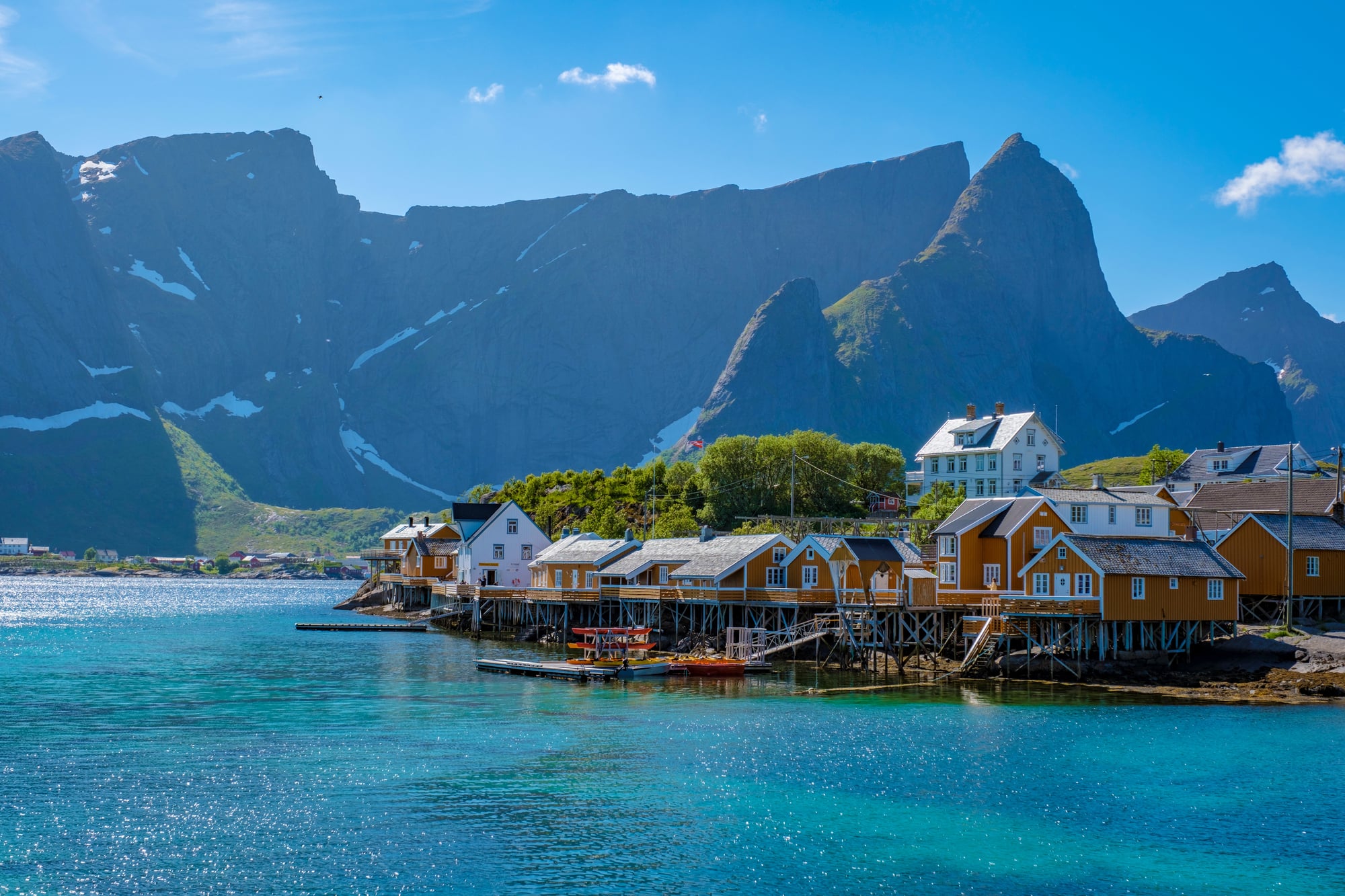
The thermometer hit 38.7°C in Saltdal, Norway. Arctic Norway.
The kind of place where reindeer migrations have followed the same routes for thousands of years, suddenly recording temperatures that would make southern Italy sweat.
Finland’s Summer Inferno
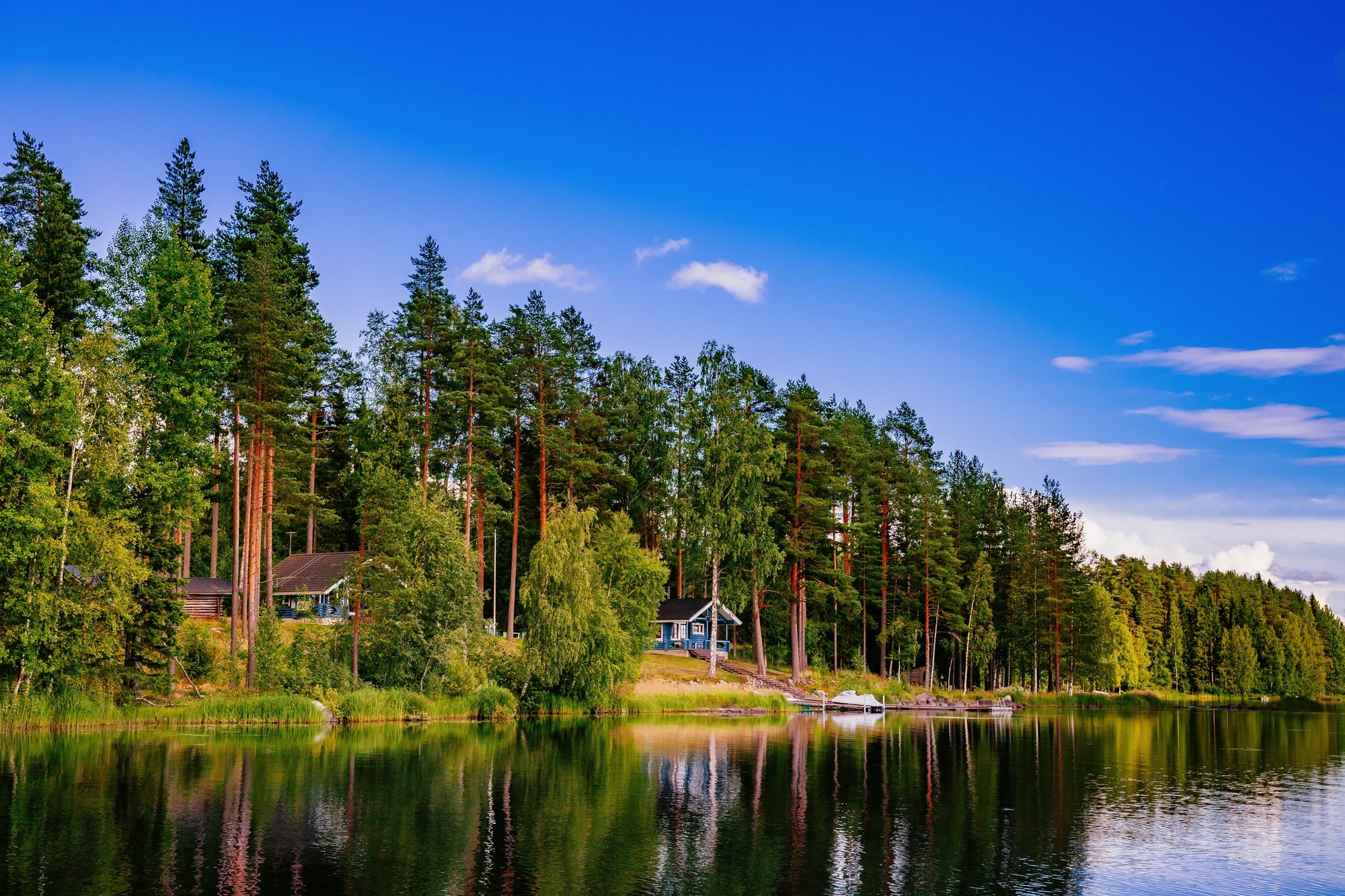
Finnish forests don’t typically combust from heat alone. Yet Turku recorded 33.2°C in July, shattering the previous record by more than three degrees — which might sound modest until you consider that Finland’s infrastructure, housing, and entire way of life assumes summer temperatures will peak somewhere around a comfortable 25°C.
Sweden’s Unprecedented Scorcher
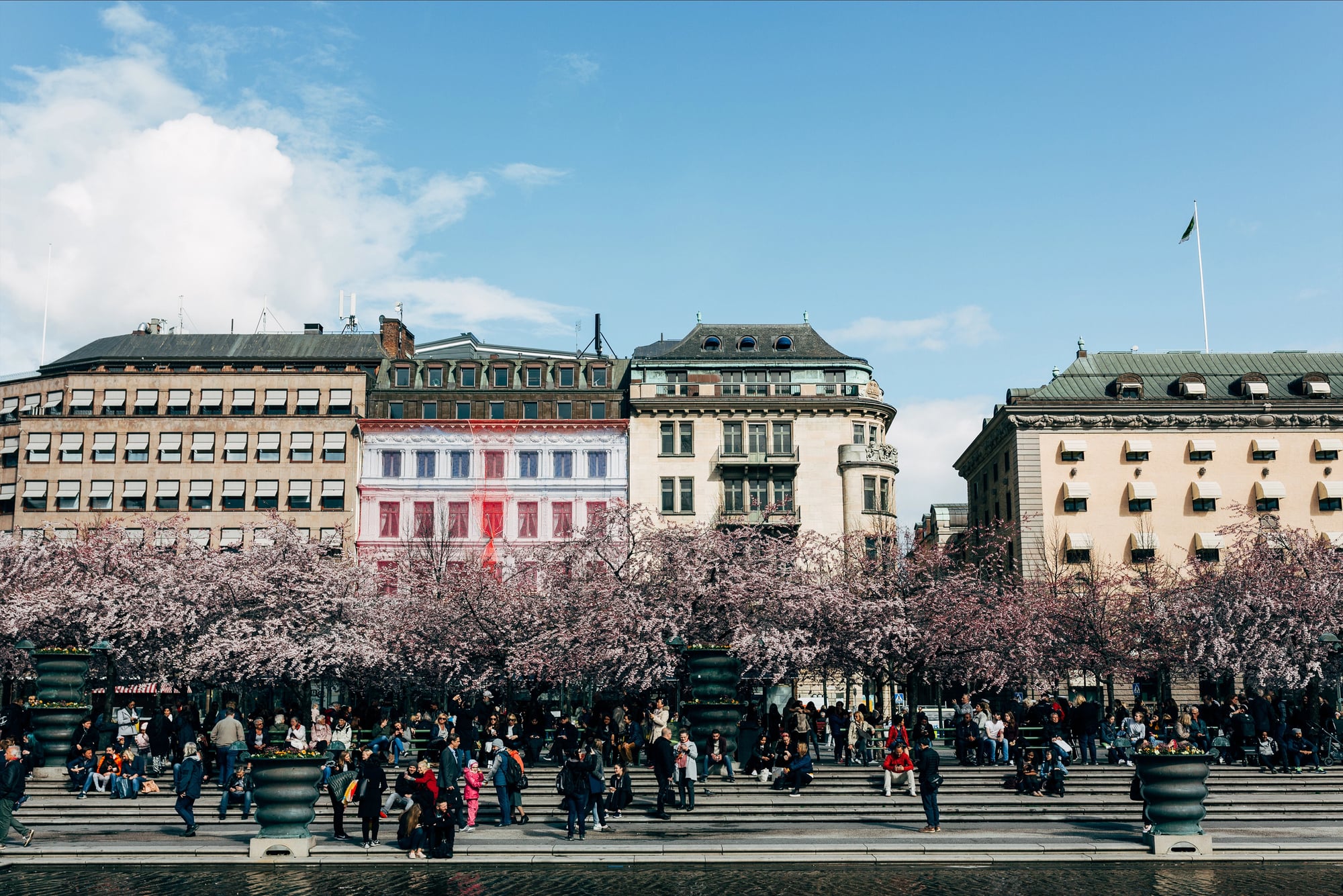
There’s something almost absurd about watching Swedes (a people who’ve mastered the art of thriving in cold) suddenly confronting 36.6°C in Målilla, and the way the entire country seemed to pause, unsure how to respond to heat that aggressive. The previous record had stood for decades, the kind of benchmark that felt permanent — until it wasn’t.
So the air conditioning market exploded overnight, hardware stores ran out of fans, and meteorologists started using words like “unprecedented” with uncomfortable frequency.
Denmark’s Record Meltdown
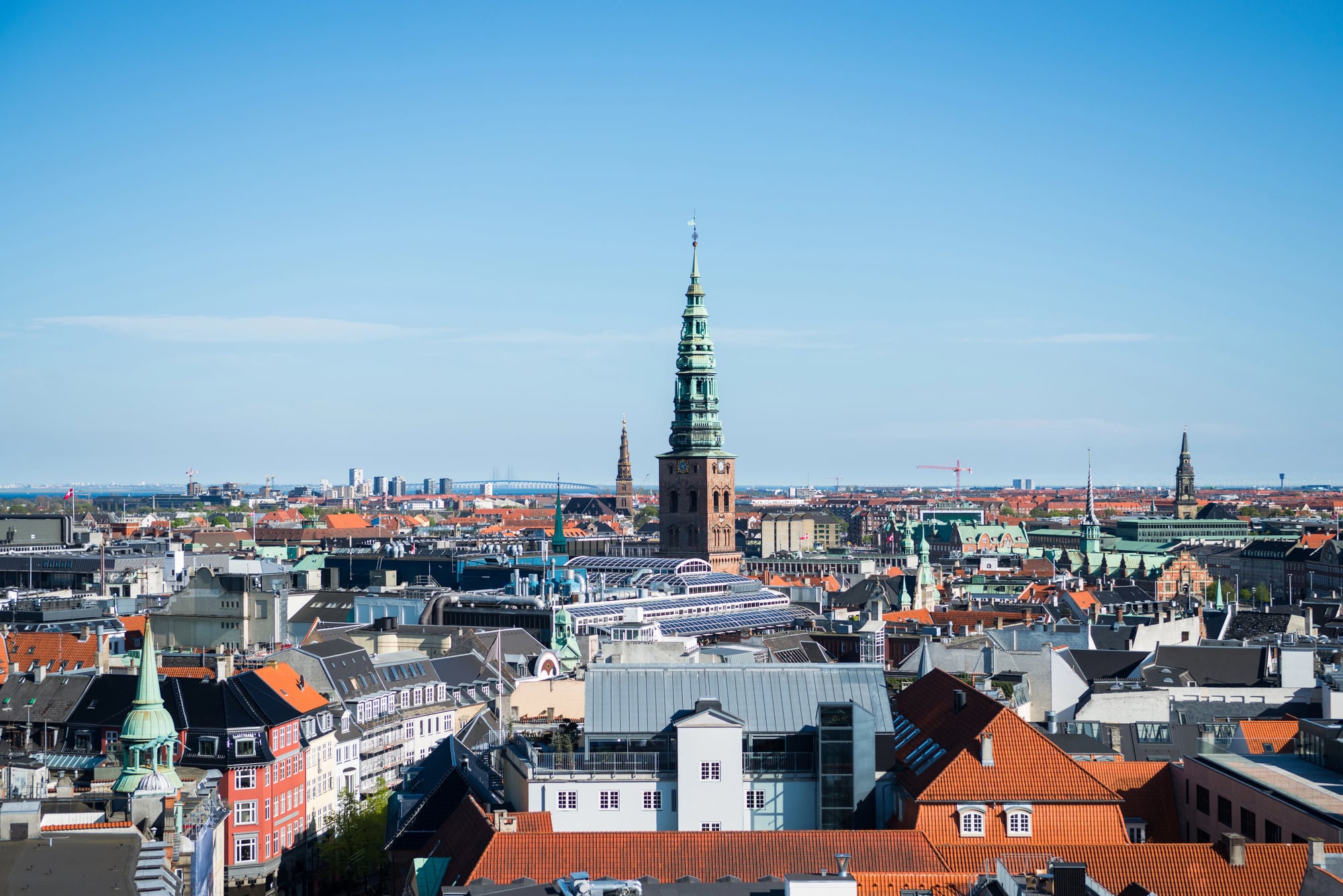
Like watching a snow globe lose its magic — Denmark recorded 36.4°C in Copenhagen, transforming a city built for maritime cool into something resembling a Mediterranean port. The canals that usually provide refreshing breezes became heat sinks, trapping warmth between historic buildings never designed for temperatures that fierce.
United Kingdom’s Scorching Reality
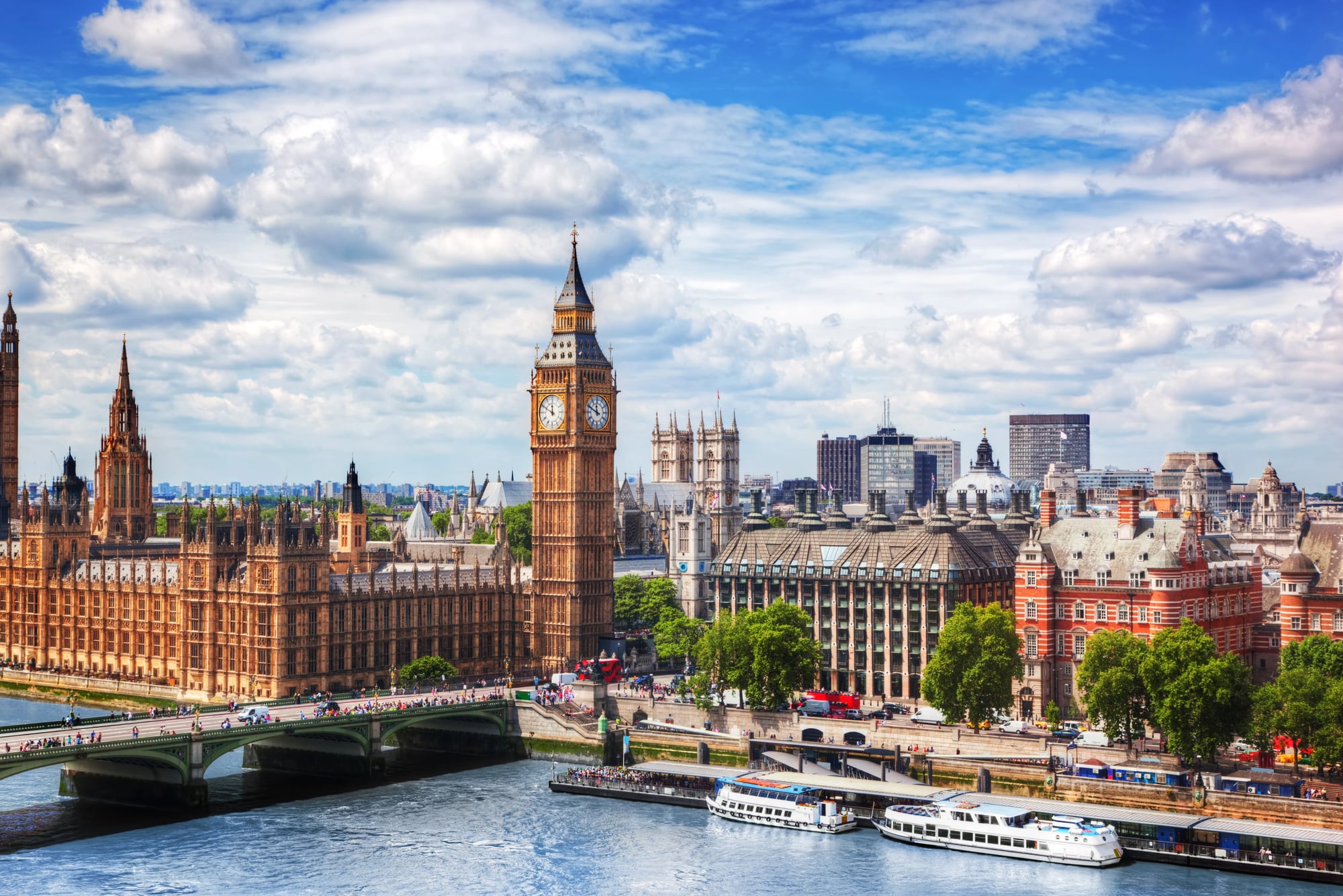
British weather jokes died the day London hit 40.3°C. The same country that built an empire partly because its people were desperate to escape drizzle suddenly found itself hotter than most tropical destinations.
Train tracks warped, airport runways buckled, and the phrase “it’s a bit warm” became tragically inadequate.
Netherlands’ Blazing Heat
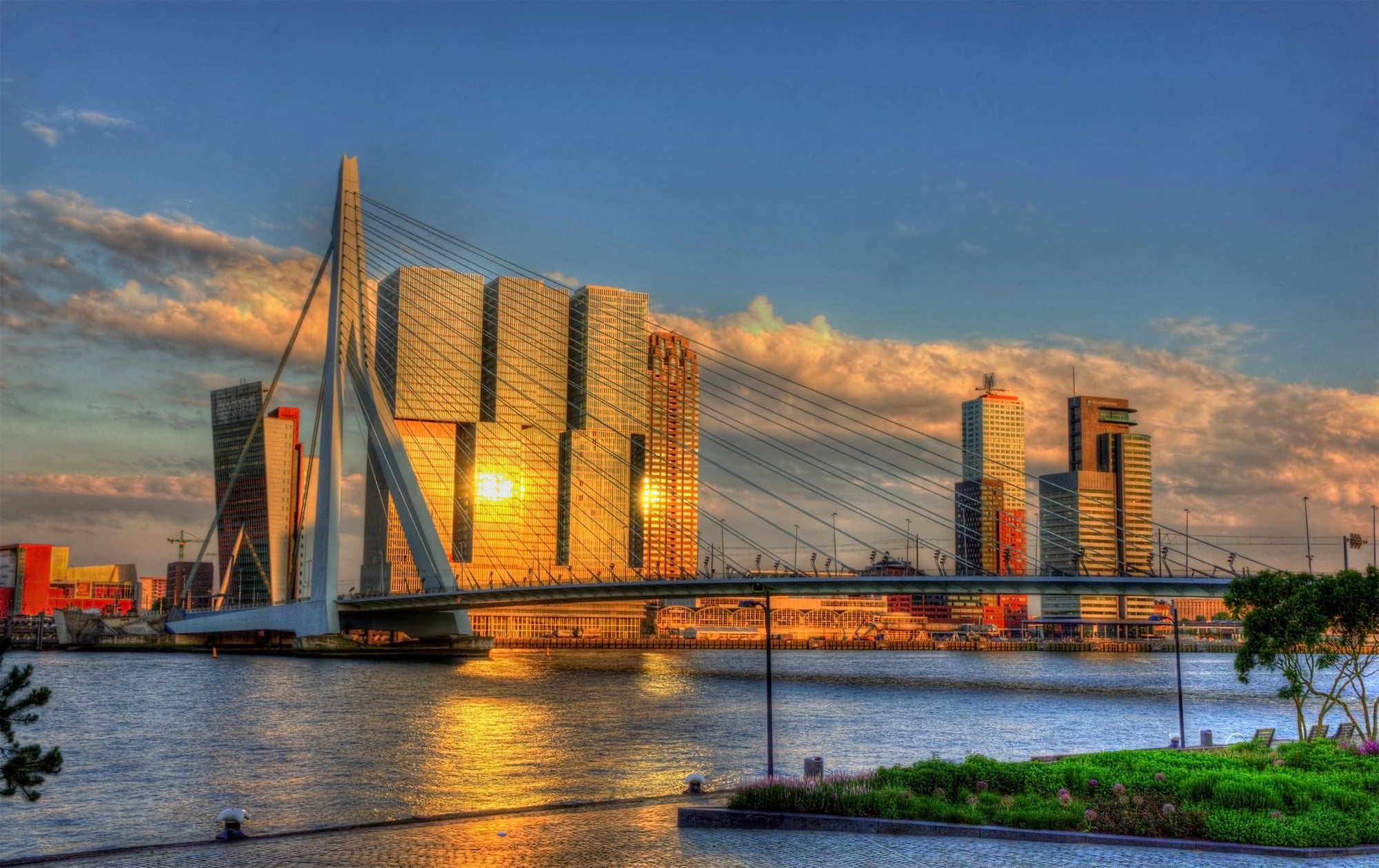
Dutch infrastructure assumes water, wind, and moderate temperatures. Always has. The country recorded 40.7°C in Gilze-Rijen, creating conditions that turned Amsterdam’s famous canals into bathwater and made cycling — the national pastime — briefly unbearable.
Even the tulips looked confused.
Germany’s Thermal Shock
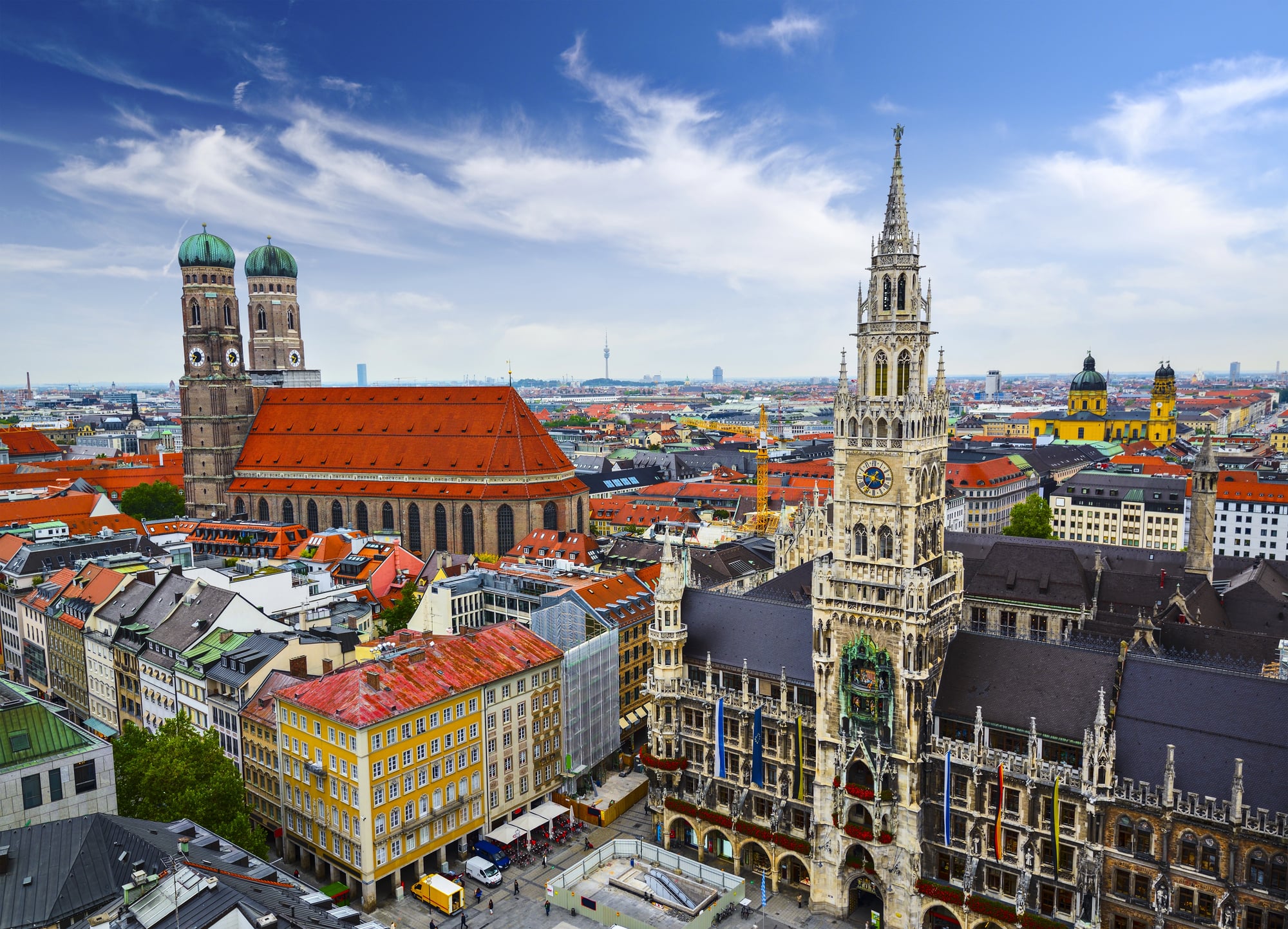
The Ruhr Valley, industrial heart of Europe, recorded 42.6°C — temperatures that would challenge air conditioning systems in Phoenix, but here they overwhelmed power grids designed for a much gentler climate.
Beer gardens became saunas (and yet people still gathered in them, because Germans are remarkably stubborn about tradition, even when tradition becomes physically uncomfortable).
Belgium’s Heat Catastrophe
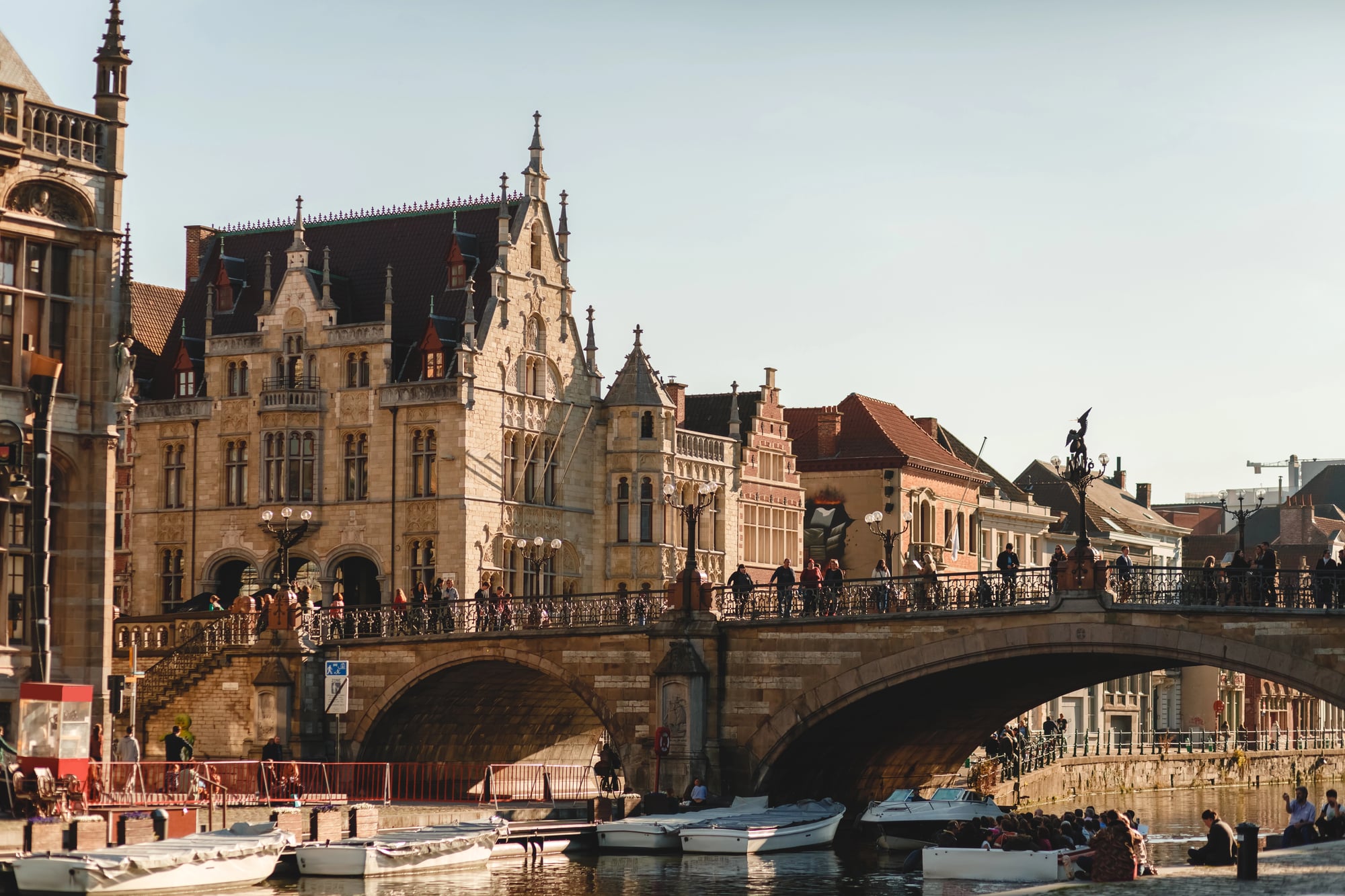
Brussels hit 41.8°C, transforming the European Union’s administrative capital into something resembling a Middle Eastern city in midsummer, except without the infrastructure, cultural adaptations, or architectural wisdom that makes such heat manageable elsewhere.
The irony wasn’t lost on climate policy officials sweating through meetings about global temperature targets.
France’s Deadly Furnace
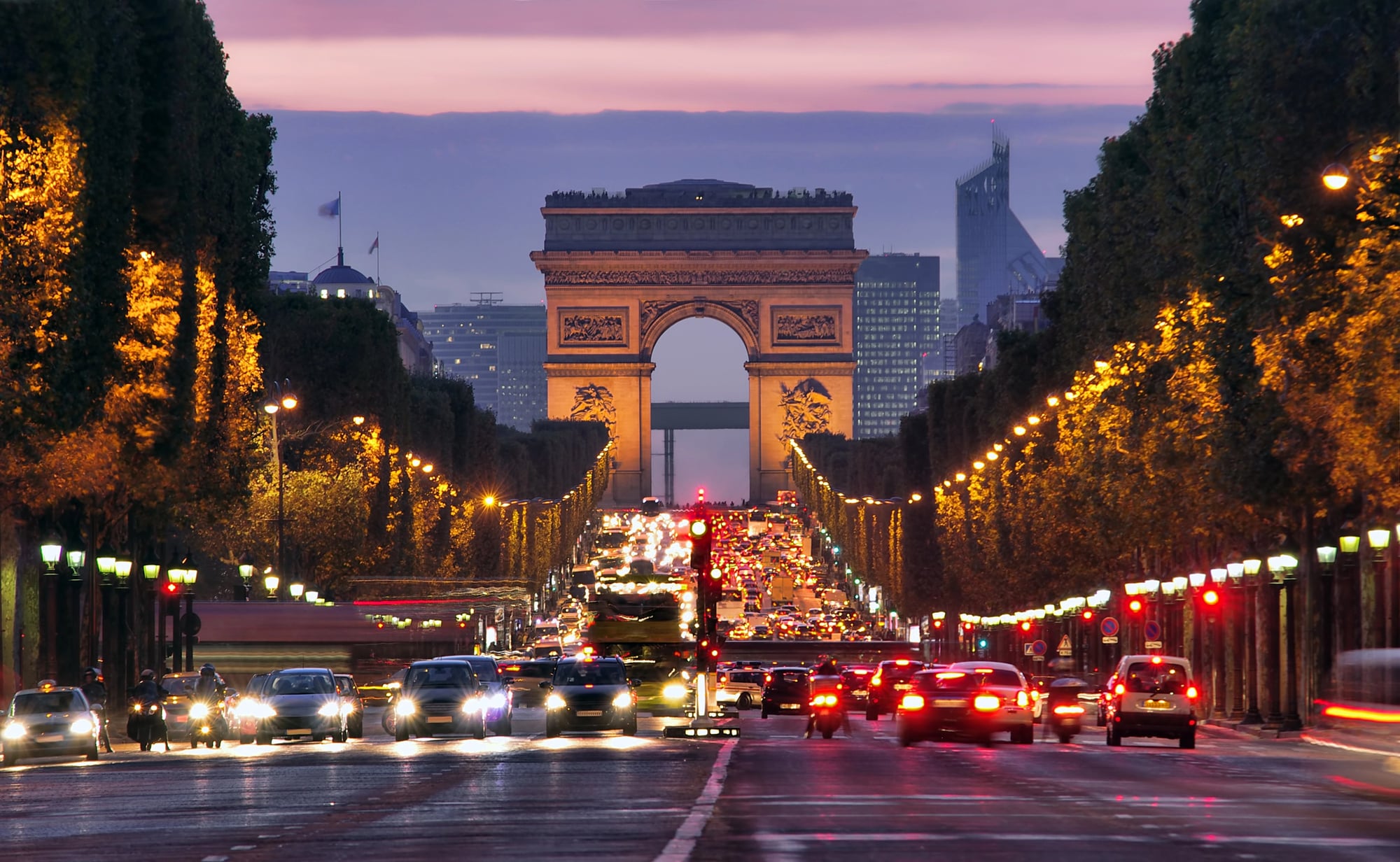
French summers are supposed to be languid, wine-soaked affairs. Not 46.0°C in Vérargues, where the heat became genuinely dangerous and thousands of elderly residents required emergency cooling assistance.
The same country that perfects the art of leisurely August afternoons suddenly found August afternoons potentially lethal.
Spain’s Infernal Peak
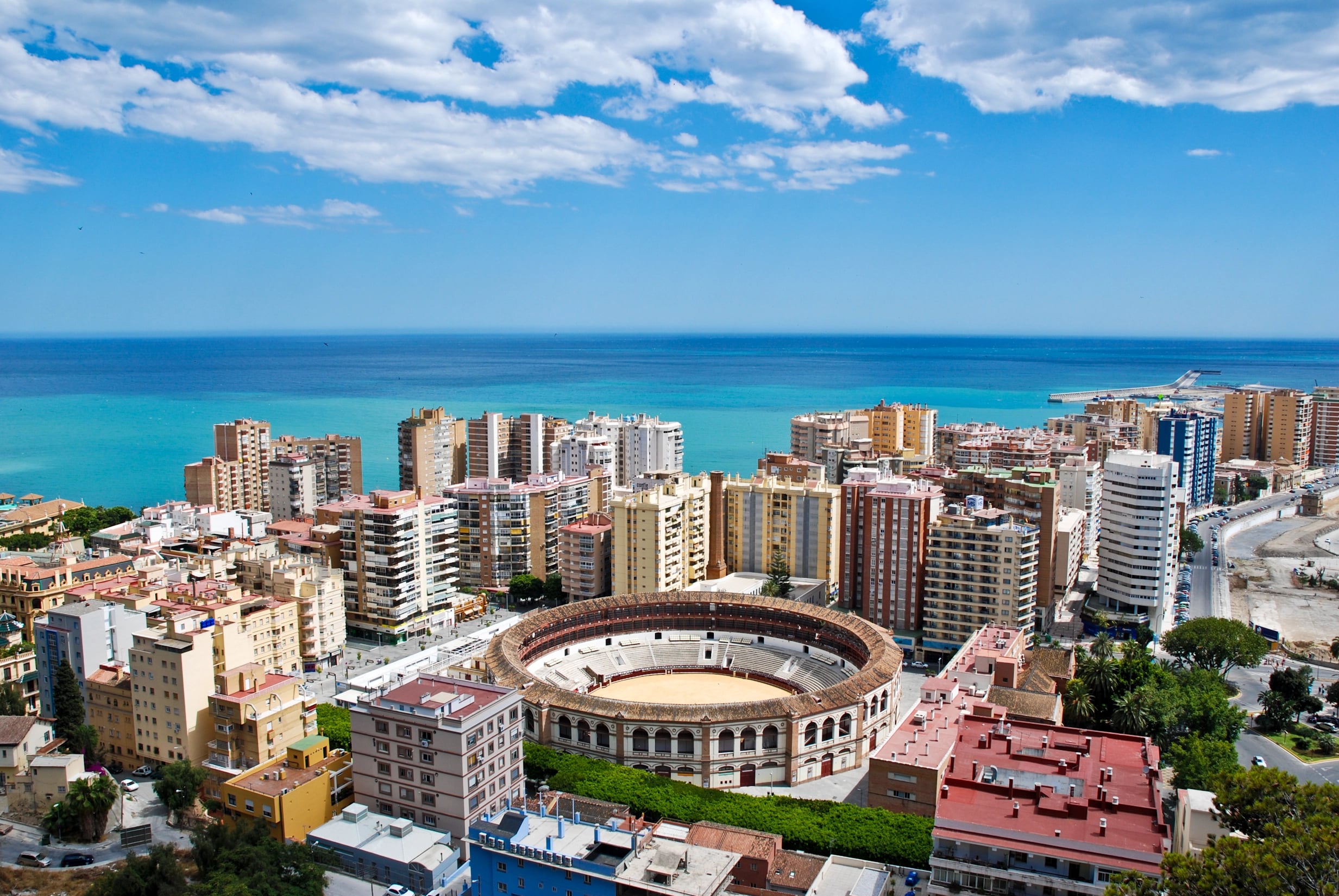
Spain knows heat — it’s built for heat, culturally and architecturally adapted to serious summer temperatures. So when Córdoba recorded 47.4°C, breaking records in a country where heat expertise runs deep, it signaled something genuinely alarming about the new normal Europe was entering.
Portugal’s Blazing Record
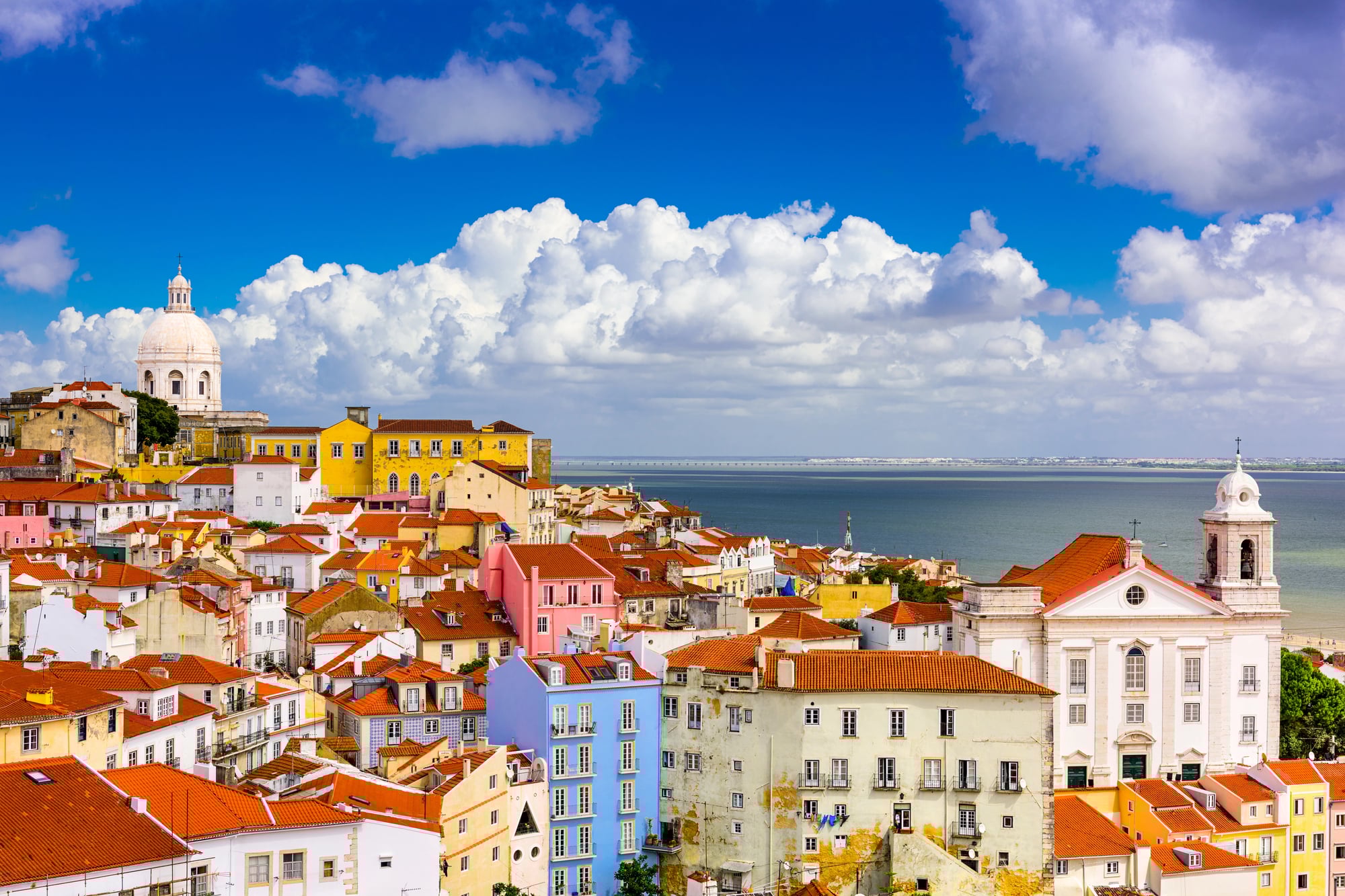
Portuguese summers have always been serious business. Locals know how to handle heat with afternoon siestas, strategic shade-seeking, and architecture designed for thermal management.
But 47.4°C in Lousã pushed beyond even Portuguese heat wisdom, creating conditions that challenged centuries of successful adaptation.
Italy’s Furnace Conditions
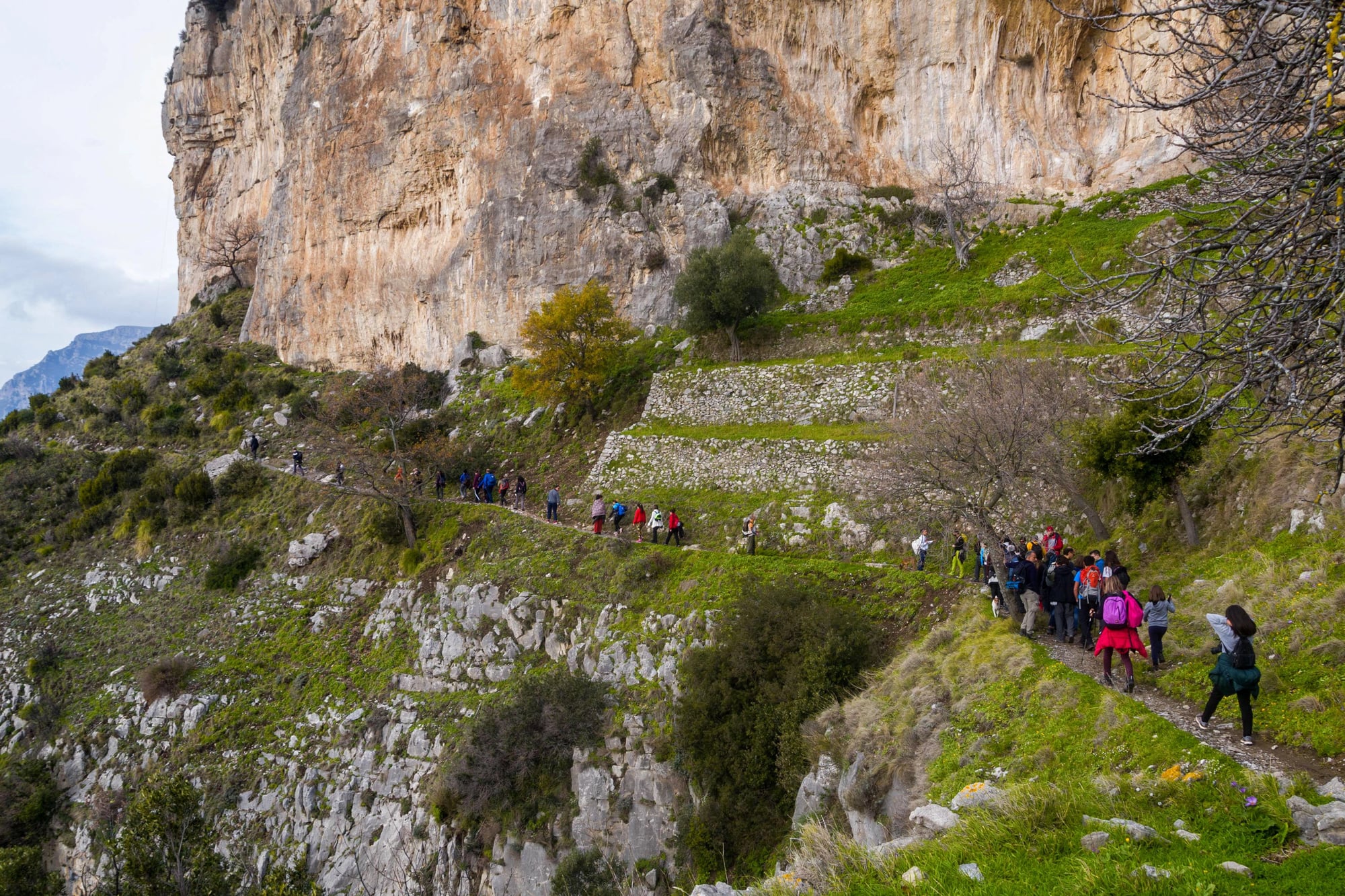
There’s a particular quality to Italian heat — dry, penetrating, the kind that makes ancient stone buildings feel like ovens — and when Sicily recorded 48.8°C near Syracuse, it created conditions that made even heat-adapted Mediterranean communities genuinely struggle.
Olive trees that had survived centuries started showing stress, which tells you everything about how extreme these temperatures truly were.
Greece’s Historic Scorcher

Greek heat usually comes with philosophical acceptance, a cultural shrug that says “this is summer, deal with it.” But 48.0°C in Athens pushed beyond cultural adaptation into genuine emergency territory, creating conditions where the cradle of Western civilization became temporarily uninhabitable during peak afternoon hours.
Switzerland’s Alpine Shock
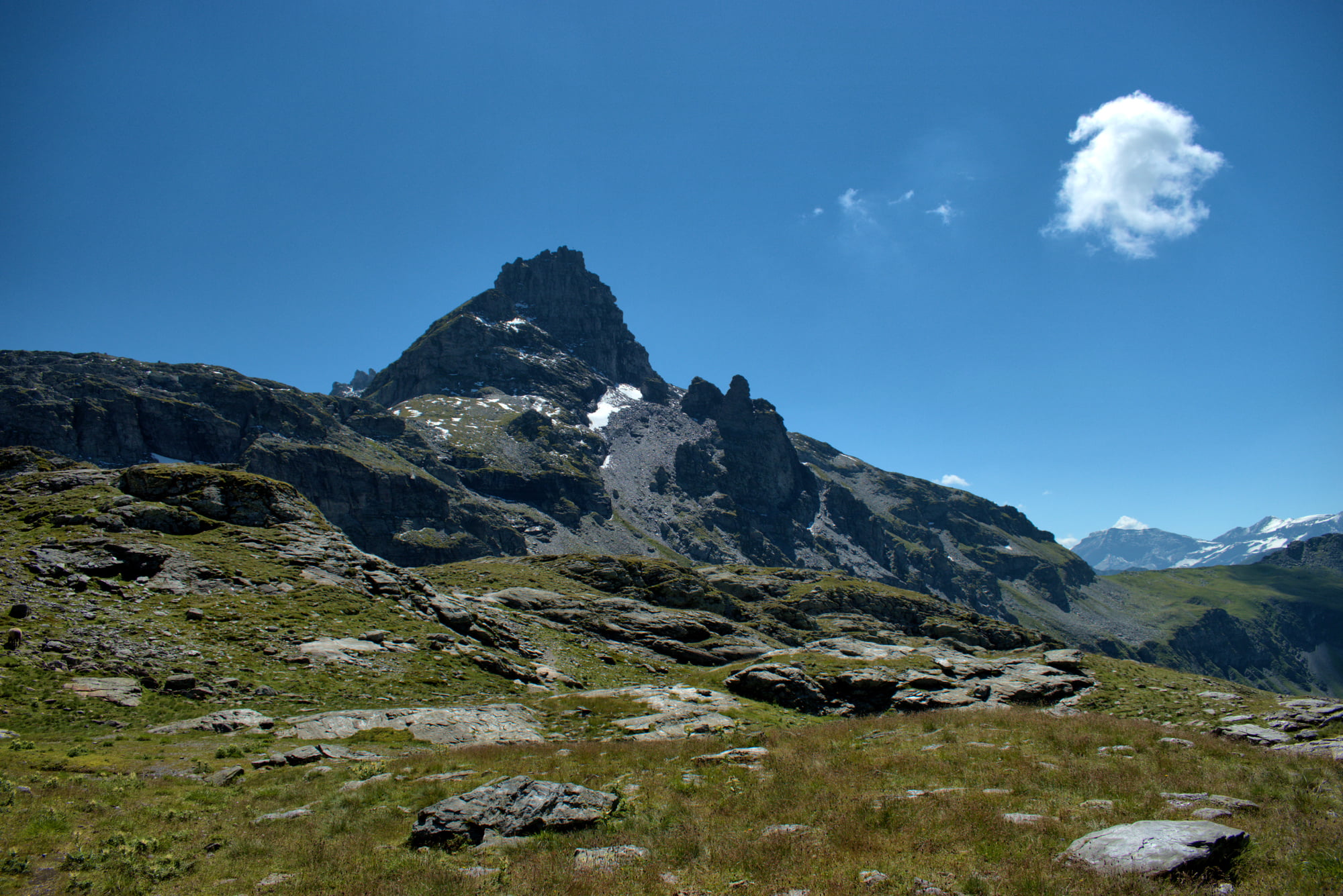
Mountain air is supposed to stay cool. That’s the entire point of mountains — they provide escape from lowland heat, reliable refuge when valleys become uncomfortable.
So when Swiss weather stations recorded 41.5°C, it violated something fundamental about European geography and the assumptions people make about where to find relief.
Austria’s Temperature Explosion
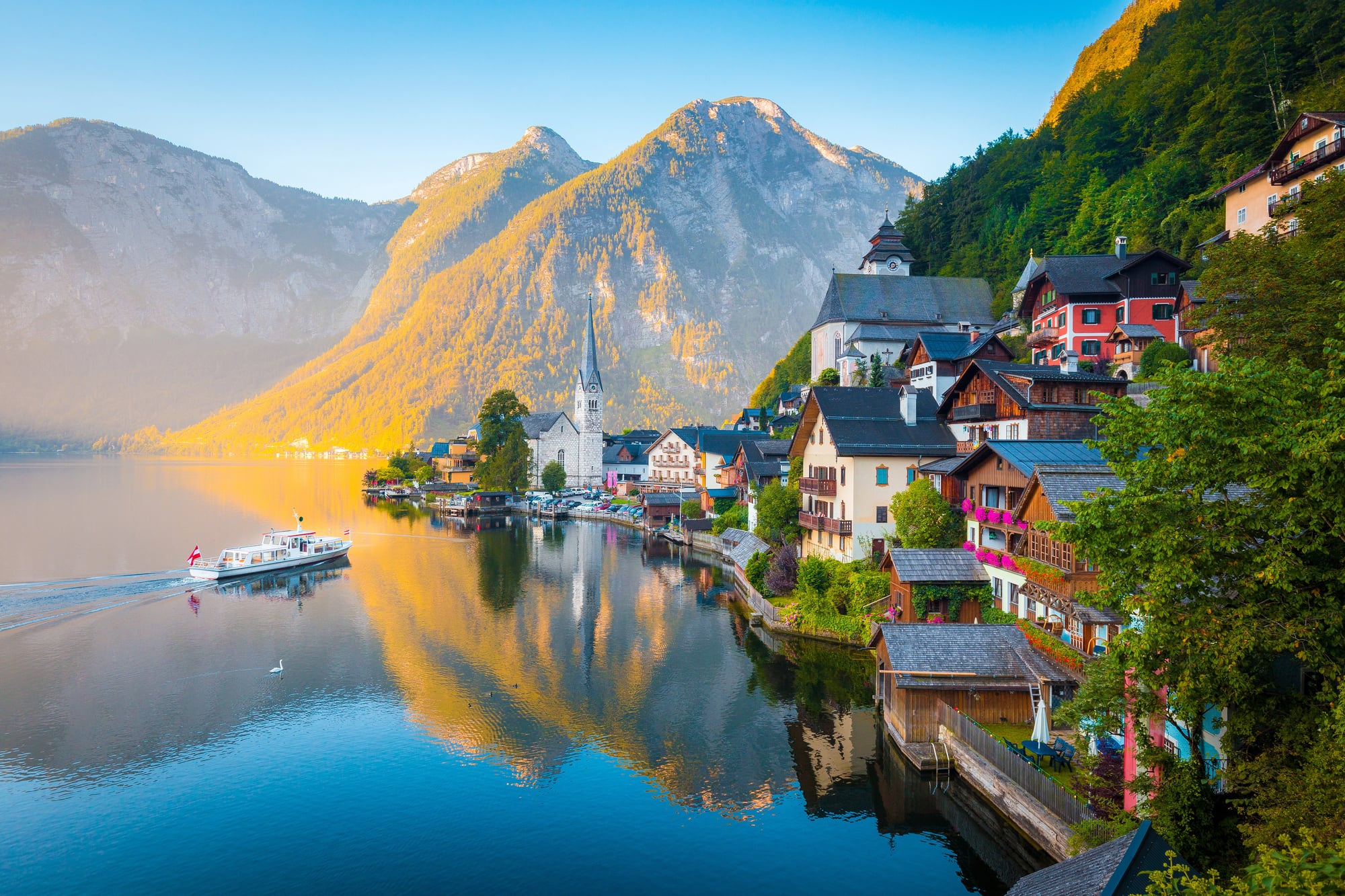
Austrian summers are supposed to be pleasant — warm enough for outdoor festivals, cool enough to remain comfortable. The kind of moderate climate that makes Vienna livable year-round.
But 40.5°C changed that calculation entirely, creating conditions where traditional Austrian summer activities became health hazards rather than pleasant pastimes.
Poland’s Unprecedented Heat
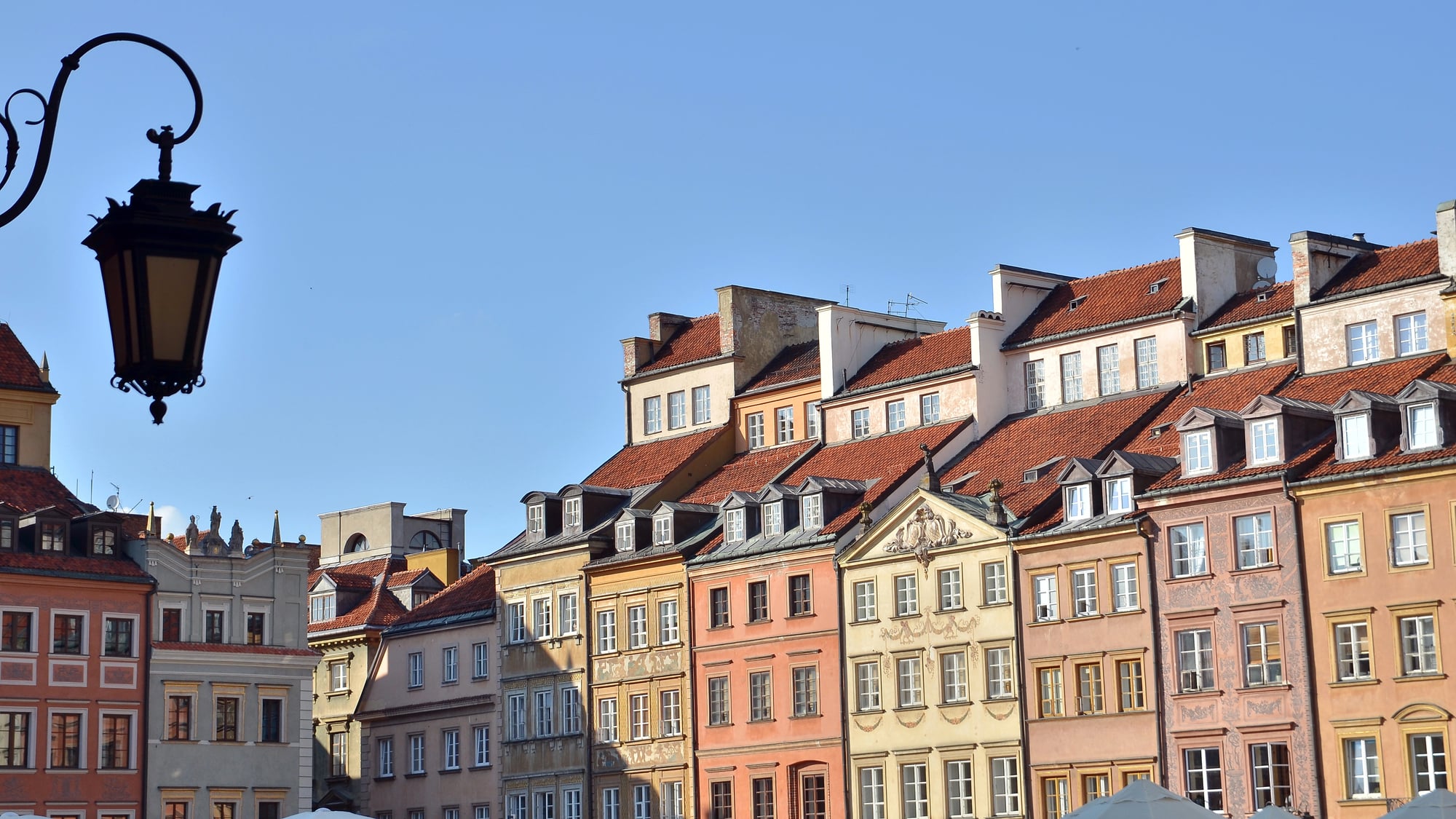
Polish infrastructure assumes cold winters and moderate summers. Always has. The electrical grid, building design, and social rhythms all reflect that assumption.
So when Warsaw recorded 38.2°C, it exposed how unprepared even northern European countries were for the new temperature reality that climate change was creating across the continent.
When Weather Becomes History

These aren’t just numbers on a thermometer — they’re the moment Europe realized its climate assumptions were outdated. Each shattered record represents infrastructure stressed beyond design limits, cultural adaptations rendered inadequate, and millions of people discovering that their relationship with summer had permanently changed.
The records keep falling, and meteorologists have stopped saying “unprecedented” simply because it’s become too common to be worth mentioning.
More from Go2Tutors!

- The Romanov Crown Jewels and Their Tragic Fate
- 13 Historical Mysteries That Science Still Can’t Solve
- Famous Hoaxes That Fooled the World for Years
- 15 Child Stars with Tragic Adult Lives
- 16 Famous Jewelry Pieces in History
Like Go2Tutors’s content? Follow us on MSN.