15 Eye-Opening Facts to Share on Endangered Species Day
Endangered Species Day offers a critical moment to reflect on the precarious state of wildlife around our planet. Each May, this observance provides an opportunity to learn about the threats facing vulnerable creatures and the crucial conservation efforts underway to protect them.
While the challenges seem overwhelming, growing awareness and dedicated action have helped bring multiple species back from the brink of extinction, demonstrating that collective human effort can make a meaningful difference in preserving biodiversity. Here is a list of 15 remarkable facts about endangered species that highlight both the challenges they face and the hopeful stories of conservation success.
Giant Panda Recovery

Once the international symbol of endangered wildlife, giant pandas have made a remarkable comeback. Their status improved from “endangered” to “vulnerable” in 2016.
Thanks to China’s extensive conservation programs, their population in the wild has increased by nearly 17% to approximately 1,800 individuals. This success story demonstrates how focused protection efforts can reverse population declines when properly supported.
Amur Leopard Scarcity
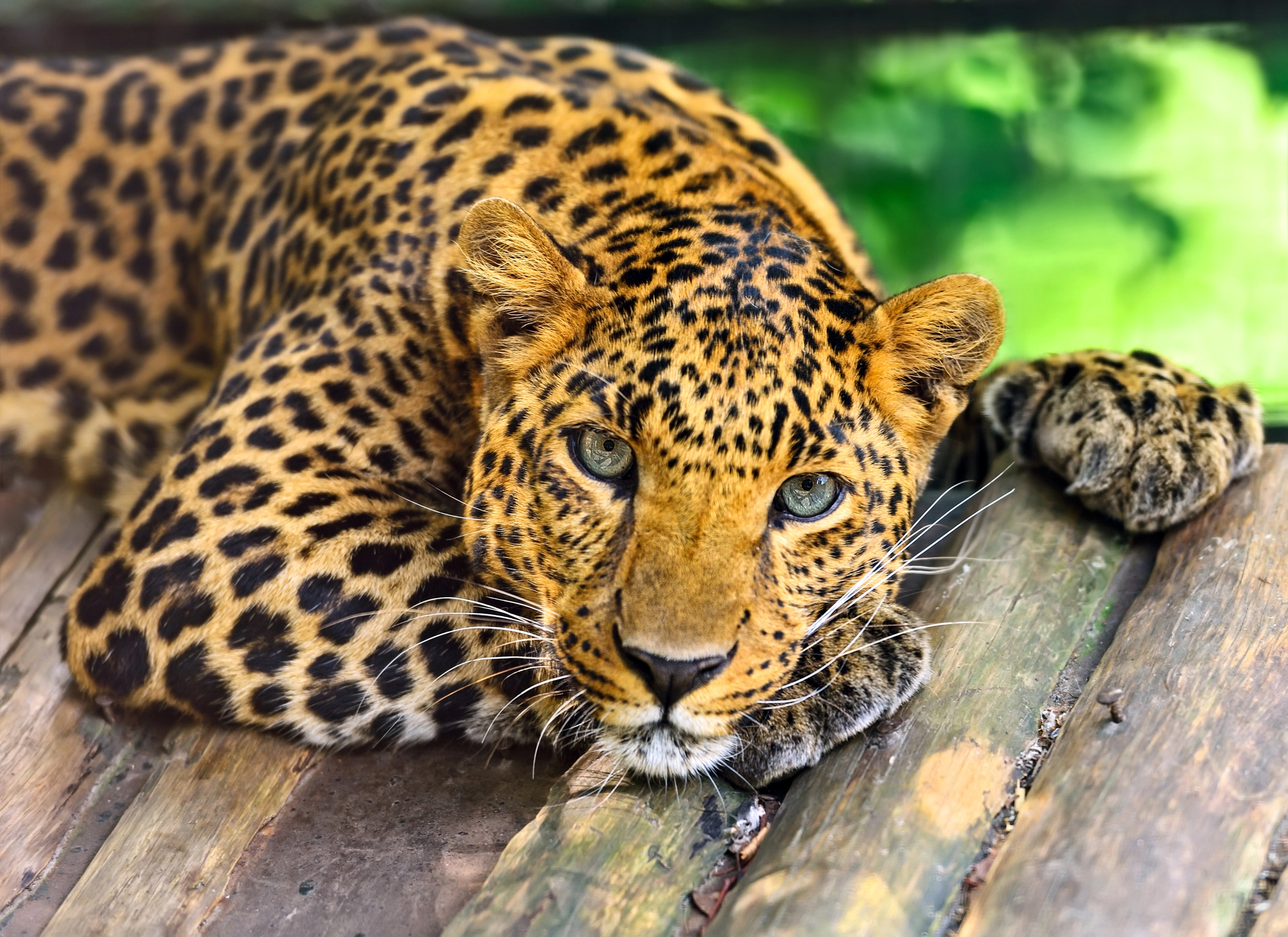
The Amur leopard holds the unfortunate distinction of being the world’s most endangered big cat, with fewer than 100 individuals remaining in the wild along the Russia-China border. These magnificent cats can run at speeds up to 37 miles per hour and leap more than 19 feet horizontally.
Recent collaborative conservation efforts between Russia and China have established connected protected areas that provide hope for their survival.
Vaquita Crisis

The vaquita porpoise stands as the most endangered marine mammal on Earth, with fewer than 10 individuals estimated to remain in Mexico’s Gulf of California. These small porpoises become accidental victims of illegal fishing nets meant for the totoaba fish, whose swim bladders command high prices in black markets.
Despite international pressure and conservation efforts, their population continues to decline.
Honeybee Decline
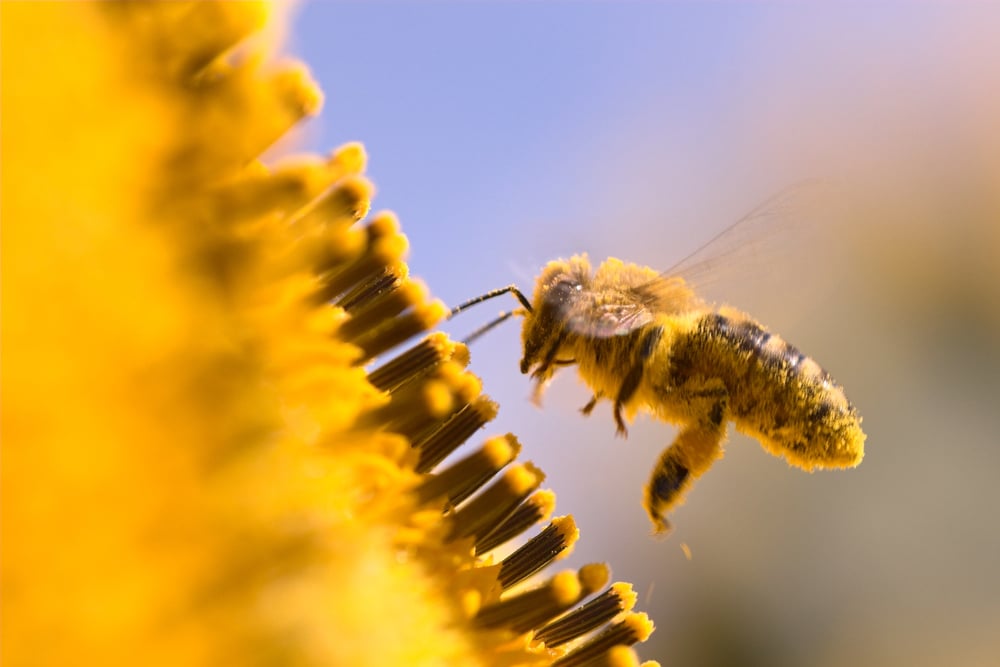
While not officially listed as endangered, honeybee populations have declined by approximately 30% per year since 2006 due to colony collapse disorder, pesticides, and habitat loss. These tiny creatures pollinate approximately 35% of the world’s food crops, making their decline an urgent concern for both biodiversity and human food security.
Community efforts to plant pollinator gardens represent accessible ways for individuals to help reverse this alarming trend.
Northern White Rhino Extinction
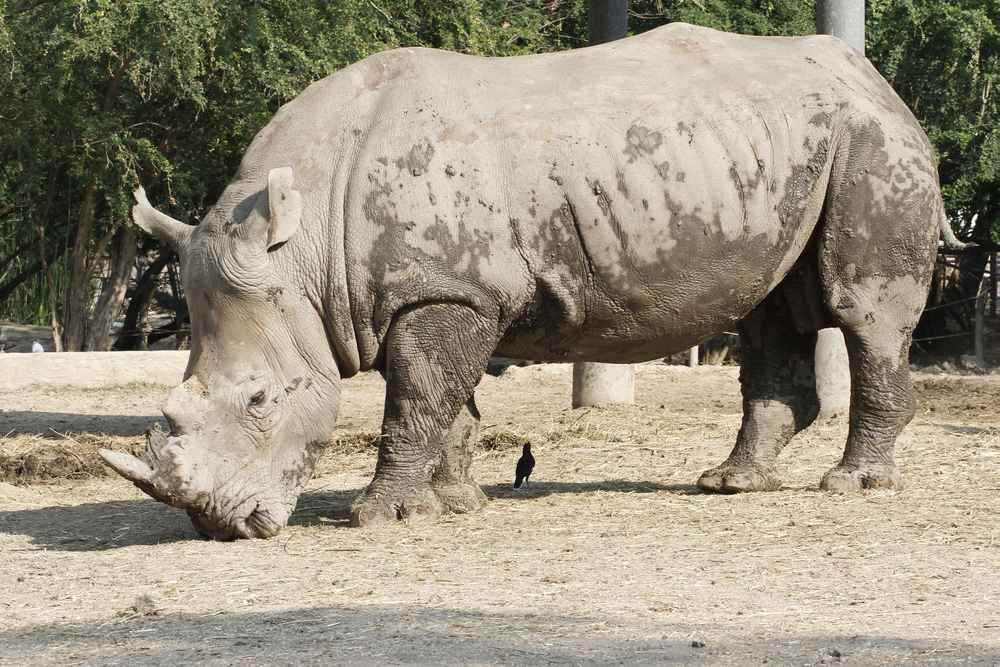
The northern white rhino has functionally gone extinct, with only two females remaining alive in a wildlife conservancy in Kenya. The last male, named Sudan, died in 2018, effectively ending natural reproduction possibilities for the subspecies.
Scientists are now attempting to create embryos using preserved genetic material that might be carried by southern white rhino surrogates.
California Condor Resurrection
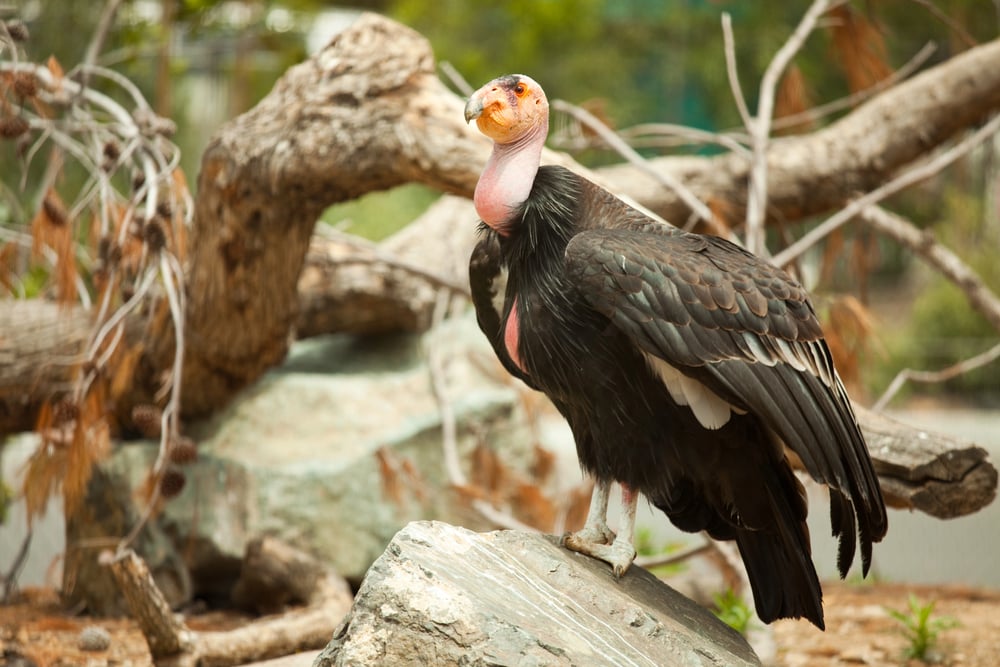
Thanks to extensive human intervention, California condor populations have grown from only 22 in the 1980s to over 500 now, making them one of conservation’s most amazing comeback stories. The decision to capture all wild condors for a captive breeding program was contentious after these enormous birds, which have 9.5-foot wingspans, were driven to almost extinction.
With committed resources, even species on the brink of extinction can recover, as evidenced by their slow recovery.
Sawfish Depletion

All five species of sawfish are critically endangered, having disappeared from more than 80% of their historical range in coastal waters and rivers worldwide. Their distinctive saw-like rostrum easily becomes entangled in fishing nets, while their fins are highly valued in some markets.
These unique creatures evolved more than 60 million years ago yet may vanish within a human generation without significant conservation interventions.
Amphibian Apocalypse
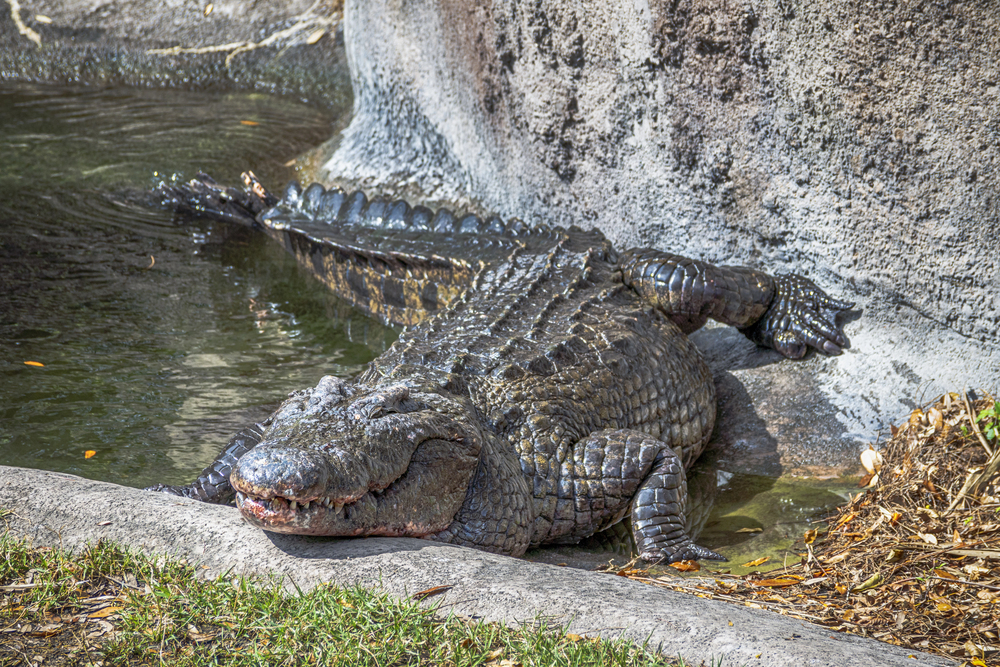
With almost 40% of all species at risk of extinction from habitat loss, pollution, and deadly fungal infections, amphibians are the most vulnerable group of vertebrates on Earth. Because of their transparent skin, these sensitive animals are frequently referred to as environmental indicators because they offer early warnings about problems with the health of the ecosystem.
Protecting habitat and creating remedies for fatal fungal diseases that are growing among wild populations are the main goals of conservation initiatives.
Tiger Population Growth
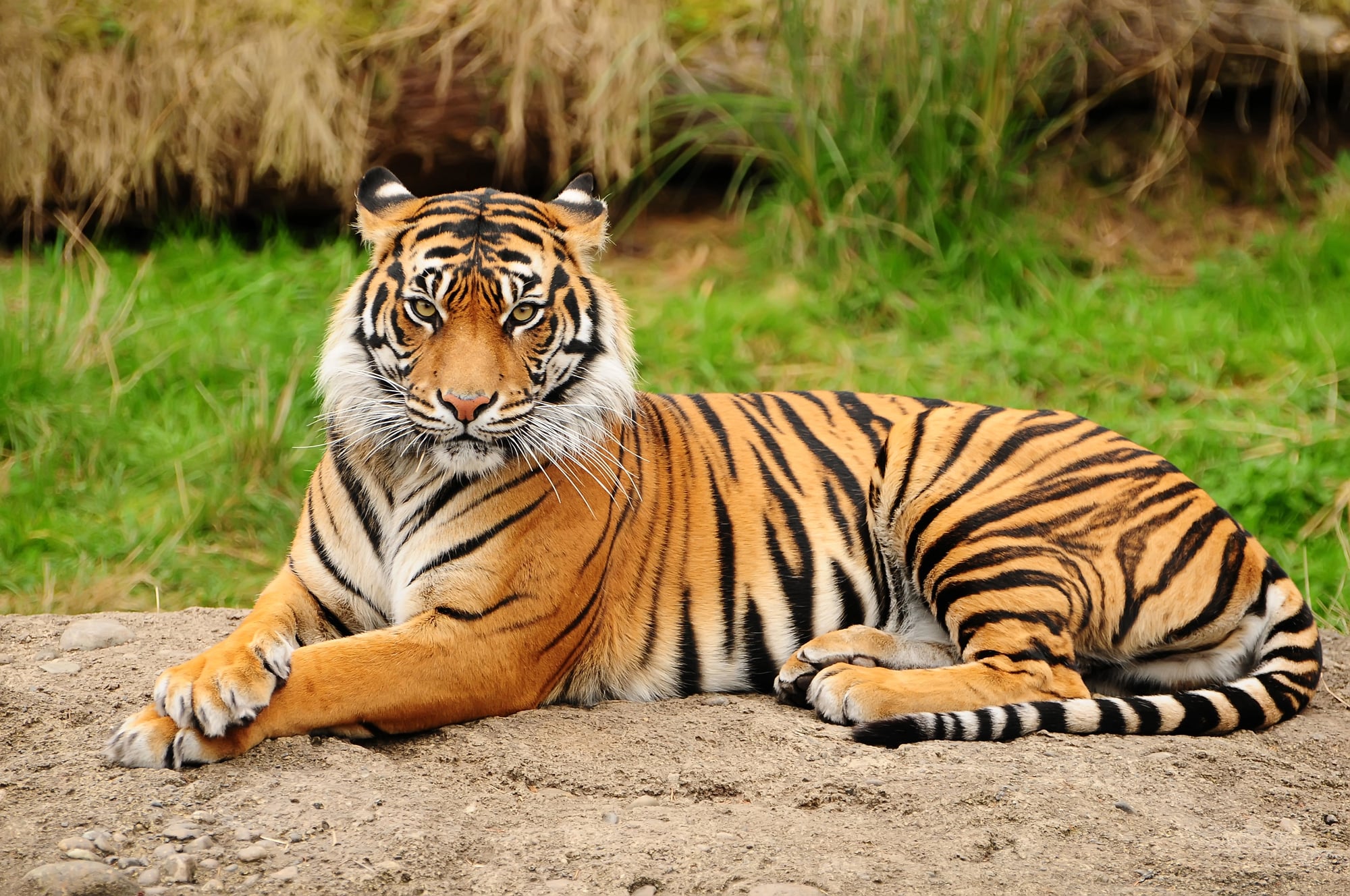
Thanks to concerted worldwide conservation efforts, wild tiger numbers have grown for the first time in a century, from an estimated 3,200 animals in 2010 to over 3,900 in 2016. Effective tiger recovery initiatives that combine habitat preservation, wildlife corridors linking remote populations, and anti-poaching efforts have been spearheaded by India, Nepal, Russia, and Bhutan.
This slight increase shows that, with the right priorities, even iconic huge predators can recover.
Hawaiian Plant Crisis

Over 44% of Hawaii’s native plants are listed as endangered, giving the island chain the unfortunate distinction of being the “endangered species capital” of the United States. The isolated evolution of these unique plants left them vulnerable to introduced competitors and diseases against which they developed no natural defenses.
Conservation efforts focus on controlling invasive species and maintaining seed banks for the most threatened varieties.
Axolotl Urban Threat

Mexico’s axolotl salamander exists only in the remnants of Lake Xochimilco near Mexico City. Its wild population has declined by 99% since the 1990s due to urban expansion, pollution, and introduced species.
These remarkable creatures can regenerate entire lost limbs and have been extensively studied for their regenerative abilities. Conservation programs are working to restore sections of their native habitat while maintaining captive populations as insurance against extinction.
Monarch Migration Collapse
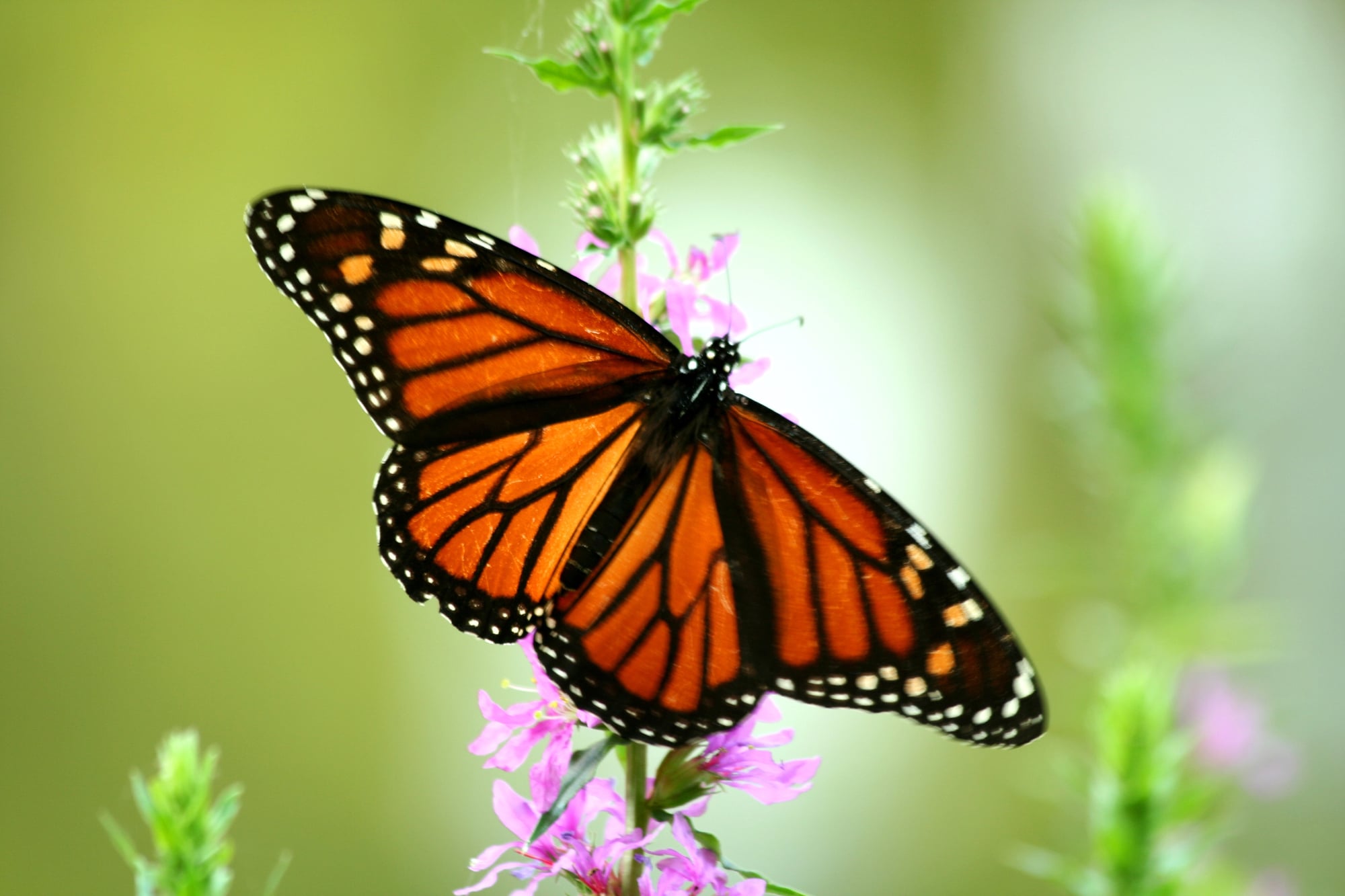
Monarch butterfly migration has declined by approximately 80% over the past two decades, with eastern population overwintering numbers dropping from an estimated 1 billion to approximately 225 million individuals. Their multi-generational migration spanning 3,000 miles faces threats from milkweed habitat loss, climate change, and pesticide use.
Community science programs tracking monarch movements and widespread milkweed planting initiatives demonstrate how public participation can directly support endangered species.
Orangutan Habitat Crisis

Bornean orangutan populations have declined by more than 50% over the past 60 years, primarily due to habitat loss from palm oil plantation expansion and forest fires. These intelligent apes share approximately 97% of their DNA with humans yet may become extinct in the wild within our lifetime without significant conservation interventions.
Consumer choices supporting sustainable palm oil can directly impact the future of these critically endangered primates.
Thylacine Extinction Lesson
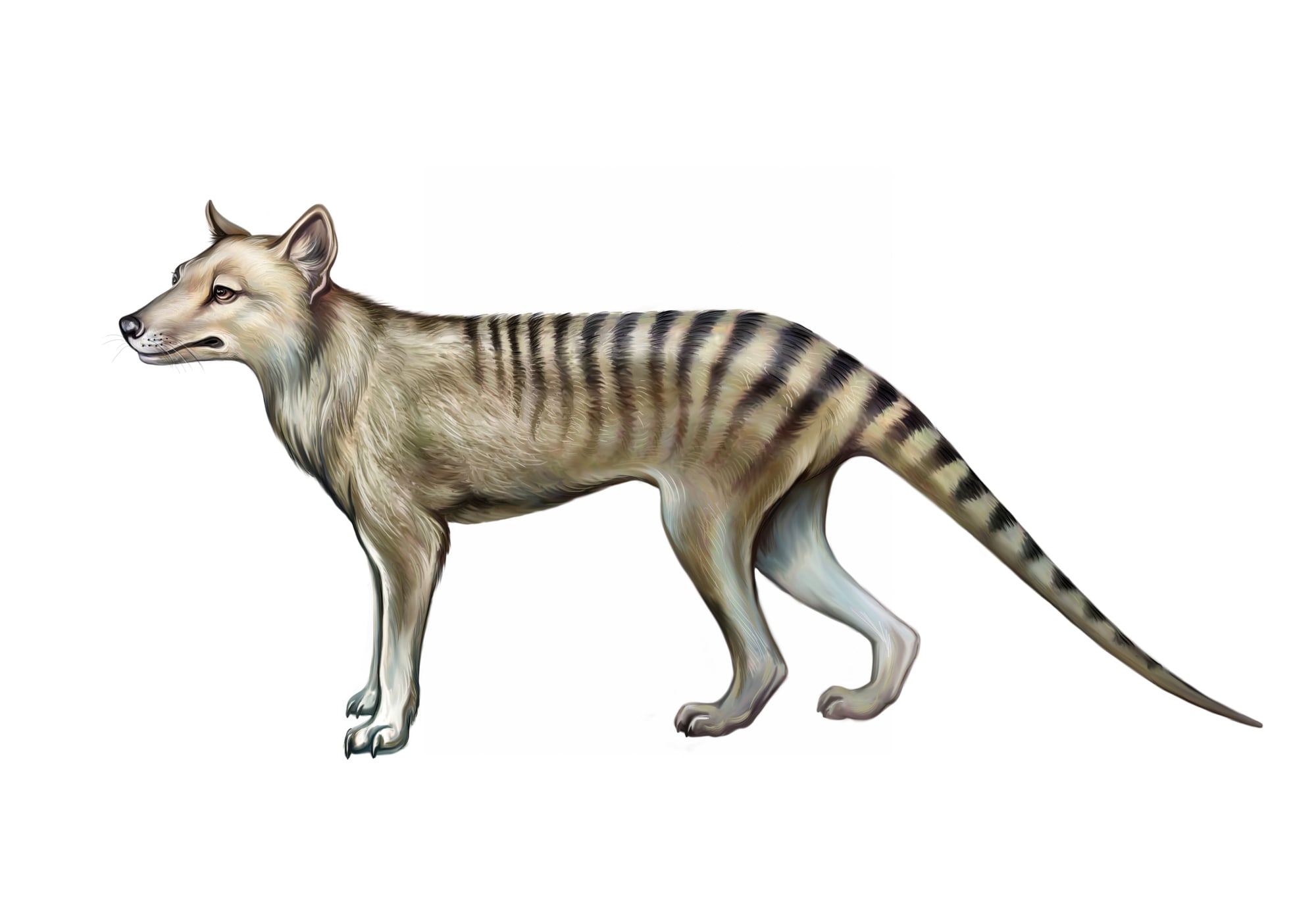
The thylacine (Tasmanian tiger) represents a sobering extinction case study. It was deliberately hunted to extinction, with the last known individual dying in captivity in 1936 after a government bounty program.
Recent research suggests the species was already vulnerable due to limited genetic diversity before human persecution delivered the final blow. This extinction occurred despite receiving protected status in 1936, demonstrating how delayed conservation action can come too late.
Leatherback Turtle Decline

Leatherback sea turtles have experienced a 95% population decline in their Pacific populations over the past three decades due to egg harvesting, fishing bycatch, ocean plastic pollution, and coastal development. These ancient mariners, which can dive to depths of 4,200 feet and weigh up to 2,000 pounds, have survived relatively unchanged for over 100 million years.
Protected nesting beach programs have shown promise in some regions, helping to stabilize certain populations of these magnificent ocean travelers.
Biodiversity’s Balancing Act
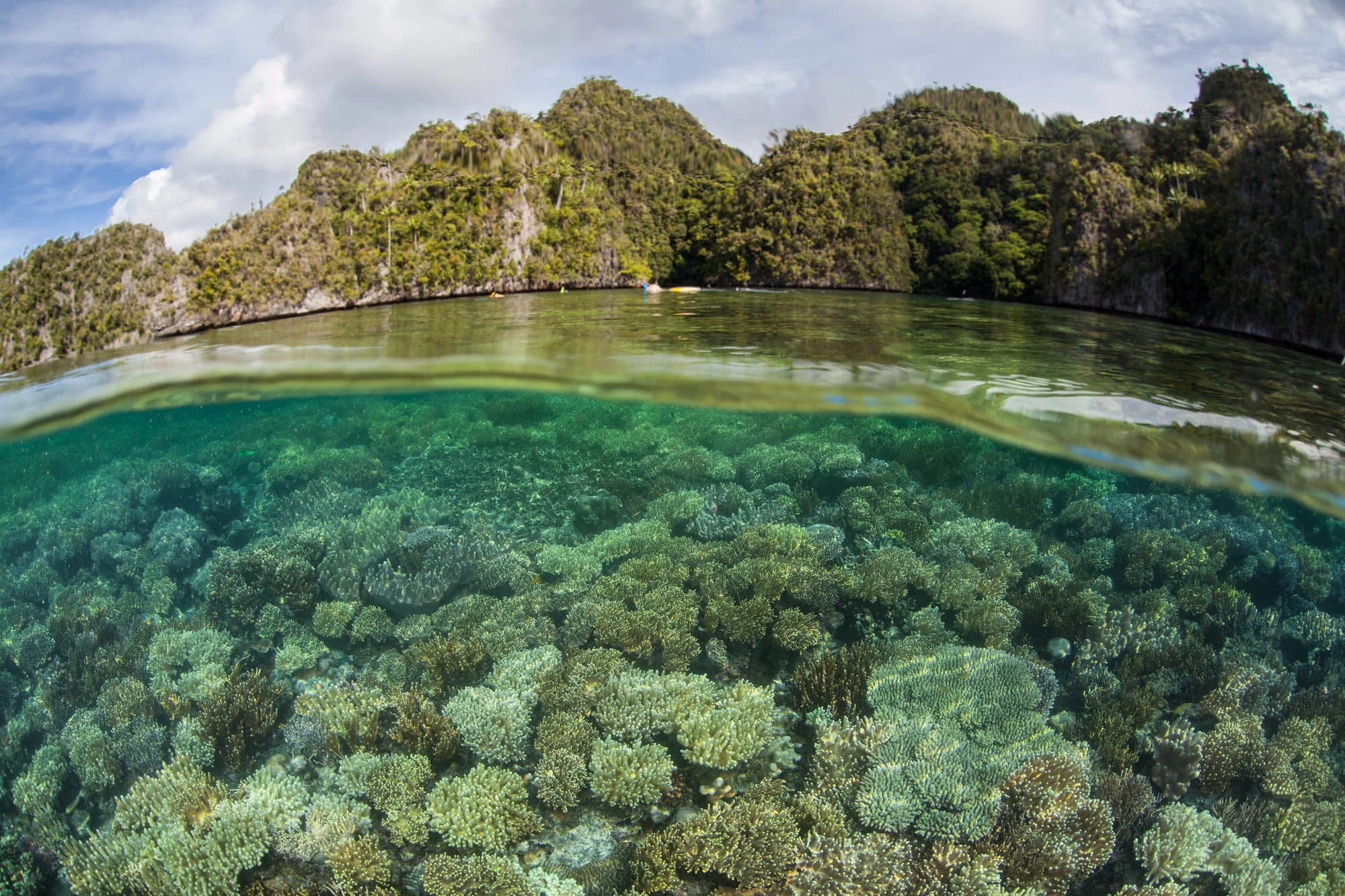
Endangered Species Day reminds us that extinction isn’t just about losing individual species but disrupting the intricate ecological relationships that sustain all life on Earth, including our own. The examples above represent just a fraction of the estimated one million species currently threatened with extinction, yet they also demonstrate that dedicated conservation efforts can reverse even seemingly hopeless situations when sufficient resources and commitment are applied.
Each protected species represents not just the preservation of unique genetic heritage but the maintenance of ecosystem services that support clean air, fresh water, pollination, and countless other natural processes upon which human society depends. By understanding these connections between our well-being and biodiversity conservation, we transform endangered species protection from a niche concern into a fundamental investment in our shared future.
More from Go2Tutors!

- The Romanov Crown Jewels and Their Tragic Fate
- 13 Historical Mysteries That Science Still Can’t Solve
- Famous Hoaxes That Fooled the World for Years
- 15 Child Stars with Tragic Adult Lives
- 16 Famous Jewelry Pieces in History
Like Go2Tutors’s content? Follow us on MSN.



