Weird Ways People Measured Things Before Modern Standards
Before rulers, scales, and digital devices became part of everyday life, people had to get creative with measurements. They used what they had around them, which often meant body parts, food items, and even animals.
Some of these methods sound strange today, but they worked well enough to build civilizations, trade goods, and navigate the world. Think about it: without a tape measure, how would you know if a piece of wood was the right length? Without a thermometer, how would you tell if it was warm enough to plant seeds? People faced these challenges every single day and came up with solutions that ranged from clever to downright bizarre.
Kings used their own feet to set standards for entire nations. Merchants counted seeds to weigh gold.
Sailors threw wooden boards into the ocean to figure out how fast their ships moved. These methods weren’t just random guesses either.
They were passed down through generations, refined over time, and became the foundation for the measuring systems we use today. Let’s explore some of the oddest measuring techniques that humans relied on throughout history.
Using thumbs to measure inches

The inch originally came from the width of a man’s thumb at the widest part. Kings and rulers would sometimes use their own thumbs as the standard, which meant measurements could vary depending on who was in charge.
This method was simple and always available since everyone carried their thumbs with them. However, it created problems when people with different sized thumbs tried to work together on the same project.
Feet for measuring distance on the ground

Walking heel to toe gave people a rough way to measure shorter distances. The foot as a unit came directly from the length of a human foot, though whose foot became the standard changed over time.
Someone measuring a room might walk across it and count their steps to get an approximate size. This worked fine for casual purposes but caused confusion in trade and construction.
Like Go2Tutors’s content? Follow us on MSN.
Barleycorns determined shoe sizes
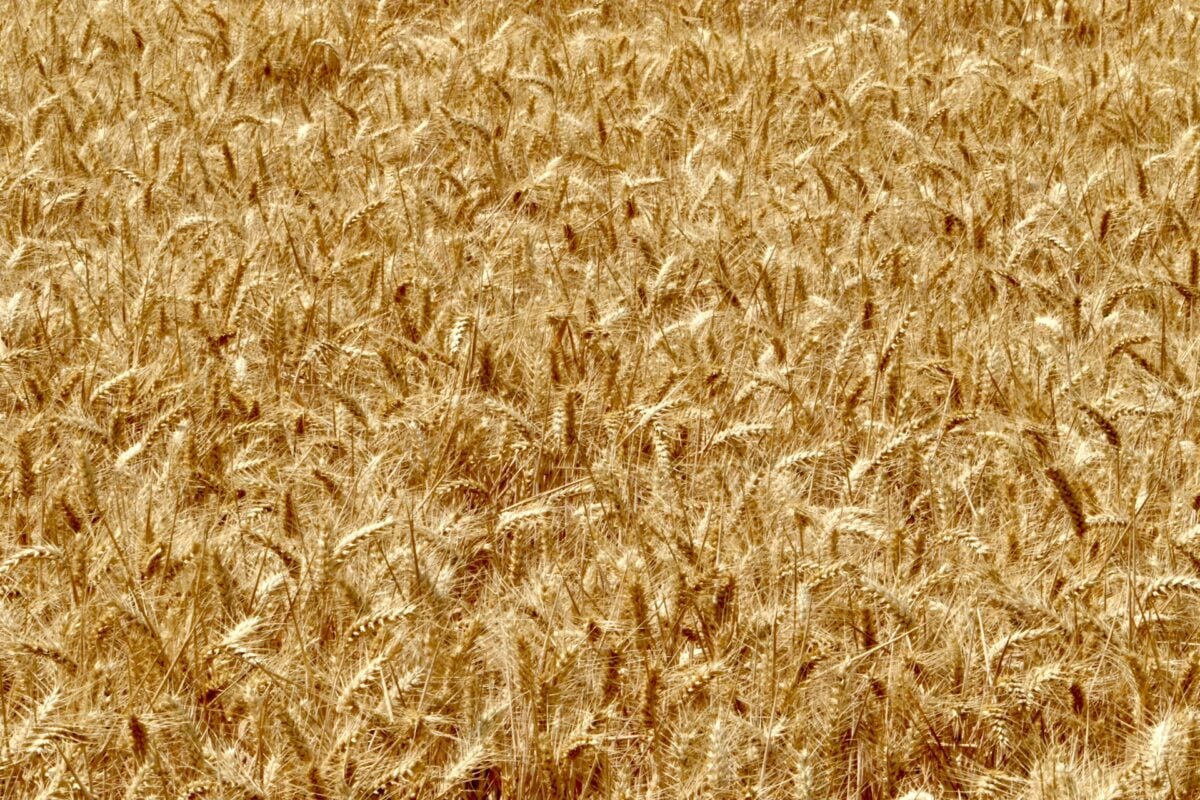
Three barley grains laid end to end equaled one inch in old English measurement systems. Shoemakers used this method to create shoe sizes that are still reflected in modern sizing charts.
Each size up in shoes represents one barleycorn of length difference. The system stuck around because barley grains were fairly uniform in size and easy to find.
Cubits measured using forearms

The distance from elbow to fingertip became one of the oldest recorded measurements in human history. Ancient Egyptians used cubits to design and build the pyramids.
Different cultures had slightly different cubit lengths, which sometimes caused problems when sharing architectural plans. Workers could quickly measure building materials by holding them up to their arms.
Hands determined horse heights

Measuring horses by hands started centuries ago and continues today in equestrian circles. One hand equals four inches, roughly the width of a man’s palm.
Someone buying or selling a horse would measure from the ground to the horse’s shoulder by stacking their hands. This gave a quick way to describe how tall a horse stood without needing special tools.
Like Go2Tutors’s content? Follow us on MSN.
Stone weights varied by what you measured

The stone as a weight measurement meant different things depending on what you were weighing. A stone of wool weighed 14 pounds, but a stone of cheese might be 16 pounds.
This system made sense when communities traded specific goods regularly and everyone knew the local standards. Outsiders trying to do business found the varying definitions confusing and sometimes got cheated.
Seeds served as tiny weight measures

Carob seeds were so uniform in weight that jewelers used them to weigh precious gems. The word carat comes from carob and represents the weight of one seed.
Wheat grains also served as small weight units in various cultures. These natural items provided surprisingly consistent measurements for valuable materials.
Body parts determined fabric amounts

Yards came from the distance from nose to outstretched fingertip when an arm extended sideways. Kings would sometimes establish their own body measurements as official standards for their kingdoms.
Cloth merchants would pull fabric along their body to measure how much to cut for customers. This personal measurement system meant fabric lengths could differ between shops and towns.
Like Go2Tutors’s content? Follow us on MSN.
Rope knots measured ship speeds

Sailors tied knots at regular intervals along a rope attached to a wooden board. They tossed the board overboard and counted how many knots passed through their hands in a set time.
This gave them their speed in “knots,” a term still used for nautical speed today. The method worked surprisingly well for navigation across open water.
Candlelight measured work hours

Before clocks became common, people measured time by how long candles burned. Marked candles with lines showed hours passing as the wax melted down.
Auctions sometimes used candle measurements to time how long bidding stayed open. Workers knew their shift ended when the candle reached a certain mark.
Oxen determined land area

An acre originally meant the amount of land one ox could plow in a single day. This varied based on soil quality, the strength of the ox, and the skill of the farmer.
Different regions developed slightly different acre sizes based on local conditions. The measurement connected directly to agricultural work and made sense to farming communities.
Like Go2Tutors’s content? Follow us on MSN.
Rooster crows marked morning time

Rural communities organized their days around when roosters crowed at dawn. Monasteries divided nighttime prayers into sections measured by rooster calls.
This biological clock was reliable enough for societies without mechanical timepieces. People knew approximately what time it was by which rooster crow they heard.
How old methods shaped modern life

These unusual measuring systems show how humans solve problems with whatever tools they have available. Many modern measurements still carry traces of these old methods in their names and sizes.
The shift to standardized measurements took centuries and required global cooperation. Today’s precise tools grew from thousands of years of people simply trying to answer basic questions about size, weight, and time using the world around them.
More from Go2Tutors!

- 16 Historical Figures Who Were Nothing Like You Think
- 12 Things Sold in the 80s That Are Now Illegal
- 15 VHS Tapes That Could Be Worth Thousands
- 17 Historical “What Ifs” That Would Have Changed Everything
- 18 TV Shows That Vanished Without a Finale
Like Go2Tutors’s content? Follow us on MSN.