Unusual School Traditions With Strange History
School traditions shape the culture of educational institutions in ways both expected and bizarre. While most students experience the usual homecoming dances and graduation ceremonies, some schools have developed rituals that make outsiders wonder what exactly goes on behind those ivy-covered walls.
These aren’t your typical pep rallies or class rings. These are the traditions that have students screaming into the night, dunking each other in fountains, and placing police cars on top of buildings.
Here is a list of 13 unusual school traditions with surprisingly strange backstories.
MIT Hacks
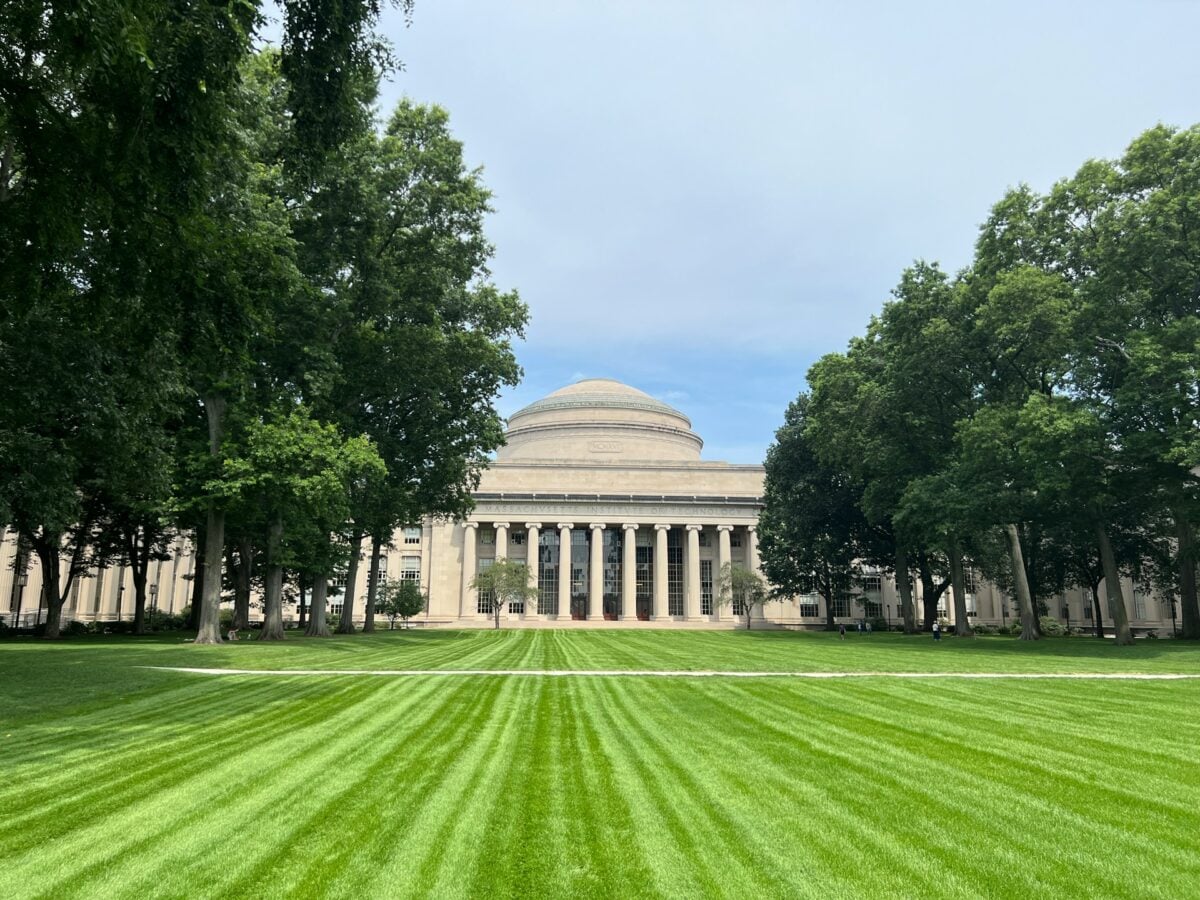
At MIT, the word ‘hack’ doesn’t refer to computer breaches but rather to elaborate, creative pranks that showcase technical ingenuity. The tradition became widespread by the 1960s and has since evolved into a significant part of the school’s culture.
Students have transformed the Green Building into a giant playable Tetris game, placed a police car on the Great Dome, and turned campus landmarks into Star Wars characters. The unwritten hacker code emphasizes subtlety, causing no permanent damage, and always leaving things better than you found them.
What started as students dragging a car onto a roof has become an art form that blends guerrilla creativity with engineering prowess.
Columbia Orgo Night
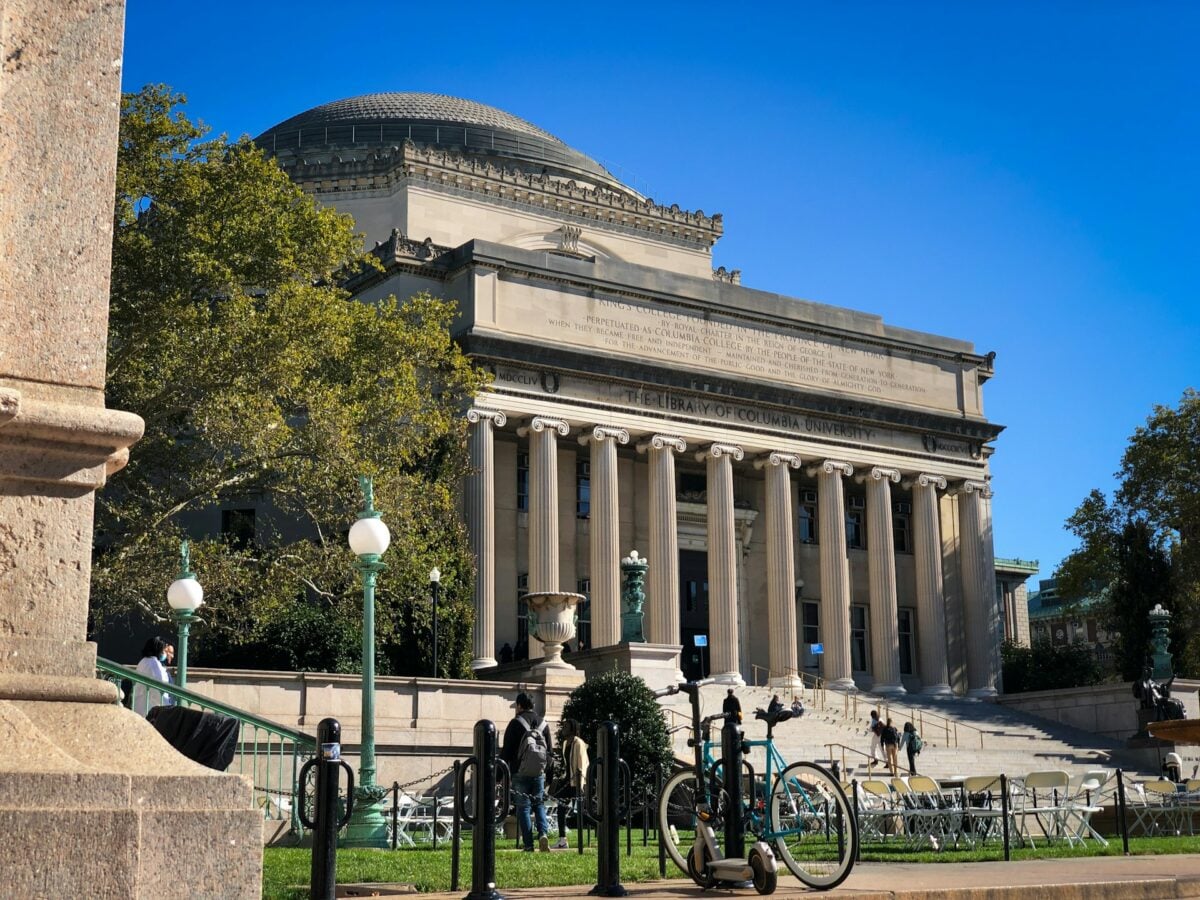
The night before the notoriously difficult organic chemistry final at Columbia University, the marching band storms the library at midnight to ‘entertain’ studying students with fight songs, jokes, and music. This decades-old tradition provides stressed students with a brief respite from cramming chemical structures and reaction mechanisms.
The timing couldn’t be more deliberate—organic chemistry has a reputation for breaking students, and the band’s interruption serves as both comic relief and a reminder that everyone’s suffering together. Some students appreciate the break while others silently curse the trombone section for disrupting their focus on electron transfers.
Murray State Shoe Tree
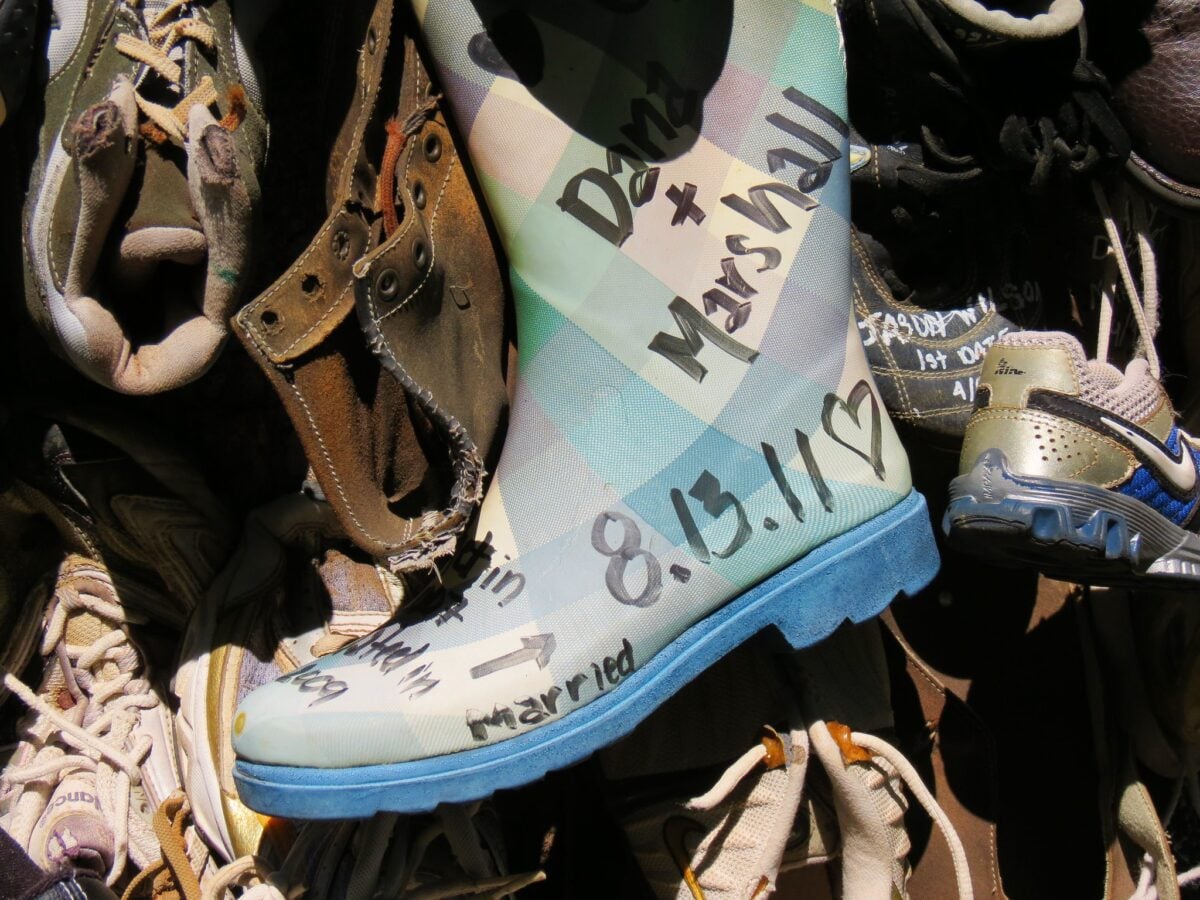
At Murray State University in Kentucky, an unusual tree has its trunk completely covered by hundreds of single shoes from couples who met on campus. Dating back to around 1965, couples each leave one shoe with their anniversary date written on the sole to form a symbolic ‘pair’ on the tree.
The superstition holds that those whose shoes are nailed to the tree will have a happy marriage, and some alumni even return to add their babies’ shoes as a sign of good luck.The current tree is actually the third one—the first was struck by lightning and burned down, while the second was removed due to falling limbs.
Even natural disasters couldn’t stop this tradition from continuing.
Georgetown Exorcist Screening

Several key scenes in the 1973 horror classic ‘The Exorcist’ were filmed on Georgetown’s campus, so the school celebrates its small part in film history by screening the movie on Copley lawn each year on the night before Halloween. The film is shown after dark, and around midnight, Georgetown students gather in the campus cemetery for the ‘Healy Howl.’
This combination of horror film viewing and cemetery gathering creates an atmosphere that’s equal parts school spirit and spine-tingling. The tradition transforms Halloween from a typical college party night into something that honors the university’s unexpected connection to one of cinema’s most terrifying films.
Cornell Dragon Day
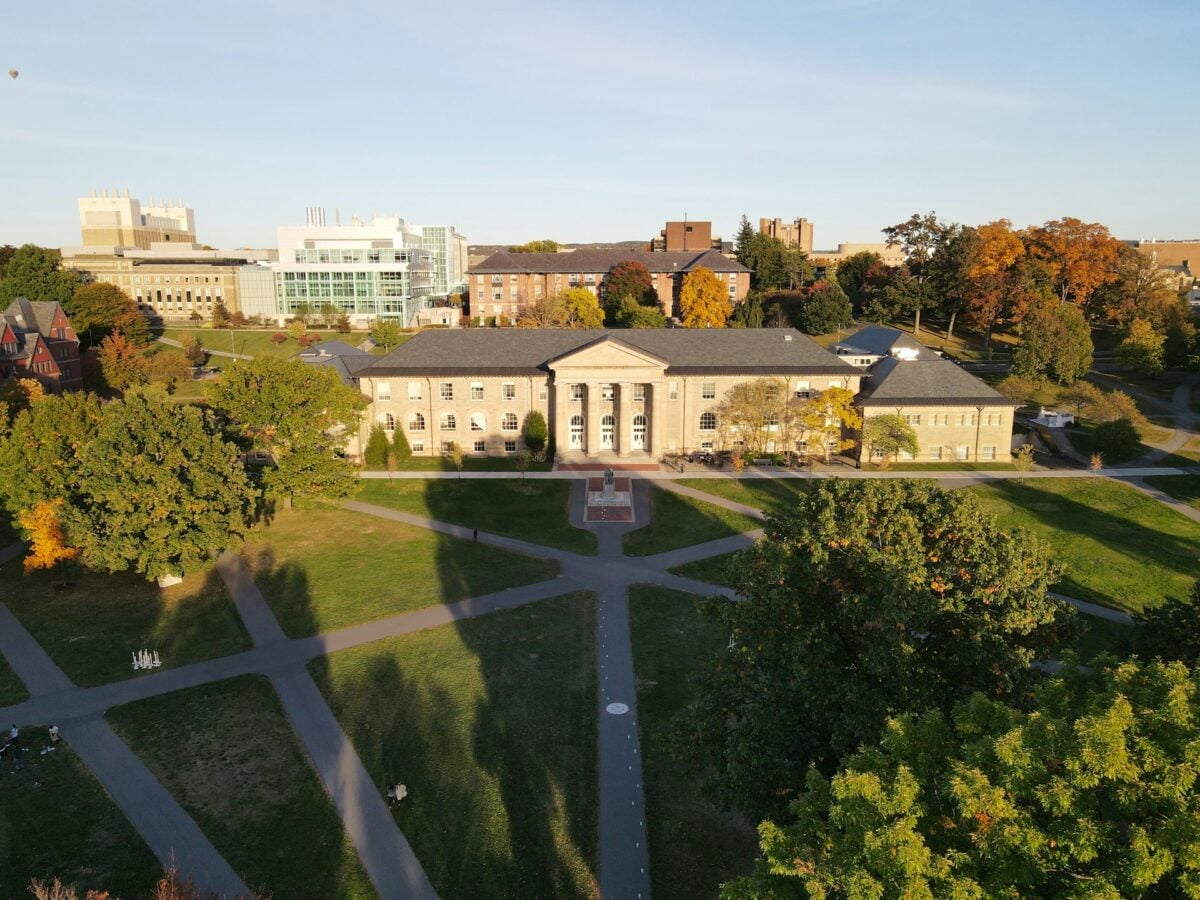
Every year in March, first-year students at Cornell’s College of Architecture, Art, and Planning build a massive dragon to wage battle against a phoenix designed by College of Engineering students. The tradition dates back to 1901 when student Willard Dickerman Straight proposed a day to celebrate the architecture college, and it eventually evolved into a rivalry between the two schools.
Originally, the dragon was burned in the Arts Quad after the battle, but the post-battle ritual ended when the scenes descended into chaos during the 1970s and 1980s with pranks, vandalism, and snowball fights that nearly caused the school to cancel the whole thing. The administration eventually let it continue in a more organized manner, though the rivalry between future architects and engineers remains fierce.
Harvard Primal Scream
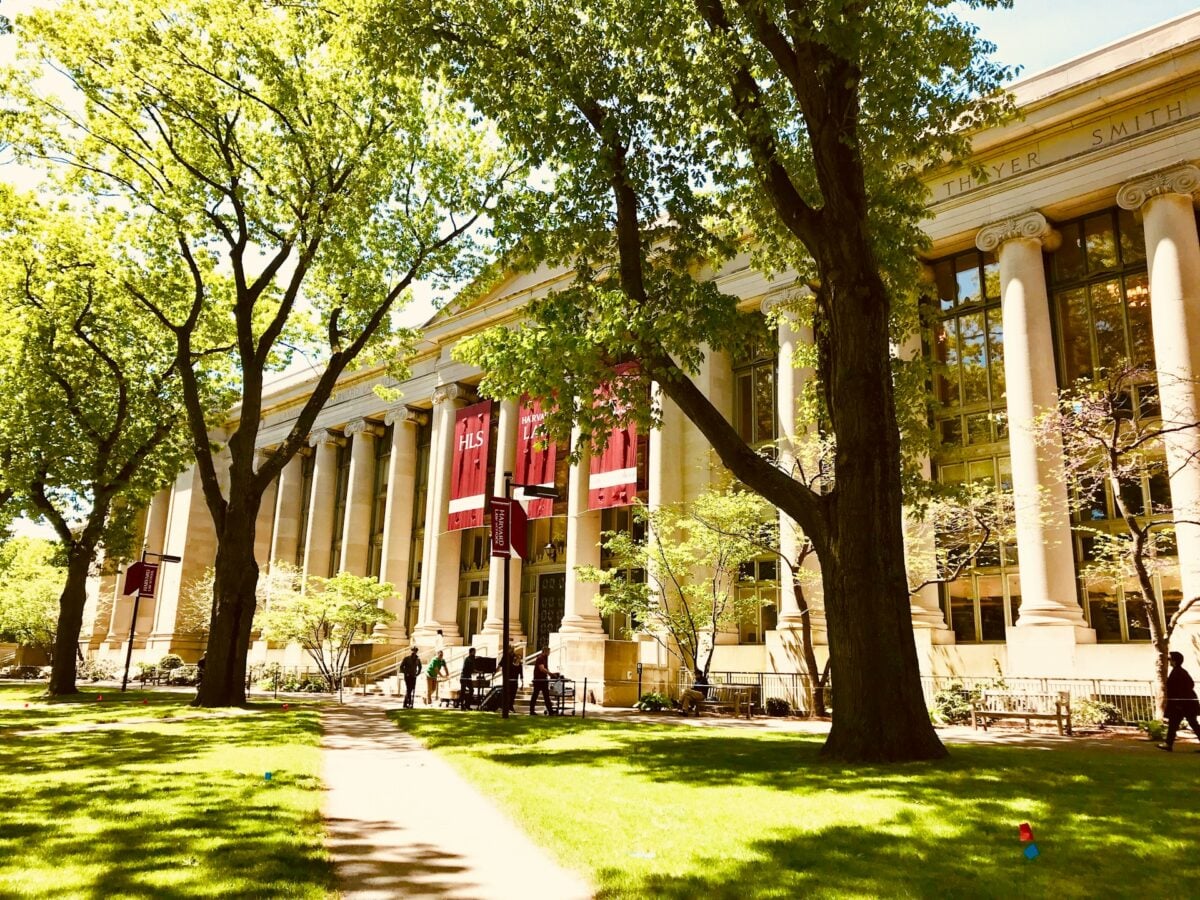
At midnight on the last day of study break before final exams during spring and fall semesters, Harvard students gather around Harvard Yard to let out a hearty scream to release stress and tension. Students show up wearing various outfits, with many choosing to run around in their underwear while unleashing their accumulated academic anxiety into the night air.
The tradition gives students a collective means to relieve the pressure they experience while preparing for finals. It’s a democratic moment where everyone from future lawyers to aspiring doctors participates in the same primal ritual.
The screaming is often followed by spontaneous streaking, though that addition appears to be a more recent development from the 1990s rather than an original element.
Pomona College’s Number 47
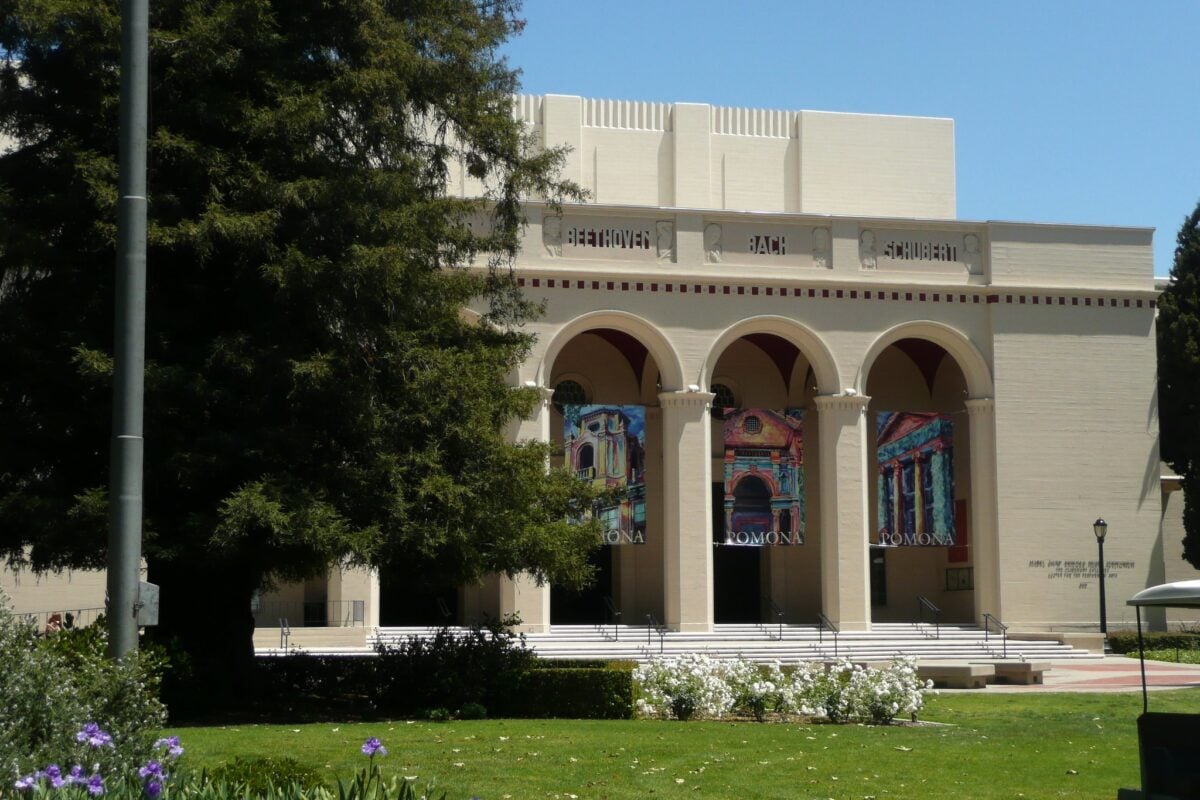
In summer 1964, science students at Pomona College conducted experiments about random number occurrences in nature, using 47 as a control since it’s a large prime number. Strangely, the student began noticing the number 47 everywhere—the college is on freeway exit 47, the school motto has 47 characters, and the organ has 47 pipes.
What started as frequency bias—where your brain starts seeing patterns once you’re actively looking for them—turned into a full-blown campus obsession. The number even sneaked into pop culture when Pomona alum Joe Menosky included many references to 47 when writing episodes of Star Trek: The Next Generation.
Now students search for 47s everywhere on campus, turning a statistics experiment into an enduring inside joke.
Bowling Green SICSIC
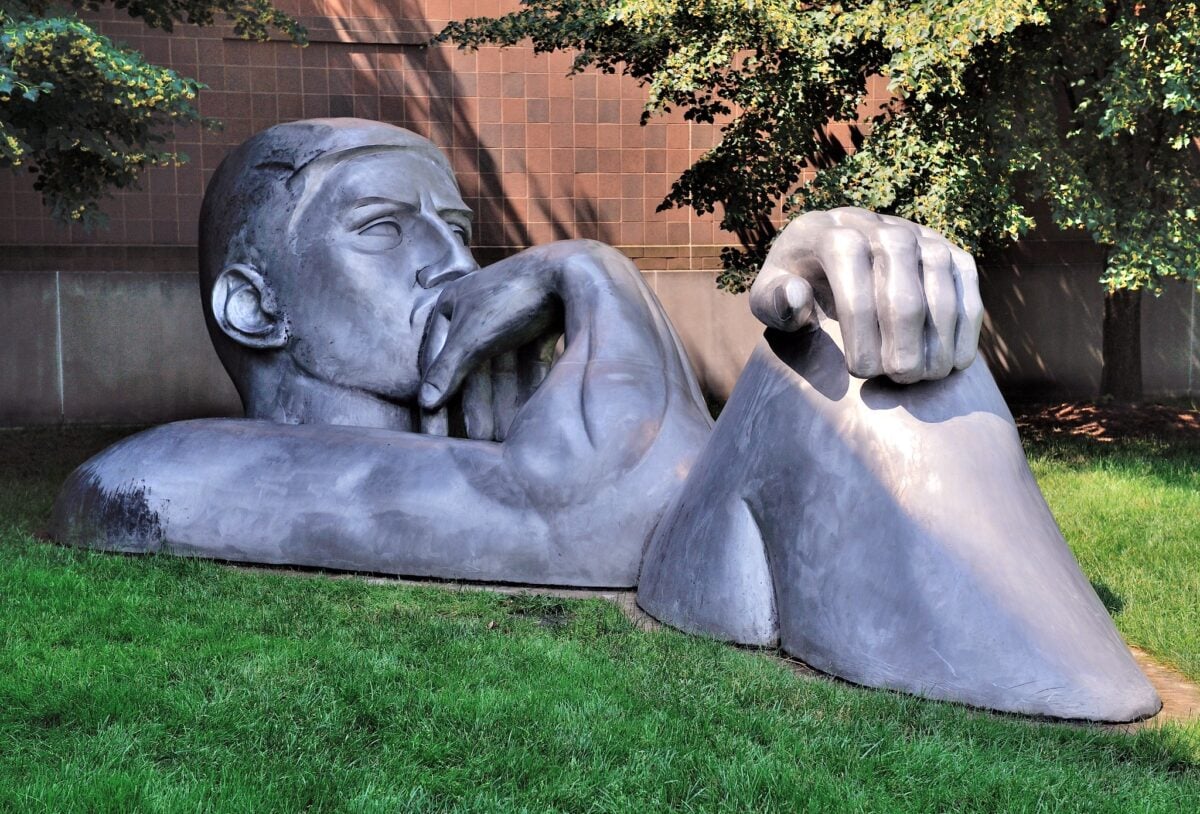
On October 6, 1946, six students were tapped by the president of Bowling Green State University in the middle of the night for a secret society unlike any before it. Those six students would become known only as SICSIC, the oldest active group on campus with only six members each year.
Their goal is to serve as school spirit leaders who show up at football games, campus activities, or even photobomb your selfie while always remaining anonymous. The secrecy adds an element of mystery to campus life—you never know if the person sitting next to you in chemistry class is one of the masked spirit leaders.
Their identities are revealed only at graduation, making it one of the few college secrets that actually stays secret.
Emory’s Dooley
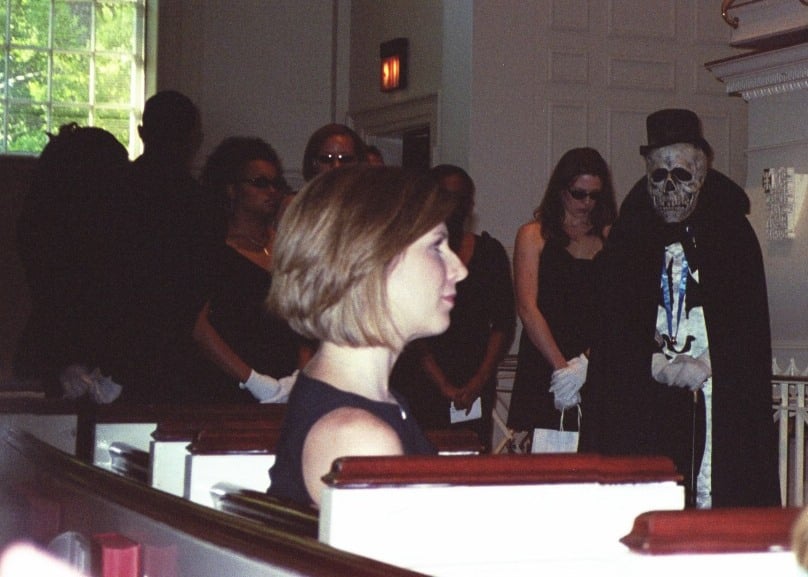
Emory University’s unofficial mascot is Dooley, a skeleton from the biology department named James W. Dooley, often called the Lord of Misrule. Dooley first appeared in 1899 when he wrote a letter to the college publication, The Phoenix, and over the next few years appeared more frequently before becoming a permanent campus fixture in the 1940s.
During ‘Dooley’s Week’ in spring, he wanders campus dressed in black, showing up in classrooms to dismiss students from class. With multiple honorary degrees from the university, Dooley has more power than Emory’s president in this one specific area—the power to cancel class whenever he shows up.
It’s probably the only time students are genuinely excited to see a skeleton walk through their classroom door.
Ohio State Mirror Lake Jump
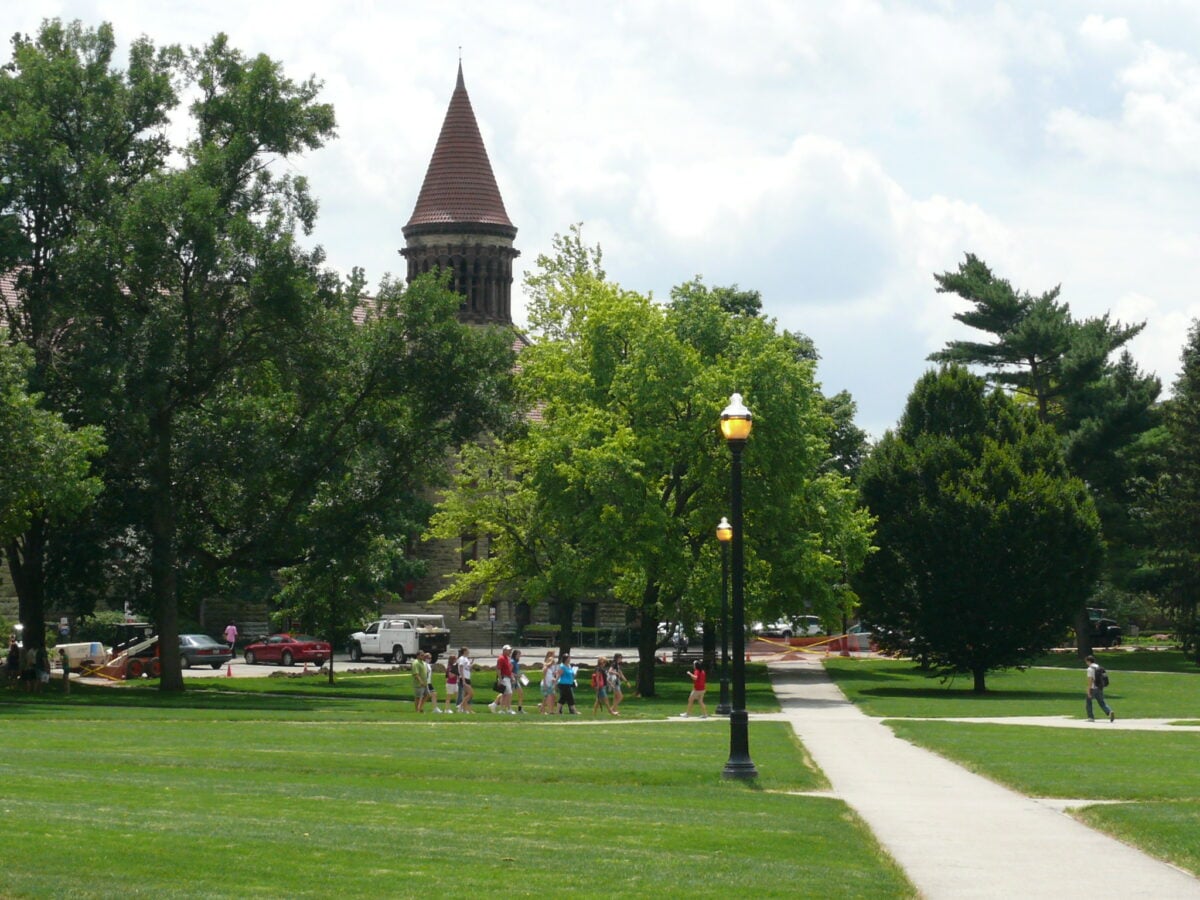
The Mirror Lake Jump at Ohio State University began in 1990 and has continued every year since, with students plunging into the frigid lake at the end of November. The tradition supposedly celebrates the Ohio State versus Michigan football game, though the freezing water temperatures suggest participants need to cool down from their school spirit.
School officials have tried to control the event over the years, but the tradition persists despite the obvious health risks of jumping into near-freezing water in late November. The combination of hypothermia risk and intense rivalry makes this one of the more physically demanding traditions on any campus.
Students emerge shivering and blue-lipped but triumphant in their display of school loyalty.
Vassar Super Soaker Fight
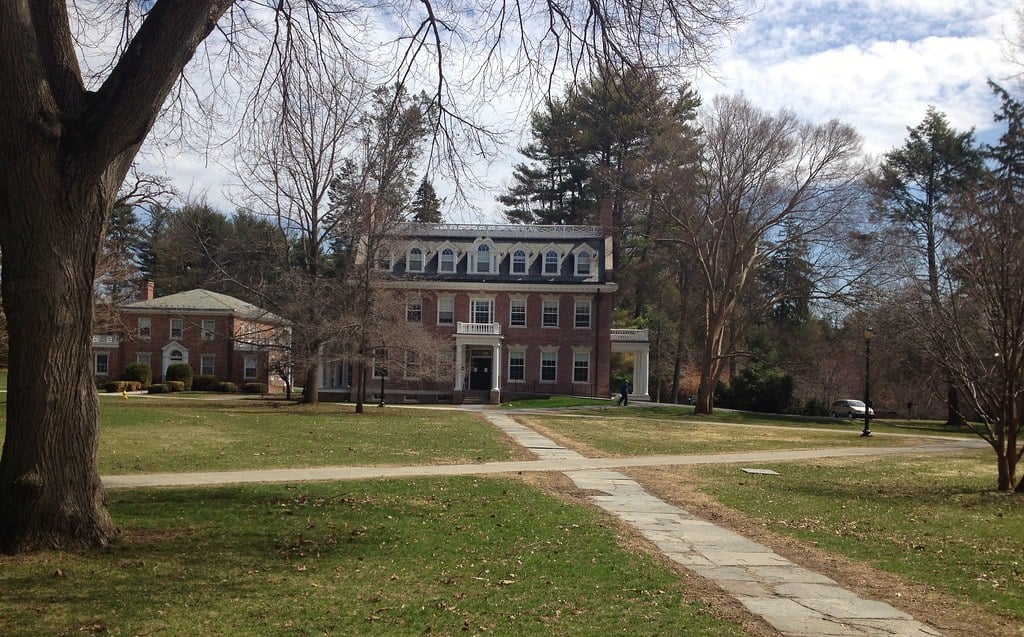
The Vassar College Super Soaker Fight evolved from an honored tradition of first-year classes serenading seniors. The songs weren’t always complimentary, so seniors began retaliating by splattering freshmen with ketchup and chocolate syrup, transforming the event from singing into food fights.
After the introduction of a ‘water only’ rule, the whole thing turned into a massive water balloon battle royale. What began as a respectful musical tribute descended into condiment warfare before finally settling on aquatic combat.
The progression from serenades to syrup attacks to water weapons perfectly captures how college traditions can spiral into beautiful chaos over time.
Occidental Birthday Dunk
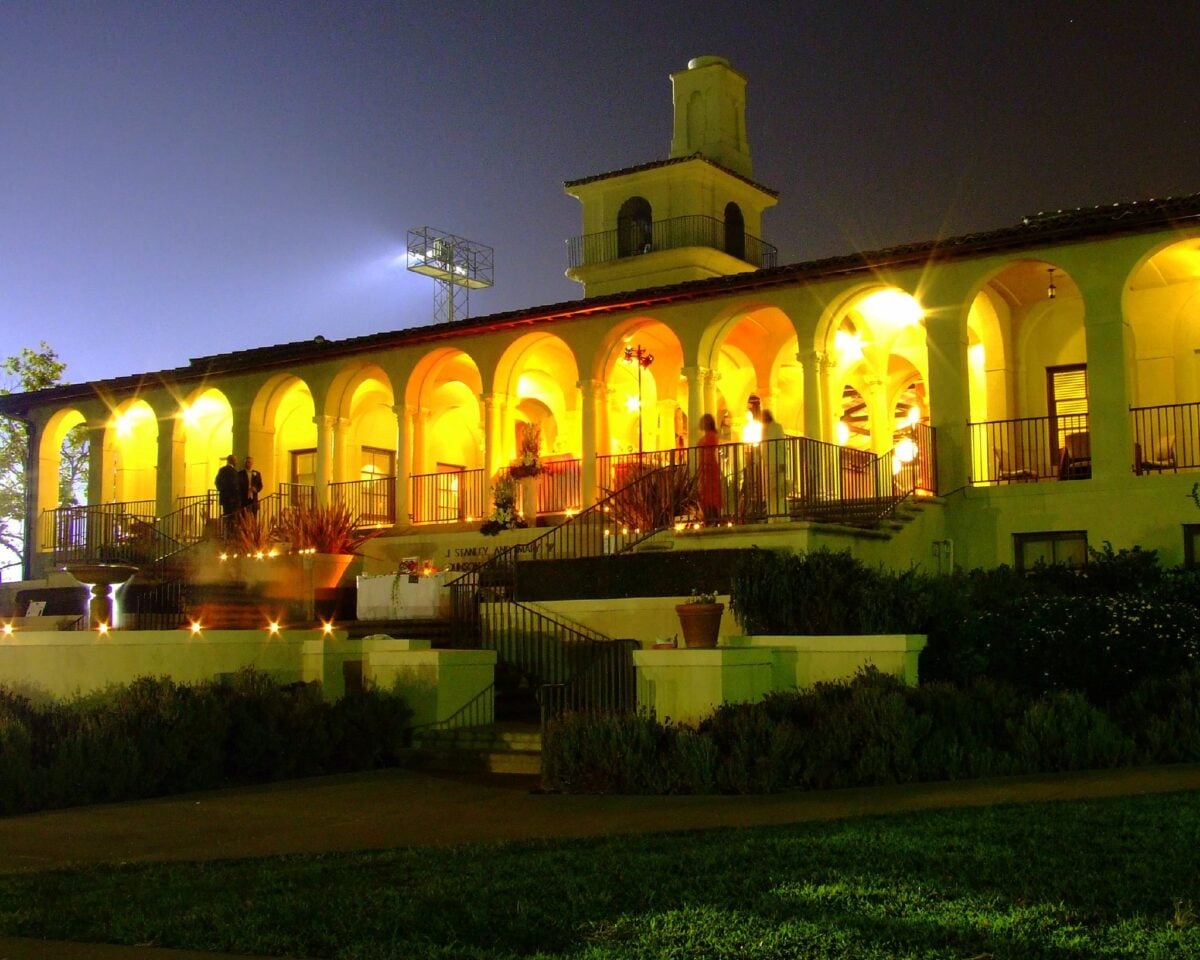
At Occidental College, students face an anxiety-inducing mystery on their birthday—not knowing exactly when friends will drag them to The Fountain for a surprise dunking. They can pull you out of bed or even interrupt your class, so students spend their entire birthday watching their backs.
The tradition turns birthdays into a game of cat and mouse where the birthday person tries to avoid campus fountains while their friends plot the perfect ambush. Unlike the freezing Mirror Lake jump at Ohio State, this dunking happens whenever your birthday falls, meaning you could get tossed into fountain water in January just as easily as in May.
It’s a tradition that keeps everyone paranoid but creates memorable birthday stories.
Sweden’s Flogsta Scream
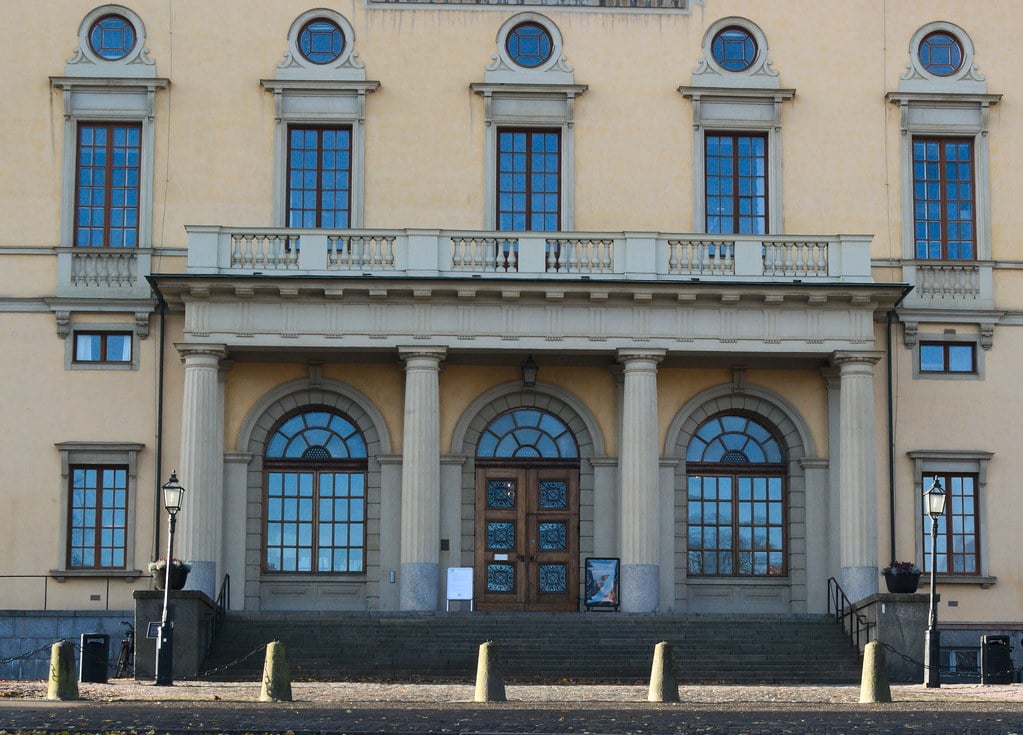
In the Swedish town of Uppsala, students from Swedish and Uppsala universities living in the Flogsta student district open their windows at 10 PM and scream as loudly as they want to release accumulated daily stress. The tradition appeared more than 50 years ago, and city authorities don’t prevent students from this nightly stress relief.
While no one knows exactly how or why it started, the collective howling of 2,000 university students lasts about eight minutes each night. The tradition has since spread from Flogsta to other Swedish university towns like Linköping, and Stockholm.
Imagine being a visitor staying in that neighborhood and hearing thousands of students simultaneously screaming into the darkness—it’s both terrifying and strangely therapeutic.
The Lasting Echo

These traditions prove that schools create their own cultures independent of official policies or administrative approval. What starts as a spontaneous prank or stress-relief mechanism can evolve into defining characteristics that shape institutions for decades.
The students who scream in Sweden, dunk birthdays at Occidental, or hack MIT’s campus are participating in something larger than themselves—they’re adding their chapter to ongoing stories that stretch back generations. These rituals might seem strange to outsiders, but they create bonds and memories that graduates carry long after they’ve left campus.
The skeleton still dismisses Emory classes, couples still nail shoes to Murray State’s tree, and somewhere right now, a Harvard student is probably preparing to scream into the night.
More from Go2Tutors!

- The Romanov Crown Jewels and Their Tragic Fate
- 17 Halloween Costumes Once Considered Taboo
- Famous Hoaxes That Fooled the World for Years
- 15 Child Stars with Tragic Adult Lives
- 16 Famous Jewelry Pieces in History
Like Go2Tutors’s content? Follow us on MSN.