15 Climate-Conscious Fashion Innovations
Fashion has a dirty secret—it’s one of the world’s biggest polluters, churning out massive amounts of waste and carbon emissions. But designers, scientists, and entrepreneurs are fighting back with some seriously cool innovations. These aren’t just feel-good marketing gimmicks either. They’re real solutions that could transform how we make, wear, and think about clothes.
The fashion revolution is happening right now, from lab-grown materials to rental platforms that are changing everything. Here is a list of 15 climate-conscious fashion innovations that are reshaping the industry.
Lab-Grown Leather
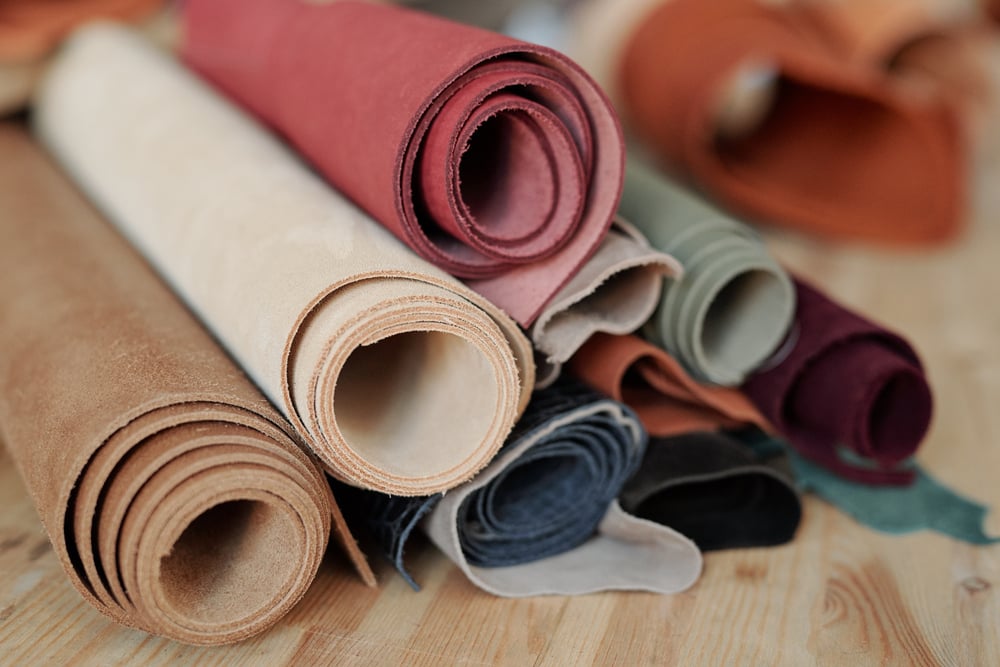
Scientists are growing real leather in labs without harming a single animal. Companies like Modern Meadow use biofabrication to create leather from collagen proteins, while others grow it from mushroom roots.
The result looks, feels, and even smells like traditional leather, but takes way less water and produces zero methane emissions. Your next leather jacket might come from a petri dish instead of a cow.
Ocean Plastic Clothing
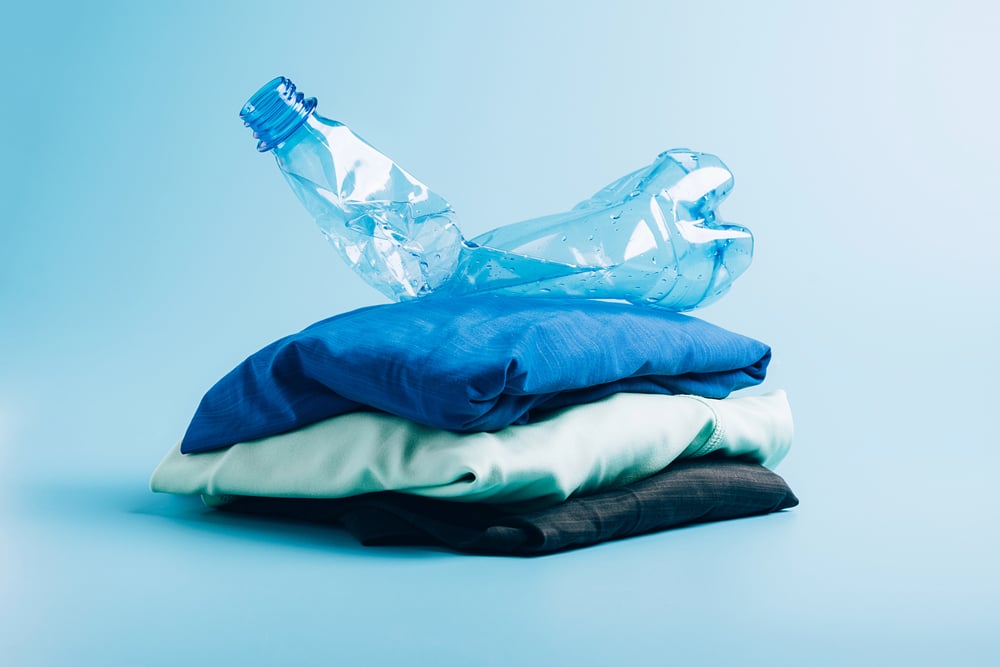
Tons of plastic bottles and fishing nets floating in our oceans are getting a second life as clothing. Brands like Patagonia and Adidas collect this marine waste and spin it into polyester fibers for everything from swimwear to sneakers.
One recycled plastic bottle can become part of a t-shirt, turning ocean pollution into wearable solutions.
Algae-Based Fabrics

Pond scum is becoming high fashion, believe it or not. Algae grows incredibly fast, absorbs carbon dioxide, and can be processed into soft, breathable fabrics.
Some companies are even using algae from polluted waterways, cleaning up the environment while creating textiles. It’s like wearing a tiny piece of the ocean’s cleanup crew.
Digital Fashion

Why buy clothes when you can just wear them digitally? Virtual fashion lets people dress their online avatars in designer outfits without producing any physical waste.
Fashion houses are creating digital-only collections for social media, gaming, and virtual worlds. Zero fabric, zero shipping, zero environmental impact—just pure digital style.
Rental and Subscription Models

Owning clothes is becoming so last century. Rental platforms like Rent the Runway let people access designer wardrobes without the commitment or environmental cost of ownership.
Subscription boxes rotate seasonal items through multiple users, maximizing each garment’s lifespan. It’s like having a constantly refreshing closet without the guilt.
Waterless Dyeing Technology
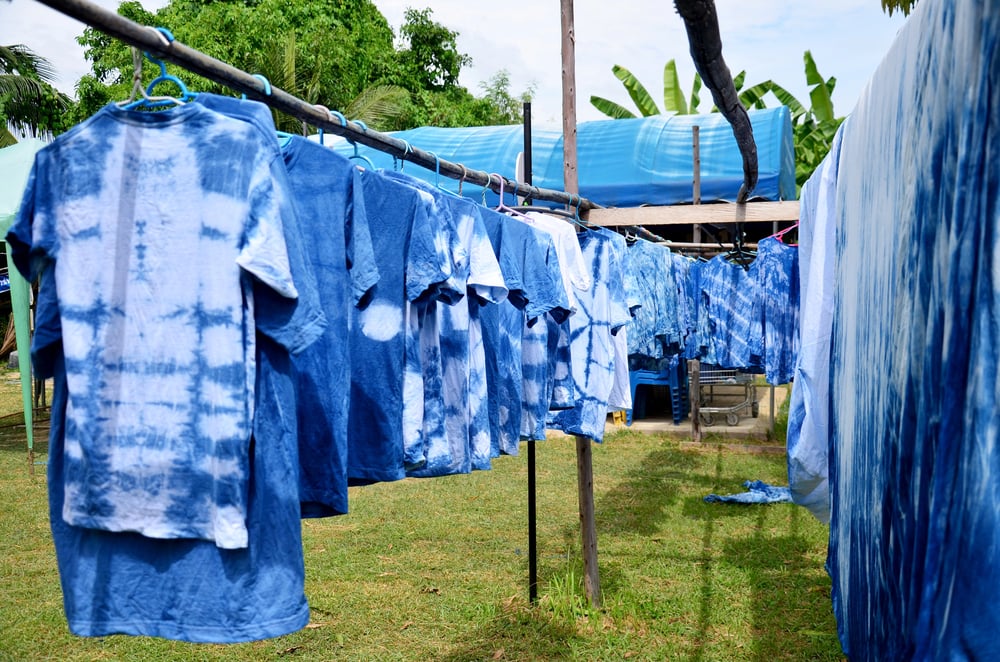
Traditional fabric dyeing guzzles water and spits out toxic chemicals. New dyeing methods use supercritical carbon dioxide, ozone, or even air to color fabrics without a drop of water.
Some techniques can dye clothes with 95% less water and zero harmful chemicals. Your colorful wardrobe doesn’t have to cost the planet its clean water supply.
Clothing Recycling Systems
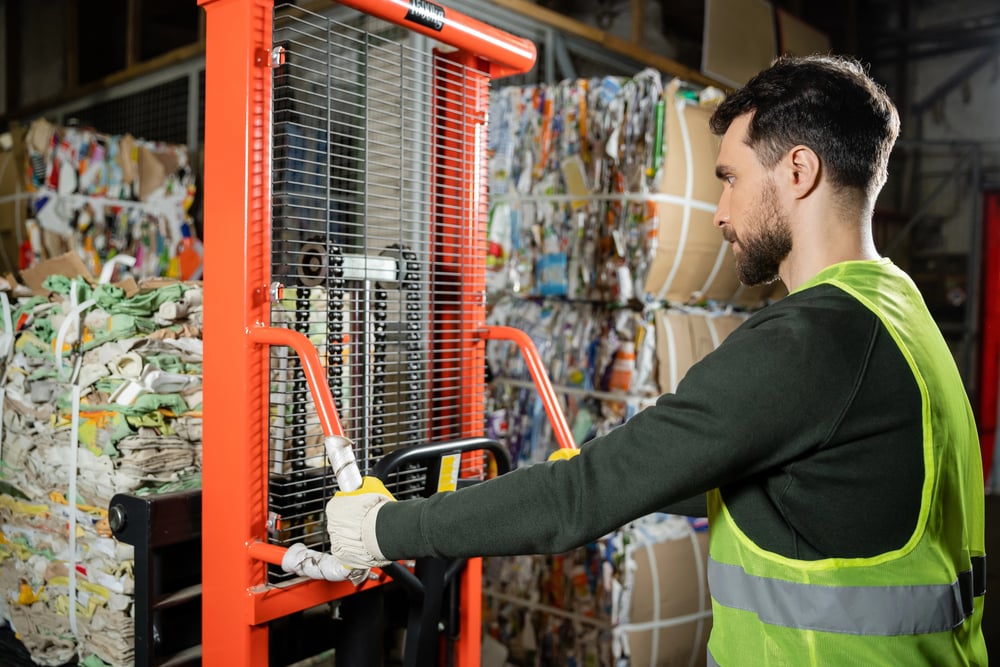
Old clothes are getting transformed into new ones through advanced recycling technologies. Chemical recycling breaks down polyester back into its original molecules, while mechanical processes shred cotton into fibers for new garments.
Some systems can even separate blended fabrics that were previously impossible to recycle.
Smart Fabrics with Longevity

Clothes that adapt to temperature, repel stains, and resist odors are keeping garments fresh longer. These smart textiles reduce washing frequency and extend clothing lifespans significantly.
Some fabrics can regulate body temperature, eliminating the need for multiple seasonal wardrobes. When your shirt does the work of three different garments, you need fewer overall pieces.
Lab-Grown Cotton
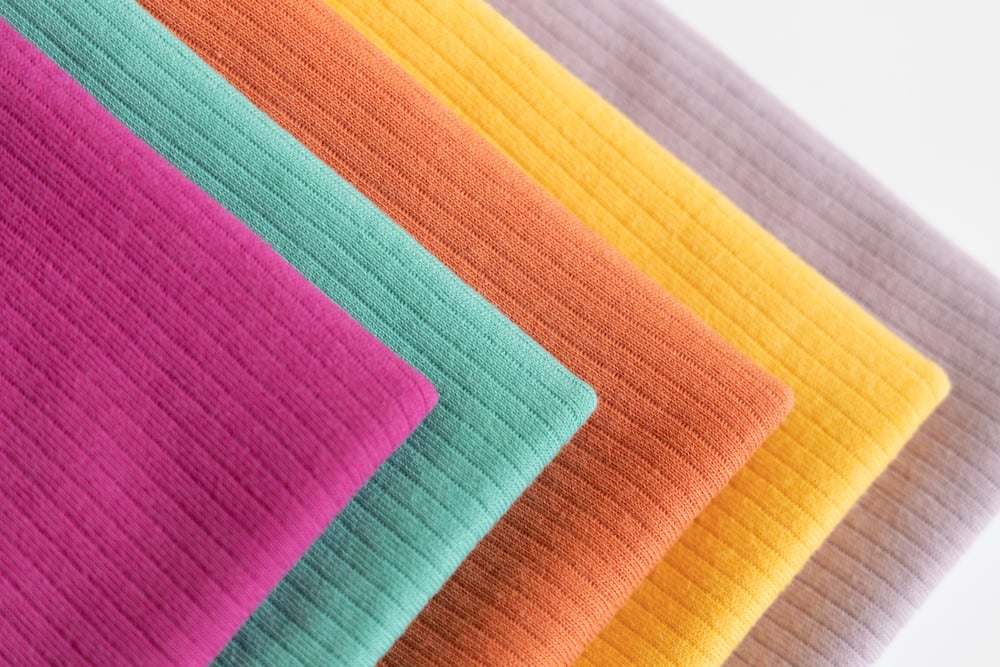
Cotton cultivation uses enormous amounts of water and pesticides, but lab-grown alternatives are changing that equation. Biofabricated cotton grows in controlled environments using cellular agriculture, requiring 99% less water and zero pesticides.
The end product is identical to traditional cotton but with a fraction of the environmental footprint.
Plant-Based Dyes

Ancient dyeing techniques are making a comeback with modern twists. Natural dyes from avocado pits, onion skins, and other plant waste create beautiful colors without synthetic chemicals.
Some companies are even using food waste from restaurants and farms, turning kitchen scraps into fashion’s next color palette.
3D Knitting Technology
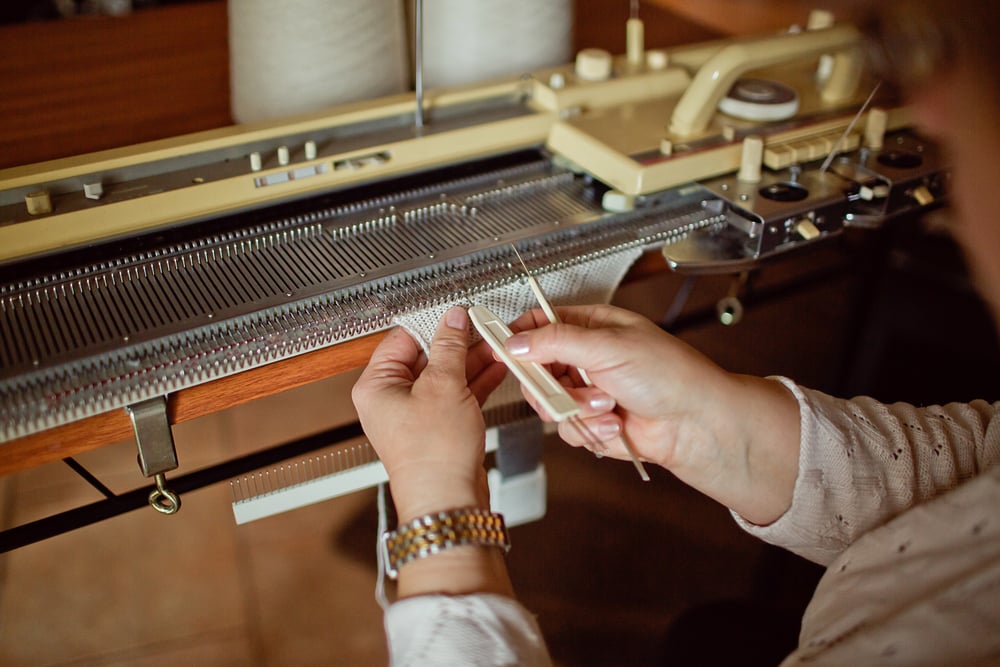
Imagine clothes that are made to your exact measurements with zero waste. 3D knitting machines create entire garments in one piece, eliminating cutting waste and reducing production time.
These machines can even incorporate different materials and structures within a single garment, creating clothes that fit perfectly and last longer.
Biodegradable Synthetics

Traditional synthetic fabrics stick around for centuries, but new biodegradable versions break down naturally at the end of their life. These materials perform just like regular synthetics but decompose safely in industrial composting facilities.
Your workout clothes could literally return to the earth when you’re done with them.
Blockchain Supply Chain Tracking

Transparency is getting a tech upgrade through blockchain systems that track every step of a garment’s journey. Consumers can scan QR codes to see exactly where their clothes came from, how they were made, and their environmental impact.
This technology is making greenwashing much harder and authentic sustainability easier to verify.
AI-Powered Demand Forecasting

Artificial intelligence is helping brands produce exactly what people want, when they want it. Machine learning algorithms analyze trends, weather patterns, and consumer behavior to predict demand with scary accuracy.
This means fewer unsold garments ending up in landfills and more efficient production cycles.
Circular Design Principles

Designers are creating clothes with their end-of-life in mind from the very beginning. Circular design means using single materials that are easier to recycle, avoiding toxic chemicals, and creating modular pieces that can be repaired or updated.
Some brands even take back their own products for recycling, creating closed-loop systems.
The Future Looks Sustainable

Fashion’s environmental wake-up call is driving innovations that seemed impossible just a few years ago. What started as small experiments in sustainable materials has exploded into a full-scale industry transformation.
These technologies aren’t just reducing fashion’s environmental impact—they’re proving that style and sustainability can coexist beautifully. The clothes of tomorrow might be grown in labs, rented instead of owned, and designed to become tomorrow’s soil.
More from Go2Tutors!

- The Romanov Crown Jewels and Their Tragic Fate
- 13 Historical Mysteries That Science Still Can’t Solve
- Famous Hoaxes That Fooled the World for Years
- 15 Child Stars with Tragic Adult Lives
- 16 Famous Jewelry Pieces in History
Like Go2Tutors’s content? Follow us on MSN.