16 Fascinating Traditions from Ancient Mayan Culture
The Maya built pyramids that still make engineers scratch their heads. They tracked celestial movements with stunning precision.
They developed one of the most sophisticated writing systems in the ancient world. But beyond these grand achievements lies something equally captivating — the intricate web of traditions that shaped daily life for millions of people across centuries.
These weren’t just rituals performed by priests or ceremonies reserved for kings. Many Mayan traditions touched every corner of society, from the merchant traveling dusty trade routes to the farmer watching the sky for rain. Some practices celebrated life’s beginnings, others honored its end.
Some connected the living world to the divine, others simply made ordinary days feel sacred. Understanding these traditions means glimpsing how an entire civilization made sense of existence — how they marked time, honored relationships, and found meaning in everything from the food they ate to the games they played.
The Ball Game
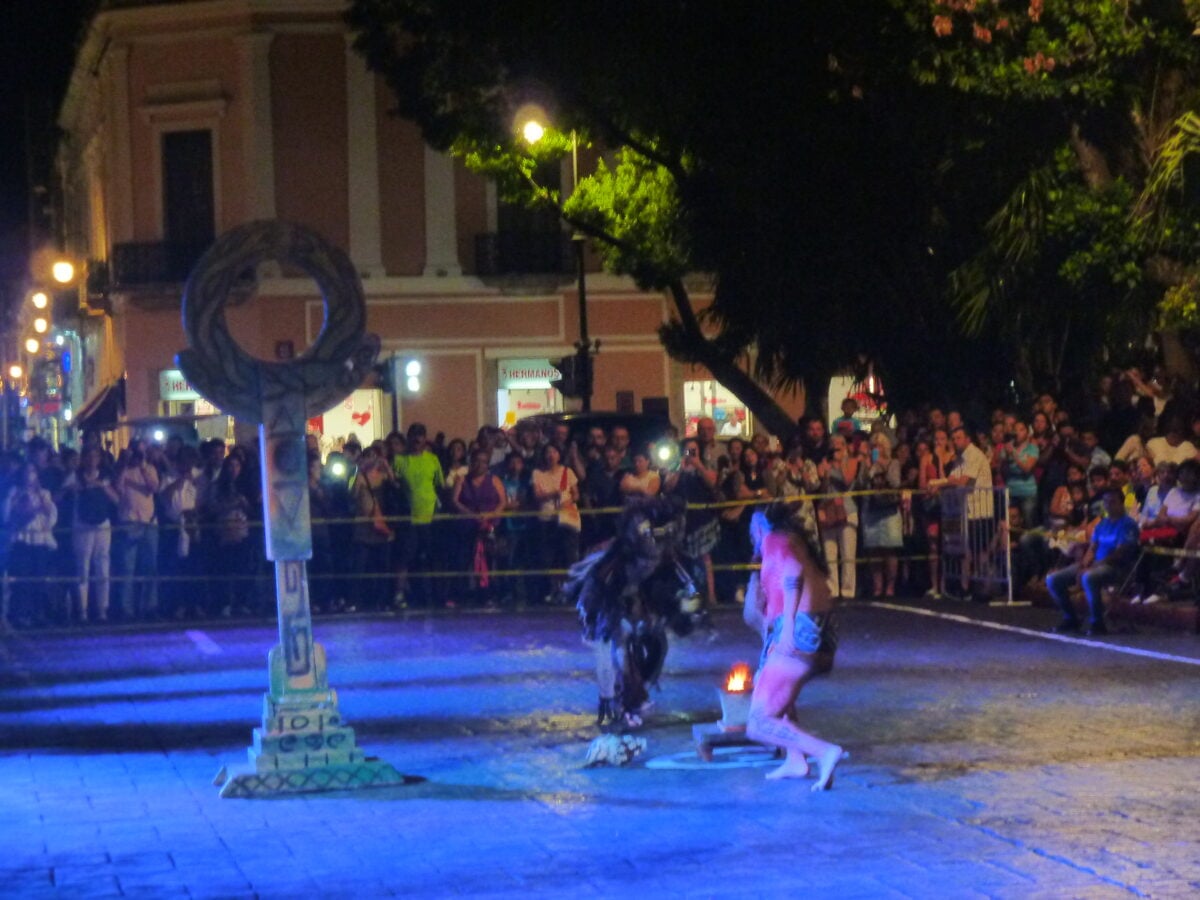
Maya took sports seriously. Their ball game wasn’t weekend entertainment — it carried cosmic weight.
Players couldn’t use hands or feet, only hips, elbows, and shoulders to keep a solid rubber ball in motion. The courts stretched over 100 feet long with sloped walls that turned every match into controlled chaos.
Bloodletting Ceremonies

Pain had purpose in Mayan spiritual life, and bloodletting ceremonies made that connection explicit — though the practice extended far beyond what most people imagine when they hear the term (which usually conjures images of medieval medicine gone wrong). Mayan bloodletting was ritual theater where rulers, priests, and devoted practitioners would pierce their tongues, earlobes, or other body parts with obsidian blades or stingray spines, collecting the blood on bark paper that would then be burned to create smoke believed to carry prayers directly to the gods.
The ceremonies often coincided with important calendar dates or moments of political transition when divine communication felt particularly urgent. But this wasn’t random self-harm.
Each cut followed careful protocol. The blood itself wasn’t the end goal — it was the pathway to altered consciousness that came from the pain, the smoke, and the communal intensity of witnessing such devotion.
So families would gather, drums would beat, and what started as personal sacrifice became shared spiritual experience.
Coming-of-Age Rituals
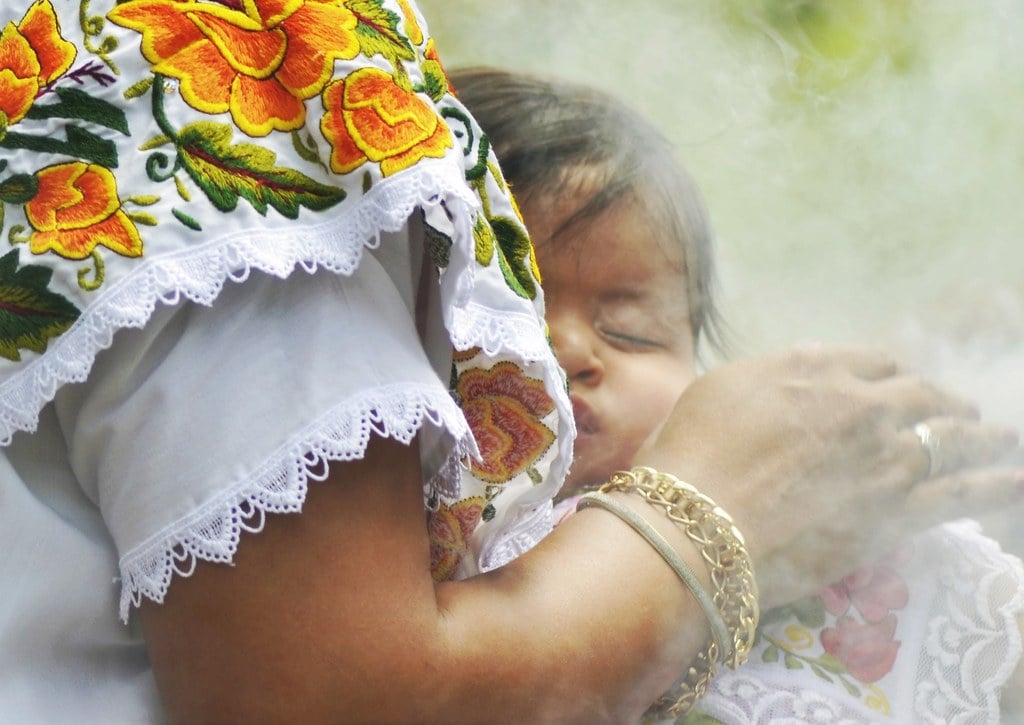
There’s something unsettling about watching childhood end in real time. Mayan coming-of-age ceremonies captured that transition with startling clarity — the moment when a young person stepped out of one identity and into another, leaving behind not just games and carefree afternoons but an entire way of moving through the world.
Boys might spend days in isolation, learning sacred stories and adult responsibilities from elder men who remembered their own passage decades earlier. Girls faced their own transformations, often centered around the onset of menstruation and the mysteries of fertility that would shape their adult roles.
The ceremonies weren’t gentle. They demanded something from participants — endurance, courage, the willingness to let go of what felt safe.
But they also offered something profound in return: belonging to the adult community, recognition as someone whose voice mattered, whose presence carried weight. These rituals understood what modern cultures often forget: growing up requires witnesses, structure, and acknowledgment that something fundamental has changed.
Jade Burial Practices
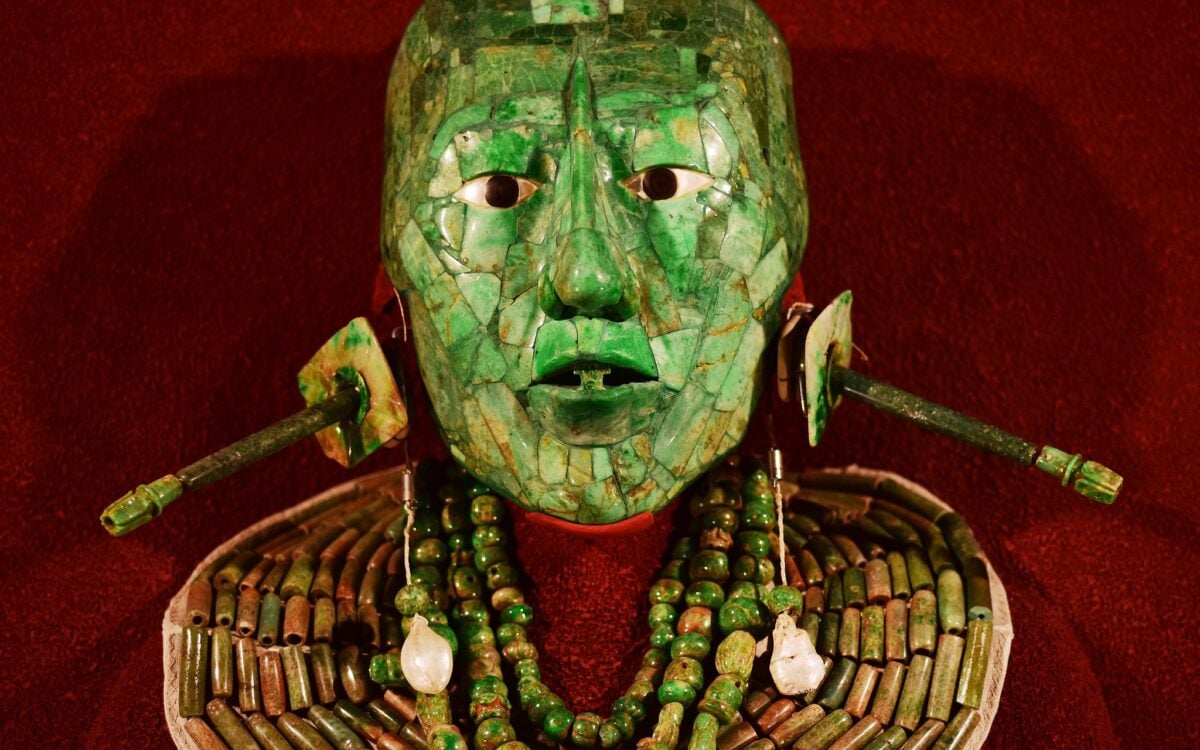
Dead Maya went to the afterlife loaded with jade. Rulers got jade masks covering their faces, jade jewelry arranged across their bodies, jade figurines tucked around the burial chamber.
The wealthy took jade beads in their mouths — green stones that supposedly helped the deceased breathe in the underworld. This wasn’t about showing off wealth after death.
Jade represented rebirth, the green of new corn shoots pushing through dark soil. Every piece served as insurance that the dead could return to life, transformed but continuous.
Calendar Ceremonies

The Maya built time like architecture, and their calendar ceremonies honored that construction with the reverence usually reserved for cathedral dedications (though calling them ceremonies understates their complexity — these were elaborate productions that could stretch across multiple days and involve entire communities in synchronized celebration). Every 20 days marked a new month in their ritual calendar, and every month brought specific obligations, restrictions, and opportunities that shaped how people approached work, relationships, and spiritual practice.
But the real spectacles arrived when different calendar cycles converged — the 260-day ritual calendar intersecting with the 365-day solar year, or the completion of longer counts that might occur once in a generation. These weren’t arbitrary celebrations.
The Maya understood time as alive, each moment carrying its own personality and potential. And so the ceremonies became elaborate conversations with time itself — offerings designed to ensure the future would unfold favorably, rituals intended to honor the particular energy each day brought to human affairs.
Cacao Rituals

Chocolate belonged to the gods first. The Maya consumed cacao as a sacred drink, often mixed with chilies and spices that turned each sip into a complex, sometimes challenging experience.
Only nobles and priests could drink it during certain restricted ceremonies, though cacao did appear in broader religious festivals and special occasions for wider society. The cacao beans themselves served as currency, which meant the divine and the economic intertwined with every transaction.
But drinking those same beans transformed mere commerce into communion with sacred forces that governed fertility, wisdom, and earthly abundance.
Day-Naming Ceremonies

Names weren’t permanent in Mayan culture — they shifted with the sacred calendar like shadows moving across stone throughout the day, reflecting not just when someone was born but which cosmic forces were ascendant at that precise moment and how those energies might shape an entire lifetime. Children received their first names based on the day they entered the world, but these calendar names carried deeper significance than simple identification — they connected each person to specific deities, directions, colors, and spiritual obligations that would influence major life decisions decades later.
A child born on the day of the jaguar god inherited different expectations than one born under the influence of the maize deity. But names could change.
Important life transitions — coming of age, marriage, achieving political office, surviving serious illness — might prompt new naming ceremonies that reflected how someone’s relationship with cosmic forces had evolved. The practice recognized something profound about human identity: we aren’t fixed creatures but beings in constant conversation with forces larger than ourselves.
And so names became prayers, spoken reminders of where someone stood in the vast web of divine relationships that governed Mayan existence.
Warrior Initiation Rites
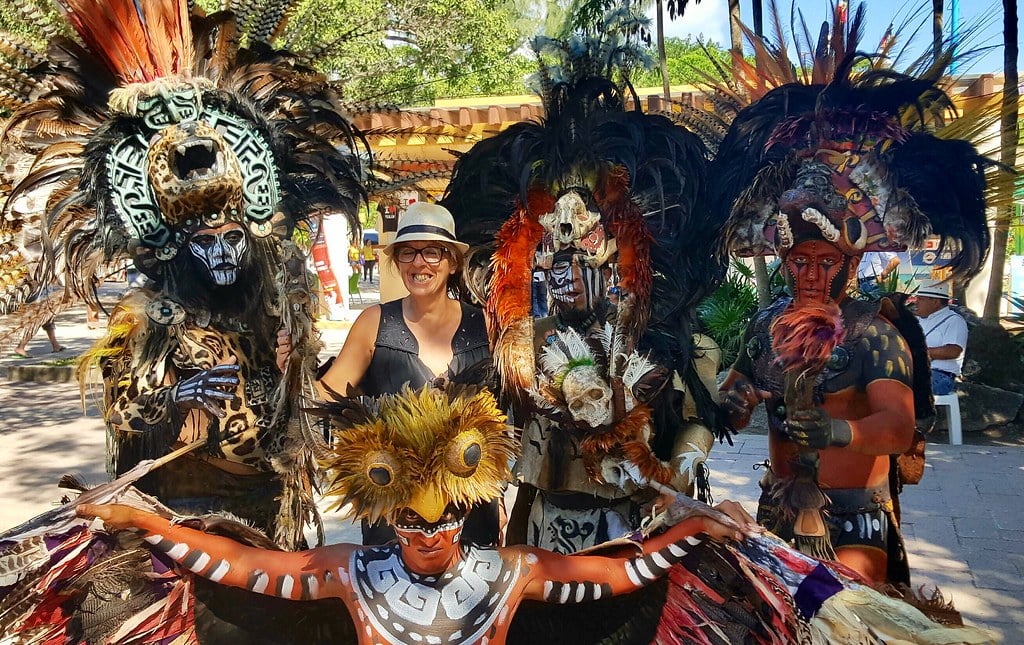
Becoming a Maya warrior meant proving you could capture enemies alive. This wasn’t about killing prowess — any reasonably skilled fighter could end a life during battle.
The real test involved subduing opponents without permanent harm, then bringing them back as captives who could later be sacrificed during important religious ceremonies. The initiation rites trained young men in this delicate balance between violence and restraint. They learned to fight with weapons designed for capture rather than killing — clubs that could stun, ropes for binding, techniques for overwhelming without destroying.
Success in these trials marked the difference between ordinary soldiers and elite warriors whose courage directly served the gods.
Divination Practices

Reading the future required specific tools in Maya hands: crystals, copal incense, sacred books written on bark paper, and beans scattered across woven mats according to patterns passed down through generations of trained specialists (though the word “specialists” makes the practice sound more clinical than it actually was — Maya divination pulsed with the urgency of people desperate to understand what tomorrow might bring). Diviners studied the flight patterns of birds, interpreted dreams, watched for unusual animal behavior, and tracked the intersection of different calendar cycles to determine auspicious dates for planting, warfare, marriage, or major construction projects.
But the heart of divination lay in the day-keepers, ritual specialists who maintained intimate knowledge of how each day in the 260-day sacred calendar influenced human affairs. These weren’t fortune tellers making vague predictions about love and money.
Maya divination addressed concrete questions that affected entire communities: when to plant crops, whether to launch military campaigns, how to respond to natural disasters, which direction to expand settlements. The practice assumed the future could be read because cosmic forces followed predictable patterns — not predetermined fate, but recurring cycles that careful observers could learn to anticipate.
Marriage Ceremonies

Two families negotiated more than romance when Maya couples married. The ceremonies wove together economic alliances, political connections, and spiritual bonds that would influence both lineages for generations.
Parents often arranged marriages, but the rituals themselves required active participation from the couple whose lives were being permanently intertwined. The groom’s family typically paid a bride price — cacao beans, jade ornaments, textiles, or other valuable goods that acknowledged the woman’s worth and compensated her family for the loss of her labor.
But this wasn’t a simple purchase. Marriage ceremonies included exchanges flowing in both directions, creating networks of mutual obligation that strengthened ties between communities and ensured both families would support the new household through difficult times.
Vision Serpent Rituals
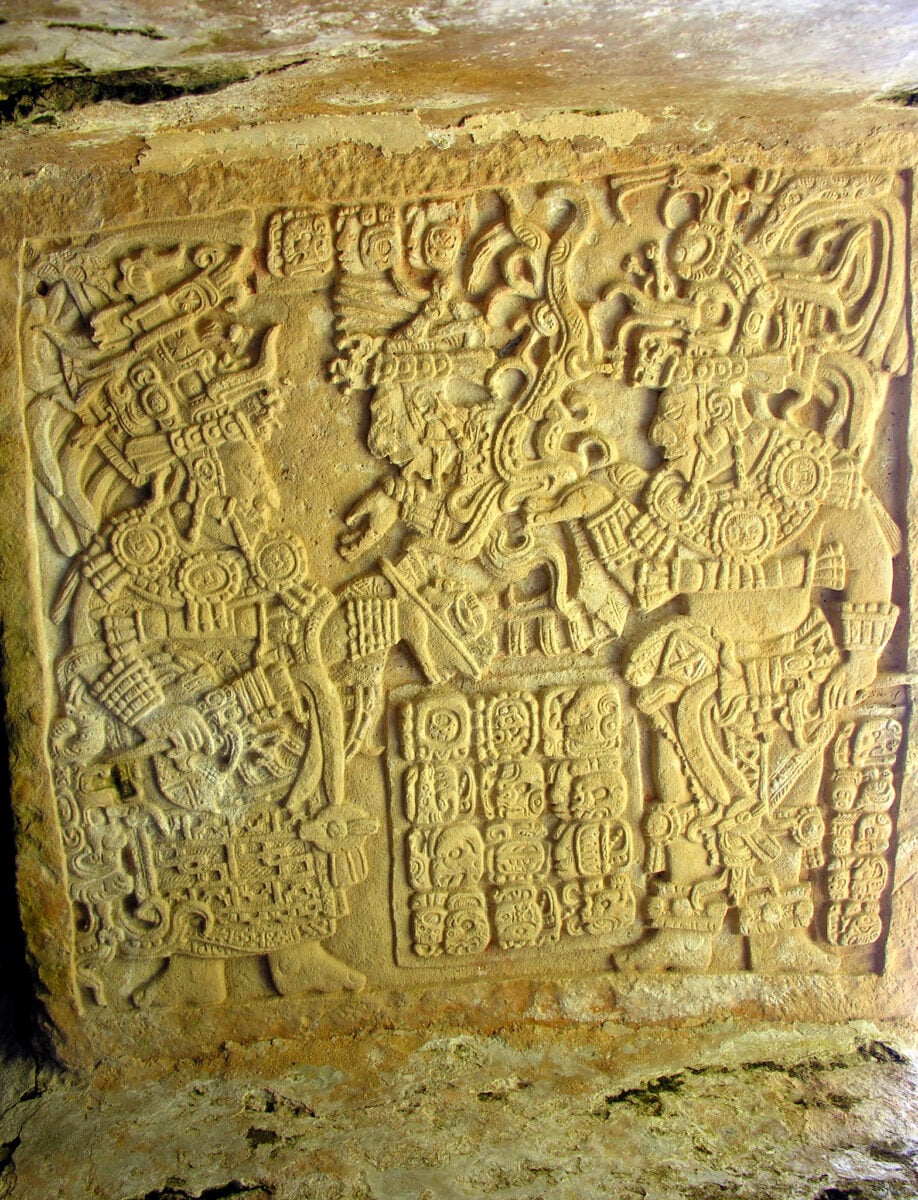
Snakes carried messages between worlds in Maya cosmology, and vision serpent rituals summoned these divine messengers through carefully orchestrated ceremonies that combined bloodletting, hallucinogenic plants, and prolonged meditation designed to thin the barriers between ordinary consciousness and spiritual revelation. Participants — usually rulers or high-ranking priests — would enter trance states where enormous serpents would appear, their mouths opening to reveal deceased ancestors, gods, or prophetic visions that provided guidance for major political and religious decisions.
These weren’t casual supernatural encounters. Vision serpent ceremonies required extensive preparation: fasting, ritual purification, specific locations and timing determined by calendar calculations, and the presence of skilled attendants who could guide participants safely through potentially dangerous altered states.
The visions themselves carried political weight — they often validated royal authority, provided divine approval for military campaigns, or revealed information about threats facing the community. But the serpents weren’t just mystical experiences.
They represented the fundamental Maya understanding that wisdom flows between different levels of reality, and that human leaders needed regular contact with divine forces to govern effectively.
Death Rituals

Maya death customs recognized that dying well required community support, and the rituals surrounding death stretched across multiple days as family members, friends, and religious specialists collaborated in preparing the deceased for their journey to the underworld (which wasn’t the grim, punitive afterlife familiar from other religious traditions, but rather a complex landscape where the dead faced challenges, underwent transformations, and potentially achieved rebirth). The body would be wrapped in textiles, positioned according to social status — commoners might be buried beneath house floors while nobles received elaborate tomb chambers — and surrounded by grave goods that reflected both personal identity and spiritual needs for the afterlife journey.
But death rituals extended beyond the burial itself. Families maintained ongoing relationships with their ancestors through regular offerings, prayers, and ceremonies that acknowledged the continued presence and influence of the deceased in daily life.
The Maya understood death as transition rather than ending — a passage that required careful navigation and ongoing support from the living community. These practices reflected a profound insight about human mortality: death affects the living as much as the deceased, and healthy communities require rituals that help survivors process loss while maintaining connection to those who have passed on.
Astronomical Observations

The Maya watched the sky with obsessive precision. Venus received particular attention — they tracked its cycles as both morning and evening stars, calculating its movements with accuracy that wouldn’t be matched in Europe for centuries. Solar and lunar eclipses weren’t fearsome omens but predictable events that skilled astronomers could forecast years in advance.
These observations served practical purposes. Agricultural cycles followed celestial rhythms. Religious ceremonies required specific astronomical alignments.
Military campaigns launched during auspicious planetary positions. But the deeper significance lay in how sky-watching connected human communities to cosmic order — the reassuring knowledge that despite earthly chaos, celestial movements followed reliable patterns that skilled observers could learn to read.
Shamanic Healing Practices

Maya healers understood illness as spiritual disruption, and their treatments addressed both physical symptoms and the underlying cosmic imbalances that had allowed disease to take hold in a patient’s body (though reducing their approach to either pure spiritualism or primitive medicine misses the sophisticated understanding of how mental, physical, and social factors interact to create health or illness). Healers — called h-men in many Maya communities — combined herbal remedies with ritual purification, massage with prayer, dietary restrictions with ceremonies designed to restore harmony between the patient and the spiritual forces governing their particular life circumstances.
The diagnostic process often involved divination to determine which gods, ancestors, or negative influences had been offended or attracted to cause the illness. Treatment then required not just addressing symptoms but repairing relationships with these spiritual entities through appropriate offerings, behavioral changes, or community ceremonies that acknowledged and corrected whatever had gone wrong.
Recovery meant more than feeling better — it meant reestablishing proper spiritual balance that would prevent similar problems from recurring. But healers also possessed extensive practical knowledge of medicinal plants, surgical techniques, and treatments for common ailments that had nothing to do with spiritual intervention.
Maya medical practice integrated multiple approaches to healing rather than limiting itself to purely religious or purely physical treatments.
Feathered Serpent Ceremonies

The feathered serpent deity — known as Kukulkan to the Maya — embodied the marriage of earthbound and celestial powers, and ceremonies honoring this complex god involved elaborate theatrical performances that brought the divine serpent’s presence into human communities through carefully choreographed rituals combining music, dance, costume, and architectural spectacle. The most famous manifestation occurs at Chichen Itza during spring and autumn equinoxes, when shadows cast by the pyramid’s stepped edges create the illusion of a massive serpent descending the staircase — but this visual effect was just one element in much larger ceremonial complexes that could involve hundreds of participants and multiple days of coordinated activities.
Feathered serpent ceremonies celebrated the deity’s role as bringer of knowledge, controller of winds and rain, and mediator between human communities and cosmic forces that governed agricultural fertility and political stability. The rituals often coincided with important transitions in the agricultural year or moments when communities needed divine intervention to address droughts, conflicts, or other challenges that threatened collective survival.
These ceremonies understood something crucial about religious experience: the divine becomes real through human performance, and communities create sacred presence through shared participation in elaborate rituals that transform ordinary spaces and ordinary time into moments when gods walk among mortals.
Incense Burning Rituals

Copal resin carried prayers upward in fragrant clouds that connected Maya communities to their gods. The burning wasn’t casual — specific types of incense accompanied particular prayers, ceremonies required precise amounts burned at designated times, and the smoke itself was read for omens about how favorably the gods received human offerings.
Every Maya home maintained small incense burners for daily prayers. Temples featured elaborate braziers that could consume pounds of copal during major festivals.
The sweet, pine-like smoke became so central to religious practice that its absence signaled spiritual emergency — communities without incense couldn’t properly communicate with divine forces that governed their survival.
Where the Sacred Still Moves

These traditions didn’t vanish with the Spanish conquest or fade into academic curiosity. Walk through Maya communities in Guatemala, Belize, or southern Mexico today and the scent of copal still rises from household altars.
Day-keepers continue tracking the 260-day calendar, guiding families through naming ceremonies and marriage negotiations that honor patterns their ancestors established centuries ago. The ball courts stand empty now, but the understanding that play and ritual intertwine survives in festivals where ancient games take new forms.
Jade remains precious, chocolate still carries ceremonial weight, and healers blend traditional plant knowledge with modern medicine in ways that acknowledge both spiritual and physical dimensions of illness. Perhaps the most remarkable thing about Maya traditions isn’t their antiquity but their persistence — their ability to adapt, survive, and continue offering meaning to people whose daily lives have been transformed by technologies and social changes the original practitioners never could have imagined.
More from Go2Tutors!

- The Romanov Crown Jewels and Their Tragic Fate
- 13 Historical Mysteries That Science Still Can’t Solve
- Famous Hoaxes That Fooled the World for Years
- 15 Child Stars with Tragic Adult Lives
- 16 Famous Jewelry Pieces in History
Like Go2Tutors’s content? Follow us on MSN.



