16 Fashion Items That Sparked Global Debates
Look, clothes are supposed to cover your body and maybe look decent. But some pieces? They’ve caused actual riots. People have lost jobs, gotten arrested, and started movements over what amounts to fabric sewn together in different ways.
It’s wild when you think about it. A hemline moves up two inches and suddenly everyone’s a moral expert. A waistband drops down and cities start writing laws. These aren’t just fashion moments—they’re cultural explosions that show how uptight society can get about personal choices.
Here is a list of 16 fashion items that sparked global debates and made people realize clothing is never just about clothing.
The Bikini

So this French guy Louis Réard created a two-piece swimsuit in 1946 and named it after a nuclear testing site. It already sounds like trouble, right? He couldn’t even find a model willing to wear it.
Professional models said no. Beauty pageants banned it immediately. The Catholic Church lost their minds. Countries actually made it illegal. Not just frowned upon—illegal. It took almost twenty years before people stopped acting like a bikini would bring about the end of civilization.
Brigitte Bardot helped change minds, but wow, what a journey from “absolutely scandalous” to “summer essential.”
Mini Skirts

Mary Quant shortened skirts above the knee in the 1960s and accidentally started a war. Parents saw their daughters in mini skirts and basically had mental breakdowns. Teachers couldn’t handle it. Religious leaders thought society was collapsing.
Schools banned them so fast your head would spin. Restaurants wouldn’t serve women wearing them. The mini skirt wasn’t just clothing—it was a declaration of independence from everything older generations believed about modesty and women’s roles.
Like Go2Tutors’s content? Follow us on MSN.
Sagging Pants

Prisoners couldn’t have belts, so their pants sagged. Hip-hop artists picked up the look. America went absolutely nuts. Cities passed laws—actual laws—making it illegal to show your underwear in public.
Fines reached $500 in some places. The reaction was way over the top and revealed some uncomfortable truths about racial prejudice.
Critics saw gang members everywhere. Supporters just saw young people expressing themselves. Pretty intense response to poorly fitting pants.
Crop Tops

Crop tops have been causing meltdowns for decades. Schools hate them with a passion. Workplaces won’t allow them. Dress codes seem written specifically to target them. Yet women keep wearing them anyway.
What started as “that’s inappropriate” turned into massive debates about body autonomy and who gets to decide what’s acceptable. Social media made everything louder, and suddenly a piece of fabric became a symbol of resistance against body policing.
Ripped Jeans

Punk kids in the ’70s wore torn jeans because they were broke and rebellious. Their parents couldn’t understand why anyone would want to look poor on purpose. “We worked hard so you wouldn’t have to wear ripped clothes!” they’d say.
Then designers started selling pre-ripped jeans for hundreds of dollars. Nothing screams “authentic rebellion” like paying premium prices for fake damage. The whole thing became a joke, but people kept buying them.
Like Go2Tutors’s content? Follow us on MSN.
Leather Pants

Jim Morrison squeezed into leather pants and society collectively freaked out. Too tight, too rebellious, too everything parents feared about rock and roll. Concert venues tried to ban them. Audiences protested. Morrison got arrested multiple times.
The pants weren’t really the problem—they represented everything conservative America was afraid of. Raw identity, rebellion against authority, and the audacity to wear whatever you wanted regardless of other people’s opinions.
Platform Shoes
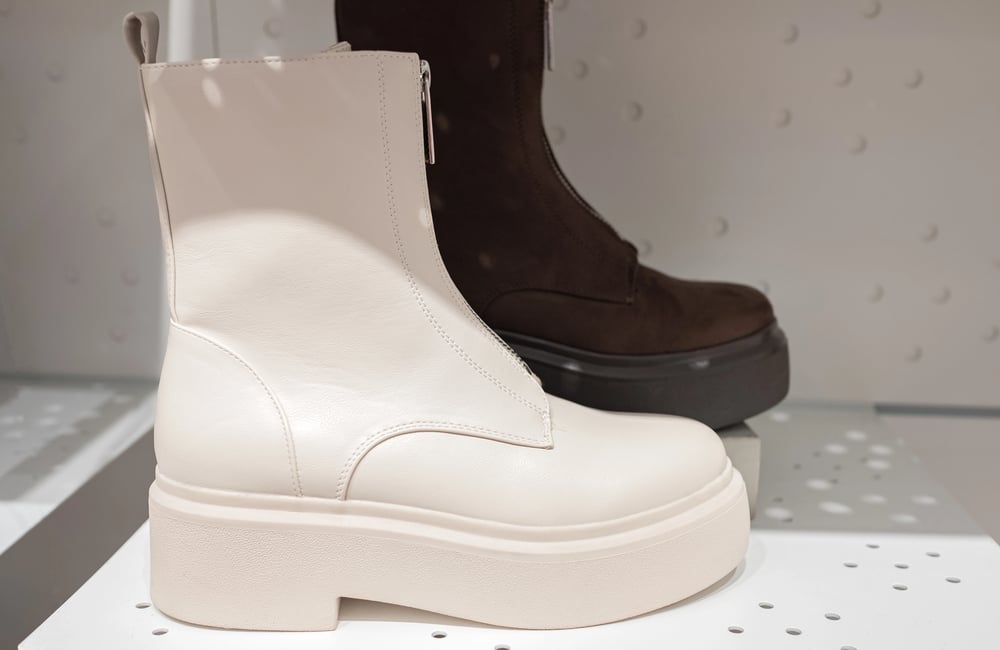
Those massive platform shoes from the ’70s made people genuinely angry. Doctors warned about broken ankles. Fashion critics called them the stupidest trend ever. Practical people everywhere wondered why anyone would voluntarily make walking dangerous.
But platforms were about more than height. They challenged ideas about gender, practicality, and who gets to decide what’s appropriate footwear. Revolutionary? Maybe. Dangerous? Definitely.
Visible Thongs

The early 2000s gave us the “whale tail”—thong underwear peeking above low-rise jeans. Parents were horrified. Schools went into emergency mode. Religious groups acted like it was the end times.
Everyone suddenly had strong opinions about underwear visibility. Institutions scrambled to write new dress codes just to address this one trend. Looking back, it seems like a massive overreaction to a fashion choice, but emotions were running high.
Like Go2Tutors’s content? Follow us on MSN.
Baggy Jeans

Oversized denim hit the scene in the ’90s and suddenly everyone became an expert on appropriate pants sizing. Critics connected baggy jeans to gang culture and criminal behavior. Schools and workplaces rushed to ban them.
The real issue wasn’t the pants—it was the racial and class tensions they exposed. Baggy jeans became a symbol of urban culture, and that made a lot of people uncomfortable for reasons they didn’t want to admit.
Tube Tops

Strapless, form-fitting, and apparently a threat to social order. Tube tops got banned from schools, restaurants, and anywhere else people gathered. Too much skin, too casual, too revealing for polite society.
The garment became a lightning rod for debates about women’s bodies and who gets to police them. Simple piece of clothing, massive social implications.
Chokers

Tight necklaces have triggered multiple moral panics across different decades. The ’90s goth connection made them “too dark” and “inappropriate.” Their 2010s comeback sparked fresh debates about professional dress codes.
Some people just couldn’t handle neck jewelry. The accessory highlighted how alternative fashion constantly clashes with mainstream expectations and conservative dress codes.
Like Go2Tutors’s content? Follow us on MSN.
Shoulder Pads

The ’80s brought shoulder pads that could knock someone over. Women loved them as power symbols. Critics thought they looked “too masculine” and “unflattering.” Everyone had strong opinions about shoulder width.
The controversy revealed deeper anxieties about women in the workplace and changing gender roles. Shoulder pads weren’t just fashion—they were statements about equality, power, and refusing to shrink to make others comfortable.
Leggings as Pants
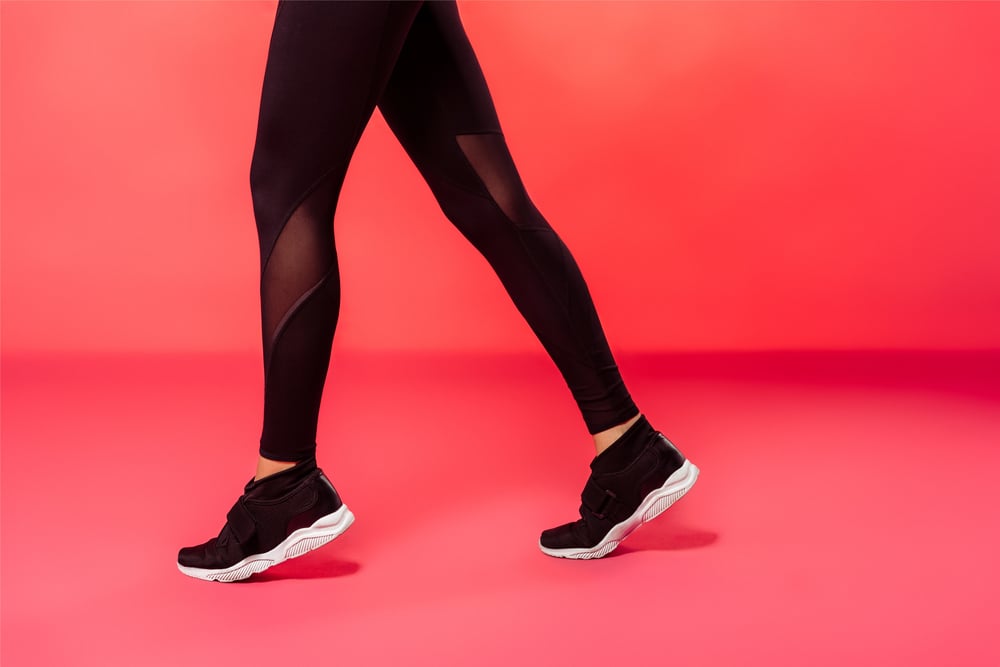
Wearing leggings without covering them with shorts or skirts? Revolutionary concept, apparently. Critics argued they were “too revealing” and “inappropriate for public.” Supporters defended them as comfortable and practical.
Airlines made policies about them. Schools banned them. Social media exploded with debates. The controversy highlighted ridiculous double standards about body types and what’s considered “appropriate” for different ages and sizes.
Visible Bra Straps
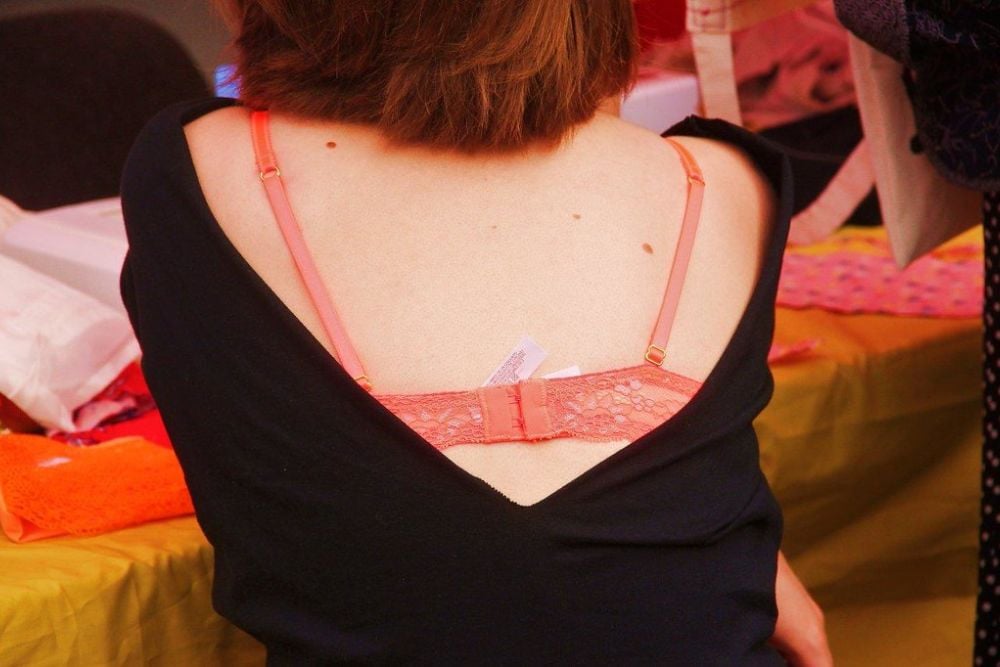
Showing bra straps on purpose challenged everything people thought they knew about underwear. Critics called it “tacky” and “inappropriate.” Supporters argued that bra straps were inevitable and nothing to be ashamed of.
Workplaces and schools scrambled to address visible undergarments in their dress codes. The debate evolved into larger discussions about unrealistic beauty standards and the impossible expectations placed on women’s appearance.
Like Go2Tutors’s content? Follow us on MSN.
Cargo Pants

Multiple pockets on pants somehow became controversial. Critics dismissed cargo pants as “unflattering” and “too military-looking.” Supporters appreciated the functionality and didn’t care about fashion critics’ opinions.
The controversy intensified when cargo pants became associated with certain stereotypes and subcultures. Despite all the criticism, they stuck around and eventually influenced mainstream design because, honestly, pockets are useful.
Hoodie

Hooded sweatshirts became symbols of criminality and youth rebellion. High-profile incidents led to profiling concerns. Some establishments banned hoodies entirely. A piece of comfortable clothing somehow became a threat to social order.
The garment sparked intense discussions about race, class, and prejudice. Despite the controversy, hoodies remained popular across all demographics and gradually gained acceptance in previously restrictive environments.
Fashion’s Real Power

These clothing controversies show something fascinating about human behavior. Our clothes trigger reactions that go way beyond fabric and thread. Each fight reflected the fears and prejudices of its time—changing gender roles, generational conflicts, racial tensions, and class divides.
What horrified one generation became totally normal for the next, proving that fashion evolves alongside society’s values. The real power of these controversial pieces wasn’t their design—it was their ability to expose what people were actually worried about and start conversations that went far beyond getting dressed.
More from Go2Tutors!

- 16 Historical Figures Who Were Nothing Like You Think
- 12 Things Sold in the 80s That Are Now Illegal
- 15 VHS Tapes That Could Be Worth Thousands
- 17 Historical “What Ifs” That Would Have Changed Everything
- 18 TV Shows That Vanished Without a Finale
Like Go2Tutors’s content? Follow us on MSN.



