Internet Slang Phrases from Early Online Culture
The internet felt smaller in the early days. Chat rooms buzzed with dial-up connections, forums hosted heated debates that lasted weeks, and everyone seemed to know the unspoken rules of netiquette.
Back then, online communities developed their own languages out of necessity — character limits forced creativity, slow connections demanded efficiency, and anonymity encouraged playful experimentation with identity and expression. These digital dialects weren’t just abbreviations or shortcuts.
They were tribal markers, inside jokes that separated the veterans from the newcomers. Learning the lingo meant earning your place in a community that existed nowhere else but on screens scattered across the world.
Some phrases have survived and evolved, while others remain frozen in time, preserved like digital fossils from an era when being online still felt like visiting another planet.
RTFM

Read The Manual. Or the other version that added a colorful modifier between “the” and “manual.”
Either way, this phrase cut straight to the heart of early internet culture’s do-it-yourself ethos. No hand-holding, no customer service chat boxes, no tutorial videos.
RTFM represented both the best and worst impulses of early online communities. The underlying philosophy made sense — encourage self-sufficiency, reward initiative, build a culture where people solved their own problems before asking for help.
But it also created barriers for newcomers who didn’t know where to find the manual, let alone how to read it.
ASL

Age, location, and that other thing that everyone lied about in chat rooms. ASL was the standard icebreaker in the Wild West days of online interaction, when usernames like “DarkAngel94” and “SkaterBoy2000” revealed absolutely nothing about the person behind the screen (which was exactly the point, until it wasn’t, and then someone would inevitably type those three letters and wait to see who would respond honestly).
The phrase captured something essential about early internet culture: the simultaneous desire for connection and anonymity, the way people wanted to know each other while maintaining the safety of distance. And the lies — because everyone was 18, from California, and definitely not sitting in their parents’ basement at 2 AM eating cereal straight from the box while pretending to be someone more interesting than they actually were, which (if we’re being honest) was part of the charm of the whole thing, this ability to reinvent yourself with nothing more than a screen name and a decent imagination.
All your base are belong to us

Sometimes cultural moments crystallize around the strangest things. This mangled English translation from a Japanese video game became the first true internet meme, spreading across forums and websites like digital wildfire.
The phrase itself made no grammatical sense, but that was precisely the point. It represented the internet’s capacity to find humor in the most unexpected places.
Before viral videos and social media algorithms, memes spread through pure human enthusiasm. People shared “All your base” not because they expected likes or shares, but because it genuinely amused them.
The phrase became a secret handshake among early internet users — proof that you’d been online long enough to witness something organically strange become universally recognized.
BRB

Be Right Back served a practical purpose in the days of shared phone lines and unreliable connections. When stepping away from the computer meant potentially missing an entire conversation, those three letters became essential communication infrastructure.
BRB represented the friction of early internet access. Unlike today’s always-connected world, being online required intention and planning.
You couldn’t just check messages while walking down the street or browse the web during commercials. Online time was finite and precious, which made BRB both an apology and a promise — acknowledging that your temporary absence mattered to the people waiting for your return.
ROFL

Rolling On Floor Laughing took LOL and cranked it up to eleven. But like most internet slang, the escalation revealed something deeper about digital communication’s limitations.
How do you convey the difference between a chuckle and genuine hysteria when all you have are letters on a screen? ROFL became the nuclear option of early internet humor, reserved for moments when LOL felt insufficient. The image it conjured — someone literally rolling around on their floor in uncontrolled laughter — was absurd enough to be funny in itself.
Nobody actually rolled on floors, but everyone understood the emotional territory the phrase was trying to claim. It was hyperbole as communication strategy, exaggeration as a way to bridge the gap between what you felt and what text could express.
w00t

Victory had a name in early gaming culture, and it was w00t. The deliberate misspelling — replacing letters with numbers — marked you as part of the leet speak community, where linguistic creativity flourished within technical constraints.
The phrase emerged from gaming forums and chat rooms, where players needed quick ways to express triumph, excitement, or celebration. But w00t was more than just an exclamation; it was a badge of membership.
Using it correctly demonstrated familiarity with online culture’s evolving rules and customs. The zeros weren’t just stylistic flourishes — they were proof that you understood how the internet was developing its own aesthetic language, separate from anything that existed in print or speech.
pwned

Owned, but with a typo that became canonical. This is how language evolves in real time — someone’s finger slipped on a keyboard, and an entire community decided the mistake was better than the original word.
Pwned captured the competitive spirit of early gaming culture while demonstrating the internet’s ability to embrace accidents as improvements. The meaning stayed the same — you got destroyed, dominated, comprehensively defeated — but the spelling marked the phrase as distinctly digital.
It couldn’t exist anywhere else. You couldn’t pwn someone in real life because the word only made sense on screens, where typos lived alongside intention and sometimes proved more durable than either.
n00b

Newbie, but filtered through leet speak’s creative spelling conventions, became the universal designation for inexperience in online spaces. The term walked a fine line between playful ribbing and genuine hostility, depending entirely on context and delivery.
N00b represented early internet culture’s complicated relationship with newcomers. Online communities needed fresh participants to survive and grow, but they also prized the expertise and cultural knowledge that separated veterans from beginners.
The term could be welcoming — a gentle acknowledgment that everyone started somewhere — or exclusionary, a way to mark territory and establish hierarchies in spaces where traditional social markers didn’t apply. Either way, it marked you as someone who had moved beyond beginner status, at least enough to recognize it in others.
Flame war

Arguments that burned hot and fast across forum threads, consuming entire comment sections in cycles of accusation and counter-accusation. Flame wars represented the internet’s early struggles with conflict resolution in spaces where tone couldn’t be heard and facial expressions couldn’t be seen.
These digital battles often started over trivial disagreements — which browser was superior, whether a particular band qualified as “real” punk rock, the correct interpretation of some obscure science fiction plot point. But they escalated quickly, drawing in participants who hadn’t been part of the original discussion but couldn’t resist adding their own inflammatory contributions.
Flame wars taught early internet users important lessons about the amplifying effects of digital communication and the way written words could carry emotional weight that surprised even their authors.
Troll

Before it meant someone who spreads misinformation for political gain, trolling was almost an art form. The original internet troll was more mischievous than malicious — someone who enjoyed stirring up reactions for the pure entertainment value of watching serious people get worked up over nothing particularly important.
Early trolls understood their audience in sophisticated ways. Effective trolling required reading the emotional temperature of online communities, identifying which topics would provoke the strongest reactions, and crafting intriguing statements that walked right up to the line without crossing into genuine cruelty.
The best trolls revealed something true about their targets — exposing pomposity, puncturing self-importance, or highlighting the absurdity of arguments that people were taking too seriously. It was performance art disguised as troublemaking.
1337 speak

Leet speak transformed ordinary letters into numbers and symbols, creating a visual language that announced your technical sophistication while making text nearly unreadable to outsiders. 1337 5p34k |00k3d |1k3 7h15, and if you could read that fluently, you’d earned your place in early hacker culture.
The elaborate substitutions served multiple purposes beyond mere showing off. They helped users bypass content filters and automated monitoring systems that couldn’t interpret the modified spelling.
They created in-group solidarity among people who shared the patience to decode and encode messages letter by letter. And they demonstrated mastery over the tools of digital communication — proof that you understood how characters and symbols could be repurposed beyond their intended functions.
Warez

Software piracy had its own vocabulary in the early days of file sharing, and warez was the umbrella term for illegally distributed programs, games, and media. The deliberate misspelling followed leet speak conventions while marking the content as definitely not legitimate.
Warez culture operated in the gray areas of early internet law, where regulations hadn’t caught up with technology and enforcement seemed nearly impossible. The term carried both excitement and danger — finding good warez required technical skill, community connections, and willingness to navigate legal uncertainty.
It represented the internet’s early promise as a space where information wanted to be free, even when that freedom came with significant risks for both distributors and downloaders.
PMSL

Peeing Myself Laughing escalated internet humor expressions into truly uncomfortable territory. If ROFL wasn’t emphatic enough to convey your amusement, PMSL suggested a complete loss of bodily control that nobody actually wanted to experience but everyone understood as hyperbolic communication.
The phrase pushed internet slang toward its logical extreme — where else could expressions of laughter go after rolling on floors? The gross-out factor was intentional, a way of signaling that something was so funny it justified abandoning all dignity and social conventions. PMSL represented early internet culture’s willingness to embrace the crude and ridiculous as legitimate forms of expression, especially when traditional language felt inadequate for the task at hand.
The echo of digital dialects
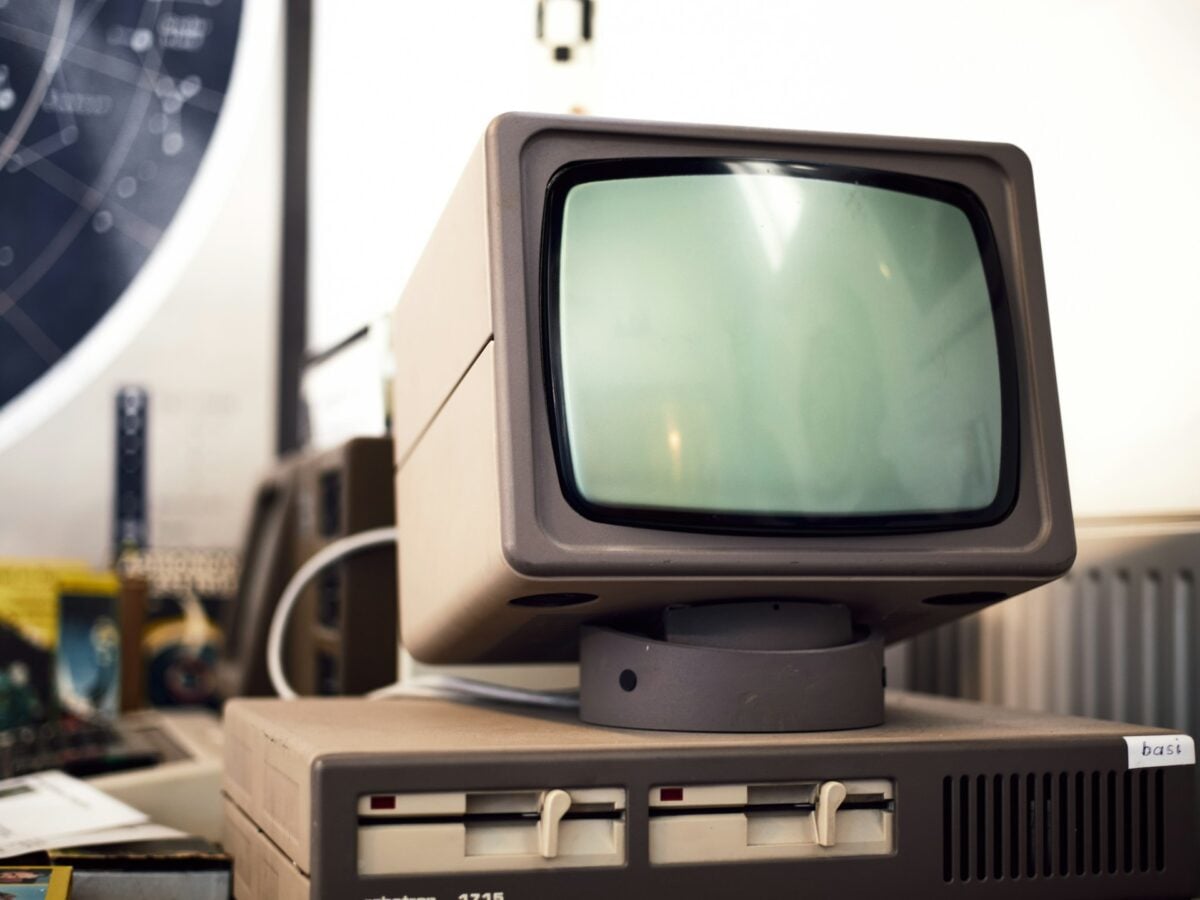
These phrases feel like artifacts from a different internet entirely — one that required more effort to access and more creativity to navigate. The language emerged organically from communities that had time to develop their own customs and conventions, before algorithms and corporate platforms standardized digital communication into emoji reactions and predetermined response options.
Some of this slang has evolved and survived, while other phrases remain locked in the specific technological and cultural moments that created them. But they all represent something valuable that’s worth remembering: the internet’s early capacity for linguistic playfulness, for creating new forms of expression that existed nowhere else and belonged to everyone who learned to speak them fluently.
More from Go2Tutors!

- The Romanov Crown Jewels and Their Tragic Fate
- 13 Historical Mysteries That Science Still Can’t Solve
- Famous Hoaxes That Fooled the World for Years
- 15 Child Stars with Tragic Adult Lives
- 16 Famous Jewelry Pieces in History
Like Go2Tutors’s content? Follow us on MSN.