Underground Towns Carved Into Caves
Humans have always needed shelter, but some communities took that need to an entirely different level by building their homes directly into rock faces and beneath the earth. These underground towns aren’t just simple caves with a few families huddled inside.
They’re complete communities with streets, churches, storage rooms, and even ventilation systems carved out of solid stone. Some housed thousands of people and protected entire populations from invaders, extreme weather, and religious persecution.
The engineering involved in creating these spaces without modern tools seems almost impossible. These underground communities exist all over the world, and many are still inhabited today.
Their stories reveal just how creative and determined people can be when survival depends on it.
Derinkuyu in Turkey
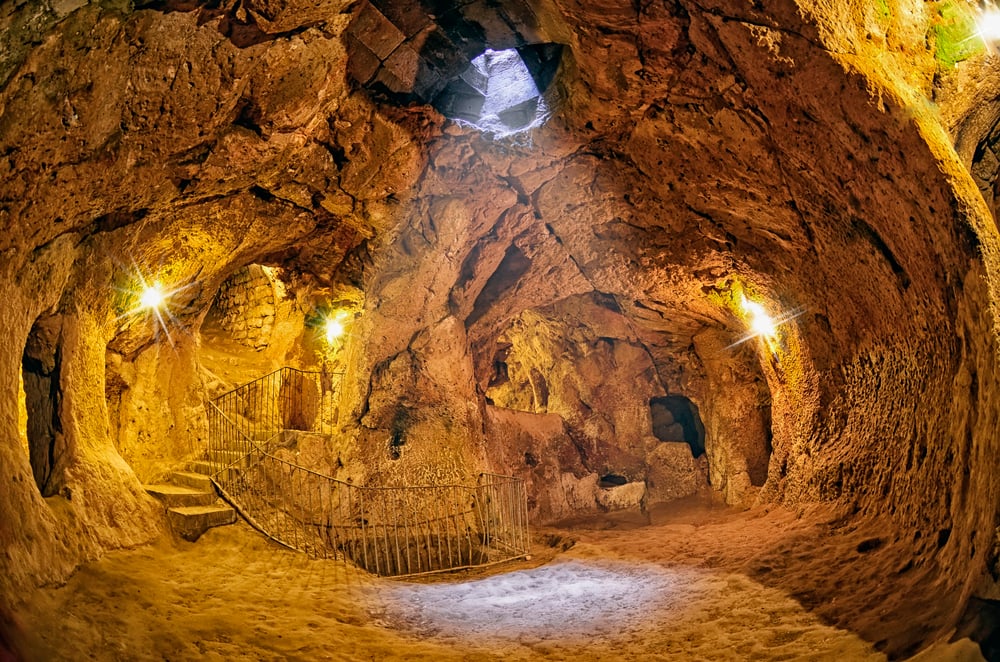
Derinkuyu stands as one of the largest underground cities ever discovered, dropping down approximately 280 feet beneath the surface of Cappadocia, Turkey. This massive complex could shelter up to 20,000 people along with their livestock and food supplies.
Ancient inhabitants carved 18 levels into the soft volcanic rock, creating a network of tunnels, living quarters, wine cellars, and even stables for animals. The city includes ventilation shafts that reach all the way to the surface, ensuring fresh air circulated through every level.
Archaeologists believe people started digging Derinkuyu around the 8th century BC, though it was expanded significantly by early Christians fleeing Roman persecution.
Coober Pedy in Australia

Coober Pedy earned its nickname as the ‘opal capital of the world’ because miners discovered vast opal deposits beneath the Australian outback. The town’s residents deal with summer temperatures that regularly exceed 100 degrees Fahrenheit, making life on the surface nearly unbearable.
Locals solved this problem by moving underground, where temperatures stay around 75 degrees year-round without any air conditioning. The town features underground homes, churches, hotels, and even a golf course where people play at night with glowing orbs because grass won’t grow in the desert.
About half of Coober Pedy’s 2,500 residents live in these ‘dugouts,’ which are surprisingly spacious and comfortable once you get past the idea of living in a cave.
Matmata in Tunisia
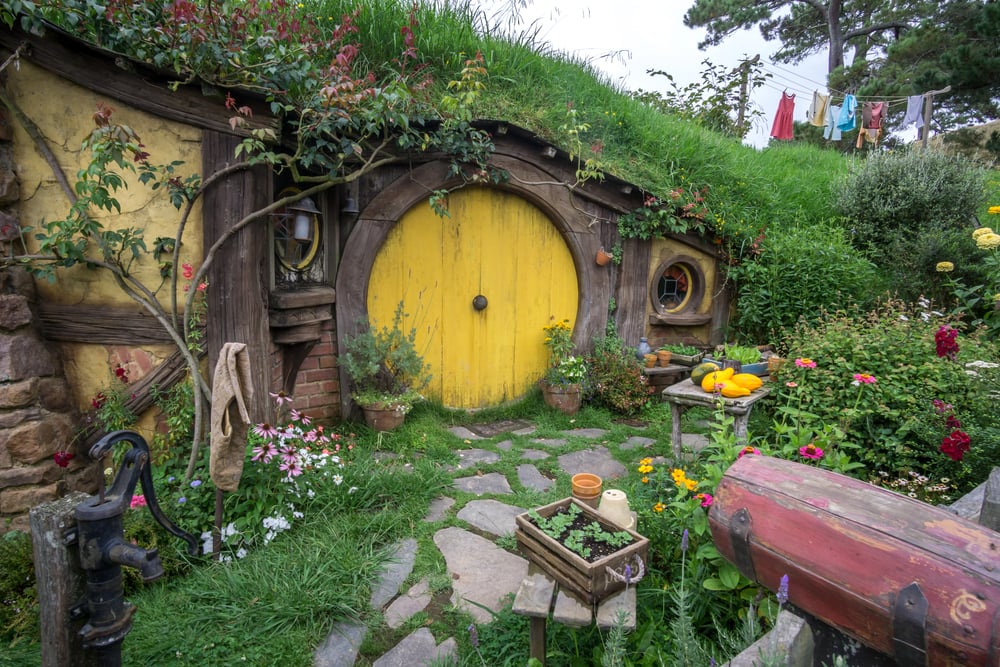
Matmata’s inhabitants dug crater-like pits into the ground and then carved rooms into the walls around these central courtyards. These troglodyte dwellings kept families cool during scorching desert days and warm during cold desert nights.
The Berber people who built these homes created interconnected spaces that function like apartment buildings, with multiple families sometimes sharing a single complex. George Lucas filmed parts of Star Wars in Matmata because the landscape looked alien enough to pass for the planet Tatooine.
The town gained international fame after the film’s release, and one former home now operates as a hotel where visitors can sleep in Luke Skywalker’s childhood bedroom.
Petra in Jordan
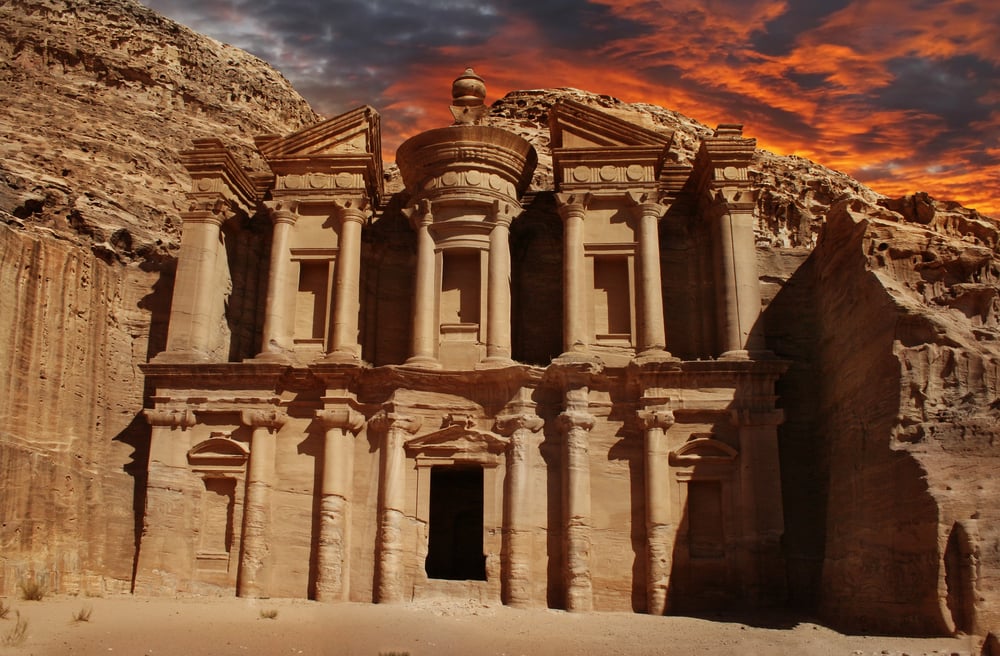
Petra combines natural caves with buildings carved directly into rose-colored sandstone cliffs. The Nabataeans established this city around the 6th century BC and turned it into a major trading hub that connected Arabia, Egypt, and the Mediterranean.
The famous Treasury building, with its elaborate facade carved into a cliff face, served as a tomb rather than a financial institution despite its name. Petra included an advanced water management system with dams, cisterns, and channels that brought water from springs miles away.
The city housed around 20,000 people at its peak before a combination of earthquakes and trade route changes led to its gradual abandonment.
Guadix in Spain

Guadix sits in southern Spain’s Granada province, where thousands of residents still live in whitewashed cave homes built into hillsides. These homes stay at comfortable temperatures throughout the year, with thick rock walls providing natural insulation against both summer heat and winter cold.
The cave district covers an entire hillside with chimney pipes poking up through the ground, marking where underground homes sit below. Many caves include modern amenities like electricity, running water, and internet connections alongside the ancient stone walls.
Locals have occupied these caves for over 500 years, with some families passing down the same cave dwelling through multiple generations.
Kandovan in Iran

Kandovan looks like a giant termite mound with cone-shaped homes carved into volcanic rock formations. Residents have lived in these caves for at least 700 years, with some accounts suggesting the settlement is even older.
The rock formations resulted from volcanic ash that hardened into soft stone called tuff, which people could carve relatively easily with basic tools. Many families still live in these troglodyte homes today, maintaining traditional lifestyles while also running small hotels for tourists.
The village sits at over 7,000 feet elevation in the mountains, where the rock homes provide shelter from harsh winters and extreme temperature swings.
Mesa Verde in Colorado
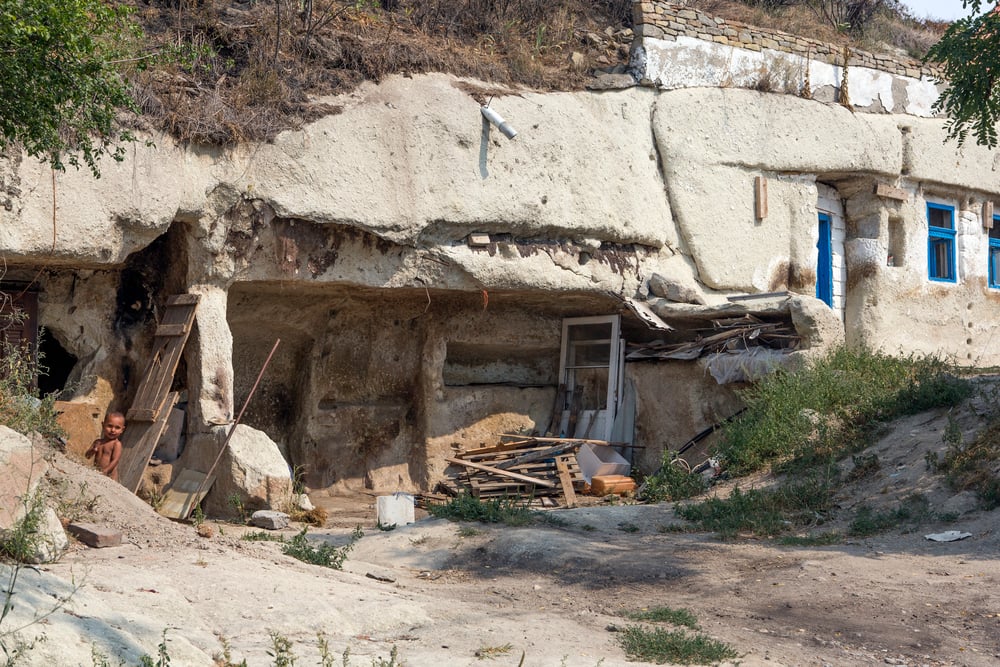
Mesa Verde preserves the cliff dwellings of the Ancestral Puebloans who built elaborate communities in shallow caves between the 6th and 13th centuries. Cliff Palace, the largest dwelling, contains about 150 rooms and could house roughly 100 people in a space tucked under a massive rock overhang.
The inhabitants built these structures using sandstone, wooden beams, and mortar, creating multi-story buildings that fit perfectly into the natural cave spaces. They accessed their homes using hand and toe holds carved into the cliff face, along with wooden ladders that could be pulled up for security.
The Ancestral Puebloans abandoned these dwellings around 1300 AD, likely due to a combination of drought, resource depletion, and social changes.
Guyaju in China
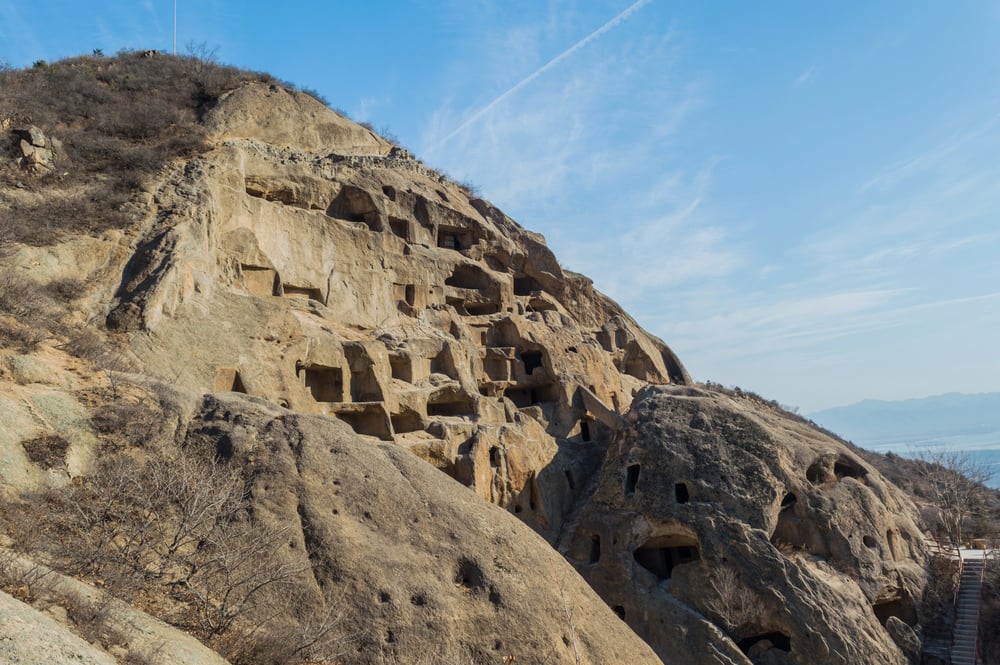
Guyaju, which translates to ‘cave houses,’ contains over 350 rooms carved into cliff faces about 55 miles northwest of Beijing. These caves date back roughly 1,500 years and show surprisingly sophisticated design with multiple levels connected by interior staircases carved directly into the rock.
Each cave dwelling includes separate areas for sleeping, cooking, and storage, along with windows that allowed light and air inside. The site sits at different elevations on the cliff face, creating a vertical village where upper and lower residences connected through exterior passages.
Nobody knows for certain which ancient group built Guyaju, though evidence suggests a nomadic tribe seeking protection from rival groups carved these elaborate homes.
Setenil de las Bodegas in Spain
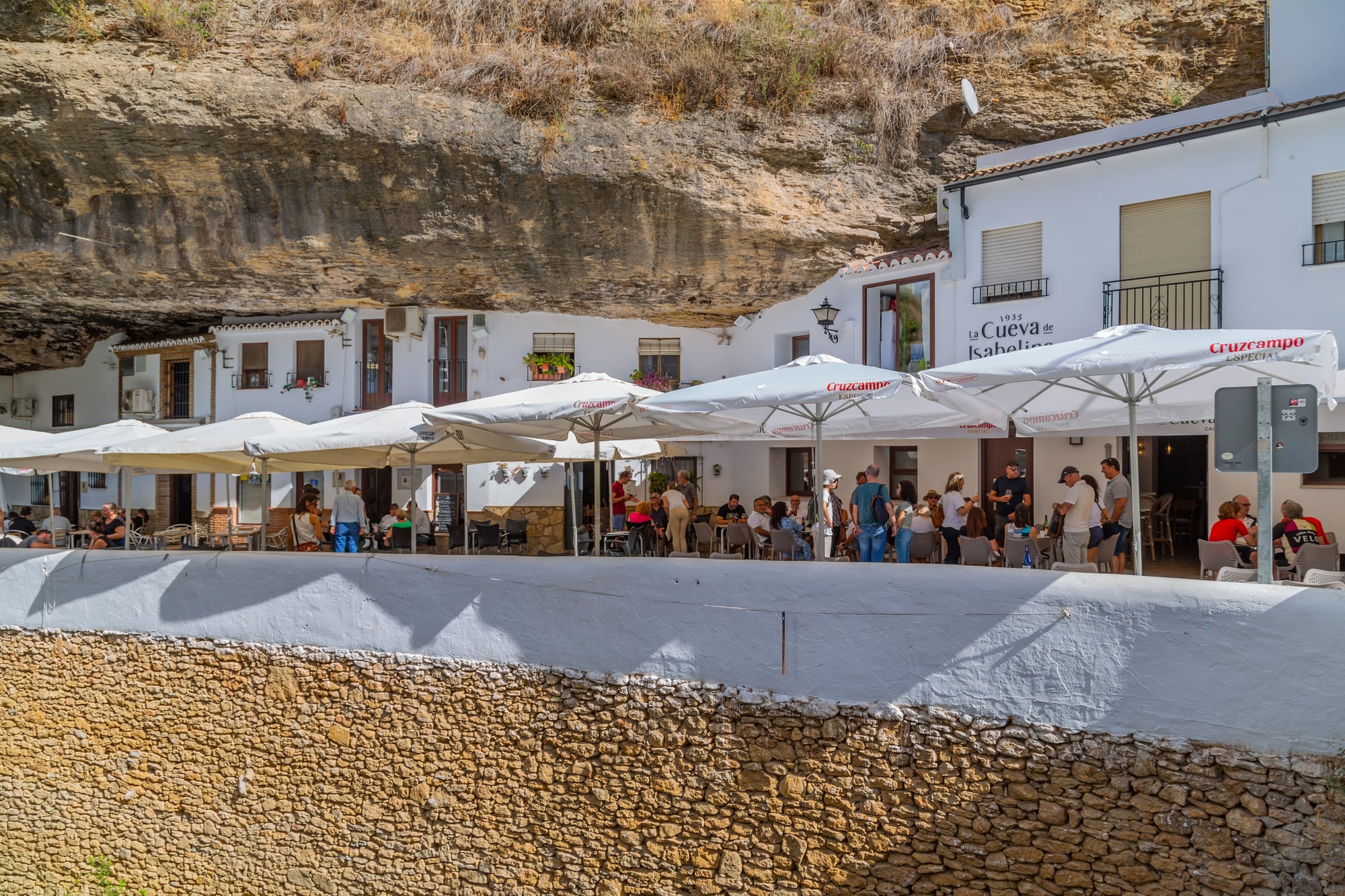
Setenil de las Bodegas takes a different approach to cave living by building houses that extend outward from rock overhangs rather than carving entirely underground. The town’s main streets run through gorges where massive rock formations create natural roofs over homes and businesses.
Residents simply built walls at the cave openings and used the rock ceiling as protection from weather, creating unique houses that are partly cave and partly traditional structure. The town’s name comes from the wine cellars that once filled many of these cave spaces, with ‘bodegas’ meaning wine cellars in Spanish.
About 3,000 people currently live in Setenil, with restaurants and bars taking advantage of the naturally cool cave spaces to serve customers under solid rock ceilings.
Ortahisar in Turkey

Ortahisar centers around a massive rock formation that rises 300 feet above the surrounding landscape, with the entire formation carved into living spaces, storage rooms, and defensive positions. The name means ‘middle castle’ because the town sits between two other castle towns in the Cappadocia region.
Residents carved spaces throughout this natural tower of volcanic rock, creating a vertical village that could house and protect hundreds of people. The rock formation includes passages, stairs, and rooms on multiple levels, though many sections have become too dangerous to enter as erosion takes its toll.
The town around the base continues to use cave homes carved into smaller rock formations scattered throughout the valley.
Lalibela in Ethiopia

Lalibela contains 11 churches carved entirely from solid rock, with each church excavated downward from ground level rather than built upward. Workers started at the surface and carved down, creating the roof first and then hollowing out the interior to form walls, columns, and decorative elements.
King Lalibela commissioned these churches in the 12th century, intending to create a ‘New Jerusalem’ for Ethiopian Christians who couldn’t make pilgrimages to the actual Jerusalem. The largest church, Biete Medhane Alem, measures 109 feet by 77 feet and stands 35 feet tall, all carved from a single piece of volcanic rock.
These churches remain active places of worship today, with priests and worshippers using the same spaces their ancestors carved 800 years ago.
Göreme in Turkey

Göreme’s entire town sits among ‘fairy chimneys,’ which are cone-shaped rock formations that people carved into homes, churches, and monasteries. The area became a refuge for early Christians who fled persecution and carved elaborate frescoes inside their rock churches.
Some of these carved spaces rise several stories tall inside single rock formations, with rooms stacked on top of each other connected by internal staircases. The town includes dozens of medieval churches with well-preserved Byzantine art still visible on the carved walls and ceilings.
Modern Göreme combines these ancient cave dwellings with contemporary hotels that offer guests the experience of sleeping in rooms carved from volcanic rock while enjoying modern comforts.
Uçhisar in Turkey
Uçhisar features the tallest rock formation in Cappadocia, rising about 200 feet above the town and carved full of rooms, passages, and tunnels. The rock castle served as a fortress and residential complex where people could retreat during attacks, with the elevated position providing views of approaching threats from miles away.
Residents carved dozens of rooms throughout the formation, creating a vertical village that housed multiple families in a natural skyscraper of stone. Many of the carved spaces now sit empty as modern residents prefer ground-level homes with standard construction, though the formation remains the town’s defining landmark.
Visitors can climb to the top through carved passages and stairs, though centuries of erosion have made some sections unstable and off-limits.
Bamiyan in Afghanistan

High up in Bamiyan, people long ago shaped countless rooms out of rock along a ridge nearly five kilometers long. Towering figures of the Buddha – once reaching 35 meters and 53 meters – caught global notice until they were lost in 2001.
Around where those images stood, small temples, sleeping spaces, and quiet spots for thought filled walls with bright painted scenes. Travelers following old trade trails found shelter among tunnels and halls chiseled by monks seeking stillness.
Though the big sculptures vanished, hollows in stone still tell of skilled lives lived there from the 200s to the 700s. What remains speaks without words.
Matera in Italy

Cliffs near southern Italy hold a place called Matera where people lived inside rock-cut spaces for nearly ten millennia. Hollowed by nature first, families later shaped these openings into layered living areas complete with storage spots, rainwater traps, and common yards between homes.
Over time, too many people crowded in, health risks grew, so officials moved around fifteen thousand out during the mid-20th century. Once empty, wind and dampness wore down the hollows until preservation work started decades later.
Renovations gave old chambers new roles – sleeping places for visitors, dining halls, exhibition rooms. Recognition followed, global status arrived through heritage listing, filmmakers noticed too, using cracked walls and dim passages to stand in for biblical times or secret spy missions.
Stone textures here speak without words, older than most cities still standing.
Home begins where soil takes root

When pushed, people find clever ways to live almost anywhere. Not dreams of cave life sparked these hidden settlements – heat, danger, or lack of resources did.
Without today’s tools, builders still managed air flow, water supply, even stacked rooms deep below ground. Now some welcome visitors, others stay lived-in, quietly holding daily lives beneath the surface.
Stone once shielding families from harm now holds echoes of effort, unity, how far care for loved ones can stretch. What lies under earth speaks louder than rooftops ever could.
More from Go2Tutors!

- The Romanov Crown Jewels and Their Tragic Fate
- 13 Historical Mysteries That Science Still Can’t Solve
- Famous Hoaxes That Fooled the World for Years
- 15 Child Stars with Tragic Adult Lives
- 16 Famous Jewelry Pieces in History
Like Go2Tutors’s content? Follow us on MSN.



