16 Fastest Cars on the Planet
The quest for automotive speed has reached incredible heights in recent years. Modern hypercars are pushing boundaries that seemed impossible just a decade ago, with some vehicles theoretically capable of breaking the 330 mph barrier.
These engineering marvels combine cutting-edge aerodynamics, mind-bending horsepower, and lightweight construction to achieve velocities that rival small aircraft. Here is a list of 16 fastest cars that represent the absolute pinnacle of automotive performance.
Koenigsegg Jesko Absolut
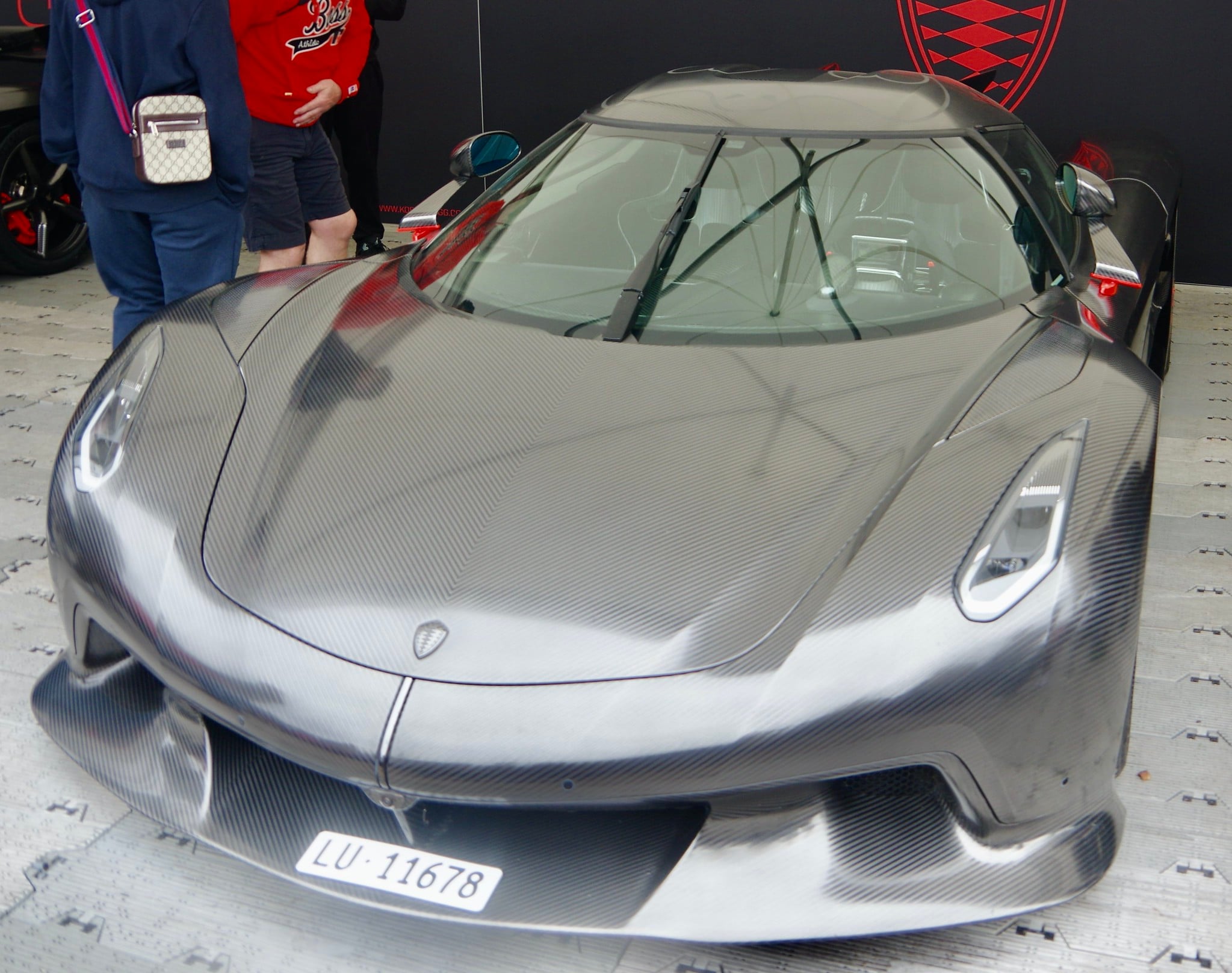
The Koenigsegg Jesko Absolut theoretically takes the crown as the world’s fastest car with a projected top speed of 330 mph. This Swedish hypercar removes all aerodynamic downforce elements in favor of pure speed optimization.
Its twin-turbocharged V8 engine produces 1,600 horsepower and can rocket from 0-60 mph in just 2.5 seconds.
Bugatti Chiron Super Sport 300+
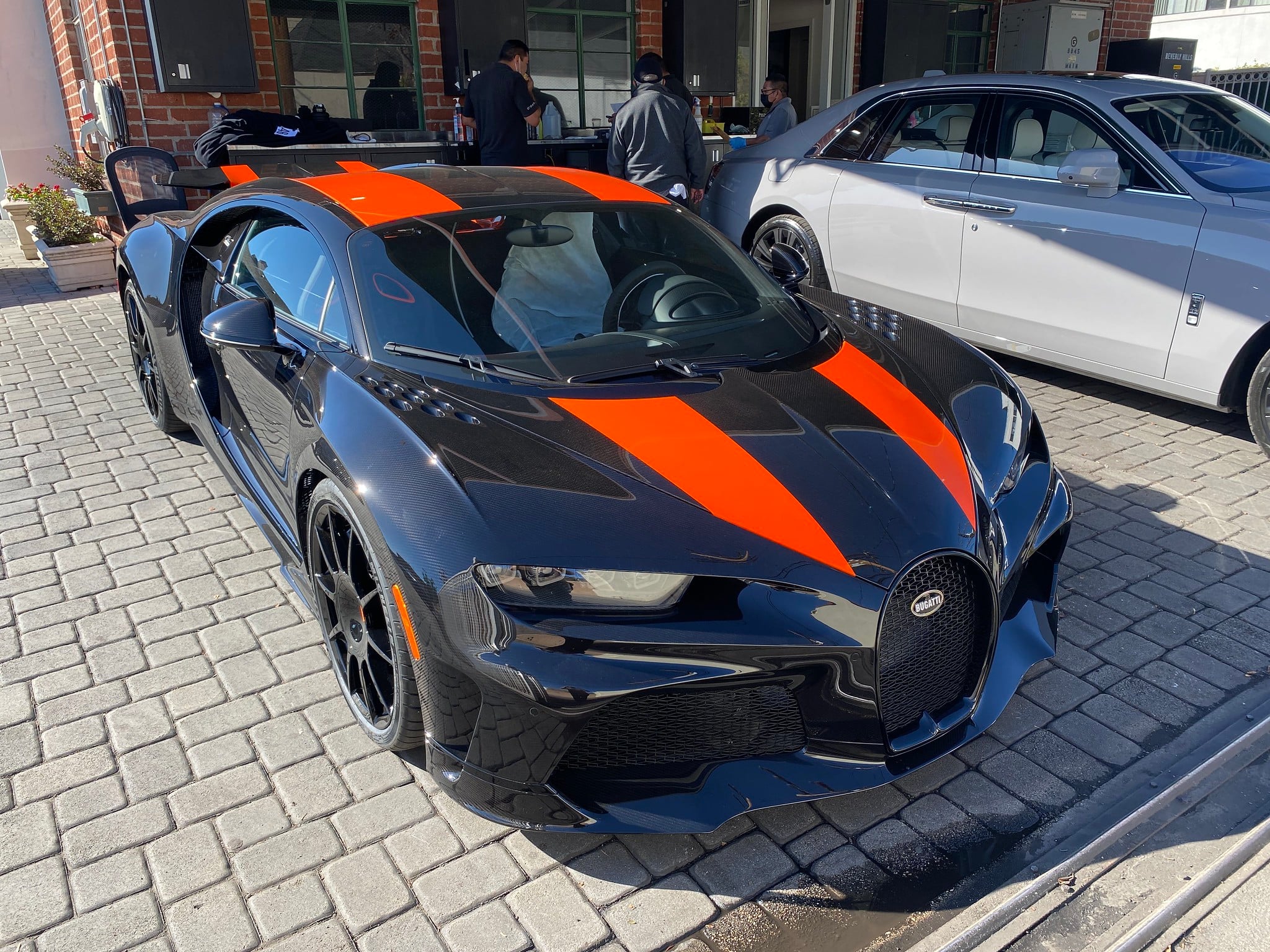
The Bugatti Chiron Super Sport 300+ holds the official record as the fastest production car ever tested, achieving 304.77 mph. This exclusive hypercar’s re-engineered 8.0-liter W16 engine now produces 1,600 horsepower.
Only 30 units were built, making it one of the rarest speed demons on Earth.
Like Go2Tutors’s content? Follow us on MSN.
Hennessey Venom F5
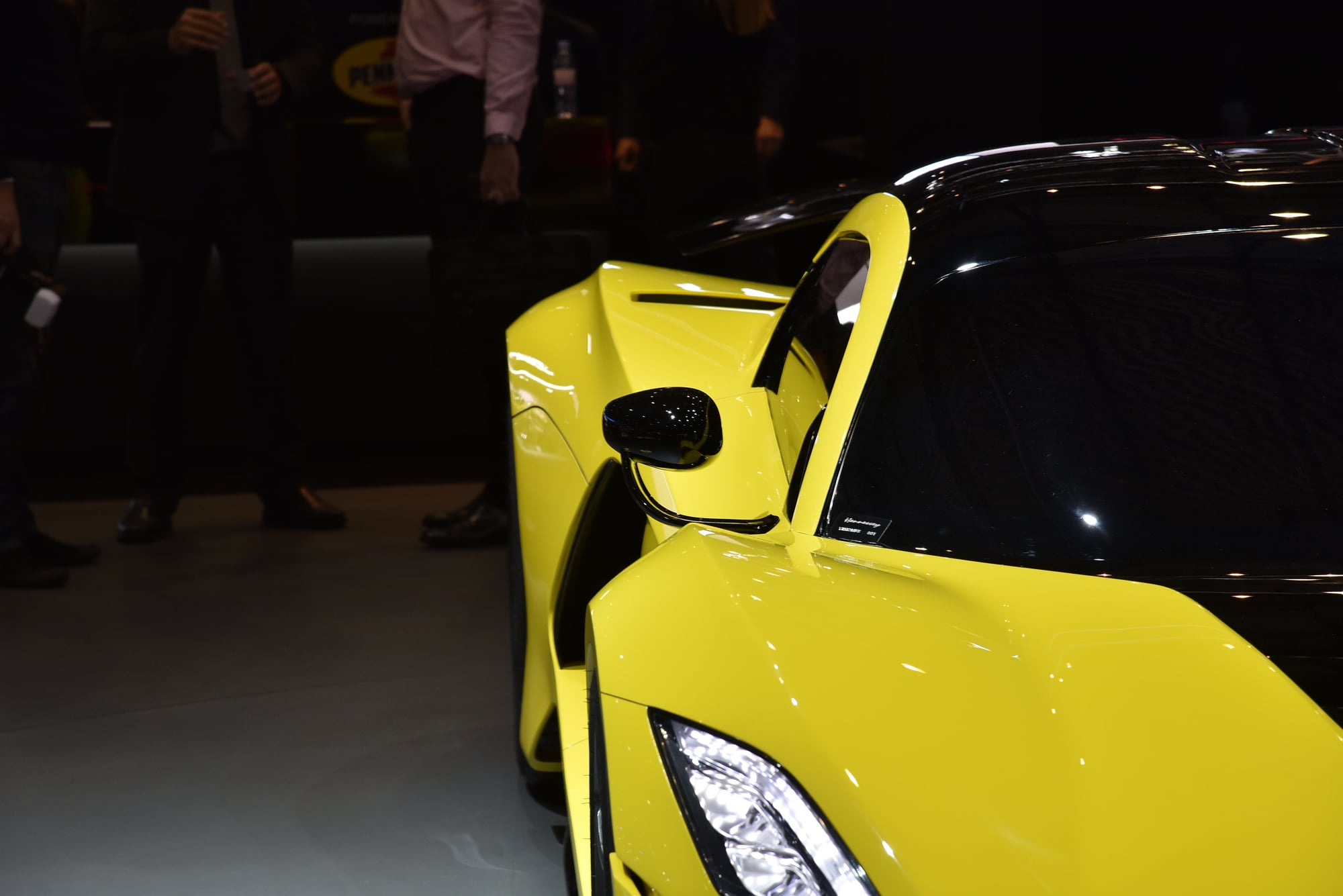
The Hennessey Venom F5 has already breached 271.6 mph during testing and continues pushing toward higher speeds. This American-built missile features a twin-turbo V8 that produces 1,817 horsepower.
The F5’s carbon fiber construction keeps weight to just 2,998 pounds, creating an incredible power-to-weight ratio.
SSC Tuatara
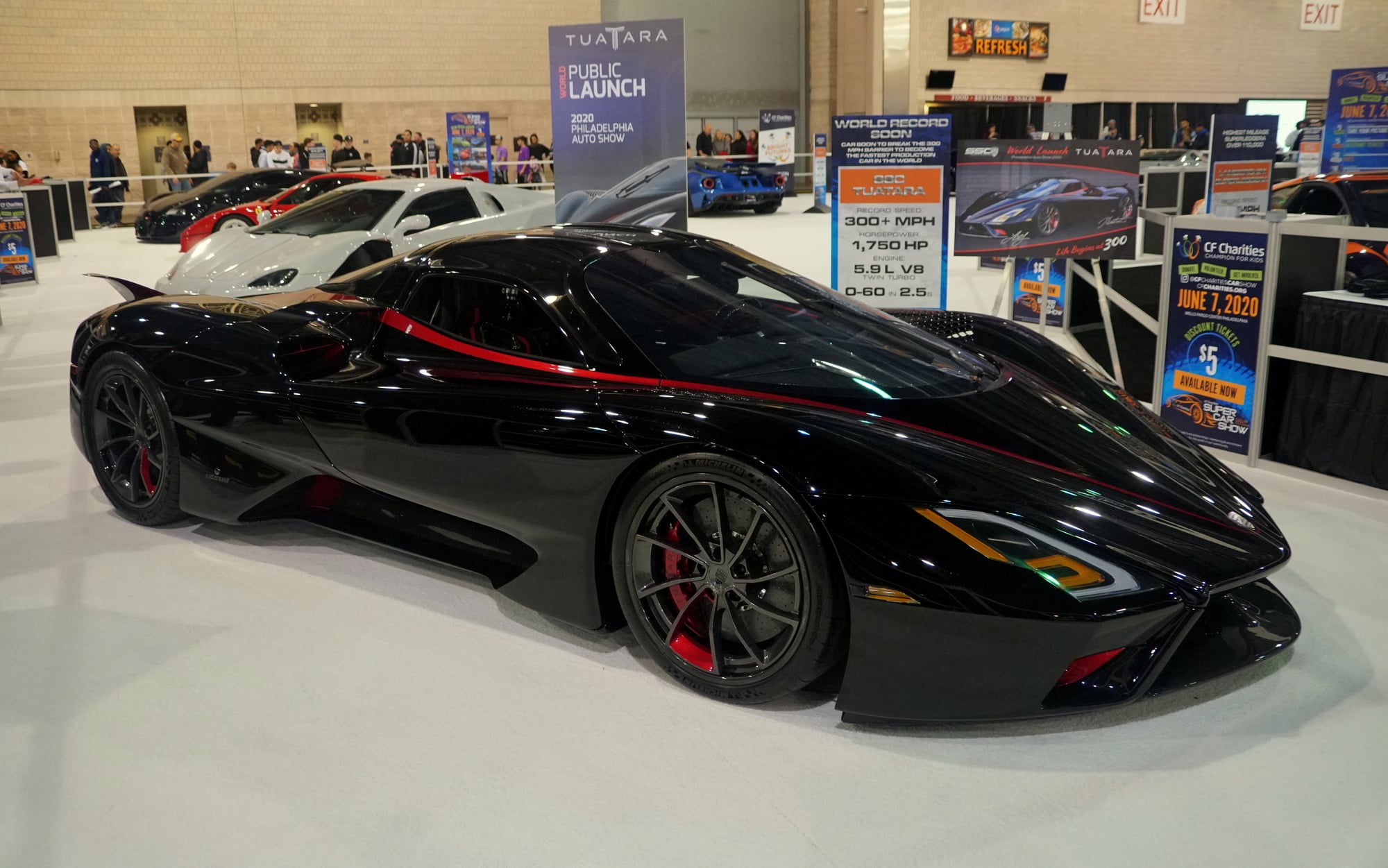
The SSC Tuatara briefly held speed records before verification issues arose, but it remains capable of extraordinary velocities. Its twin-turbo V8 produces up to 1,750 horsepower on race fuel.
The aerodynamic body was designed in wind tunnels to slice through air with minimal resistance.
McLaren Speedtail

The McLaren Speedtail is a hybrid hypercar with a top speed of 250 mph. This three-seater features a unique teardrop design that optimizes airflow from nose to tail.
The combination of a twin-turbo V8 and electric motors produces 1,035 horsepower in the most aerodynamically efficient McLaren ever built.
Like Go2Tutors’s content? Follow us on MSN.
Bugatti Veyron Super Sport

The Veyron Super Sport was the speed king before the Chiron arrived, reaching 267.8 mph in official testing. Its quad-turbo W16 engine produces 1,200 horsepower through sophisticated engineering.
This French masterpiece proved that extreme luxury and extreme speed could coexist in one package.
Rimac Nevera
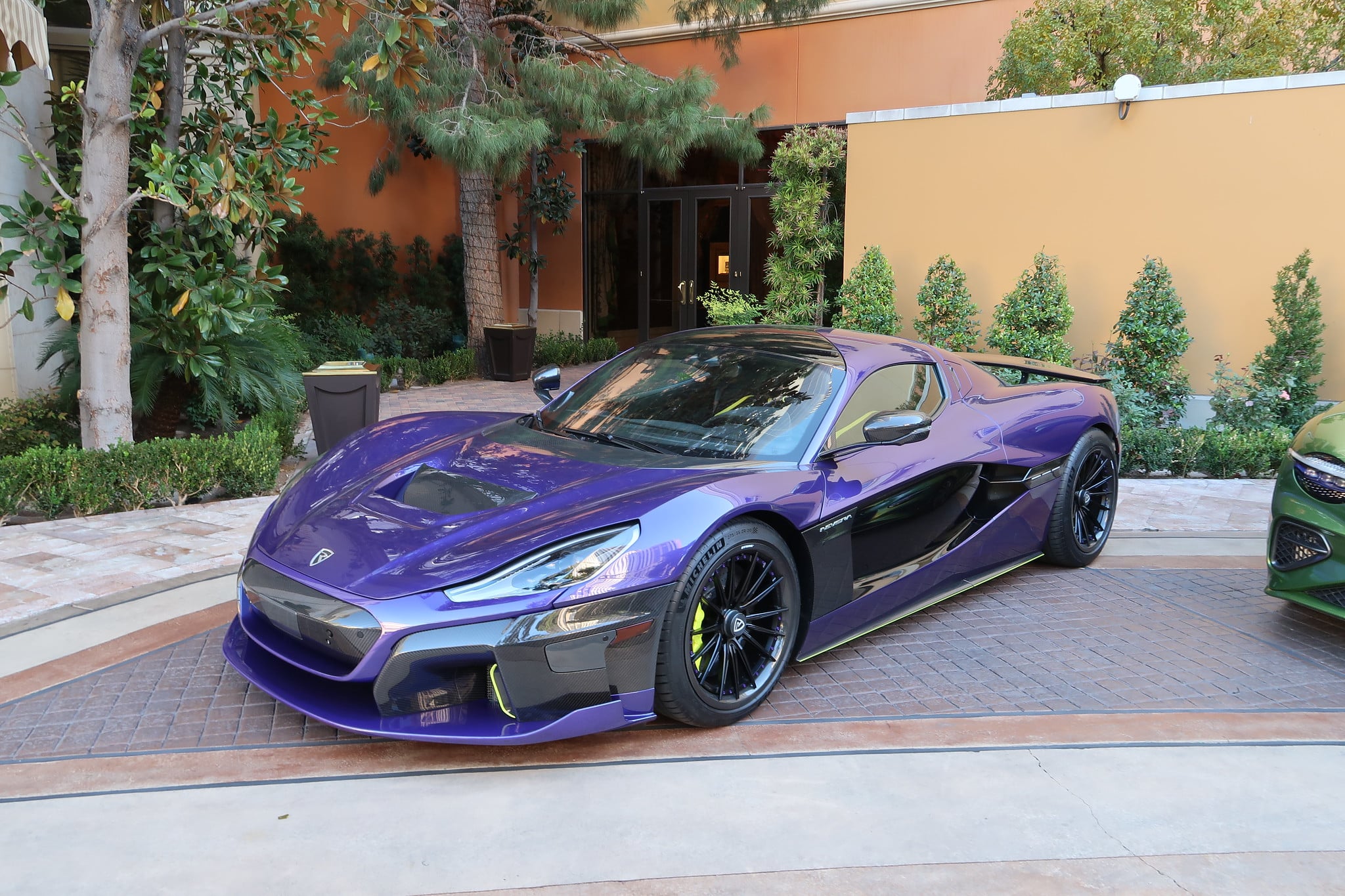
The Rimac Nevera is an all-electric hypercar that reaches 258 mph and accelerates from 0-60 mph in just 1.9 seconds. Four electric motors produce a combined 1,914 horsepower with instant torque delivery.
This Croatian creation shows that electric vehicles can compete with traditional combustion engines at the highest level.
Koenigsegg Agera RS

The Koenigsegg Agera RS set a 277 mph record in 2017 on a closed public road in Nevada. This Swedish speedster’s twin-turbo V8 produces up to 1,360 horsepower depending on fuel type.
Its carbon fiber construction and active aerodynamics helped establish Koenigsegg as a serious player in the hypercar world.
Like Go2Tutors’s content? Follow us on MSN.
Bugatti Mistral
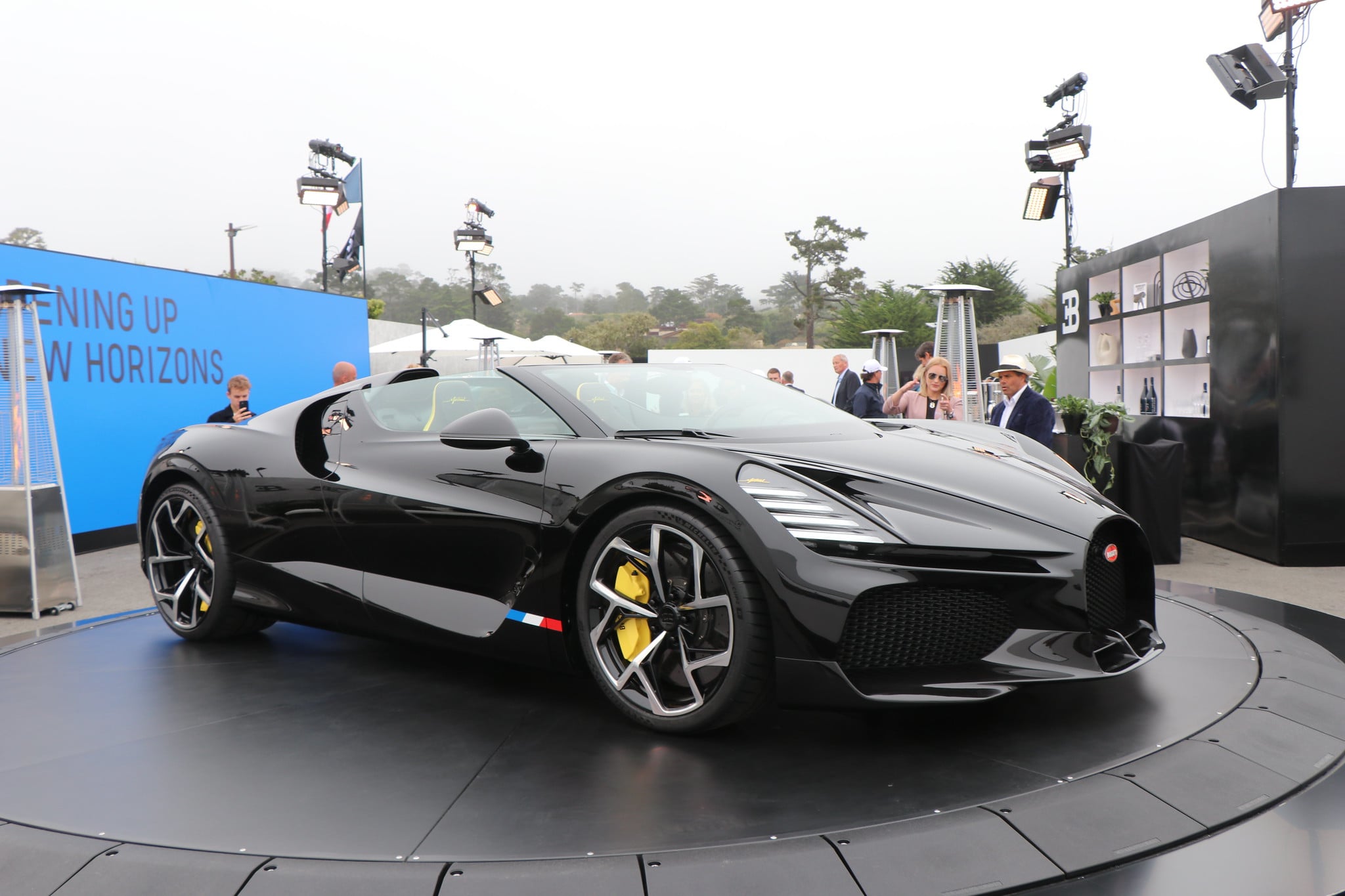
The Bugatti Mistral set a new world record for fastest open-top production car in November 2024, reaching 282 mph at the ATP Papenburg test track. This convertible hypercar maintains the W16 engine’s incredible power while removing the roof.
The engineering required to achieve such speeds without a fixed roof demonstrates Bugatti’s technical mastery.
Pagani Huayra BC
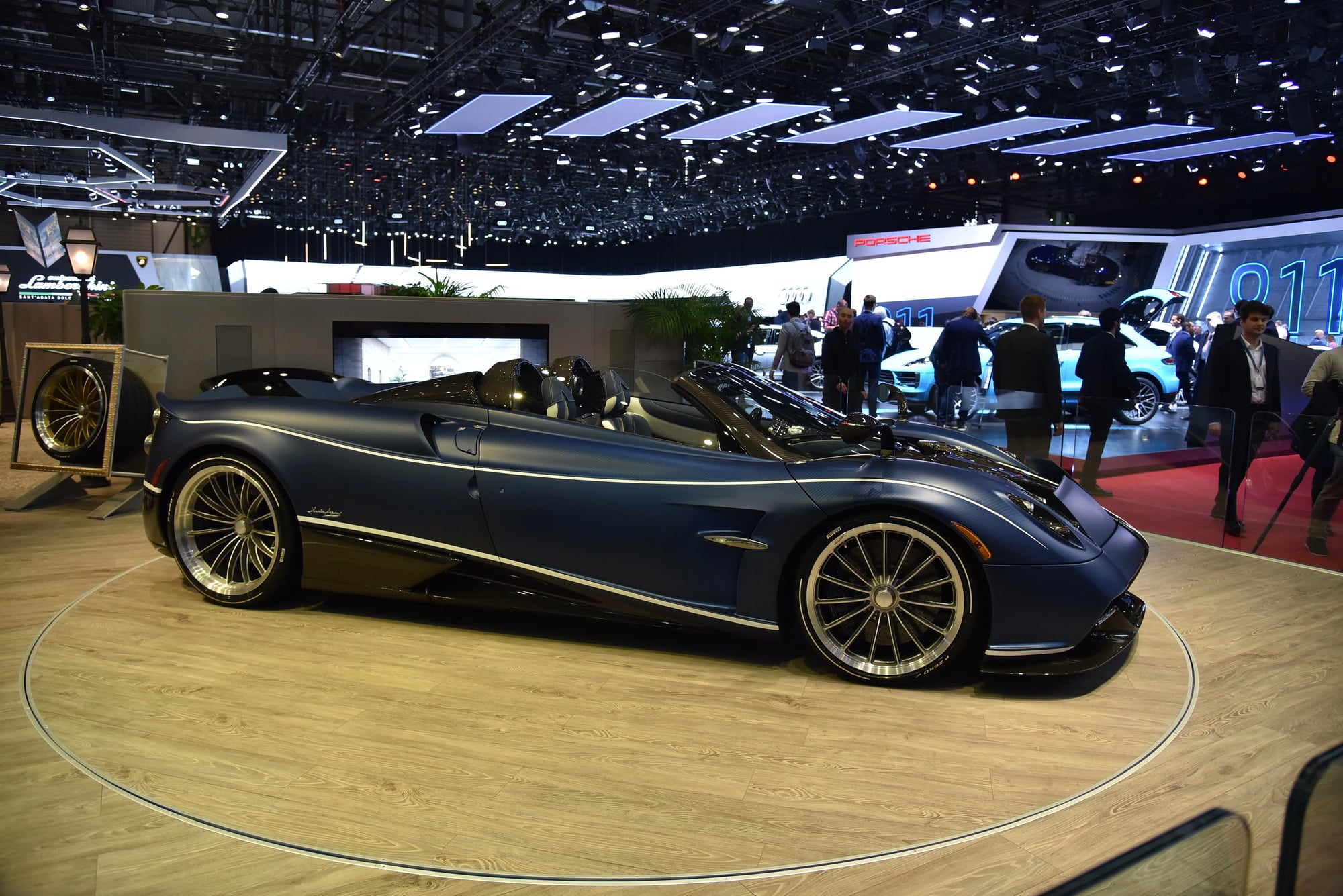
The Pagani Huayra BC reaches approximately 238 mph through its AMG-sourced twin-turbo V12 engine. This Italian artwork produces 791 horsepower while weighing just 2,685 pounds.
Every component is crafted with obsessive attention to detail, from the carbon-titanium weave body to the active aerodynamic elements.
Ferrari LaFerrari

Ferrari’s hybrid flagship reaches 217 mph through a naturally aspirated V12 paired with electric assistance. The combined output of 950 horsepower propels this Italian stallion with characteristic Ferrari emotion.
Limited to just 499 examples, the LaFerrari represents the pinnacle of Maranello engineering.
Like Go2Tutors’s content? Follow us on MSN.
Lamborghini Revuelto

The newest Lamborghini flagship combines a naturally aspirated V12 with three electric motors for over 1,000 horsepower. This Italian bull reaches 217 mph while maintaining Lamborghini’s distinctive angular styling.
The Revuelto marks a new era for the brand while preserving its dramatic character.
McLaren F1
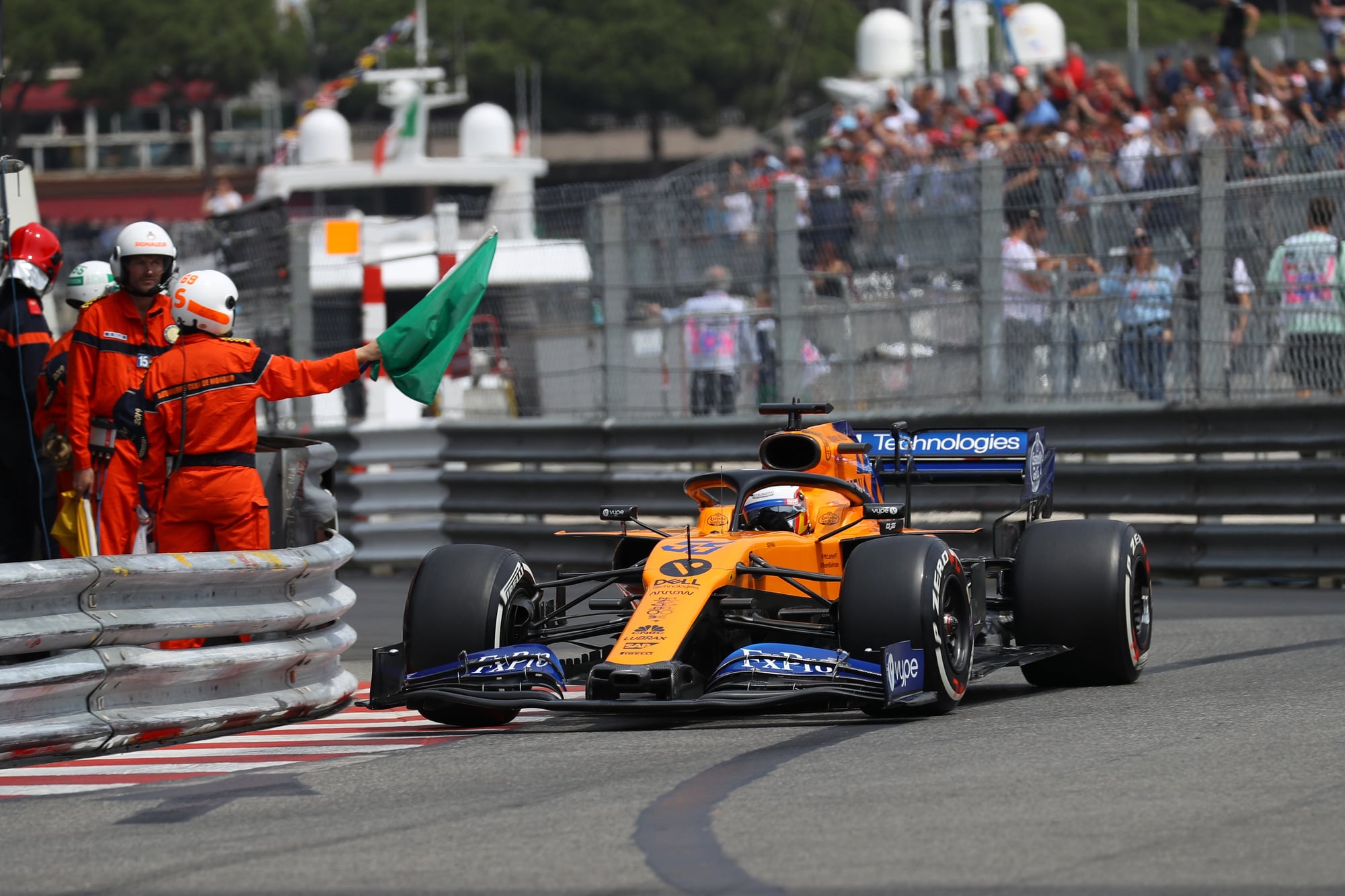
The iconic three-seater McLaren F1 was revolutionary when built in 1993 as the first carbon-fiber-bodied production car. Its naturally aspirated BMW V12 produces 627 horsepower and achieved 240 mph in testing.
This British legend established the template for modern supercars with its central driving position and uncompromising engineering.
Porsche 918 Spyder

The Porsche 918 Spyder reaches 214 mph through its hybrid powertrain combining a naturally aspirated V8 with electric motors. Total system output reaches 887 horsepower while maintaining Porsche’s renowned handling characteristics.
This German engineering marvel proved that hybrid technology could enhance rather than compromise performance.
Like Go2Tutors’s content? Follow us on MSN.
Koenigsegg CCR

During its production run, the CCR achieved 242 mph, making it an early member of the 200+ mph club. Its lightweight carbon fiber chassis houses a supercharged V8 engine that generates 806 horsepower.
This Swedish trailblazer contributed to Koenigsegg’s standing as a manufacturer of some of the most extreme automobiles in the world.
Aston Martin Valkyrie

The naturally aspirated V12 engine of the Aston Martin Valkyrie, created in collaboration with Cosworth, can reach speeds of about 250 mph. This British-made track weapon weighs only 2,271 pounds and generates 1,160 horsepower.
A road-legal race car experience is produced by the aerodynamics and construction techniques inspired by Formula 1.
When physics meets passion

The pursuit of ultimate speed continues pushing automotive engineering to new frontiers, with manufacturers constantly seeking that extra mile per hour advantage. These machines represent more than just transportation—they embody humanity’s relentless drive to go faster, push harder, and achieve the seemingly impossible.
While cars capable of over 250 mph cost multiple millions and require seriously bespoke engineering, they showcase what’s possible when physics meets passionate innovation. The next chapter in this high-speed story is already being written in design studios and testing facilities around the world.
Like Go2Tutors’s content? Follow us on MSN.
More from Go2Tutors!

- 18 Unexpectedly Valuable Collectibles You Might Have Lying Around
- 20 Little-Known Historical Battles That Had Huge Consequences
- 20 Historical Artifacts That Scientists Can’t Explain
- 15 Inventions That Were Immediately Banned After Being Created
- 20 Actors Who Were Almost Cast in Iconic Roles
Like Go2Tutors’s content? Follow us on MSN.