Strange But True Holiday Myths From History
Holiday traditions carry stories that sound too weird to be real. Some tales get passed down through generations until nobody remembers where they started or why anyone believed them in the first place.
The truth behind many holiday customs turns out to be stranger than the myths themselves. History has a way of mixing facts with fiction until separating them becomes nearly impossible.
These stories come from actual historical records, not made-up legends. Each one reveals something odd about how people celebrated holidays in the past.
Coca-Cola didn’t invent the modern Santa Claus

Most people think Coca-Cola created the red-suited, jolly Santa everyone knows today, but that’s not accurate. The modern image of Santa actually came from political cartoonist Thomas Nast in the 1860s and 1870s.
He drew Santa for Harper’s Weekly with a red suit, white beard, and round belly decades before Coca-Cola used the character. Coca-Cola did popularize this version starting in the 1930s through Haddon Sundblom’s paintings, which helped spread the image worldwide.
The company’s marketing was so effective that it convinced millions they invented Santa’s look, creating one of advertising’s most successful myths.
Christmas was illegal in parts of America
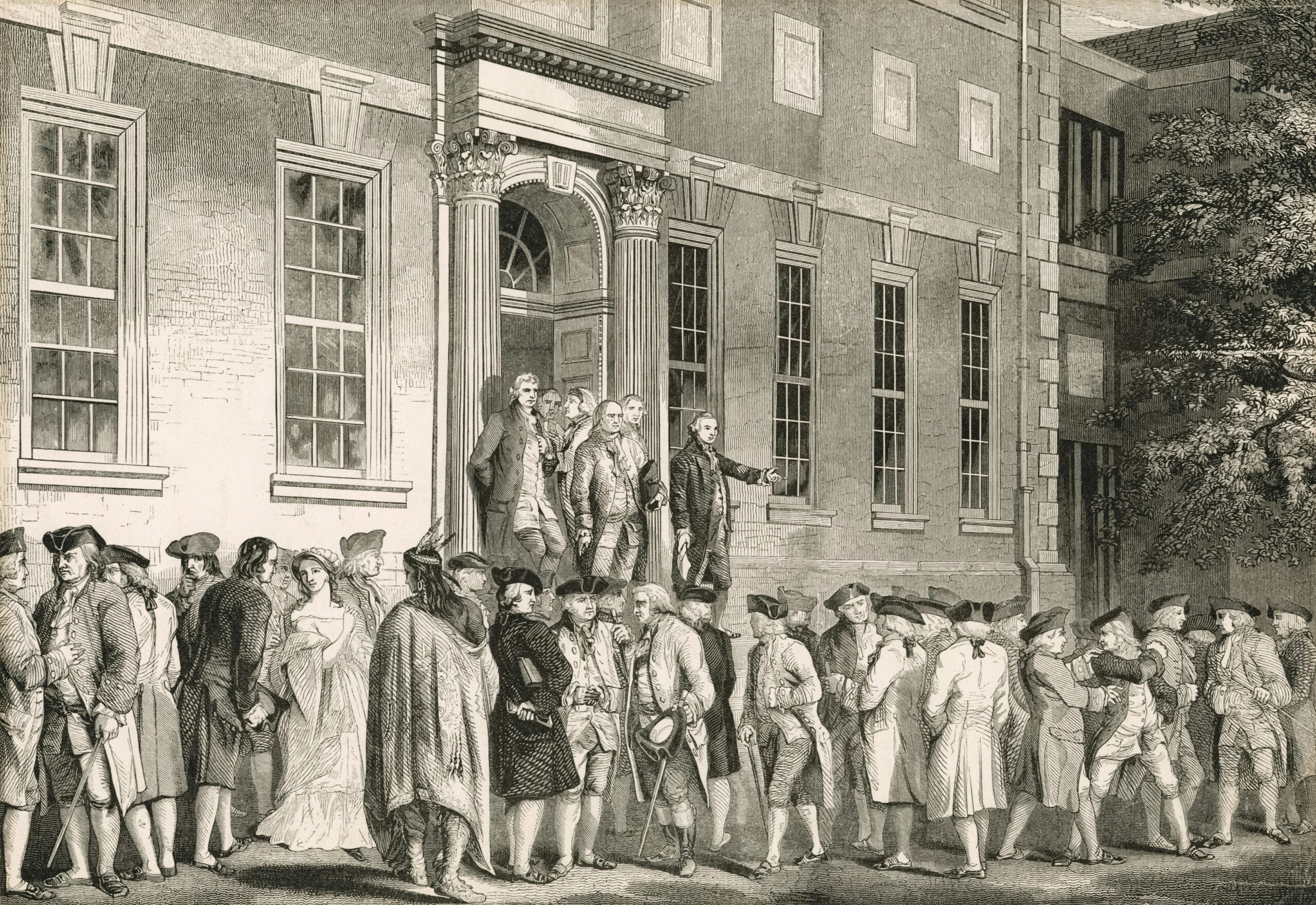
The Puritans in Massachusetts actually banned Christmas celebrations from 1659 to 1681. Anyone caught celebrating faced a fine of five shillings, a decent amount of money back then.
The Puritans considered Christmas celebrations too similar to pagan festivals and thought the day encouraged bad behavior. They preferred quiet reflection over festive parties.
Boston didn’t make Christmas an official holiday until 1856, long after most other places embraced the celebration.
People used to hide pickles on Christmas trees

The Christmas pickle tradition supposedly came from Germany, but Germans themselves have no idea where this custom originated. According to the story, families hide a pickle ornament on the tree, and whoever finds it first gets an extra present or good luck for the year.
When researchers asked people in Germany about this tradition, most had never heard of it. The myth likely started in America during the late 1800s when glass ornament sellers marketed pickle decorations as a German tradition to boost sales.
Woolworth’s stores may have invented the whole backstory to sell more ornaments.
Jingle Bells was written for Thanksgiving
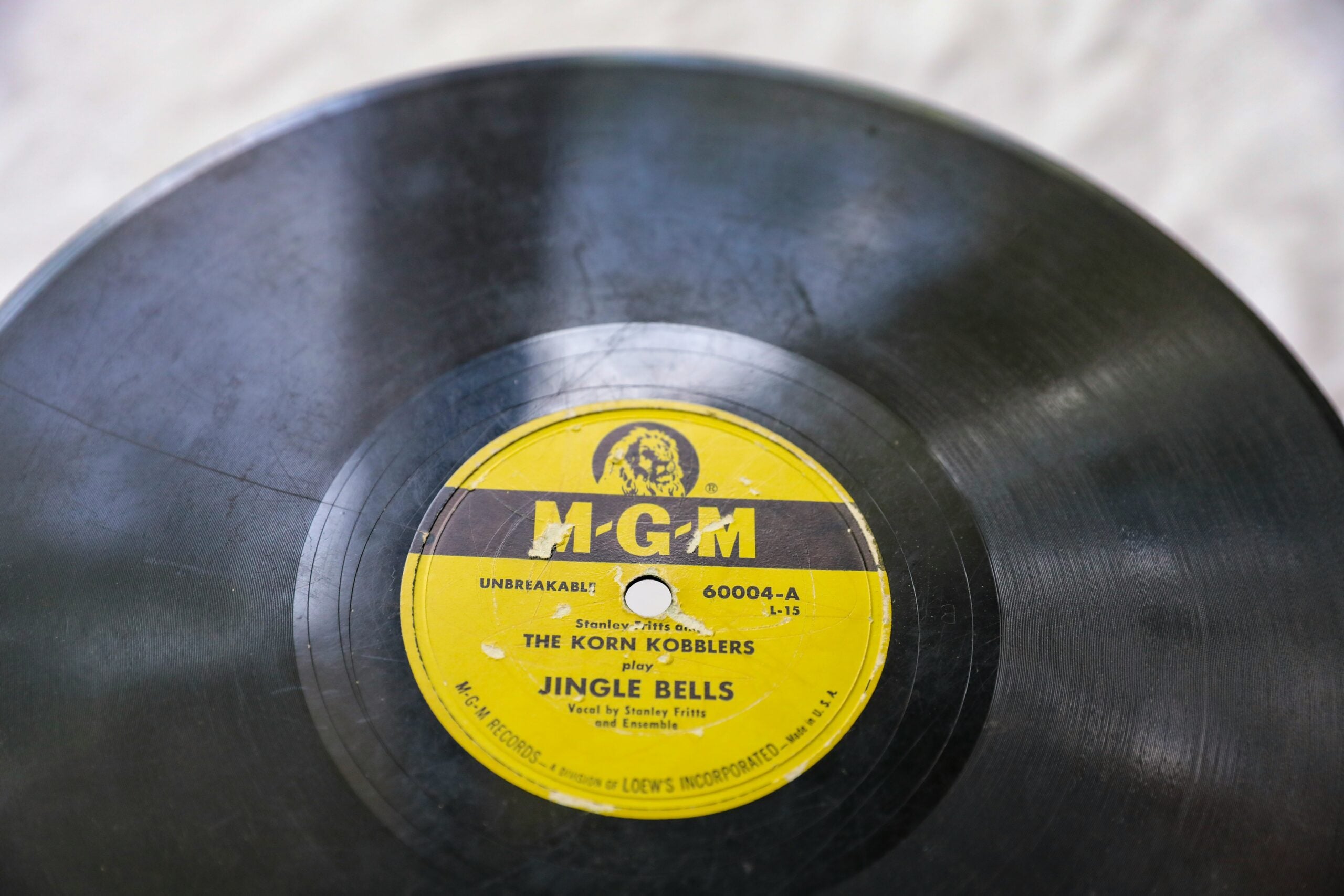
James Lord Pierpont composed ‘Jingle Bells’ in 1857, but he wrote it for Thanksgiving, not Christmas. The original title was ‘One Horse Open Sleigh,’ and Pierpont intended it as a Thanksgiving song for his Sunday school class.
The song became so popular that people started singing it during Christmas season too. Over time, everyone forgot about the Thanksgiving connection.
Now it’s one of the most recognized Christmas songs in the world, even though it never mentions Christmas at all.
Rudolph started as a department store promotion

Montgomery Ward created Rudolph the Red-Nosed Reindeer in 1939 as a marketing gimmick to get customers into their stores. Copywriter Robert L. May wrote the story as a free coloring book giveaway.
Montgomery Ward distributed millions of copies, and the character caught on fast. May’s brother-in-law, Johnny Marks, turned the story into a song in 1949, and Gene Autry’s recording became a massive hit.
What began as a way to sell department store items turned into one of Christmas’s most beloved characters.
Ancient Romans gave each other gifts during Saturnalia
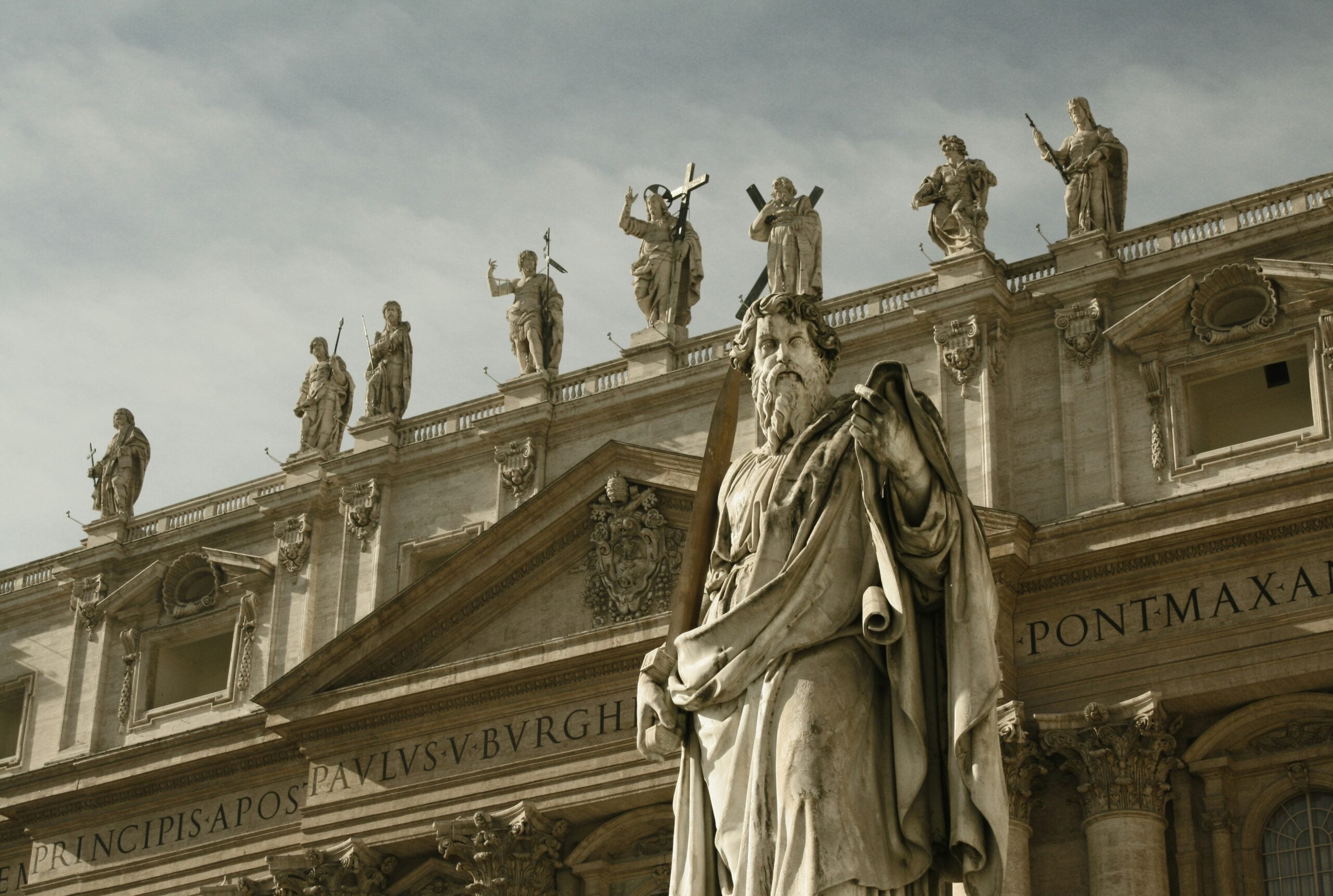
The Roman festival of Saturnalia happened in December and involved gift-giving traditions that sound familiar today. Romans exchanged small presents like candles, figurines, and even gag gifts during this week-long celebration.
Slaves got temporary freedom to say whatever they wanted to their masters. The festival honored Saturn, the god of agriculture, and involved feasting, gambling, and general rule-breaking.
Early Christians adapted many Saturnalia customs when establishing Christmas traditions, though they won’t admit how much they borrowed.
Mistletoe was considered a powerful plant by druids

Ancient Celtic druids believed mistletoe had powers to heal illness and protect against evil. They cut mistletoe from oak trees using golden sickles during special ceremonies.
The plant’s ability to stay green during winter while growing on dead-looking trees made people think it was special. Druids used mistletoe in fertility rituals, which is probably where the kissing tradition started.
The custom of kissing under mistletoe became popular in England during the 1700s, linking back to those old beliefs about the plant’s supposed powers.
Candy canes were shaped to teach religious lessons

The story goes that a choirmaster in Germany created candy canes in the 1600s to keep children quiet during long church services. He supposedly bent the candy into a shepherd’s crook shape to remind kids about the shepherds who visited baby Jesus.
The white color represented purity, and the peppermint flavor symbolized hyssop, a plant mentioned in the Bible. However, no solid historical evidence supports this charming tale.
Candy canes probably evolved from straight white sugar sticks that European candy makers produced, and someone added the hook later for practical reasons like hanging them on trees.
Fruitcake was illegal to make during Prohibition

American fruitcakes traditionally contained rum or brandy, which became a problem during Prohibition from 1920 to 1933. Home bakers couldn’t legally add alcohol to their fruitcakes, though many did anyway.
Commercial bakeries developed alcohol-free versions, but they didn’t taste as good or last as long. The alcohol actually preserved the cake and improved the flavor over time.
This ban contributed to fruitcake’s bad reputation in America, as the dry, alcohol-free versions people ate during this period were genuinely terrible.
Santa’s reindeer were originally just one

Clement Clarke Moore’s 1823 poem ‘A Visit from St. Nicholas’ introduced Santa’s reindeer to the world, but earlier versions of Santa traveled differently. Some stories had him riding a white horse, while others showed him walking.
Moore invented the eight reindeer names that everyone knows, though he nearly called Donner and Blitzen by different names. The poem established the flying reindeer tradition that became standard in Santa mythology.
Before this poem, Saint Nicholas arrived through various magical methods depending on which country told the story.
Christmas cards started as a way to show off
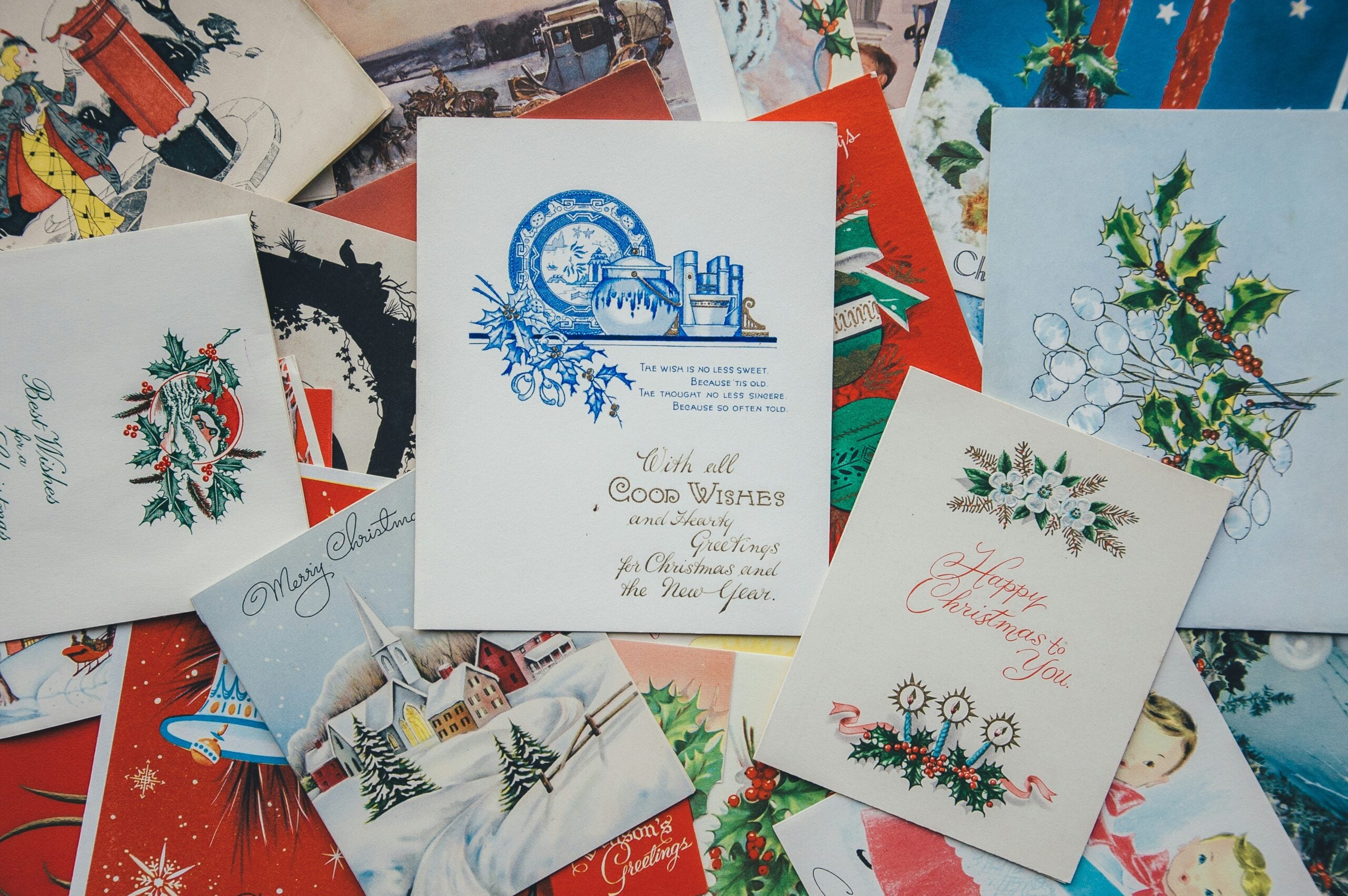
Sir Henry Cole commissioned the first commercial Christmas card in 1843 because he was too busy to write personal letters. The card featured a family drinking wine together, which upset some religious groups who thought it promoted drinking.
Cole printed 1,000 copies and sold them for a shilling each, which was expensive for most people. Only the wealthy could afford to send Christmas cards at first, making them a status symbol.
The practice didn’t become common for average families until printing costs dropped decades later.
Yule logs were burned to protect against evil
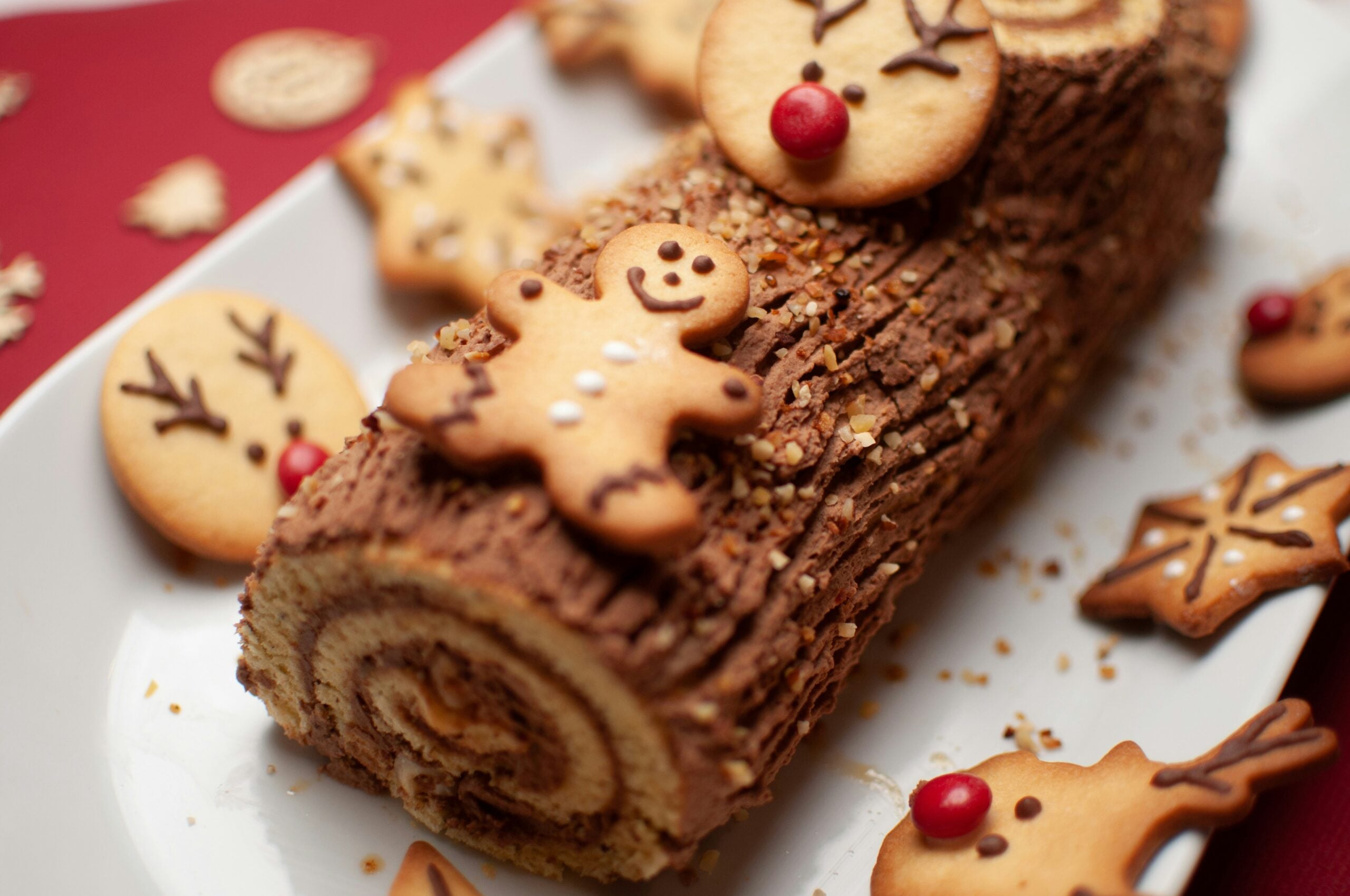
The tradition of burning a yule log came from pre-Christian winter festivals across Europe. Families carefully selected a large log and brought it inside to burn throughout the 12 days of Christmas.
People believed the log’s ashes had protective powers against lightning and evil spirits. They saved some ashes to start next year’s log and scattered others around their property for protection.
The log had to burn continuously or bad luck would follow, so someone always stayed awake to tend it. Modern yule log cakes shaped like wood stumps reference this old custom.
Boxing Day has nothing to do with the sport

Boxing Day on December 26 confused many people about its origins. The day got its name from the tradition of giving boxes of gifts or money to servants and tradespeople.
Wealthy families packed boxes with leftover food, old clothes, and sometimes cash for their staff. Churches also opened their alms boxes on this day and distributed the contents to poor people.
The tradition started in Britain and spread throughout the British Empire. Some people think it refers to returning unwanted Christmas gifts in boxes, but that’s a modern myth.
Poinsettias became Christmas plants through a diplomat

Joel Roberts Poinsett, the first U.S. ambassador to Mexico, brought poinsettia plants back to America in the 1820s. The plants grew wild in Mexico, where they were called ‘flores de noche buena’ or ‘flowers of the holy night.’
Aztecs used the plants in ceremonies and made red dye from the leaves. Poinsett cultivated the plants in his South Carolina greenhouse and gave them to botanical gardens.
The plants bloom naturally in December, which made them perfect for Christmas decorating. They got named ‘poinsettias’ after the diplomat who introduced them to the United States.
Christmas trees were once hung upside down

Up near the rafters, medieval Europeans would suspend Christmas trees by their tips. Seen most often in Central Europe around the 1100s, this custom had a quiet purpose.
With its peak aimed at the sky, folks thought it reached toward divine realms. Hanging it high freed up room below, useful where space ran tight.
Out of reach meant safer from curious hands and paws alike. Into the 1800s, certain villages across Eastern Europe still held on to this custom.
From time to time, today’s stores hang Christmas trees upside down – calling it traditional – all while saving floor space.
Christmas cheer turned messy one winter night

Whiskey hidden in eggnog set off trouble at West Point. That was back in 1825, during a forbidden holiday gathering.
Cadets had paid someone outside to bring in bottles. Alcohol wasn’t allowed there, yet they found ways anyway.
Noise grew loud once drinking took hold. Officers arrived to shut it down – things went sideways fast.
Shouts turned into shoving, then full clashes. Glass littered hallways after panes shattered.
Chairs and tables didn’t survive either. Chaos held strong until morning light showed what remained.
A few dozen cadets ended up in military court, yet penalties were usually small. A young man named Jefferson Davis took part – he later led the Confederacy – but escaped harsh outcomes.
Not many realize it, yet Kwanzaa began just a short while ago
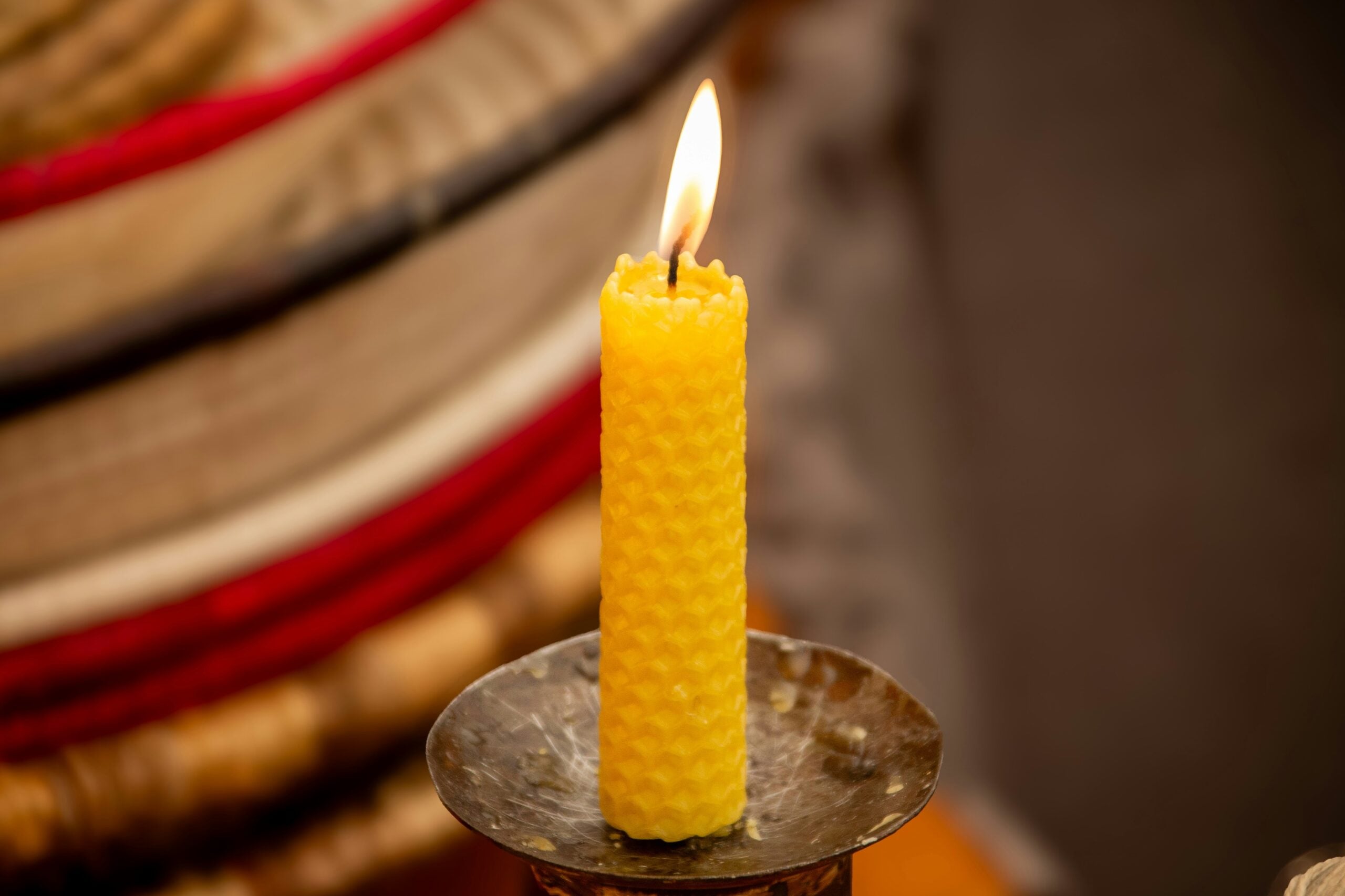
Back in 1966, Dr. Maulana Karenga came up with Kwanzaa – yes, it’s newer than some folks still walking around. His aim? A moment each year where African Americans could honor their roots without borrowing from elsewhere.
Drawing pieces from different African traditions tied to gathering crops, the celebration stretches across one week every winter. One day at a time, people explore different values – unity comes first, then choices grow from there.
The word itself traces back to a saying in Swahili about fresh harvests. Not old by tradition, yet it’s found deep roots across many homes.
What began recently now marks December with steady presence.
Hanukkah wasn’t always a major holiday

Back in the day, Hanukkah didn’t stand out much among Jewish festivals. By the late 1800s, things began shifting in the U.S., where Jewish communities sought a place during winter festivities.
This change came as families looked to balance life alongside December traditions. The event itself reaches back to an ancient moment – around 165 BCE – when the Second Temple in Jerusalem was reclaimed and relit.
While once overshadowed by major observances such as Passover or Yom Kippur, its role grew quietly over time. In homes across America, parents started giving it more weight, helping kids feel included when lights went up elsewhere.
Gifts handed out across eight evenings caught on during the 1900s, shaped by how Christmas presents were exchanged. Though now some think Hanukkah has long been central, its spotlight grew only lately.
When traditions become truth

Facts often lose to cozy tales when December rolls around. Over seasons, odd legends grow roots while original reasons fade like old photographs.
Big companies, faith circles, even entire nations quietly mold festivities into something that feels timeless – though it might be decades new. What once was ordinary gets dressed up as an age-old ritual through repetition and belief.
Peeling back the layers of fiction reveals not emptiness – but richer texture beneath familiar routines.
More from Go2Tutors!

- The Romanov Crown Jewels and Their Tragic Fate
- 13 Historical Mysteries That Science Still Can’t Solve
- Famous Hoaxes That Fooled the World for Years
- 15 Child Stars with Tragic Adult Lives
- 16 Famous Jewelry Pieces in History
Like Go2Tutors’s content? Follow us on MSN.