16 Foods That Mean One Thing in One Country (and the Opposite in Another)
Food is universal, but its cultural significance varies dramatically across borders. The same dish that’s celebrated as comfort food in one country might be considered strange, offensive, or even unlucky in another.
These cultural differences tell us fascinating stories about history, tradition, and the quirky ways humans assign meaning to what’s on our plates. Here is a list of 16 foods that have completely different meanings or associations depending on where you’re eating them:
Peanut Butter

Americans slather this creamy spread on everything from sandwiches to celery sticks as an everyday staple. But in many European countries, peanut butter is viewed as an exotic American novelty or an overly sweet oddity.
In France particularly, it’s often considered a strange food primarily for children, while in parts of Asia, sweetened peanut preparations are used in savory dishes or desserts rather than as a sandwich spread.
White Rice

In Japan and many Asian countries, white rice symbolizes purity, prosperity, and is the foundation of nearly every meal. The quality of rice is judged meticulously, and serving it is often ceremonial.
Meanwhile, in health-conscious Western countries, white rice is increasingly viewed as a nutritionally inferior option compared to brown rice or ancient grains—often dismissed as empty calories or a refined carb to be avoided.
Like Go2Tutors’s content? Follow us on MSN.
Cheese

Many Europeans view cheese as a sophisticated delicacy worthy of its own course during meals, with aged varieties being particularly prized. Serving a cheese board after dinner is a mark of cultural refinement in France.
Yet in much of East Asia, particularly China and Korea, cheese has historically been viewed with suspicion or disgust, and traditional cuisines developed largely without it—though younger generations are increasingly embracing Western cheese-heavy dishes.
Lobster
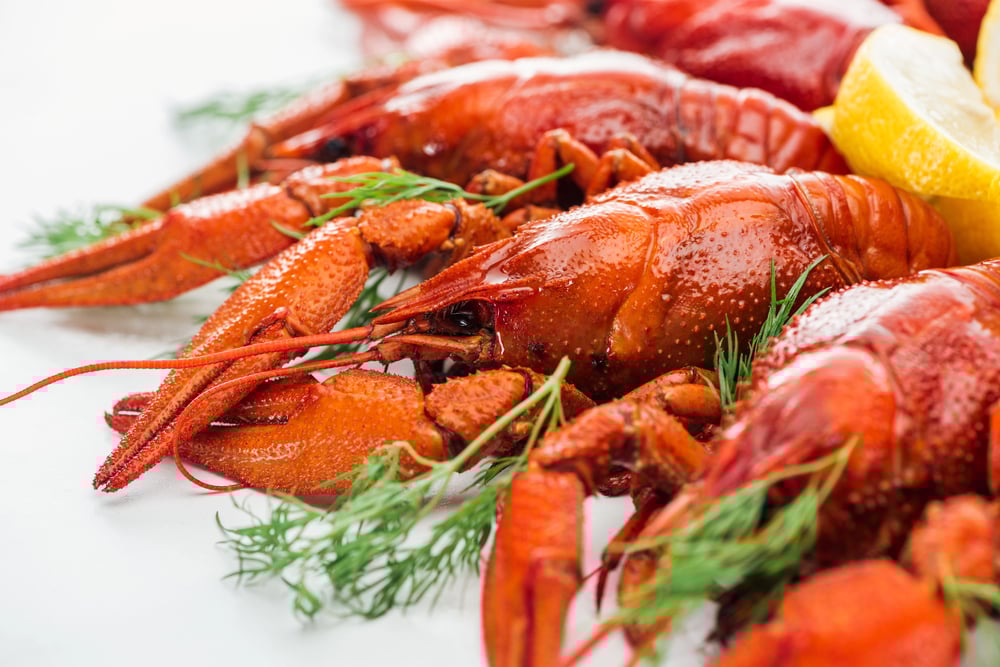
Today’s expensive restaurant centerpiece was once considered a poor man’s food in colonial America, where lobsters washed ashore in such abundance that they were fed to prisoners and used as fertilizer. Servants in Maine even had contracts specifying they wouldn’t be forced to eat lobster more than three times weekly.
The complete reversal in status makes lobster one of food history’s most dramatic rags-to-riches stories.
Horsemeat

In countries like France, Belgium, and Japan, horsemeat is a respected delicacy—tender, slightly sweet, and lower in fat than beef. Special butcher shops called boucheries chevalines in France specialize exclusively in horse products.
But in the United States and United Kingdom, the very idea of eating horse is met with shock and disgust, as horses are viewed almost exclusively as companion animals similar to dogs.
Like Go2Tutors’s content? Follow us on MSN.
Breakfast Beans
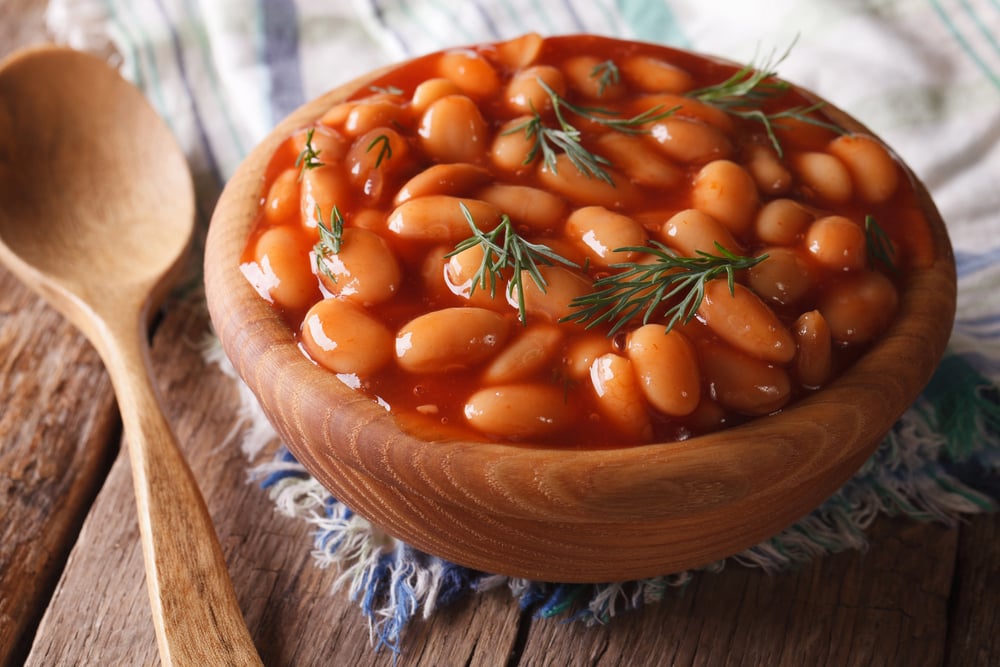
The British fondly embrace beans on toast as a breakfast classic and comfort food, with canned baked beans being a pantry essential. Across the Atlantic, Americans typically view beans as decidedly non-breakfast food, reserved for barbecues, Mexican-inspired dishes, or as a dinner side.
The idea of sweet, tomato-sauce-covered beans first thing in the morning seems peculiar to many American diners.
Coconut

In Western countries, coconut is primarily associated with tropical desserts, piña coladas, and sweet treats. The flavor profile is considered distinctly dessert-oriented.
However, in South Indian, Thai, and many Southeast Asian cuisines, coconut milk is a savory staple, forming the base for curries, soups, and main dishes where its tropical sweetness is balanced with spices and chilies.
Durian

Known as the “king of fruits” throughout Southeast Asia, durian is celebrated for its complex custard-like flavor and commands premium prices in countries like Thailand, Malaysia, and Singapore. Durian festivals mark its seasonal arrival, and specialty cafes serve durian-based treats.
Yet in Western countries and even in parts of Asia like Japan, durian is infamous for its overwhelming smell—often banned in hotels, public transportation, and airports with signs specifically prohibiting it.
Like Go2Tutors’s content? Follow us on MSN.
Root Beer

This classic American soda evokes nostalgic memories of diners and ice cream floats for many in the United States. But offer root beer to someone from the UK or parts of Europe, and you’ll likely see a grimace—the flavor compound that gives root beer its distinctive taste (sassafras) is remarkably similar to that used in many European medicinal products.
Most Europeans compare the taste to medicine or mouthwash rather than a refreshing beverage.
Licorice

In Scandinavian countries, particularly Finland and Sweden, strong salty licorice called salmiakki containing ammonium chloride is a beloved treat that locals consume with enthusiasm. Children grow up enjoying these intensely flavored candies.
To most North Americans and even other Europeans, this salty-bitter licorice tastes like a cleaning product or punishment rather than candy, often triggering immediate rejection when sampled by visitors.
Offal
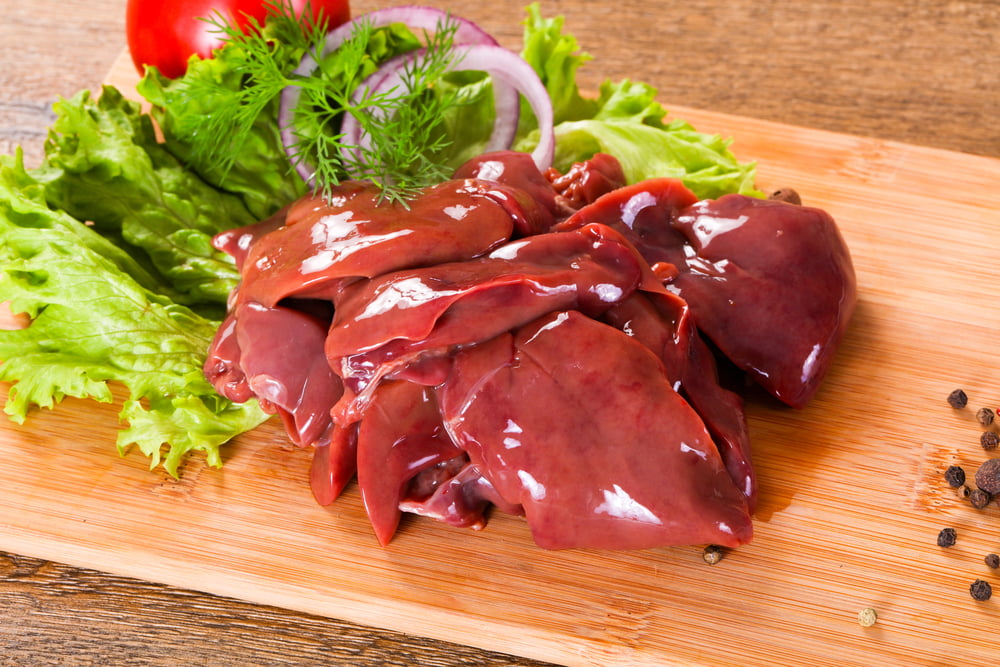
In France, dishes like foie gras (liver), tripe, and sweetbreads represent the height of gastronomy and appear on Michelin-starred menus. Similarly, in many Asian and Latin American cultures, organ meats are prized parts that showcase a cook’s skill.
Yet in mainstream American food culture, these same cuts are often considered “variety meats” or “gross parts” to be hidden, transformed beyond recognition, or used only in processed foods rather than featured proudly.
Like Go2Tutors’s content? Follow us on MSN.
Yogurt

Americans typically categorize yogurt as a breakfast food or sweet snack, often fruit-flavored and relatively high in sugar. In contrast, throughout the Middle East, Eastern Europe, and India, yogurt is a savory staple used in everyday cooking.
It appears as a cooling sauce (raita in India, tzatziki in Greece), a marinade, or alongside spicy dishes—with sweet versions being the exception rather than the rule.
Bread
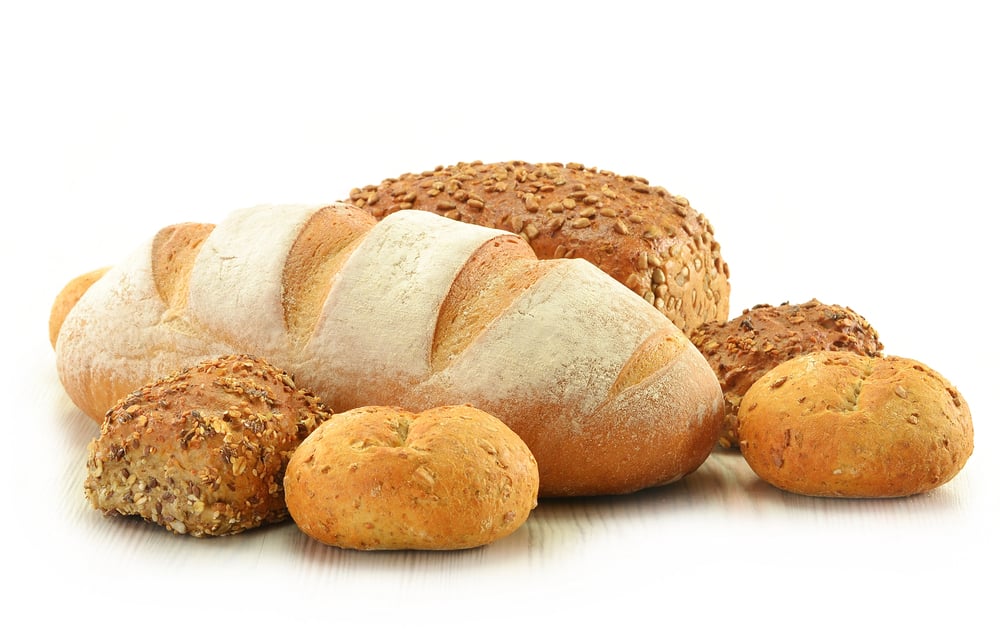
In France, a fresh baguette is bought daily as an essential part of meals, with strict regulations governing what constitutes “traditional” bread. Bread’s freshness is paramount, and day-old bread is considered stale.
Contrast this with the United Kingdom and United States, where pre-sliced, shelf-stable bread that remains soft for days or weeks is the norm in many households, and “fresh” has a much more flexible definition.
Rye Bread

Dense, dark rye bread represents the heart of traditional cuisine across Scandinavia, Russia, and parts of Eastern Europe—eaten daily and associated with cultural heritage and hearty sustenance. In much of North America and Western Europe, rye bread occupies a specialty niche, primarily associated with delicatessen sandwiches like the Reuben or as a health-conscious alternative to wheat bread rather than as a dietary cornerstone.
Like Go2Tutors’s content? Follow us on MSN.
Puffer Fish (Fugu)

In Japan, fugu is the ultimate culinary dare and status symbol—potentially deadly but exquisitely prepared by chefs who train for years to receive certification. A properly prepared fugu meal can cost hundreds of dollars and represents both danger and refinement.
In most other countries, the fish is banned outright as a hazardous food, with its neurotoxin considered too dangerous for consumption regardless of preparation method.
Rabbit

Throughout much of Europe, particularly in France, Italy, and Spain, rabbit is standard fare—a traditional meat featured in classic dishes like paella or stewed with mustard. Rabbit farming remains common for meat production.
In English-speaking countries, especially America, rabbit meat consumption declined dramatically after WWII, with rabbits transitioning primarily to pet status. Many Americans can’t imagine eating what they consider a cuddly companion animal.
Cultural Crossroads

Food meanings aren’t static—they evolve through migration, media, and global trade. What was once exotic becomes familiar, while traditional foods sometimes fade from prominence.
These shifting perceptions remind us that our food preferences aren’t just about taste but are deeply embedded in cultural context and personal experience. The next time you turn up your nose at someone else’s delicacy or wonder why your favorite food isn’t universally beloved, remember that food appreciation isn’t just about flavor—it’s about the stories we tell ourselves about what belongs on our plates and what doesn’t.
These cultural food boundaries simultaneously divide us and create opportunities for fascinating cultural exchange and understanding.
Like Go2Tutors’s content? Follow us on MSN.
More from Go2Tutors!

- 18 Unexpectedly Valuable Collectibles You Might Have Lying Around
- 15 Things Every Teenager in the ’70s Did That Teens Today Wouldn’t Understand
- 15 Strange Things People Have Tried to Ban (And Failed)
- 15 Inventions That Were Immediately Banned After Being Created
- 20 Actors Who Were Almost Cast in Iconic Roles
Like Go2Tutors’s content? Follow us on MSN.