Climate Change Facts You Need To Know
Right now, climate change grabs headlines more than most issues, but plenty remain unsure exactly what it involves. Not merely hotter days – though that happens too – it reshapes how nature runs on every level.
This changing pattern touches countless people daily, sometimes subtly, sometimes harshly. Grasping the core ideas isn’t reserved for lab coats or experts alone.
Anyone breathing air, sipping water, or relying on crops has a reason to pay attention. Truth is, research shows something different than most think.
Plain words only here – no fancy terms, no fear. Just clear points laid out slow.
Facts stand without drama. What studies really say becomes obvious when stripped bare.
Nothing hidden, nothing stretched. Each detail rests on evidence, not noise.
Clear beats clever every time. Real understanding starts small. This is that start.
The Earth Is Warming Faster Than Normal
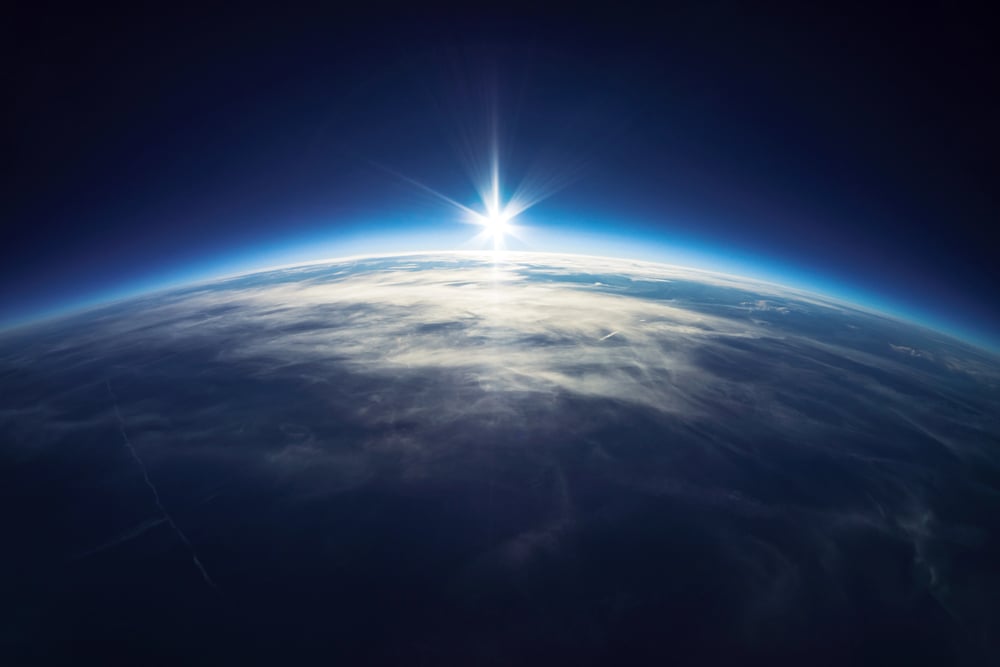
Now things feel unlike before. Over thousands of years, Earth’s climate shifted on its own slow rhythm.
This time though, heat builds quicker than any past change ever seen. Research points straight to people as the cause behind it.
Clues have piled up since long ago – more than one hundred years back.
Carbon Dioxide Is The Main Problem
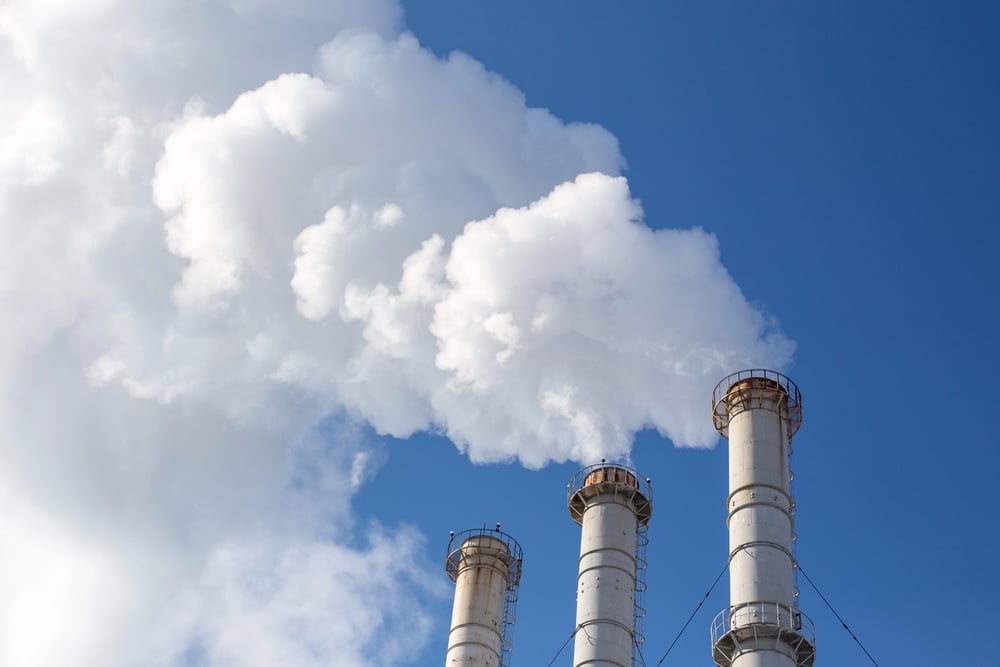
Burning coal, oil, or gas for power sends carbon dioxide straight into the sky. That CO2 holds onto sunlight heat, stuck in the air like warmth under a lid you can’t lift.
Ever since factories began rising in the 1800s, the amount of this gas has swelled well past half again what it once was.
The Ocean Is Absorbing The Heat
Most of the heat captured by greenhouse gases ends up in the seas – nearly nine out of ten units. Because of this, seawater temperatures climb, shifting how currents move, altering storms, changing where fish live.
The warmer it gets, the more water spreads out, taking up more space. That spreading pushes ocean heights higher over time.
Ice Is Melting Everywhere
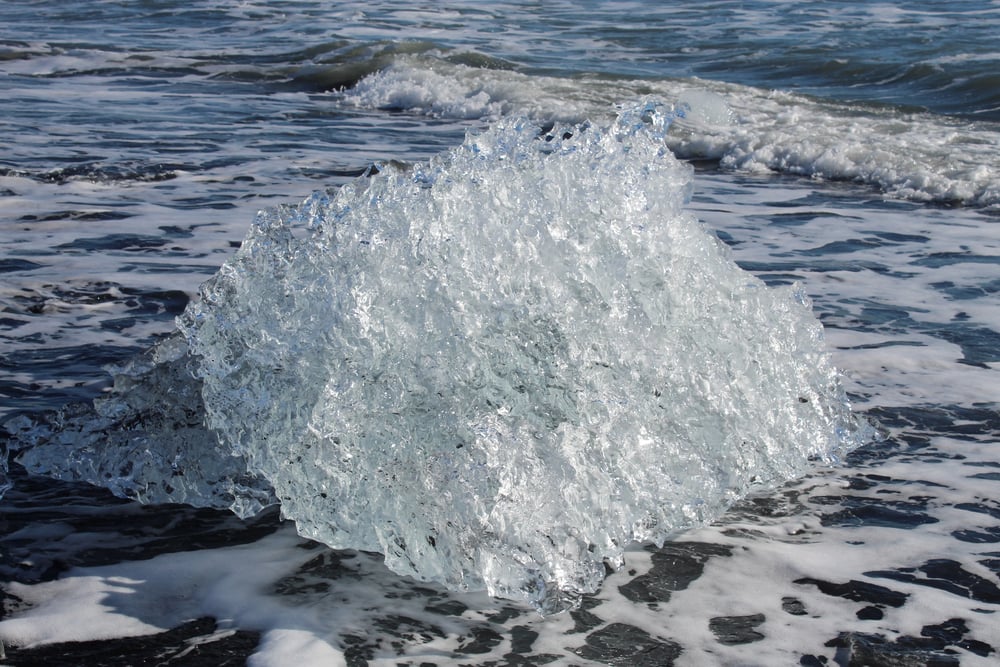
Ice up north near Greenland is getting smaller every year. Sea frost across the Arctic stretches less far than it once did.
As giants of ice in Antarctica slide away, oceans swell with countless tonnes of extra water. Higher waves creep onto land because of all that added flow from melting peaks in the Himalayas.
Sea Levels Are Rising Steadily
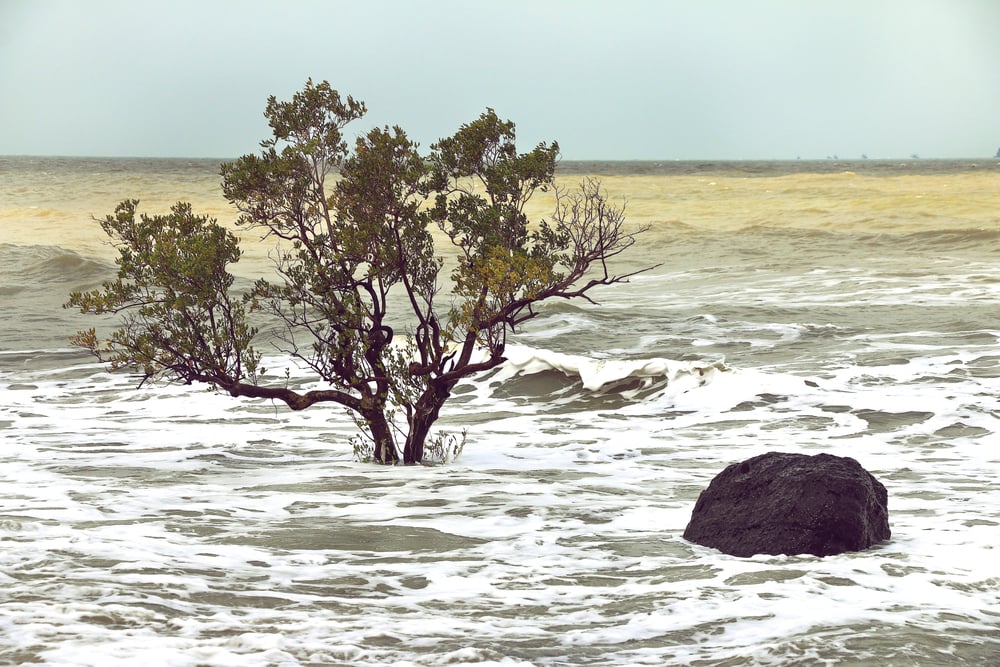
Eight to nine inches – that is how much global seas have climbed since 1880, with gains now accelerating. Flooding hits harder these days in vulnerable coastal hubs such as Miami, Mumbai, and Jakarta.
By the time this century ends, rising waters might erase parts of Pacific island countries entirely.
Extreme Weather Is Becoming More Intense
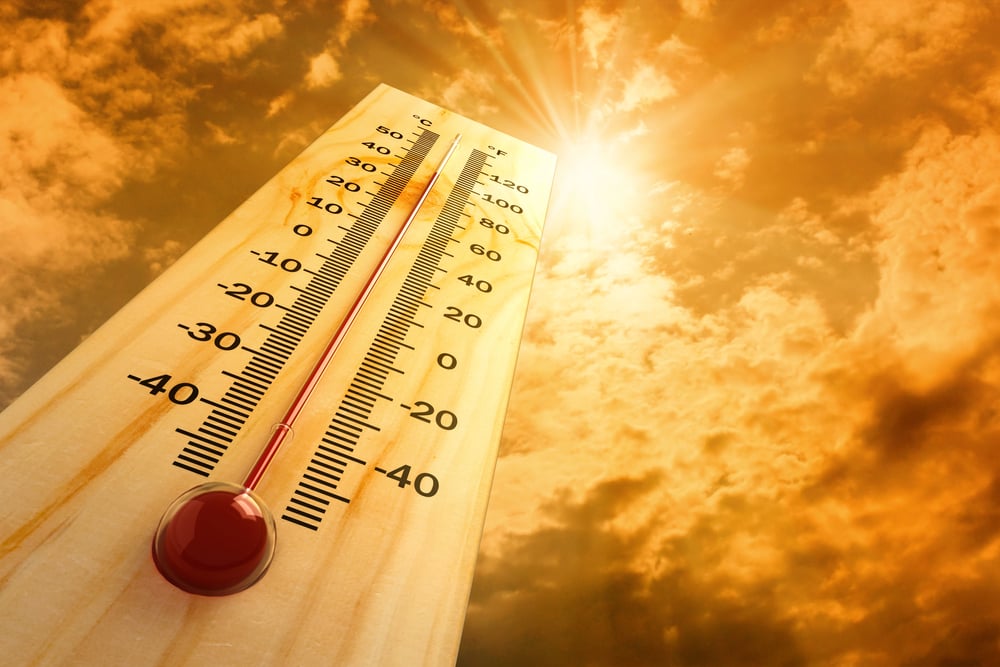
Storms pack a harder punch now – heat waves, downpours, big winds. Because air heats up, it soaks in more dampness, fueling fierce weather with heavier loads.
When tempests gather strength, warmth feeds their intensity and drenches landscapes deeper. Events such as the 2017 Harvey disaster grew far uglier thanks to sweltered skies pouring beyond normal limits.
Wildfires Are Getting Worse
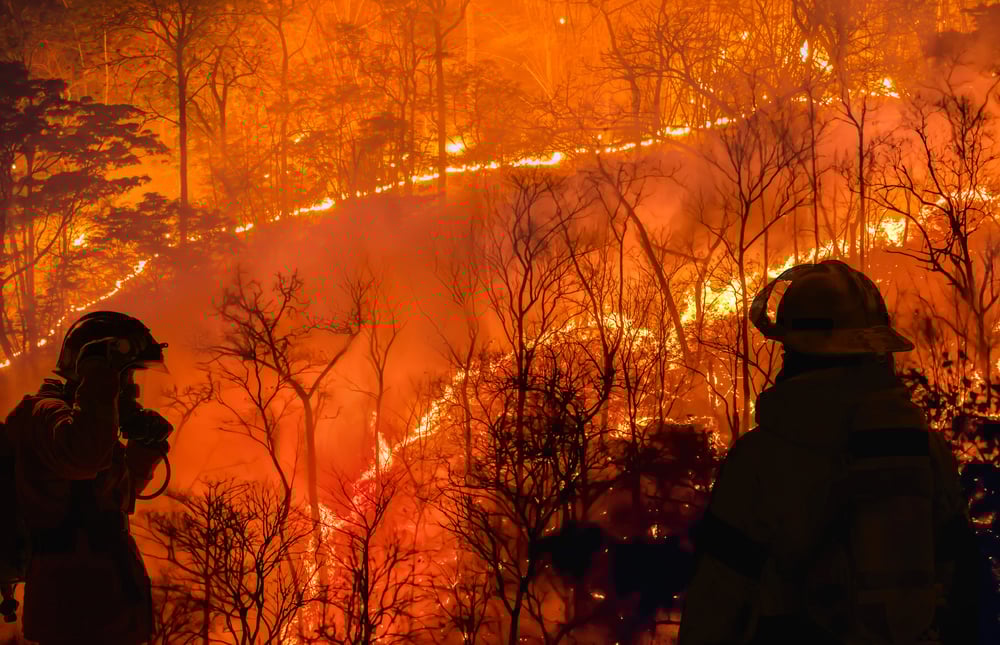
Hotter weather mixed with dry landscapes helps flames move fast. Places like California, Australia, and parts of southern Europe faced extreme fire events lately.
Forests vanish, houses burn, skies turn thick – smoke drifts across continents. The damage lingers long after the last spark fades.
Droughts Are Hitting Food Supplies
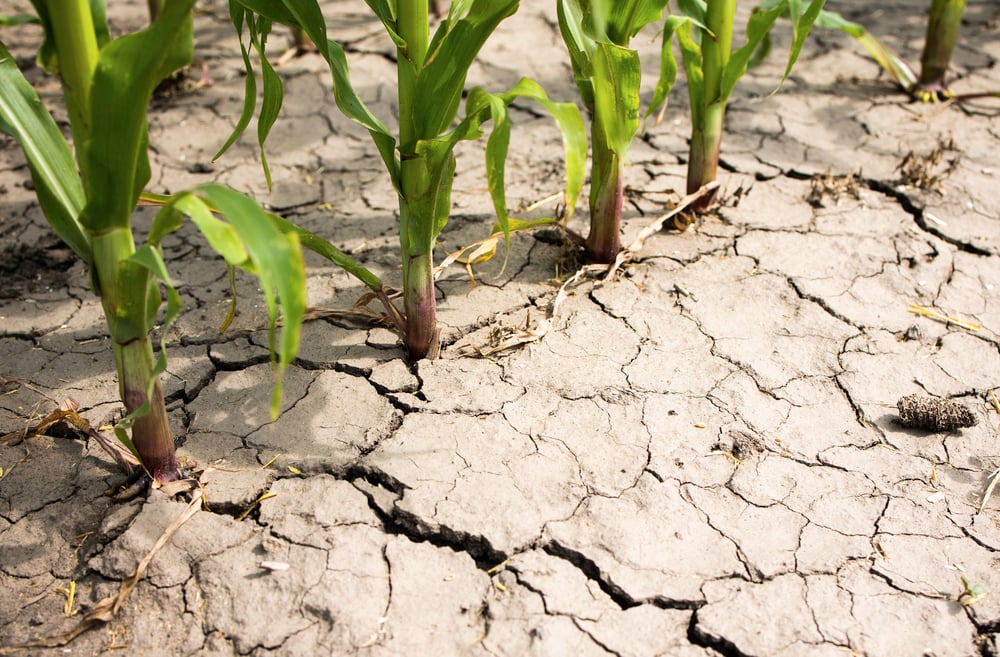
When it gets hotter, moisture escapes quicker from dirt, which stretches out dry spells across wide areas. In places like sub-Saharan Africa and corners of the American Southwest, people who farm can barely harvest what they need.
Lower harvest numbers push grocery costs higher – hitting households far beyond those tilling the land.
Coral Reefs Are In Serious Trouble
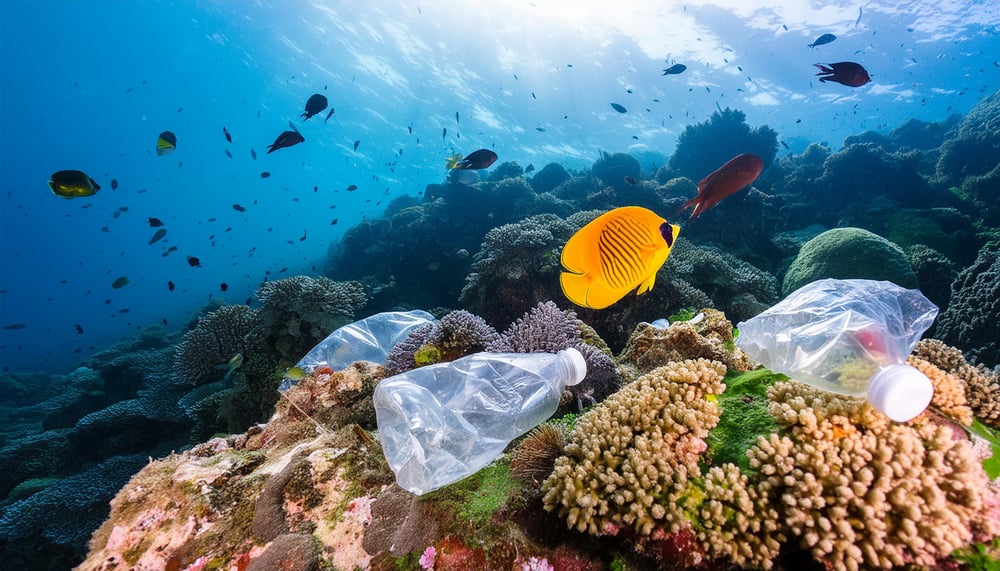
Covering just a tiny fraction of the seafloor, coral reefs hold life for nearly one out of every four ocean creatures. If seawater heats beyond tolerance, the partnership between coral and algae breaks down – algae flee, leaving behind ghostly skeletons.
White strands stretch across vast stretches near Australia, where the Great Barrier Reef now bears scars from repeated bleachings within ten short years.
Air Pollution And Climate Change Are Linked
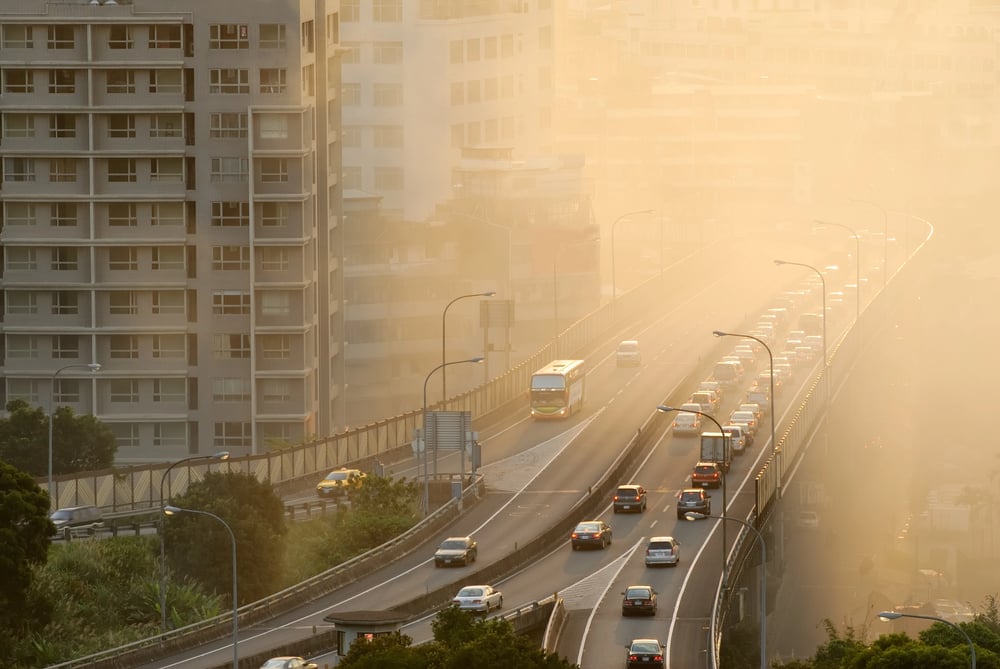
Burning fossil fuels does not just release CO2. It also releases tiny particles and gases that pollute the air people breathe every day.
Millions of people around the world suffer from respiratory illnesses that are directly tied to air pollution from the same sources driving climate change.
Climate Change Hits Poorer Communities Harder
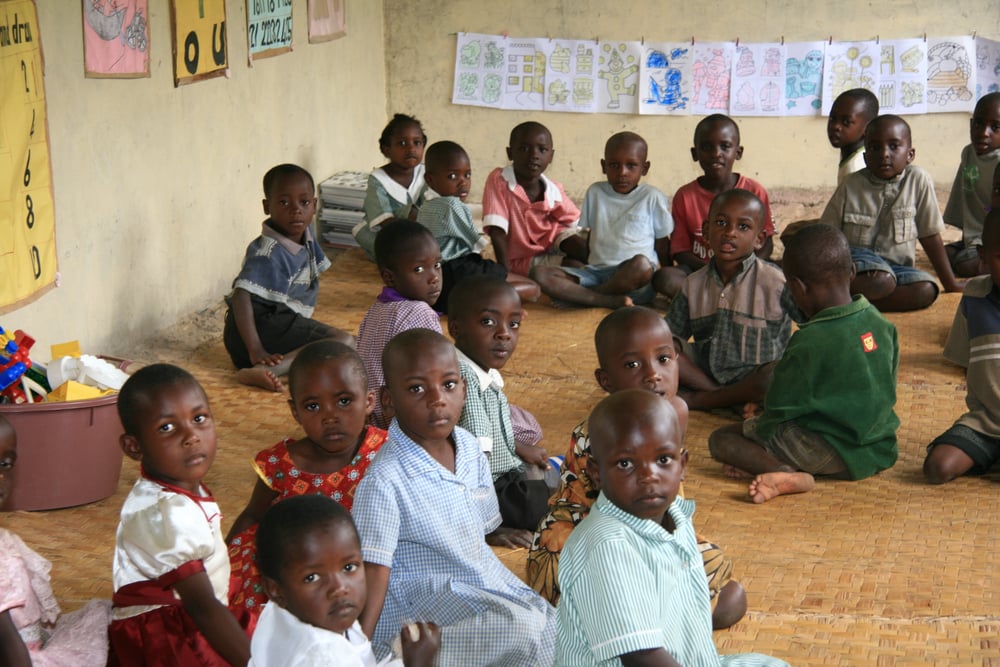
People in low-income countries and communities often live in areas most vulnerable to floods, heat, and drought. They also tend to have fewer resources to rebuild after disasters or adapt to changing conditions.
It is a situation where those who contributed least to the problem often face the worst consequences.
Methane Is A Powerful But Overlooked Gas
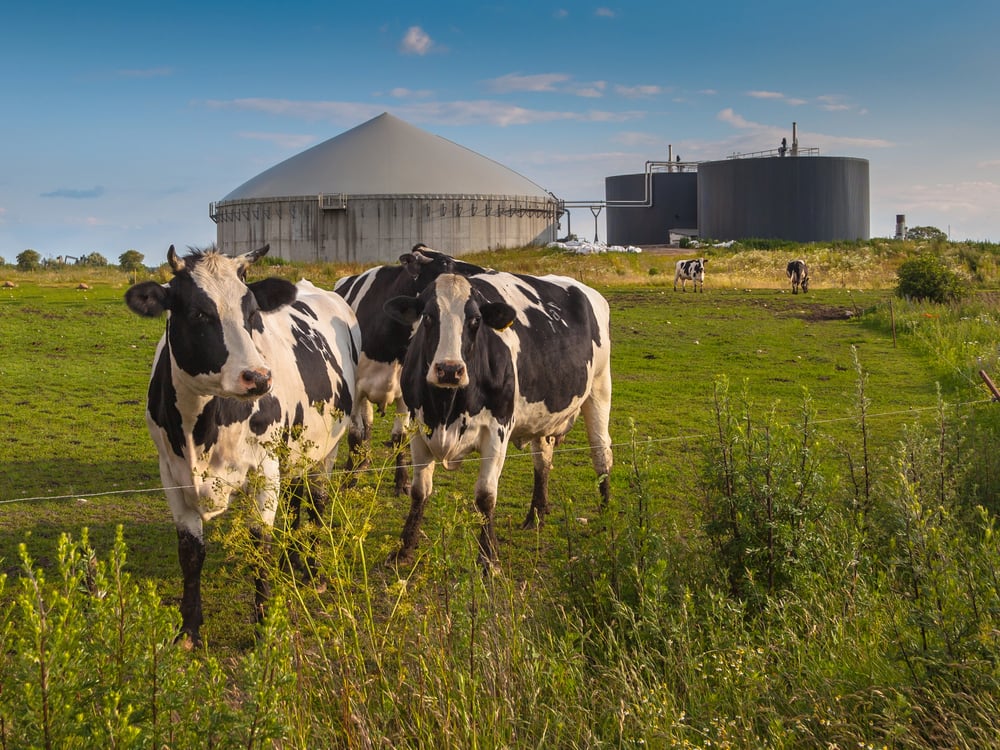
Methane is another greenhouse gas, and it is about 80 times more potent than CO2 over a 20-year period. It comes from sources like livestock farming, landfills, and leaks from natural gas pipelines.
Reducing methane emissions is one of the fastest ways to slow down warming in the short term.
Deforestation Is Making Things Worse
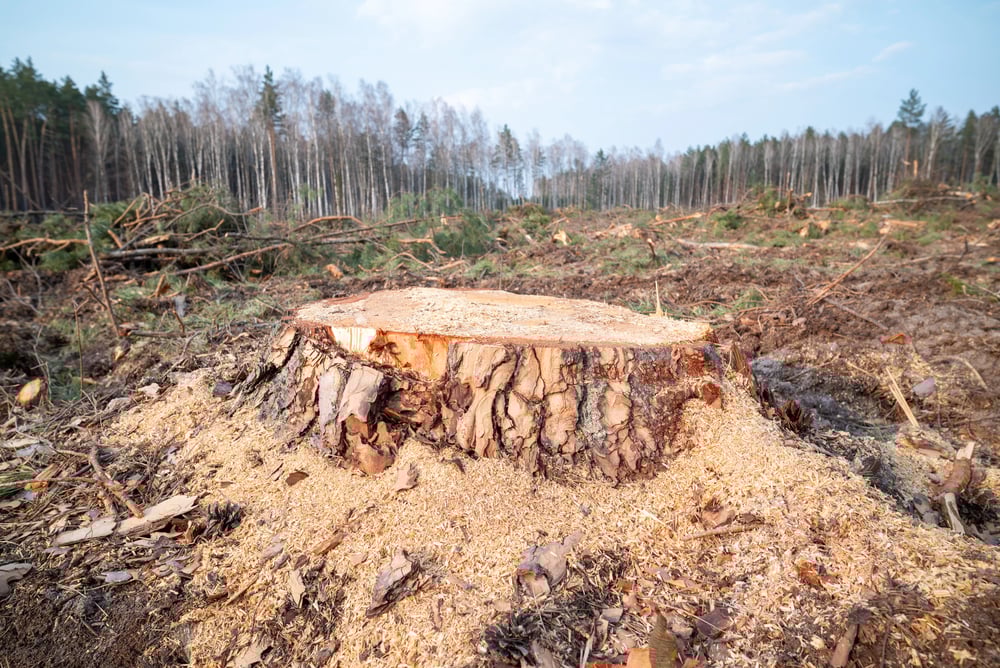
Forests absorb CO2 from the air and store it in trees and soil. When forests are cut down or burned, that stored carbon gets released back into the atmosphere.
The Amazon rainforest, often called the ‘lungs of the Earth,’ has lost around 17% of its area in the last 50 years.
Renewable Energy Is Growing Fast
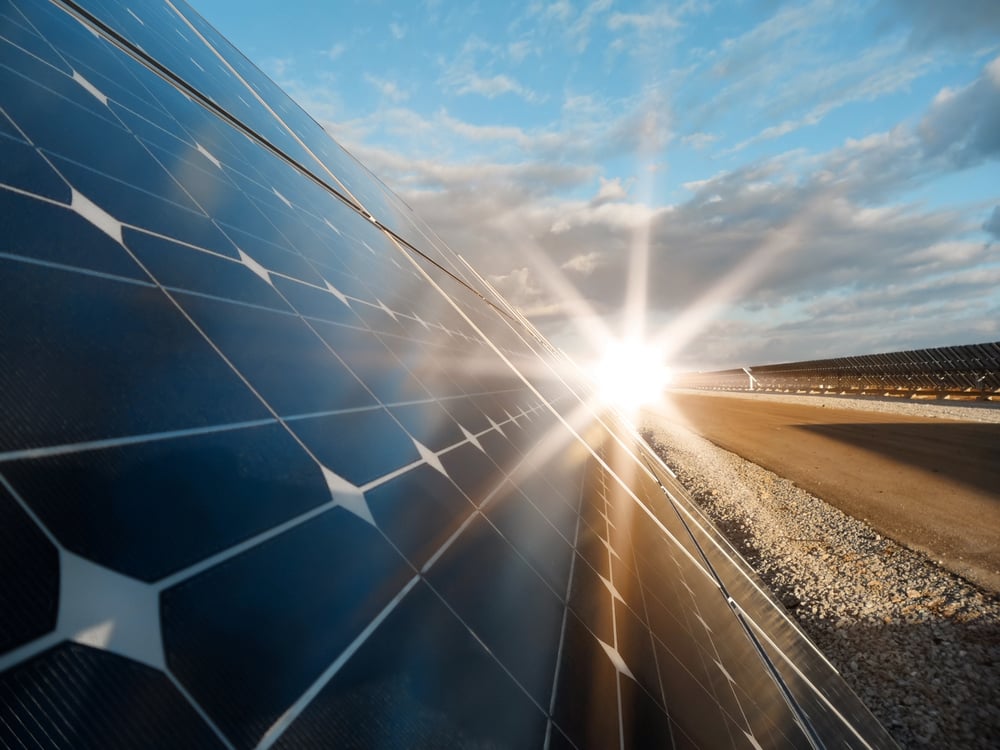
Solar and wind power are now the cheapest sources of electricity in most parts of the world. In 2023, renewables accounted for nearly 30% of global electricity generation.
The shift away from fossil fuels is happening, though most scientists agree it needs to happen much faster to avoid the worst effects of warming.
Young People Are Driving Climate Action
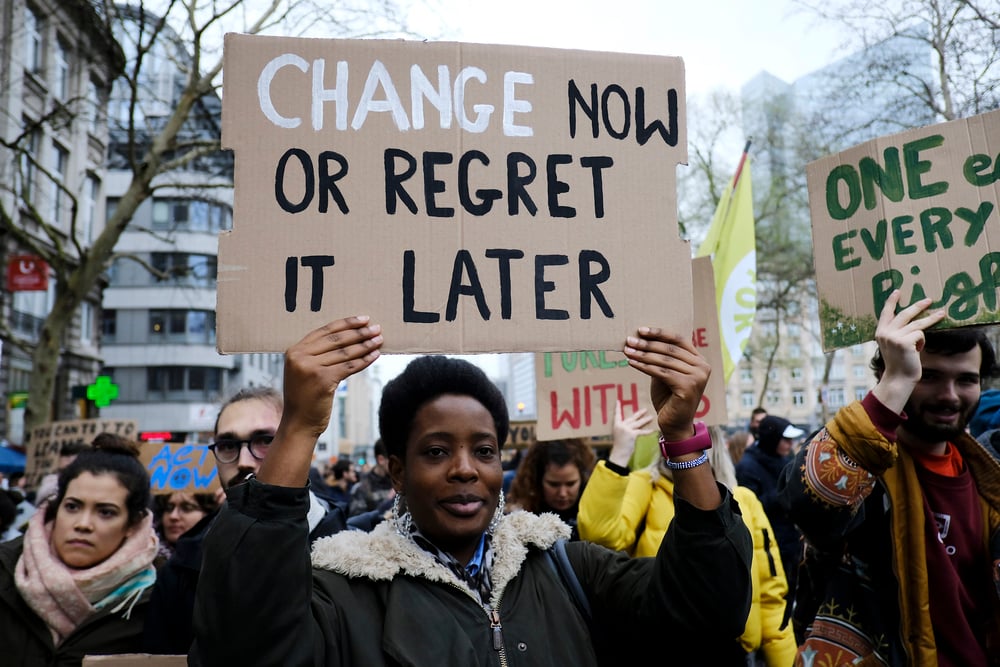
Millions of young people around the world have taken to the streets, boardrooms, and courtrooms to demand faster action on climate change. Youth-led movements have pushed governments and corporations to set more ambitious emission reduction targets.
Their energy has kept climate change on the front pages and in policy discussions where it belongs.
The Facts Still Stand
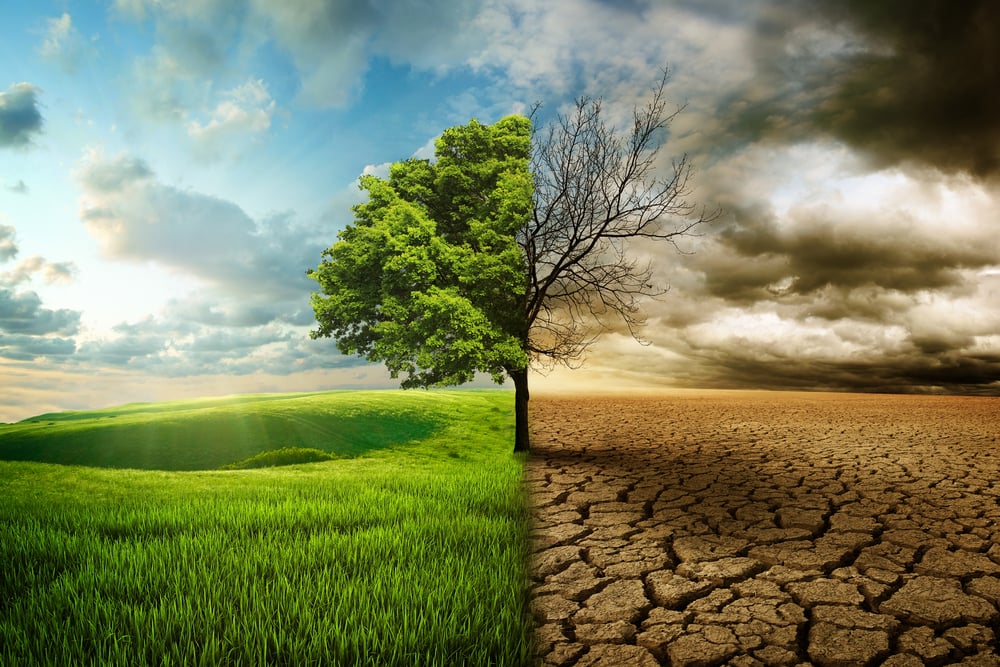
Climate change is not a distant, abstract problem. It is reshaping coastlines, rewriting weather patterns, and affecting the food on people’s plates right now.
The science has been clear for decades, and the window to act is narrowing. Every fraction of a degree of warming that gets prevented makes a real difference to communities, ecosystems, and future generations. What people know, they can act on.
More from Go2Tutors!

- The Romanov Crown Jewels and Their Tragic Fate
- 13 Historical Mysteries That Science Still Can’t Solve
- Famous Hoaxes That Fooled the World for Years
- 15 Child Stars with Tragic Adult Lives
- 16 Famous Jewelry Pieces in History
Like Go2Tutors’s content? Follow us on MSN.