17 Video Games That Caused Real-World Changes
Video games have evolved far beyond simple entertainment, becoming powerful forces that shape culture, politics, and society. From sparking international incidents to revolutionizing entire industries, certain games have left lasting marks on the real world that extend well beyond their virtual boundaries.
The influence of these digital experiences often surprises even their creators. Here is a list of 17 video games that caused significant real-world changes.
Pokémon GO

This augmented reality phenomenon didn’t just get people walking—it fundamentally changed how we think about mobile gaming and public spaces. Within weeks of its 2016 launch, the game caused traffic accidents, trespassing incidents, and even helped solve crimes as players stumbled upon suspicious activities while hunting virtual creatures.
Local businesses saw massive foot traffic increases, with some reporting revenue jumps of over 75% simply because they happened to be near PokéStops.
Grand Theft Auto Series
The GTA franchise became the poster child for video game violence debates, influencing legislation and rating systems worldwide. Politicians from Hillary Clinton to Jack Thompson used the series as ammunition for stricter game regulations, leading to the creation of more robust age rating systems.
The series also sparked countless academic studies on media violence, fundamentally changing how researchers approach the relationship between games and behavior.
World of Warcraft

Blizzard’s massive online world didn’t just create a gaming empire—it revolutionized how we understand virtual economies and social interaction. Economists began studying WoW’s auction house system to understand real-world market behavior, while the game’s guild structures influenced corporate team-building strategies.
The phenomenon of ‘WoW widows’ even entered popular culture, highlighting how immersive gaming could affect relationships and family dynamics.
Like Go2Tutors’s content? Follow us on MSN.
SimCity

Will Wright’s city-building masterpiece became an unexpected educational tool that influenced urban planning curricula worldwide. Real city planners began using SimCity concepts to explain zoning laws and infrastructure challenges to the public.
The game’s simplified approach to municipal management helped demystify local government, making civic planning more accessible to everyday citizens.
Tetris

The falling block puzzle became more than a game—it became a diplomatic tool during the Cold War. The licensing battle for Tetris involved international negotiations between Soviet and Western companies, essentially making a video game part of Cold War politics.
Soviet programmer Alexey Pajitnov’s creation also demonstrated that compelling entertainment could emerge from behind the Iron Curtain, challenging Western assumptions about communist creativity.
Doom
id Software’s demon-slaying shooter revolutionized not just gaming but workplace productivity discussions. The game’s popularity in office networks led to widespread corporate policies banning games on work computers.
Doom also pioneered the concept of game modding, creating entire communities of amateur developers who would later become industry professionals.
Like Go2Tutors’s content? Follow us on MSN.
Mortal Kombat
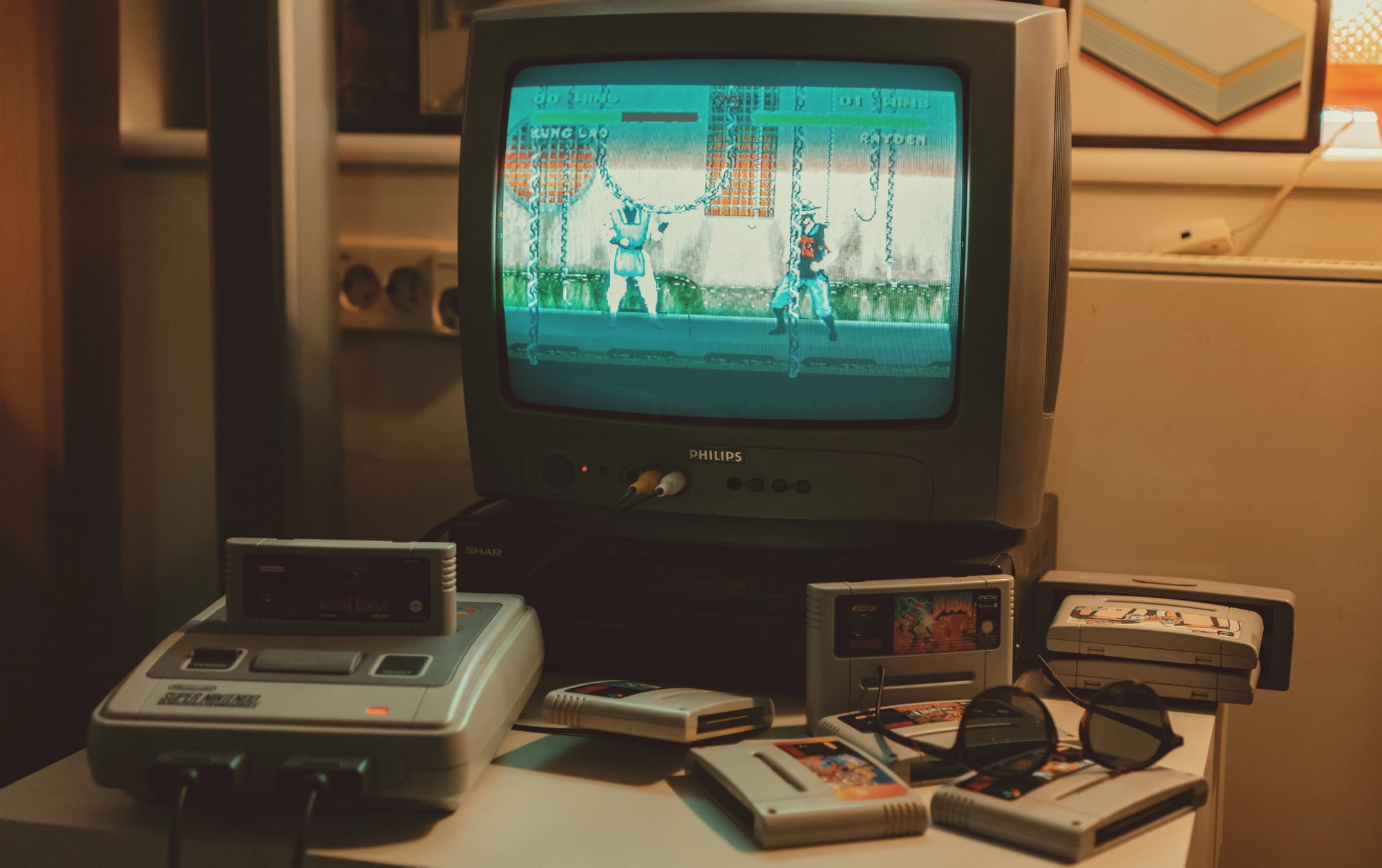
The brutal fighting game single-handedly created the video game rating system we know today. Congressional hearings in 1993 specifically targeted Mortal Kombat’s graphic fatalities, leading to the establishment of the Entertainment Software Rating Board.
This self-regulation prevented government censorship while giving parents the tools to make informed decisions about game content.
Dance Dance Revolution

Konami’s rhythm game transformed from arcade novelty to legitimate fitness tool, finding its way into schools and gyms across America. Physical education programs began incorporating DDR as a fun alternative to traditional exercise, while researchers studied its effectiveness for weight loss and coordination improvement.
The game proved that video games could promote physical activity rather than encourage sedentary behavior.
Second Life

Linden Lab’s virtual world became a testing ground for digital economics and virtual property rights. Real businesses began establishing virtual storefronts, while users made actual livings through virtual real estate and digital goods sales.
Second Life even hosted virtual embassies for real countries, blurring the lines between digital and physical sovereignty.
Like Go2Tutors’s content? Follow us on MSN.
Guitar Hero

The plastic guitar phenomenon revitalized interest in real music, leading to measurable increases in guitar sales and music lesson enrollment. Record labels began releasing songs simultaneously in Guitar Hero and traditional formats, recognizing the game’s power to break new artists.
The franchise also demonstrated how games could celebrate existing culture rather than just create new content.
Angry Birds

Rovio’s bird-flinging mobile game proved that simple concepts could generate massive cultural impact. The franchise expanded into movies, merchandise, and theme parks, showing how mobile games could build entertainment empires.
Angry Birds also demonstrated Finland’s emergence as a mobile gaming powerhouse, inspiring government investment in the country’s tech sector.
Call of Duty: Modern Warfare 2
The controversial airport level in MW2 sparked international incidents and demonstrated games’ power to address political topics. Several countries banned or censored the game due to its depiction of terrorism, while military recruiters began using the franchise to connect with potential soldiers.
The series also influenced how we discuss the ethics of virtual violence in realistic settings.
Like Go2Tutors’s content? Follow us on MSN.
Minecraft
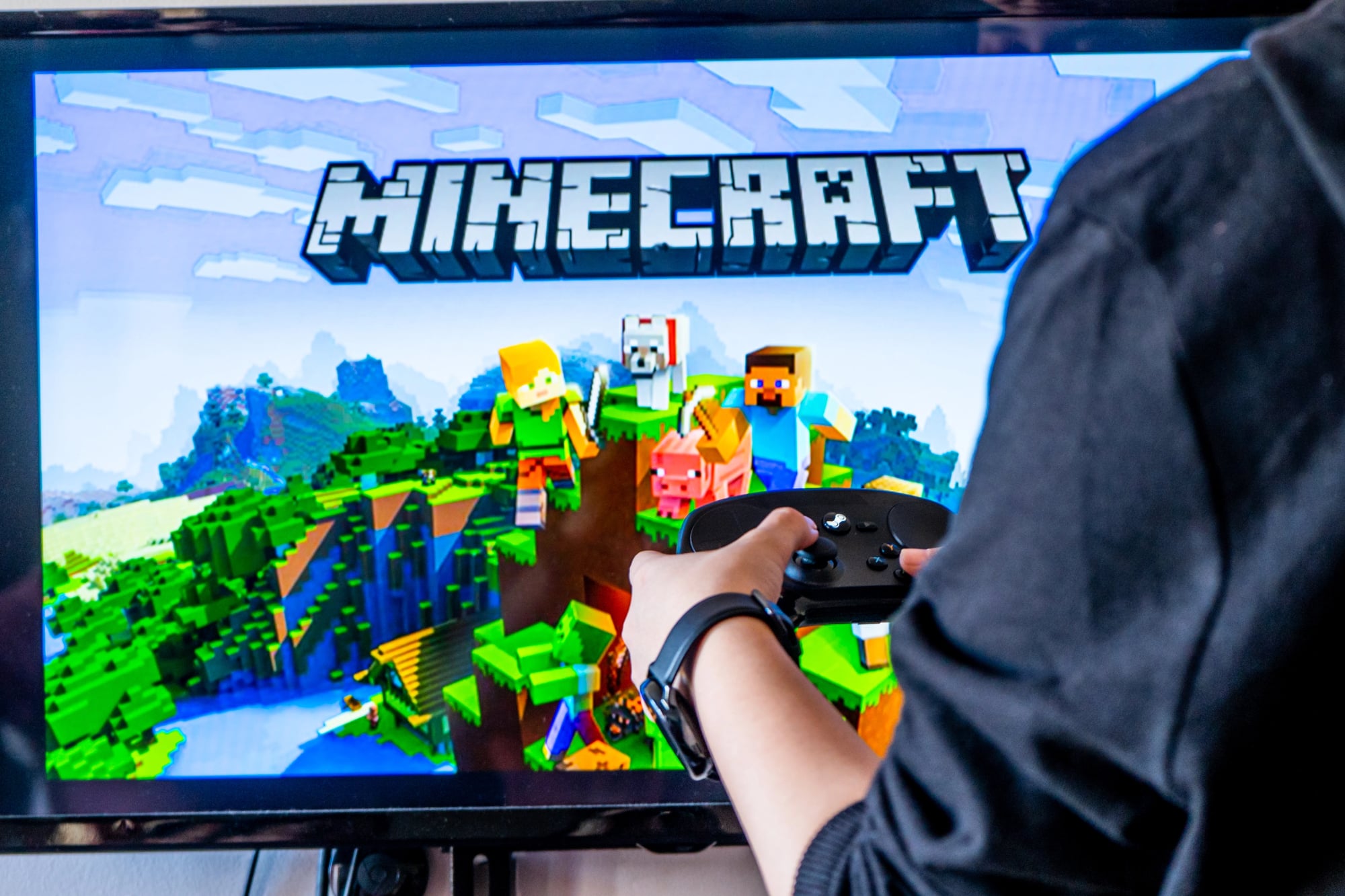
Notch’s block-building sandbox transformed education and creative expression worldwide. Schools began using Minecraft to teach everything from history to programming, while architects used it for virtual prototyping.
The game’s open-ended nature proved that players often prefer creation tools over predetermined narratives, influencing countless subsequent games.
Counter-Strike

The tactical shooter became more than a game—it launched the modern esports industry. Professional Counter-Strike tournaments drew massive audiences and corporate sponsorships, proving that competitive gaming could be a legitimate spectator sport.
The game’s success led to college scholarships, professional leagues, and recognition of esports as a career path.
FarmVille

Zynga’s social farming game changed how we think about gaming demographics and social media integration. The title brought gaming to millions of people who had never considered themselves gamers, particularly older adults and women.
FarmVille’s success on Facebook demonstrated the power of social gaming and microtransactions, influencing the entire mobile gaming industry.
Like Go2Tutors’s content? Follow us on MSN.
Pong

The original commercial video game didn’t just start an industry—it created the concept of interactive electronic entertainment. Pong’s success convinced investors that video games could be profitable, leading to the founding of Atari and the birth of Silicon Valley’s gaming sector.
The simple tennis simulation proved that people would pay to interact with electronic images, launching a multi-billion dollar industry.
The Sims

Will Wright’s life simulation game influenced how we discuss virtual relationships and digital identity. Players formed emotional connections with their virtual families, while researchers studied the game to understand human behavior and social dynamics.
The Sims also demonstrated that games without violence or competition could be incredibly successful, expanding the medium’s creative possibilities.
When Pixels Meet Reality

These 17 games demonstrate that interactive entertainment has grown into a force capable of shaping society, politics, and culture in ways their creators never imagined. From diplomatic incidents to educational revolutions, video games have proven their ability to influence the real world just as much as movies, books, or television.
The boundary between virtual and actual continues to blur as games become more sophisticated and culturally significant. As the medium evolves, we can expect future titles to create even more profound real-world changes, making the relationship between digital entertainment and society increasingly complex and fascinating.
Like Go2Tutors’s content? Follow us on MSN.
More from Go2Tutors!

- 18 Unexpectedly Valuable Collectibles You Might Have Lying Around
- 20 Little-Known Historical Battles That Had Huge Consequences
- 20 Historical Artifacts That Scientists Can’t Explain
- 15 Inventions That Were Immediately Banned After Being Created
- 20 Actors Who Were Almost Cast in Iconic Roles
Like Go2Tutors’s content? Follow us on MSN.