13 Food Preservation Methods That Existed Before Refrigerators
Long before the hum of refrigerators became the soundtrack to our kitchens, our ancestors developed ingenious ways to keep food edible for extended periods. These preservation techniques weren’t just clever solutions to a practical problem—they shaped cultures, enabled exploration, and fundamentally changed how humans related to their food supply.
Here is a list of 13 food preservation methods that kept our ancestors’ pantries stocked through changing seasons and harsh conditions.
Smoking
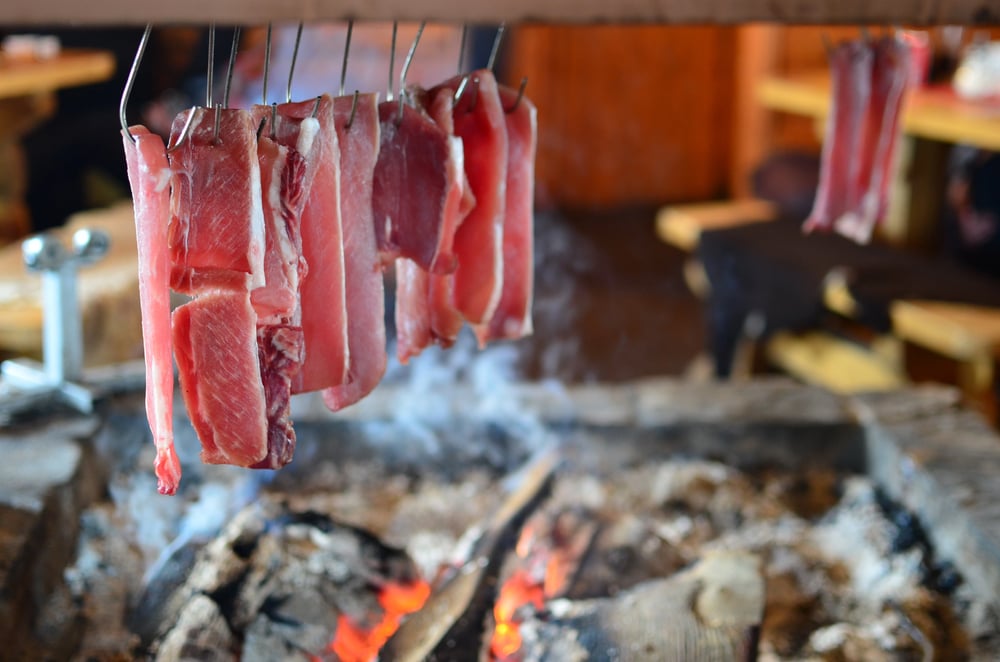
Smoking food involves exposing meat or fish to smoke from burning wood. This ancient technique deposits preservative compounds onto the food while removing moisture.
The process creates a protective layer on the exterior that prevents bacteria growth and adds distinctive flavors we still crave today. Smoked salmon and bacon remain popular not just for their taste but as living connections to our ancestors’ ingenuity.
Salt Curing
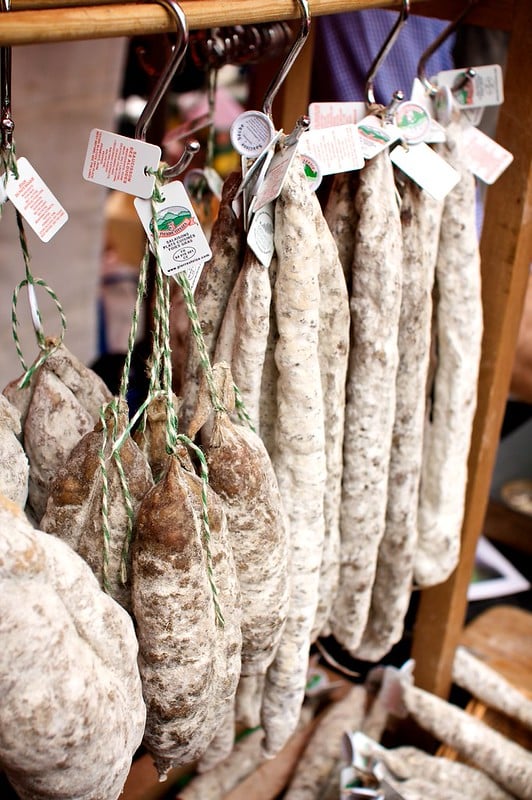
Salt draws moisture from food through osmosis, creating an environment where harmful bacteria cannot survive. People discovered this preservation miracle thousands of years ago, leading to specialties like salt cod, country ham, and preserved lemons.
Salt curing became so valuable that salt itself was once worth its weight in gold and even used as currency in some ancient economies.
Sugar Preserving
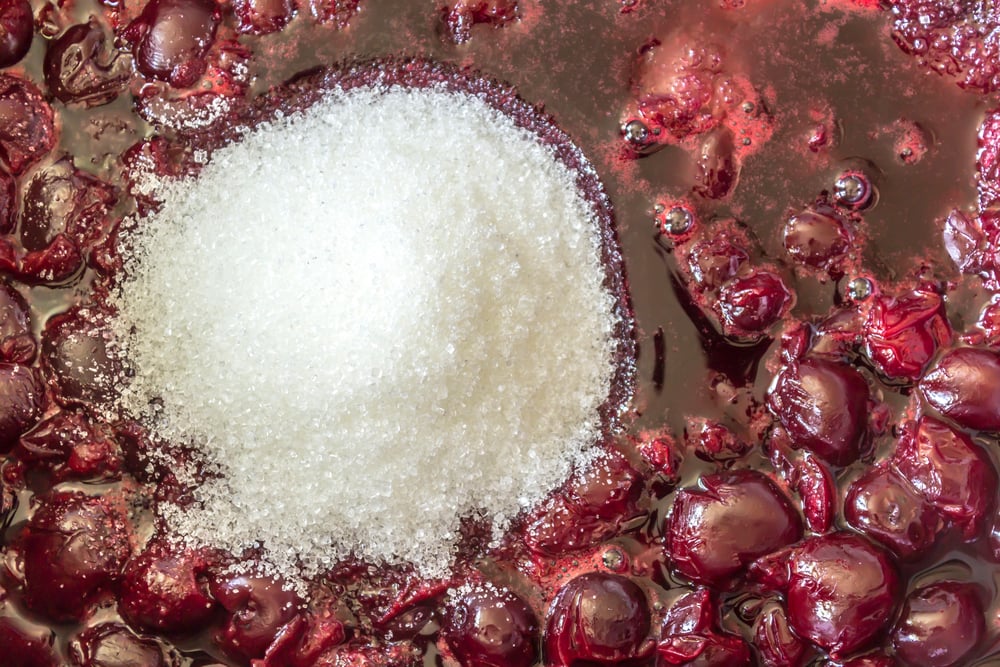
Similar to salt, sugar pulls moisture from fruits and creates an environment hostile to microbes. This technique gave us jams, jellies, fruit preserves, and candied fruits that could last through winter months.
Medieval nobles showcased their wealth through elaborate candied fruit displays, while ordinary families relied on simple fruit preserves to add sweetness to bland winter diets.
Fermentation
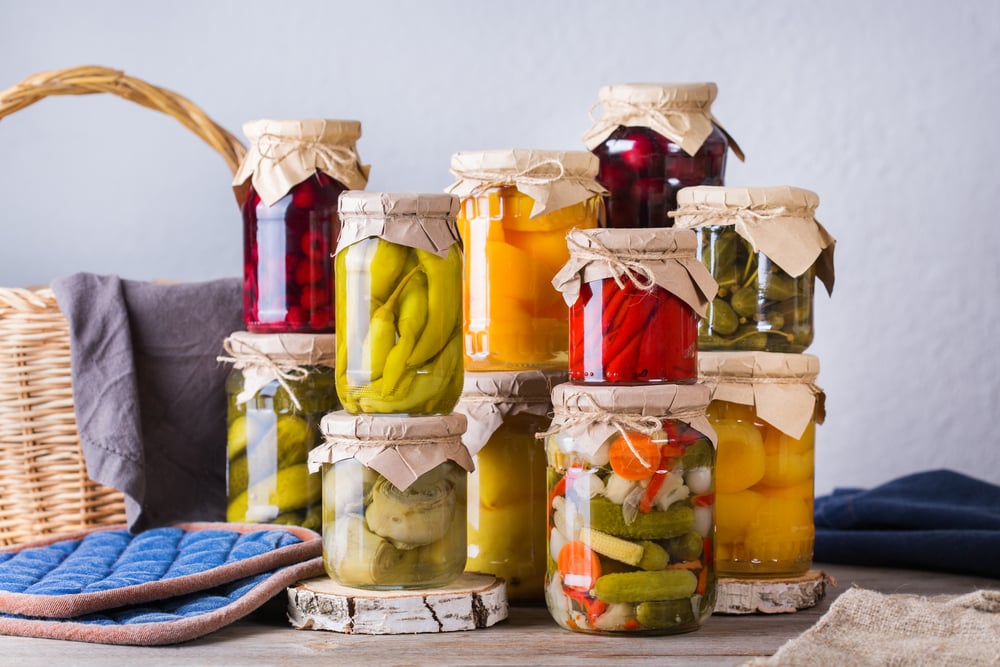
Fermentation harnesses beneficial microorganisms that transform food while preventing harmful bacteria from taking hold. This microbial magic created staples like sauerkraut, kimchi, yogurt, cheese, and countless alcoholic beverages.
Every culture developed its own fermentation traditions, making this perhaps the most diverse and widespread preservation method in human history.
Pickling
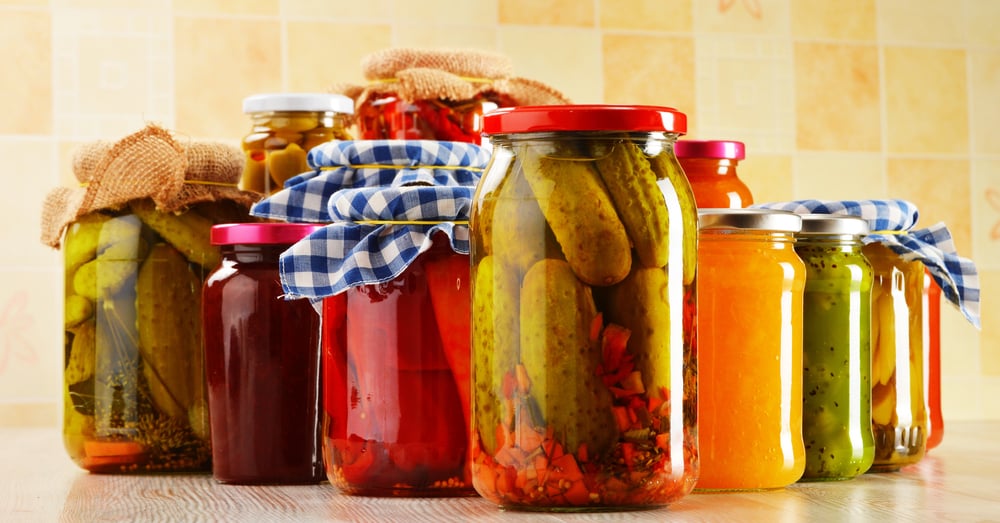
Soaking foods in vinegar or brine creates an acidic environment where most bacteria cannot thrive. Beyond the familiar cucumber pickles, almost any vegetable could be preserved this way—from onions and eggs to watermelon rinds.
Sailors on long voyages particularly valued pickled foods for their ability to prevent scurvy and add flavor to monotonous diets at sea.
Drying
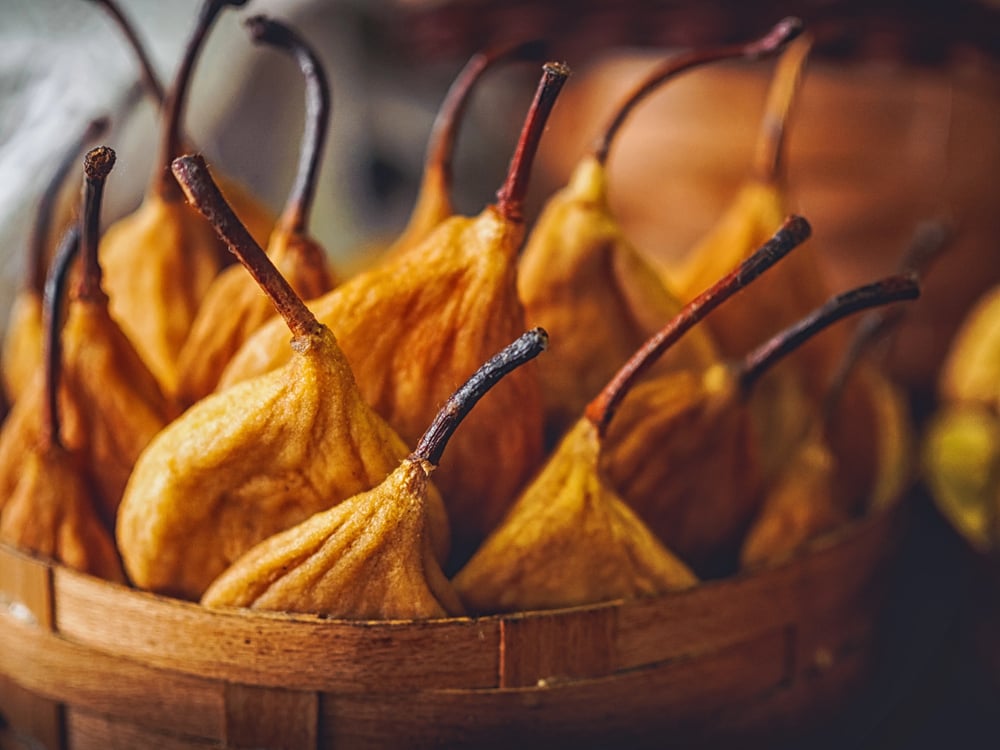
Simply removing moisture from foods prevents bacterial growth and spoilage. Sun-drying fruits, vegetables, herbs, and meat was perhaps the earliest preservation method humans discovered.
Dried apples, apricots, beef jerky, and herbs remained staples in many households well into the 20th century, providing concentrated nutrition when fresh options weren’t available.
Root Cellaring
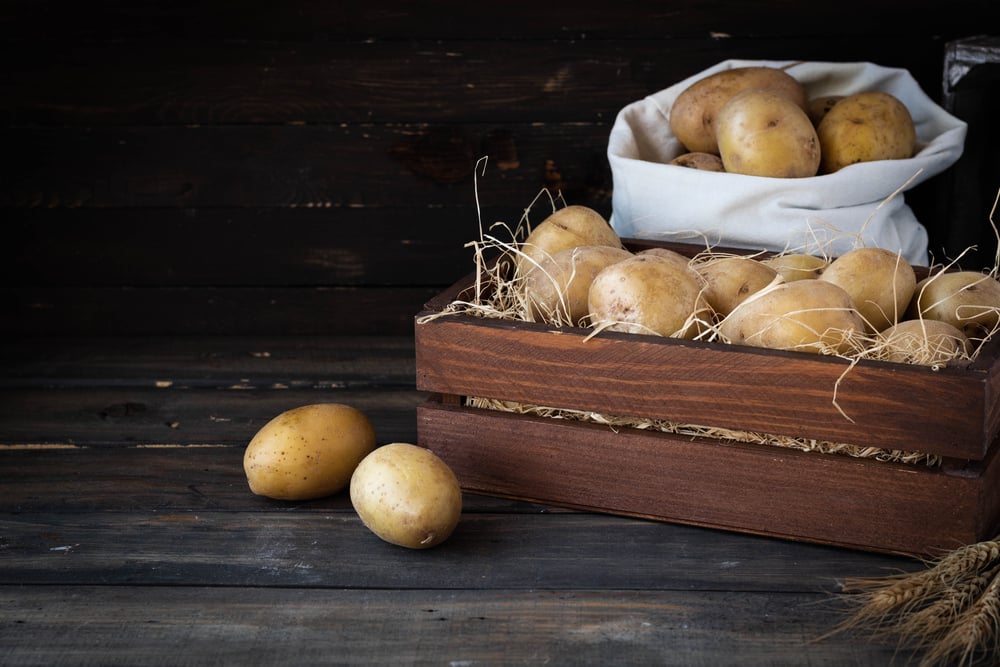
Storing root vegetables and fruits in cool, dark, humid underground spaces extended their shelf life without processing them. Root cellars maintained temperatures between 32-40°F naturally, keeping potatoes, carrots, apples, and cabbage fresh for months.
Many farmhouses had dedicated root cellars that served as natural refrigerators, using the earth’s consistent temperature to preserve harvest bounty.
Oil Packing

Submerging food in oil creates an airless environment that prevents aerobic bacteria from causing spoilage. Mediterranean cultures excelled at preserving everything from cheeses and herbs to vegetables and fish in olive oil.
The technique not only preserved foods but often enhanced them, as the oil took on flavors from its contents while protecting them.
Confits
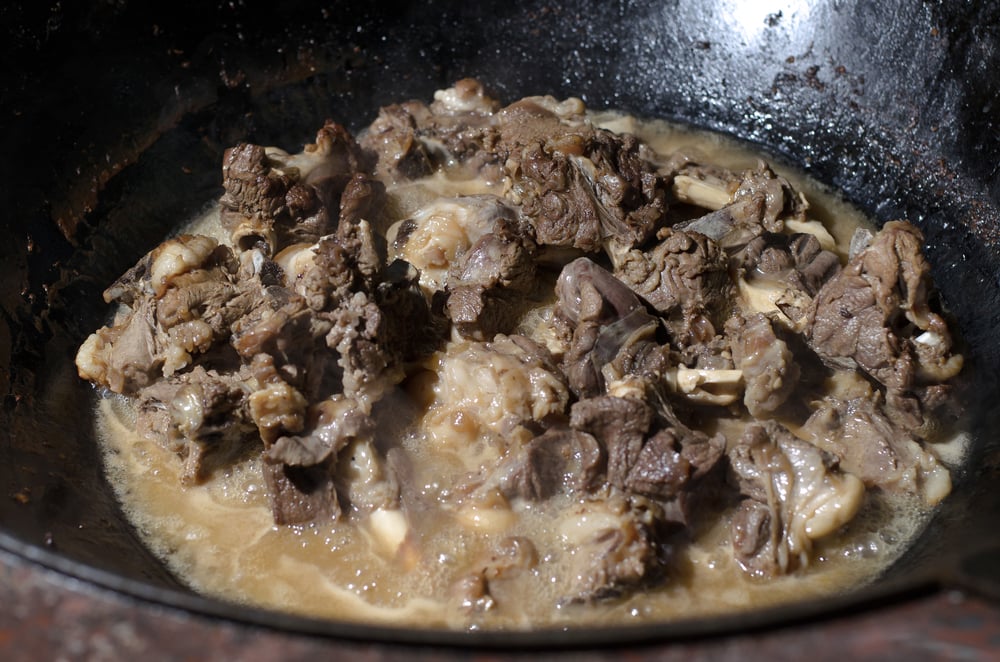
This French technique involves cooking meat slowly in its own fat, then storing it covered in that fat. The airless, sterile environment created by the fat seal kept duck, goose, and pork edible for months at a time.
Traditional French households relied on confits throughout winter, celebrating special occasions by breaking the protective fat seal to reveal perfectly preserved meat beneath.
Ash Packing
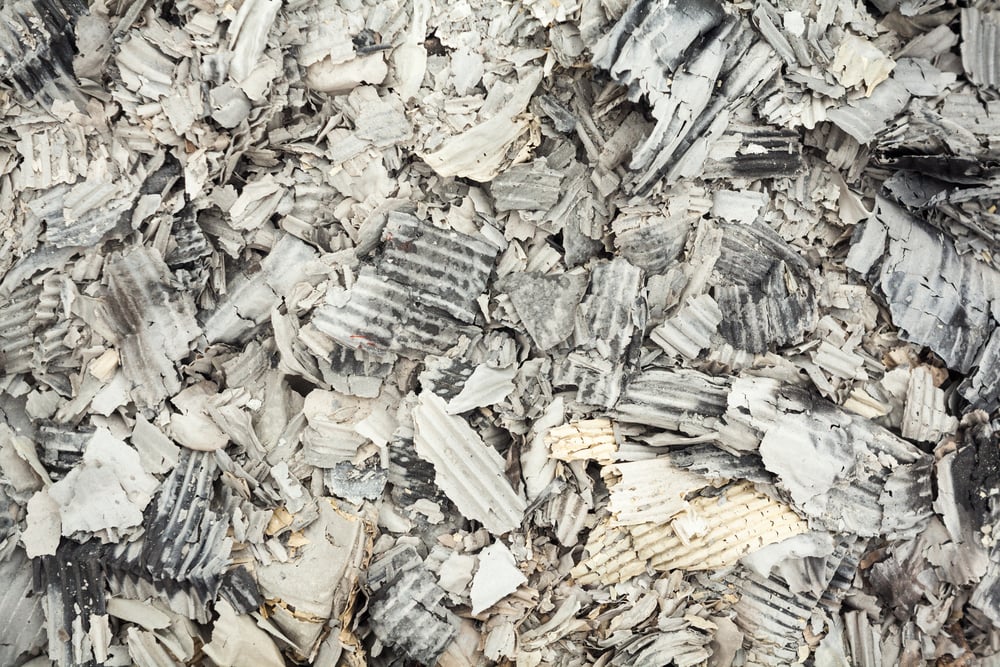
Burying food items in clean wood ash created a highly alkaline environment that prevented bacterial growth. Eggs preserved this way could last for months, while certain cheeses developed distinctive flavors from ash coating.
Native American communities used ash from specific hardwoods to preserve both animal and plant foods, carefully selecting woods that added beneficial flavors.
Pemmican
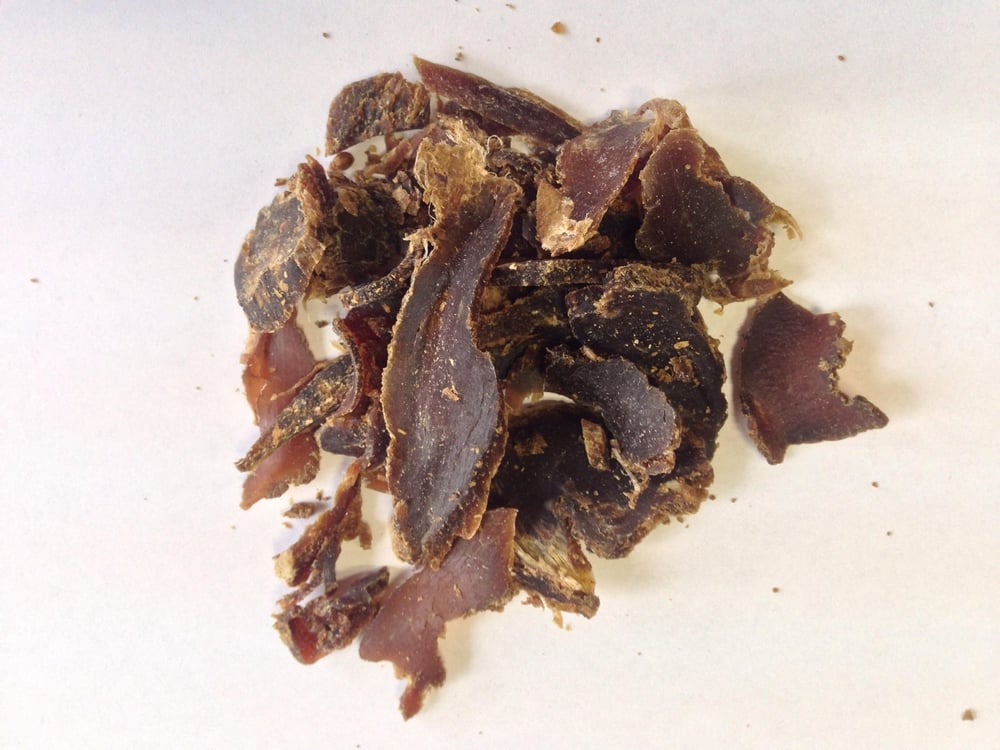
Native North Americans created this super-stable food by mixing dried meat with rendered fat and sometimes dried berries. The resulting mixture could remain edible for years, providing essential proteins and fats in a compact, portable form.
Arctic explorers later adopted pemmican as the perfect expedition food, acknowledging indigenous wisdom that solved one of humanity’s oldest challenges.
Alcohol Preservation

Soaking fruits in alcohol both preserves them and creates delicious treats like brandied cherries and rumtopf. The high alcohol content prevents bacterial growth while extracting and preserving fruit flavors.
European farmhouses often had crocks of fruit steeping in homemade spirits, providing both preservation and a welcome taste of summer during winter months.
Canning
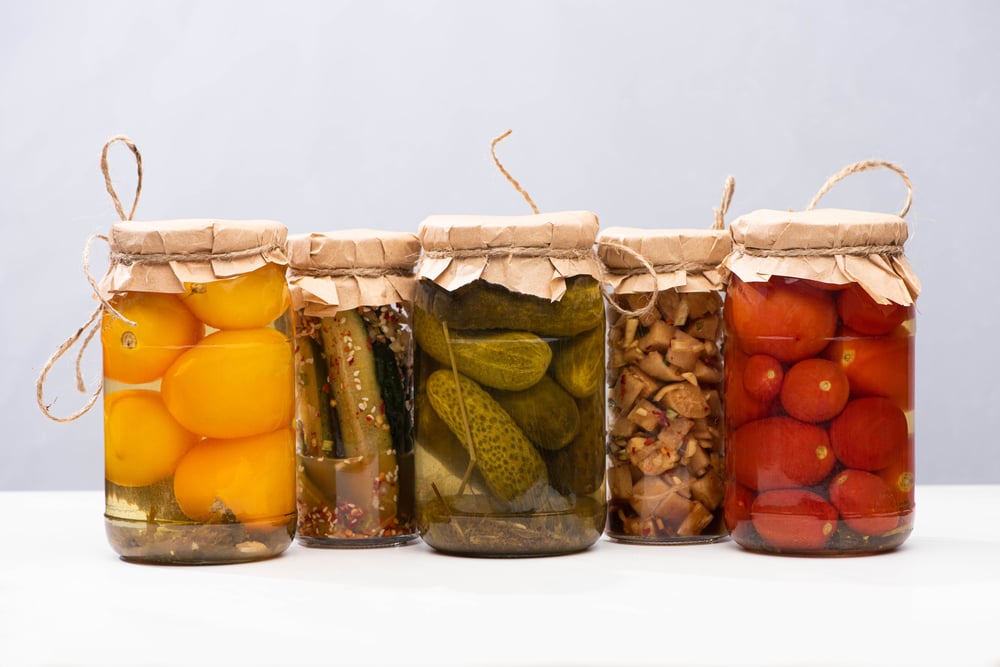
Though more recent than other methods, canning revolutionized food preservation in the early 19th century. Heating foods in airtight containers sterilizes them and creates a vacuum seal that prevents recontamination.
Napoleon’s government offered a prize for better food preservation for armies, leading to this breakthrough that eventually transformed home food storage across the world.
The Preservation Legacy

These ingenious methods didn’t just keep our ancestors fed—they created culinary traditions that endure today despite modern refrigeration. From prosciutto to pickles, sauerkraut to smoked salmon, many of our favorite foods exist because someone needed to make summer’s abundance last through winter’s scarcity.
The next time you enjoy these foods, remember you’re tasting not just good eating but human innovation and adaptability preserved across generations.
More from Go2Tutors!

- The Romanov Crown Jewels and Their Tragic Fate
- 13 Historical Mysteries That Science Still Can’t Solve
- Famous Hoaxes That Fooled the World for Years
- 15 Child Stars with Tragic Adult Lives
- 16 Famous Jewelry Pieces in History
Like Go2Tutors’s content? Follow us on MSN.



