16 Fun Facts About Classical Music History
Classical music history is packed with stuffy academics in powdered wigs, right? Wrong. Behind those formal portraits and concert hall performances lie some of the most outrageous, hilarious, and downright bizarre stories you’ve ever heard.
From composers who sent dog hair instead of their own locks to fans, to others who accidentally stabbed themselves to death while conducting, the world of classical music is anything but boring.Here’s a list of 16 fascinating facts that prove classical composers were just as wild, weird, and wonderfully human as any rock star.
Mozart loved imitating cats
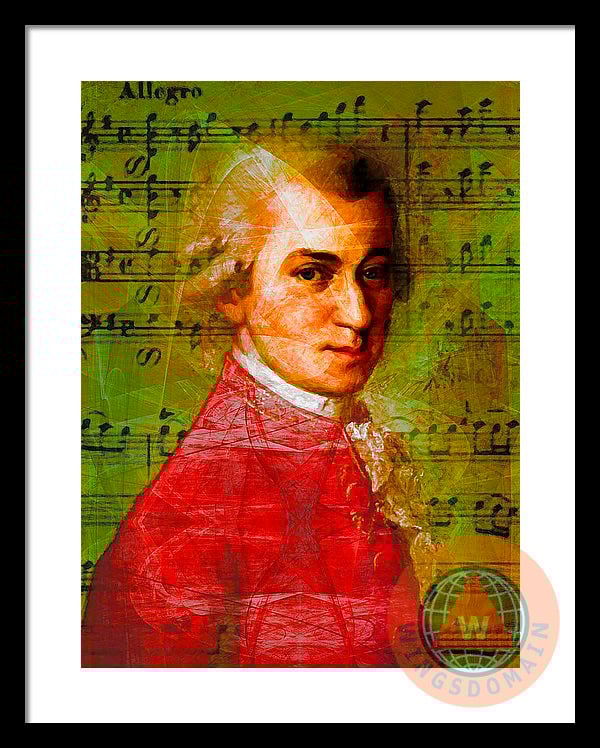
Wolfgang Amadeus Mozart wasn’t just a musical genius—he was also a grade-A goofball with a serious cat obsession. When bored during rehearsals, he would leap around tables and meow at people.
His feline fascination was so intense that he actually composed ‘The Cat Duet,’ where a husband sings questions to his wife and she responds only with ‘meow’ sounds, until eventually he starts meowing too.
Haydn has two skulls in his tomb

This might be the strangest burial story in music history. After Joseph Haydn died, phrenologists (people who believed skull shapes revealed personality traits) stole his head to study his genius brain.
A replacement skull was quickly placed in his tomb to avoid scandal. When the real skull was finally returned in 1954, nobody bothered to remove the fake one, so Haydn’s tomb now contains two skulls.
Liszt sent fans dog hair instead of his own
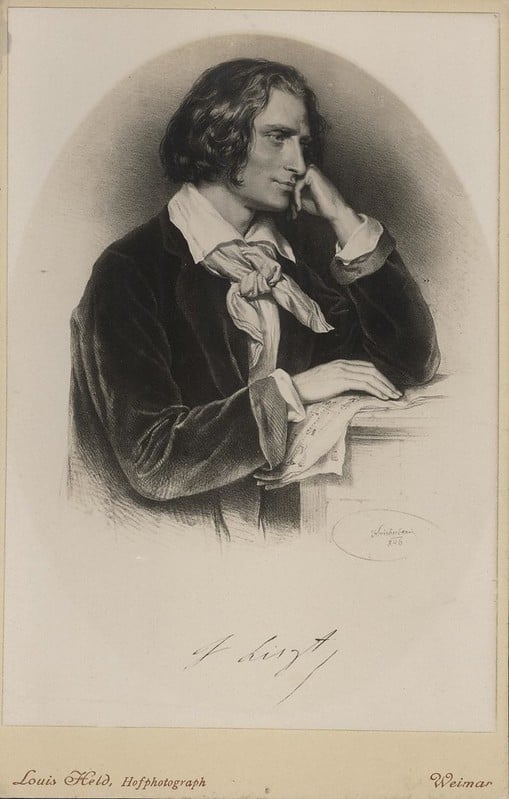
Franz Liszt was basically the 19th-century equivalent of a boy band heartthrob. Liszt was so swarmed with requests for locks of his hair that stories spread he sometimes substituted dog fur instead.
Whether true or not, it shows how fan obsession over him rivaled modern rock stars.
Rossini composed an aria while waiting for dinner
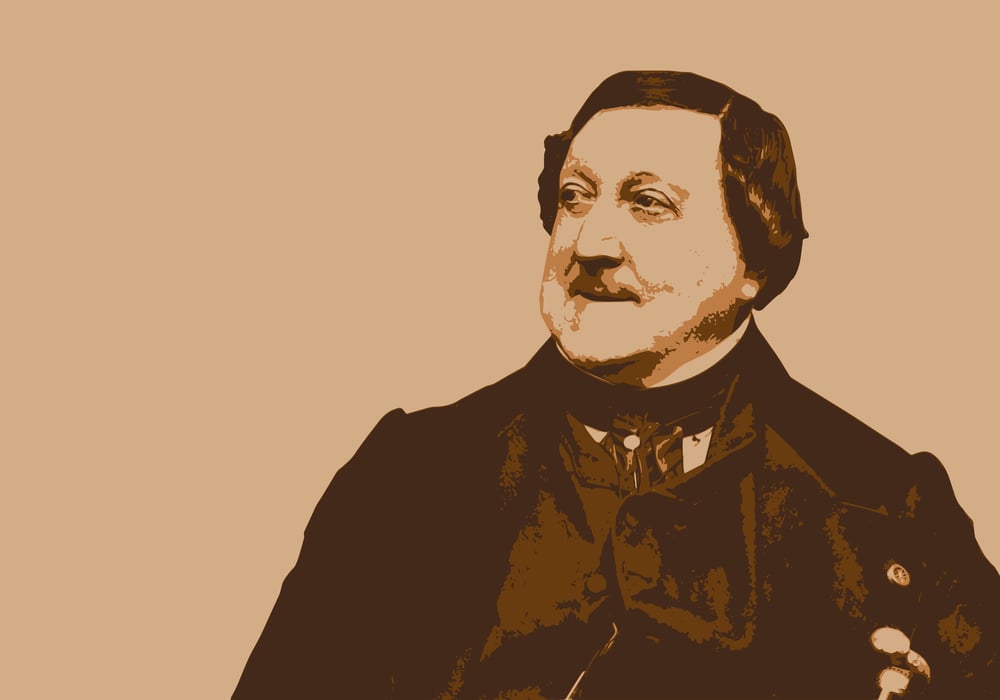
Rossini famously dashed off Di tanti palpiti so quickly while waiting for dinner that it became nicknamed ‘the aria of the rice’. This perfectly captures Rossini’s laid-back approach to composition—he was notorious for being so lazy that when he dropped sheet music on the floor while composing in bed, he’d rather rewrite the entire piece than get up to retrieve the pages.
A violin contains over 70 pieces of wood
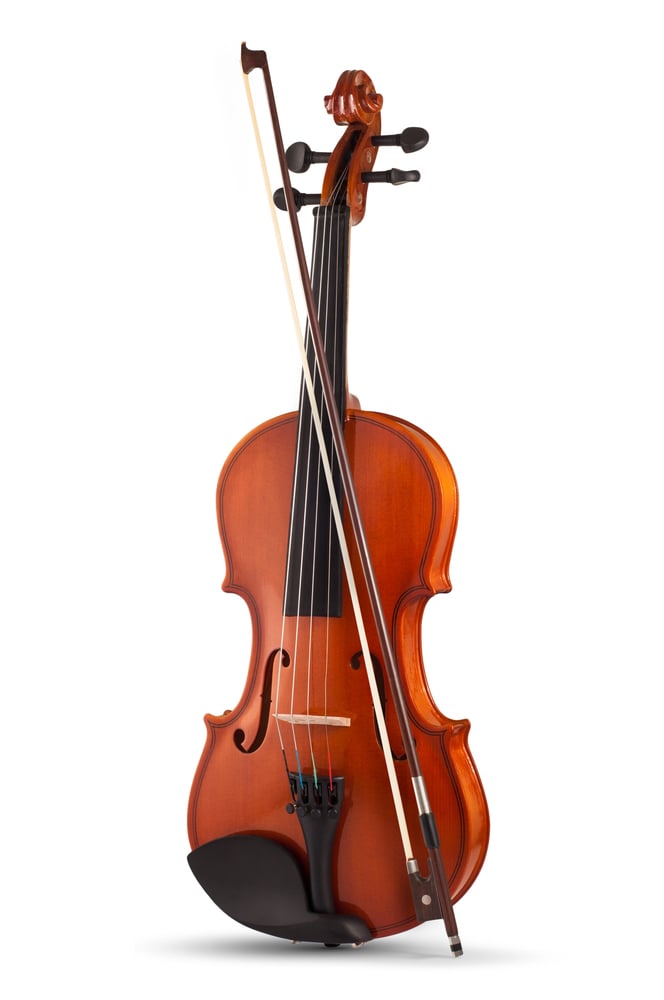
Despite looking like a simple curved piece of wood, a single violin is actually assembled from more than 70 individual wooden components. Each piece must be perfectly crafted and fitted together to create that magical sound we associate with classical music.
It’s like a very expensive, very delicate wooden puzzle that makes beautiful noises.
Scarlatti’s cat composed music

Domenico Scarlatti’s cat, Pulcinella, accidentally became a composer when she walked across his keyboard. Instead of getting annoyed, Scarlatti was so charmed by the random notes that he incorporated them into his ‘Cat Fugue.’
This makes Pulcinella possibly the first and only feline composer in classical music history, though she never received proper royalties for her contribution.
Beethoven counted exactly 60 coffee beans each morning
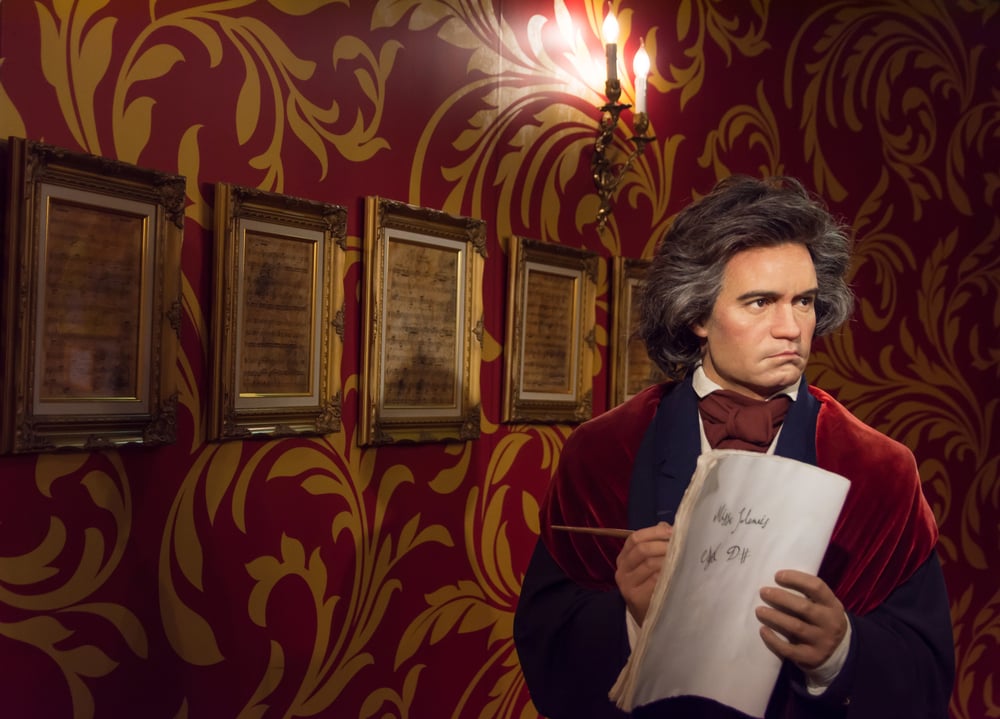
Ludwig van Beethoven was obsessively particular about his morning coffee ritual. Every single day, he would count out precisely 60 coffee beans to make his cup, treating this routine with the same meticulous attention he brought to his symphonies.
His neighbors probably thought he was nuts, but this daily ritual helped fuel some of the greatest musical works ever written.
Bach had 20 children
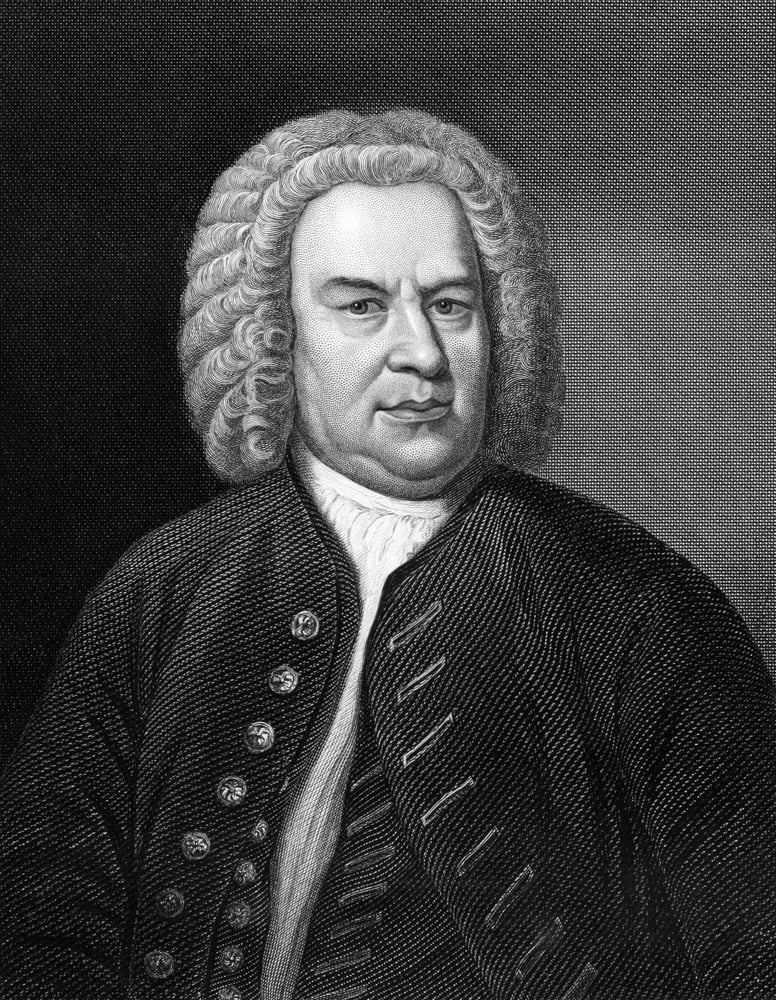
Johann Sebastian Bach was incredibly prolific both musically and personally—he fathered 20 children with two different wives. His house was constantly filled with the sounds of little feet running around while he composed some of history’s most complex musical masterpieces.
Four of his sons even became respected composers themselves, proving that musical talent definitely ran in the Bach family.
Grieg carried a lucky frog everywhere
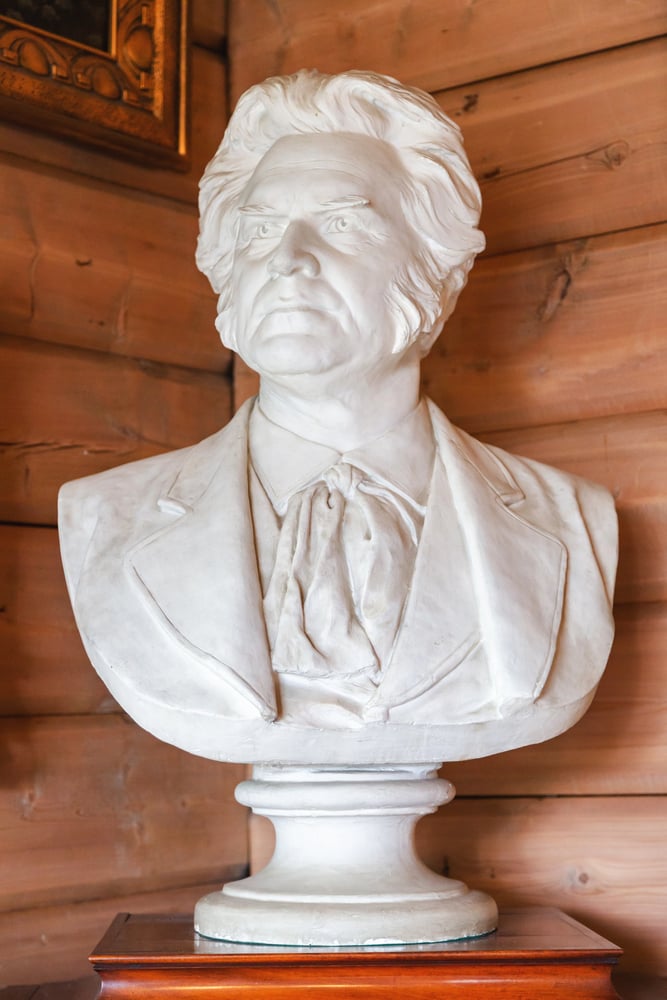
Norwegian composer Edvard Grieg had an unusual good luck charm: a small cloth frog that he kept in his pocket at all times. Before every performance, he would pat the frog on the head for good luck.
While it might sound silly, Grieg had a highly successful career, so maybe that little amphibian really was magical.
A grand piano’s strings could lift a house
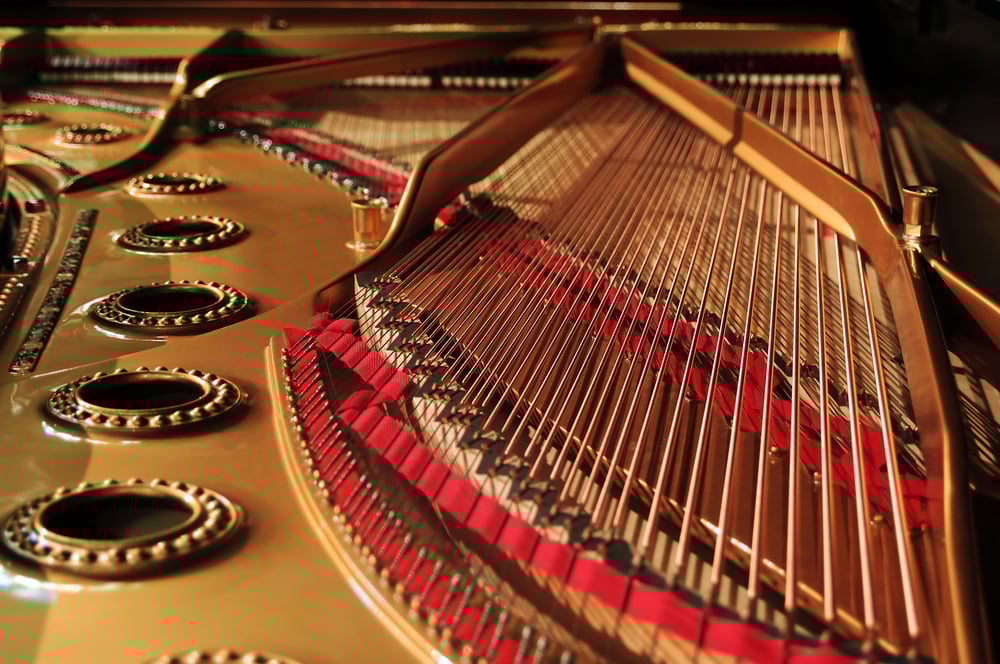
The tension created by the 230-odd strings in a grand piano exerts a combined force of 20 tons on the cast iron frame. That’s enough pressure to theoretically lift a small house, which explains why piano frames need to be so incredibly sturdy.
Every time you hear a gentle piano melody, remember there’s enough stored energy in that instrument to power some serious construction work.
Lully died from conducting too enthusiastically
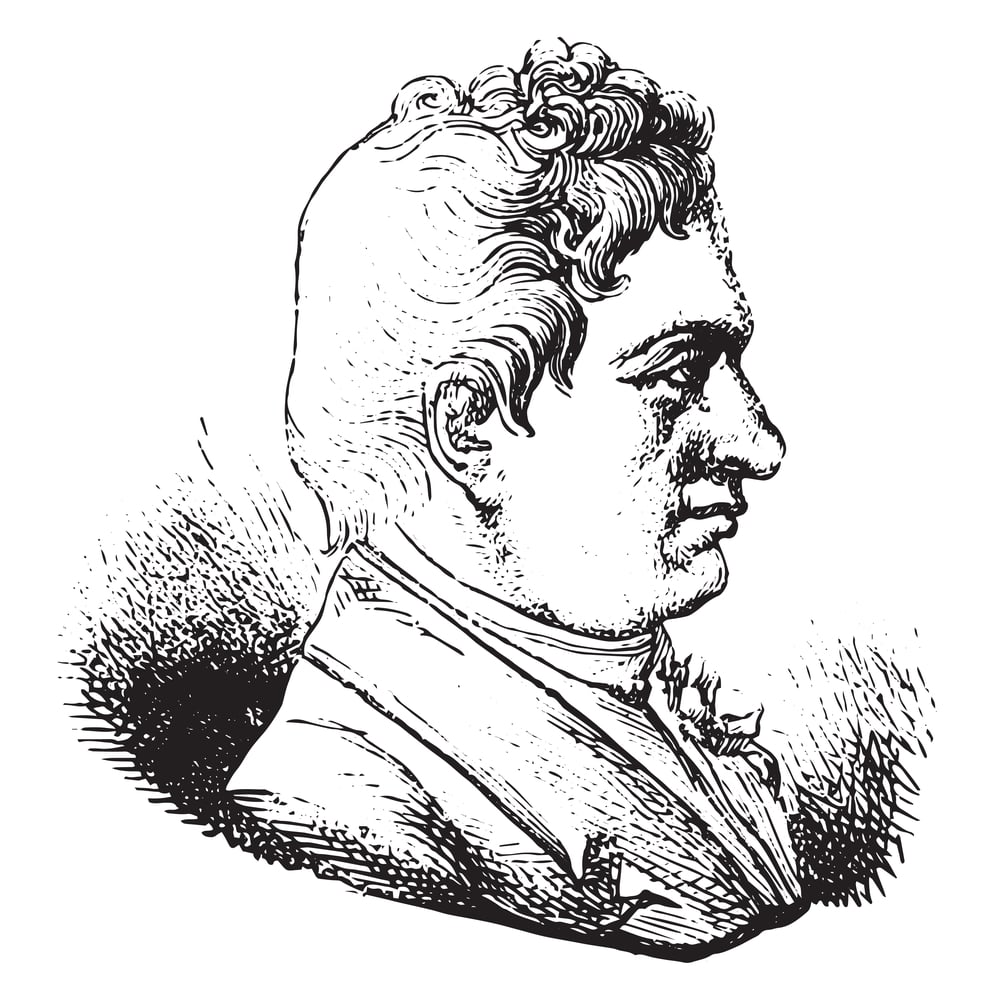
Jean-Baptiste Lully had the misfortune of inventing one of music history’s most ironic deaths. He kept time during performances by banging a large staff on the ground, but during one particularly energetic session, he missed the floor and stabbed his own foot.
The wound became infected with gangrene, and this conducting accident ultimately killed him at age 55.
The most expensive opera costume cost £15 million

Adelina Patti was known for her extravagantly expensive costumes—some valued in today’s money at several million pounds—making her one of the most lavishly dressed sopranos of all time. That’s more than most people’s houses, all for a single performance outfit.
Opera has always been dramatic, but apparently the costume budgets were equally over-the-top.
Mozart wrote Don Giovanni’s overture while hungover

The morning of Don Giovanni’s premiere, Mozart realized he’d forgotten to write the overture. Still nursing a serious hangover from the previous night’s festivities, he dashed off one of opera’s most famous opening pieces in just three hours.
This proves that sometimes procrastination and alcohol can produce absolute masterpieces, though we wouldn’t recommend this as a general strategy.
Schoenberg died exactly as he feared
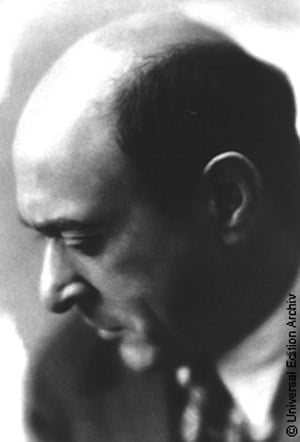
Arnold Schoenberg suffered from triskaidekaphobia—an intense fear of the number 13. When he turned 76, a friend jokingly pointed out that 7 + 6 = 13, convincing Schoenberg he wouldn’t survive another year.
On Friday, July 13, 1951, the terrified composer stayed in bed all day, and died just before midnight, fulfilling his own grim prophecy.
The largest symphony requires over 800 musicians
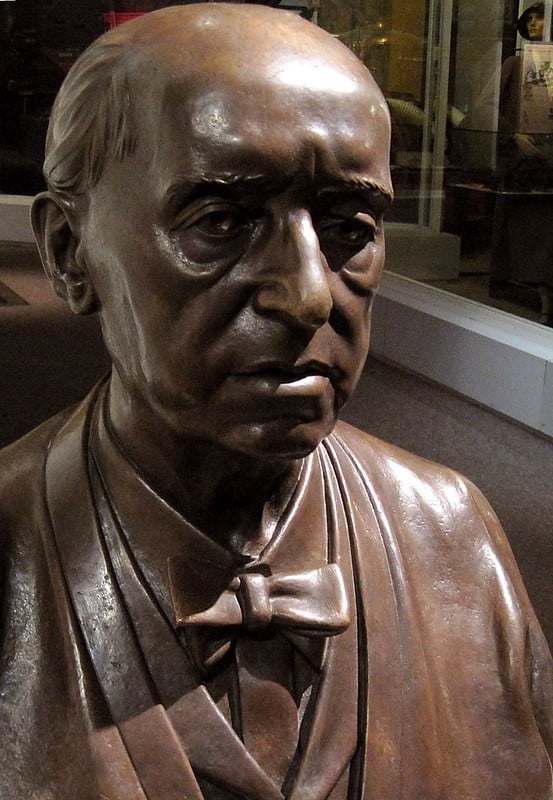
Known as “Gothic,” Havergal Brian’s Symphony No. 1 requires over 800 players, including 82 string players. Just think of how difficult it would be to arrange so many musicians on one stage, let alone get them to perform harmoniously.
It resembles a small army with instruments more than a typical orchestra.
Orlando de Lassus was kidnapped for his voice

Orlando de Lassus, a Renaissance composer, was abducted several times by various choirs who wanted him to sing for them because of his exquisite singing voice. In the 16th century, it seems that having talent was highly risky; rather than offering contracts, choir directors simply abducted children.
Music that changed the world

These wild stories remind us that behind every famous symphony and concerto stands a real person with quirks, fears, and human flaws just like the rest of us. Whether they were obsessing over coffee beans, getting drunk before premieres, or accidentally creating music with their pets, these composers proved that genius often comes wrapped in wonderfully eccentric packages.
Their music continues to move audiences centuries later, but now you know the delightfully weird people who created it all.
More from Go2Tutors!

- The Romanov Crown Jewels and Their Tragic Fate
- 13 Historical Mysteries That Science Still Can’t Solve
- Famous Hoaxes That Fooled the World for Years
- 15 Child Stars with Tragic Adult Lives
- 16 Famous Jewelry Pieces in History
Like Go2Tutors’s content? Follow us on MSN.



