16 Gadgets That Defined Office Life in the Past
The modern office bears little resemblance to its analog ancestors, where the hum of machinery mixed with the click of typewriter keys and the sharp ring of rotary phones. Before smartphones turned everyone into walking computers, office workers relied on an arsenal of specialized gadgets that now seem almost quaint in their single-minded purpose.
Here are 16 gadgets that once ruled the corporate world and shaped how business got done.
Typewriter
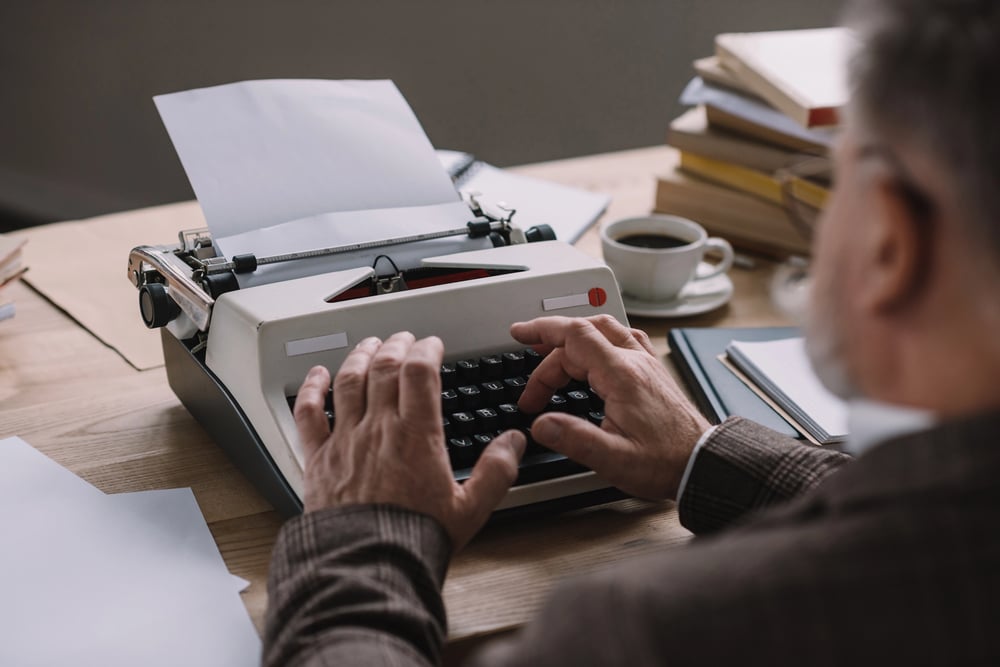
The mechanical marvel that transformed business communication forever. Each keystroke required deliberate force, and mistakes meant starting over or reaching for correction fluid. The satisfying ding at line’s end became the soundtrack of productivity for generations.
But typewriters weren’t just tools—they were statements. An IBM Selectric commanded respect in corner offices, while portable models suggested a writer serious enough to work anywhere.
Rotary Phone
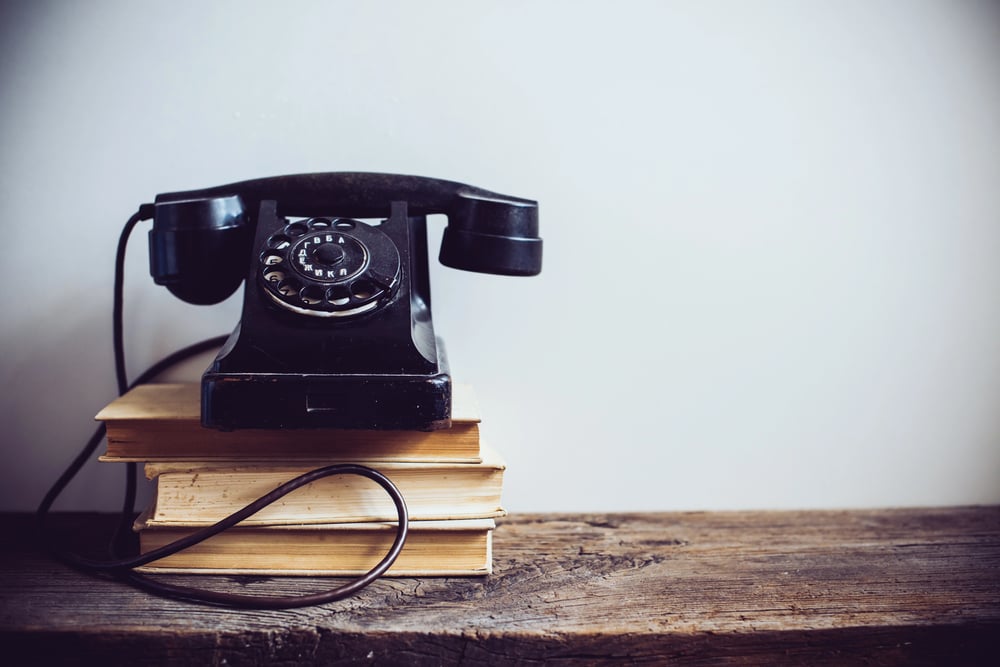
Heavy black Bakelite anchored to desks like paperweights with purpose. Dialing required patience as the rotary disk spun back after each number, making quick calls impossible and wrong numbers costly in time.
The weight alone could double as a weapon. Office pranks often involved moving someone’s phone just out of reach while they juggled papers and coffee.
Carbon Paper
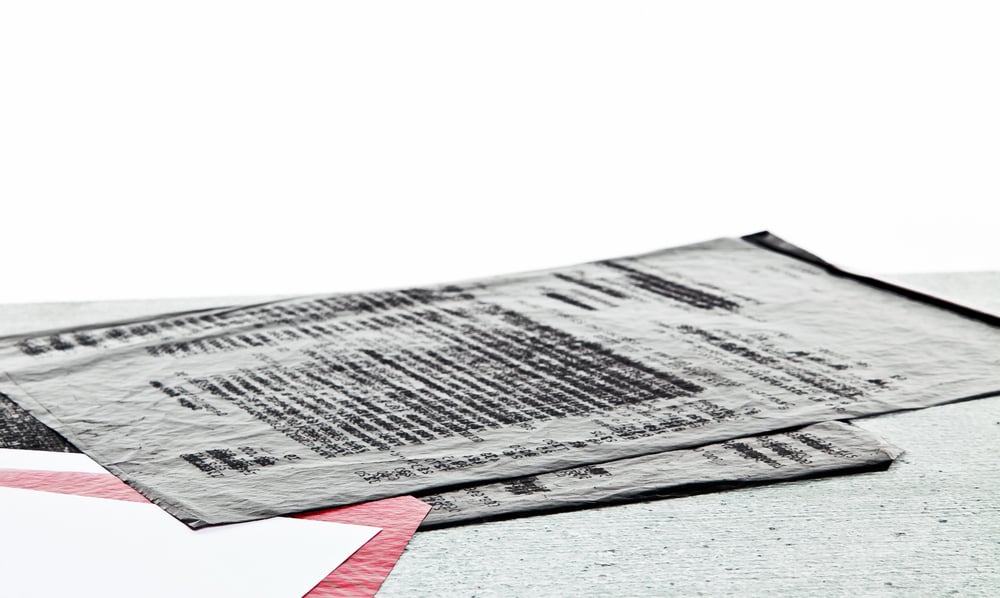
The original copy-paste function came in thin, messy sheets that stained fingers purple-black. Secretaries would layer carbon between multiple sheets, creating instant duplicates with each typewriter strike.
And the smell—metallic and slightly sweet, it clung to everything in the filing room.
Adding Machine
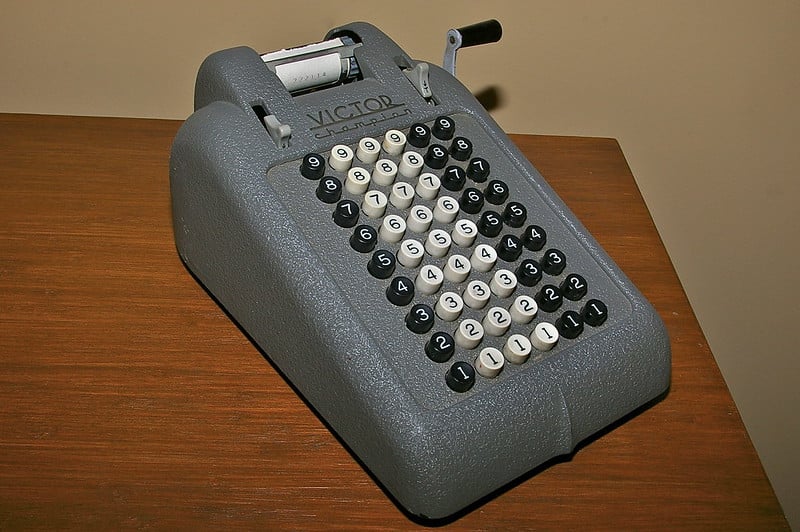
Before calculators fit in pockets, these mechanical beasts dominated accounting departments. Pull the lever. Watch numbers appear. The metallic thunk-thunk-thunk rhythm meant someone was balancing books.
Models ranged from desktop units to massive floor-standing machines that required their own furniture. The more expensive versions could multiply and divide, making them office celebrities.
Dictaphone
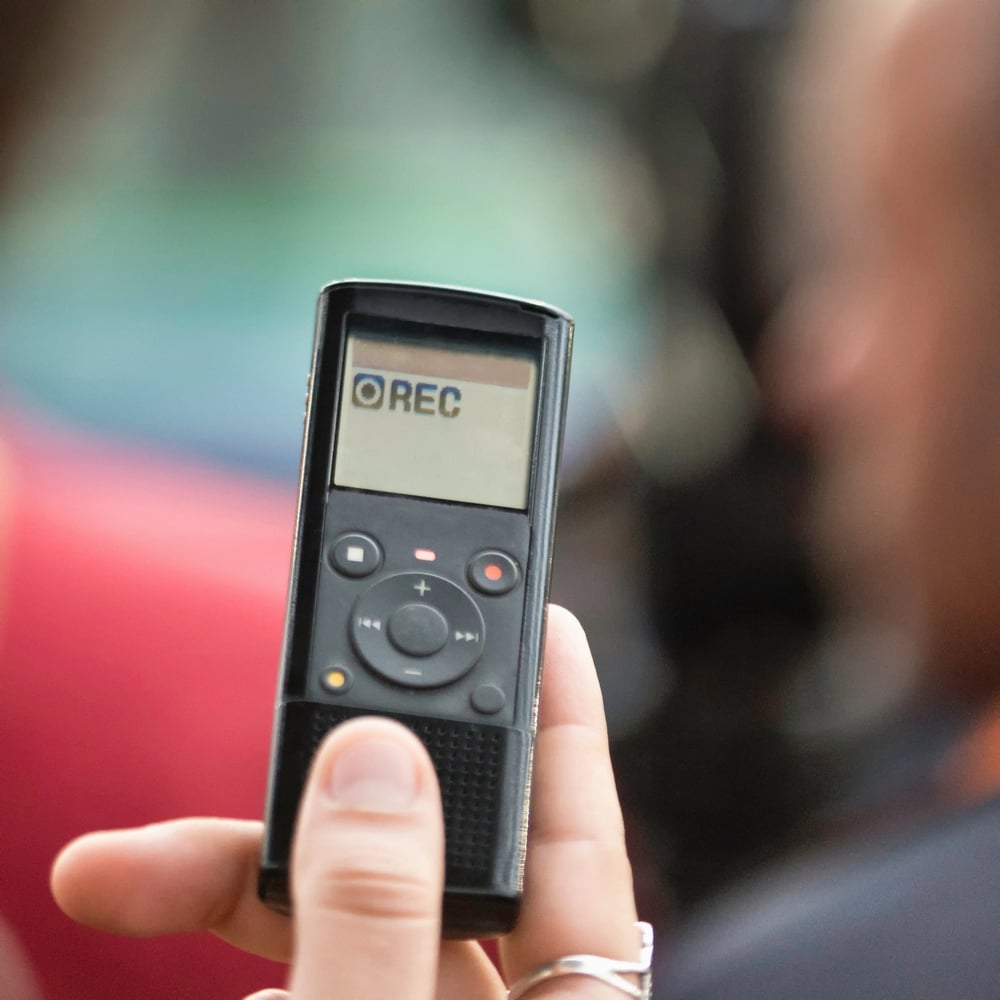
Executives spoke into these recording devices, dictating letters and memos for secretaries to transcribe later. The technology evolved from wax cylinders to magnetic belts, but the concept remained unchanged: capture the boss’s words for later processing.
Mimeograph Machine
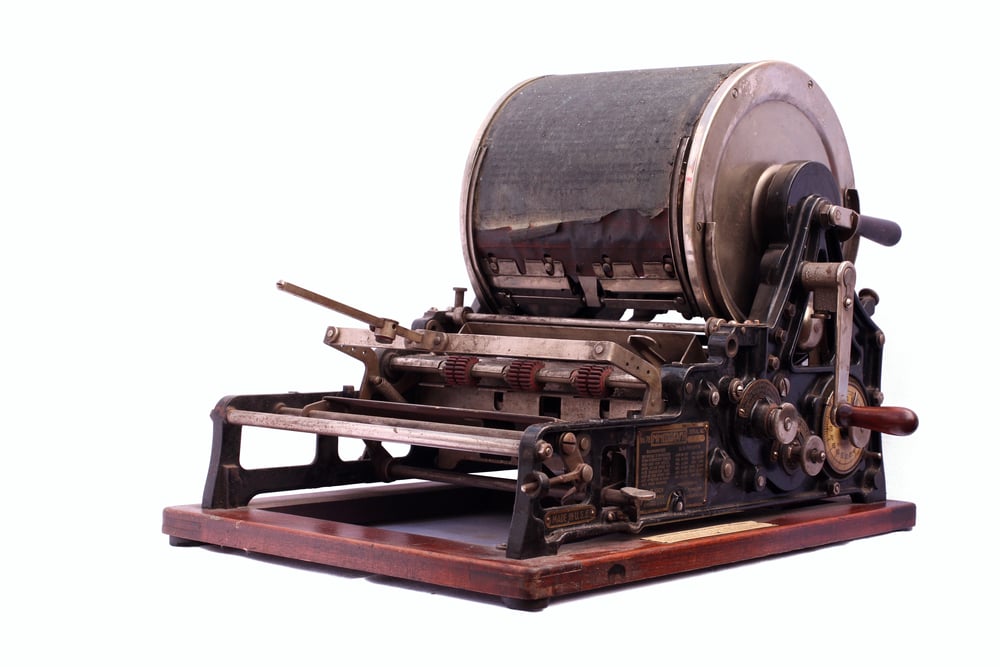
The purple-inked predecessor to modern copiers created documents with that distinctive smell every office worker recognized. The process involved creating a stencil, then cranking out copies one sheet at a time.
Teachers and office managers alike developed purple-stained fingertips from handling fresh mimeo copies. Not exactly professional, but it got the job done.
Electric Pencil Sharpener
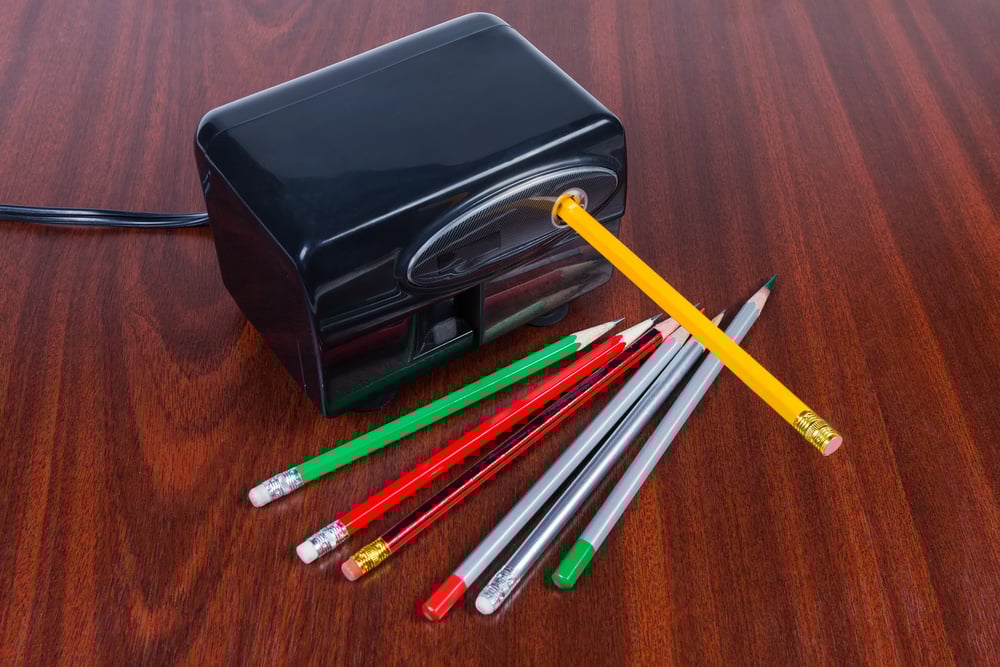
A luxury that transformed the mundane task of pencil maintenance into something almost ceremonial. The electric motor’s whir signaled serious work ahead, and the perfectly pointed result felt like a small victory.
Some models were bolted to desks. Others sat proudly on countertops, serving entire departments.
Intercom System
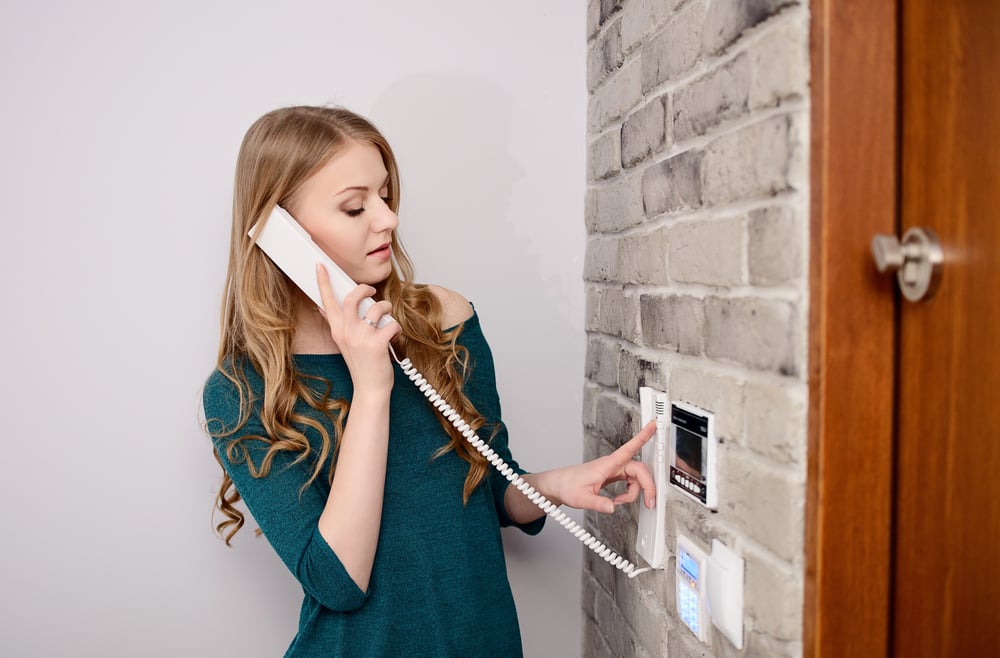
Before email or instant messaging, office communication happened through crackling speaker boxes. Push the button, wait for the static to clear, then broadcast messages throughout the building.
Privacy wasn’t the point—everyone heard everything, creating an accidental transparency that modern offices might envy.
Slide Rule
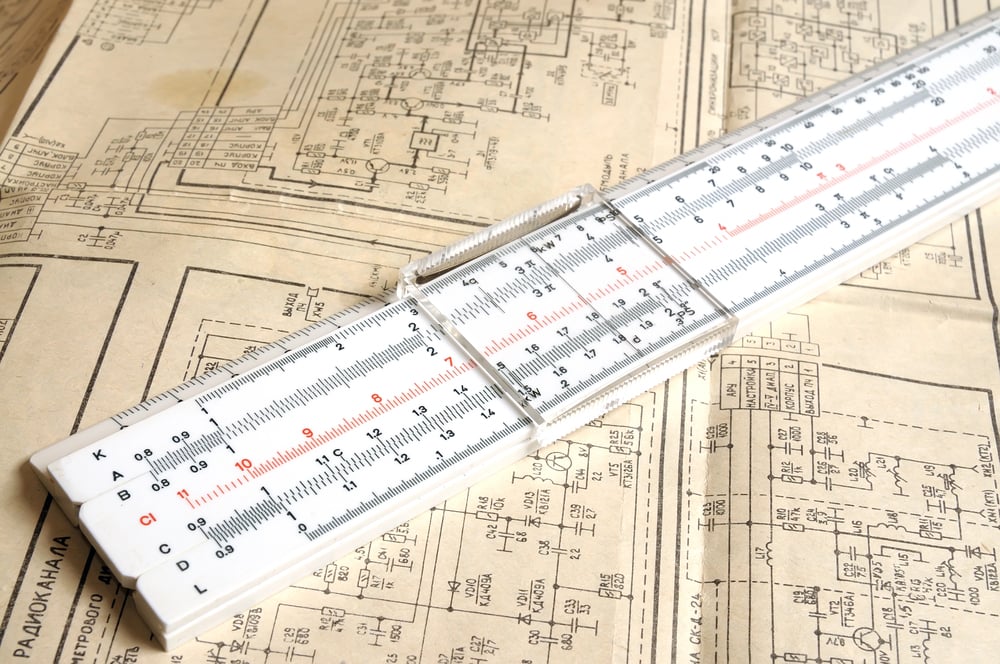
Engineers and accountants wielded these precision instruments like magic wands, sliding scales back and forth to calculate complex equations. Mastering a slide rule meant joining an elite club of technical professionals.
The ritual was almost meditative. Align the scales, read the numbers, double-check the calculation. Accuracy depended entirely on human skill and steady hands.
Card Punch Machine
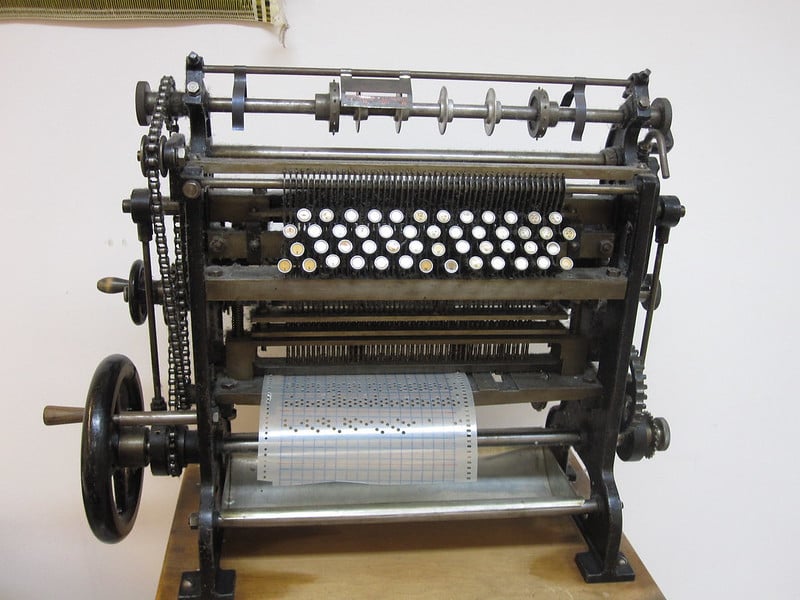
Data entry meant punching pits in precise patterns across cardboard cards. Each card represented one record, and boxes of punched cards contained entire databases. Programmers learned to read the patterns like a secret language.
Drop a box of cards, and hours of work scattered across the floor in random order. The horror was real.
Overhead Projector
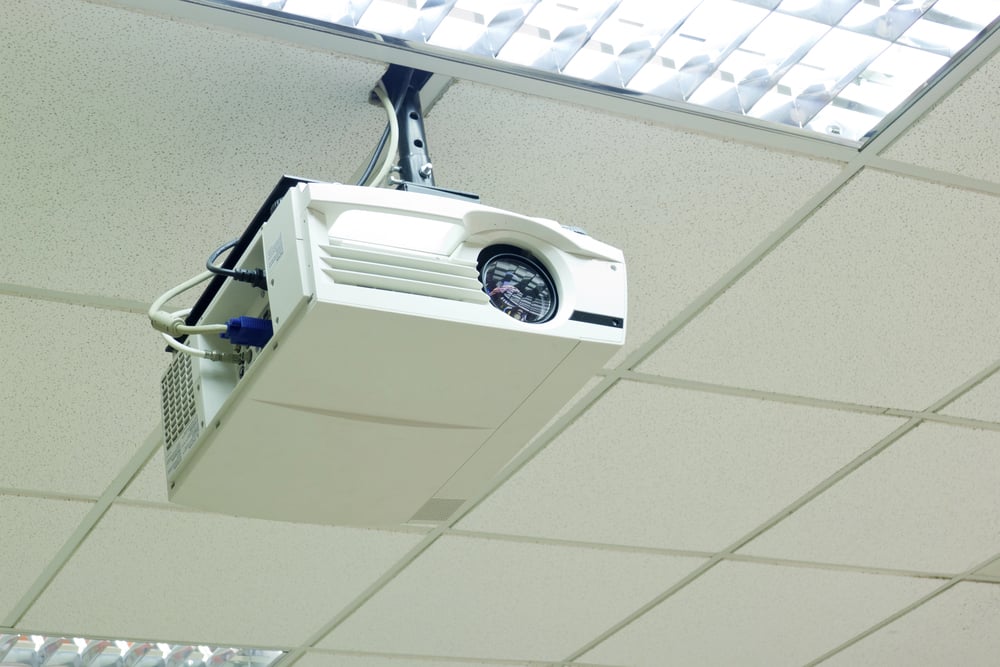
The transparency sheets were everything:
- Clear acetate for permanent presentations
- Write-on sheets for spontaneous explanations
- Colored overlays for emphasis
- Pre-printed templates for consistency
Meetings revolved around these glowing rectangles projected on walls, and presenters developed elaborate techniques for revealing information line by line.
PBX Switchboard
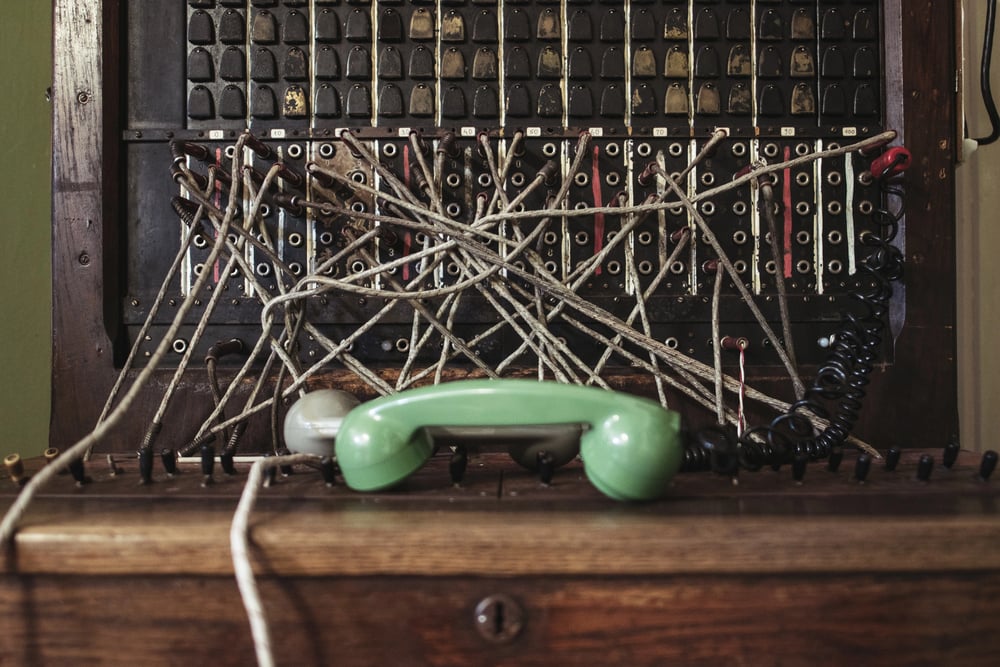
Operators sat before walls of cables and switches, manually connecting calls throughout large organizations. Each incoming call required human intervention, and busy signals meant actual human judgment about priorities.
The operators knew everyone’s voice and often screened calls based on intuition rather than formal protocols.
Rolodex
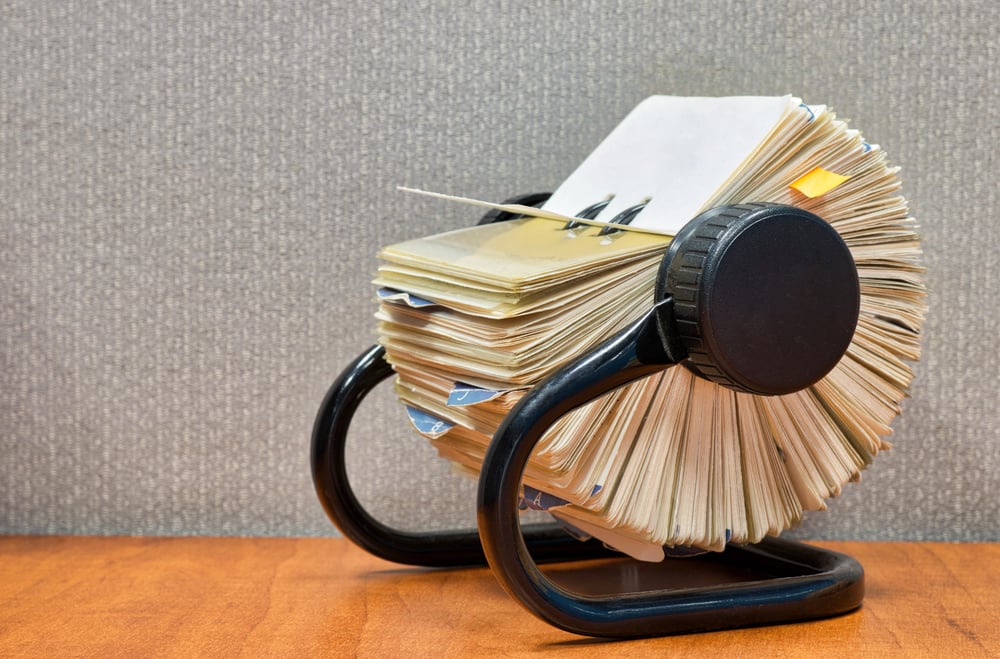
The spinning wheel of business contacts lived on every important desk. Cards held phone numbers, addresses, and handwritten notes about clients and colleagues. Success was measured partly by how fat your Rolodex had grown.
Still, finding the right card often took longer than making the actual call.
Fax Machine
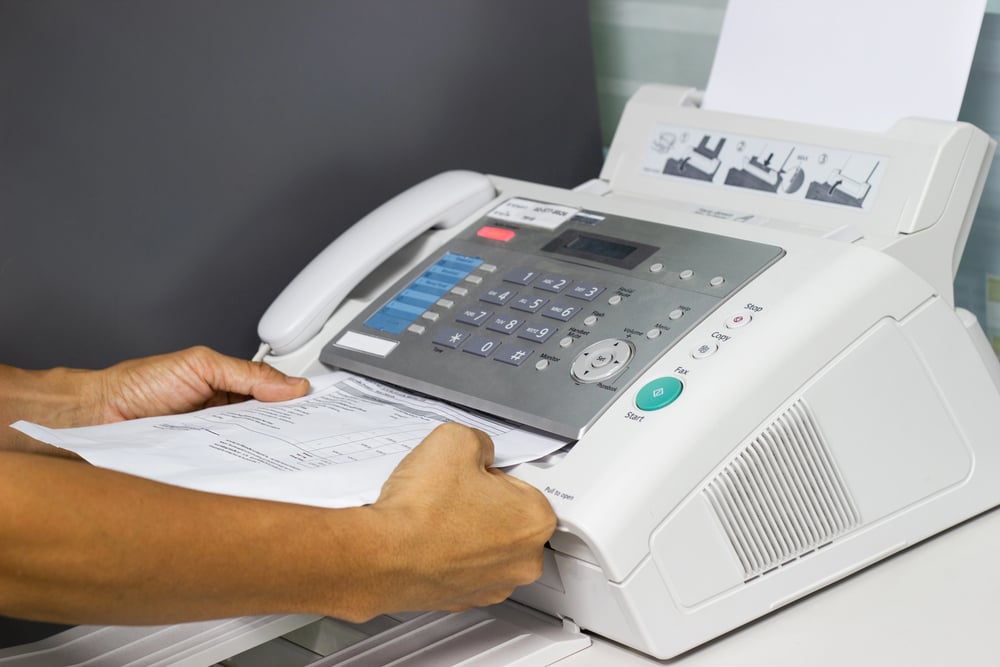
The miracle of transmitting documents through phone lines seemed like science fiction made real. Feed a paper into one machine, and minutes later, an identical copy emerged hundreds of miles away.
Early fax machines used thermal paper that curled and faded, creating documents that looked important but felt temporary. The high-pitched handshake squeal announced each transmission like a digital battle cry.
Time Clock
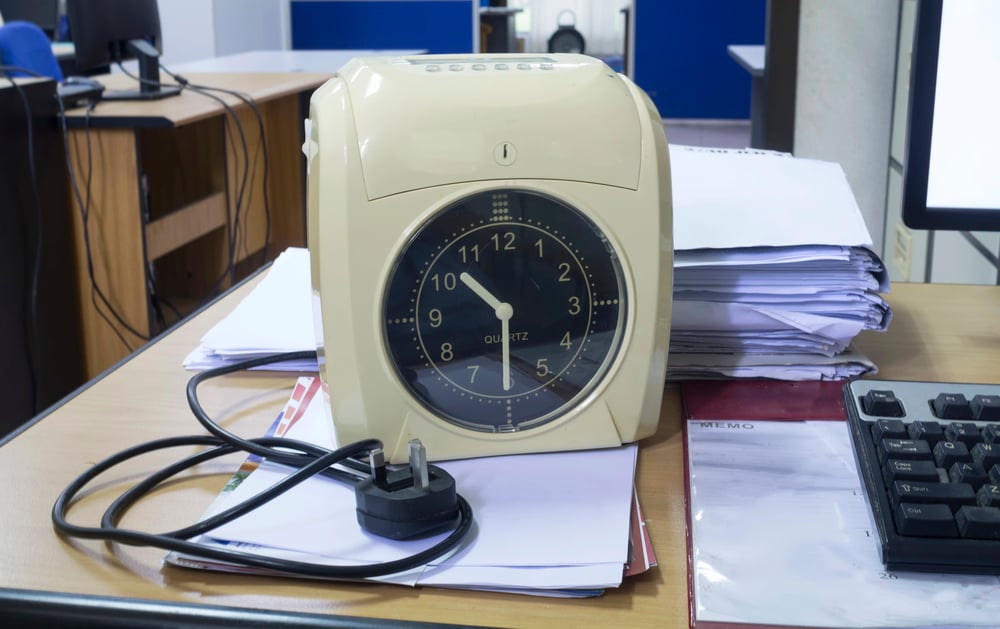
Punch cards tracked every worker’s arrival and departure with mechanical precision. No argument, no negotiation—the time stamp was absolute truth. Late arrivals faced the walk of shame past the time clock while colleagues watched.
Desk Calculator
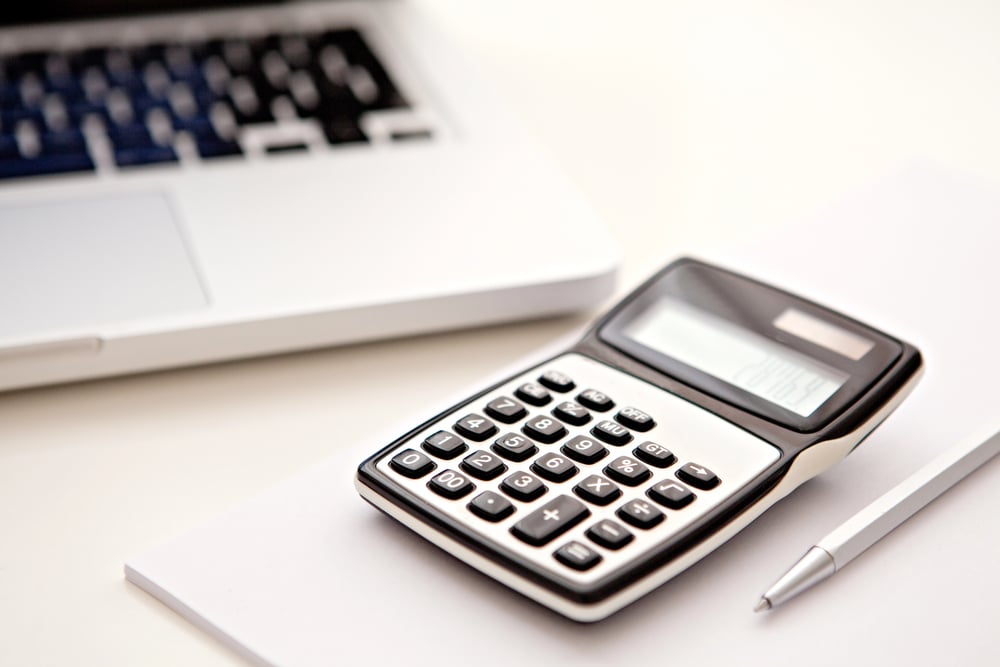
Before pocket calculators, these desktop units processed numbers with satisfying mechanical clicks and whirs. The best models printed paper tape records of calculations, creating permanent audit trails of mathematical work.
Accountants developed personal relationships with their calculators, learning each machine’s quirks and rhythms. Some clicked loudly, others hummed quietly, but all demanded respect for their precision.
When Simple Meant Everything
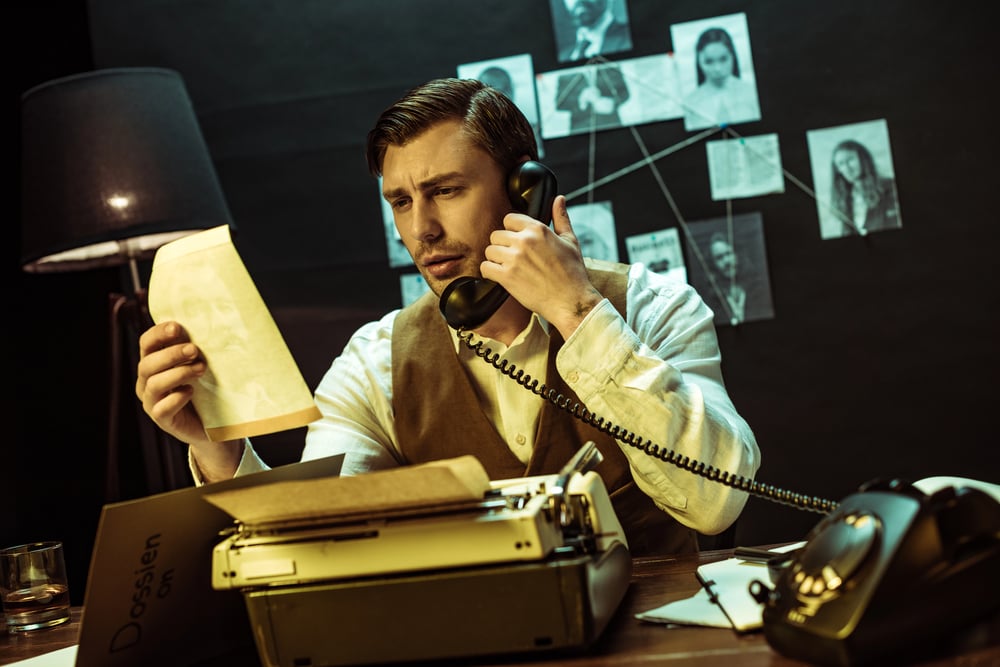
These gadgets shared a common trait: single-minded purpose. Each did one thing well, requiring skill and patience from users who understood that efficiency came through mastery, not convenience. The modern office may be faster, but something was lost when every tool became a computer.
More from Go2Tutors!

- The Romanov Crown Jewels and Their Tragic Fate
- 13 Historical Mysteries That Science Still Can’t Solve
- Famous Hoaxes That Fooled the World for Years
- 15 Child Stars with Tragic Adult Lives
- 16 Famous Jewelry Pieces in History
Like Go2Tutors’s content? Follow us on MSN.