Origins of Household Items Used Worldwide
You probably don’t think much about the everyday objects around your home. The fork you use at breakfast, the mirror you check before leaving, the light switch you flip without looking.
But each of these simple things has a story that stretches back centuries, sometimes millennia. These items didn’t just appear fully formed in stores.
They evolved through trial and error, cultural exchange, and moments of accidental genius.
The Journey of Refrigeration

Before refrigerators, people stored food in icehouses or used salt to preserve meat. The concept seems obvious now, but keeping food cold year-round took serious engineering.
Jacob Perkins created the first practical refrigerating machine in 1834, using vapor compression. Early models were massive, expensive, and sometimes leaked toxic gases.
It took nearly a century before refrigerators became common in homes. By the 1950s, most American families owned one, and the appliance had transformed how people shopped, cooked, and ate.
How Toothbrushes Began
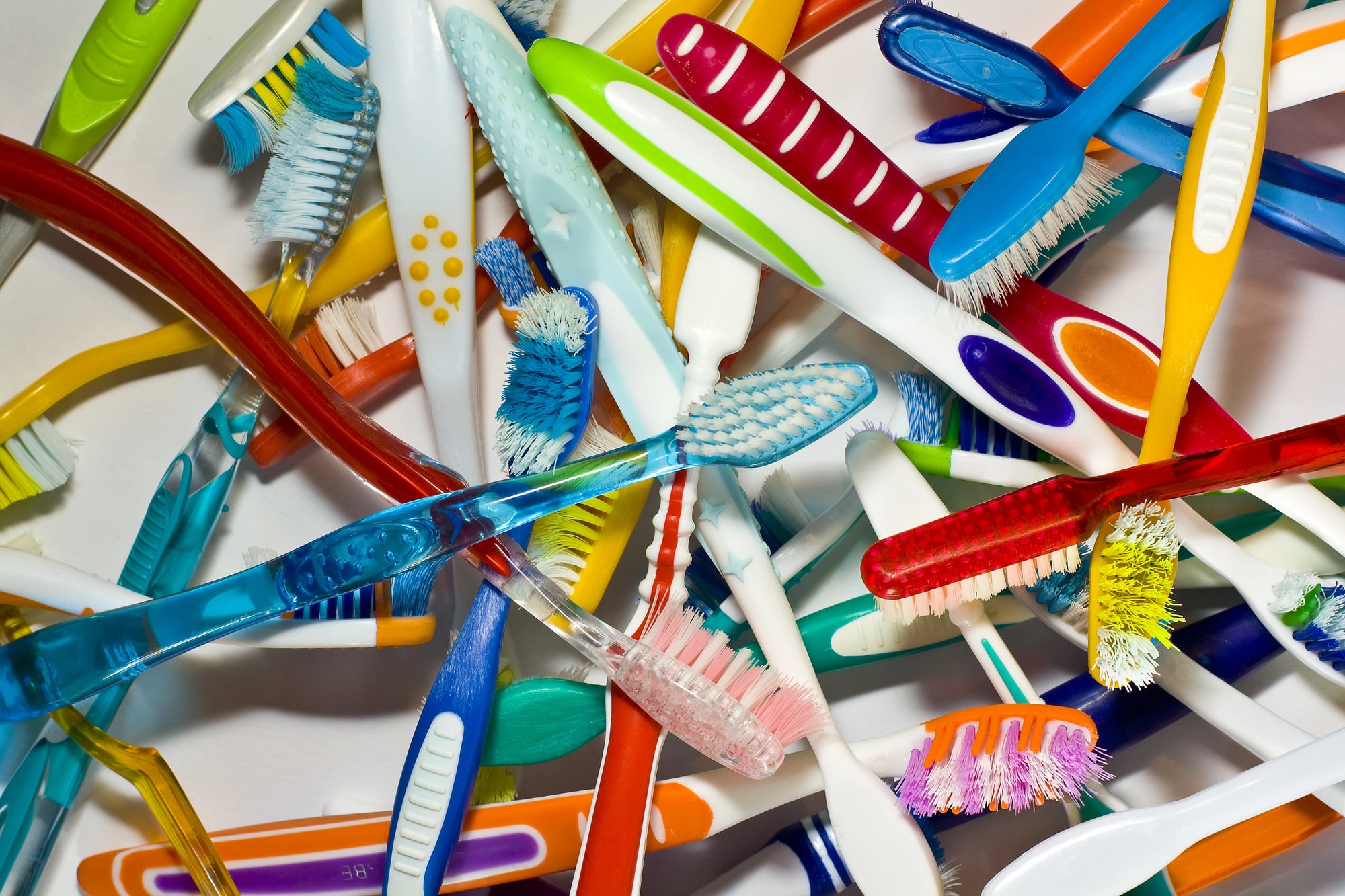
Ancient civilizations chewed on twigs to clean their teeth. The frayed ends worked as bristles, and certain woods had antimicrobial properties.
The first recognizable toothbrush appeared in 15th-century China, made with hog bristles attached to bamboo or bone handles. Europeans adopted the design centuries later, though many people still preferred tooth powders and rags.
Nylon bristles replaced animal hair in 1938, making toothbrushes more hygienic and accessible. The electric version showed up in 1954, though manual brushes still dominate worldwide.
The Evolution of Soap

Ancient Babylonians made soap around 2800 BCE by boiling fats with ashes. They used it mainly for washing wool and cotton, not for personal hygiene.
The Romans later connected cleanliness with health, though they preferred olive oil and scrapers in their baths. Soap making became an established craft during the Middle Ages, particularly in Mediterranean regions with abundant olive oil.
Commercial production began in the 1700s, and by the 1800s, soap had become affordable enough for regular use by ordinary families.
The Fork’s Late Arrival

People ate with their hands for most of human history. Knives existed for cutting, and spoons worked for liquids, but forks seemed unnecessary.
The Byzantine Empire used them in the 11th century, but Western Europeans thought they were pretentious and sacrilegious. Catherine de Medici brought forks to France in 1533 when she married the future king.
Even then, adoption was slow. Americans didn’t commonly use forks until the 1800s. Now you’d struggle to find a kitchen without a drawer full of them.
Cleaning Floors Without Bending
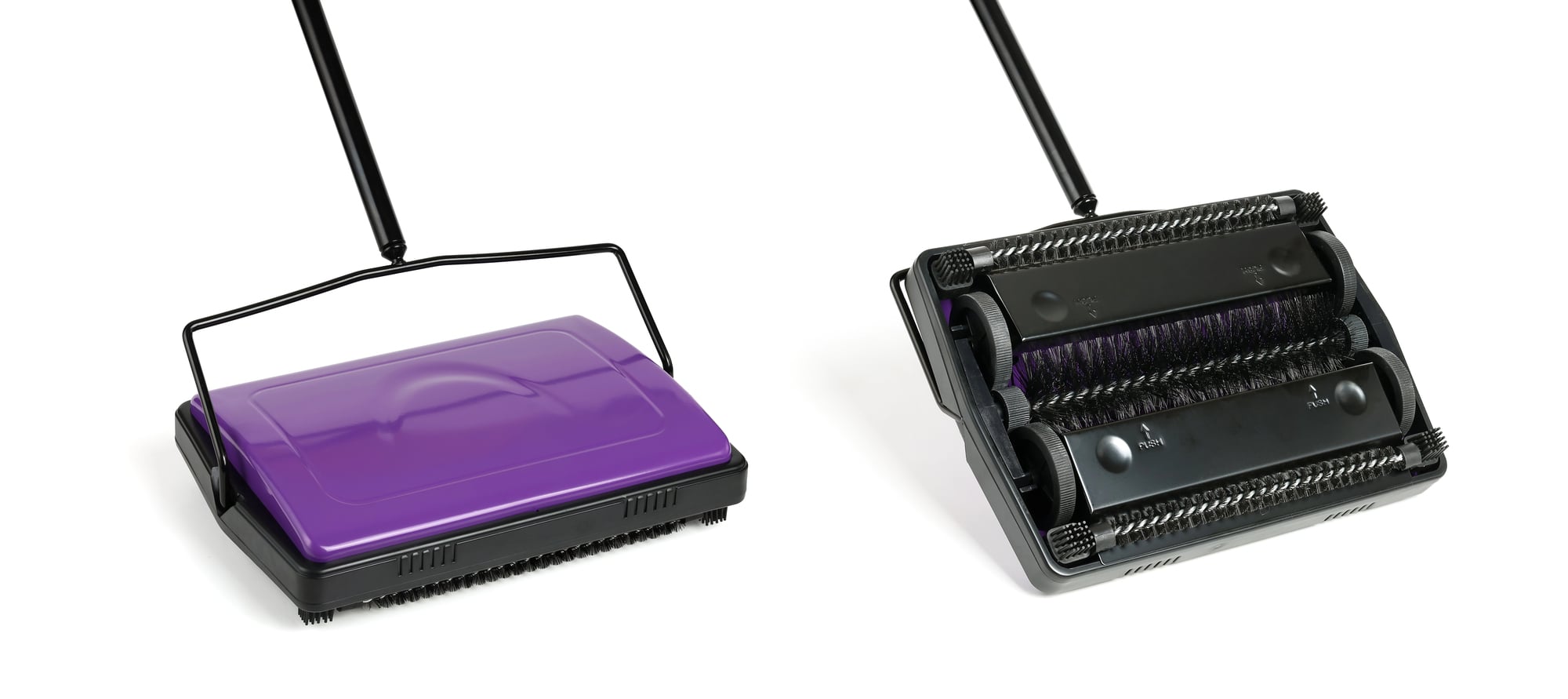
Sweeping works fine until you need to get dust out of carpets and upholstery. The mechanical carpet sweeper appeared in 1876, invented by Melville Bissell who wanted to keep dust from aggravating his wife’s allergies.
It used rotating brushes but no suction. The first powered vacuum cleaner was so large it stayed outside while hoses snaked through windows.
Portable electric models didn’t arrive until the 1920s. Modern vacuums owe their existence to one man’s concern for his wife’s health and the subsequent decades of engineering refinement.
The Accidental Microwave

Percy Spencer was working on radar technology in 1945 when he noticed a chocolate bar melting in his pocket. The magnetron he was testing was emitting energy that heated food.
He experimented with popcorn kernels, which popped, then an egg, which exploded. The first microwave oven stood six feet tall and weighed 750 pounds.
It cost about $50,000 in today’s money. By the 1970s, countertop models had become affordable for average households.
Now they’re so common that hotel rooms without them feel incomplete.
Morning Rituals and Coffee

Coffee originated in Ethiopia, but the Ottoman Empire perfected its preparation and spread it throughout their territories. Early coffee required boiling grounds in water, a method still used in Turkish coffee.
The drip coffee maker didn’t exist until the early 1900s. Melitta Bentz invented the paper coffee filter in 1908 because she was tired of bitter coffee and grounds in her cup.
She punched openings in a brass pot and used paper from her son’s school notebook. That simple frustration led to a company that still bears her name.
A Topic Nobody Discusses
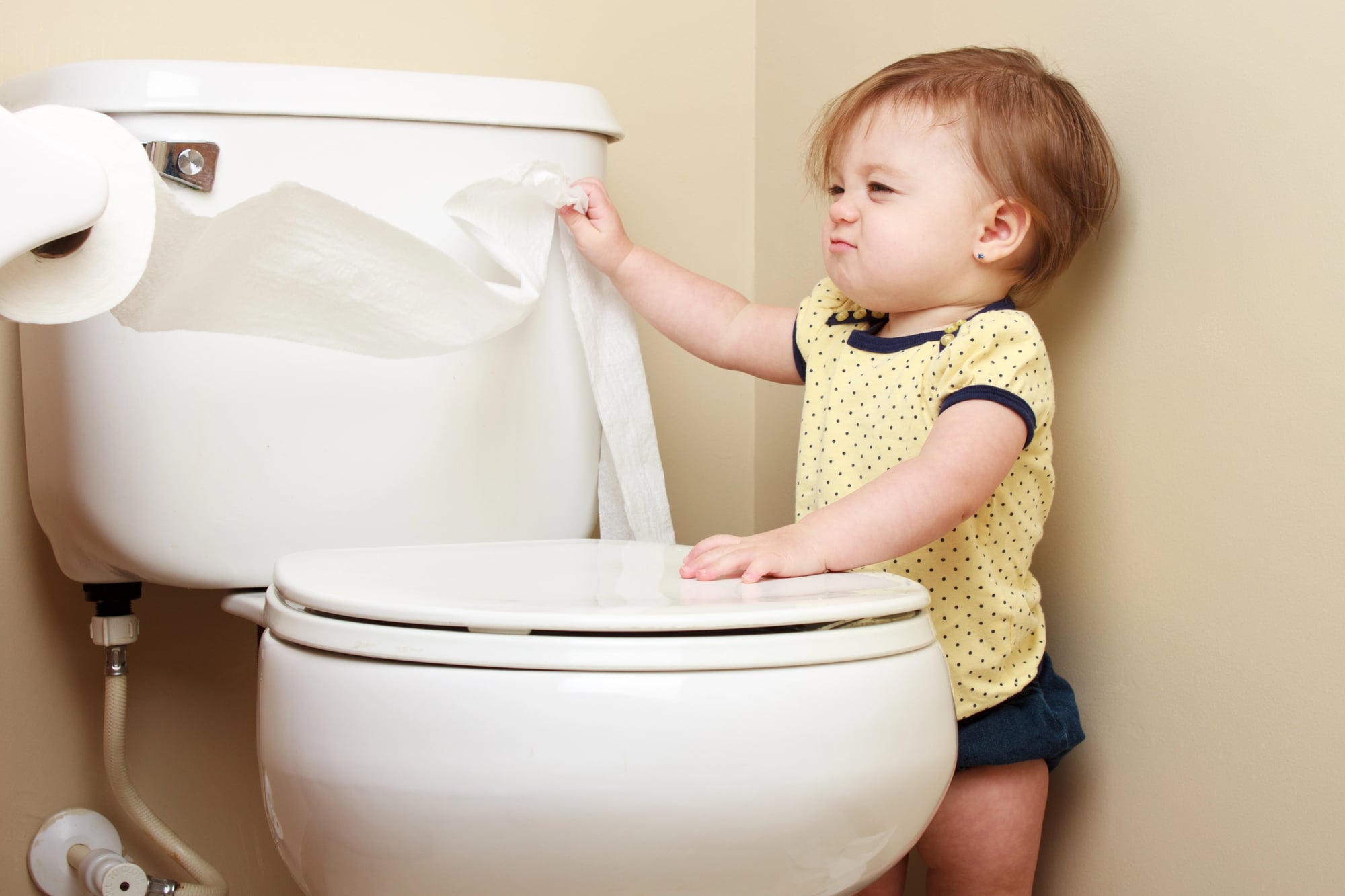
Ancient Romans used sponges on sticks, washed in vinegar or salt water between uses. Chinese emperors used sheets of paper as early as the 6th century.
Most of the world used leaves, corn cobs, or simply water. Commercial toilet paper appeared in 1857, marketed by Joseph Gayetty as a medical product.
It didn’t catch on immediately. People were accustomed to free alternatives and saw no reason to pay. The Sears catalog served double duty for rural Americans well into the 20th century.
Light Without Flame

Humans used fire for light for hundreds of thousands of years. Oil lamps improved the situation but still produced smoke and required constant fuel.
Thomas Edison gets credit for the light bulb, but about 20 other inventors were working on similar designs at the same time. Edison’s carbon filament bulb in 1879 lasted longer than previous attempts and could be manufactured affordably.
The real achievement wasn’t just the bulb but the entire electrical infrastructure needed to power it. Most homes didn’t have electricity until the 1930s.
Keeping Time at Home

Ancient civilizations tracked time with sundials and water clocks. Mechanical clocks appeared in medieval European monasteries, driven by weights and regulated by escapements.
These were massive installations in towers, not household items. Spring-driven clocks small enough for homes appeared in the 1500s, but they were luxury items.
Pendulum clocks in the 1600s improved accuracy significantly. Electric clocks arrived in the 1900s, and quartz movements in the 1960s made precise timekeeping affordable.
Your phone now keeps better time than the finest chronometer from a century ago.
Reflections Through History

Early mirrors were polished metal or obsidian. They showed distorted, dark reflections.
The Romans developed glass mirrors backed with lead or gold, but these were expensive and rare. Most people went their entire lives without seeing a clear reflection of themselves.
Venetian glassmakers perfected the art of making flat glass mirrors in the 1500s. They kept their techniques secret and dominated the market for centuries.
Industrial production in the 1800s finally made mirrors common. Now they’re so abundant you probably walk past several without noticing.
The Simple Act of Cutting
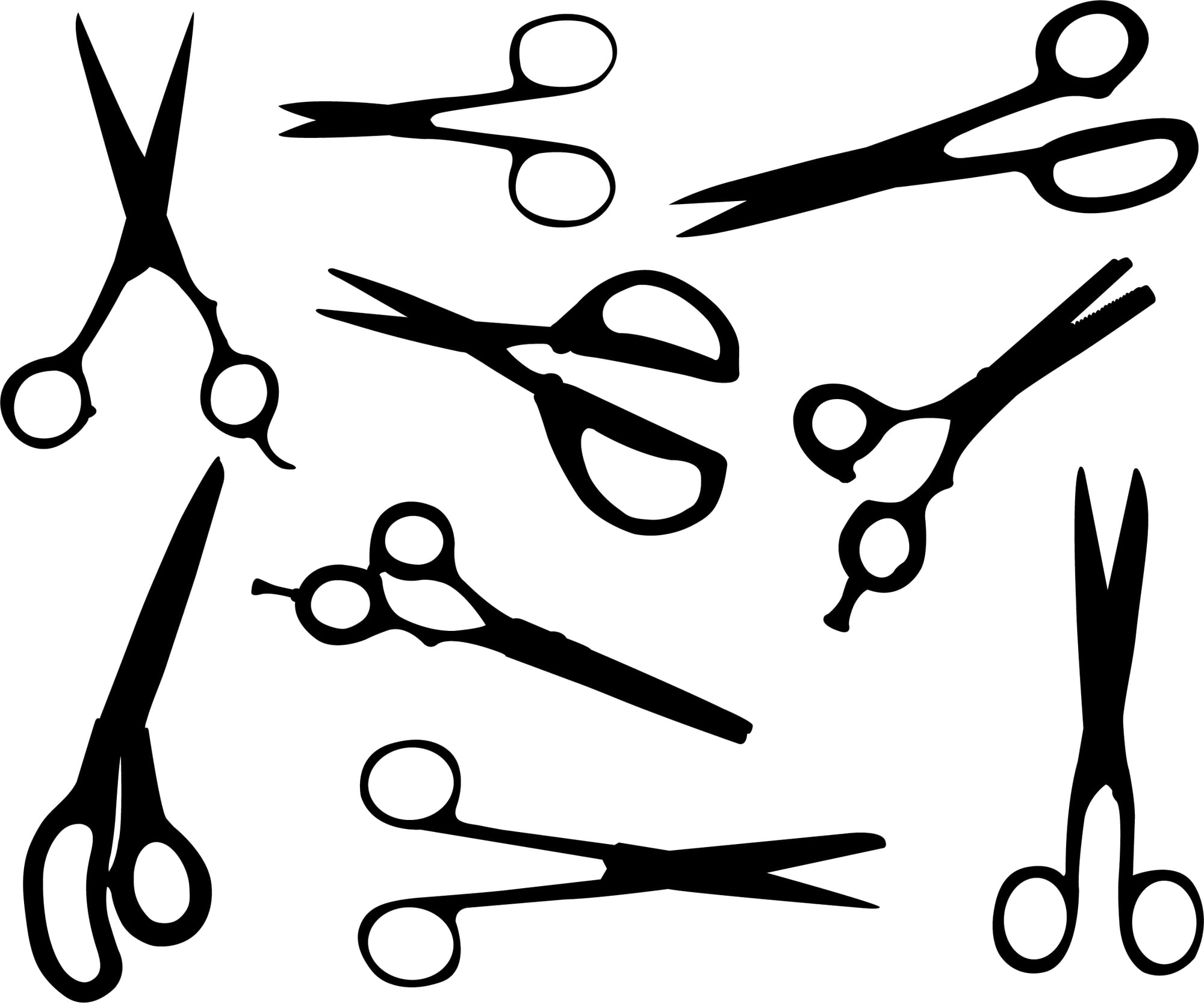
Scissors existed in ancient Egypt, Mesopotamia, and Rome, but they looked different from modern versions. They were more like spring-loaded shears, where two blades connected at a central point.
The cross-blade design you use today appeared around 1000 CE in the Middle East. European craftsmen refined the design during the Renaissance, and manufacturing centers emerged in cities like Sheffield.
Mass production made scissors affordable by the 1800s. That versatile tool in your junk drawer has ancestors older than most nations.
Where We Lay Our Heads
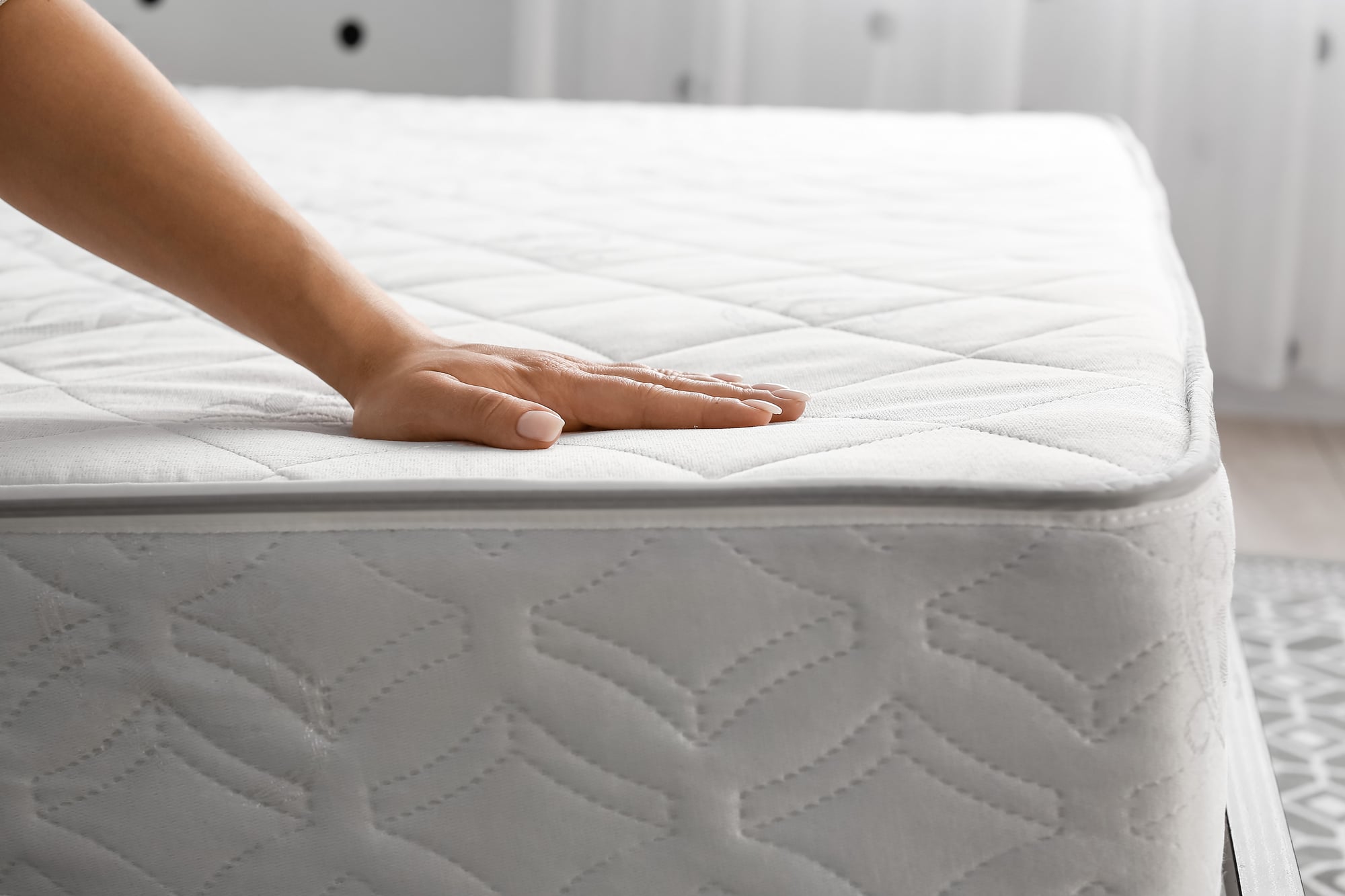
Early humans slept on the ground, maybe with animal skins for cushioning. The ancient Egyptians elevated their sleeping surfaces on wooden frames.
The Romans added mattresses stuffed with reeds or feathers. Still, most people throughout history slept on simple pallets or the floor.
Modern mattresses with springs appeared in the mid-1800s. Box springs came later.
Memory foam was developed by NASA in the 1960s for airplane seats and didn’t reach consumer beds until the 1990s. Your bed probably contains more technology than most vehicles from 50 years ago.
The Tools That Built Homes

Everything else around you? Made by folks who owned tools.
Your house is up simply ’cause workers used hammers, saws, or similar gear. Such simple items go way back – older than any written record.
Wooden pegs once held things together; metal nails came later, first seen in ancient Rome yet only spread widely after machine production cut costs near the 1800s. The claw hammer we know popped up around the 1800s.
Earlier folks just grabbed any handy stone or hunk of metal instead. Hand-operated saws? They go way back – think ancient Egypt.
Machines that run on power didn’t show up until much later, in the 1900s. Your home was built using gear shaped slowly by thousands of years of trial and tweaks.
Objects That Hold Our Stories

Take a stroll around your house like you’ve never seen it before. That measuring cup? It’s got roots in ancient Rome – people back then used something just like it.
Your front-door lock started off as clunky wooden bolts in Egypt ages ago. Those cozy candles you turn to when the sun goes down – they were once our only way to fight the night.
Every everyday object ties back to years of people figuring stuff out. Frustration with awkwardness or hassle pushed someone to make improvements.
Over time, others tweaked those ideas till they turned into what we now take for granted. These tools shape the background of how we live, while quietly holding knowledge from folks long ago who just wanted peace of mind, ease, or a bit less struggle when going about their routine.
More from Go2Tutors!

- The Romanov Crown Jewels and Their Tragic Fate
- 13 Historical Mysteries That Science Still Can’t Solve
- Famous Hoaxes That Fooled the World for Years
- 15 Child Stars with Tragic Adult Lives
- 16 Famous Jewelry Pieces in History
Like Go2Tutors’s content? Follow us on MSN.