Icons of the Navy: Ships That Made History
The story of the U.S. Navy is not solely about firepower and strategy. It’s about the ships themselves—the innovation, steel, and wood that propelled sailors to crucial junctures.
Some ships became legendary because they were present when history changed abruptly, not because they were the largest or fastest. Through perseverance, engineering genius, or just plain good timing, they earned their place in the annals of the nation.
Let’s take a closer look at the ships that did more than serve; they helped define the potential of American naval power.
USS Constitution
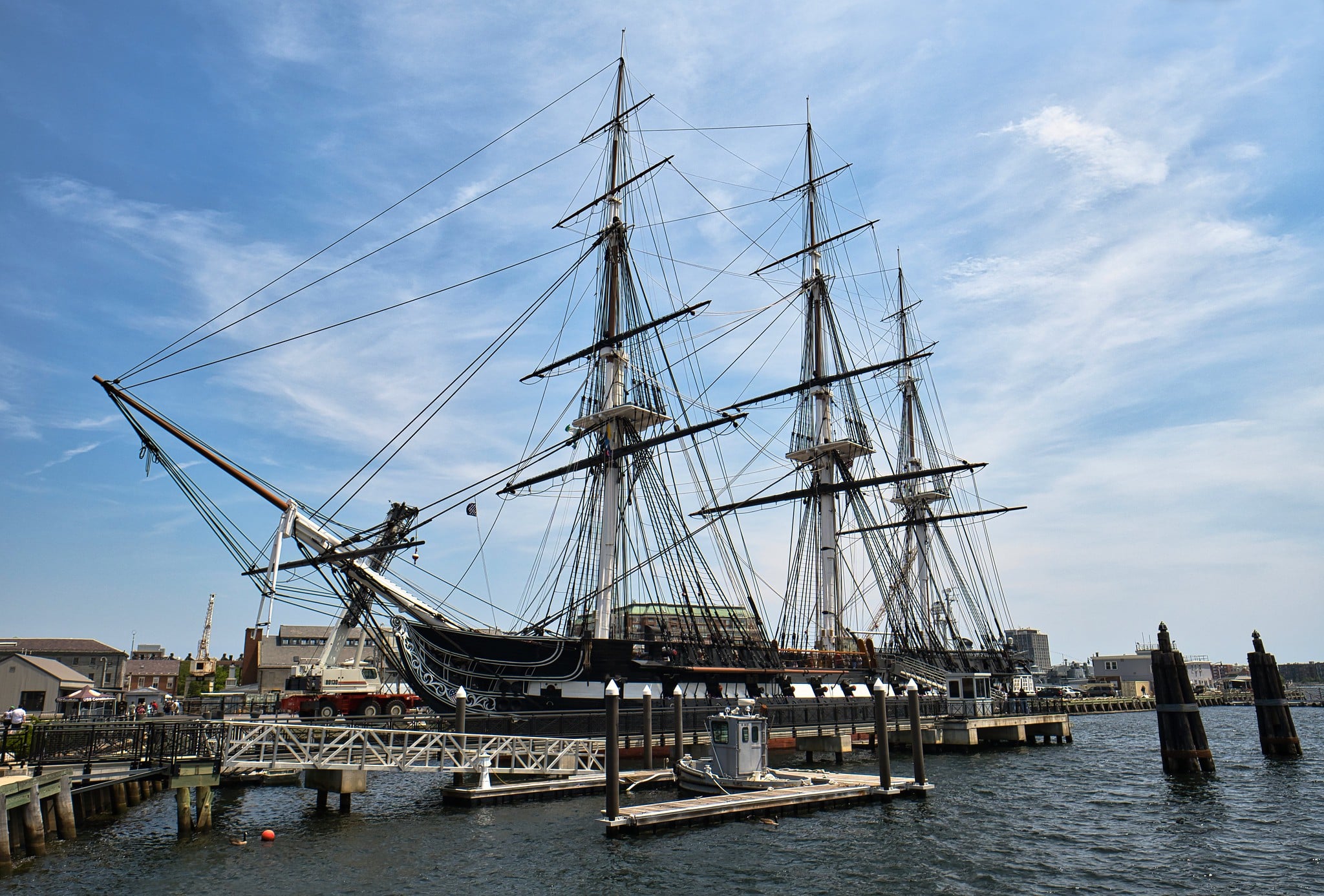
Launched from Boston in 1797, the USS Constitution earned its nickname ‘Old Ironsides’ during the War of 1812 when British cannonballs seemed to bounce off its thick oak hull. The ship wasn’t actually made of iron, but the 21-inch-thick wooden sides were dense enough to deflect enemy fire in ways that shocked opposing crews.
That resilience turned the Constitution into a floating symbol of American defiance during a war where the young nation was still proving it could stand up to European powers. The Constitution racked up an undefeated record in battle, capturing numerous British vessels and boosting American morale when it was desperately needed.
Beyond the victories, the ship represented something larger—a statement that the United States could build world-class warships and challenge the Royal Navy’s dominance. Today, it’s the oldest commissioned warship still afloat, docked in Boston and maintained by the Navy as a living piece of history.
Visitors can walk its decks and get a sense of what naval warfare looked like when wind and wood ruled the seas.
USS Monitor
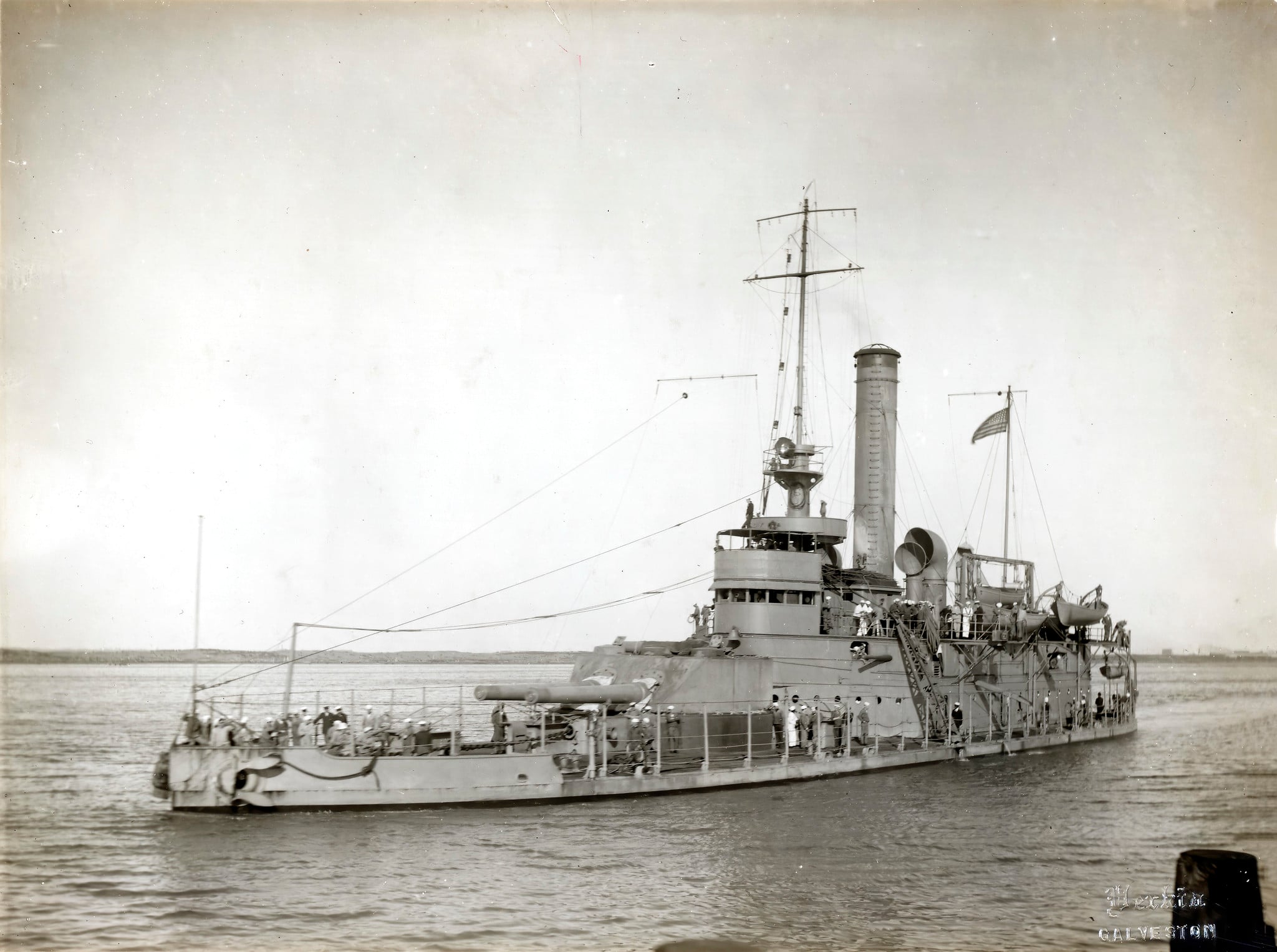
The USS Monitor looked like nothing anyone had seen before when it launched in 1862. Designed by Swedish engineer John Ericsson, it resembled a raft with a rotating turret—a flat, low-profile ironclad that seemed almost absurd compared to the towering wooden warships of the era.
But that odd design changed naval warfare forever during its famous clash with the CSS Virginia on March 9, 1862, at Hampton Roads. The battle itself ended in a tactical draw, but the strategic implications were massive.
The Monitor proved that ironclad vessels with rotating gun turrets could go toe-to-toe with traditional warships, rendering wooden navies obsolete almost overnight. Nations around the world took notice and scrambled to build their own ironclads.
The Monitor’s design influenced warship construction for decades, introducing concepts that evolved into the modern battleship. Sadly, the original Monitor sank in a storm off Cape Hatteras on December 31, 1862, but its legacy outlasted its brief nine-month career.
USS Enterprise (CV-6)
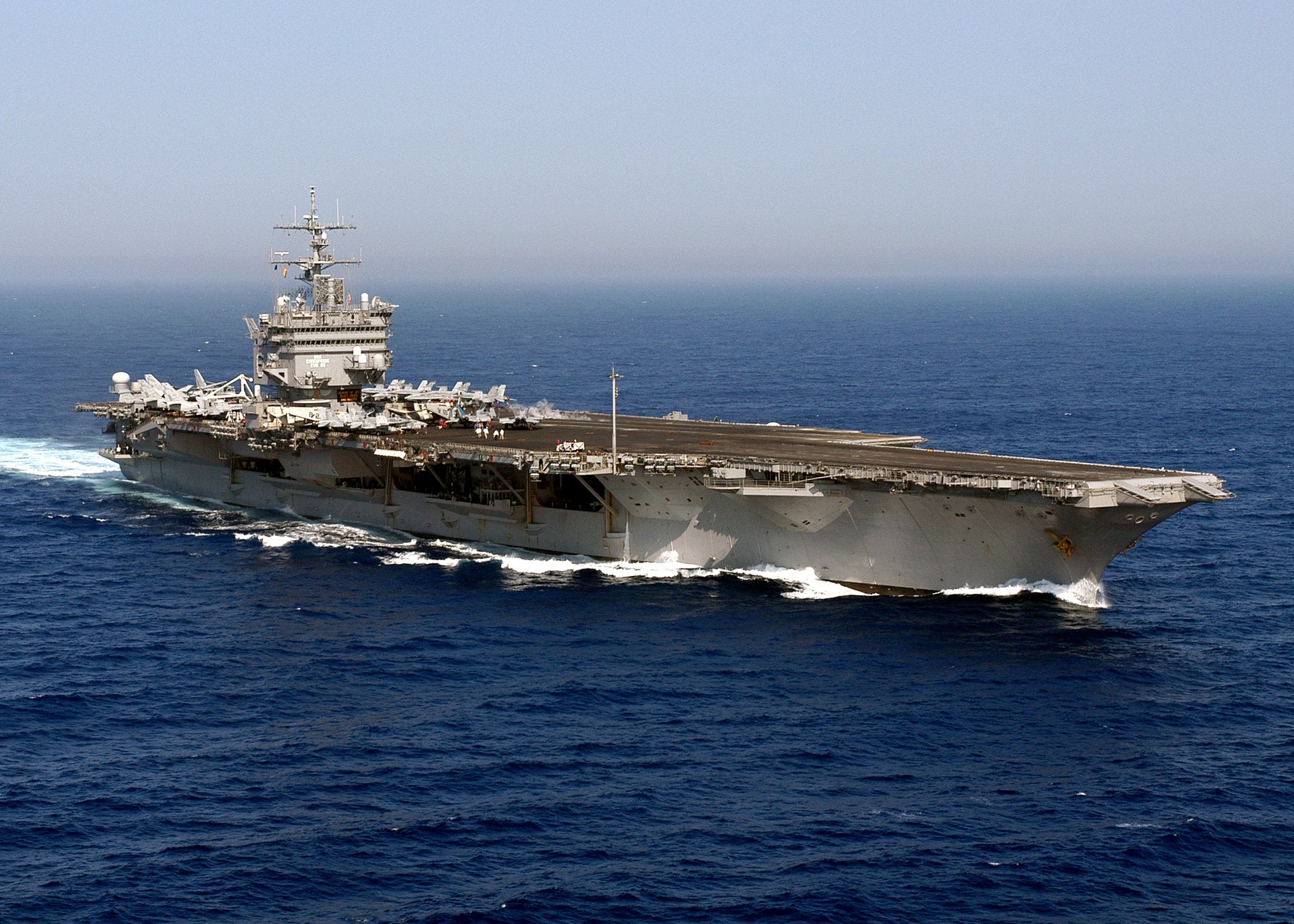
If any ship earned the title of workhorse during World War II, it was the USS Enterprise. Commissioned in 1938, this Yorktown-class aircraft carrier participated in more major actions against Japan than any other U.S. ship.
The Enterprise was at virtually every pivotal Pacific battle—Midway, Guadalcanal, the Philippine Sea, Leyte Gulf—and survived kamikaze attacks, bomb hits, and everything the enemy threw at it. The carrier’s air squadrons sank dozens of enemy ships and shot down hundreds of aircraft.
Sailors called her the ‘Big E,’ and the Japanese reportedly claimed to have sunk her multiple times—she kept showing up anyway. The Enterprise earned 20 battle stars, the most of any U.S. ship in World War II, and became a symbol of resilience and striking power.
After the war ended, the Navy decommissioned her in 1947, and despite public campaigns to preserve her as a museum, she was scrapped between 1958 and 1960. That decision remains controversial among naval historians and veterans who believed she deserved better.
USS Nautilus (SSN-571)
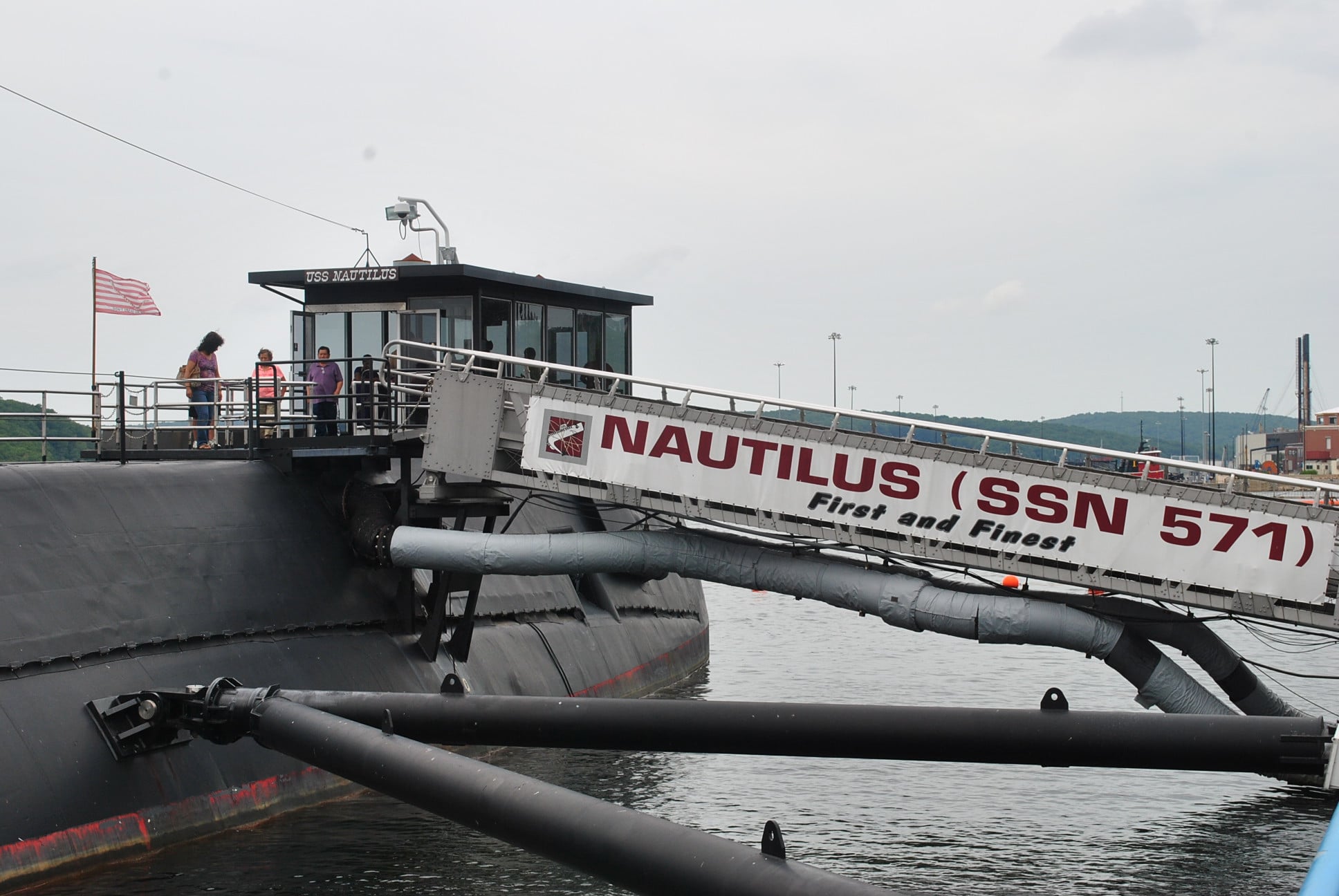
The USS Nautilus didn’t just break records—it rewrote what submarines could do. Commissioned on September 30, 1954, it was the world’s first operational nuclear-powered submarine, capable of staying submerged for months without surfacing.
Conventional diesel-electric subs had to surface regularly to recharge batteries, making them vulnerable and limiting their range. The Nautilus changed that equation entirely.
From August 1 to 5, 1958, under Commander William R. Anderson, the Nautilus achieved something straight out of science fiction for the era—it traveled under the North Pole ice cap, completing the first submerged transit from the Pacific to the Atlantic via the Arctic. The journey covered nearly 1,900 miles beneath the ice and proved that nuclear subs could operate in the most hostile environments on Earth.
This breakthrough had massive strategic implications during the Cold War, as it meant submarines could patrol undetected for extended periods, carrying enough firepower to alter global power dynamics. The Nautilus set the template for modern submarine warfare and opened an entirely new chapter in naval strategy.
Today, the historic vessel serves as a museum ship in Groton, Connecticut.
USS Missouri (BB-63)
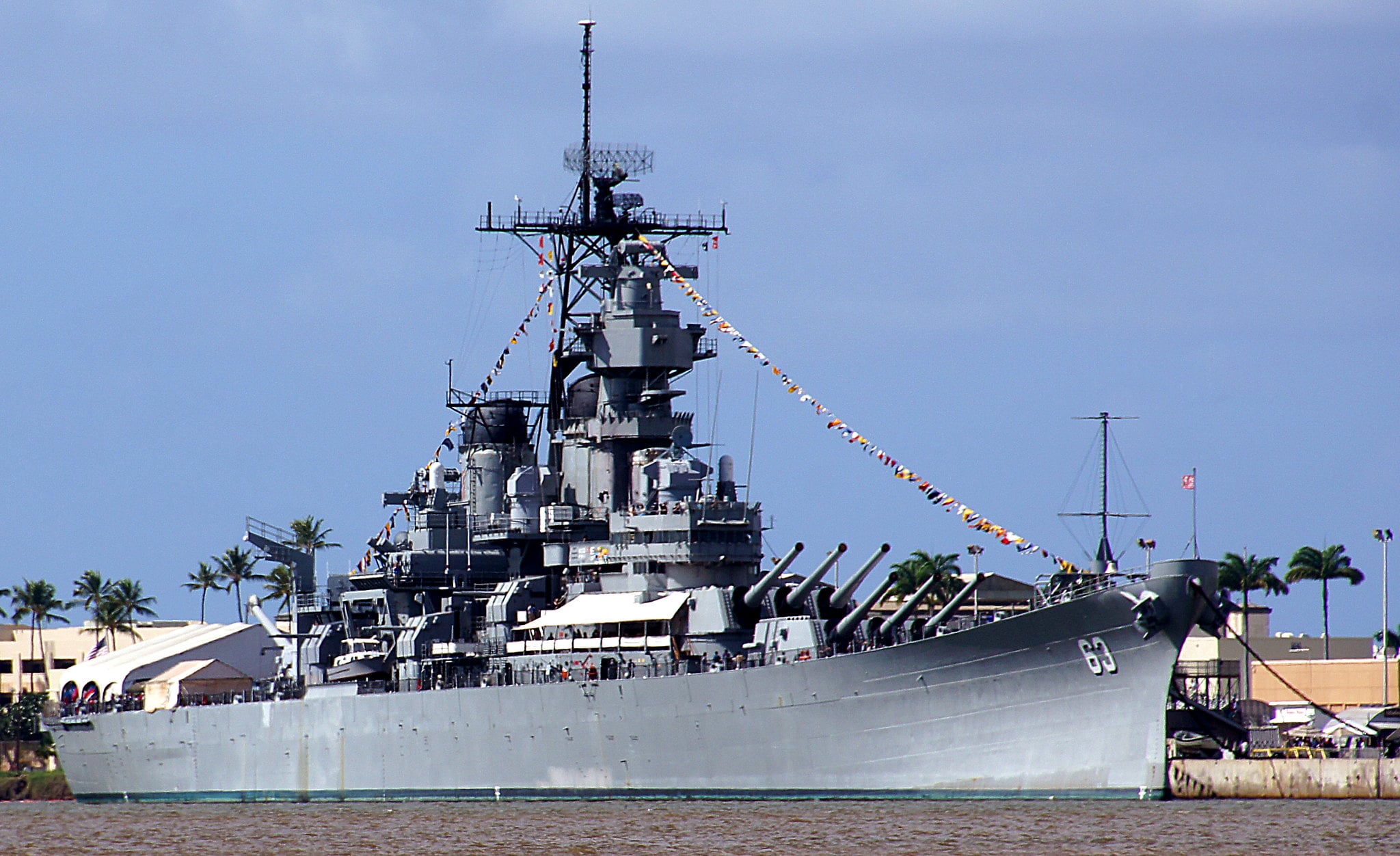
The USS Missouri holds a unique place in history as the stage where World War II officially ended. On September 2, 1945, Japanese officials signed the instrument of surrender on the battleship’s deck while it sat anchored in Tokyo Bay, with representatives from nine Allied nations present.
General Douglas MacArthur presided over the ceremony, and the ‘Mighty Mo’ became forever associated with that moment of closure after years of brutal conflict. But the Missouri’s service didn’t stop there.
The Iowa-class battleship was recommissioned twice—first in 1950 for the Korean War, then again in 1986 during the Reagan-era naval buildup. During the Gulf War in 1991, it launched Tomahawk cruise missiles at Iraqi targets, proving that even as carriers dominated naval strategy, these massive vessels still had a role to play.
The Missouri was finally decommissioned in 1992 and opened as a museum in Pearl Harbor in 1999, moored near the USS Arizona memorial—a powerful bookend representing both the beginning and end of America’s involvement in World War II.
USS Nimitz (CVN-68)
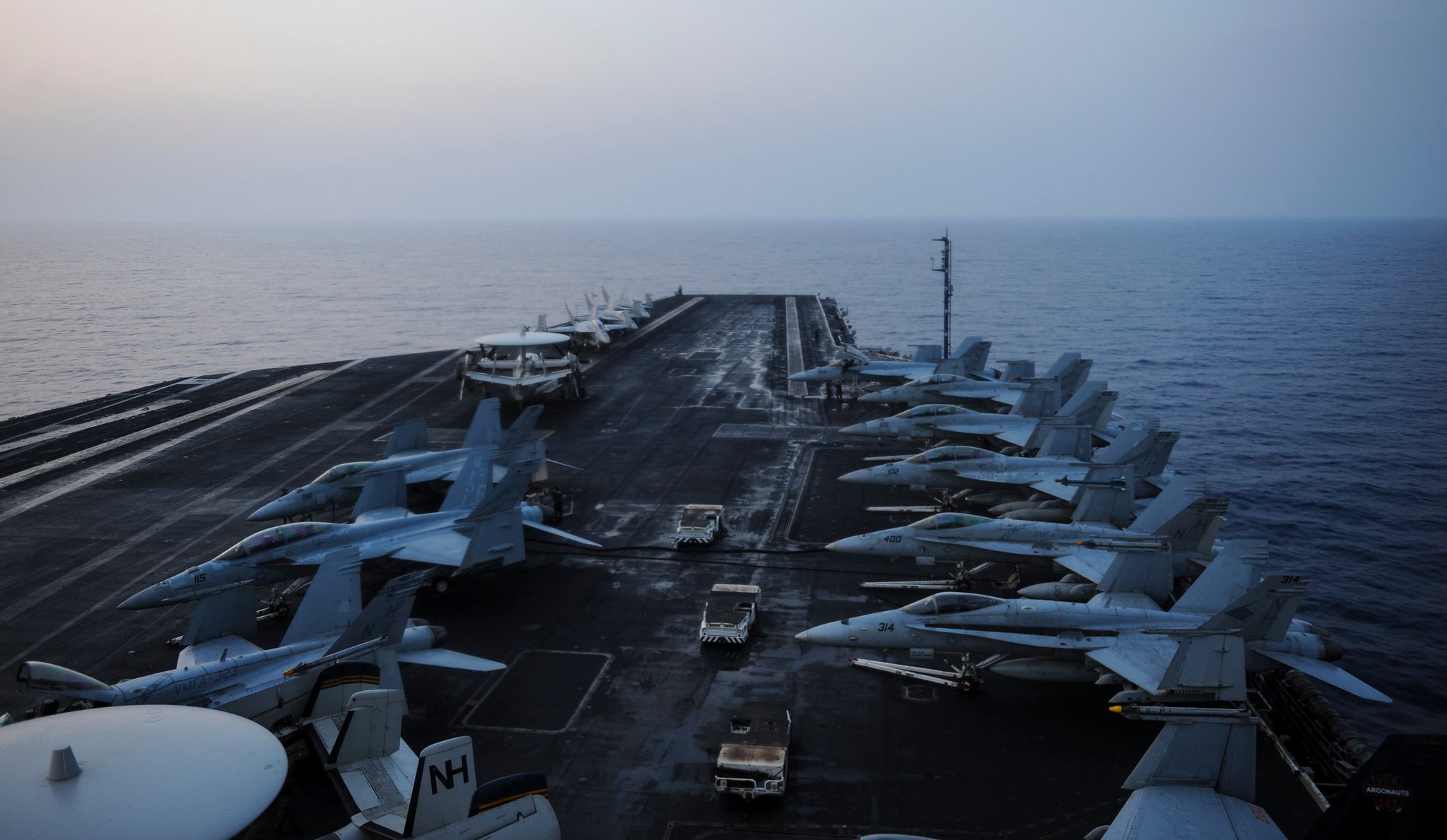
The USS Nimitz represents the modern era of American naval dominance. Named after Fleet Admiral Chester W. Nimitz, the carrier was launched on May 13, 1972, and commissioned on May 3, 1975, becoming the lead ship of the Nimitz-class nuclear-powered supercarriers.
These remain the largest warships ever built, stretching over 1,000 feet long and displacing more than 100,000 tons. The Nimitz functions as a floating city, carrying up to 90 aircraft and a crew of around 6,000 including the air wing.
Nuclear power gives the Nimitz virtually unlimited range—it can operate for over 20 years without refueling, allowing it to project American air power anywhere on the globe without relying on forward bases. The Nimitz and her sister ships became the backbone of U.S. force projection, capable of launching strikes, providing humanitarian relief, or simply showing up as a diplomatic statement.
The ship has served from the Cold War through the Global War on Terror and remains in active service today, with decommissioning scheduled for the mid-2030s. Few vessels in history have maintained frontline relevance for that long.
Where They Stand Now
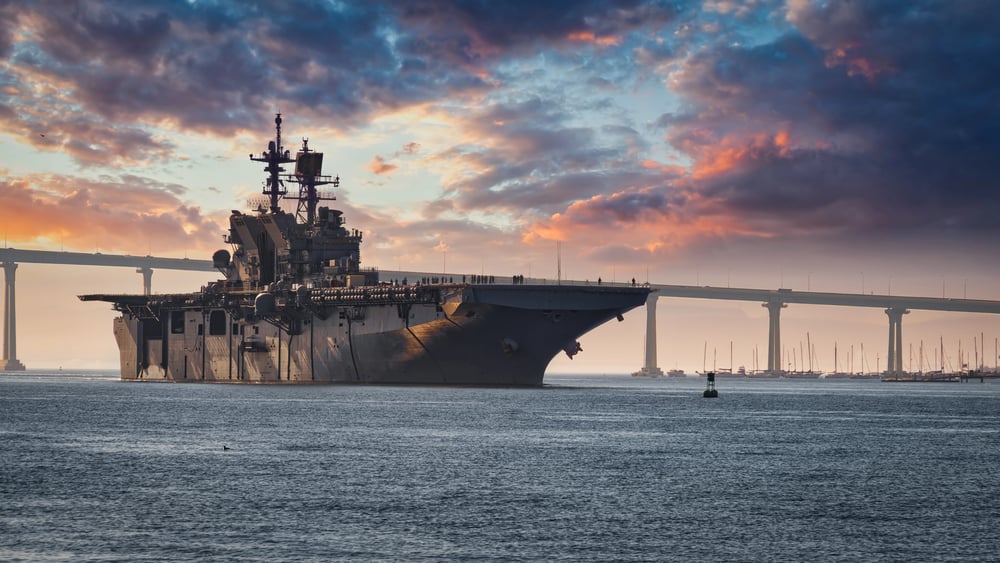
In addition to winning battles, these ships changed the definition of naval power in their era. Each vessel represented a shift in how nations fought and defended themselves on the water, from wooden frigates that challenged empires to ironclads that rendered those frigates obsolete to nuclear giants that could remain at sea for decades.
The development of the U.S. Navy is similar to that of these ships, each of which pushed the envelope and established new benchmarks that competitors rushed to meet. They serve as a reminder that military history can sometimes be about the machines themselves and the people who put their lives in their hands when everything depended on them, rather than just about strategies and leaders.
More from Go2Tutors!

- The Romanov Crown Jewels and Their Tragic Fate
- 13 Historical Mysteries That Science Still Can’t Solve
- Famous Hoaxes That Fooled the World for Years
- 15 Child Stars with Tragic Adult Lives
- 16 Famous Jewelry Pieces in History
Like Go2Tutors’s content? Follow us on MSN.