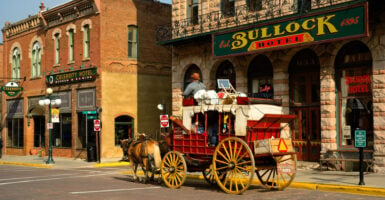
16 Gold Rush Boomtowns Still Standing Today
Gold rushes built towns almost overnight, and most of them disappeared just as quickly once the easy gold ran out. A few survived by finding a second purpose. A few others were abandoned in place and stayed that way.
These sixteen places across five countries still have original buildings, historic main streets, or both. Some are busy with visitors, some are quiet villages, and a couple are ghost towns kept very close to how they were left.
Coloma, California
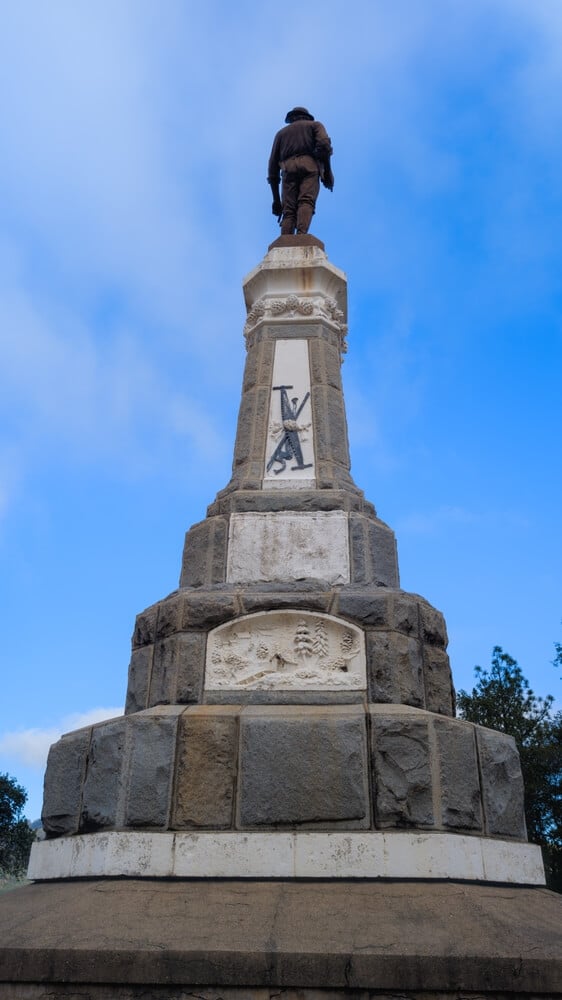
Gold flecks turned up at Sutter’s Mill in Coloma in January 1848, and the California Gold Rush followed. Today Coloma is a small, quiet village in the Sierra Nevada foothills, and the discovery site is preserved as Marshall Gold Discovery State Historic Park.
The crowds of the 1850s are long gone, but a historic post office and other old buildings still stand in town.
Columbia, California
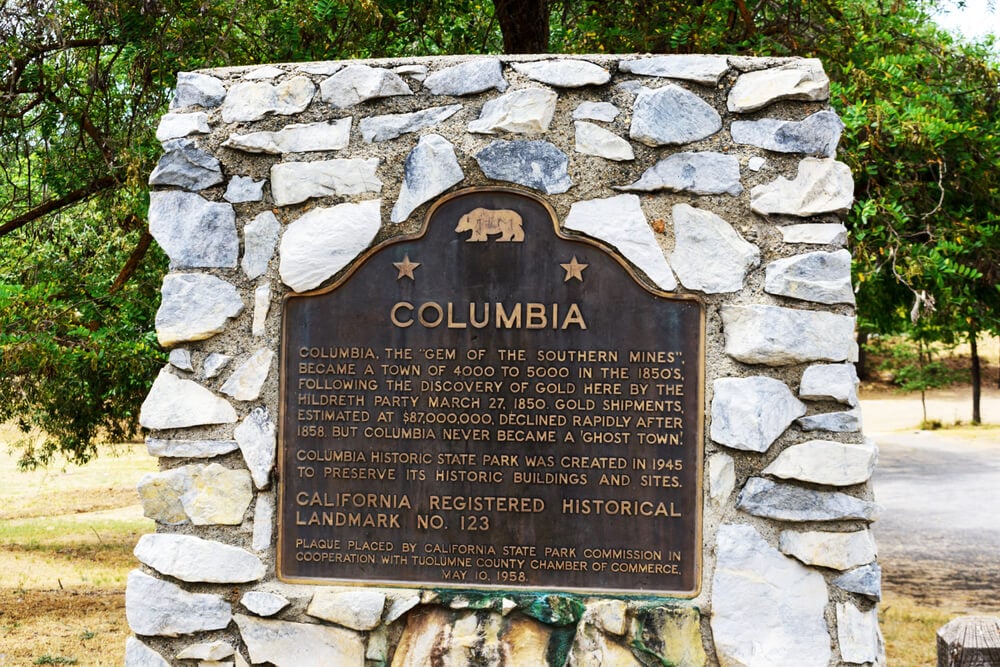
Columbia State Historic Park, nicknamed the Gem of the Southern Mines, plays up its Old West appearance more than most of its Highway 49 neighbors. Some gold was found within the town itself, and the effort to reach it is still visible in the large rocks scattered around.
Each year the park stages Columbia Diggins, a reenactment of an 1852 gold rush tent town.
Placerville, California
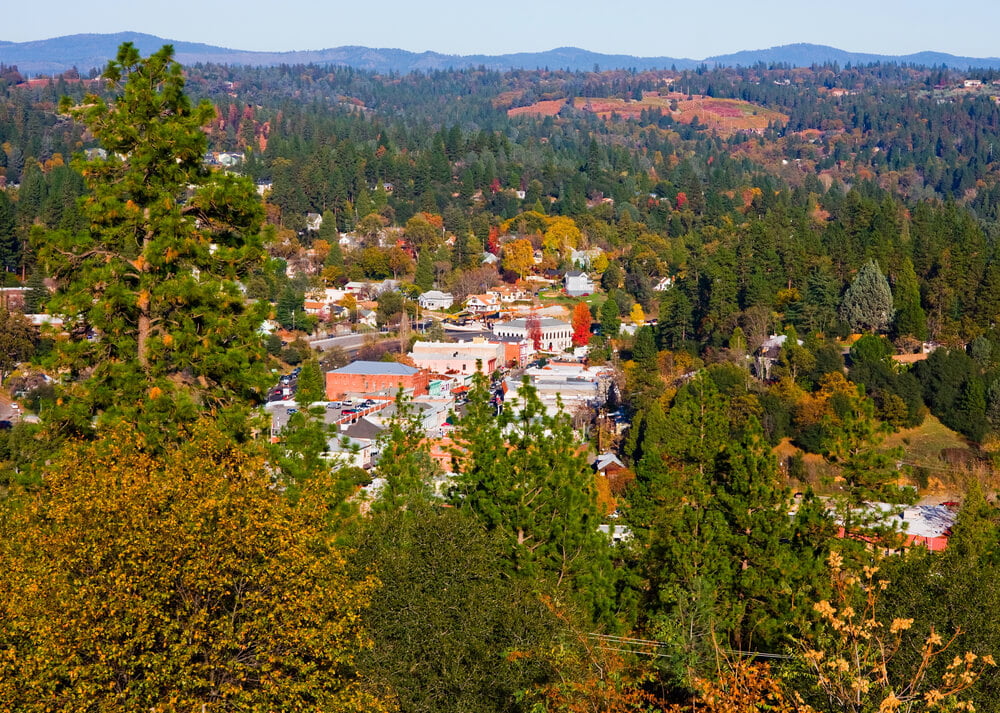
Placerville was known as Hangtown in its wilder days, a nickname that tells visitors something about the justice of the early camps. The town sits along the Highway 49 corridor through the Sierra foothills, and its main street still holds historic buildings.
The Placerville Historical Museum is a standard stop for anyone trying to understand how a rough mining camp turned into a county seat.
Nevada City, California
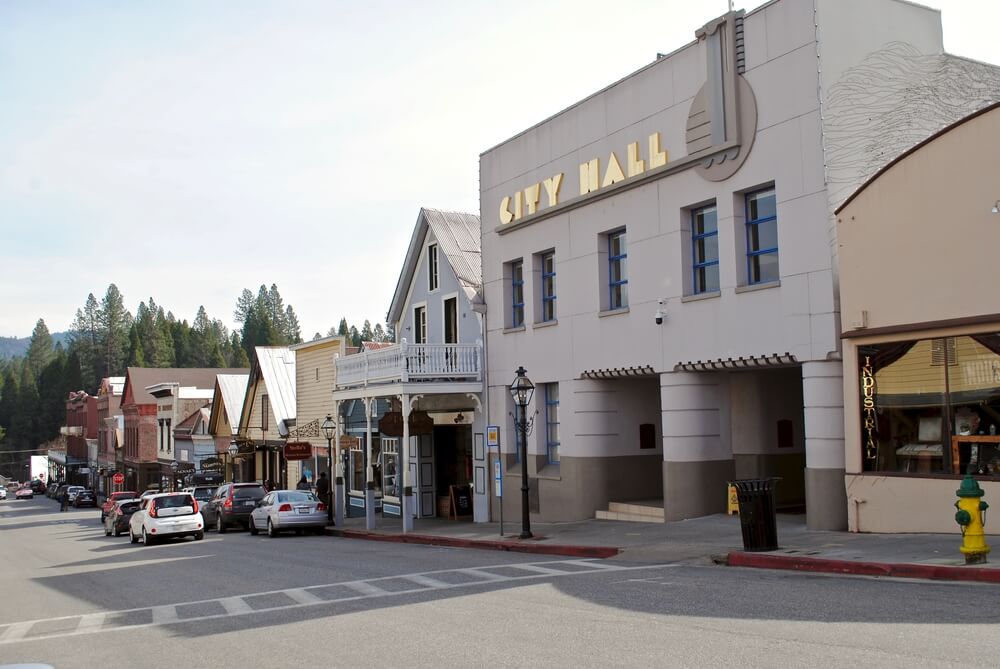
Nevada City went through several names before settling on its current one, including Deer Creek Dry Diggins and Caldwell’s Upper Store. It became simply Nevada, then Nevada City in 1865 when the state next door took the shorter name.
At its peak it was California’s third-largest city, and Mark Twain slept there and entertained crowds at the local theater.
Angels Camp, California
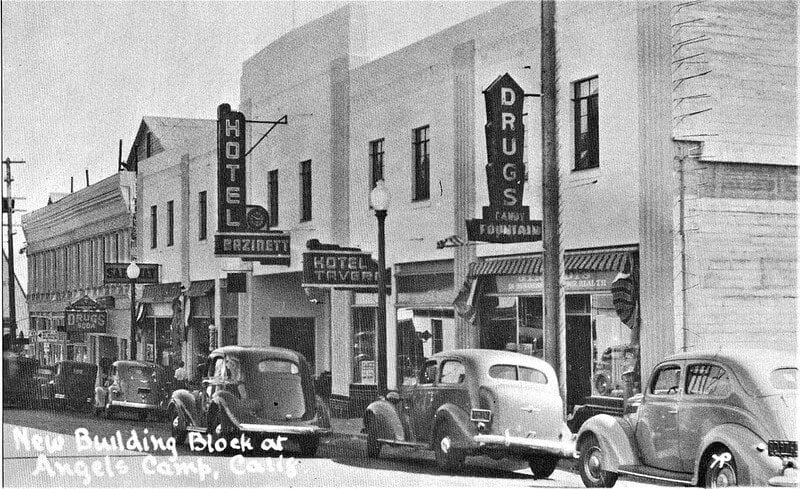
Angels Camp was first settled in 1848 and had grown to 300 miners by 1849. It never matched the richest mining towns, but it was a good trading center, and that kept it in business.
The town is better known for Mark Twain’s jumping frog story, and it has hosted the Jumping Frog Jubilee since 1928.
Murphys, California
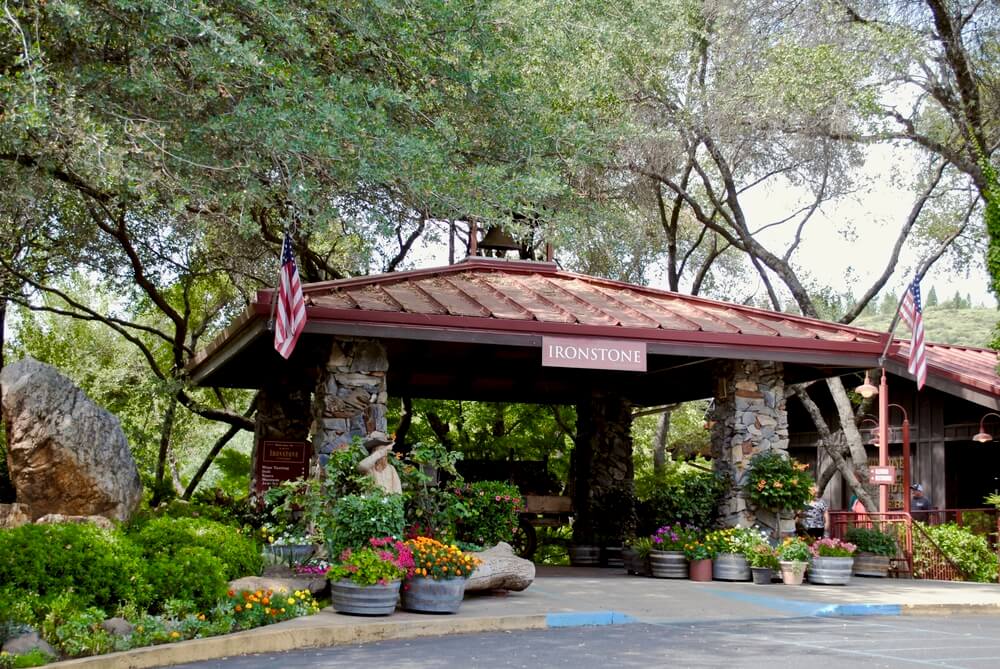
Murphys, called the Queen of the Sierra, was founded in the early 1850s at the height of the Gold Rush. Unlike many transient camps, it became a permanent settlement thanks to rich mineral deposits and a strategic location.
The Murphys Historic Hotel still shows visitors the room where Ulysses S. Grant stayed.
Bodie, California
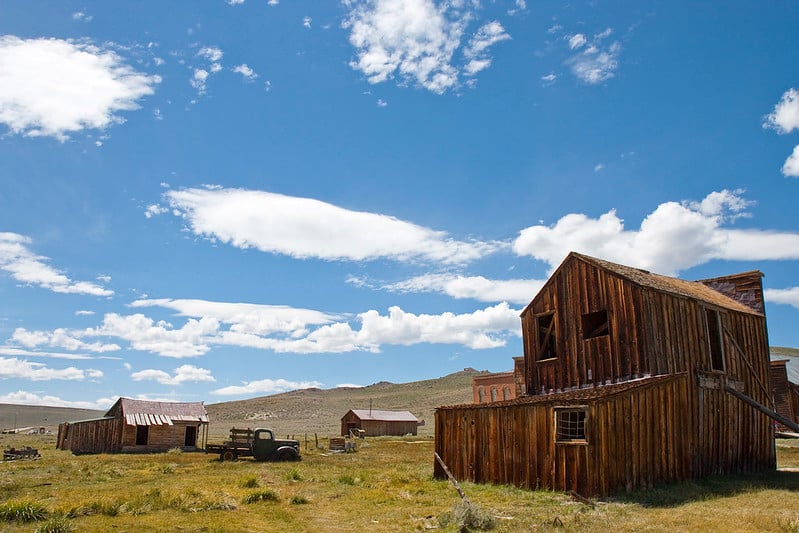
At its peak Bodie had nearly 10,000 residents and 65 saloons, and it reached boomtown status in 1877. California made it a state historic park in 1962, and more than 100 original structures remain, including a church, jail, bank, firehouse, and schoolhouse.
Visitors walk through a town that was left behind and never rebuilt.
Jacksonville, Oregon
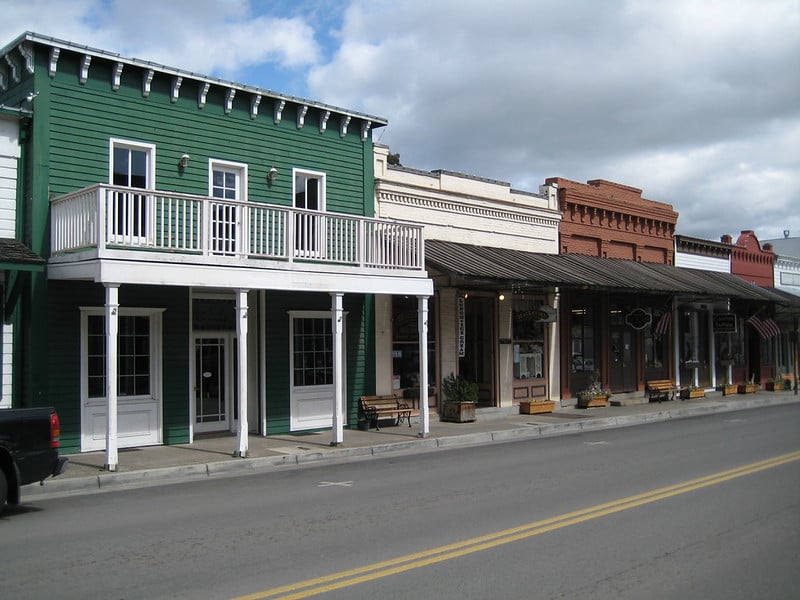
Gold found in Rich Gulch in 1851 and 1852 created a camp first called Table Rock City and set off Oregon’s first major gold rush. Gold was so plentiful that the local bank charged a storage fee instead of paying interest.
A fire destroyed a big part of the town in 1873, after which new buildings were built with locally fired brick, and the district was named a national historic district in 1966.
Bannack, Montana
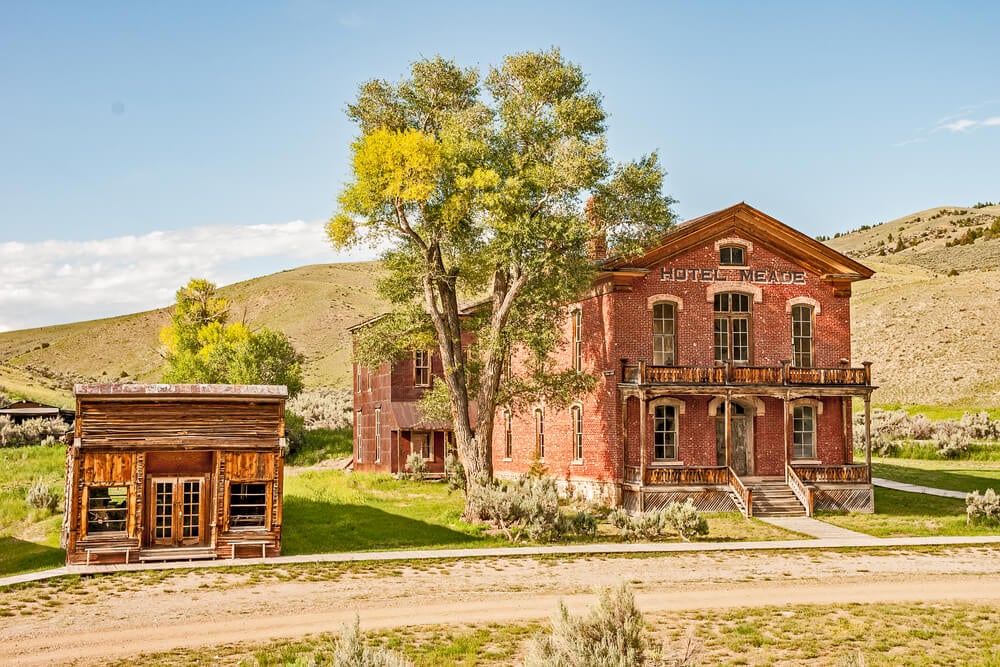
Prospectors found gold at Grasshopper Creek on July 28, 1862, and swarms of prospectors arrived. The rush did not last, because richer gold at Alder Gulch near Virginia City emptied the camp, and for two or three years it was almost deserted.
Today the nearly deserted town sits at the end of a long dirt road, with a reconstructed gallows up Hangman’s Gulch beside the cemetery.
Deadwood, South Dakota
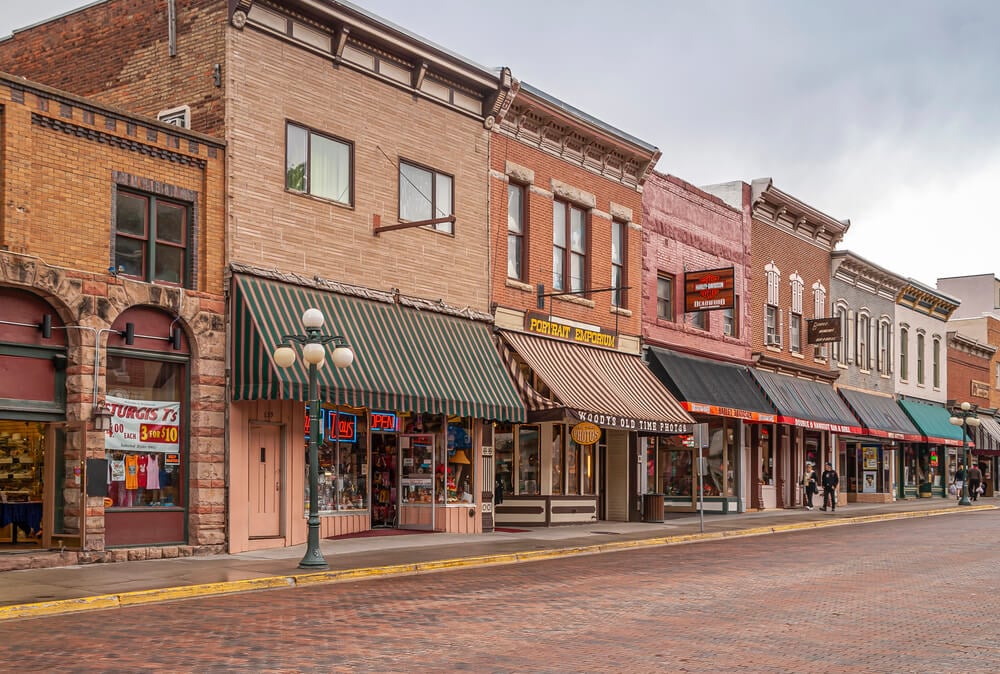
Deadwood boomed in 1876 after gold was found in the Black Hills, and its fame grew when Wild Bill Hickok was shot there that August while playing poker. The town is a National Historic Landmark, which keeps its historic downtown protected.
Gambling became legal there again in 1989, giving the old saloon district a modern way to pay its bills.
Cripple Creek, Colorado
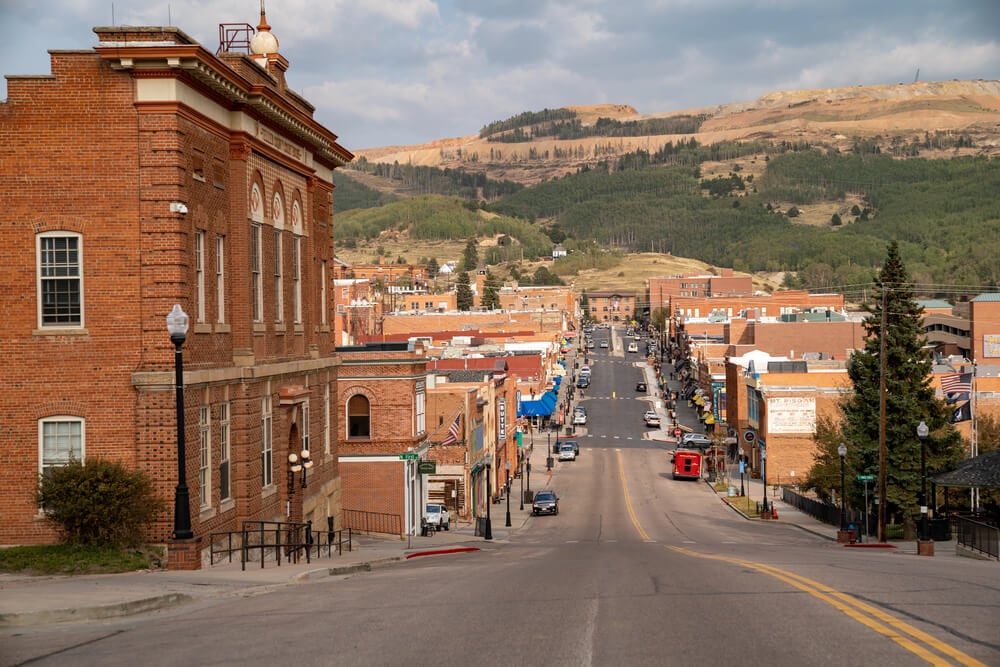
A cowboy named Bob Womack found gold at Cripple Creek in 1890, and the district grew into one of Colorado’s richest. The downtown is a National Historic Landmark District, and limited-stakes gambling returned in 1991.
Descendants of the donkeys once used to haul supplies still wander the area.
Skagway, Alaska
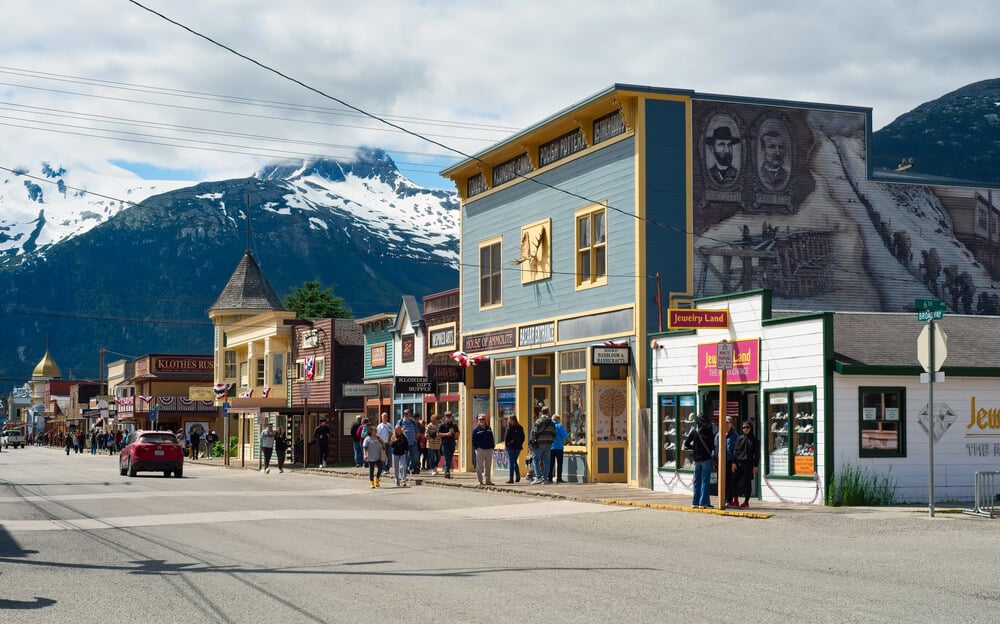
Skagway was the gateway for thousands of prospectors heading to the Klondike in 1897 and 1898, many of them hiking the Chilkoot Trail. Con man Soapy Smith ran the town’s underworld until he was killed in a shootout on a wharf in July 1898.
Klondike Gold Rush National Historical Park now preserves much of the old downtown.
Dawson City, Yukon
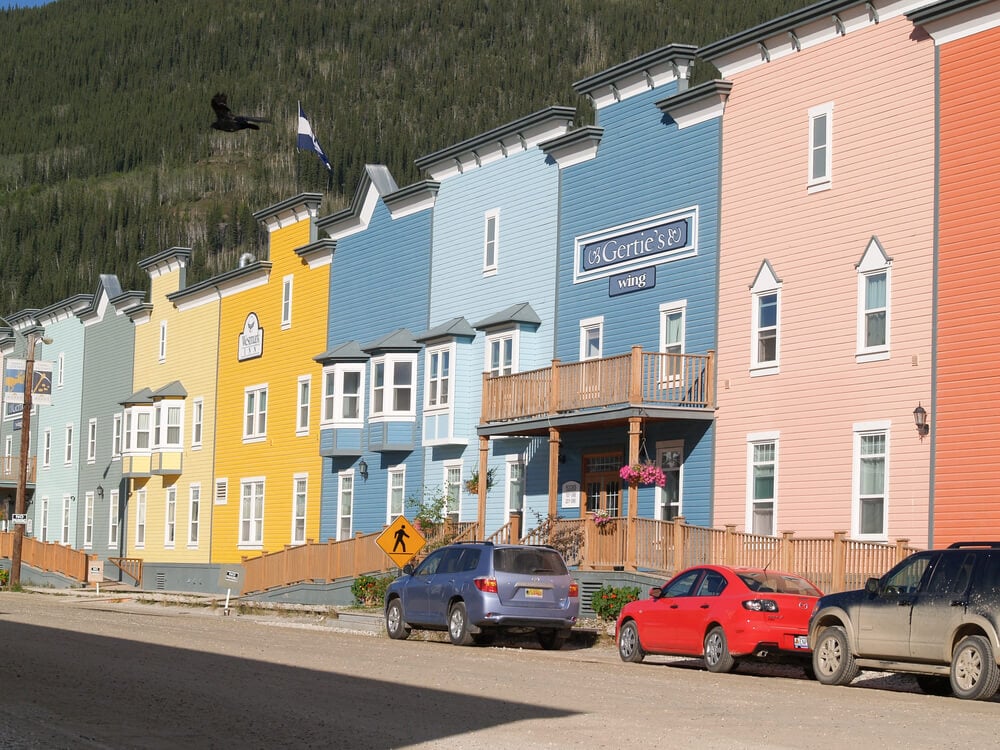
Gold was discovered on Bonanza Creek in August 1896, and a prospector-turned-outfitter named Joe Ladue staked out a townsite instead of a claim. He named it Dawson City for geologist George M. Dawson, and within two years the population fluctuated between 30,000 and 40,000 people.
That made it much larger than Victoria or Vancouver at the time and the largest city in Canada west of Winnipeg.
Bendigo, Victoria, Australia
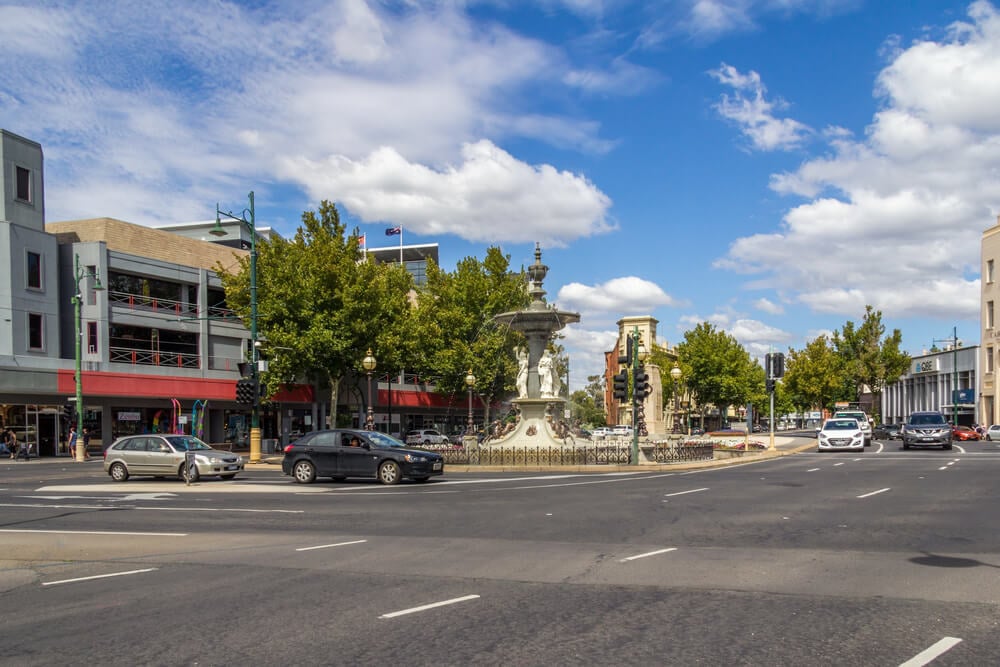
Gold was found in the Bendigo area in 1851, and the region became one of the richest goldfields in Victoria. The city kept many of its grand Victorian-era buildings, and the Central Deborah Gold Mine lets visitors go underground to see how the work was done.
Chinese miners were part of the story too, and the Golden Dragon Museum records their contribution.
Arrowtown, New Zealand
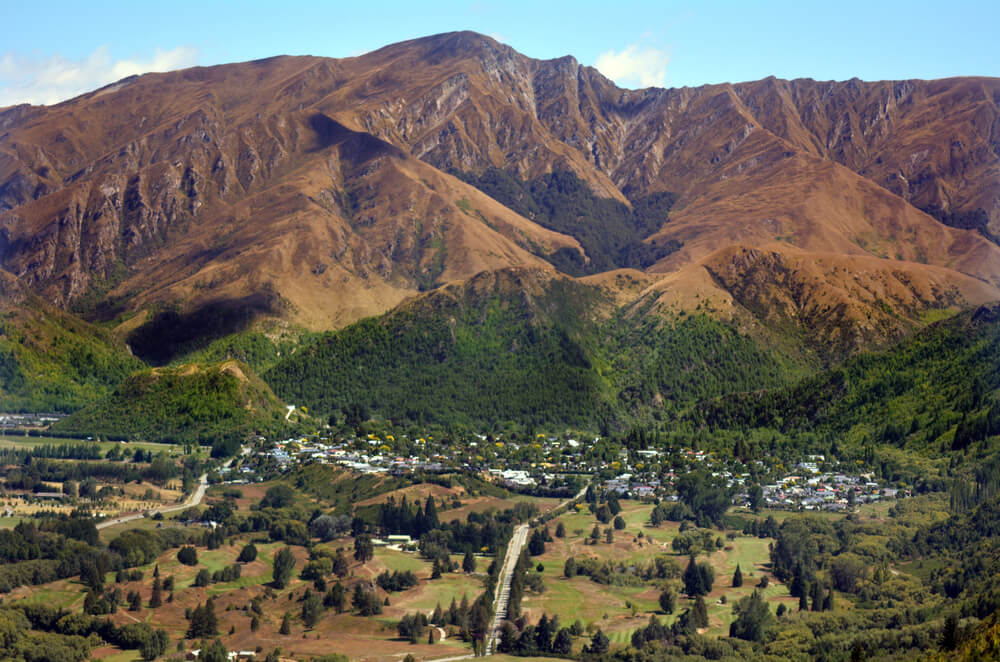
Gold was found in the Arrow River in 1862, and miners flooded into the valley near Queenstown. Chinese miners arrived later in the decade, and Arrowtown’s preserved Chinese settlement still has small stone huts.
Panning for gold in the Arrow River remains a popular activity for visitors.
Pilgrim’s Rest, South Africa
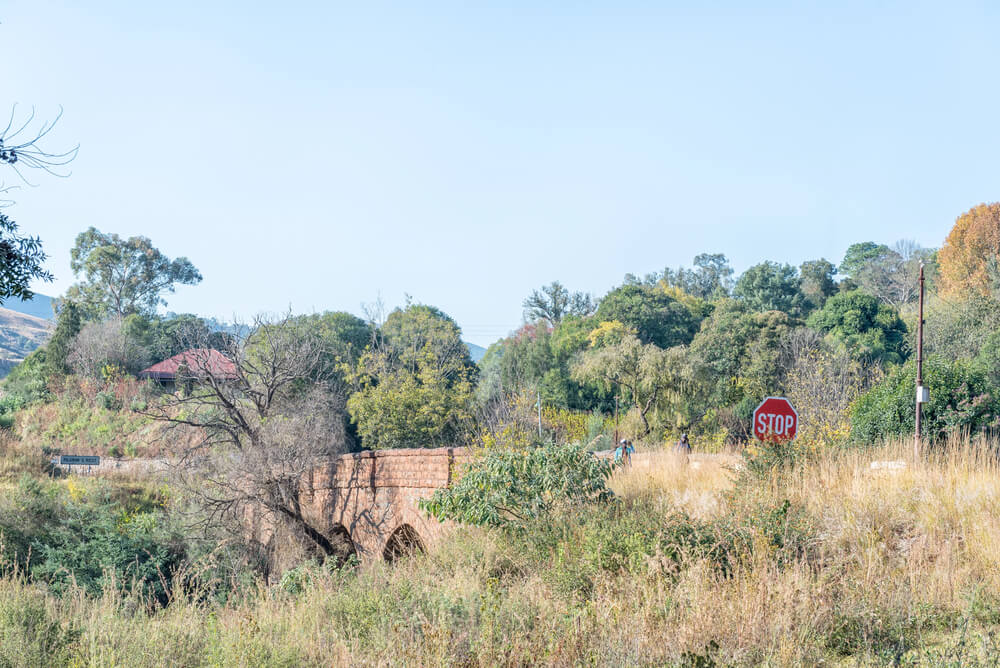
Pilgrim’s Rest was proclaimed a gold field on September 22, 1873, and by the end of that year about 1,500 diggers were working roughly 4,000 claims. The entire town was declared a national monument, and its corrugated iron buildings remain.
Visitors can see the Robber’s Grave, which lies perpendicular to the others in the cemetery, and the town once hosted an emergency mint that produced the rare Veld Pond coin during the Second Boer War.
What Survives When the Gold Is Gone
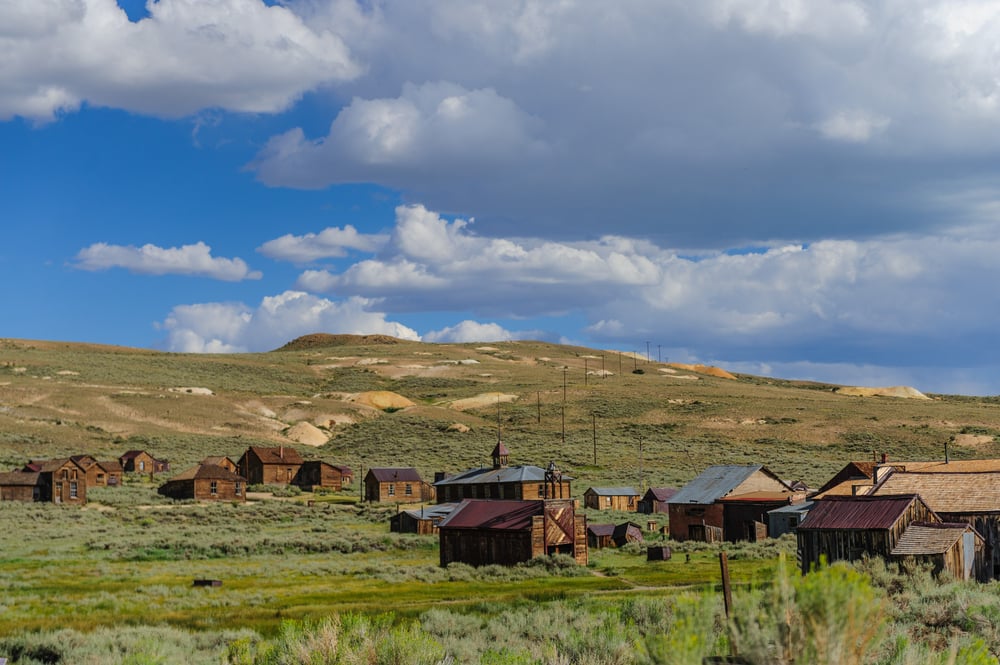
The towns that lasted generally found a second reason to exist, whether that was farming, trade, county government, or tourism. The ones that did not, like Bodie and Bannack, survive because nobody had a reason to knock them down.
Neither path was planned by the miners who built them.
Gold was the spark, but the longer-lasting resource turned out to be the buildings, street layouts, and stories left behind. Visitors now travel to see what the boom produced rather than what it mined.
In that sense, the buildings did better than most of the claims.
More from Go2Tutors!

- The Romanov Crown Jewels and Their Tragic Fate
- 13 Historical Mysteries That Science Still Can’t Solve
- Famous Hoaxes That Fooled the World for Years
- 15 Child Stars with Tragic Adult Lives
- 16 Famous Jewelry Pieces in History
Like Go2Tutors’s content? Follow us on MSN.