27 Depression-era Recipes Families Relied On
When a quarter of the American workforce was out of a job in 1933, dinner became an exercise in arithmetic. A pound of hot dogs had to cover six people, a stale loaf had to become dessert, and an empty fruit bowl could not stop anyone from making pie.
The dishes that came out of those kitchens were rarely pretty, but many were clever, and a surprising number never left the family recipe box. Some still turn up on tables today, cooked by people who have no idea they are eating a survival strategy.
Hoover Stew From the Soup Kitchen Line
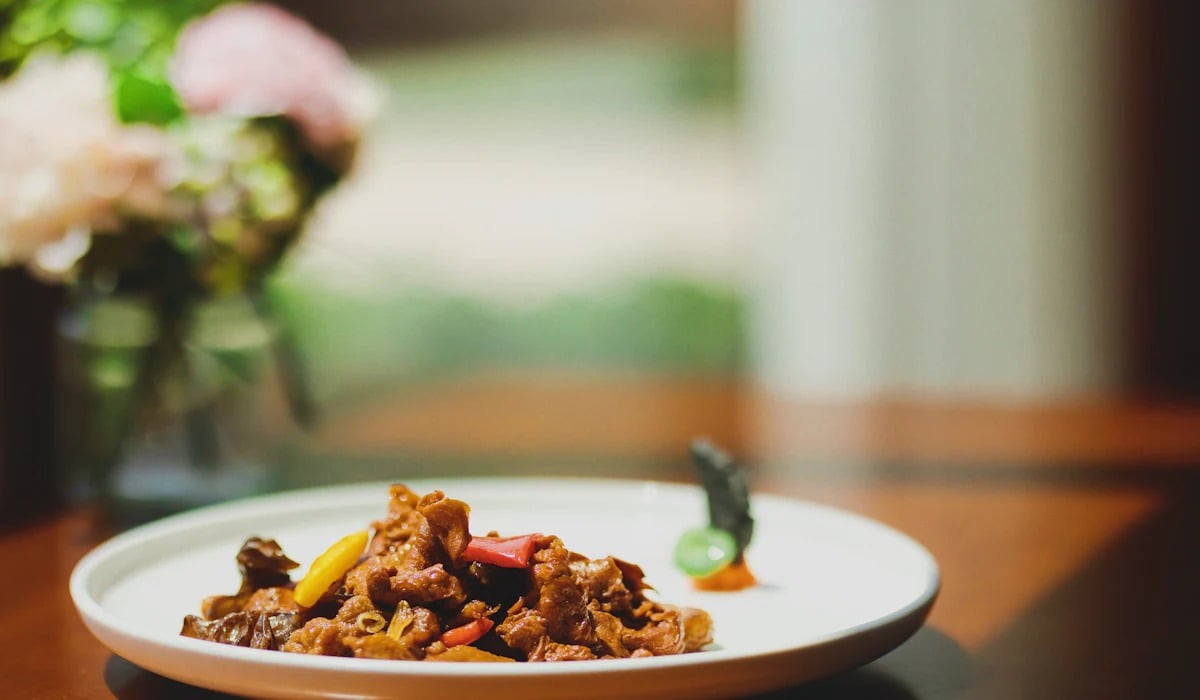
Named with heavy sarcasm after President Herbert Hoover, this stew combined elbow macaroni, sliced hot dogs, canned stewed tomatoes and whatever canned vegetables were on hand. Everything came from a can or a box, which meant it could be assembled without refrigeration and stretched to feed a crowd.
The name belonged to the same bitter vocabulary that produced Hoovervilles, the shantytowns of the unemployed, and Hoover blankets, the newspapers people slept under. Food writers have recreated the recipe in recent years and generally report that it tastes better than its reputation.
The real selling point in the 1930s was the cost, which could come in at pennies per serving.
Mulligan Stew Built From Many Contributions
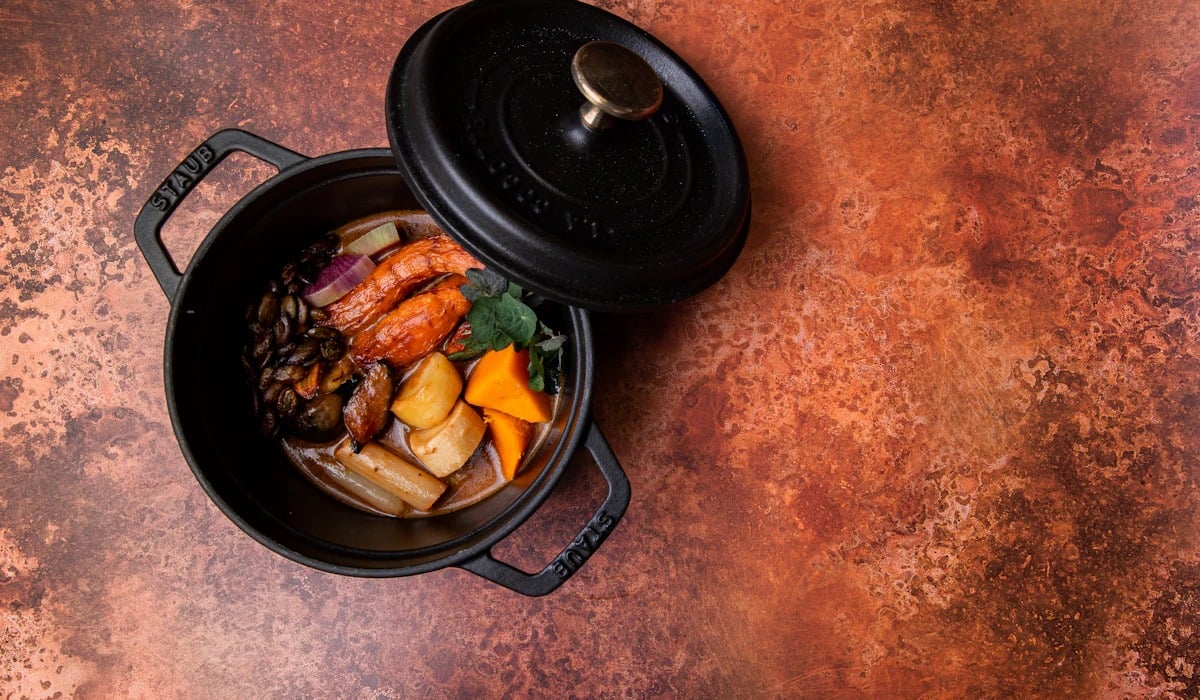
Few dishes were more democratic than the mulligan cooked in hobo camps along the rail lines. Each man who wanted a share was expected to add something to the pot, whether a potato, an onion, a scrap of meat or a handful of beans scrounged in town.
The result changed every night and was never written down in any fixed form. Hobo culture had rules about the pot, and freeloaders who contributed nothing were not always welcome to eat.
At home, families made their own versions from leftovers at the end of the week, which is why the word mulligan became shorthand for any stew made from odds and ends.
Creamed Chipped Beef Over Toast
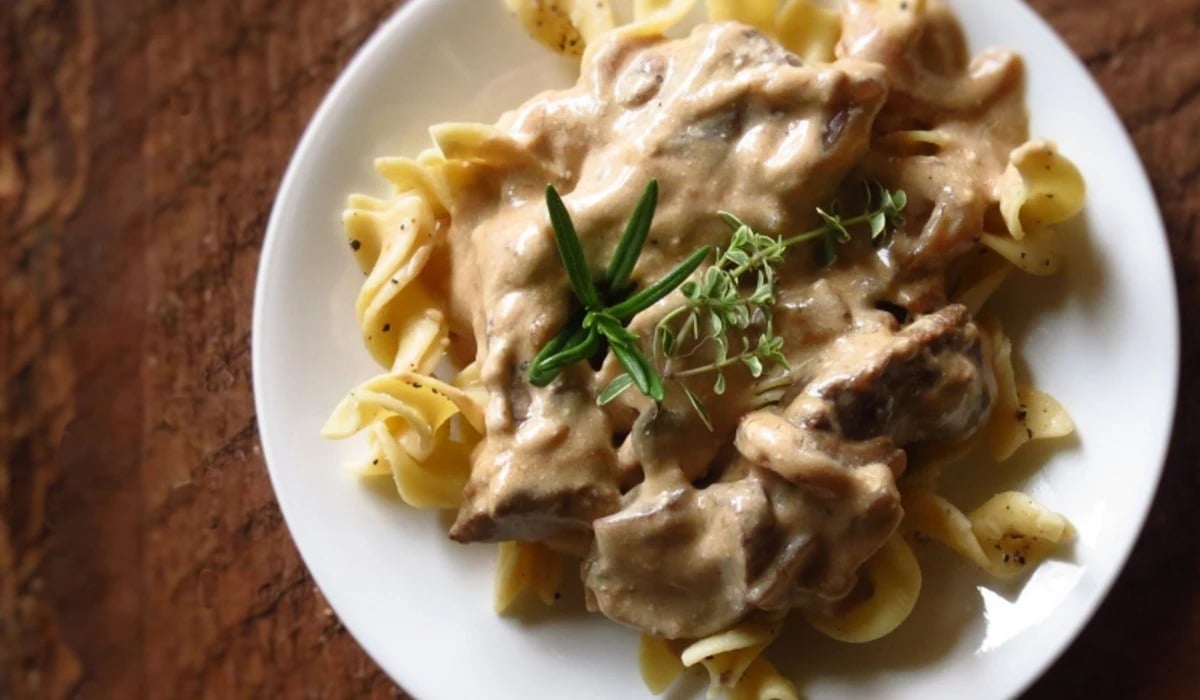
Thinly sliced dried beef keeps for a long time, and a few ounces could flavor an entire skillet of white sauce made from flour, fat and milk. Spooned over toast, it became a filling breakfast or supper for very little money.
The dish was already a fixture in the armed forces, where it earned a crude nickname that cannot be printed here, and veterans carried a taste for it into civilian life after both world wars. Civilian cooks often rinsed the beef first to tame its saltiness.
A single jar of dried beef could produce four or five servings once it was stretched with sauce.
Milk Toast for the Sick and the Broke
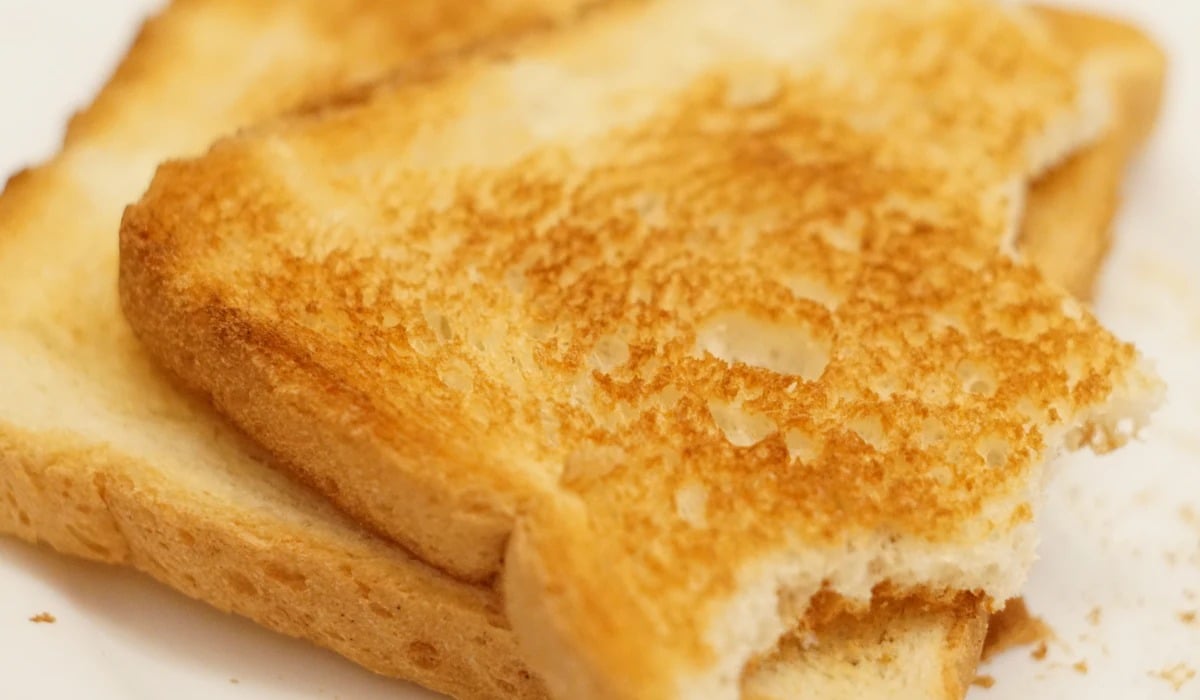
Buttered toast soaked in hot milk, sometimes sweetened with sugar or seasoned with salt and pepper, was a standard dish for invalids, toddlers and anyone with an upset stomach. During the Depression it also became a cheap supper when there was nothing else in the house.
The dish was so closely tied to blandness that cartoonist H. T.
Webster named his timid comic strip character Caspar Milquetoast in 1924. The character’s name entered the dictionary as a word for a meek, spineless person.
Plenty of people who grew up in the 1930s nonetheless remembered milk toast with real affection, as the warm bowl offered on a cold night.
Hot Water Cornbread Fried in a Skillet
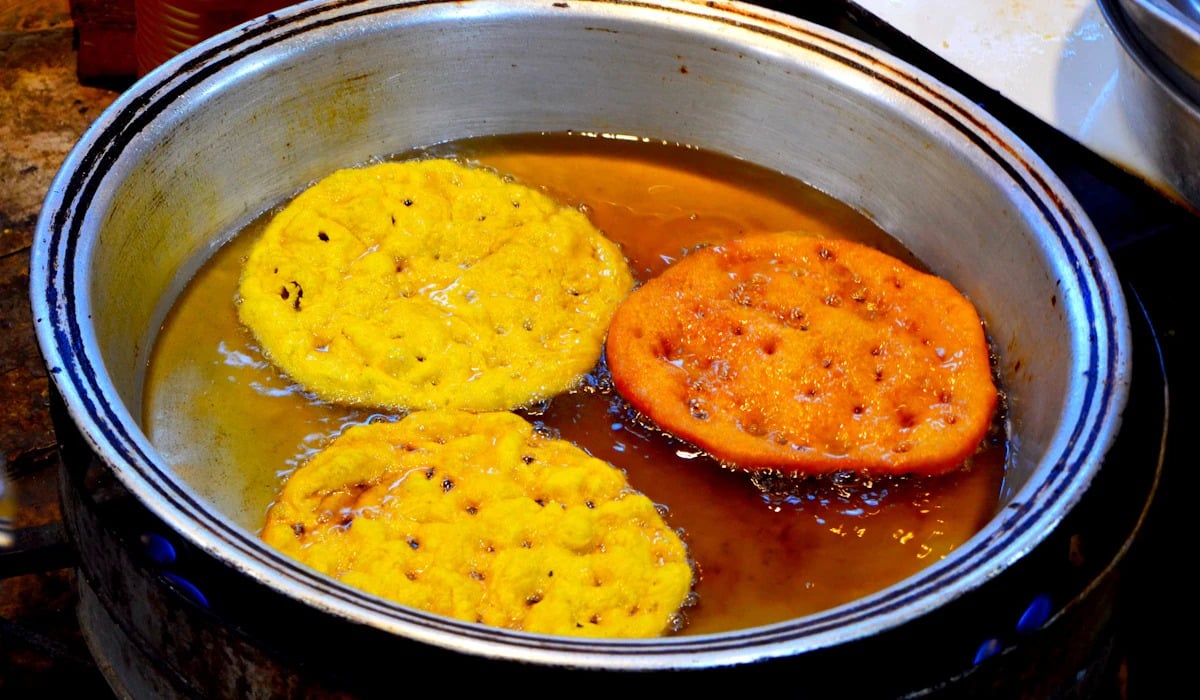
No eggs, no milk and no oven were required for this Southern staple. Cooks poured boiling water over cornmeal and salt, stirred it into a thick paste, shaped it into small patties by hand and fried them in a hot skillet.
The boiling water partially cooks the meal and helps the patties hold together without any binder. They came out crisp outside and soft in the center, perfect alongside a pot of beans or greens.
Because the ingredient list was so short, hot water cornbread could be made even in weeks when the hens had stopped laying and the cow had gone dry.
Hoecakes on a Griddle
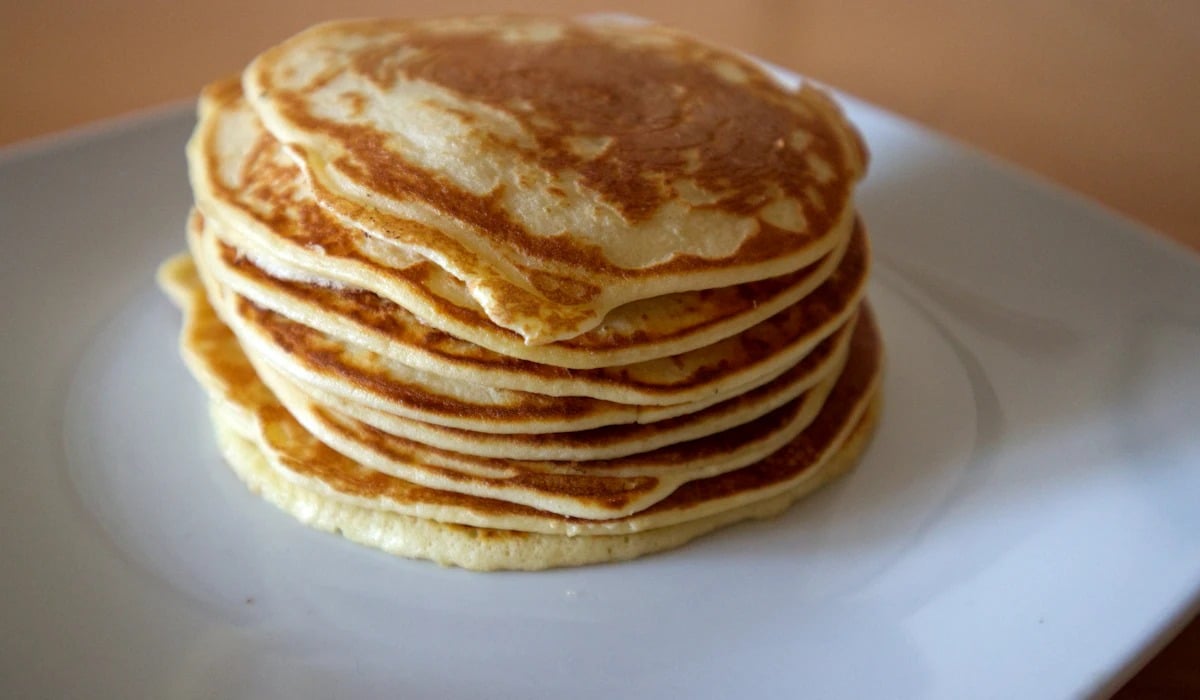
These thin cornmeal cakes are much older than the Depression, but they became a daily bread for many rural families during it. The popular story says that field workers once cooked them on the flat blade of a garden hoe over an open fire.
Some food historians note that hoe was also an old word for a griddle, which makes the more practical explanation just as likely. Either way, the batter was simply cornmeal, water or buttermilk, salt and a little fat.
A stack of hoecakes with molasses could pass for breakfast, lunch or dinner depending on what else was available.
Cornmeal Mush and Its Fried Second Life
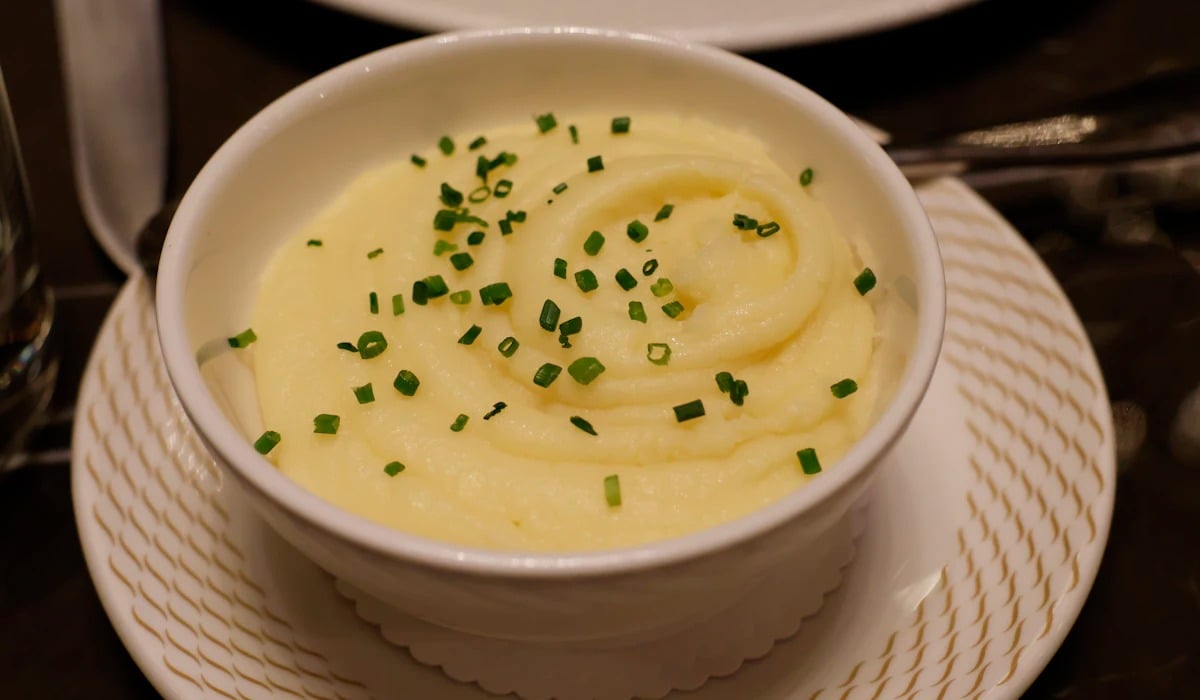
A pot of cornmeal simmered in salted water produced a hot cereal for breakfast, and whatever was left got poured into a loaf pan to set overnight. The next morning the firm block was sliced, dredged in flour and fried until golden, then served with syrup or gravy.
That double use made mush one of the most efficient dishes of the decade. Midwestern and Pennsylvania families ate it constantly, and fried mush often appeared on diner menus well into the 1950s.
A single pound of cornmeal could produce days of meals for a household with very little cash.
Scrapple From Every Last Scrap
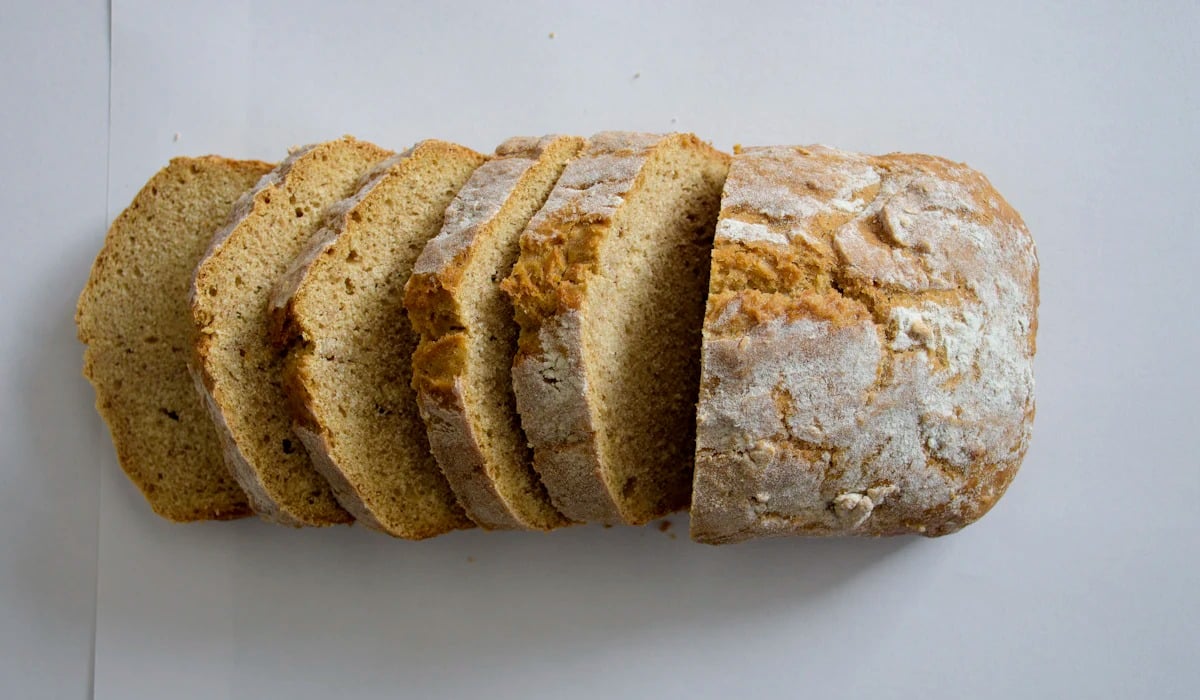
Pennsylvania Dutch cooks had been making scrapple long before 1929, and its nose-to-tail thrift made it ideal for hard times. Pork trimmings and organ meats were simmered, chopped and cooked again with cornmeal and buckwheat flour into a thick mush seasoned with sage and black pepper.
The mixture was packed into loaf pans, chilled until firm, then sliced and fried crisp. The old Pennsylvania Dutch name pannhaas is still used in some communities.
Scrapple remains a breakfast staple across Pennsylvania, Delaware and Maryland, where it is sold in supermarket refrigerator cases right next to the bacon.
Fried Bologna Sandwiches
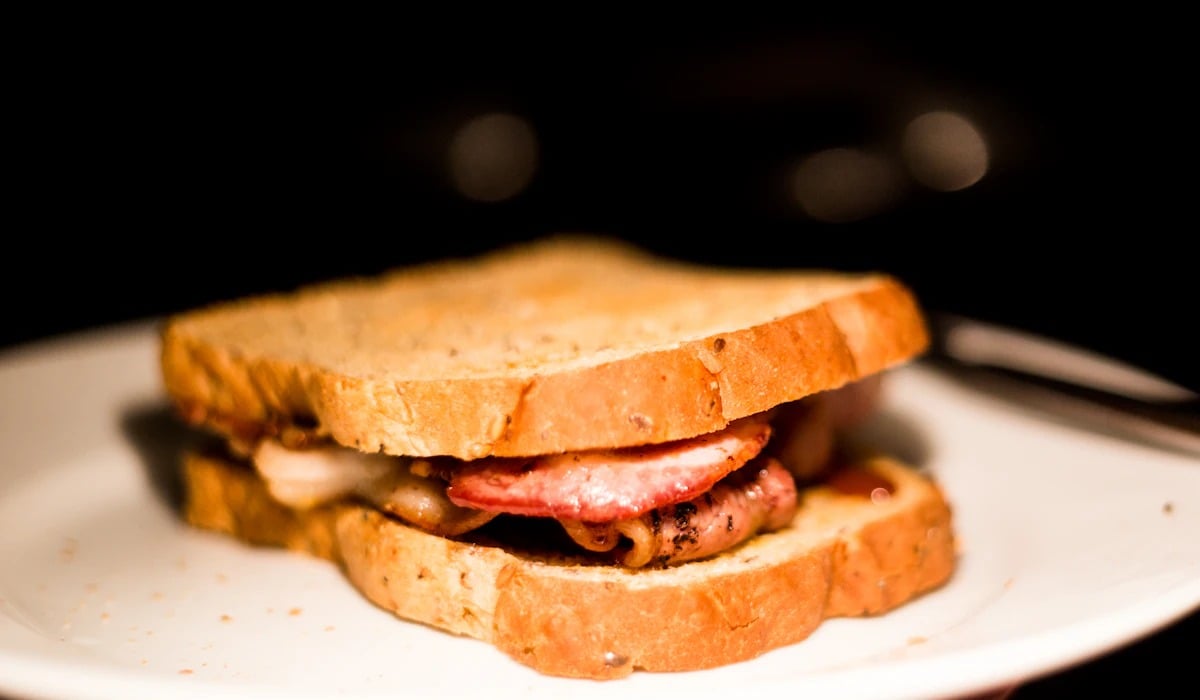
Dropped into a hot skillet, a thick slice of bologna puffs up into a dome as the casing tightens, which is why cooks learned to cut a slit or two around the edge before frying. The browned slice went onto white bread, sometimes with mustard or a fried egg if the hens were cooperating.
Bologna was among the cheapest cooked meats a family could buy by the pound, and frying it made it feel like a hot meal. The sandwich is still beloved across Appalachia and the South, where diners and gas station grills keep it on the menu.
Some cooks call the thick-cut version a poor man’s steak.
Beans and Franks for Saturday Supper
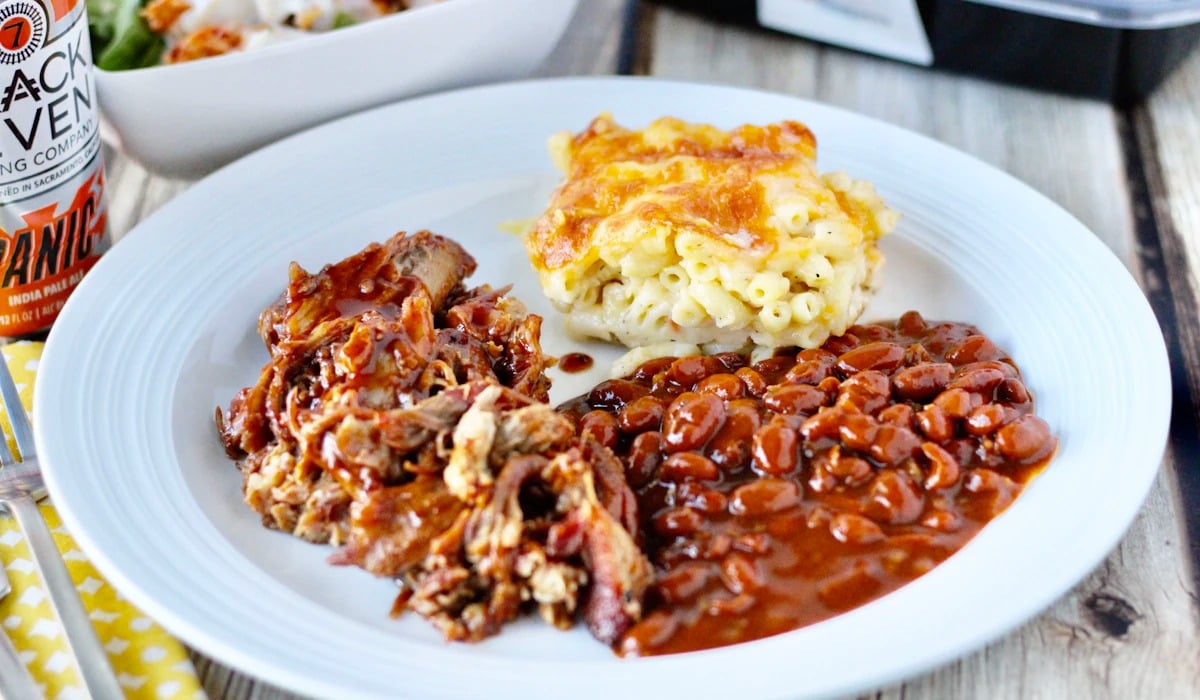
Canned pork and beans mixed with sliced frankfurters made a filling plate with almost no cooking and very little cost. Hot dogs were cheap, needed no trimming and could be divided into as many pieces as there were mouths at the table.
In New England, the combination was tied to the old Saturday night bean supper tradition, often served with steamed brown bread from a can. During the 1930s the pairing became common far beyond that region because it relied on shelf-stable ingredients.
It later became so associated with childhood that it turned up in school cafeterias for decades.
Poorman’s Meal of Potatoes and Hot Dogs
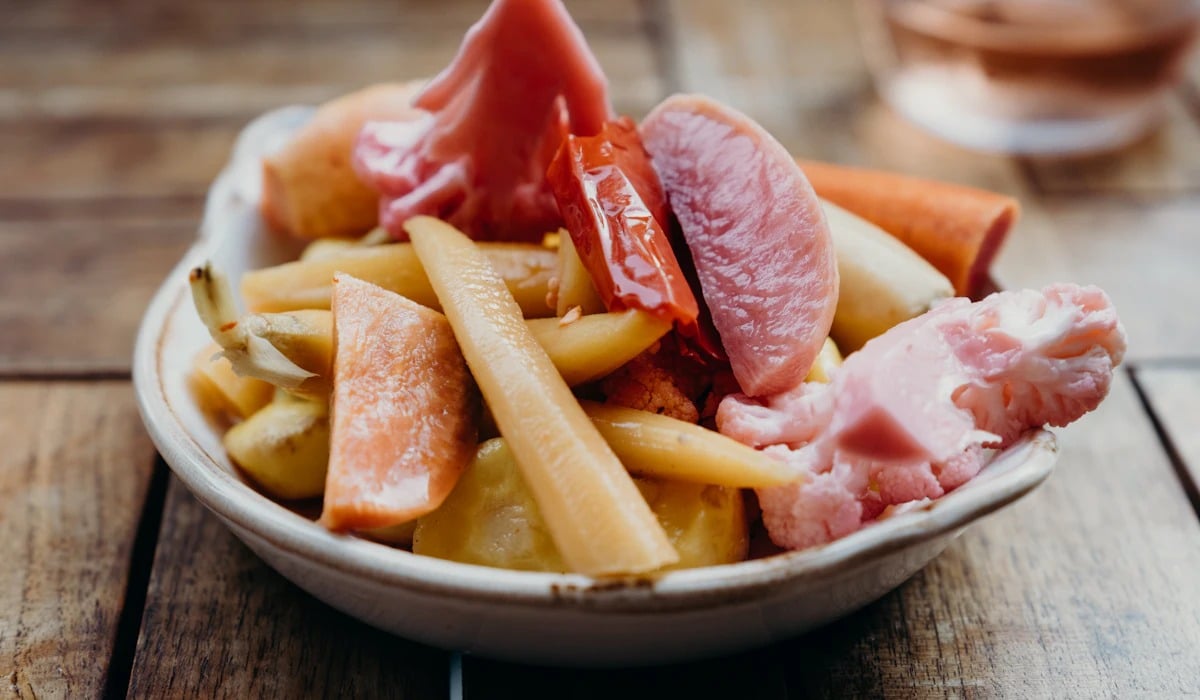
Diced potatoes and onions fried in oil until browned, then joined by sliced hot dogs, made up the dish Clara Cannucciari remembered from her Depression girlhood in Illinois. She cooked it on camera in her 90s for Great Depression Cooking, a video series filmed by her grandson Christopher that drew a large online following beginning in the late 2000s.
Her recipes came wrapped in stories about picking dandelions by the roadside and making a single egg feed a family. Clara died in 2013 at 98, but her videos remain an oral history lesson disguised as a cooking show.
Pasta and Peas From the Italian American Kitchen
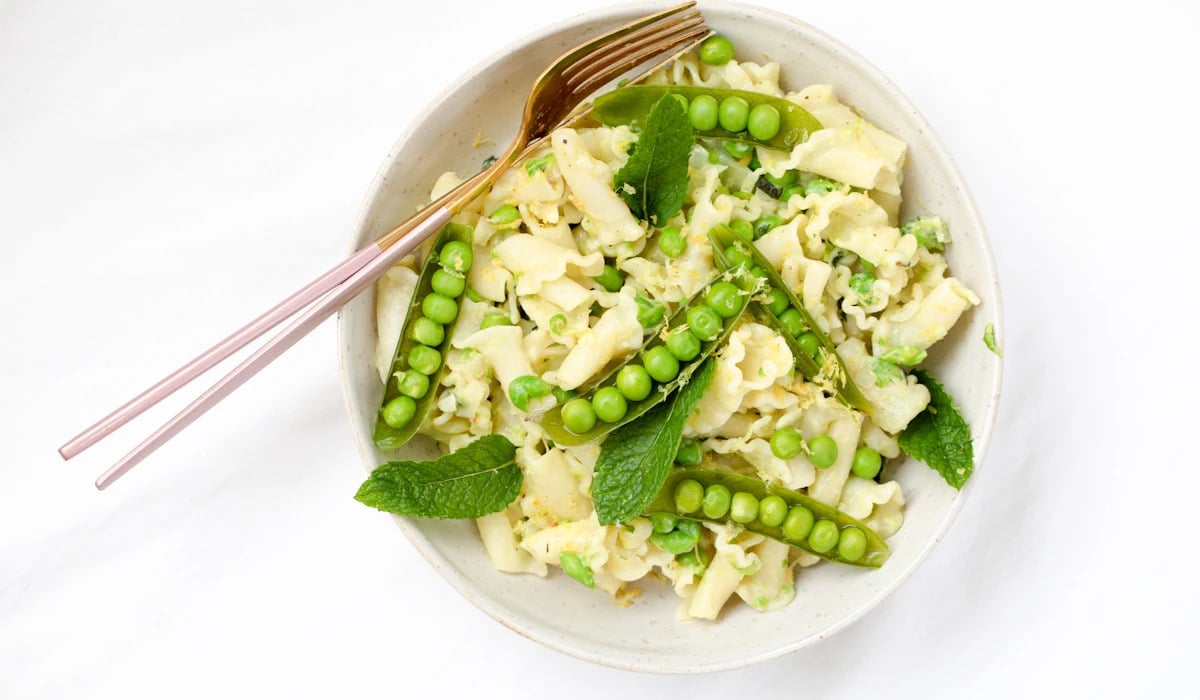
Italian American families leaned heavily on pasta e piselli, a pot of small pasta shapes cooked with peas, onion, olive oil or lard and a little grated cheese when there was some to spare. The dish could be loose and brothy or thick enough to eat with a fork, depending on how many people needed to be fed.
Canned or dried peas worked just as well as fresh ones. Southern Italian cooks had made versions of it for generations before anyone arrived at Ellis Island.
Many families still make it on Fridays out of habit, long after money stopped being the reason.
Navy Bean Soup Worthy of the Senate
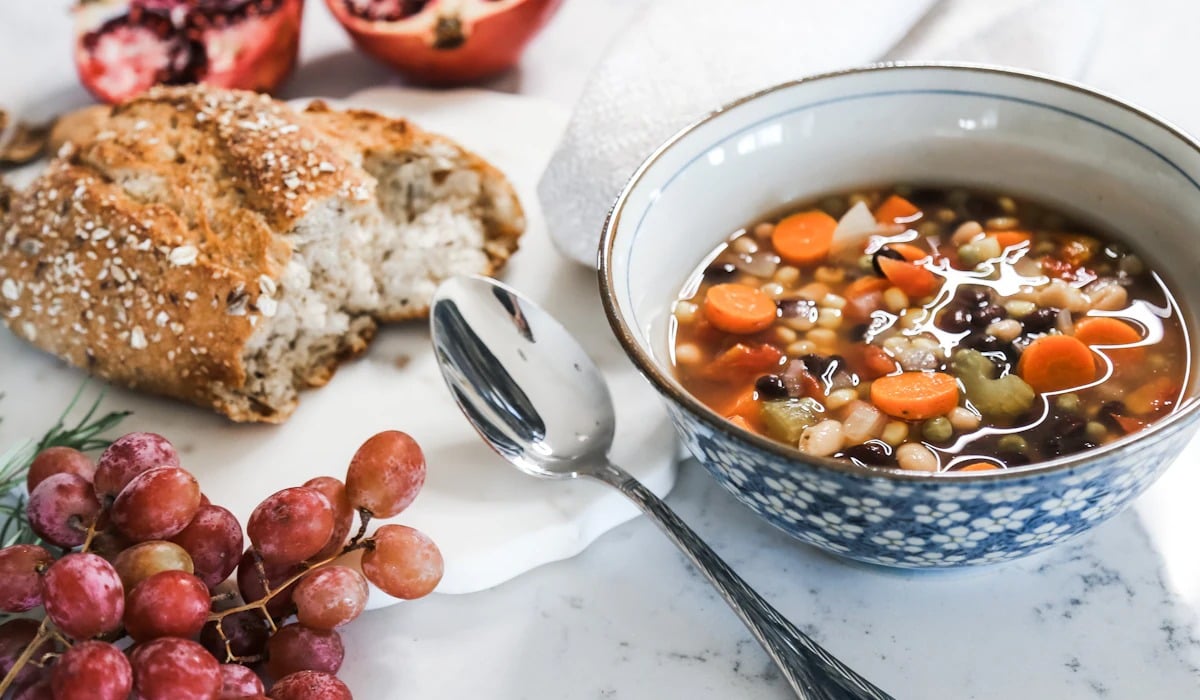
A pot of dried navy beans simmered with a ham hock, onion and water cost very little and fed a family for days. The same humble soup has been served in the United States Senate dining room every day for more than a century, according to the Senate’s own history pages.
The usual story credits either Senator Fred Dubois of Idaho or Senator Knute Nelson of Minnesota with insisting that it never leave the menu, and the true origin remains uncertain. Families in the 1930s did not need a legislative mandate.
Beans were among the most affordable sources of protein available, and a hock bone added flavor for pennies.
Potato Soup Thickened With Its Own Potatoes
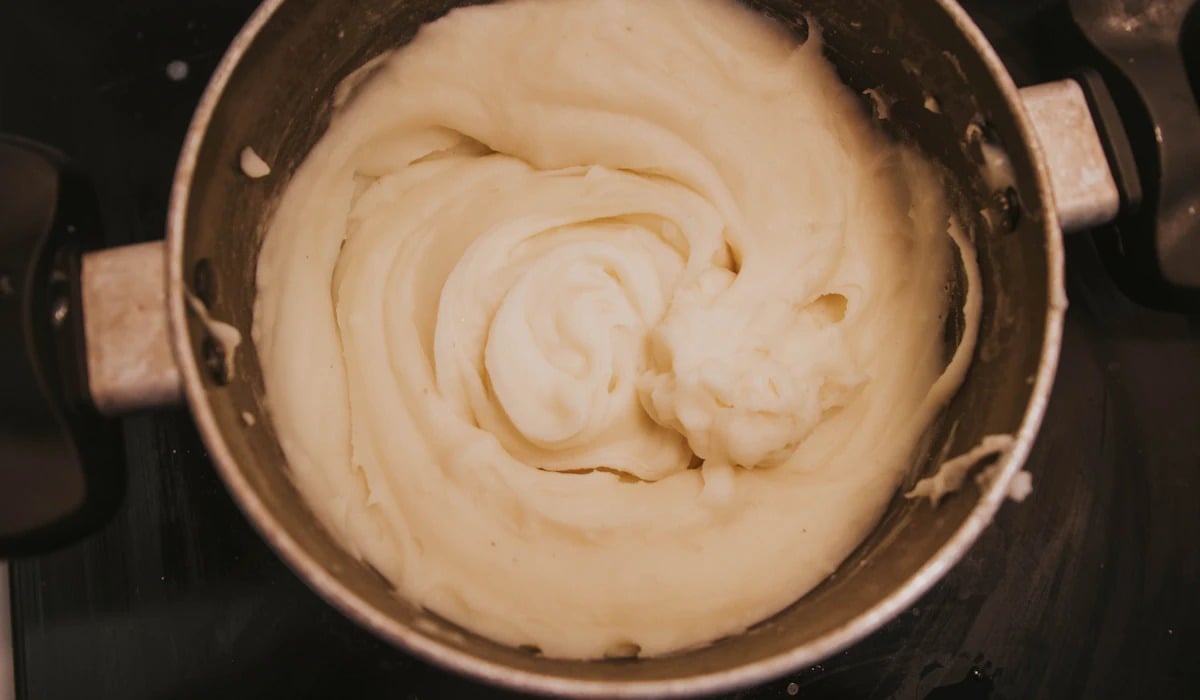
Potatoes were cheap, filling and easy to store in a cellar through the winter, which made potato soup one of the most common suppers of the decade. The basic version used potatoes, onion, water or milk and a bit of fat, with some of the potatoes mashed back into the pot to thicken it without cream.
Families that kept a garden added celery, carrots or parsley when they had them. Thrifty cooks even boiled the peels separately to make a thin broth rather than throw anything away.
A big pot reheated well, and leftover soup often became the base for the next night’s stew.
Potato Pancakes From Leftover Mash
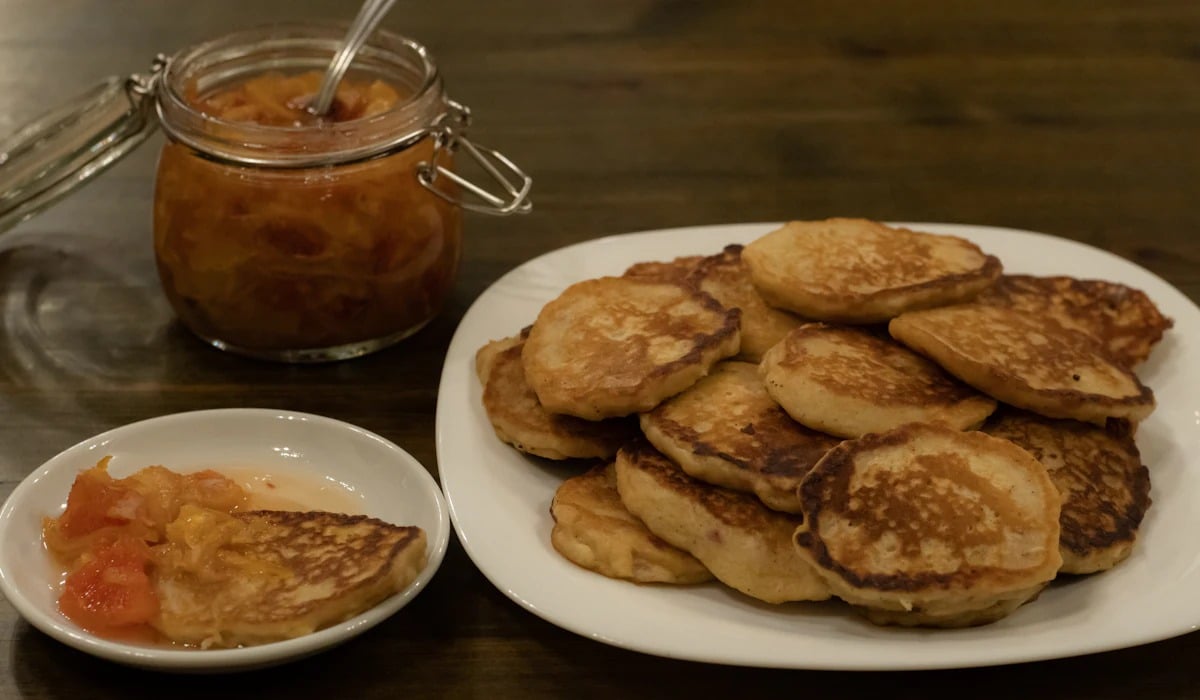
Yesterday’s mashed potatoes became today’s supper when they were mixed with an egg, a little flour and grated onion, then fried in a skillet until crisp. Families with Eastern European roots also made versions from raw grated potatoes, known as latkes in Jewish households and placki in Polish ones.
Either way, a few potatoes could produce a full plate of hot food. Applesauce, sour cream or a sprinkle of sugar served as topping depending on the family tradition.
The pancakes were a reliable way to keep leftovers from going to waste in an era when nothing could be thrown out.
Dandelion Greens Picked From the Roadside
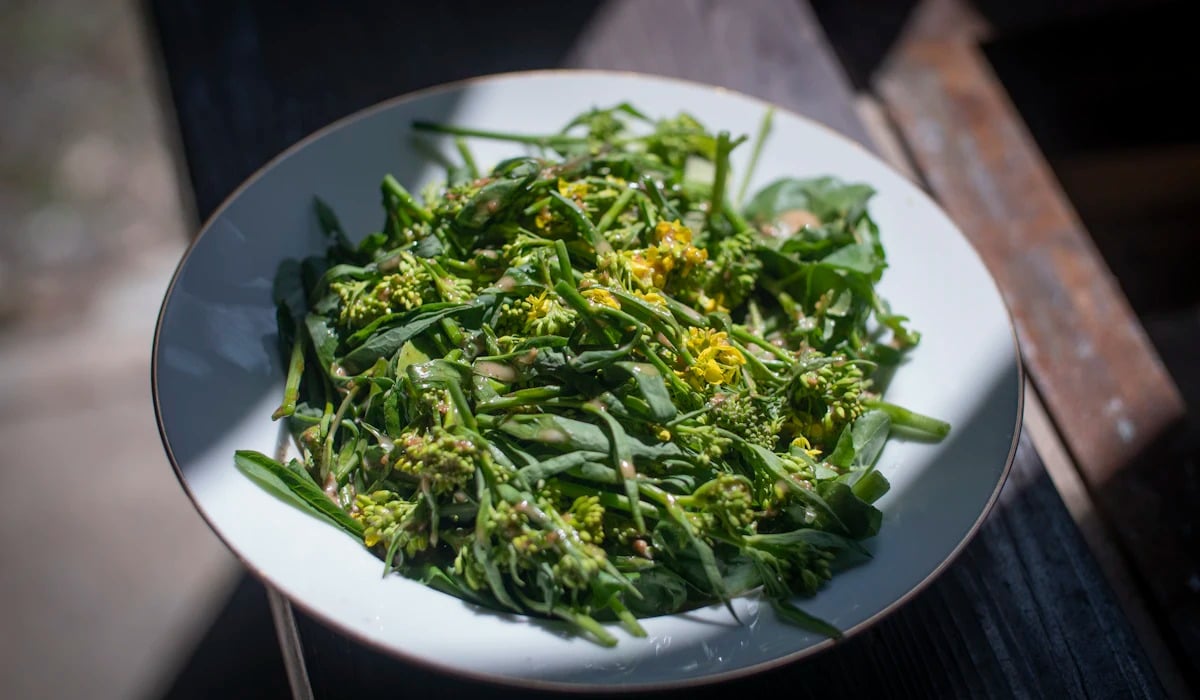
Families who could not afford produce at the grocery store gathered it for free from yards, ditches and vacant lots. Young dandelion leaves, picked in early spring before the flowers opened and the leaves turned bitter, were dressed with hot bacon fat and vinegar or simply boiled like spinach.
Foraging cost nothing but time, and children were often sent out with a basket and a paring knife. The greens are rich in vitamins A and C, which mattered at a time when many diets were short on fresh vegetables.
Italian, Greek and Appalachian families had long traditions of eating wild greens, and the Depression turned that habit into a necessity for many more.
Hamburger Gravy Over Bread or Potatoes
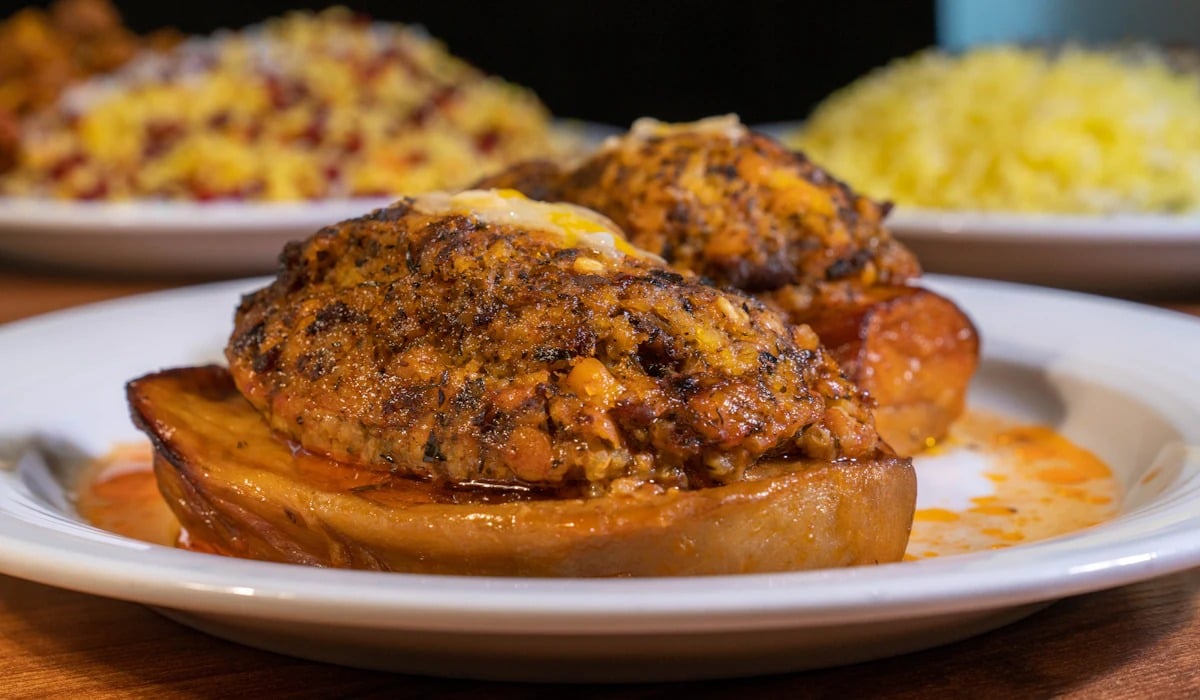
Half a pound of ground beef was not enough to make burgers for a family of six, but it could be browned in a skillet, sprinkled with flour and loosened with milk or water into a thick gravy. Spooned over toast, biscuits, rice or boiled potatoes, it stretched a small amount of meat across many plates.
Some families called it poor man’s stroganoff, and the military served a close cousin made with ground beef. The technique of flavoring a big pot of sauce with a little meat was the backbone of Depression cooking.
It remains a weeknight standby in many Midwestern households.
Creamed Peas on Toast
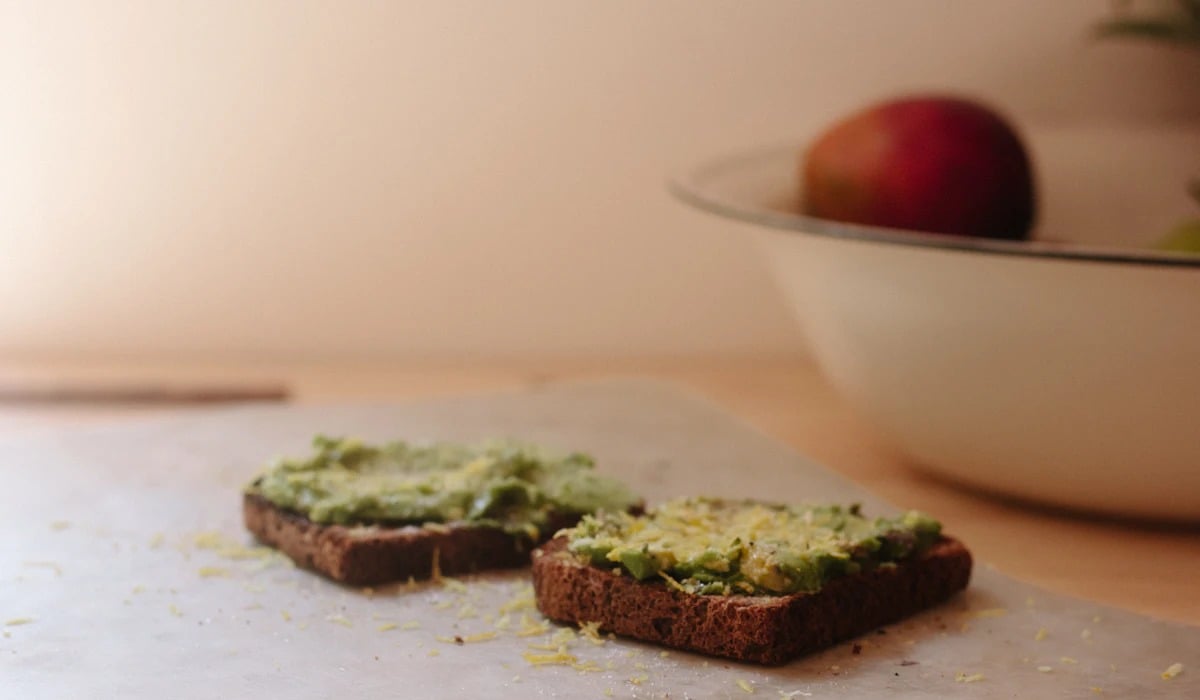
One can of peas and a quick white sauce made from flour, fat and milk could turn a few slices of bread into a hot supper. The dish followed the same logic as creamed chipped beef, minus the meat, and was often served on meatless Fridays in Catholic households.
Some cooks added a chopped hard-cooked egg or a little diced onion for extra substance. Creamed vegetables on toast were common in early twentieth century cookbooks as invalid and nursery food, which made them familiar comfort fare when money ran short.
Peas brought a little color and sweetness to an otherwise beige table.
Rivel Soup From the Pennsylvania Dutch
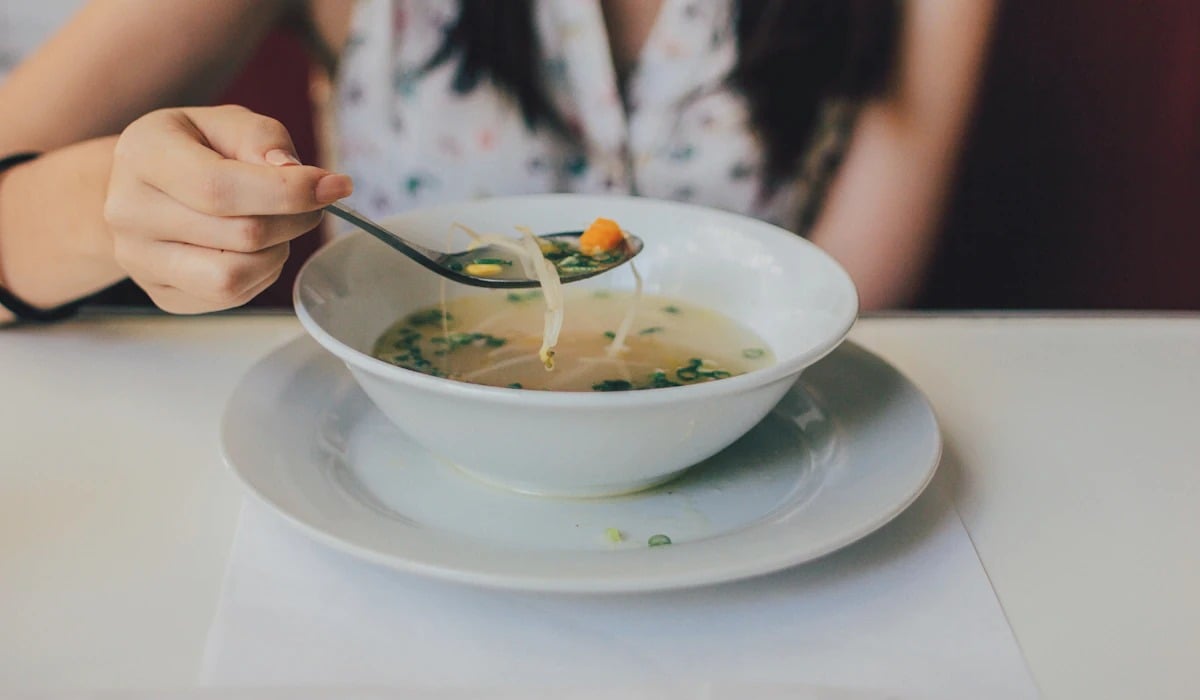
Rivels are tiny dumplings made by rubbing flour and egg together between the fingers until they form small crumbs, then dropping them into simmering broth or milk. The name is usually traced to the German verb for rubbing.
Rivel soup required almost nothing beyond pantry basics, yet it produced a thick, satisfying bowl. Families with chicken broth made chicken corn soup with rivels, while those without simply cooked them in milk with butter and salt.
The dish remains a regular sight at church suppers and fire hall dinners in Lancaster County and the surrounding region.
Mock Apple Pie Made With Ritz Crackers
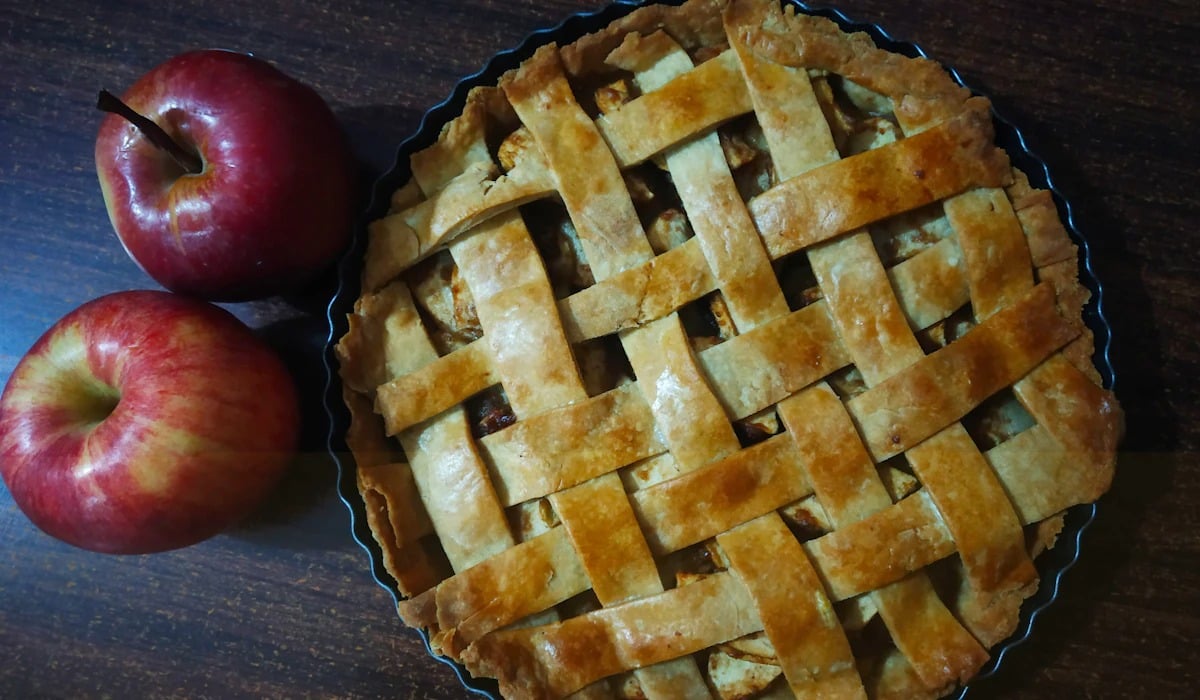
Nabisco introduced Ritz crackers in 1934, and a recipe for mock apple pie made with broken crackers, sugar, lemon juice, cinnamon and butter soon became closely tied to the brand. Baked in a crust, the crackers softened into something surprisingly close to apple filling, and many tasters could not tell the difference.
The idea was not new, since cracker-based mock apple pies appeared in nineteenth century cookbooks when apples were scarce or expensive. Ritz simply gave the trick national fame.
The recipe returned to the back of the box over the following decades, keeping the illusion alive for new generations.
Wacky Cake Mixed in the Pan
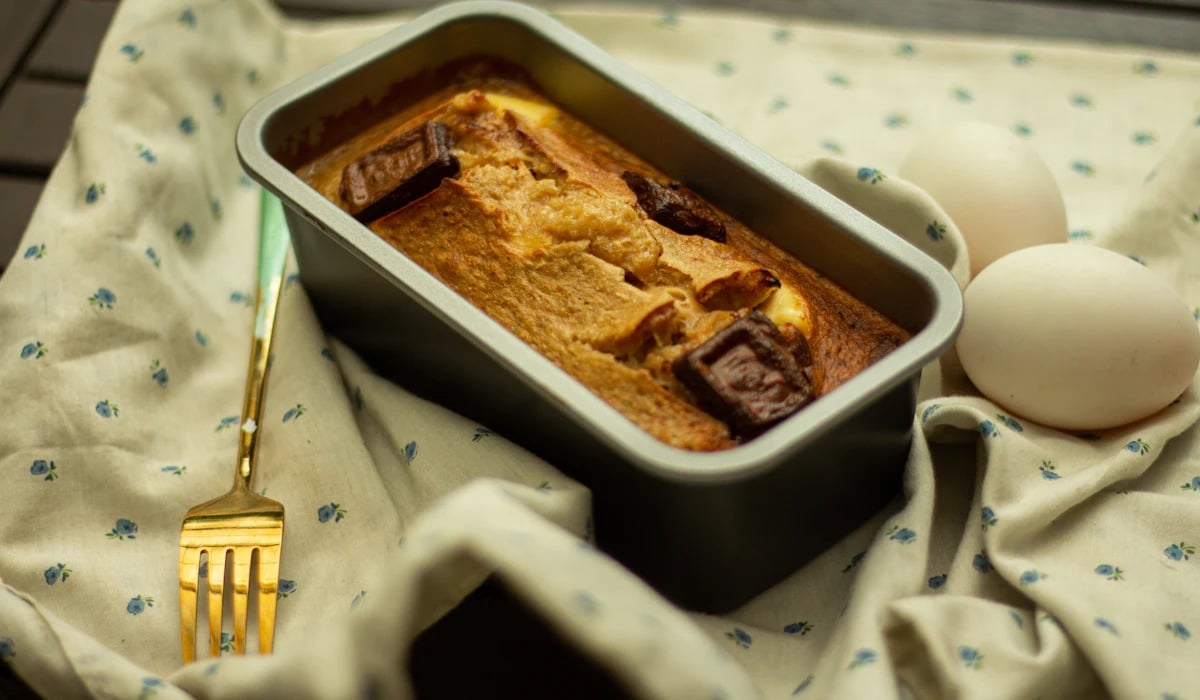
Also called crazy cake or depression cake, this chocolate dessert uses no eggs, no butter and no milk. Flour, sugar, cocoa, baking soda and salt are mixed right in the baking pan, then vegetable oil, vinegar, vanilla and water are poured into three wells made in the dry ingredients.
The vinegar reacts with the baking soda to provide lift that eggs would normally supply. The cake became popular again during World War II rationing, when butter and sugar were scarce.
It remains a favorite for families dealing with egg or dairy allergies, and it leaves only one pan to wash.
Water Pie From an Empty Pantry
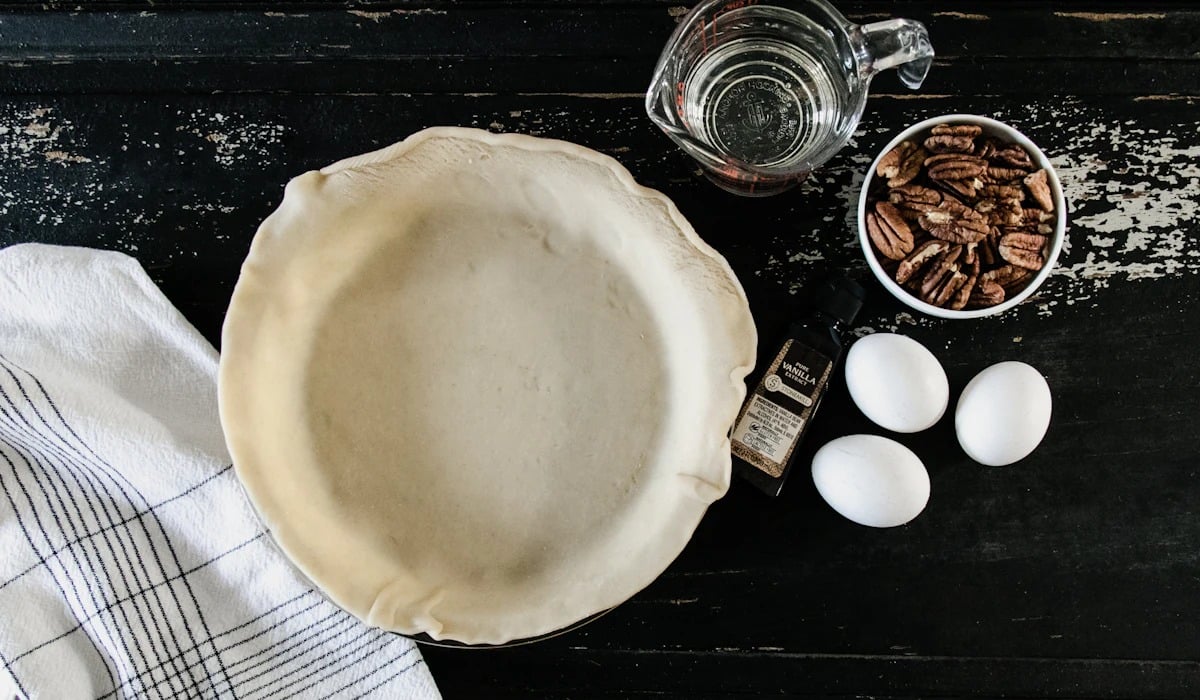
Perhaps the most minimal dessert of the era, water pie relied on little more than water, flour, sugar, butter and vanilla poured into a pie shell. As it bakes, the mixture thickens into a custard-like filling that sets as it cools, with no eggs or milk involved.
The result tastes faintly of brown butter and vanilla, somewhere between a sugar pie and a buttermilk pie. Recipes for it circulated widely during the Depression and resurfaced online in recent years when home cooks discovered it on social media.
Its appeal is equal parts thrift and curiosity, since the ingredient list looks almost impossible.
Vinegar Pie as a Lemon Stand-In
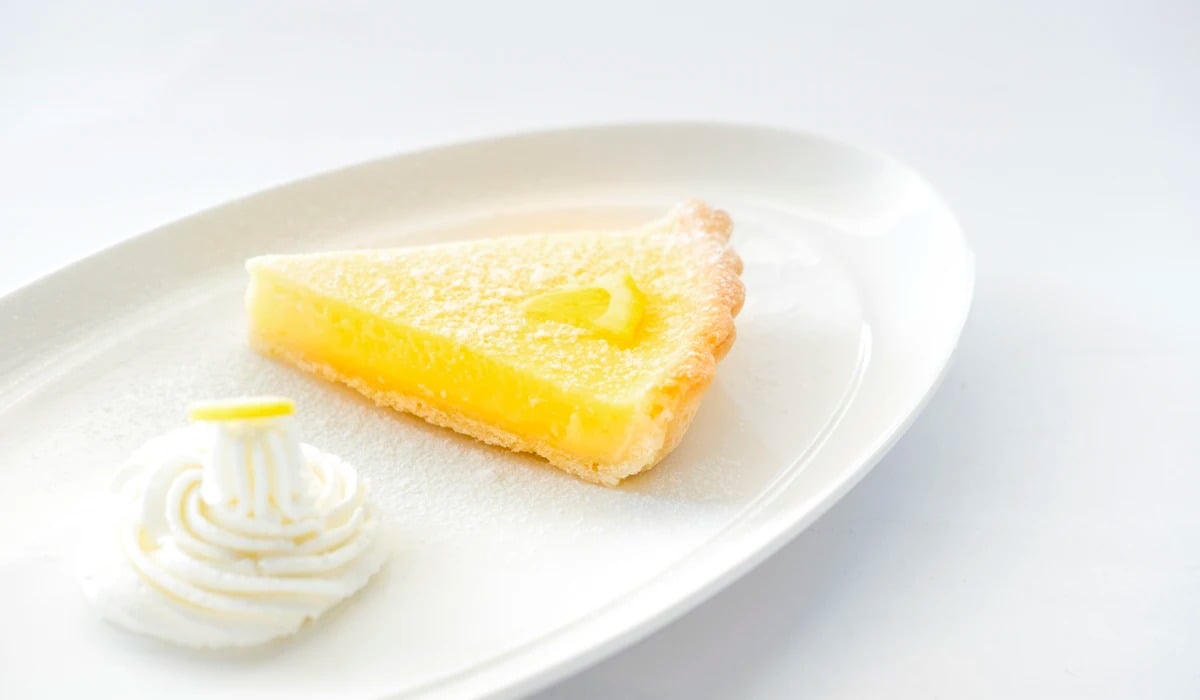
When lemons were too expensive or simply unavailable, cooks used cider vinegar to supply the tang in a custard pie made with eggs, sugar, butter and a little flour. The recipe predates the Depression by roughly a century and was a familiar pioneer dessert in the nineteenth century.
It became popular again in the 1930s because it could be made from pantry items that most farm households already kept. Bakers often called it a desperation pie, a category that also included buttermilk and chess pies.
The finished filling tastes surprisingly like lemon, with a slightly sharper edge.
Bread Pudding From Stale Loaves
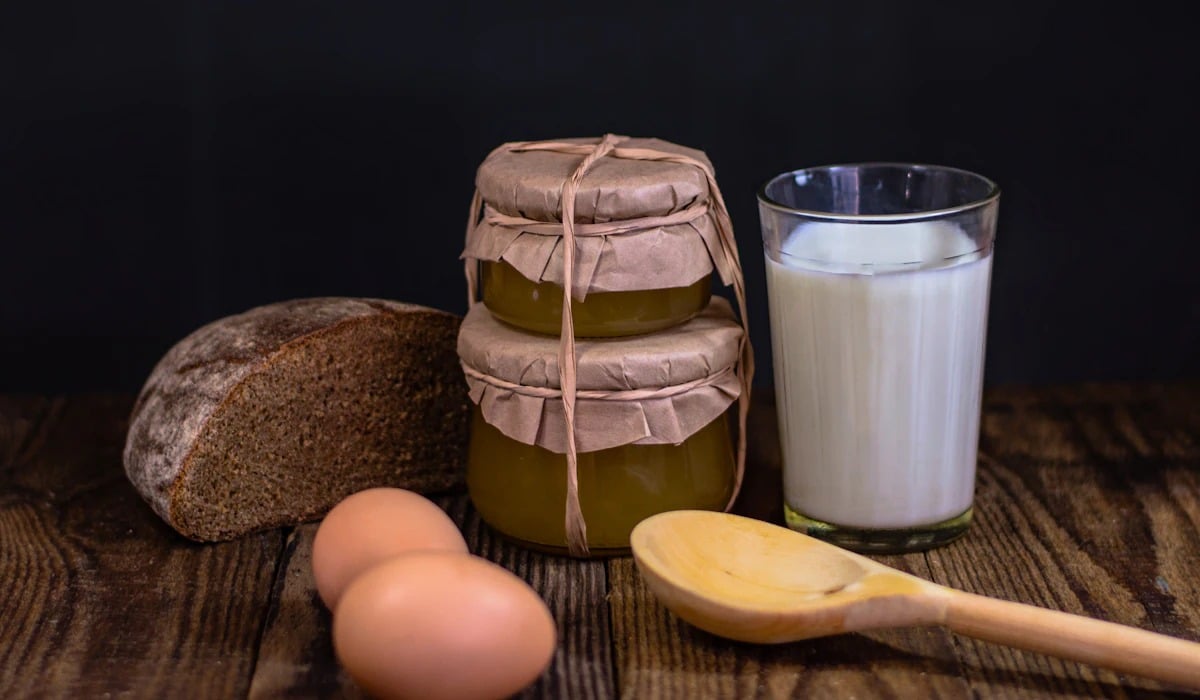
Nothing was wasted in a Depression kitchen, and stale bread was no exception. Torn pieces were soaked in a custard of milk, eggs, sugar and spices, sometimes studded with raisins, then baked until set and golden on top.
Cooks who were short on eggs used fewer and leaned on extra milk, while others topped the pudding with a simple sauce made from sugar and butter. Bread pudding had been a thrift dessert in Europe for centuries, and American families of the 1930s relied on it just as heavily.
New Orleans later turned it into a restaurant classic served with whiskey sauce.
Prune Pudding on the White House Menu
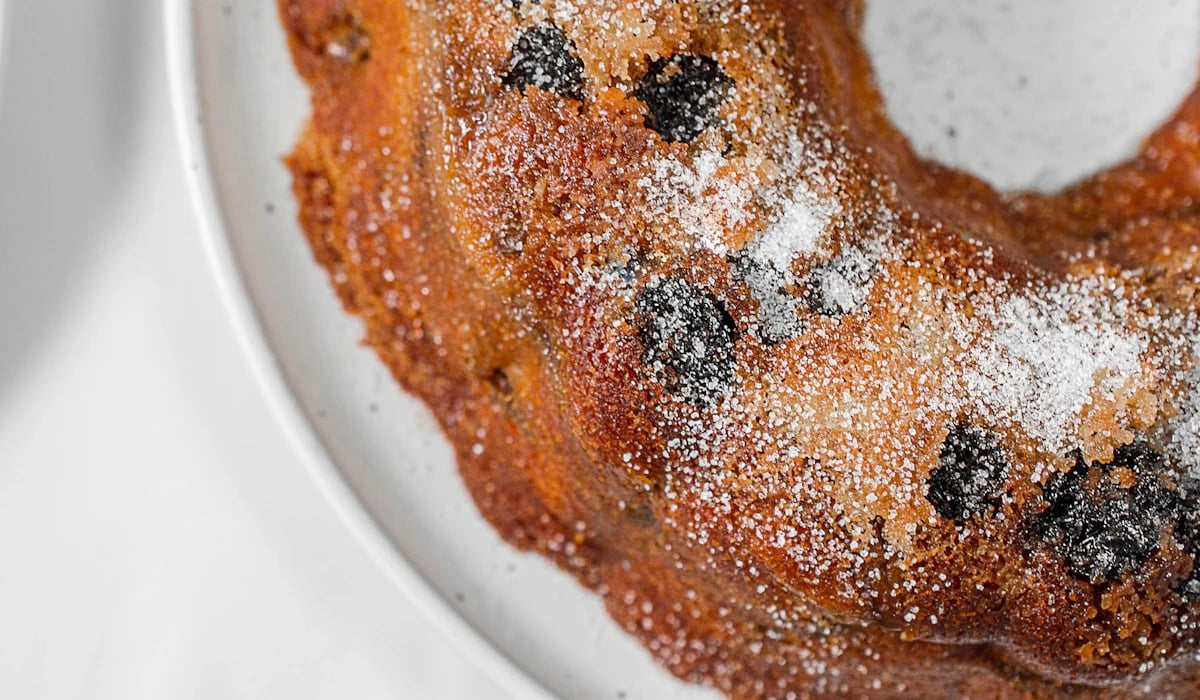
Eleanor Roosevelt made headlines in 1933 when the White House promoted an economical lunch costing seven and a half cents per person, part of an effort to show Americans how to eat cheaply and well. The menu included hot stuffed eggs, mashed potatoes and prune pudding, and reporters were not kind about it.
White House housekeeper Henrietta Nesbitt later became infamous for the bland cooking served under the Roosevelts. Prunes were cheap, kept for months and provided sweetness without much sugar.
Whipped prune desserts appeared in countless cookbooks of the era, and the White House endorsement made them a symbol of patriotic thrift.
Peanut Butter Bread Without Yeast
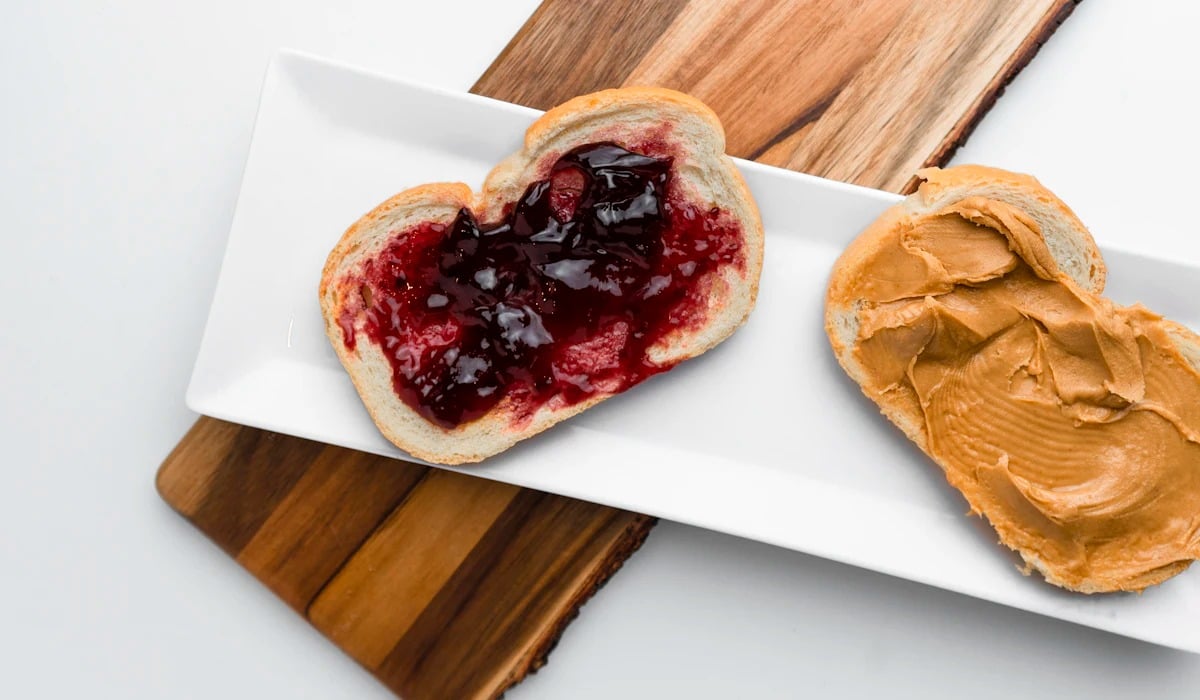
Quick breads leavened with baking powder needed no yeast, no rising time and often no eggs, which made them ideal for lean years. Peanut butter bread combined flour, sugar, baking powder, milk and a scoop of peanut butter into a dense, slightly sweet loaf that could be sliced for breakfast or lunch.
Peanut butter was an affordable source of protein and fat in the 1930s and already a pantry favorite. Some versions even used water instead of milk.
The loaf kept well for several days, and toasting it revived slices that had begun to dry out.
Chocolate Gravy Over Biscuits
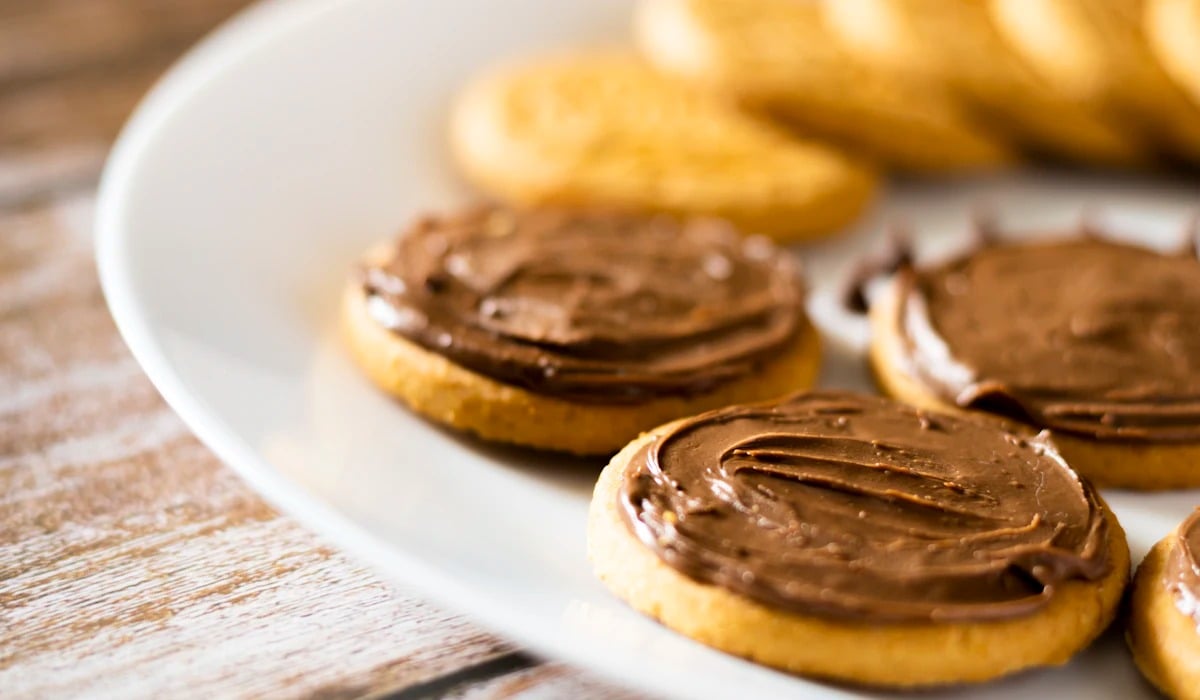
In parts of Appalachia and the Arkansas Ozarks, families poured a warm chocolate sauce made from cocoa, sugar, flour and milk or water over hot biscuits for breakfast. The method is identical to a savory gravy, using flour to thicken the liquid in a skillet, but the result tastes like a loose pudding.
Cocoa powder was inexpensive and shelf stable, which made it an affordable treat when little else was sweet. The dish has stubbornly regional roots, and many people outside the area have never heard of it.
Families who grew up with it still serve it on special mornings and holidays.
Scarcity as a Teacher in the Kitchen

Depression cooks did not set out to invent new food. They were simply trying to feed children with flour, cornmeal, a few potatoes and whatever the week allowed, and a remarkable number of those solutions turned out to be delicious.
The recipes survived because they worked, and because the people who made them never fully forgot the fear of an empty pantry.
Many of these dishes are still cooked today by people who have plenty. That persistence says something about how hard-won habits travel through families long after the original reason disappears.
A pan of wacky cake or a skillet of fried bologna is a small piece of inherited memory, served one slice at a time.
MORE FROM GO2TUTORS!

- The Romanov Crown Jewels and Their Tragic Fate
- 13 Historical Mysteries That Science Still Can’t Solve
- Famous Hoaxes That Fooled the World for Years
- 15 Child Stars with Tragic Adult Lives
- 16 Famous Jewelry Pieces in History
Like Go2Tutors’s content? Follow us on MSN.