Surprising Ways People Survived Brutal Winters Before Central Heating
Winter used to be a life-or-death equation. No thermostat to adjust, no furnace humming in the basement, no electric blankets to throw on when the temperature dropped.
People figured out how to make it through months of bone-deep cold using nothing but ingenuity, community, and a few techniques that would probably surprise anyone accustomed to modern heating. Some of these methods were brilliant.
Others were desperate. All of them worked well enough to keep our ancestors alive long enough to pass their genes along to us.

Young couples had a practical problem when courting during brutal winters (and this was back when winter lasted longer and bit harder than it does now) — they needed a way to spend time together without freezing to death, but parents weren’t about to let them generate their own heat unsupervised.
So someone invented bundling boards: wooden planks that separated couples lying in the same bed, fully clothed, often sewn into sacks to prevent any wandering hands.
The idea being that shared body heat would keep both parties warm enough to have a conversation without anyone dying of hypothermia or accidentally creating a scandal that would require a hasty wedding.
It sounds absurd until you realize that keeping warm was such a relentless challenge that people were willing to let their teenage daughters share beds with suitors as long as there was a piece of wood between them.
That’s not progressive parenting — that’s winter desperation disguised as courtship protocol.
Ice Houses and Root Cellars
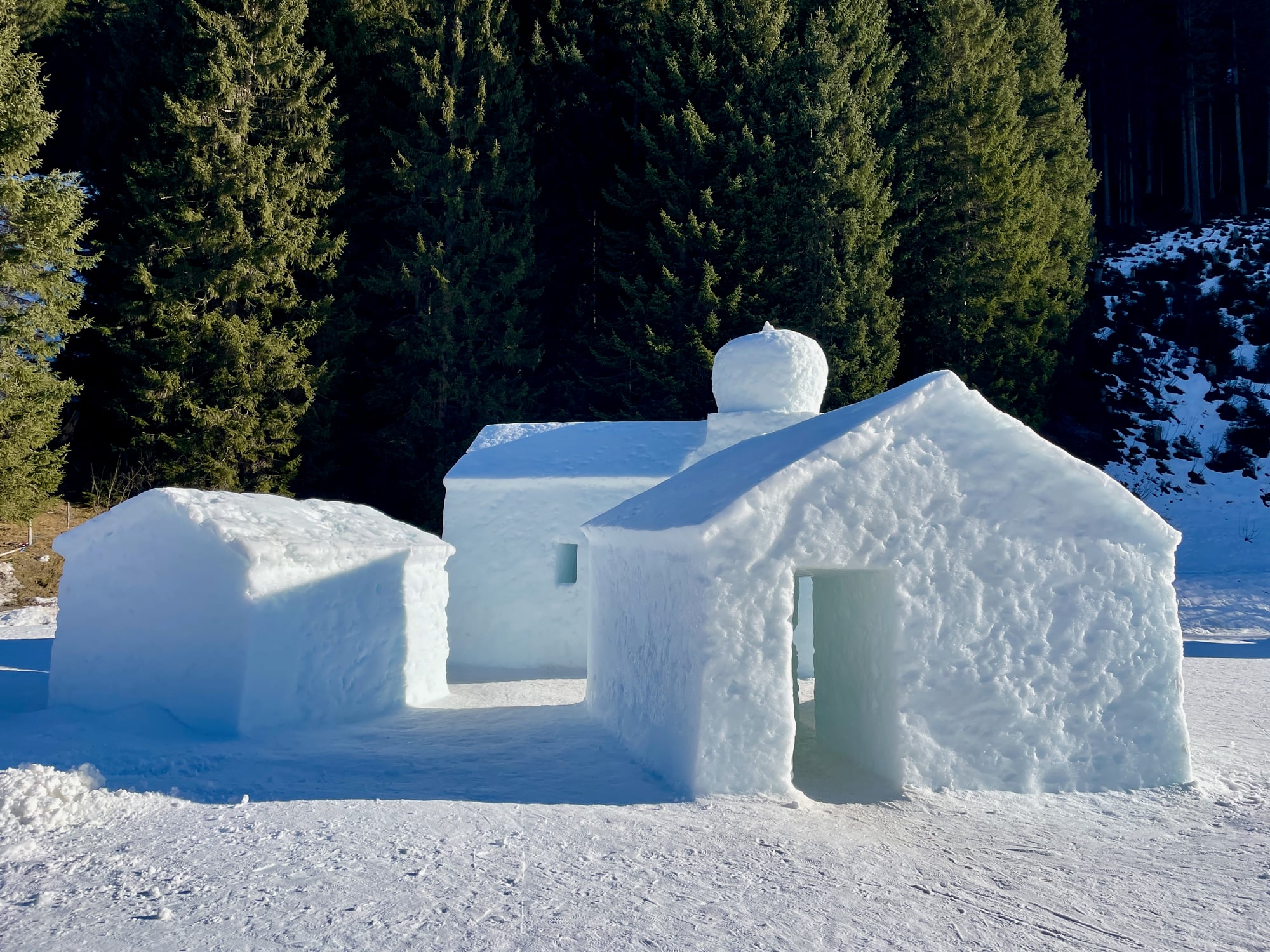
Here’s something that makes no sense until it does: people built underground rooms specifically to stay cool in summer, and those same spaces kept them from freezing in winter.
But the genius wasn’t in the temperature (root cellars hovered just above freezing) — it was in creating a space where the cold worked for them instead of against them, where they could store preserved food without it spoiling and where they could retreat when the house above became uninhabitable, which happened more often than anyone wants to think about.
And those ice houses, where people cut blocks of ice from frozen lakes and rivers and packed them in sawdust for use through the warmer months — well, the process of cutting and hauling ice was brutal work, but it generated enough body heat to get people through some of the coldest days of the year, so it served two purposes: summer cooling and winter warming (via the work itself, not the ice).
Warming Stones and Bed Bricks
Heat up a stone in the fire, wrap it in cloth, put it at the foot of the bed. Sleep through the night without losing any toes to frostbite.
People made this system more sophisticated over time — special stones that held heat longer, dedicated cloths that wouldn’t burn, even carved soapstone bed warmers that could be heated and reheated throughout the night.
But the basic principle never changed: thermal mass holds heat, human bodies need heat, therefore thermal mass in the bed equals survival until morning.
Shared Sleeping Arrangements

There’s a reason the phrase “stranger bedfellows” exists — because sharing a bed with someone, anyone, was often the difference between waking up and not waking up.
Entire families slept in one bed during the worst weather (parents, children, sometimes even hired hands or visiting relatives), and travelers at inns expected to share beds with complete strangers as a matter of course.
Privacy was a luxury that literally no one could afford when the alternative was freezing to death alone.
And yet this arrangement (which would horrify modern sensibilities) created something unexpectedly human: people learned to sleep cooperatively, adjusting positions throughout the night to share warmth evenly, and there’s something almost moving about that level of mutual dependence — the idea that survival required not just individual toughness, but the ability to literally keep each other warm through the darkest months of the year.
Even so, it probably wasn’t pleasant.
Heated Sand and Grain

Imagine carrying summer in small, manageable portions throughout winter — that’s what heated sand and grain offered people who understood that warmth didn’t have to come from fire directly, just from things that fire had touched.
They would heat sand or grain (rice, barley, whatever was available and wouldn’t spoil) in iron pots over the fire, then pour it into cloth pouches that could be tucked inside clothing, wrapped around feet, or placed against the body wherever cold threatened to do damage.
The sand or grain would hold heat for hours, slowly releasing it in a way that felt almost like trapped sunlight.
This method had an elegance that modern heating lacks — it was portable, reusable, and worked with the body’s natural tendency to lose heat from extremities first.
People could carry their own personal heating system wherever they needed to go, whether that was to bed, to the barn for morning chores, or on long winter journeys where stopping to build a fire might mean the difference between reaching the destination and not.
High-Calorie Foods as Fuel

Eating calorie-dense foods was a genuine winter survival strategy — heavy stews, fatty meats, and carbohydrate-rich meals helped fuel the body’s internal heating system when cold threatened to overwhelm it.
People understood intuitively that the body burns calories to generate heat, and they adjusted their diets accordingly during winter months, consuming foods that provided sustained energy and warmth from the inside out.
This approach worked because it aligned with how the body actually functions: metabolism generates heat, and more fuel means more heat production.
Combined with physical activity and proper insulation, a well-fed body could maintain core temperature far more effectively than a hungry one.
Animal Heat Sharing

Sleeping with animals wasn’t desperation — it was smart resource management. Cows, horses, pigs, dogs, even chickens generate significant body heat, and people figured out how to capture that heat without getting kicked, bitten, or worse.
Some families brought small animals directly into their sleeping areas, while others designed their homes so that animal quarters shared a wall with human quarters, allowing heat to transfer through the wood without requiring direct contact.
The most sophisticated version of this was the byre-dwelling, where the animal stalls were literally built into the lower level of the house, with human living space above.
Animal body heat rose through the floorboards, warming the family quarters, while the animals stayed comfortable and accessible for care and milking throughout winter.
It sounds unsanitary by modern standards, but it kept both humans and livestock alive when the alternative was losing both to cold.
Underground Sleeping
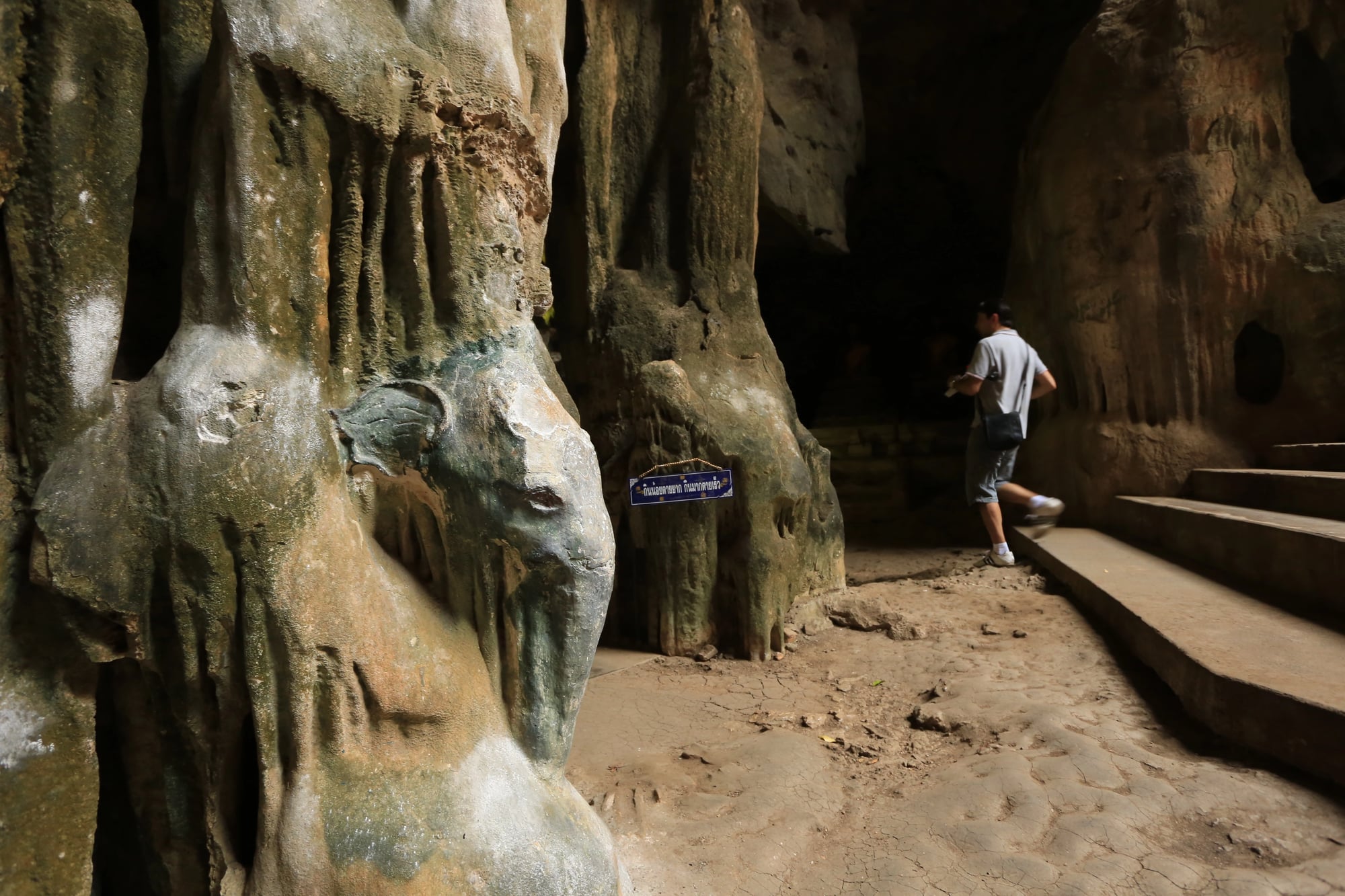
Sometimes the best way to beat winter was to go underground. People dug sleeping chambers directly into hillsides or below frost lines, creating spaces where the earth’s natural insulation kept temperatures stable even when surface conditions became lethal.
These weren’t elaborate constructions — just excavations in the ground, really, lined with whatever materials were available and covered with logs, sod, or stones to trap heat and block wind.
The temperature underground stays relatively constant year-round, hovering around 50 degrees Fahrenheit in most climates.
That’s not warm by modern standards, but it’s survivable when paired with body heat, shared sleeping, and warm clothing.
More importantly, it’s predictable — no sudden temperature drops, no wind chill, no risk of freezing to death if the fire went out during the night.
Communal Fires and Heat Sharing
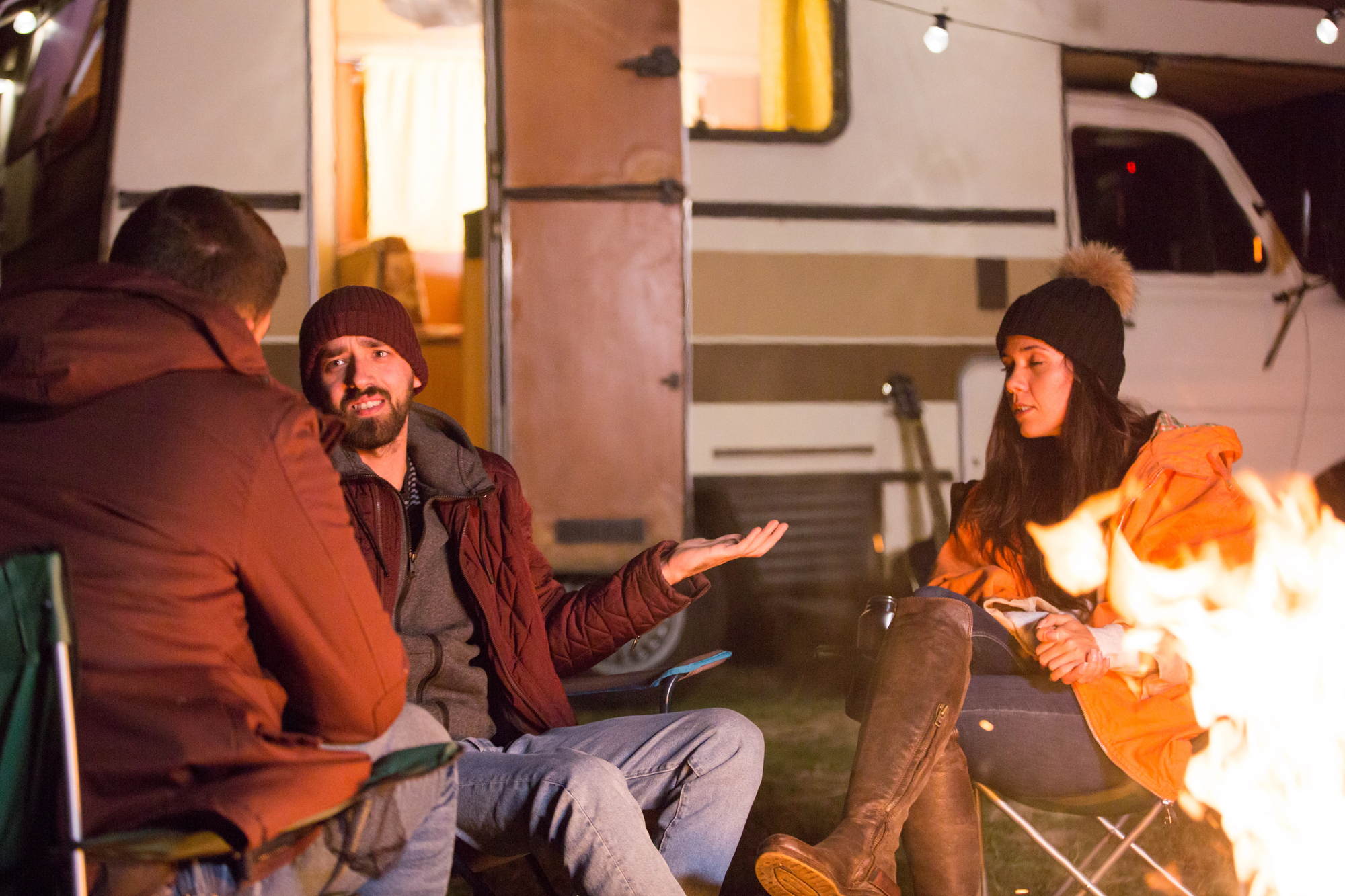
Think of it as the original cooperative economy (where the commodity being shared was survival itself, and the currency was firewood, labor, and trust) — entire communities would organize around shared heating systems that no single family could maintain alone, with some households responsible for collecting fuel, others for maintaining the fire, and everyone taking turns with overnight watch duties to ensure the fire never died completely because a dead fire meant a dead community by morning.
The logistics were more complex than they might seem at first glance: who contributes how much wood, who gets to sleep closest to the fire, how to handle families that couldn’t contribute their fair share due to illness or bad luck.
And yet these systems worked, season after season, because people understood that individual survival was impossible — you either kept everyone warm or no one stayed warm, and that reality created a level of community cooperation that modern neighborhoods can’t match.
But the social pressure must have been intense.
Layered Clothing Systems

This was less about fashion and more about creating personal insulation systems that trapped warm air close to the body while allowing moisture to escape — which turns out to be much more complicated than just putting on more clothes.
People learned to layer different materials (wool against the skin, linen or cotton in the middle, leather or oiled cloth on the outside) so that each layer served a specific function: the inner layer wicked moisture away from skin, the middle layer trapped warm air, and the outer layer blocked wind and water.
The sophistication of these layering systems developed over generations of trial and error, with techniques passed down from parents to children like trade secrets.
People knew which combinations of materials worked best in different weather conditions, how to modify their clothing throughout the day as activity levels changed, and how to repair and maintain their layers so they would last through multiple winters.
Getting it wrong meant frostbite, hypothermia, or death — so people got very, very good at getting it right.
Hot Coals and Ember Management
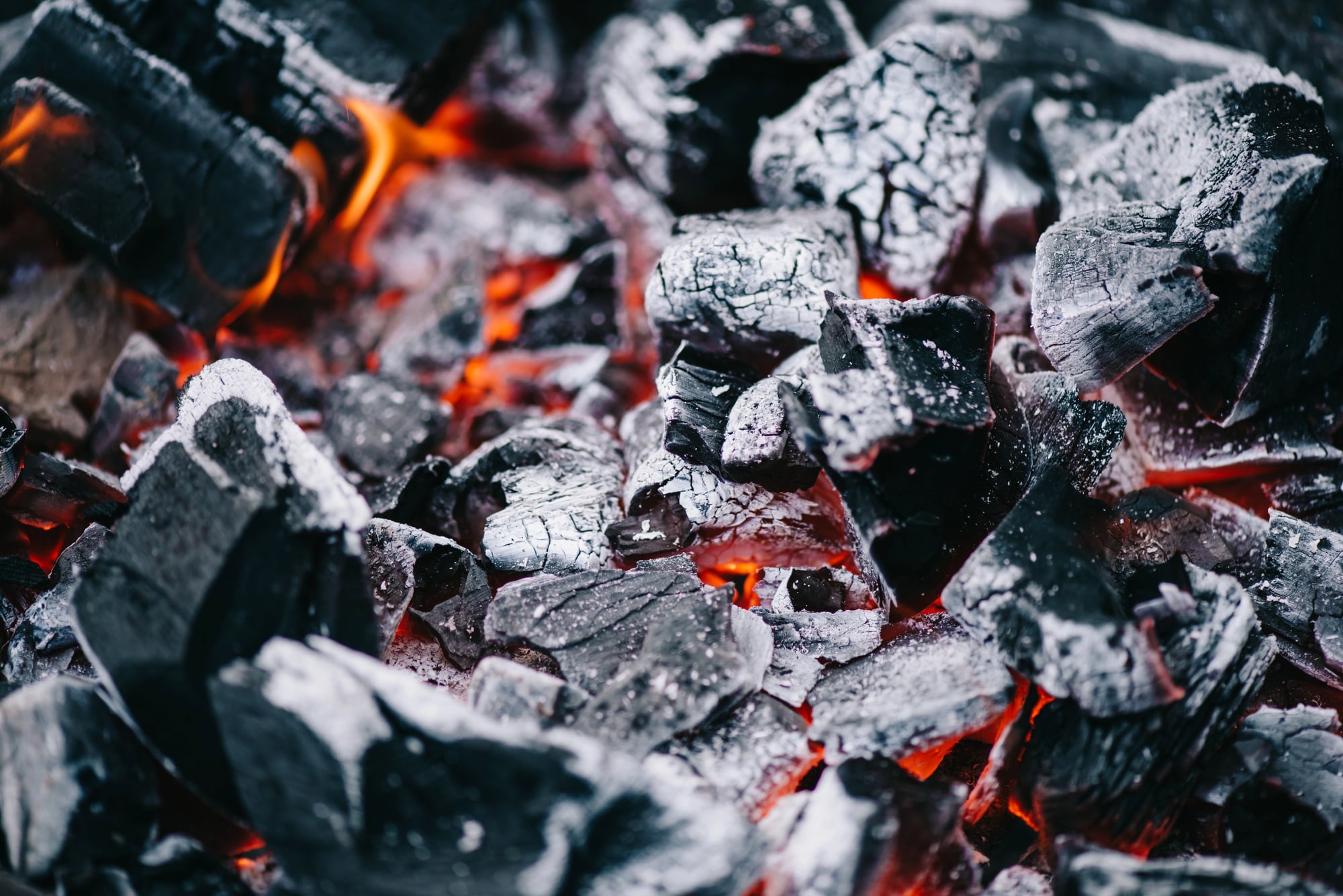
Keeping fire alive through winter was a full-time job that required understanding fire not as an event, but as a living thing that needed constant attention, feeding, and care.
People developed techniques for banking coals at night so they would still be glowing in the morning, covering them with ash to slow the burn rate while maintaining enough oxygen to prevent complete extinction.
They learned to read the subtle differences between coals that would reignite and coals that were truly dead, and they became experts at transferring live coals from one location to another using special containers that wouldn’t catch fire themselves.
The most skilled fire-keepers could maintain the same fire for months, never letting it die completely, because starting a fire from scratch in winter conditions (when everything is wet and cold) was difficult, time-consuming, and wasted precious fuel.
These people were the unsung heroes of winter survival — their skill and vigilance kept entire households alive.
Breathing and Body Heat Techniques

People learned to breathe differently in cold weather — slower, deeper breaths that warmed incoming air in the nasal passages before it reached the lungs, and controlled exhaling that didn’t waste the warm air their bodies had already heated.
They understood that rapid breathing in cold air could cause lung damage, and that breath control could actually help maintain core body temperature during exposure to extreme cold.
More sophisticated were the body heat techniques: specific positions for sleeping that minimized heat loss, ways of moving and working that generated maximum warmth with minimum energy expenditure, and methods for warming different parts of the body in sequence to maintain circulation and prevent frostbite.
This knowledge was practical and precise — not folk wisdom, but genuine survival technique.
Snow as Insulation
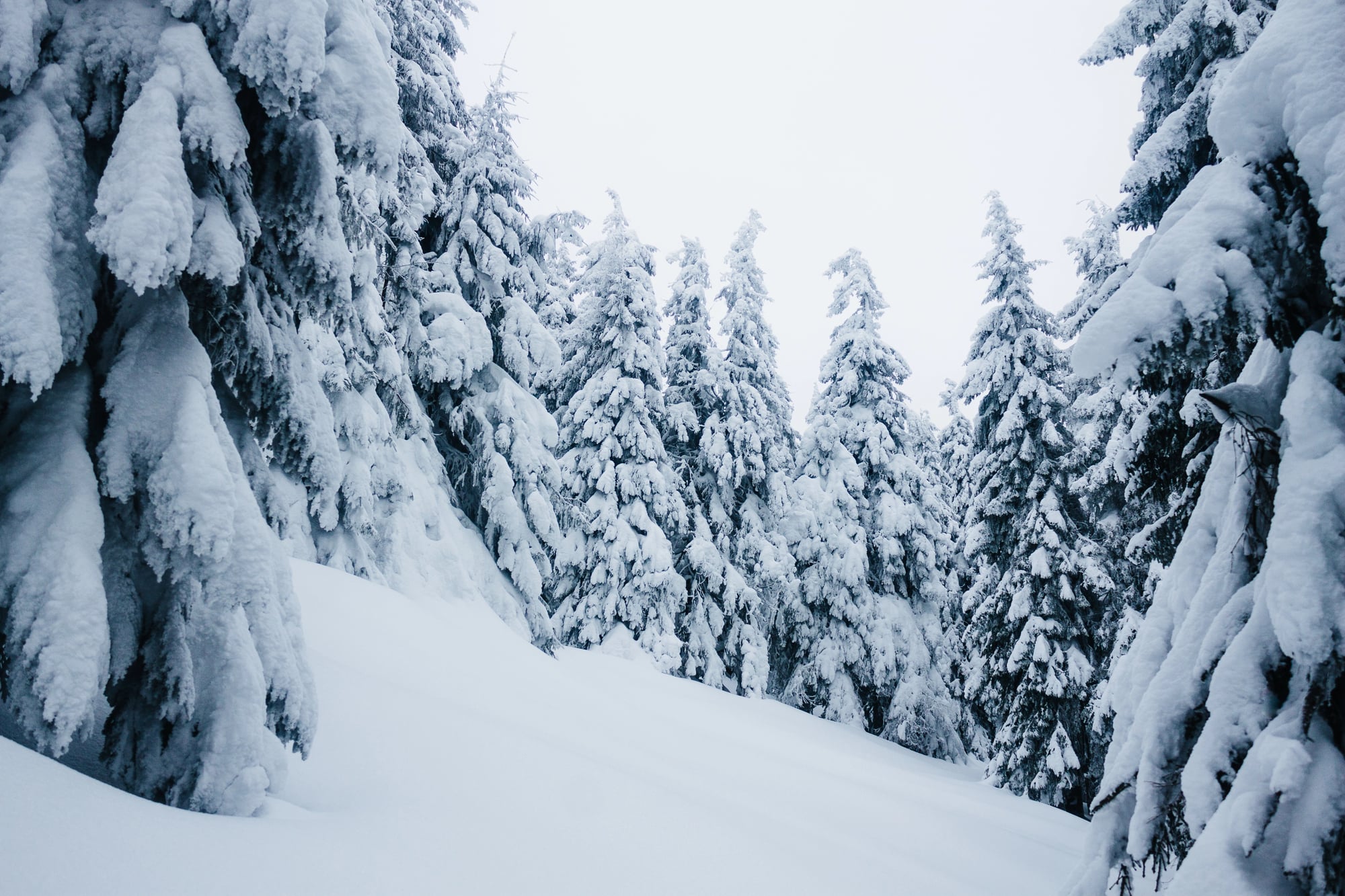
Snow is an excellent insulator when used correctly, and people figured out how to use it as building material, protective covering, and emergency shelter.
They built snow walls around their homes to create dead air spaces that reduced heat loss, and they learned to construct emergency shelters from snow that could keep people alive in conditions that would otherwise be fatal.
The key was understanding that snow’s insulating properties come from the air trapped between ice crystals, not from the snow itself.
Packed correctly, snow could create shelters that were actually warmer inside than outside air temperature, allowing people to survive unexpected storms or travel emergencies.
This wasn’t just survival technique for extreme situations — many people incorporated snow insulation into their regular winter preparations.
The Warmth That Remains

Looking back at these techniques, what strikes you isn’t their primitiveness, but their sophistication. People understood heat transfer, thermal mass, insulation, and cooperative resource management at a level that most modern people never need to develop.
They built entire social systems around the simple reality that winter could kill you, and they treated that reality with the seriousness it deserved.
These weren’t desperate measures — they were elegant solutions to a problem that demanded elegance.
And maybe there’s something worth remembering in that, even now when winter has become more inconvenience than threat.
More from Go2Tutors!

- The Romanov Crown Jewels and Their Tragic Fate
- 13 Historical Mysteries That Science Still Can’t Solve
- Famous Hoaxes That Fooled the World for Years
- 15 Child Stars with Tragic Adult Lives
- 16 Famous Jewelry Pieces in History
Like Go2Tutors’s content? Follow us on MSN.