16 Government Services That Collapse When Conditions Aren’t Perfect
Governments like to promise efficiency, order, and structure. And to be fair, many things work pretty smoothly—when the weather is good, the power is on, and everyone shows up to work.
But throw in a little chaos? A storm, a shortage, a computer glitch?
That’s when some government services fall apart faster than a sandcastle at high tide. Here is a list of 16 government services that tend to break down when conditions aren’t ideal – revealing just how vulnerable our public infrastructure can be when faced with unexpected challenges.
DMV Operations
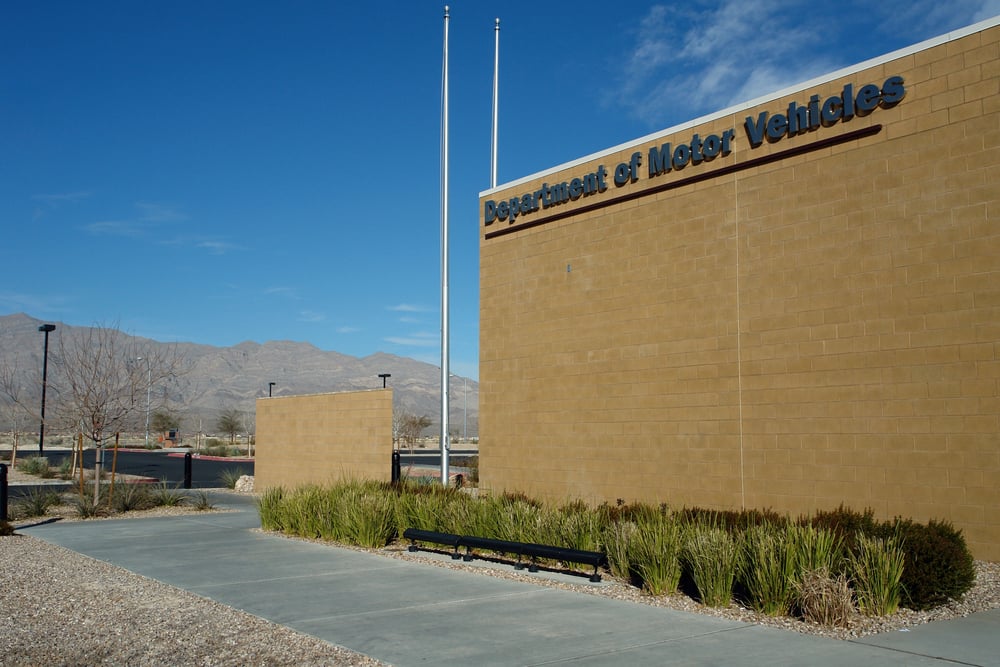
The Department of Motor Vehicles already tests patience on a normal day. Now imagine a system update glitch or a sudden internet outage.
The lines grow longer, the mood worsens, and some folks are told to return tomorrow. Without functioning tech or air conditioning, everything just stops. And no one gets a license or plate.
Emergency Call Centers

When disaster strikes, 911 is supposed to be the lifeline. But if too many people call at once—during a hurricane or mass blackout—dispatchers get overwhelmed.
Calls get dropped or misrouted. In some places, outdated systems can’t even handle text messages.
It’s a scary reminder of how fragile that lifeline really is.
Unemployment Benefits
During stable times, unemployment systems keep up. But the system gets swamped when a crisis hits—like a recession or pandemic.
Servers crash. Claims get delayed for weeks or even months.
Some people never get through at all. It’s a digital bottleneck that leaves a lot of folks hanging.
Public Transit
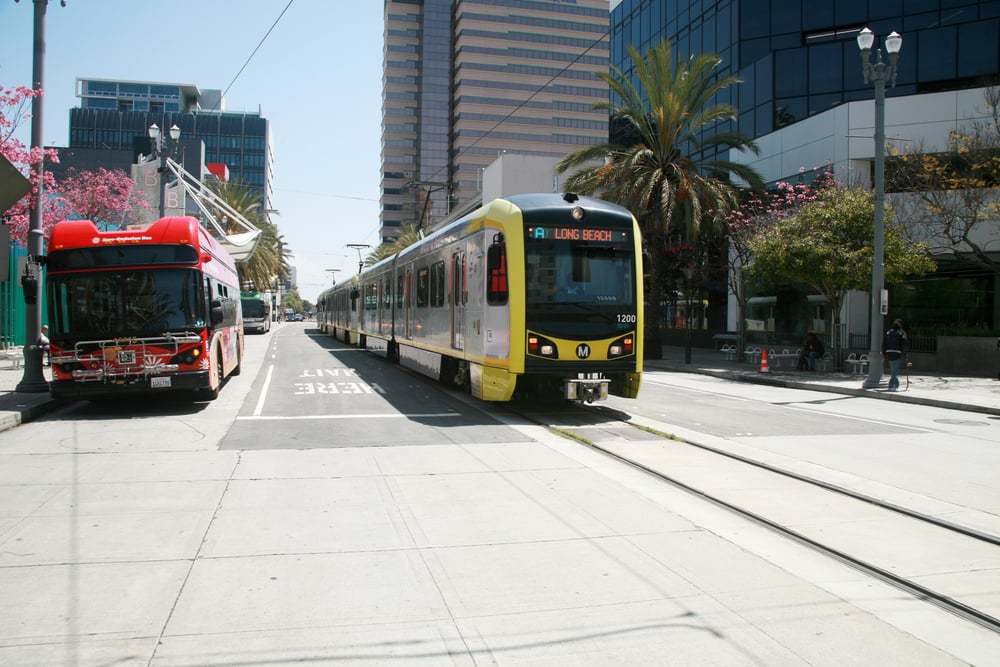
Most public transit runs on tight schedules and tighter budgets. Add a snowstorm or power failure, and those trains and buses stop moving.
Elevators break. Traffic lights go down.
Commuters get stranded, and delays ripple across cities. What felt like a well-oiled machine turns into a mess.
Trash Collection
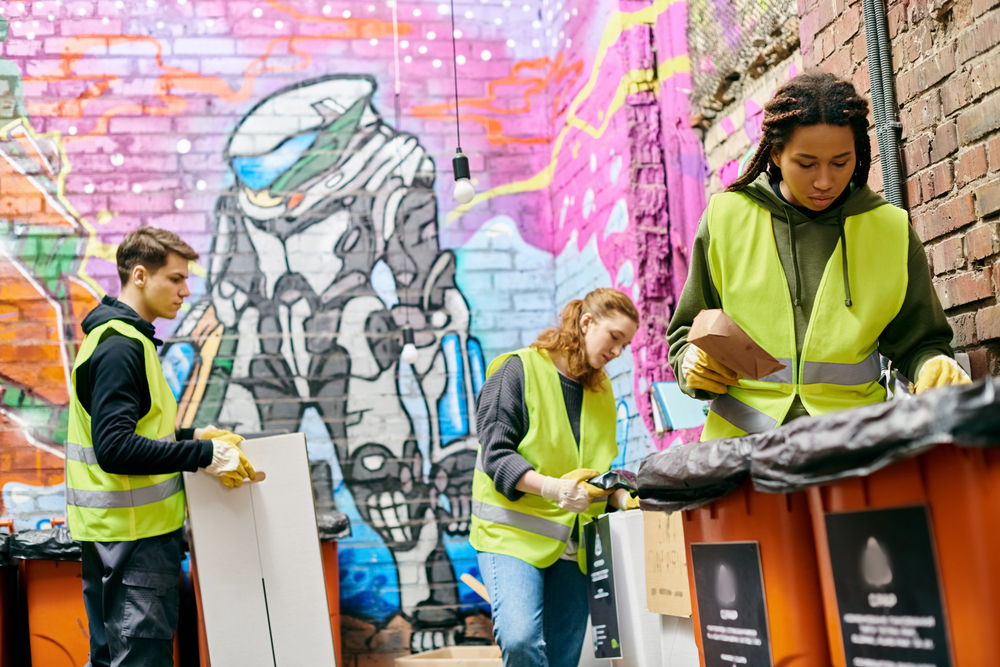
Garbage collection depends on trucks, drivers, and open roads. Block one of those—like during a flood, snowstorm, or worker strike—and the trash piles up fast.
Rats love it. Neighbors complain.
Cities scramble to catch up. It’s one of the quickest services to go sideways when things go wrong.
Food Assistance Programs
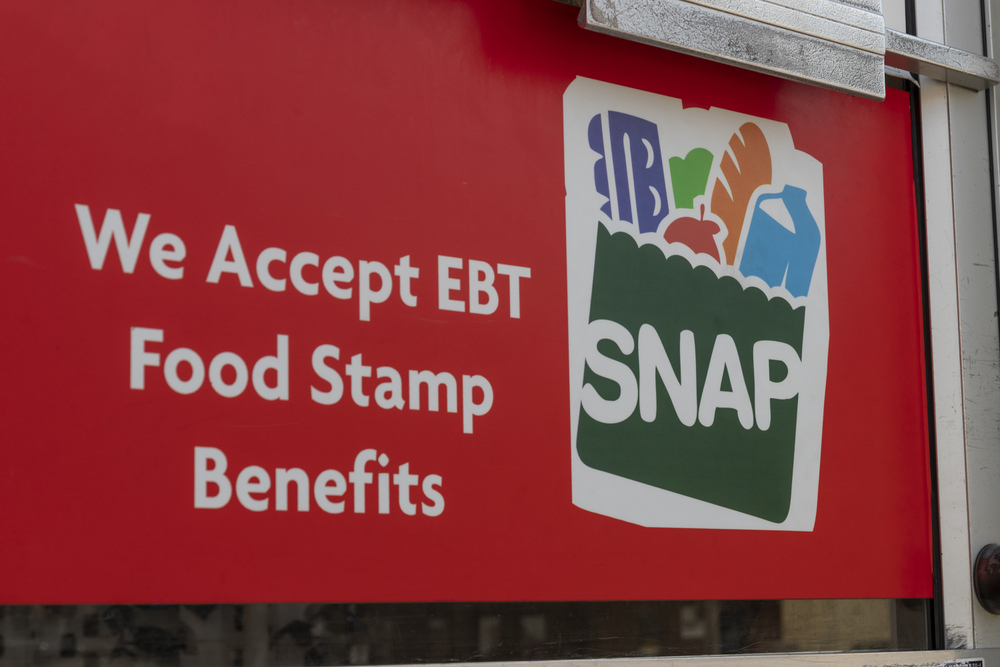
SNAP and similar services rely on networks of stores, delivery systems, and working EBT cards. Families are stuck if the system goes down—even for a few hours.
Power outages or bad weather cut off deliveries. And when stores run low, there’s no backup plan.
Hungry people can’t wait.
Postal Services
The mail system has a reputation for reliability, but it’s still paper-based and people-based. During ice storms, wildfires, or pandemics, delivery slows or stops.
Sorting centers shut down. Packages get stuck.
When conditions aren’t right, that “neither snow nor rain” promise doesn’t always hold up.
Driver Testing and Licensing

Any hiccup in scheduling, staffing, or technology throws the whole system off. If testing officers call out sick, no one gets tested.
If computers crash, written tests get postponed. It takes weeks to catch up.
It’s one of the first places to experience backup during disruptions.
Building Inspections

Construction projects rely on inspectors to sign off at every stage. But when inspectors can’t get around—thanks to a storm, strike, or shortage—everything stalls.
Projects miss deadlines. Workers get sent home.
It’s a domino effect that slows down neighborhoods, cities, and budgets.
School Meal Programs

Public schools feed millions of kids daily. But when schools close due to bad weather or emergencies, that safety net vanishes.
Families scramble to fill the gap. And even when schools are open, supply chain issues can lead to empty cafeterias.
It’s a fragile system, more than people think.
Court Hearings
Courts depend on schedules, people showing up, and working tech. Lose any of those and chaos follows.
During power outages or extreme weather, hearings get canceled. Files go missing.
Defendants sit in jail longer. Justice delayed can feel like justice denied—fast.
Housing Assistance
Affordable housing programs already have long waitlists. Add a disaster, and the whole thing backs up further.
People get displaced. Paperwork gets lost.
Agencies can’t respond fast enough. In emergencies, these programs often lag behind when people need them most.
Public Housing Maintenance
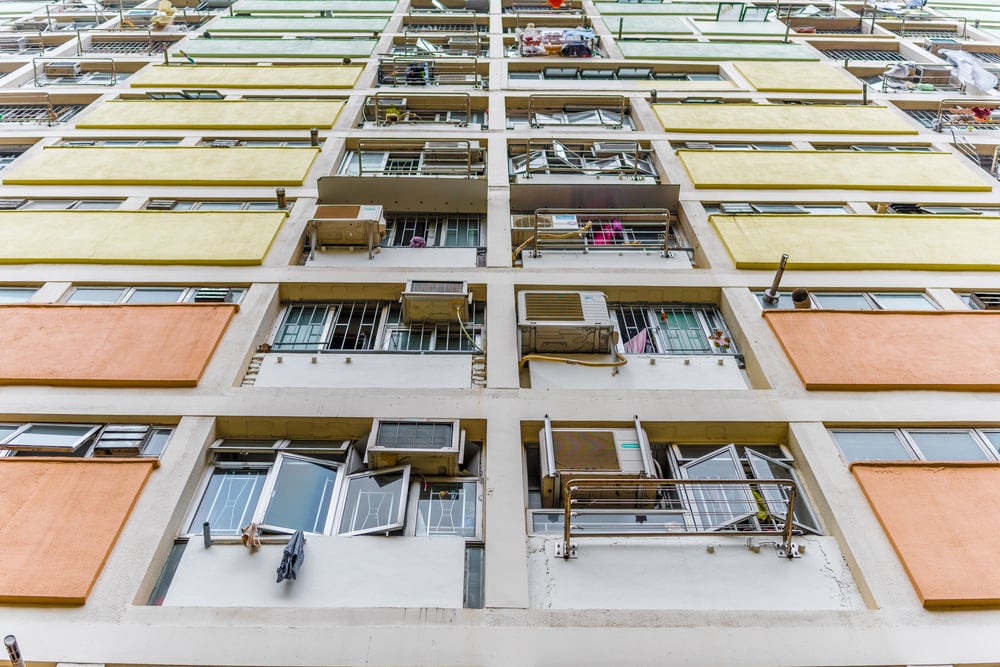
Government-managed apartments need regular upkeep. But when budgets are tight or conditions get rough, repairs stop.
Elevators stay broken. Pipes leak.
Residents get stuck waiting. It’s one of the least visible services—but one of the most deeply felt when it fails.
Public Libraries
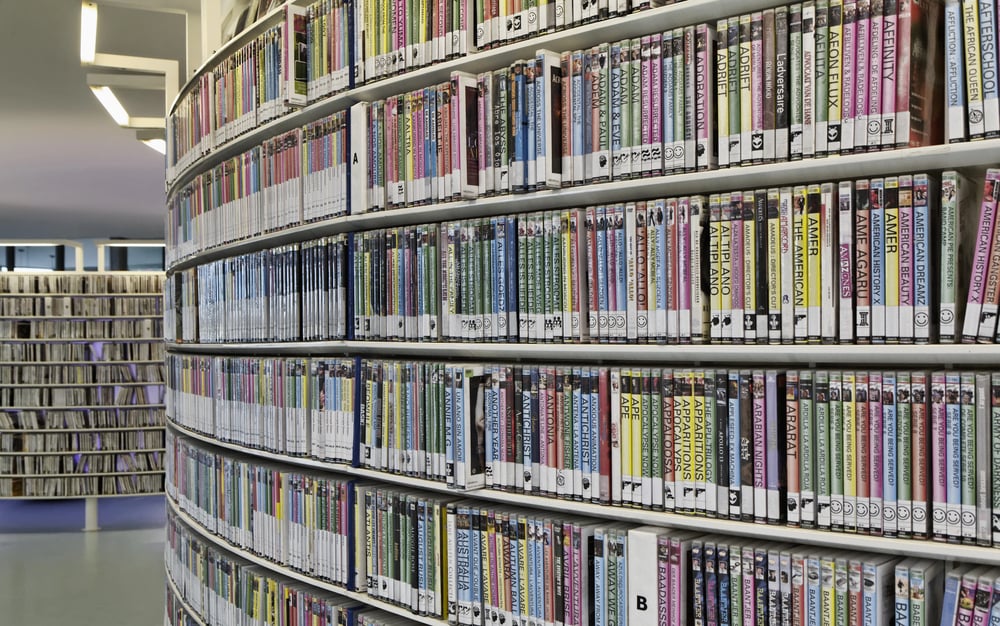
Libraries rely on electricity, staff, and the internet. Lose one, and it becomes just a quiet building with books.
During outages or staff shortages, Wi-Fi goes down, events are canceled, and hours get cut. For many, it’s a lifeline to job searches and warmth—and it’s gone in an instant.
Health Department Services

Health clinics run by local departments offer vaccines, testing, and check-ups. But they get overwhelmed easily during public health scares.
Supplies run short, staff burn out, appointments disappear, and the most vulnerable people lose access first.
Disaster Response Agencies
Ironically, even agencies meant to handle disasters sometimes falter during the worst ones. When storms are too strong or fires too fast, response times slow.
Shelters get overcrowded. Communication breaks down.
What should be rapid support turns into a waiting game.
What Breakdowns Reveal About the System
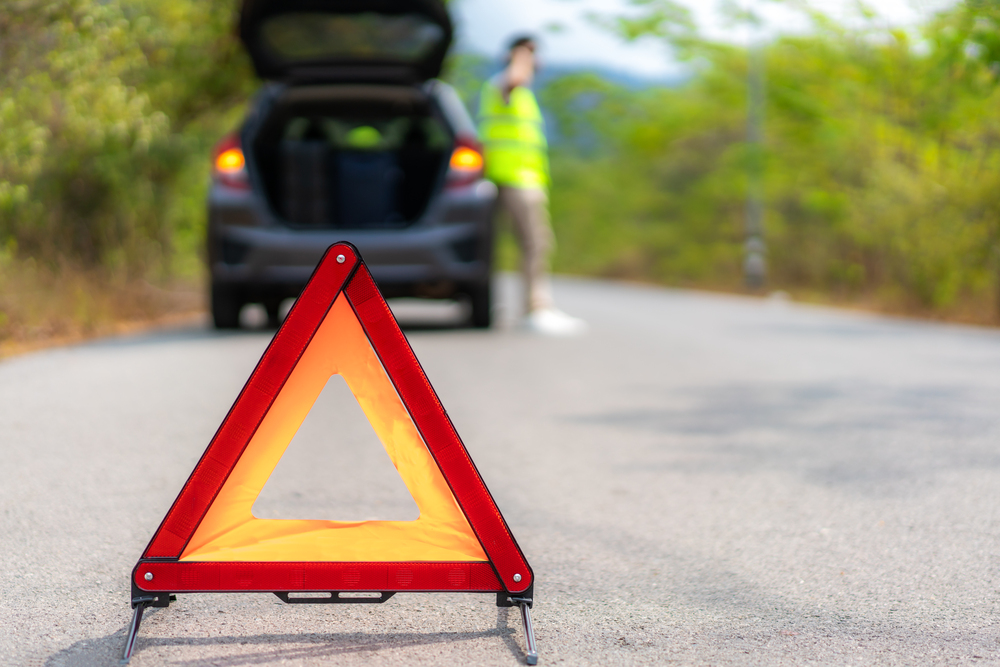
When services collapse, they reveal cracks that were already there. The systems weren’t always strong—they just hadn’t been tested hard enough yet.
It shows how much it runs on tight staffing, outdated tech, and hope. In perfect conditions, things run fine. But how often is anything perfect?
Seeing which services fall apart under pressure isn’t just about pointing fingers. It’s a reminder to build systems that can bend without breaking.
Stronger planning. Better backups.
And room for error. Because real life isn’t neat—and neither is the weather.
More from Go2Tutors!

- The Romanov Crown Jewels and Their Tragic Fate
- 13 Historical Mysteries That Science Still Can’t Solve
- Famous Hoaxes That Fooled the World for Years
- 15 Child Stars with Tragic Adult Lives
- 16 Famous Jewelry Pieces in History
Like Go2Tutors’s content? Follow us on MSN.