Facts About the Real King Tutankhamun
The golden mask stares back from museum posters and history textbooks. You recognize it instantly.
But the boy behind that famous face remains surprisingly mysterious. Tutankhamun lived more than 3,300 years ago, ruled Egypt for less than a decade, and died before his twentieth birthday.
His contemporaries tried to erase him from history. Yet today, he stands as the most recognized pharaoh of all time.
This strange reversal happened because of one remarkable discovery. When British archaeologist Howard Carter broke into Tutankhamun’s tomb in 1922, he found something that almost never survives—a largely intact royal burial.
The treasures inside transformed our understanding of ancient Egypt and made the boy king famous in ways his actual reign never did.
A Child Thrust Onto the Throne
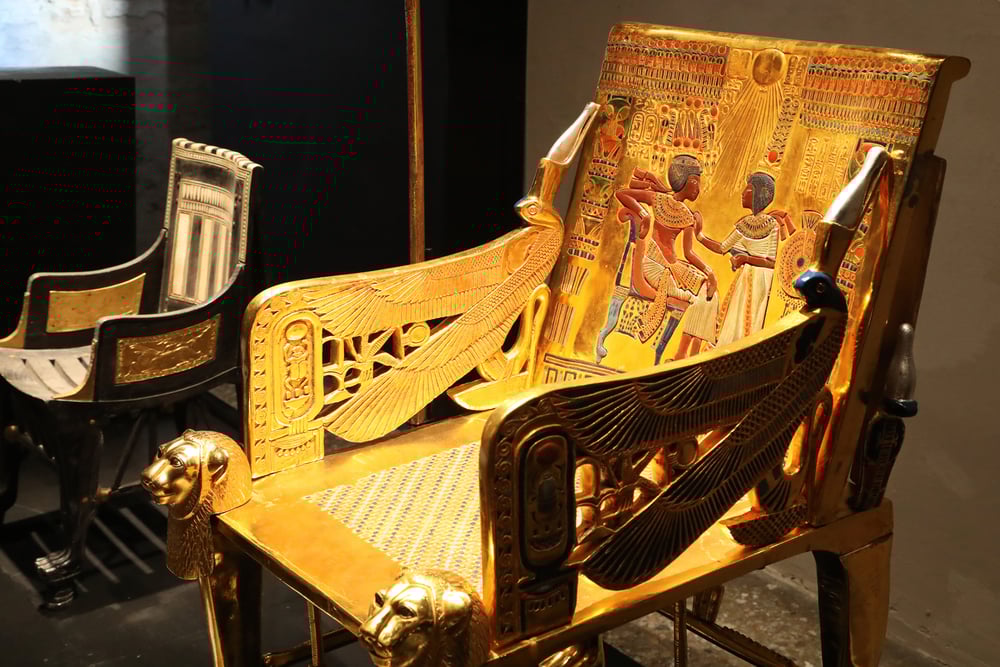
Tutankhamun became pharaoh when he was about nine years old. Imagine being handed control of an entire kingdom before you’re even a teenager.
He didn’t have much choice in the matter. His father, Pharaoh Akhenaten, had died, leaving Egypt in turmoil. The throne passed to young Tutankhamun, who suddenly found himself responsible for one of the ancient world’s most powerful civilizations.
Nine-year-olds don’t usually run countries well. Tutankhamun certainly didn’t rule alone.
Powerful advisors surrounded him, making decisions in his name and guiding Egypt’s direction. The boy king was more figurehead than leader during those early years.
His Name Told a Political Story
When Tutankhamun was born, his parents named him Tutankhaten. The name meant “living image of Aten,” referring to the sun god his father worshipped.
But names in royal Egypt carried weight. They signaled political allegiances and religious positions.
A few years into his reign, the boy king changed his name to Tutankhamun, meaning “living image of Amun.” This wasn’t a casual choice. It marked a complete reversal of his father’s religious policies and sent a clear message about Egypt’s future direction.
The king of the gods was back.
The Father Who Changed Everything
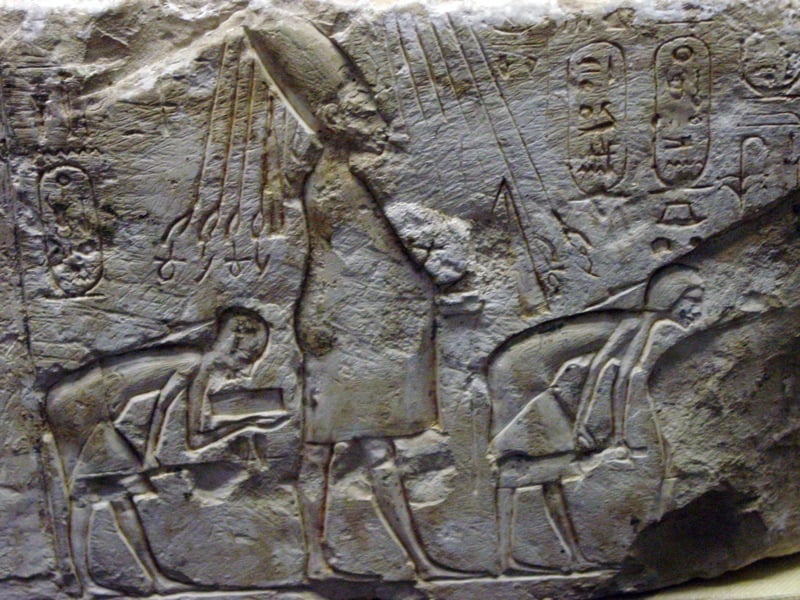
Akhenaten was a radical. He took Egypt’s traditional polytheistic religion—a system that had worked for over a thousand years—and threw it out. Instead, he declared that Egyptians should worship only one god: Aten, the sun disk.
This didn’t go over well. The priests of the old gods lost their power and wealth.
Temples closed. Religious festivals stopped.
People who had worshipped the same gods their whole lives suddenly couldn’t anymore. Akhenaten even built a new capital city called Amarna, abandoning the old centers of power.
When Akhenaten died, Egypt was divided and angry. His religious experiment had failed, and his young son inherited the mess.
Undoing His Father’s Legacy
Tutankhamun’s reign is remembered for one major achievement: putting things back the way they were. Early in his rule, he reversed Akhenaten’s changes.
Temples to the old gods reopened. The priests regained their positions and influence.
Traditional religious practices resumed across Egypt. The capital moved back from Amarna to Memphis, then to Thebes for religious ceremonies.
Egypt returned to polytheism, worshipping many gods again. The changes happened quickly, suggesting that powerful forces had been waiting for Akhenaten’s death to restore the old order.
Whether Tutankhamun actually made these decisions remains unclear. He was still a child when the reversals began.
His advisors likely orchestrated everything, using the young pharaoh’s name to legitimize their actions.
A Body That Struggled

Modern technology has revealed much about Tutankhamun’s physical condition. He wasn’t healthy. DNA analysis and CT scans show that he suffered from multiple ailments that would have made daily life difficult and painful.
He had a clubfoot, a condition where the foot is twisted out of its normal position. Walking would have caused him significant discomfort.
He also suffered from a degenerative bone disease that weakened his skeleton. The combination meant he probably spent much of his time seated and relied heavily on assistive devices.
His parents were brother and sister. Royal inbreeding was common in ancient Egypt, but it came with consequences.
The genetic problems from generations of close family marriages caught up with Tutankhamun, leaving him physically fragile.
A Marriage Between Siblings
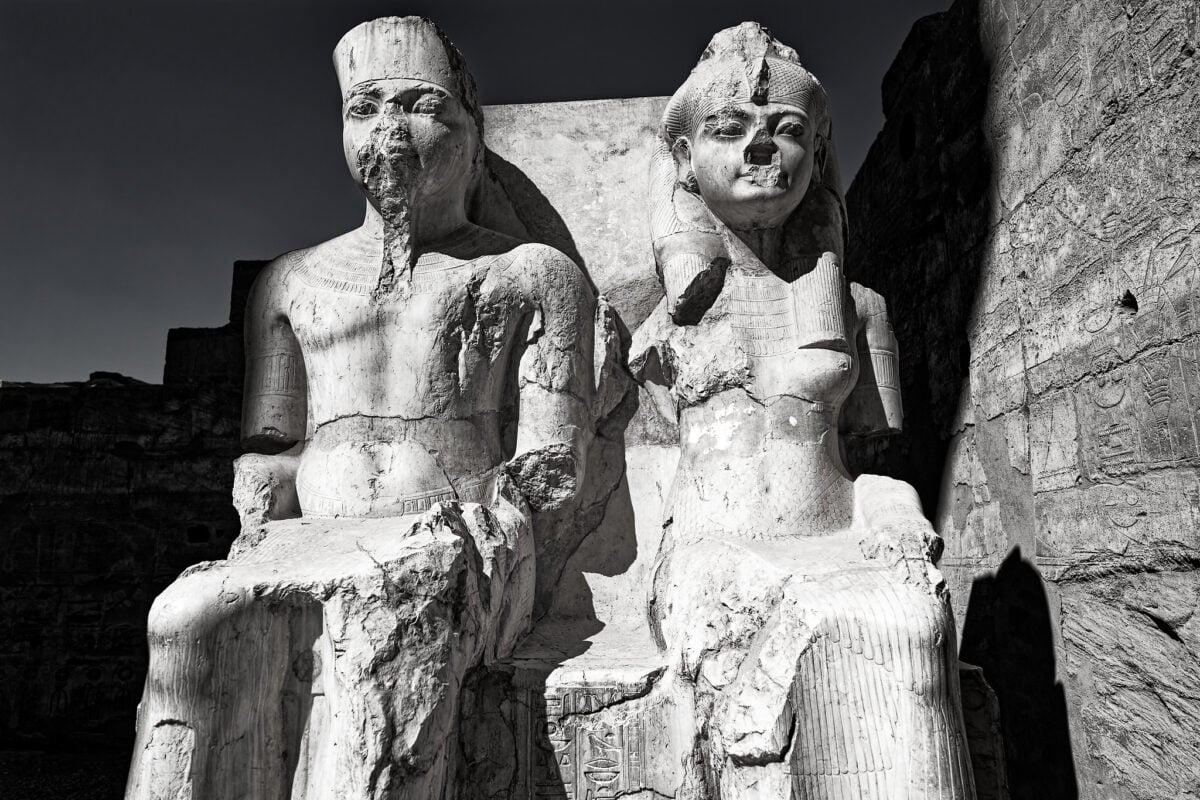
When Tutankhamun became pharaoh, he married Ankhesenamun, his half-sister. This wasn’t unusual for Egyptian royalty.
Keeping power within the family meant marrying relatives, sometimes very close ones. Ankhesenamun was the daughter of Akhenaten and the famous Queen Nefertiti.
Like her husband, she changed her name when Egypt abandoned Atenism. She had been born Ankhesenpaaten, named for the sun god her father worshipped.
The couple had two daughters, but neither survived. Both were stillborn, their tiny mummified bodies found in Tutankhamun’s tomb.
The genetic problems from royal inbreeding likely contributed to these tragedies. When Tutankhamun died without living children, his bloodline ended.
The Mystery of His Early Death
Tutankhamun died around age 19. For decades, people speculated about what killed him. Was he murdered?
Did he die in an accident? Early X-rays showed a fragment in his skull, leading to theories about assassination by a blow to the head. Modern analysis tells a different story.
The skull fragment came from the mummification process, not from violence. DNA testing revealed traces of malaria in his remains.
CT scans showed a broken leg that had become infected shortly before death. The most likely explanation combines several factors.
Tutankhamun broke his leg, possibly in a chariot accident. The injury became infected.
His already weak immune system, compromised by bone disease and malaria, couldn’t fight off the infection. The combination killed him.
The Tomb That Changed Everything
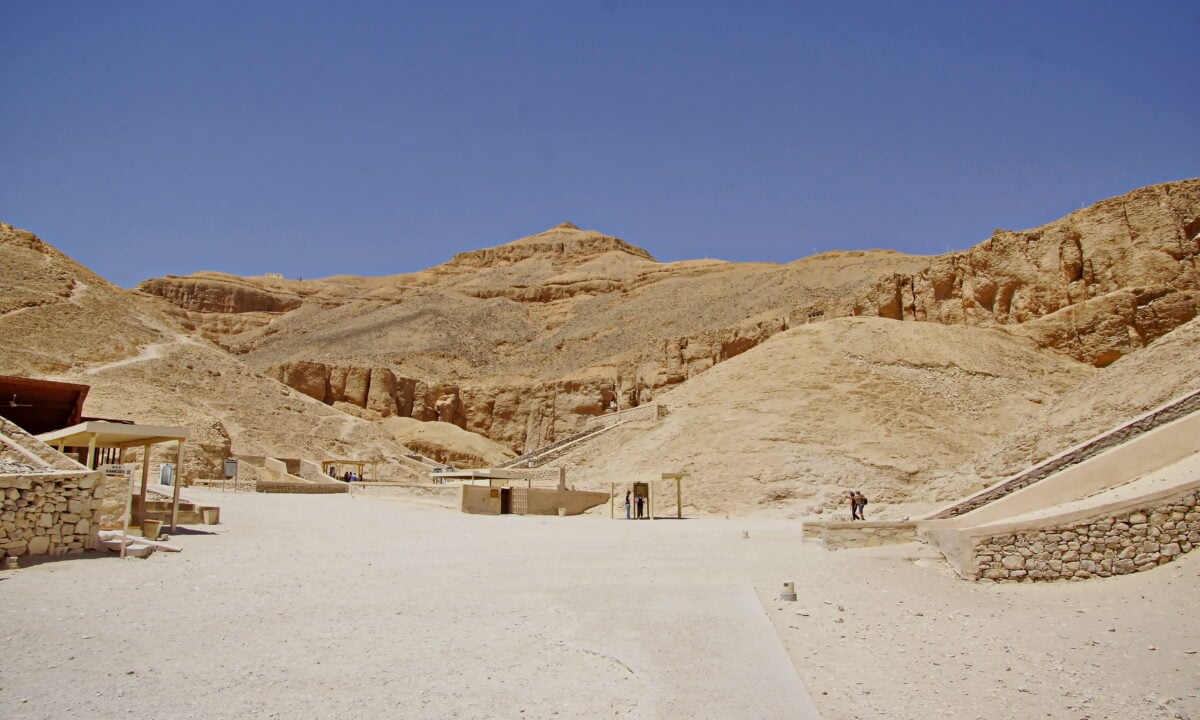
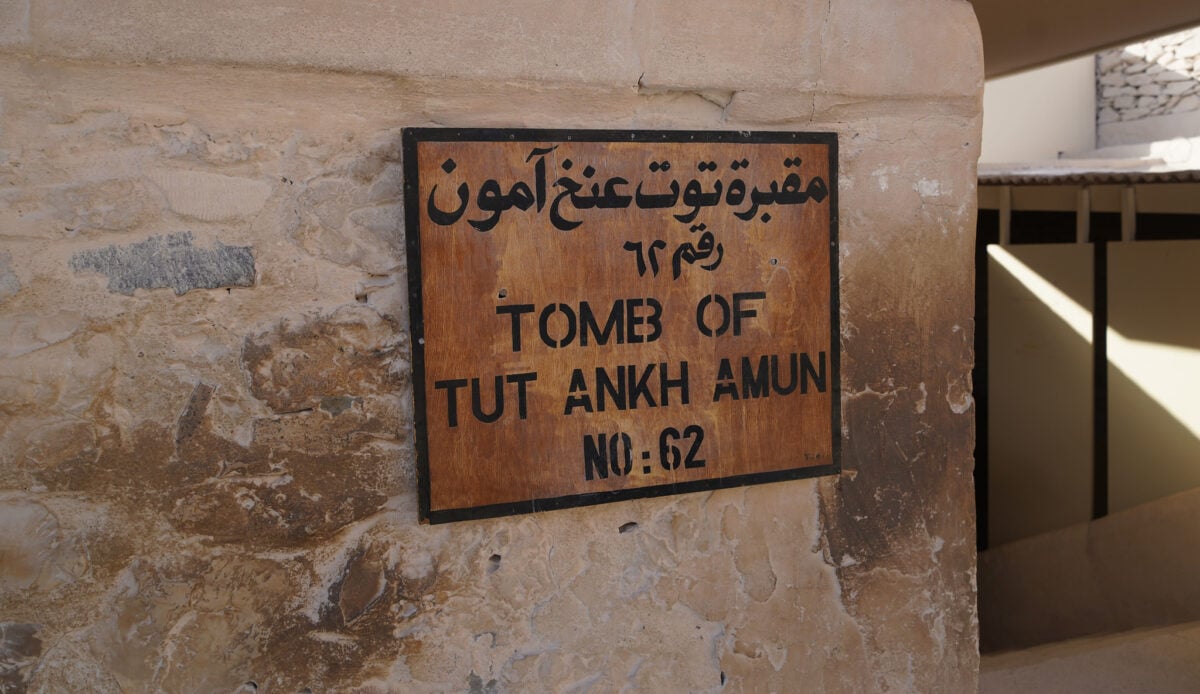
Howard Carter spent years searching the Valley of the Kings for undiscovered tombs. By 1922, most Egyptologists believed every burial had been found and looted long ago.
Carter’s patron was ready to give up funding the excavation. Then Carter’s team found a stairway.
It led down to a sealed door. Behind that door lay Tutankhamun’s tomb, still mostly intact after more than 3,000 years.
Grave robbers had broken in twice shortly after the burial, but they only got into the outer chambers before being caught. The inner rooms remained untouched.
Carter peered through a small opening by candlelight. When asked what he could see, he responded with words that became famous: “Wonderful things.”
The discovery made international headlines. After decades of finding empty, looted tombs, archaeologists finally had an intact royal burial to study.
The tomb’s contents would take ten years to catalog and remove.
Five Thousand Pieces of History
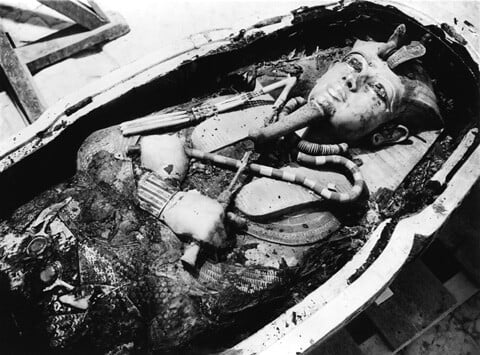
The tomb was relatively small for a pharaoh, suggesting Tutankhamun’s burial was rushed. But it was packed with treasures.
More than 5,000 objects filled the chambers, everything the ancient Egyptians believed a king would need in the afterlife. There were chariots, furniture, clothes, weapons, jewelry, and food.
Games to play, oils and perfumes, even underwear. The ancient Egyptians believed the afterlife was much like regular life, just eternal.
So they provided everything a young king might want or need. Many items showed Tutankhamun’s daily life.
The clothes revealed his size. The chariots showed what vehicles he rode.
Food containers held evidence of what he ate. Each object was a clue about life in ancient Egypt, preserved by accident because his tomb survived when so many others didn’t.
The Face That Launched a Thousand Replicas
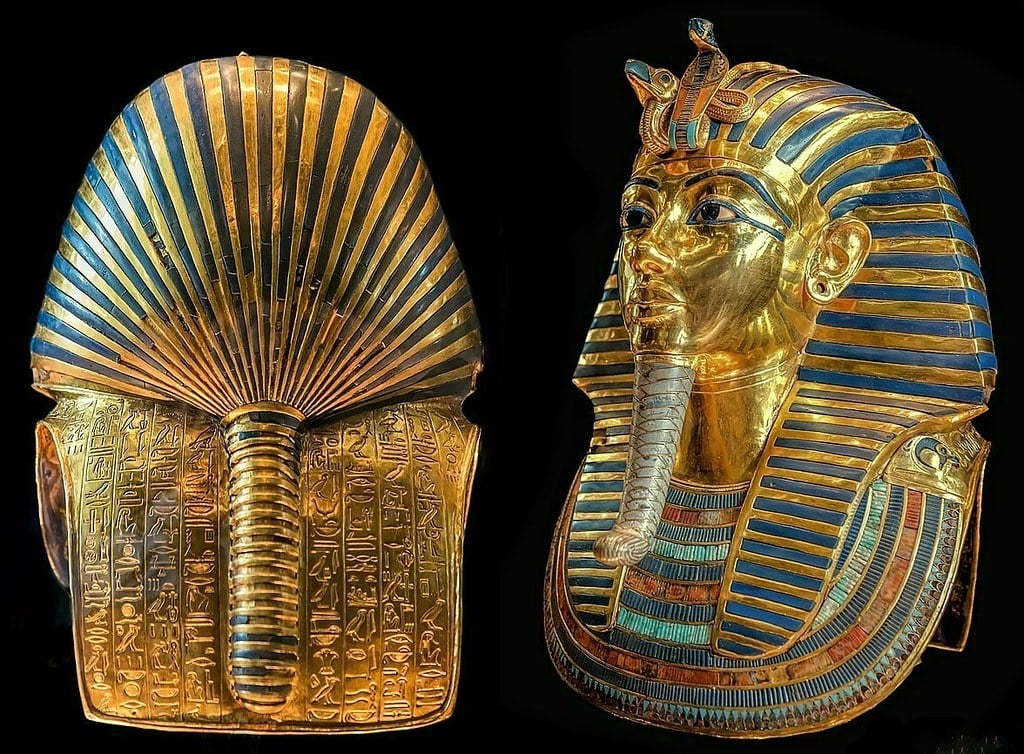
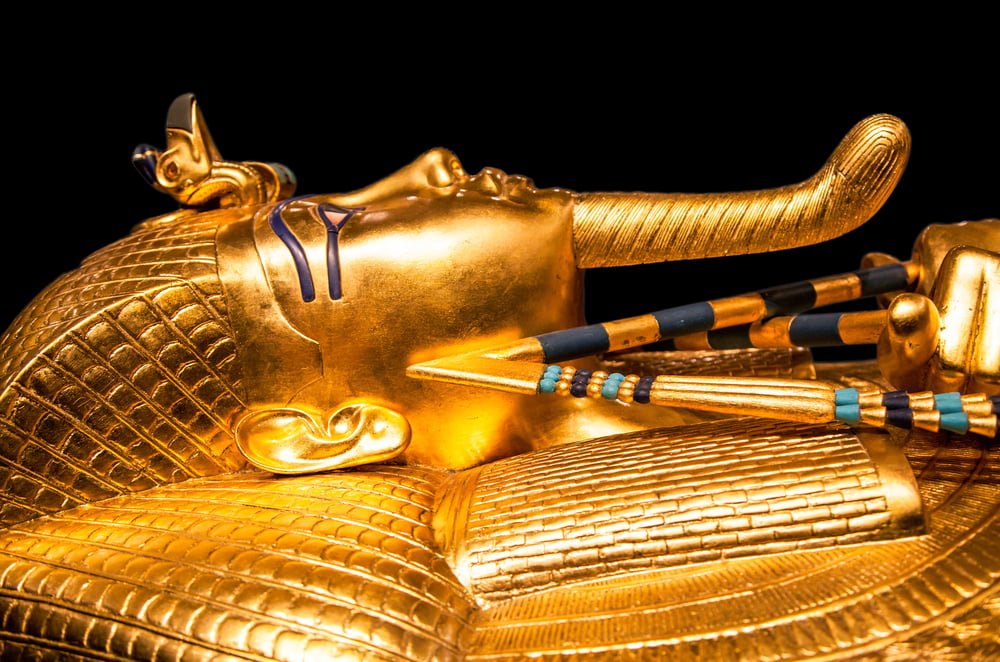
The golden death mask weighs about 24 pounds. It covered Tutankhamun’s head and shoulders in his coffin, a portrait of the king as a god.
Made from solid gold inlaid with colored glass and semi-precious stones, it represents one of the finest examples of ancient Egyptian craftsmanship. The mask shows an idealized young face with the traditional false beard of kingship.
The headdress features the vulture and cobra, symbols of Upper and Lower Egypt. The quality of workmanship is extraordinary, every detail carefully crafted.
This mask became the symbol of ancient Egypt in popular culture. You see it on T-shirts, in movies, on book covers.
It’s probably the most recognizable artifact from the ancient world, the image most people think of when they hear “pharaoh.”
The Advisors Who Held Real Power
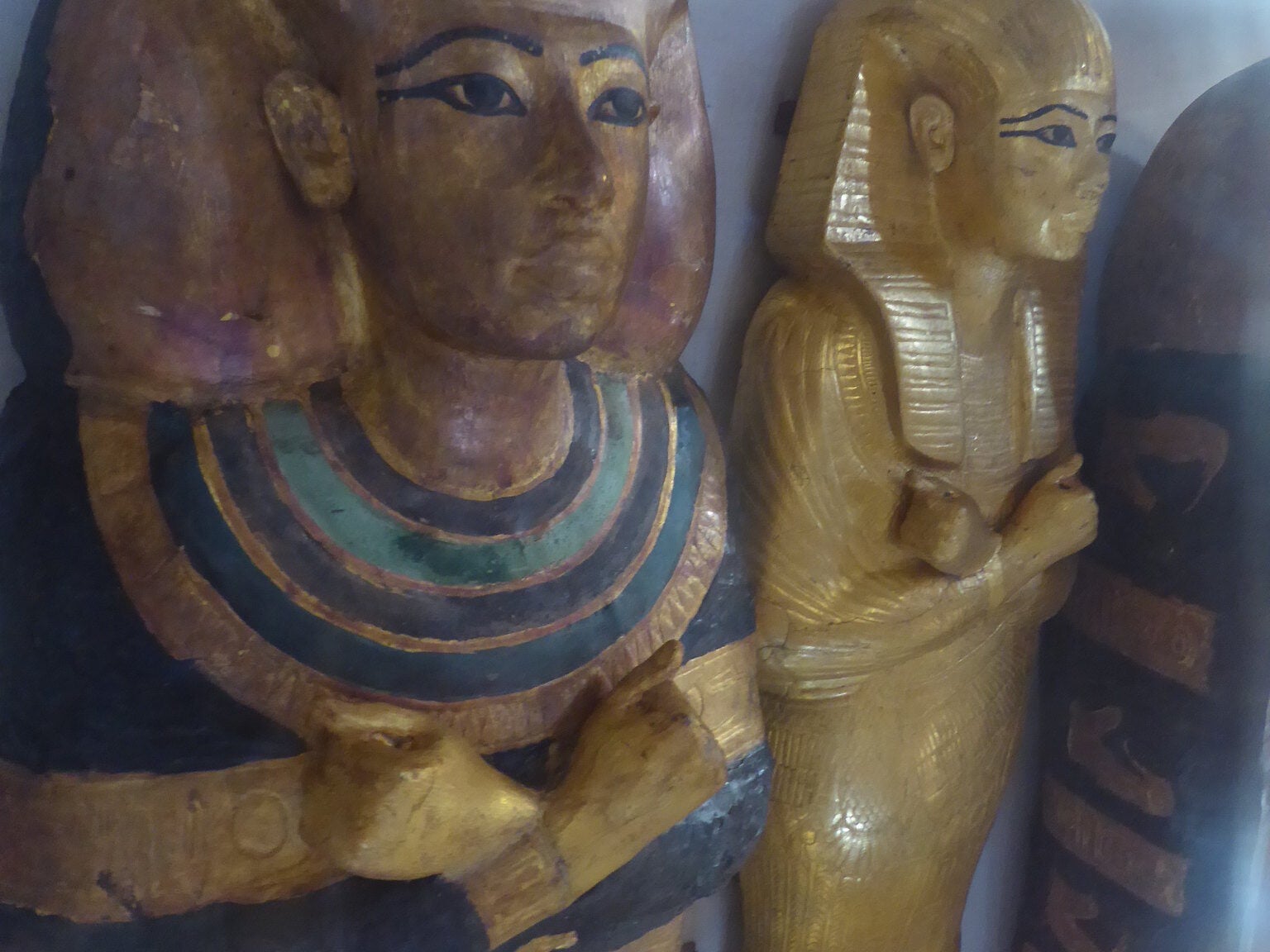
Two men dominated Tutankhamun’s court: Ay, the Grand Vizier, and Horemheb, the commander of the military. These weren’t just advisors.
They were the real decision-makers while the boy king figured out his role. Ay was likely Nefertiti’s father, making him possibly Tutankhamun’s grandfather.
He had immense experience in royal administration and knew how the government worked. When Tutankhamun died, Ay married the young king’s widow and seized the throne, ruling briefly before his own death.
Horemheb was a military man who understood power. He waited his turn.
After Ay died, Horemheb became pharaoh and ruled for nearly three decades. Unlike Ay, who at least acknowledged Tutankhamun’s reign, Horemheb actively worked to erase the young king from history.
Erased From Memory

Tutankhamun’s successors tried to delete him from the historical record. Horemheb replaced Tutankhamun’s name with his own on monuments and statues.
Official king lists skipped over Tutankhamun entirely, jumping from Amenhotep III straight to Horemheb. This erasure happened for several reasons.
Tutankhamun was connected to Akhenaten, whose religious changes had been deeply unpopular. By erasing Tutankhamun, the later pharaohs could pretend that the whole period never happened.
They wanted to move past the Amarna era entirely. The strategy worked too well.
By the time of the Greeks and Romans, nobody remembered Tutankhamun. He became a historical footnote, a minor king whose name appeared on a few damaged inscriptions but nowhere else.
His tomb survived precisely because he’d been forgotten. Grave robbers didn’t know to look for it.
Later construction covered the entrance with debris. For over 3,000 years, Tutankhamun slept in obscurity while more famous pharaohs were looted and destroyed.
The Walking Stick Question
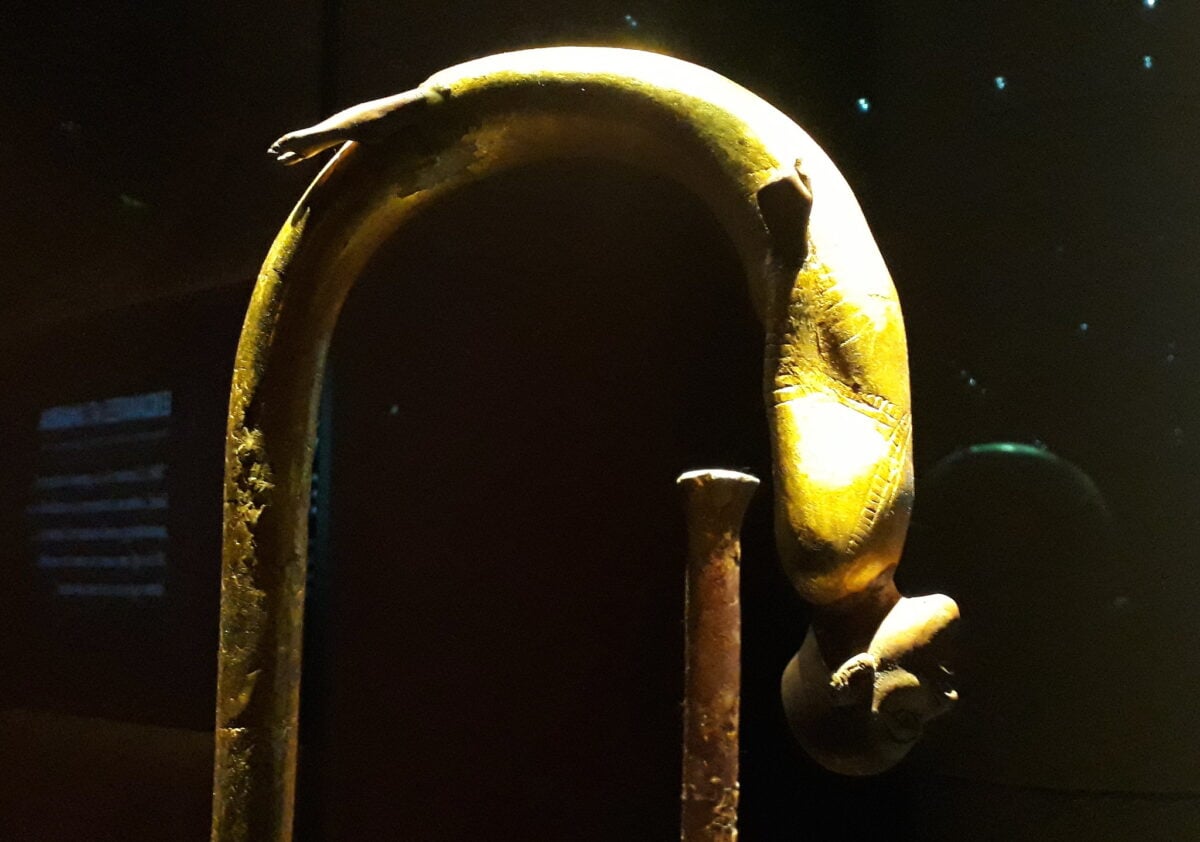
The tomb contained 130 walking sticks. That’s a remarkable number, and it sparked debate among Egyptologists.
Did Tutankhamun need all these sticks because of his clubfoot? Or did they serve another purpose?
Some scholars argue the sticks were medical devices, proof of how much difficulty he had walking. The variety of designs suggests different sticks for different situations and levels of support.
Others point out that many of the sticks were clearly ceremonial, not practical. They were beautifully decorated, some topped with carved figures or gold fittings.
These were symbols of royal authority, like scepters or crowns. Ancient Egyptian art shows rulers carrying staff as signs of office, not because they needed help walking.
The truth is probably both. Some sticks helped Tutankhamun move around.
Others were ceremonial regalia he carried during religious rituals and public appearances. The line between medical device and status symbol blurred in royal Egypt.
When Forgotten Kings Become Famous
It’s odd, really, how things turn out. Not much stood out during Tutankhamun’s life. His father’s changes in religion got rolled back – probably by advisors, not the young king himself.
Territory didn’t grow at all while he ruled. Not many rocks lifted when he passed.
What he left behind in Egypt faded, just gone like breath in air. It was years before memory brought him back.
Through centuries, no voice spoke his name. Then came the moment Howard Carter found the tomb – suddenly, a forgotten king emerged from shadows into every tale told of old Egypt.
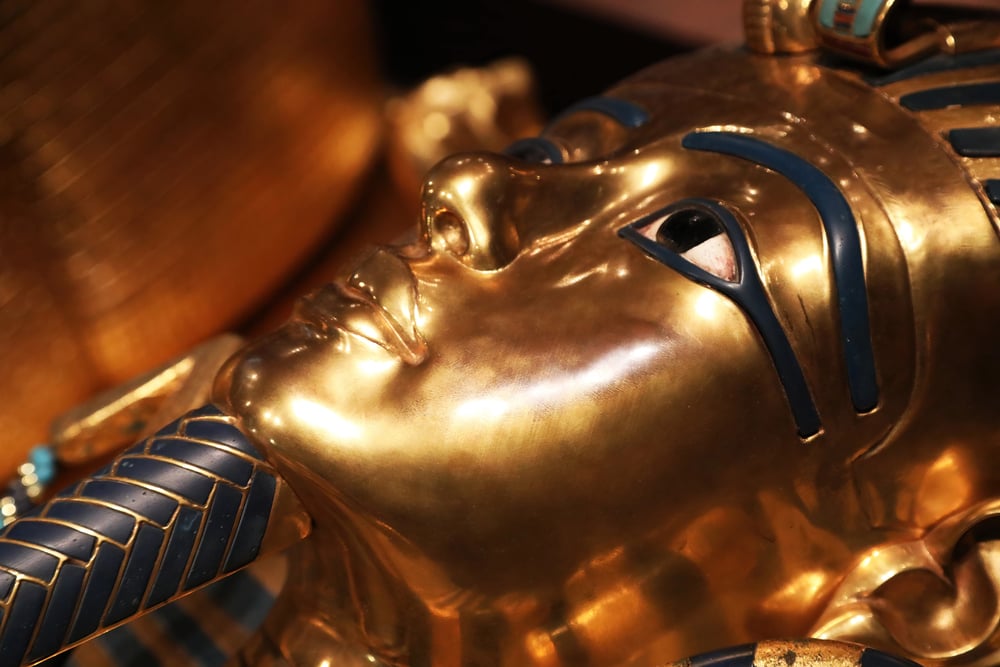
Out of his tomb, treasures traveled worldwide, drawing masses wherever they appeared. More than well known – that golden mask shaped how people saw whole centuries.
The legacy he dropped into history stirred awe no living ruler could dream of earning.
A turn in events matters more than what people intend.
Though he did not seek it, recognition came to Tutankhamun anyway. Centuries passed, yet now countless eyes recognize his face – preserved across ages.
Short were his years, probably filled with struggle, still met without complaint. He left life young. The ground took him in, surrounded by gold meant to last past death.
Frozen in time, the riches remained. The child had disappeared.
But together, somehow, they uncovered quiet secrets of ancient Egypt – realities missed inside plundered graves of forgotten pharaohs.
More from Go2Tutors!

- The Romanov Crown Jewels and Their Tragic Fate
- 13 Historical Mysteries That Science Still Can’t Solve
- Famous Hoaxes That Fooled the World for Years
- 15 Child Stars with Tragic Adult Lives
- 16 Famous Jewelry Pieces in History
Like Go2Tutors’s content? Follow us on MSN.



