16 Historic Firsts That Went Wrong
Humanity’s progress has always been marked by trailblazers who dared to go where no one had gone before. These pioneers pushed boundaries and expanded our horizons, but the path of innovation isn’t always smooth.
For every successful first attempt, there are numerous others that ended in spectacular failure, embarrassment, or even tragedy. Here is a list of 16 historic firsts that didn’t quite go according to plan, proving that even groundbreaking moments can sometimes break in unexpected ways.
The First Hot Air Balloon Passenger Flight

In 1783, the Montgolfier brothers prepared to make history with the first human passengers in a hot air balloon. King Louis XVI initially suggested using condemned criminals for this potentially deadly experiment.
The first actual passengers ended up being a sheep, a duck, and a rooster who survived an eight-minute flight. When humans finally took flight two months later, the balloon caught fire during landing because the pilots were inexperienced with the burner controls.
The pilots escaped with minor injuries but part of the historic balloon went up in flames.
The First Car Accident

The world’s first automobile accident occurred in 1891 in Ohio when inventor James Lambert lost control of his single-cylinder gasoline automobile. His invention hit a tree root sticking out of the ground, sending the car careening into a hitching post.
Lambert and his passenger sustained only minor injuries, but this incident marked the unfortunate beginning of a long history of automobile accidents. The car’s steering mechanism turned out to be woefully inadequate for unexpected obstacles.
Edison’s First Public Electricity Display

Thomas Edison planned an elaborate demonstration of his electric lighting system in 1879 on New Year’s Eve in Menlo Park. Thousands gathered to witness the future of illumination, but half of Edison’s light bulbs failed within the first hour due to an irregular power supply.
The crowd became restless as sections of the display went dark one by one. Edison’s assistant later admitted they rushed the installation and hadn’t properly tested the circuit loads.
The First Powered Aircraft Crash

While the Wright brothers successfully flew at Kitty Hawk in 1903, the first powered aircraft crash happened during a demonstration in 1908. Orville Wright was flying with Army Lieutenant Thomas Selfridge when a propeller split, sending the plane plummeting from 75 feet.
Wright survived with severe injuries, but Selfridge became aviation’s first fatality. The crash investigation revealed a hairline crack in the propeller that expanded catastrophically during flight.
The First Radio Broadcast Disaster

The first scheduled radio broadcast in 1906 by Reginald Fessenden was meant to amaze wireless operators along the Atlantic Coast. Instead, technical difficulties caused his voice to distort horribly, and his violin playing sounded like screeching noise to most listeners.
Many operators thought they were hearing interference rather than a revolutionary broadcast. Fessenden’s equipment overheated halfway through the transmission, cutting his historic broadcast short.
The First Transatlantic Telegraph Cable
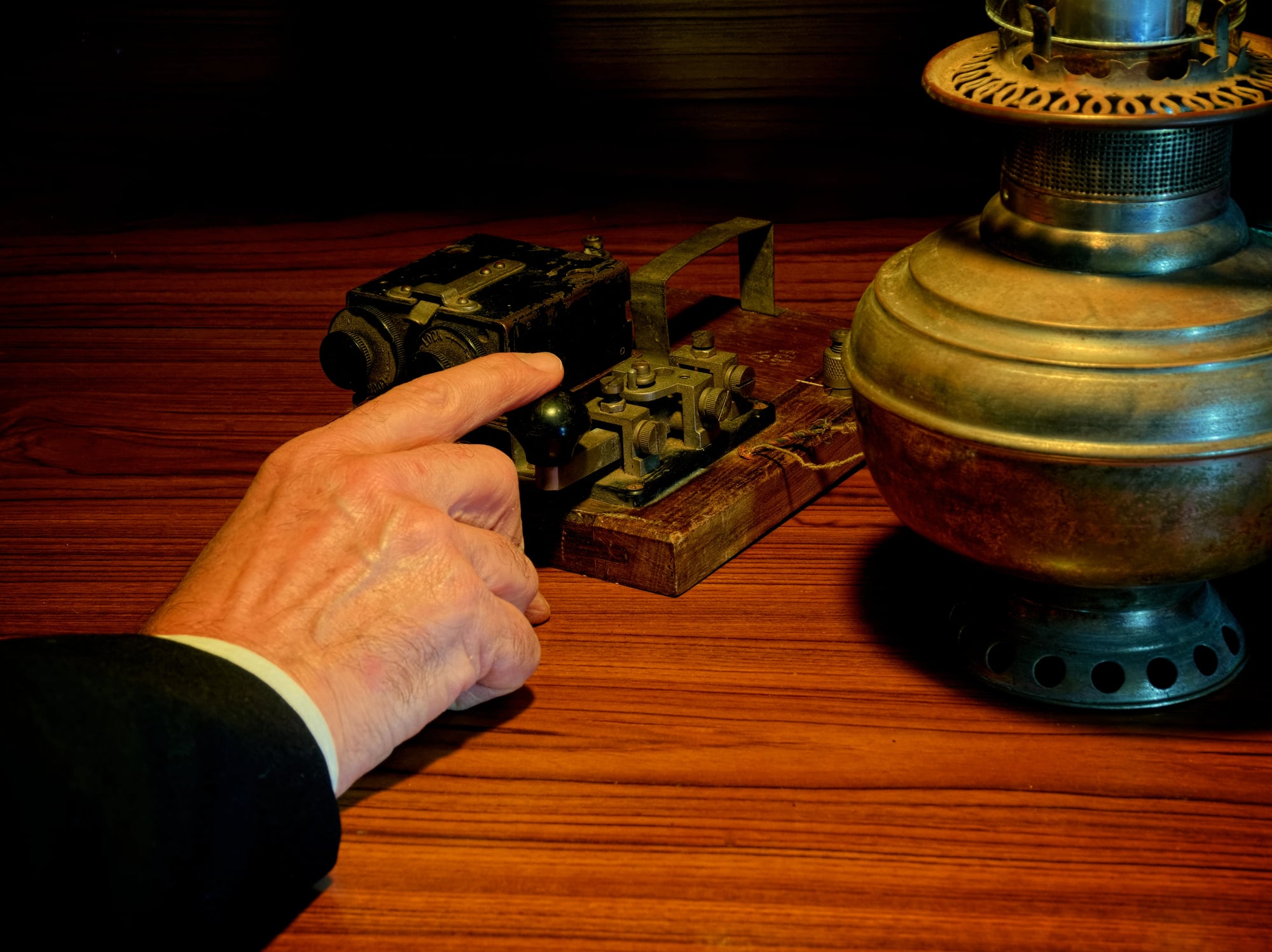
The laying of the first transatlantic telegraph cable in 1858 was celebrated with enormous fanfare after several failed attempts. The first message took over 17 hours to transmit across the ocean, but within three weeks, the cable failed completely.
Engineers had applied too much voltage in attempts to speed up transmission, literally frying the cable under the Atlantic. This costly mistake delayed transatlantic communication by eight years.
The First Submarine Disaster

The Hunley, the first combat submarine to sink an enemy warship in 1864 during the Civil War, disappeared immediately after its successful attack. The vessel and its eight crewmen were lost after signaling their success to shore.
The submarine wasn’t recovered until 1995, with evidence suggesting the crew died from oxygen deprivation while still at their stations. The blast from their own torpedo likely created a concussion wave that knocked them unconscious.
The First Motion Picture Screening

The Lumière brothers’ first public film screening in 1895 terrified audiences when they showed ‘Arrival of a Train at La Ciotat Station.’ Viewers reportedly screamed and ran from the theater, believing the train was actually coming toward them.
The brothers hadn’t anticipated how realistic moving images would appear to people who had never seen them before. Their success at creating realism ironically made their first public screening chaotic.
The First Test of the Tacoma Narrows Bridge

In 1940, the Tacoma Narrows Bridge opened as the third-longest suspension bridge in the world. Engineers had created a sleek, modern design that was much thinner than previous bridges.
Just four months after opening, moderate winds caused the bridge to twist and undulate dramatically before tearing apart. The disaster revolutionized bridge design when engineers realized they’d failed to account for aerodynamic forces.
Thankfully, only one dog perished in the collapse.
The First Everest Expedition

The first serious attempt to climb Mount Everest in 1922 ended in disaster when George Mallory, who would later disappear on the mountain in 1924, triggered an avalanche that killed seven Sherpa porters.
The expedition had ignored local warnings about snow conditions and pushed forward despite obvious dangers. This tragedy established the pattern of risk that would characterize Everest expeditions for the next century.
The First Heart Transplant Patient

While Dr. Christiaan Barnard made medical history with the first human heart transplant in 1967, his patient Louis Washkansky survived only 18 days. The powerful immunosuppressant drugs that prevented organ rejection also disabled his immune system, leading to fatal pneumonia.
Doctors hadn’t yet found the delicate balance between preventing rejection and maintaining immune function. This pioneering operation was both a breakthrough and a stark reminder of transplantation’s challenges.
The First Space Launch

The Soviet Union’s first attempt to launch a satellite in 1957 was actually a failure that they kept secret. Before Sputnik succeeded, a prototype exploded on the launchpad, killing several technicians.
Soviet officials covered up this disaster and rushed the backup satellite into space. The competition of the Space Race caused both superpowers to accept tremendous risks and hide their failures from public view.
The First Commercial Jetliner
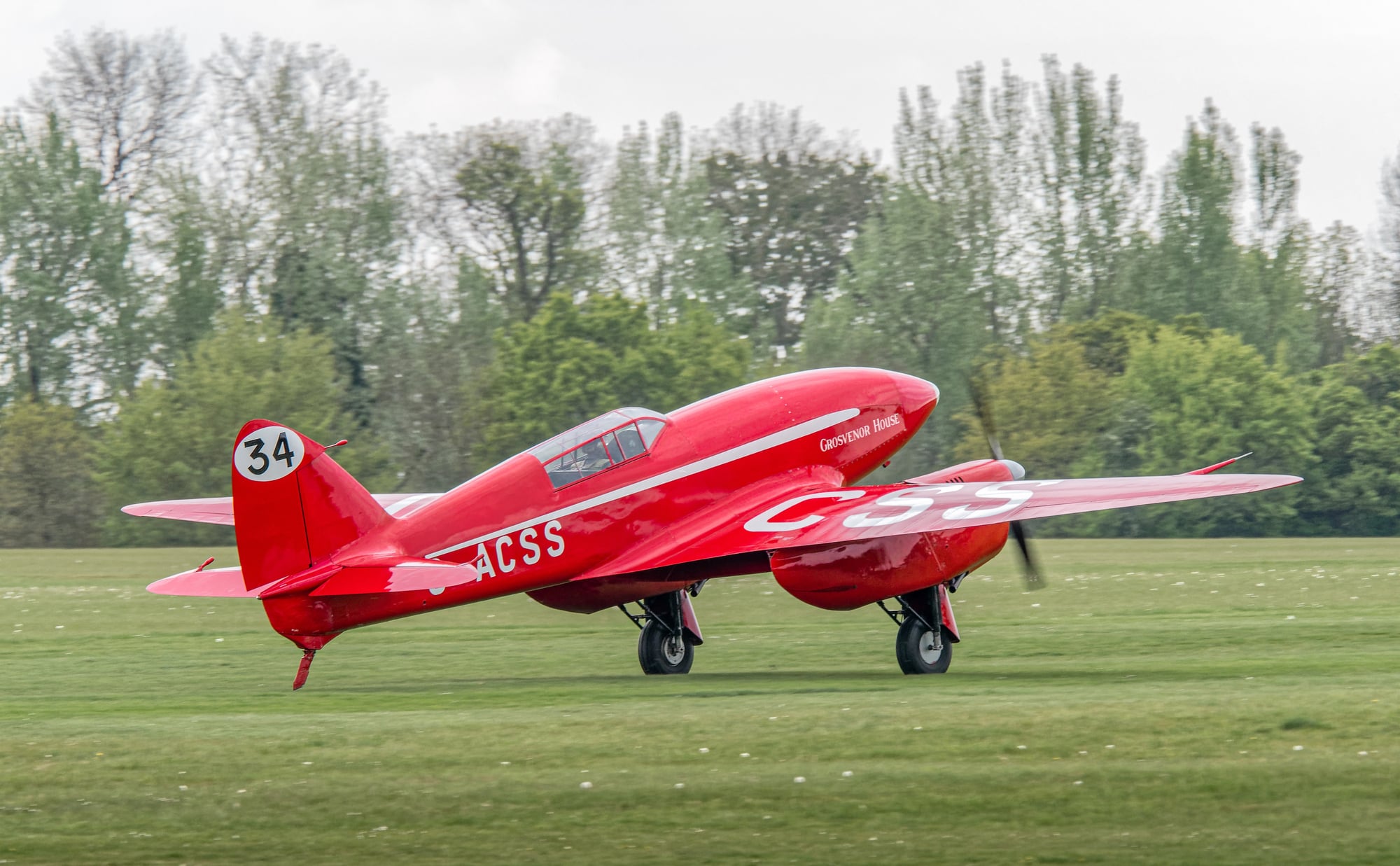
The de Havilland Comet, introduced in 1952 as the world’s first commercial jetliner, suffered three high-profile crashes within its first year of service. Investigators discovered that the square windows created stress points in the fuselage that led to catastrophic metal fatigue.
This design flaw grounded the revolutionary aircraft permanently while Boeing learned from these mistakes and dominated the jet age that followed.
The First Nuclear Power Plant Accident
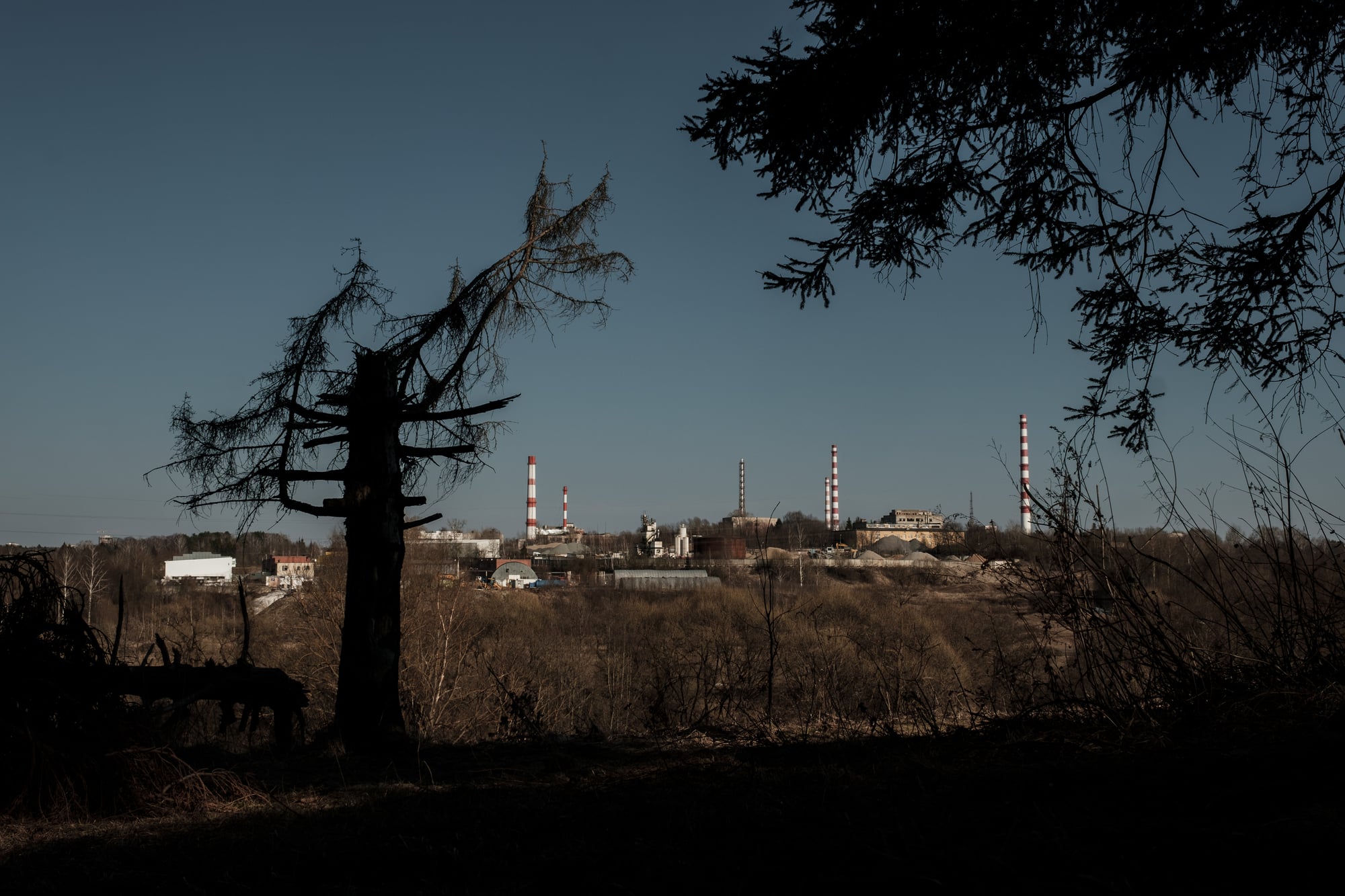
The Enrico Fermi Nuclear Generating Station near Detroit experienced the first partial meltdown at a commercial nuclear power plant in 1966. A piece of zirconium cladding broke loose and blocked coolant flow to some fuel assemblies, causing them to melt.
The accident was kept secret from the public for years, despite radiation being released into the containment building. The plant’s emergency systems prevented a larger disaster, but the incident foreshadowed later nuclear accidents.
The First Computer Bug

In 1947, computer pioneer Grace Hopper found a moth trapped in a relay of the Harvard Mark II computer, causing it to malfunction. She taped the insect into the logbook with the note ‘first actual case of bug being found.’
While the term ‘bug’ existed before this incident, this literal bug cemented the term in the computing lexicon. The primitive computer had to be completely disassembled to find the problem, demonstrating how vulnerable early computers were to even tiny interferences.
The First Supersonic Commercial Flight

The Soviet Tupolev Tu-144 beat the Concorde to become the first supersonic passenger aircraft in 1968, but crashed spectacularly at the 1973 Paris Air Show while performing for aviation experts and journalists. The aircraft broke apart mid-air, killing all six crew members and eight people on the ground.
Investigators determined that the pilot maneuvered aggressively to avoid a French military aircraft that was photographing the Soviet plane, highlighting the Cold War tensions that surrounded this technological milestone.
When Innovation Meets Reality

History shows us that pioneering achievements often come with unexpected consequences and lessons learned the hard way. These historic firsts remind us that progress isn’t a straight line but rather a series of attempts, failures, and adjustments.
The pioneers behind these firsts displayed remarkable courage by venturing into the unknown despite the risks. Their willingness to fail in spectacular fashion ultimately paved the way for the safer, more reliable technologies we enjoy today.
After all, sometimes you need to crash a few planes before you can make one that truly soars.
More from Go2Tutors!

- 18 Unexpectedly Valuable Collectibles You Might Have Lying Around
- 15 Things Every Teenager in the ’70s Did That Teens Today Wouldn’t Understand
- 15 Strange Things People Have Tried to Ban (And Failed)
- 15 Inventions That Were Immediately Banned After Being Created
- 20 Actors Who Were Almost Cast in Iconic Roles
Like Go2Tutors’s content? Follow us on MSN.