17 Historic Firsts That Ended in Total Disaster
Humanity has long honored trailblazers and inventors who pushed limits and explored unexplored regions. We recall the successful firsts, such as Edmund Hillary’s ascent to the top of Everest, Neil Armstrong’s moonwalk, or the Wright brothers’ flight. However, a lot of historic firsts resulted in spectacular failure, catastrophic accidents, or embarrassing blunders that have mostly been forgotten outside of academic circles rather than in success.
This list of 17 historic firsts that went catastrophically wrong serves as a reminder that progress frequently has unintended repercussions and hard lessons.
The First Parachute Jump

Already well-known as one of the first hot air balloonists, Jean-François Pilâtre de Rozier tried the first hydrogen balloon crossing of the English Channel in 1785. His creative concept produced what he believed would be the ideal plane by combining a hot air balloon with a hydrogen balloon.
Minutes after takeoff, the hydrogen ignited, forcing the balloon to drop from 3,000 feet. De Rozier and his companion were the first deaths in aviation history.
The First Steam Locomotive Passenger Service

In 1830, the Liverpool and Manchester Railway launched the world’s first regular passenger steam locomotive service. During the grand opening ceremony attended by the Duke of Wellington and numerous dignitaries, Parliament member William Huskisson stepped onto the tracks to shake the Duke’s hand.
He failed to notice an approaching locomotive and was struck, becoming the first railway casualty. This tragic accident overshadowed what should have been a celebrated technological advancement.
The First Dirigible Flight in America

Thomas Baldwin’s California Arrow made the first successful dirigible flight in America in 1904, but his follow-up demonstration went spectacularly wrong. During a public exhibition at the 1905 Lewis and Clark Exposition in Portland, his airship lost control in strong winds, crashed into a house, and ended up draped across a church steeple.
The pilot survived with minor injuries, but the embarrassing mishap damaged public confidence in dirigible technology for years.
Like Go2Tutors’s content? Follow us on MSN.
The First Echo Radio Broadcasts

Reginald Fessenden attempted the first broadcast of entertainment and music via radio on Christmas Eve 1906. While technically successful, the unexpected voices and music coming from shipboard radio equipment—normally used only for Morse code—terrified radio operators who thought they were hearing ghosts or experiencing hallucinations.
Fear drove some operators to abandon their posts, resulting in missed communications and at least one ship going aground.
The First Jet Aircraft
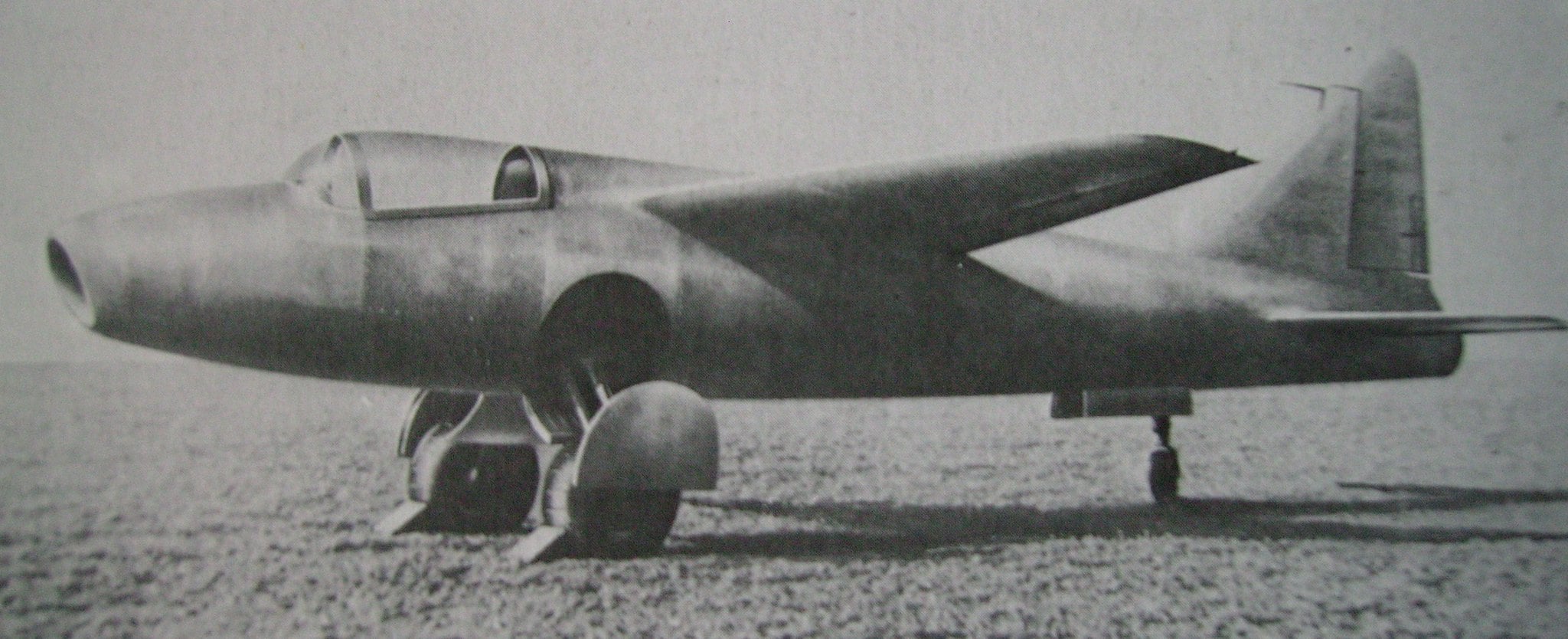
The German Heinkel He 178, the world’s first functional jet aircraft, first flew in 1939. Despite this breakthrough, the test program was plagued with problems.
The plane suffered frequent engine fires, and during one demonstration for Nazi officials, it experienced complete engine failure and crashed. The Reich Air Ministry deemed it impractical and initially rejected further jet development, nearly derailing what would become revolutionary technology.
The First Electric Chair Execution
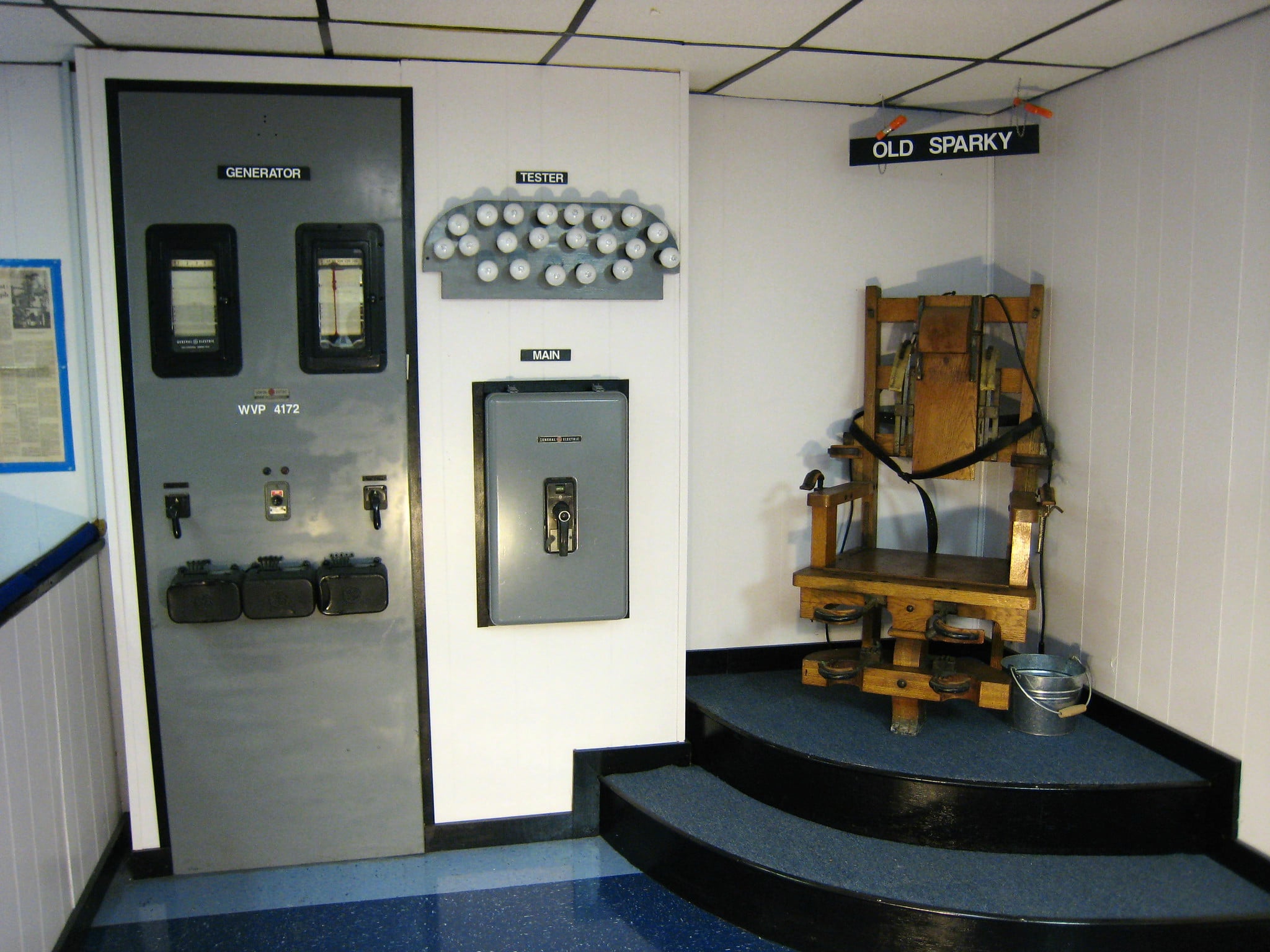
When New York State introduced the electric chair in 1890 as a ‘humane’ alternative to hanging, William Kemmler became the first person executed by this method. The execution went horrifically wrong.
The initial 17-second shock failed to kill Kemmler, who began to show signs of blood and breathing heavily. Witnesses reported the smell of burning flesh as a second, longer shock was administered.
One observer called it ‘an awful spectacle, far worse than hanging.’
Like Go2Tutors’s content? Follow us on MSN.
The First Automobile Race
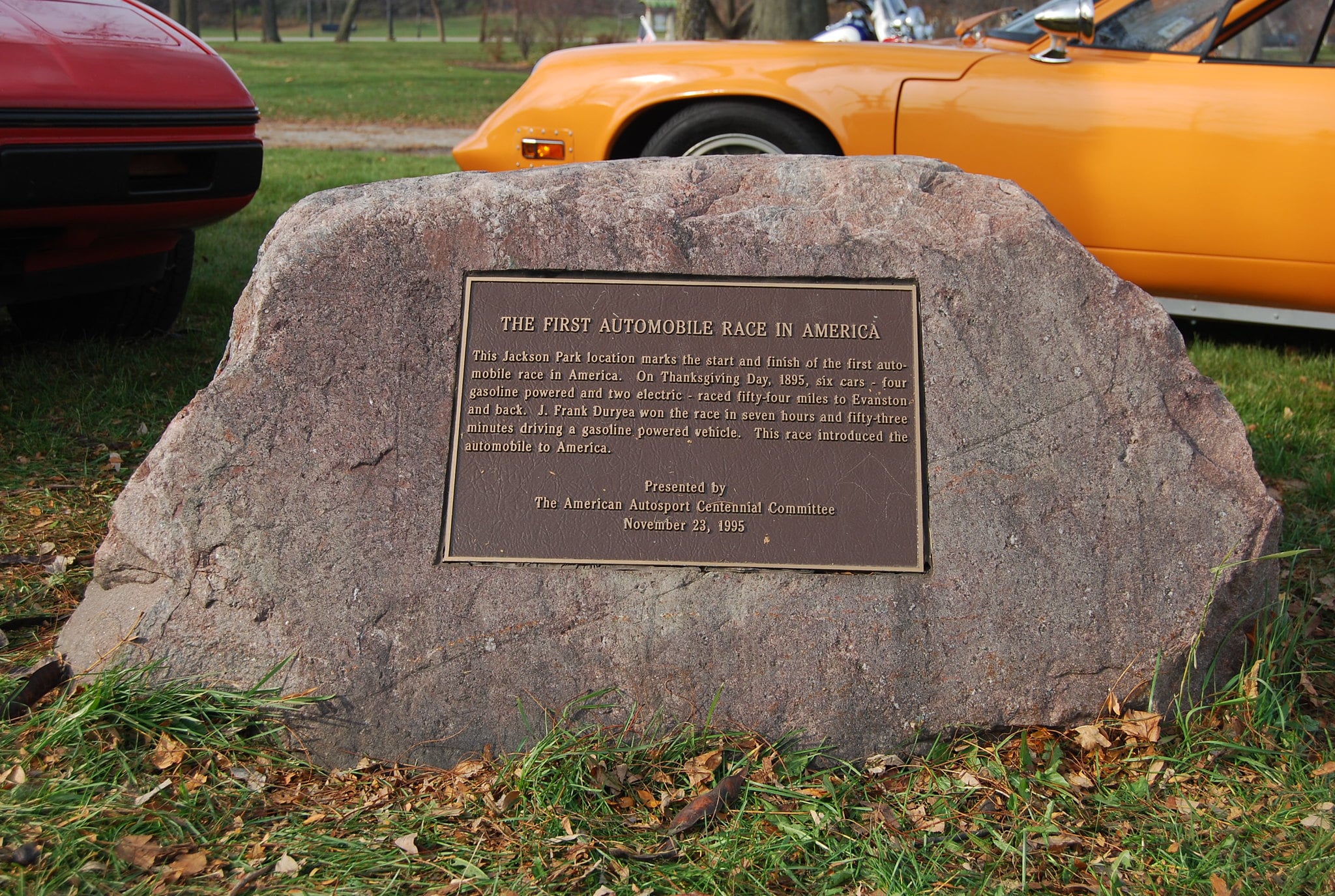
The first competitive motor race in America took place in Chicago in 1895 and was intended to showcase the reliability of the automobile. Of the 80 cars registered, only six actually made it to the starting line due to mechanical problems.
The winner took over 10 hours to complete the 54-mile course at an average speed of just over 5 miles per hour. Most vehicles broke down multiple times, with some catching fire or losing wheels along the way.
The First Underwater Tunnel

Marc Brunel’s Thames Tunnel, the world’s first tunnel constructed under a navigable river, opened in 1843 after 18 years of construction marred by disasters. The project experienced multiple floods that killed several workers, ran massively over budget, and was nearly abandoned numerous times.
When finally completed, its poor ventilation and dampness made it unsuitable for its intended purpose as a freight tunnel, and it became a tourist attraction filled with questionable establishments before eventually being converted for railway use.
The First Modern Olympic Marathon

The first Olympic marathon at the 1896 Athens Games became a catalogue of disasters. Several runners collapsed from dehydration, as water stations weren’t provided.
One participant took a carriage ride for part of the route. American Arthur Blake, the pre-race favorite, passed out at mile 14.
Of the 17 starters, only nine finished the race. The winner, Spiridon Louis, was initially accused of cheating until witnesses confirmed his complete journey on foot.
Like Go2Tutors’s content? Follow us on MSN.
The First Demonstration of Dynamite

Alfred Nobel arranged a public demonstration of his newly invented dynamite in Paris in 1867, intending to show its safety and controllability compared to nitroglycerin. The demonstration went catastrophically wrong when the explosive detonated prematurely, killing Nobel’s brother Emil and several spectators.
This disaster temporarily halted dynamite’s commercial development and haunted Nobel for the rest of his life, possibly influencing his later establishment of the Nobel Peace Prize.
The First Iron-Hulled Battleship

HMS Captain, launched in 1869, was Britain’s first iron-hulled, turret battleship and represented cutting-edge naval technology. Designer Captain Cowper Coles convinced the Admiralty to build the ship despite warnings about stability issues.
During a storm in September 1870, the vessel capsized due to its high center of gravity and inadequate freeboard, killing 472 men, including Coles himself. The disaster set back British naval design for years.
The First Rainmaking Experiment
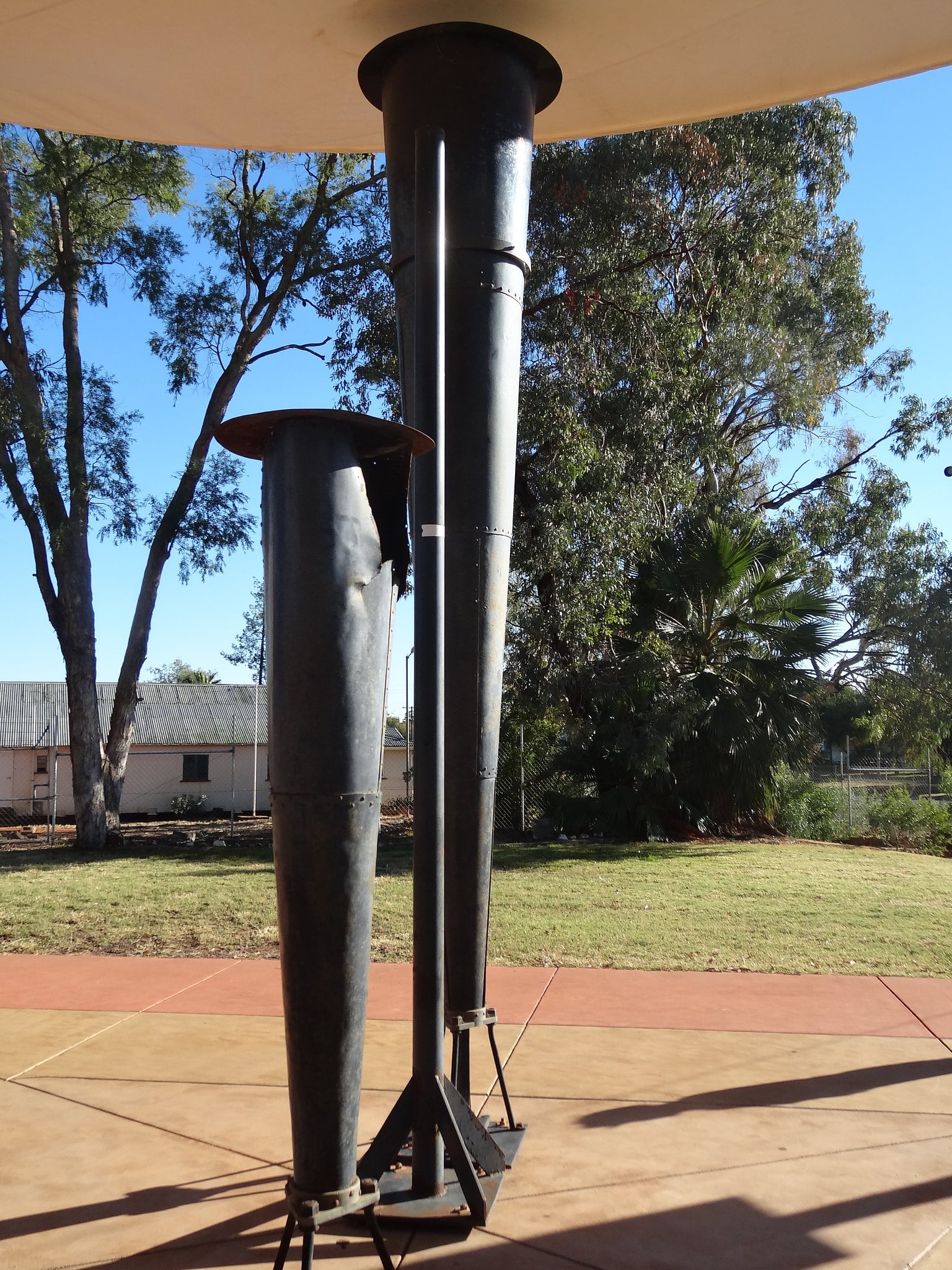
In 1891, Robert St. George Dyrenforth received a congressional grant to conduct the first scientific rainmaking experiments in drought-stricken Texas. His method involved detonating explosives and releasing chemicals from balloons, believing the concussions and substances would trigger rainfall.
The experiments not only failed to produce rain but also caused prairie fires, injured several team members, and frightened local livestock. Contemporary scientists labeled the project ‘charlatanry’ disguised as science.
Like Go2Tutors’s content? Follow us on MSN.
The First Public Radio Station

Charles ‘Doc’ Herrold established the first regular public broadcasting station in San Jose in 1909. Despite its initial success, his groundbreaking station faced disaster when all radio equipment was confiscated by the government during World War I.
When broadcasting resumed after the war, Herrold found himself unable to compete with better-funded operations using newer technology. His pioneering station went bankrupt, and Herrold died in poverty, largely forgotten by the industry he helped create.
The First Transatlantic Cable

Cyrus Field’s ambitious project to lay the first transatlantic telegraph cable in 1858 briefly succeeded before ending in failure. After a celebration including salutes and fireworks, the cable transmitted a few messages at an excruciatingly slow rate before failing completely after three weeks.
The cable’s chief electrician had insisted on using dangerously high voltage, which destroyed the insulation. The failure set back transatlantic communication by eight years and cost investors millions.
The First Modern Heart Transplant

While Dr. Christian Barnard is widely credited with the first successful heart transplant in 1967, the first attempt at a human heart transplant was performed by Dr. James Hardy in 1964. With no human donor available, Hardy transplanted a chimpanzee heart into a dying patient.
The heart was too small to support human circulation and failed almost immediately. The patient died within hours, and Hardy faced widespread condemnation for attempting the procedure without adequate preparation.
Like Go2Tutors’s content? Follow us on MSN.
The First Steamship Crossing
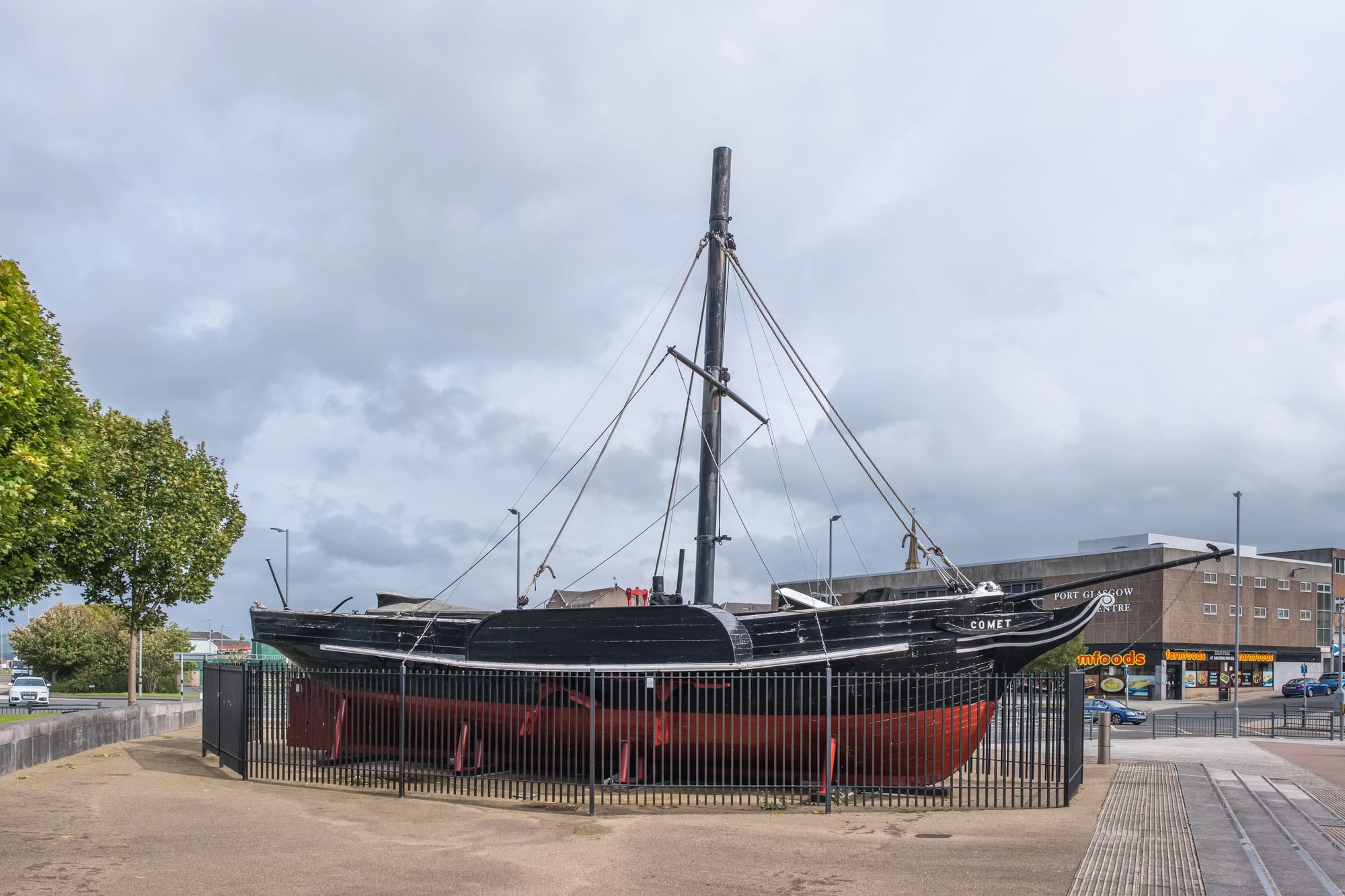
The SS Savannah became the first steamship to cross the Atlantic in 1819, but the journey was far from successful. The ship’s innovative steam engine was used for only a small portion of the voyage due to limited coal storage and engine problems.
Ports refused the vessel entry, believing the smoke from its stack meant it was on fire. The venture was a financial disaster, and the ship was soon converted back to a conventional sailing vessel.
The First Space Station
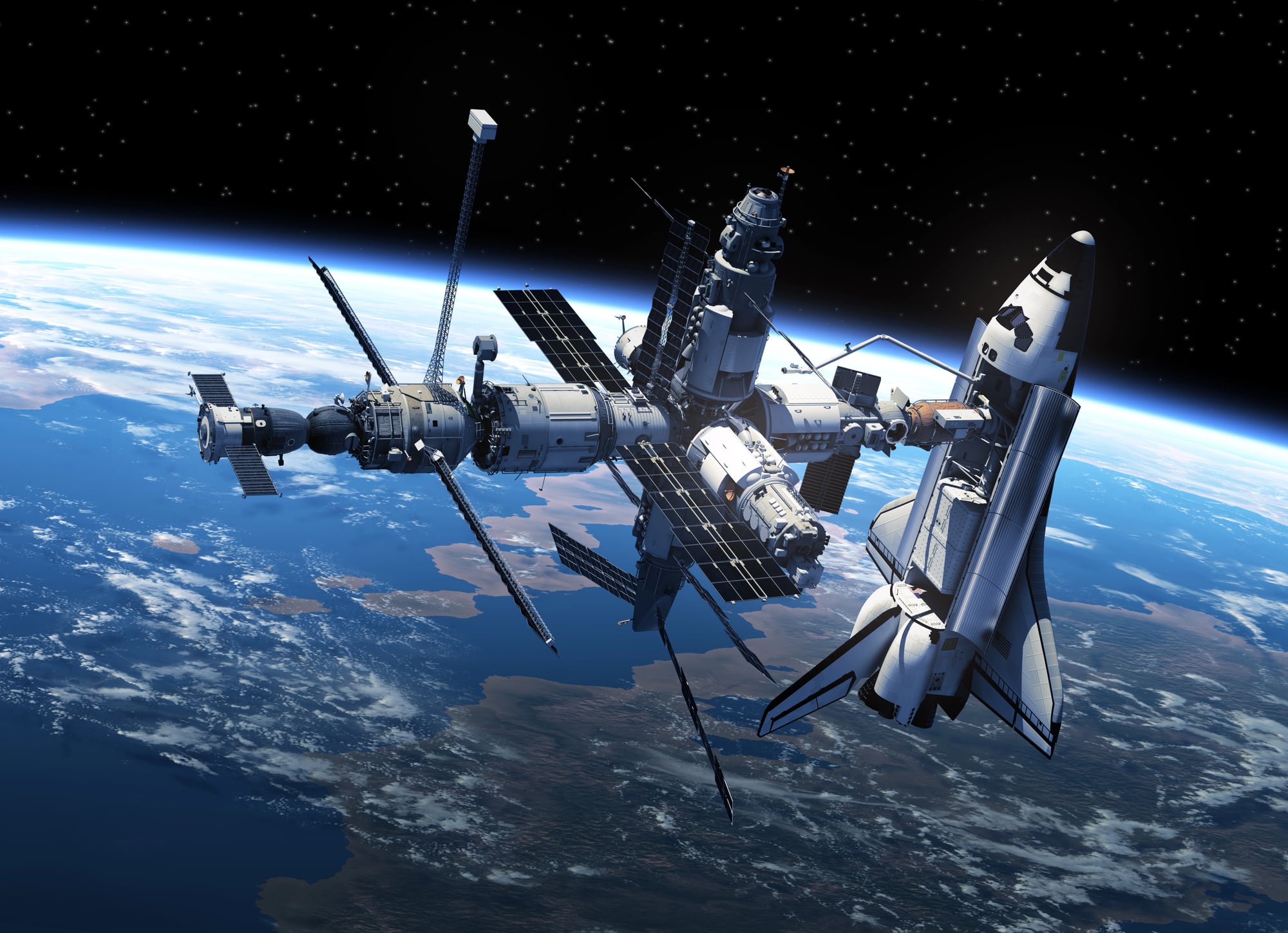
Salyut 1, launched by the Soviet Union in 1971 as the world’s first space station, initially appeared successful. The three cosmonauts of Soyuz 11 spent days aboard, setting a space endurance record.
The mission ended tragically when a pressure equalization valve opened prematurely during their return to Earth, causing the capsule to depressurize. All three cosmonauts died from asphyxiation, becoming the only human fatalities to occur in space rather than during launch or reentry.
Pioneering Through Failure

These disastrous firsts remind us that innovation rarely follows a straight path to success. Behind every celebrated achievement often lies a trail of failures, accidents, and unintended consequences that shaped subsequent attempts.
These pioneers, despite their misfortunes, provided valuable lessons that allowed others to succeed where they had failed. Their stories represent the true nature of human progress—a messy, sometimes tragic process of trial and error that gradually transforms the impossible into the routine.
Like Go2Tutors’s content? Follow us on MSN.
More from Go2Tutors!

- 18 Unexpectedly Valuable Collectibles You Might Have Lying Around
- 20 Little-Known Historical Battles That Had Huge Consequences
- 20 Historical Artifacts That Scientists Can’t Explain
- 15 Inventions That Were Immediately Banned After Being Created
- 20 Actors Who Were Almost Cast in Iconic Roles
Like Go2Tutors’s content? Follow us on MSN.



