15 Textile Patterns That Told Family Stories
Throughout history, families have found countless ways to preserve their legacies, though few methods are as intimate and enduring as the patterns woven into cloth. These weren’t just decorative choices—they were visual languages that carried forward the deepest truths about who people were and where they came from.
Here is a list of 15 textile patterns that served as powerful storytellers, each one preserving family histories in threads and colors that have survived generations.
Clan Tartans
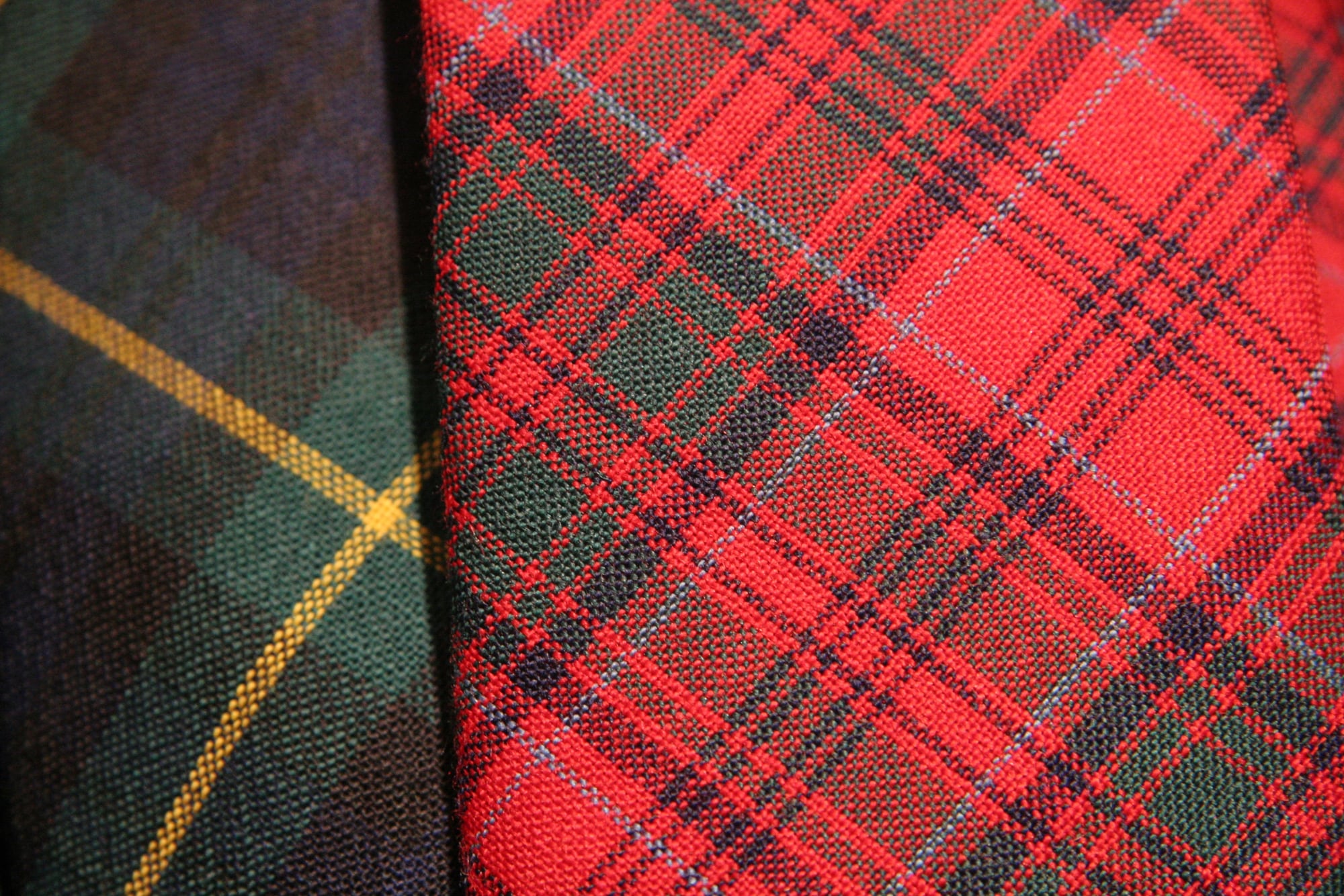
Scottish families developed specific plaid patterns that became their visual signatures—each arrangement of stripes and colors representing a different clan. The MacLeod tartan differs completely from the Campbell pattern.
Wearing the wrong one was like showing up to a family reunion with someone else’s name tag. These patterns became so important that entire battles were fought over the right to wear certain designs, yet even today, authentic tartans are registered and protected like trademarks.
Kente Cloth Patterns
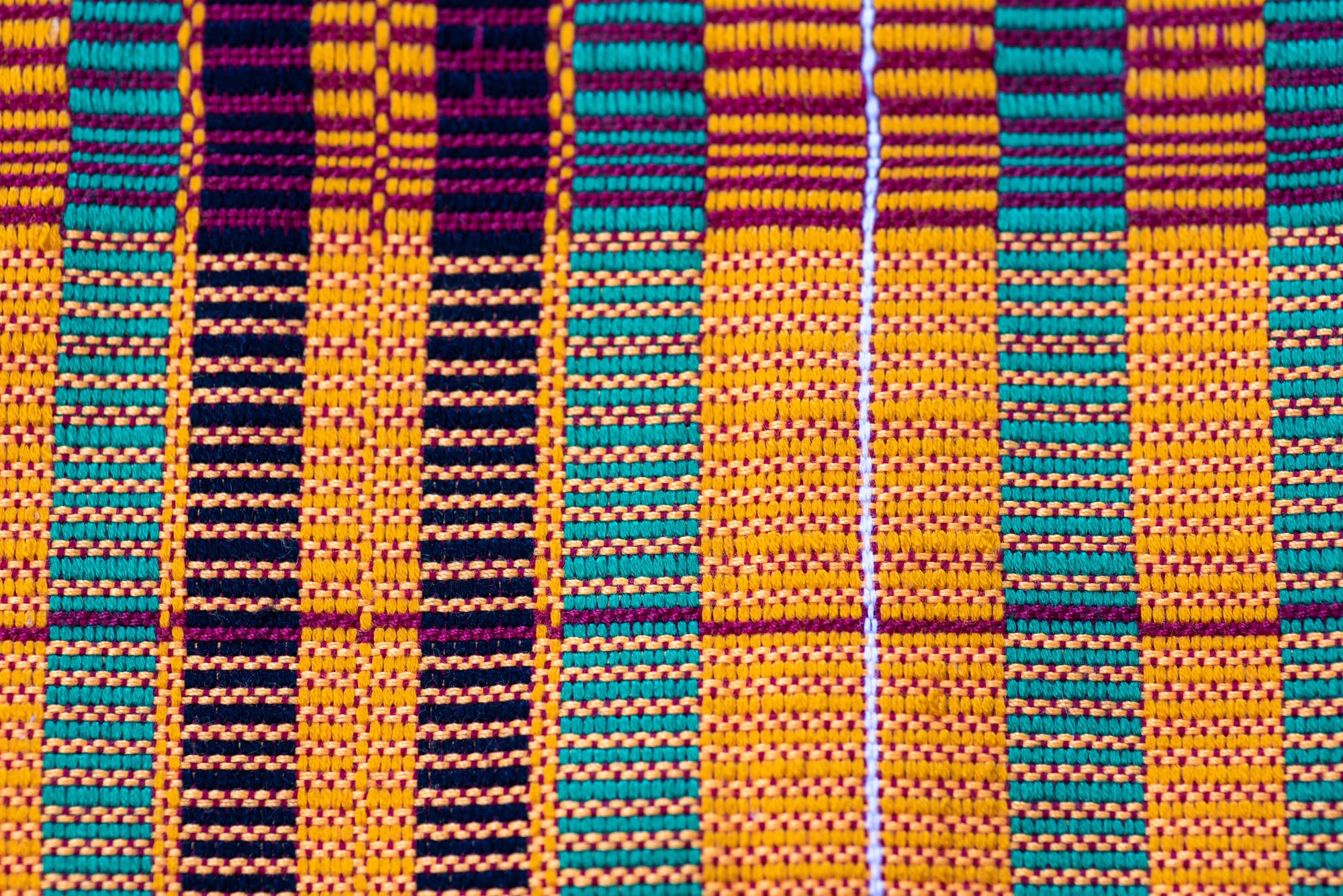
West African families, particularly among the Akan people, created kente patterns that functioned like woven autobiographies. Each geometric design told specific stories about family achievements, moral values, or historical events that shaped their lineage.
The patterns were so complex that master weavers spent years learning not just the technical skills—they also had to understand the cultural significance behind every single thread placement.
Seminole Patchwork

The Seminole tribe of Florida developed intricate patchwork patterns in the late 1800s that became family signatures. Each design represented different clans and their unique stories.
These weren’t random pretty patterns—they were visual family trees that could tell you exactly which group someone belonged to just by looking at their clothing. The tradition became so central to Seminole identity that families passed down not just the patterns themselves, though they also shared the stories behind why each design was chosen.
Hmong Story Cloths
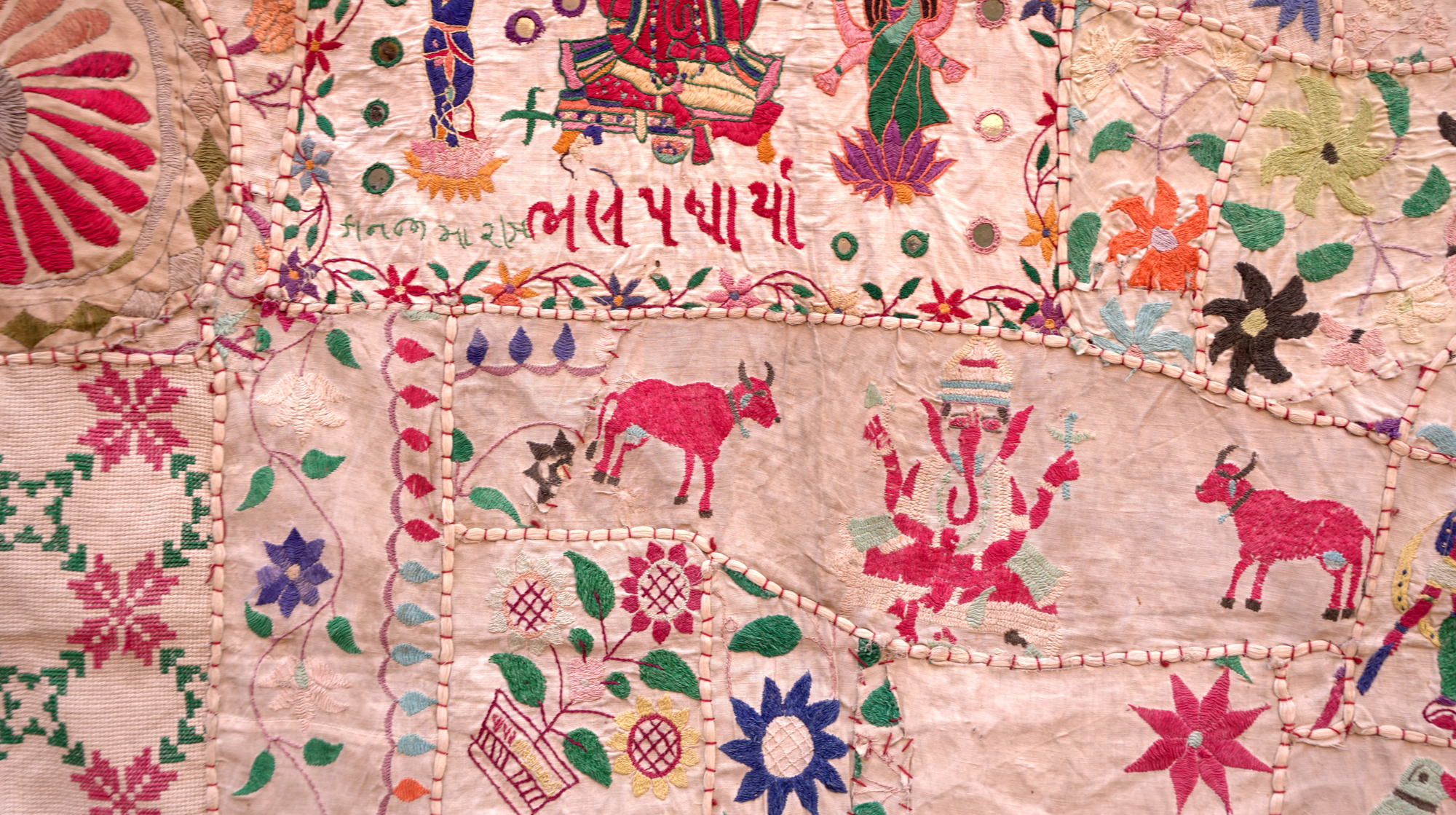
Hmong families created elaborate textile narratives called ‘pa ndau’ that depicted their journey from China through Southeast Asia and eventually to America. These weren’t just decorative pieces—they were visual history books showing everything from traditional village life to the trauma of war and displacement.
Mothers would spend months creating these story cloths, knowing they might be the only way their children would remember where they came from.
Amish Quilt Patterns
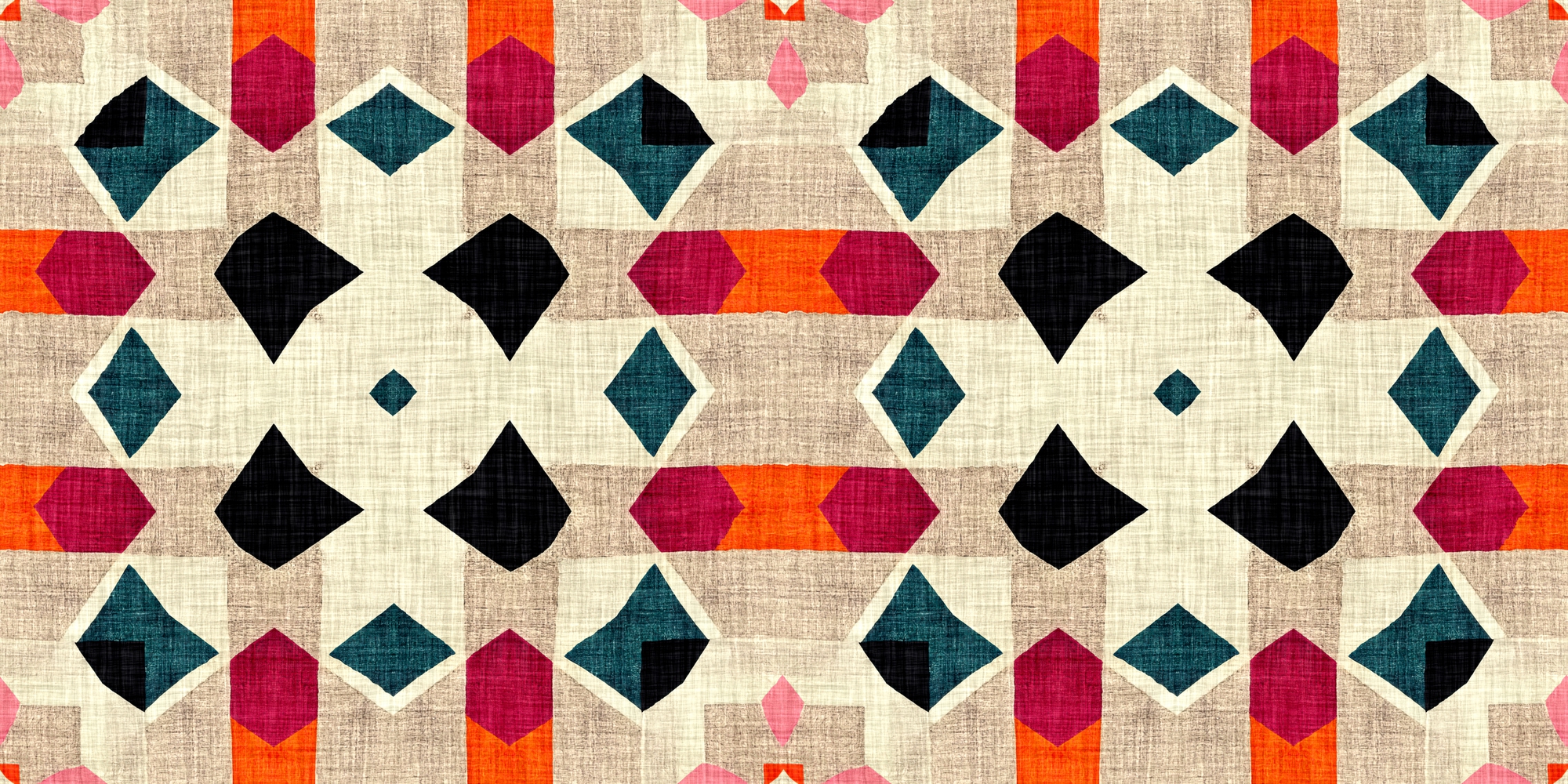
Amish families developed distinctive quilt patterns that reflected their religious beliefs—names like ‘Wedding Ring’ carried deep family significance. Each pattern choice told a story about the family’s priorities within their community.
The colors were carefully chosen too. Certain combinations indicated whether a family was more conservative or progressive within Amish society, creating a subtle yet powerful form of family identification.
Ukrainian Rushnyky
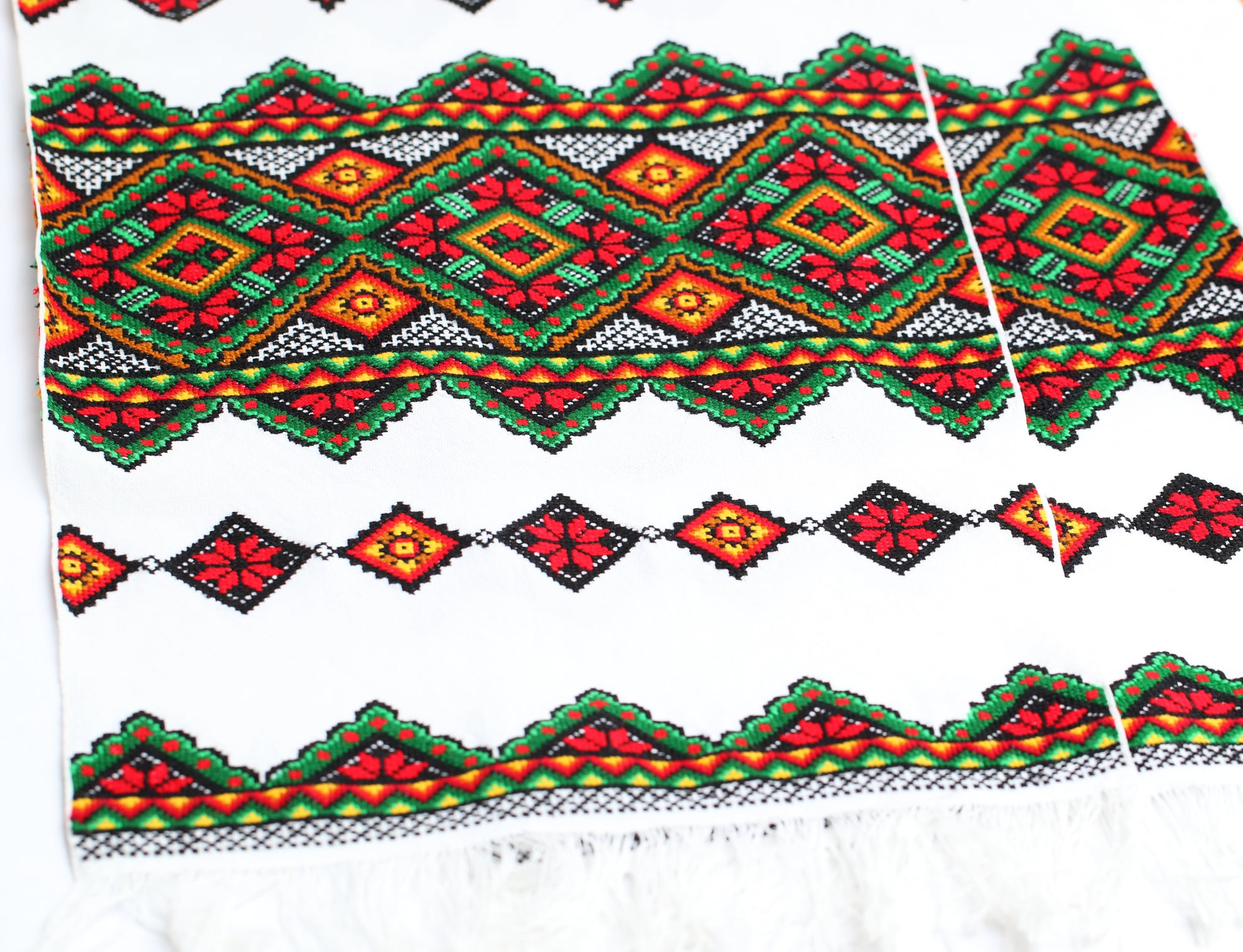
Ukrainian families created ceremonial towels called rushnyky with patterns that served as family coats of arms—passed down from mother to daughter for centuries. These textiles played crucial roles in weddings, christenings, and funerals.
Specific patterns indicated which region the family came from and what their social status was. The geometric designs weren’t just pretty—they were a form of family DNA that could trace lineages back hundreds of years.
Peruvian Inca Patterns
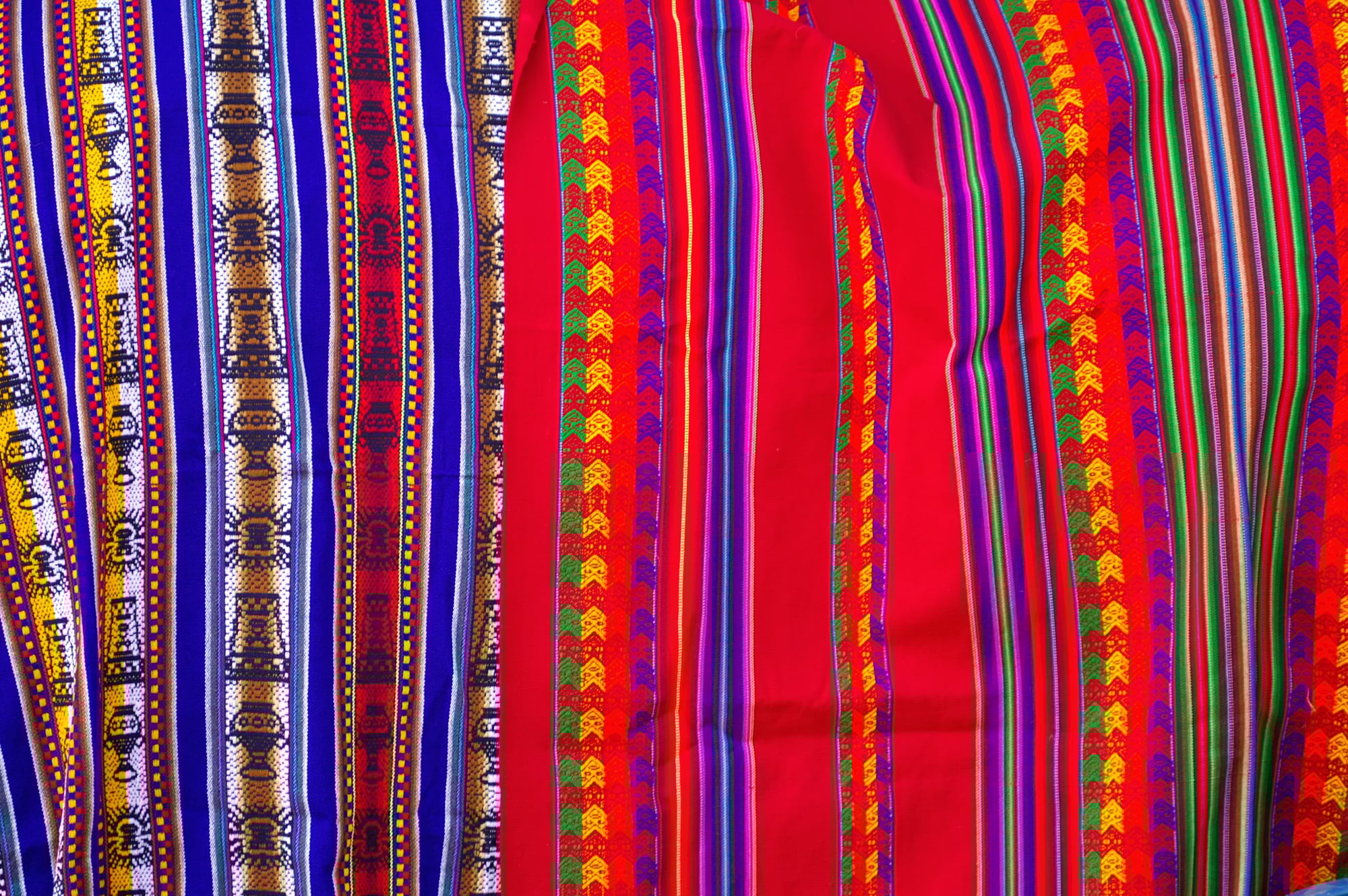
Inca families used specific weaving patterns to indicate their social rank, profession, and regional origin within the empire. These patterns were so standardized that government officials could determine someone’s entire background just by examining their clothing.
The tradition was so important that master weavers held positions equivalent to modern-day genealogists—responsible for maintaining the accuracy of family patterns across generations.
Irish Cable Knit Patterns
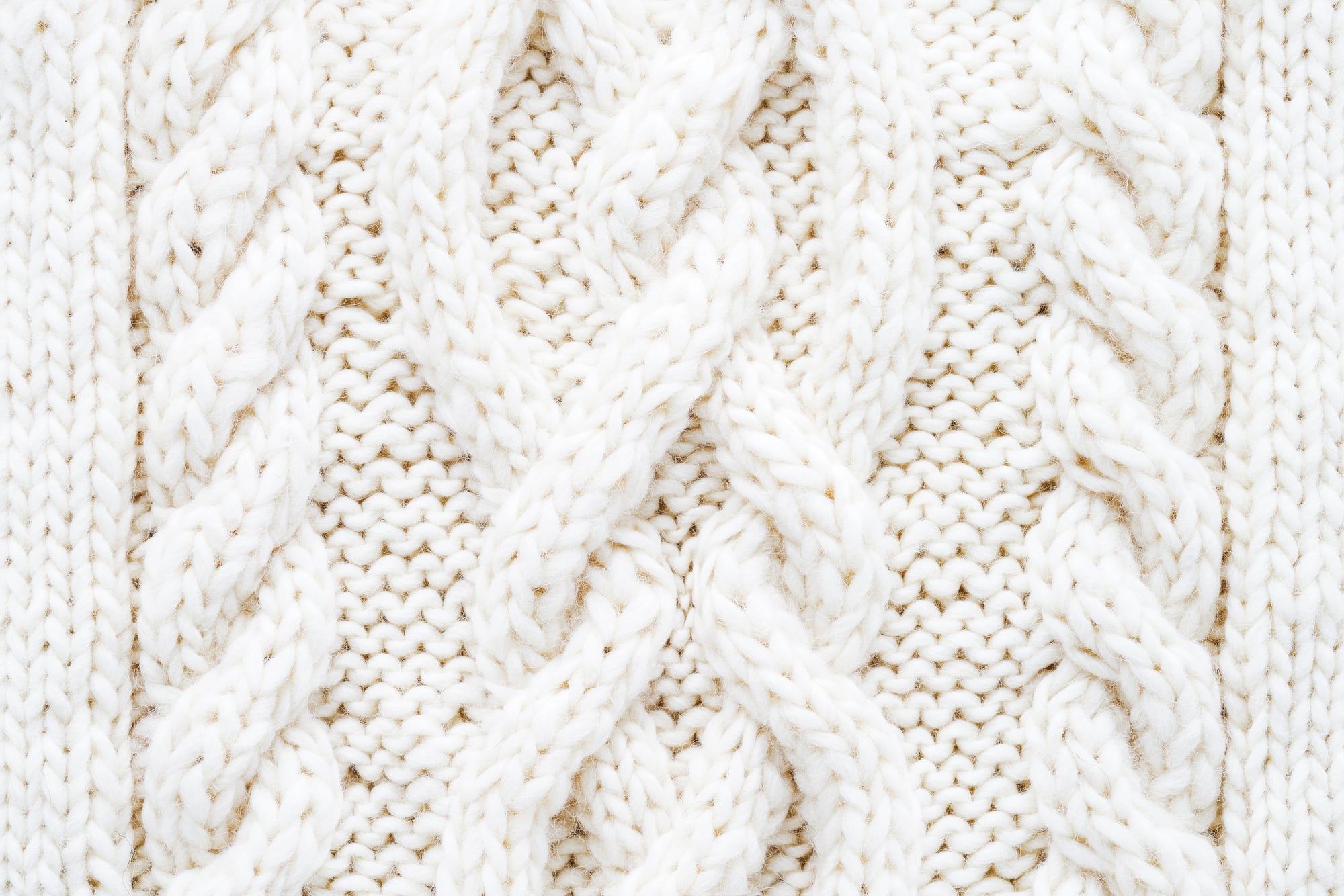
Irish fishing families developed unique cable knit patterns that served as identification systems for their men who worked dangerous waters. Each family had distinctive stitch combinations so specific they could identify a fisherman’s body even if he was found weeks later.
These patterns became family treasures, passed down from mothers to daughters-in-law—creating an unbroken chain of family identity that survived even when families emigrated to other countries.
Guatemalan Huipil Designs
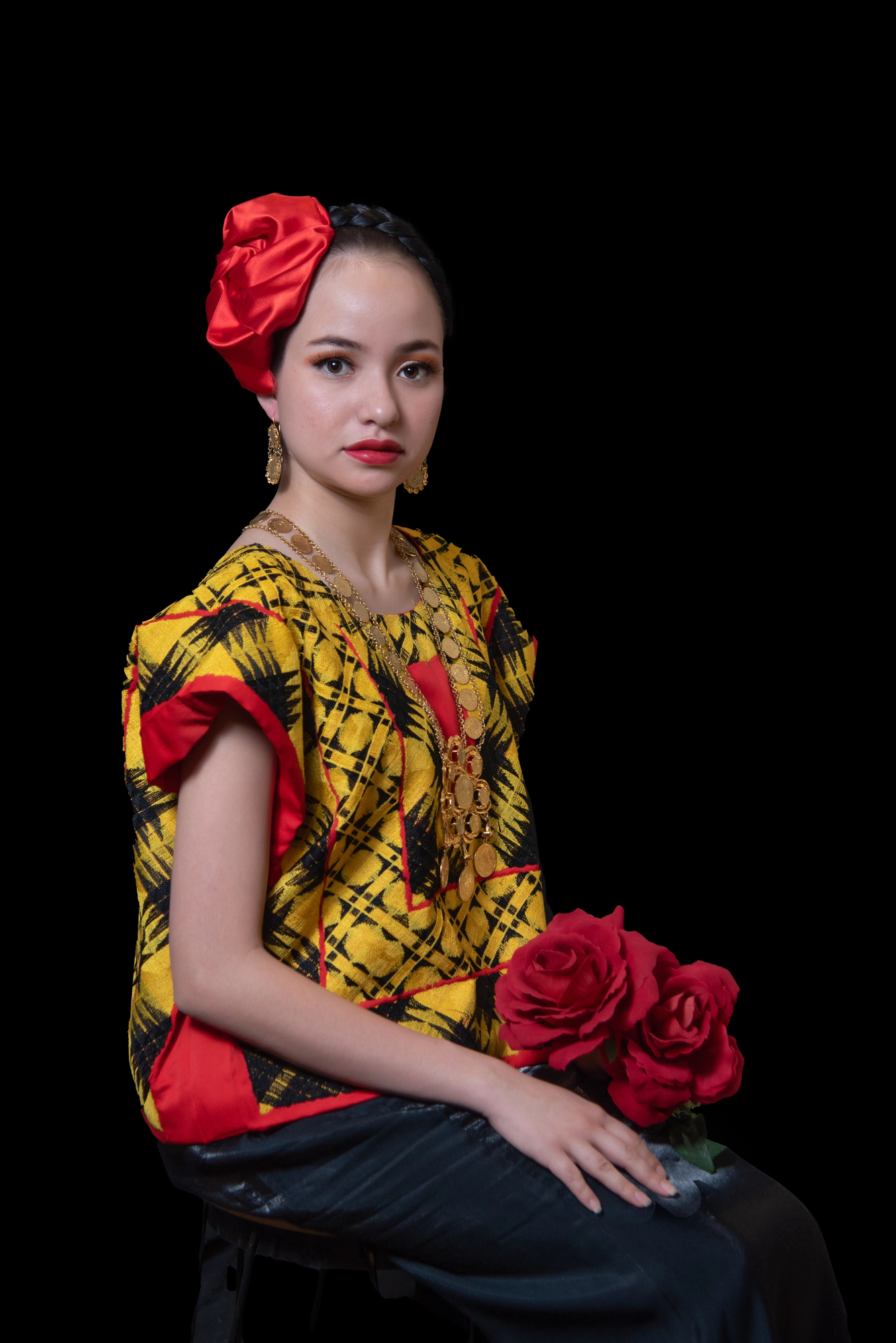
Mayan families in Guatemala created huipil patterns that functioned like wearable family trees. Specific motifs indicated not just which village someone came from—they also revealed their family’s role within that community.
The patterns were so detailed that experts can still identify the exact town of vintage huipils found in museums today. These designs carried such importance that families would rather go without food than compromise on the quality of materials used in their traditional patterns.
Japanese Family Crests on Textiles
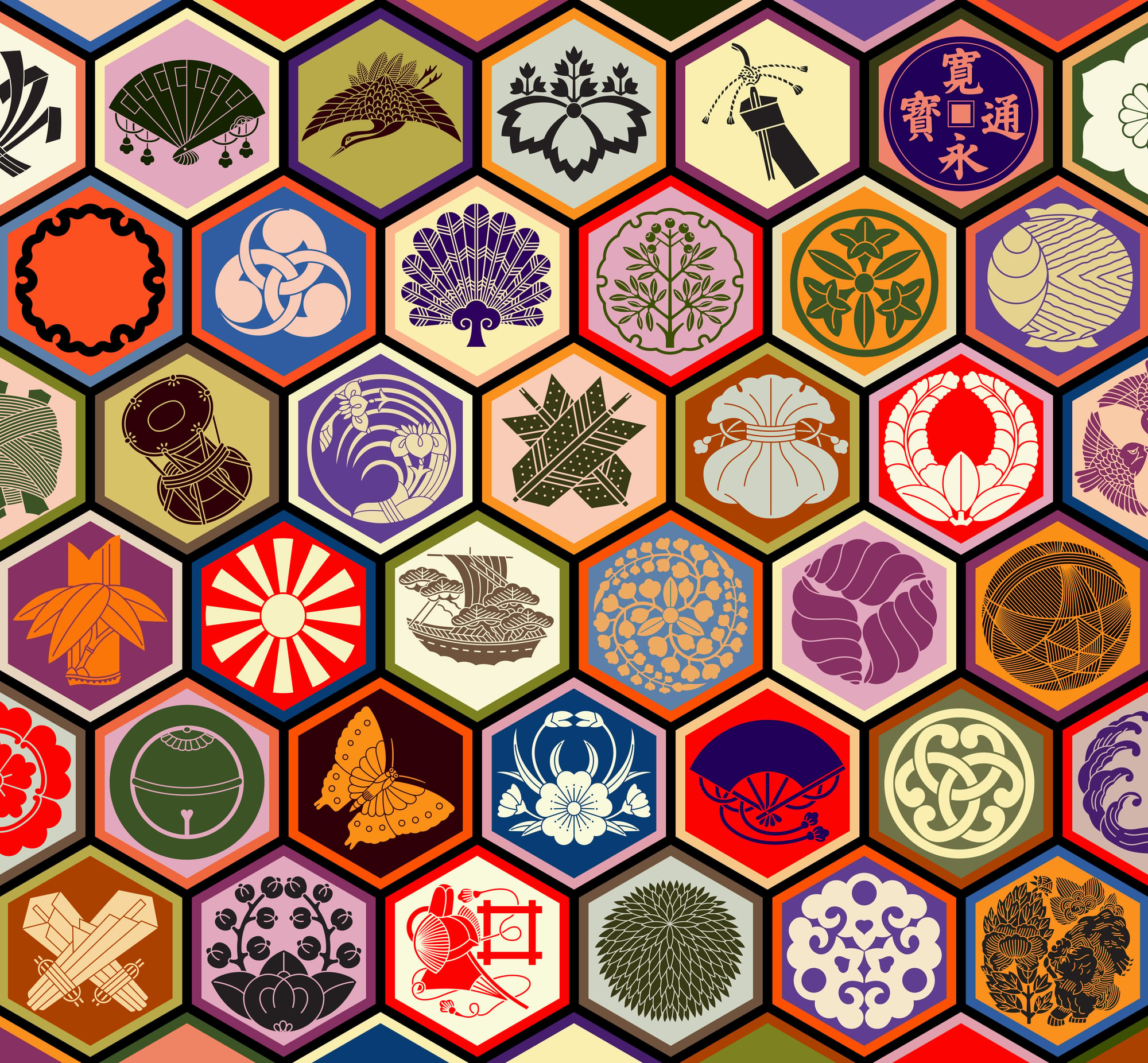
Japanese families incorporated their mon (family crests) into textile patterns, creating formal wear that instantly communicated family lineage. These weren’t just decorative elements—they were legal identifiers that carried the same weight as official documents.
The patterns became so standardized that there were official registries tracking which families could use which designs. Unauthorized use was considered a serious crime.
Turkish Kilim Patterns
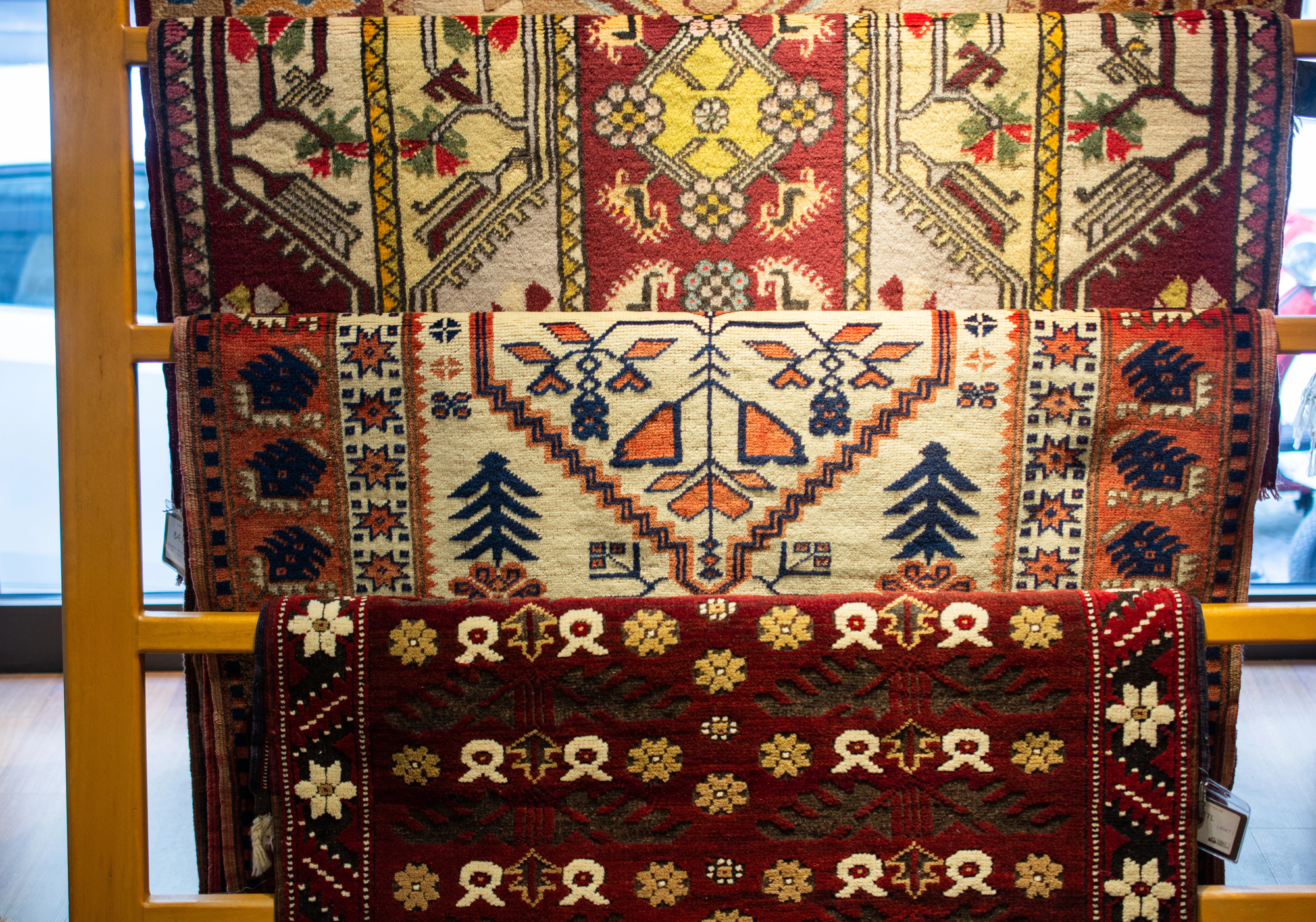
Turkish nomad families developed kilim patterns that served as portable family histories, with each design element representing different aspects of their heritage and beliefs. These rugs traveled with families as they moved across vast territories, serving as both practical floor coverings and visual reminders of who they were.
The patterns were so regionally specific that experts can pinpoint not just which area a kilim came from, yet often which family group created it.
Danish Hardanger Embroidery
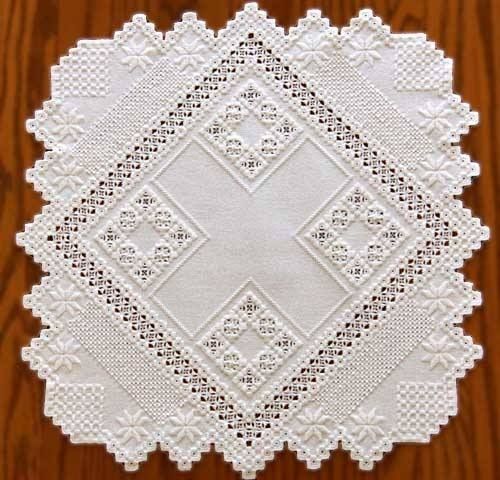
Norwegian and Danish families created Hardanger embroidery patterns that told stories about family traditions and regional pride. Specific motifs passed down through generations of women.
These intricate patterns required such skill and time that they became markers of family prosperity and dedication to cultural preservation. The patterns were often incorporated into wedding linens, ensuring that family stories were literally woven into life’s most important moments.
Chinese Silk Brocade Patterns
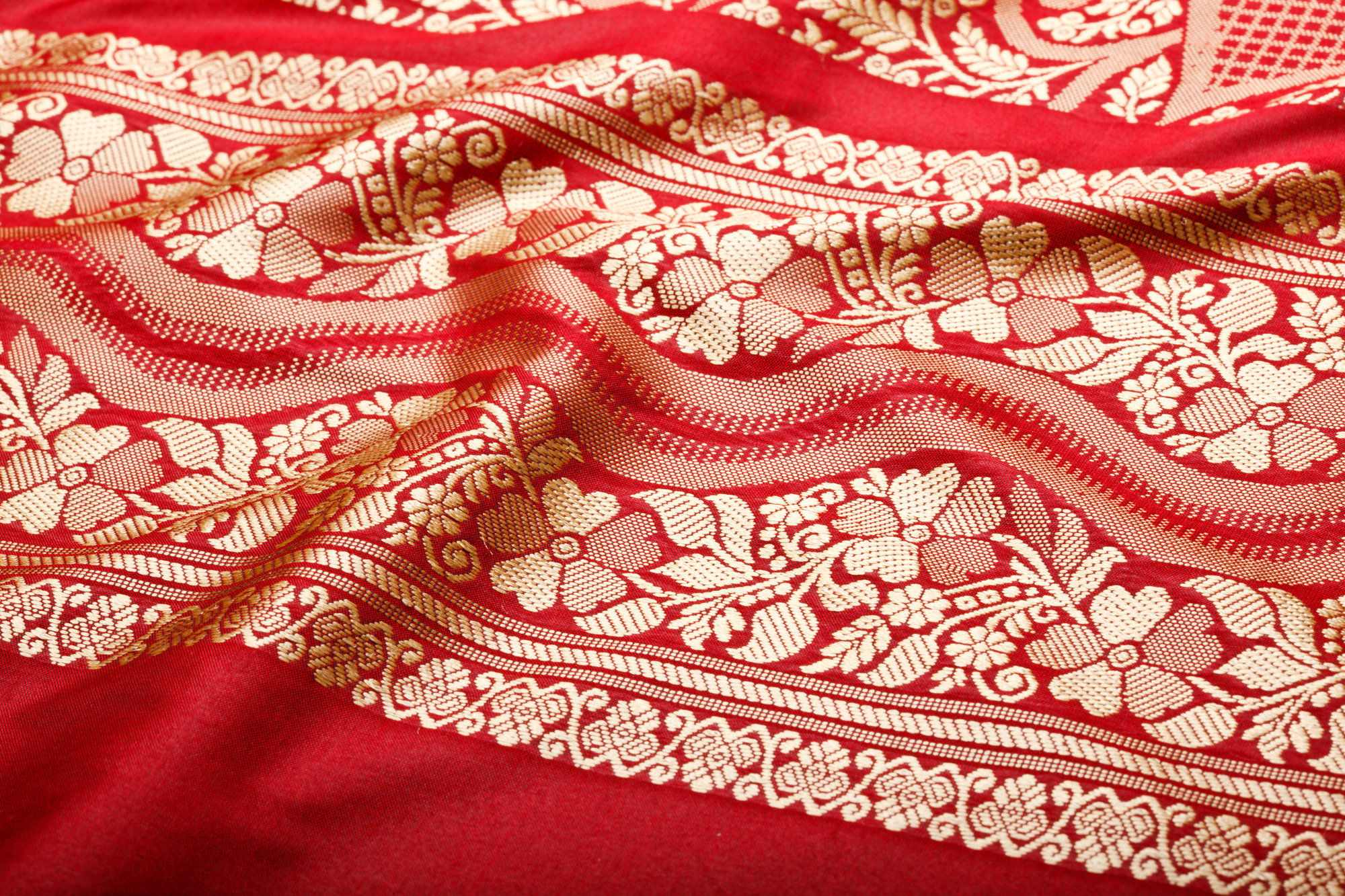
Chinese families used specific brocade patterns to indicate their social rank and family achievements. Designs like dragons and phoenixes were reserved for imperial families while merchants and farmers had their own distinct patterns.
These weren’t just fashion choices, though they were legally mandated identifiers that could mean life or death if worn by the wrong person. Family pattern books were passed down like precious heirlooms, containing detailed instructions for recreating designs that represented centuries of family history.
Native American Ribbon Work
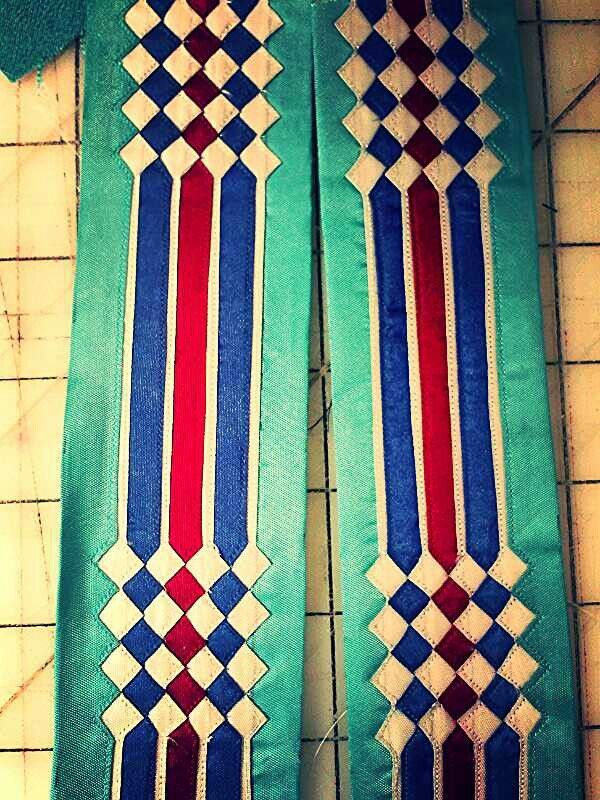
Great Lakes tribes developed ribbon work patterns that became family signatures, with each design representing different clans and their unique stories within tribal history. These patterns were applied to traditional clothing for ceremonies, serving as visual announcements of family identity.
The tradition became so important that families would travel hundreds of miles to obtain specific ribbon colors that maintained their authentic family designs.
Indian Bandhani Patterns
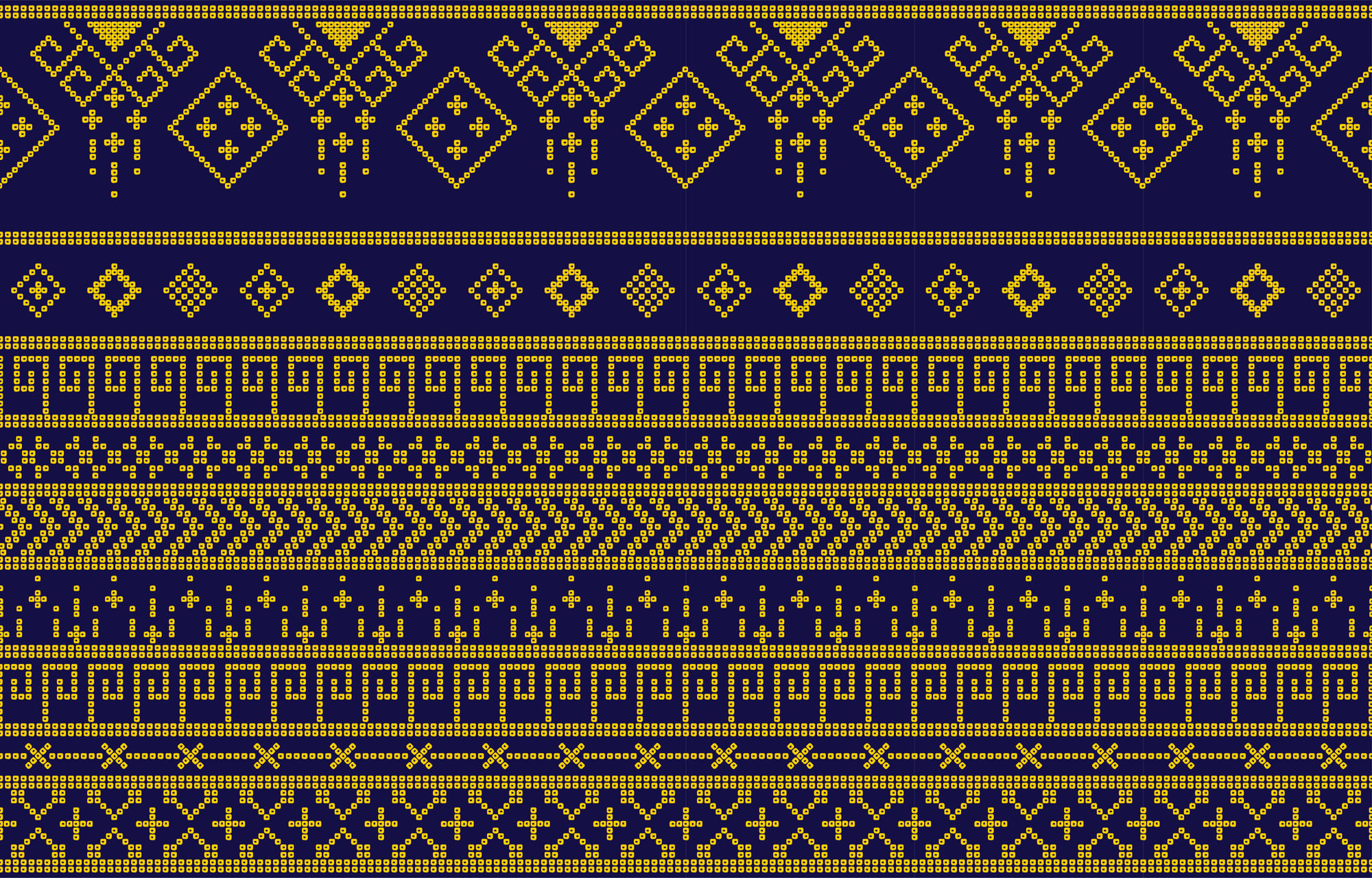
Gujarati and Rajasthani families created bandhani (tie-dye) patterns that indicated family status, regional origin, and religious affiliations through specific color combinations. These patterns were so culturally significant that they became part of marriage negotiations.
Families showcased their heritage through the complexity and quality of their traditional textiles. The patterns required such specialized knowledge that master craftspeople became living libraries of family and community history.
Threads That Bind Generations
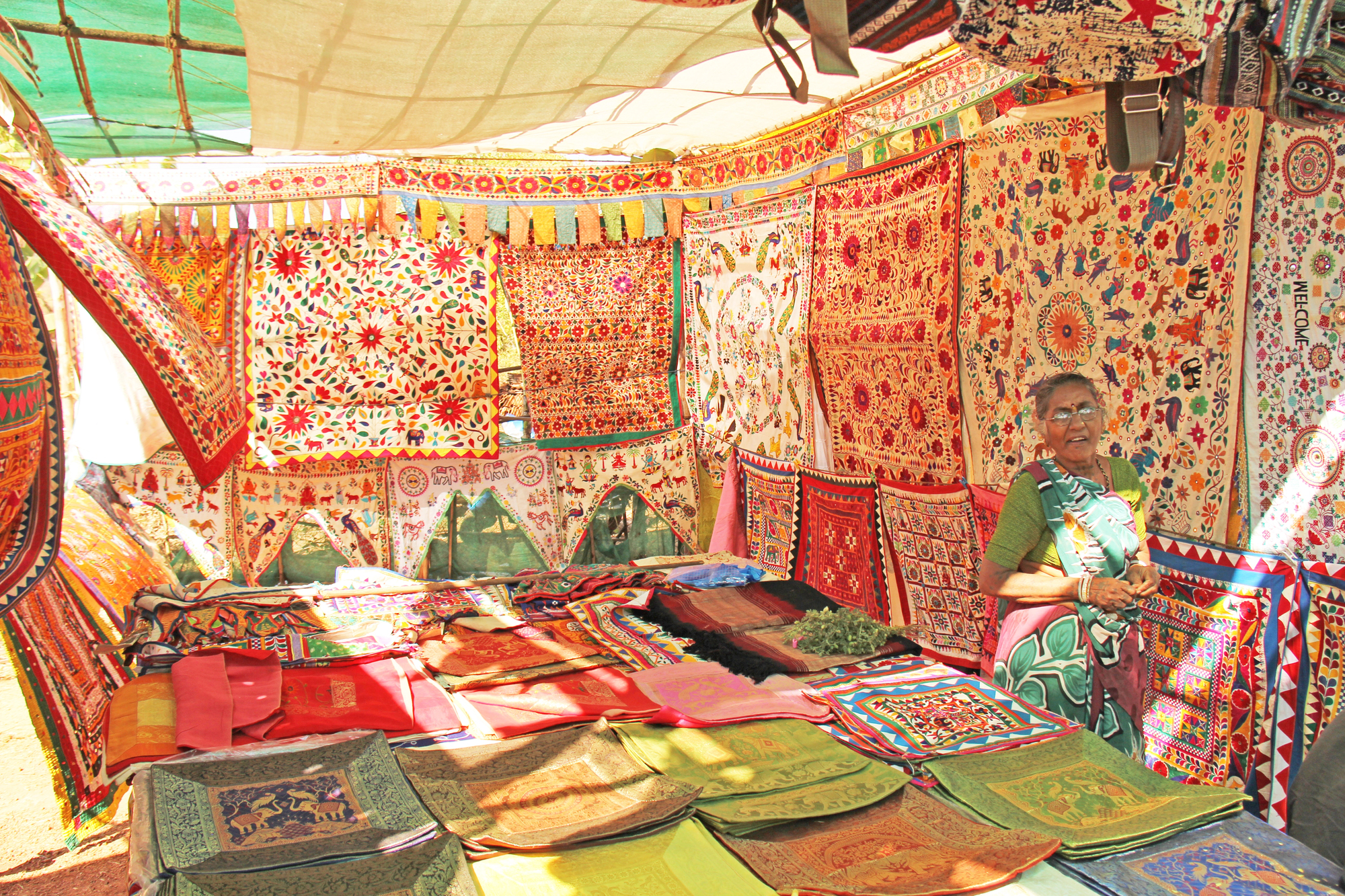
These textile traditions remind us that long before social media existed, families found ways to ensure their stories would survive. The patterns live on in museums, family collections, and continuing traditions.
They prove that some stories are too important to trust to words alone. What started as practical necessity became something far more precious, though it remains a tangible connection between past and present that you can literally touch and feel.
More from Go2Tutors!

- The Romanov Crown Jewels and Their Tragic Fate
- 13 Historical Mysteries That Science Still Can’t Solve
- Famous Hoaxes That Fooled the World for Years
- 15 Child Stars with Tragic Adult Lives
- 16 Famous Jewelry Pieces in History
Like Go2Tutors’s content? Follow us on MSN.